(中英附文稿)不敢拒绝、害怕失望、总想证明自己:你正在为别人
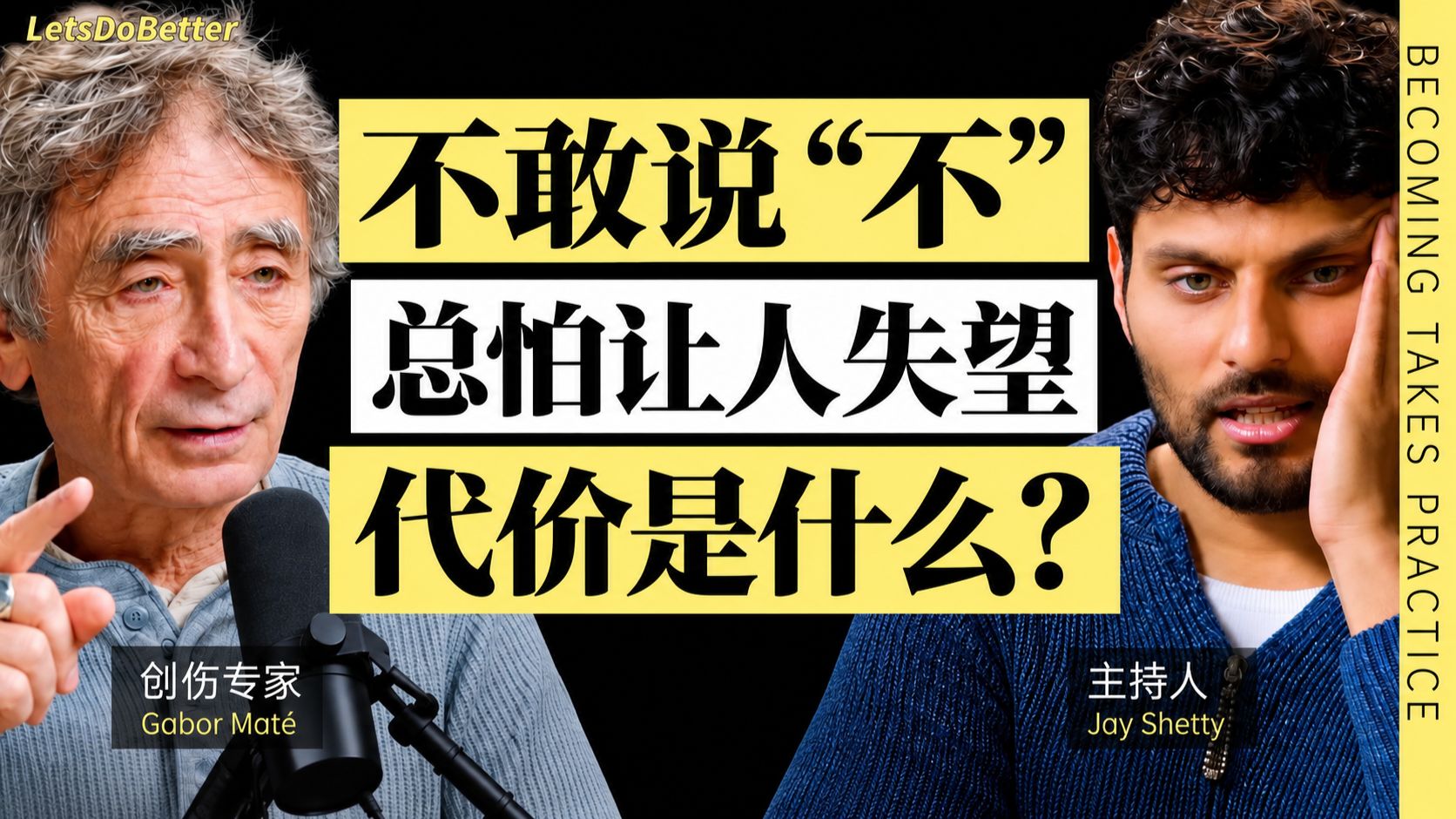
字幕摘录
| 时间 | 英文 | 中文 |
|---|---|---|
| 0:00 | We've been talking tonight about | 我们今晚一直在谈 |
| 0:03 | worrying about how we're perceived by others | 担心别人对我们的看法 |
| 0:07 | and how that blocks us from things in our life. | 以及这如何阻碍我们 与我们生活中的东西。 |
| 0:12 | Where does that come from? | 从何而来. |
| 0:13 | Why is it that we're so obsessed and addicted | 为什么我们迷恋上瘾 |
| 0:17 | to what people think about us? | 人们对我们的看法? |
| 0:19 | Well, it's a great topic | 嗯,这是一个伟大的话题 |
| 0:21 | and I think in this culture it's a fundamental one. | 我认为在这种文化中,它是一个根本性的。 |
| 0:26 | There's a wonderful Catholic monk and mystic called Thomas Merton | 有个很棒的天主教和尚叫托马斯·默顿 |
| 0:31 | who talked about how we live in other people's minds. | 他谈到我们如何生活在别人的脑海里。 |
展开字幕全文(777 条)
| 序号 | 英文 | 中文 |
|---|---|---|
| 1 | We've been talking tonight about | 我们今晚一直在谈 |
| 2 | worrying about how we're perceived by others | 担心别人对我们的看法 |
| 3 | and how that blocks us from things in our life. | 以及这如何阻碍我们 与我们生活中的东西。 |
| 4 | Where does that come from? | 从何而来. |
| 5 | Why is it that we're so obsessed and addicted | 为什么我们迷恋上瘾 |
| 6 | to what people think about us? | 人们对我们的看法? |
| 7 | Well, it's a great topic | 嗯,这是一个伟大的话题 |
| 8 | and I think in this culture it's a fundamental one. | 我认为在这种文化中,它是一个根本性的。 |
| 9 | There's a wonderful Catholic monk and mystic called Thomas Merton | 有个很棒的天主教和尚叫托马斯·默顿 |
| 10 | who talked about how we live in other people's minds. | 他谈到我们如何生活在别人的脑海里。 |
| 11 | So when we're concerned about what other people think of us, | 所以当我们担心别人对我们的看法时 |
| 12 | how they see us, perceive us, judge us, love us, hate us, | 他们如何看待我们 看待我们 评判我们 爱我们 恨我们 |
| 13 | we're not living in ourselves, | 我们不是在自己生活, |
| 14 | we're living in other people's minds. | 我们住在别人的脑海里 |
| 15 | So where does that come from? | 那从哪来的? |
| 16 | One of the needs of the human child, it's an essential need. | 人类儿童的需求之一,是不可或缺的需求. |
| 17 | Just as we have the need to be held physically, | 正如我们有需要 被身体关押, |
| 18 | to be fed, to be nurtured, we also have the need to be seen | 被喂养,被培育, 我们也需要看到 |
| 19 | because we get to see ourselves the way others see us. | 因为我们能像别人那样看待自己 |
| 20 | When the parents can't see the child in the child's essence, | 当父母看不到孩子的本质时 |
| 21 | well, the great psychiatrist and co-writer with Oprah, | 伟大的心理医生和奥普拉的合写人 |
| 22 | 布鲁斯·佩里(Bruce Perry)写了一本名为"为爱而生"(Born for Love)的书. | |
| 23 | And we're essentially born for love. | 我们天生就是爱 |
| 24 | It's a developmental need. | 这是一个发展需要。 |
| 25 | And love isn't just how other people feel about us, | 爱不仅仅是别人对我们的感受 |
| 26 | it's do they see us? | 他们看见我们了吗? |
| 27 | And if they can't see us for who we are | 如果他们看不到我们是谁 |
| 28 | because of their own limitations, | 由于自身的局限, |
| 29 | and a lot of parents have trouble doing that, | 很多父母都很难做到这一点, |
| 30 | I certainly did, then the child wants to be seen | 我当然有,那么孩子想被人看见 |
| 31 | in a positive way by the parent. | 以积极的方式,父母。 |
| 32 | And then they'll change themselves, | 然后他们会改变自己, |
| 33 | hide parts of themselves, | 隐藏自己的一部分, |
| 34 | exaggerate other parts of themselves, | 夸大了自己的其他部分, |
| 35 | basically create an image that they want | 基本创建他们想要的图像 |
| 36 | the other person to see | 其他人来看 |
| 37 | because they can't see the real person. | 因为他们看不到真正的人 |
| 38 | So really it comes from our earliest relationships | 所以,真的它来自我们最早的关系 |
| 39 | where we were not seen for who we are. | 在那里,我们没有看到我们是谁。 |
| 40 | Had we been seen for who we are, | 如果有人看到我们是谁 |
| 41 | we would just accept ourselves | 我们只是接受自己 |
| 42 | and not be so concerned that other people see us. | 别太担心别人会看见我们 |
| 43 | So it goes back to our earliest days | 所以,它可以追溯到我们最初的日子 |
| 44 | in homes where the parents actually love the child. | 在父母真正爱孩子的家里 |
| 45 | We're not blaming the parent here. | 我们没有责怪父母 |
| 46 | We're saying that the parent's own limitations | 我们说的是父母自己的限制 |
| 47 | prevent them from seeing the child | 阻止他们见到孩子 |
| 48 | for exactly who they are. | 他们到底是谁。 |
| 49 | Then the child will mold themselves | 那样孩子就会自我塑造 |
| 50 | into whoever the parent wants them to be. | 成为父母想要成为的人 |
| 51 | Well, how do you see someone for who they are | 你怎么看别人是谁? |
| 52 | and not who you want them to be, | 而不是你想成为谁, |
| 53 | who you think they could be, | 你认为他们可以是谁, |
| 54 | or just the best parts of them? | 或者只是他们最好的部分? |
| 55 | Because what I'm hearing is | 因为我听到的是 |
| 56 | that's what we end up doing, right? | 这就是我们最终要做的,对不对? |
| 57 | Yeah, well, that's the key question. | 是啊,这是关键问题。 |
| 58 | And somewhere I heard you say that people love you, | 我听到你说人们爱你的地方 |
| 59 | but they may not love you the way you want them to love you. | 但他们可能不会像你想的那样爱你 |
| 60 | And we actually have trouble loving people | 我们其实很难去爱人 |
| 61 | the way they need to be loved. | 他们需要被爱的方式。 |
| 62 | We think that love is the feeling that we have for them. | 我们认为爱是我们对他们的感觉。 |
| 63 | And that's certainly true, but it's much more than that. | 这当然是真的,但不只是那样。 |
| 64 | You can have all kinds of loving feeling towards somebody, | 你可以对某人有各种爱的感觉 |
| 65 | but be limited by your own traumas | 但受自己创伤的限制 |
| 66 | from seeing them for who they are. | 不再为自己而看见他们 |
| 67 | And then also a lot of parents in this culture | 还有很多父母在这种文化中 |
| 68 | wants their kid to fit in with the culture. | 想要他们的孩子适应文化 |
| 69 | Now, that means you have a preconceived idea | 现在,这意味着你有一个先入为主的想法 |
| 70 | {\fn黑体\fs22\bord1\shad0\3aHBE\4aH00\fscx67\fscy66\2cHFFFFFF\3cH808080}孩子应该是谁 | |
| 71 | And then when you don't see the child | 当你看不到孩子时 |
| 72 | as the way you want them to be, | 正如你所希望的那样, |
| 73 | you're dissatisfied with them. | 你对他们不满 |
| 74 | Another child will behave even more impetuous | 还有一个孩子会更冲动 |
| 75 | to fit themselves into the parent's expectations. | 适应父母的期望。 |
| 76 | So it comes from this culture's incapacity | 所以它来自这种文化的无能 |
| 77 | to see people who they actually are. | 来看看他们到底是谁。 |
| 78 | Yeah, I mean, as I'm listening to you, | 是啊,我的意思是,当我听到你, |
| 79 | I'm thinking about just the amount of moments there are | 我想到的只是时间 |
| 80 | in our lives where the person's trauma | 在我们的生活中 人的创伤 |
| 81 | creates new challenges for us. | 给我们带来了新的挑战。 |
| 82 | That doesn't get healed, that then gets passed on. | 那不会痊愈 然后传下去 |
| 83 | How do people in this room, how do we all make sure | 如何在这个房间里的人, 我们如何确保 |
| 84 | that we are people where that cycle stops, | 我们是那种循环停止的人, |
| 85 | that we can break that cycle, | 我们可以打破循环, |
| 86 | that we can interrupt that pattern, | 我们可以中断模式, |
| 87 | that we can be the people in our families, | 我们能成为我们家的人民, |
| 88 | in the lives of people who have children, | 在有孩子的人的生活中, |
| 89 | even if you don't choose to, | 即使你不选择, |
| 90 | how do you become the person that changes | 如何成为改变的人 |
| 91 | that trajectory for your family? | 你家人的轨迹? |
| 92 | At some point, something has to happen for you | 总有一天,你一定有事要发生 |
| 93 | that causes you to wonder, who am I really? | 这让你怀疑, 我到底是谁? |
| 94 | And everything that I manifest and speak and do, | 我所表白的,所言的,所行的, |
| 95 | is it designed to fit other people's expectations | 它是为了符合别人的期望 |
| 96 | or does it line up with who I really am? | 还是我是谁? |
| 97 | And people get to that point, | 人们会说到这一点, |
| 98 | and that's what they call the midlife crisis, actually. | 这就是他们所谓的中年危机。 |
| 99 | And all of a sudden, you start wondering, | 突然间 你开始想 |
| 100 | whose life am I leading anyway? | 我过着什么样的生活? |
| 101 | I certainly went through that, still going through it. | 我当然经历了, 仍在经历。 |
| 102 | 81 years old and still going through a midlife crisis. | 81岁仍在经历中年危机. |
| 103 | But what I'm saying, Jay, | 但我在说,杰伊, |
| 104 | is there has to be a questioning there. | 肯定有疑问 |
| 105 | At some point, you have to recognize | 在某些时候,你必须认识到 |
| 106 | that it's not working the way that feels good | 感觉不好 |
| 107 | in the heart or in the gut. | 在心脏或肠道。 |
| 108 | So there has to be that recognition. | 所以必须承认这一点。 |
| 109 | Then there has to be a curiosity. | 那必须要有好奇心 |
| 110 | Now, you're asking about future generations, | 现在,你问 关于后代, |
| 111 | but the way we gift future generations | 但是我们赠予后代的方式 |
| 112 | is by actually working on ourselves. | 其实是靠我们自己 |
| 113 | Not by trying to be better parents, | 不是通过尝试成为更好的父母, |
| 114 | but by actually dealing with our own stuff. | 但通过处理我们自己的东西。 |
| 115 | That's the way we avoid, as best we can, | 我们尽量避免这样 |
| 116 | passing it on to the next generation. | 传于后世. |
| 117 | I think one of the ways the inner critic | 我觉得内心批评者的方式之一 |
| 118 | and that inner voice keeps us imprisoned | 内心的声音让我们被囚禁 |
| 119 | is that it makes us believe | 是它让我们相信 |
| 120 | we're only valuable when we're busy. | 我们只有忙的时候才有价值 |
| 121 | Yeah. | 对 |
| 122 | We're only valuable if this. | 只有这样我们才有价值 |
| 123 | No, wait a minute. | 不,等待一分钟。 |
| 124 | It could be, I'm only valuable if I'm busy, | 可能吧,我只有很忙才值钱 |
| 125 | I'm only valuable if this person says I am, | 只有这个人说我是才有价值 |
| 126 | I'm only valuable if I get promoted, | 升职才有价值 |
| 127 | I'm only valuable. | 我只是有价值的东西。 |
| 128 | I know, and we do have this idea | 我知道,我们确实有这个想法 |
| 129 | that we're only as valuable as how we appear | 我们的价值只有我们如何出现 |
| 130 | or what we do, but not for who we are. | 或我们做什么, 但不是为了我们是谁。 |
| 131 | And again, it goes back to very early days. | 再说一次,它追溯到很早的时候。 |
| 132 | And I've often talked about something my friend, | 我经常谈我的朋友的事 |
| 133 | the great trauma psychologist pioneer Peter Levine said | 伟大的创伤心理学家先驱彼得·莱文说 |
| 134 | to me a couple of years ago. | 几年前给我的 |
| 135 | And Peter is, I think a year or two older than I am, | 彼得,我想比我大一两岁, |
| 136 | he's done an amazing work in the world, | 他做了一个惊人的工作 在世界上, |
| 137 | one of my mentors. | 我的一个导师。 |
| 138 | And Peter said, if I ask myself, have I done enough? | 彼得说,如果我问自己, 我做了足够的吗? |
| 139 | The answer is very much yes. | 答案是非常肯定的。 |
| 140 | But if I ask myself the question, am I enough? | 但是,如果我问自己的问题, 我够了吗? |
| 141 | I still don't know the answer. | 我还是不知道答案 |
| 142 | And in this society, we're very much programmed | 在这个社会里 我们有很多程序 |
| 143 | to identify our value with what we do. | 来确认我们的价值 |
| 144 | And it's very interesting when I talk to people about it, | 当我和别人谈论这件事时 很有意思 |
| 145 | because people will tell me, | 因为人们会告诉我 |
| 146 | I'm only as valuable as what I do. | 我和我做的一样有价值 |
| 147 | And I ask them this question, do you value me? | 我问他们这个问题,你重视我吗? |
| 148 | Talk about myself as a human being. | 说自身为人. |
| 149 | And they say, yeah, of course. | 他们说,是的,当然。 |
| 150 | I say, okay, what if God forbid tomorrow, | 我说,好吧,如果上帝禁止明天, |
| 151 | I'd have a stroke and I couldn't speak | 我中风了,不能说话 |
| 152 | and I couldn't move and I couldn't give anything to anybody. | 我动不了,我什么都给不了 |
| 153 | Would you say to me then, Gabo, you're worthless? | 你能告诉我,加博,你一文不值吗? |
| 154 | And they say, of course not. | 他们说,当然不是。 |
| 155 | I said, then why are you saying it to yourself? | 我说,那你为什么对自己说? |
| 156 | Why are you saying to yourself | 你为何对自己说 |
| 157 | that you're only as valuable as what you do? | 你和你的工作一样重要吗? |
| 158 | So that there's this inner concept | 所以有个内在的概念 |
| 159 | that I'm only as valuable as what I do or how I show up. | 我和我的所作所为 和我的出现方式一样宝贵 |
| 160 | There's a tremendous lack of self-compassion. | 极无自性. |
| 161 | Wow. | 珃 |
| 162 | That's, yeah. | 没错 |
| 163 | Yeah, please give it up. | 是的,请放弃它。 |
| 164 | That's, I've never thought about it like that. | 那是,我从没想过这样 |
| 165 | And the distinction you just made | 你刚才的区别 |
| 166 | between those two questions, | 在这两个问题之间, |
| 167 | have I done enough? | 我做够了吗? |
| 168 | Am I enough? | 够了吗? |
| 169 | How do we learn to give a positive, | 我们如何学会给一个积极的, |
| 170 | genuinely true answer to the second one? | 真实的回答第二个? |
| 171 | How do we rewire when the whole world is telling us | 整个世界都在告诉我们,我们如何重新接线 |
| 172 | like what you do is who you are, your title, | 就像你所做的,你是谁,你的头衔, |
| 173 | your followers, your Instagram bio, right? | 你的追随者,你的Instagram生物,对不对? |
| 174 | The whole world is telling us that | 全世界都在告诉我们 |
| 175 | how do you kind of even begin to re-maneuver | 你怎么开始重新做人 |
| 176 | how the mind is being programmed? | 大脑是如何被编程的? |
| 177 | Yeah, well, I can't say that I fully worked it out, | 是啊,我不能说 我完全解决了它, |
| 178 | but two things come to mind when I hear your question. | 但是当我听到你的问题时 有两件事想起来了 |
| 179 | One is, would you say to a one-day-old baby | 一个是,你会说一个一天大的婴儿 |
| 180 | who can't do a thing, | 谁不能做任何事情, |
| 181 | would you ever say to them or believe about them, | 你对他们说话,或信仰他们吗? |
| 182 | you are not enough? | 你还不够吗? |
| 183 | And of course you wouldn't. | 当然你不会 |
| 184 | Then why are you saying it to yourself, okay? | 那你为什么对自己说,好吗? |
| 185 | So that's the first answer. | 所以这是第一个答案。 |
| 186 | And then the second answer is, | 然后第二个答案是, |
| 187 | who's even asking? | 谁会问? |
| 188 | Walk us through what's actually happening to the brain | 告诉我们大脑到底发生了什么 |
| 189 | when we stress ourselves physically | 我们身体压力很大 |
| 190 | or get close to burnout. | 或接近燃烧。 |
| 191 | What's actually happening to us | 我们到底怎么了? |
| 192 | that we don't see the invisible effects? | 我们没有看到看不见的效果? |
| 193 | We know that we get tired, we get exhausted, | 我们知道我们累了,我们累了, |
| 194 | but what's actually happening inside that we often miss? | 但我们经常错过的 里面到底发生了什么? |
| 195 | Well, so stress, by the way, | 顺便说一句,压力很大 |
| 196 | we Canadians can be proud of the word stress | 我们加拿大人能为压力感到骄傲 |
| 197 | because it actually was coined right here in Canada | 因为它其实是 铸造就在加拿大 |
| 198 | in the way that we use it today. | 在我们今天使用它的方式。 |
| 199 | I didn't know that. | 我不知道这一点。 |
| 200 | Yeah, I know a lot of people don't. | 我知道很多人不会 |
| 201 | It was coined by another fellow Hungarian of mine | 是我的另一个匈牙利人发明的 |
| 202 | called Janos Sorhan Selye, S-E-L-Y-E, | 亚诺斯·索汉·塞尔耶 S -E |
| 203 | who was a physician and researcher | 医生和研究员 |
| 204 | who came to Canada in the early 20th century, | 在20世纪初来到加拿大, |
| 205 | just after the First World War, | 第一次世界大战后 |
| 206 | and he did his research on stress | 他研究了压力 |
| 207 | at Université de Montreal in Montreal. | 蒙特利尔大学 |
| 208 | And he's the one that showed in the laboratory | 他是实验室里那个 |
| 209 | the impact of stress on diminishing the immune system, | 压力对降低免疫系统的影响, |
| 210 | overgrowing the adrenal gland, which is the stress gland, | 肾上腺的过度生长 压力腺 |
| 211 | and ulcerating the intestines. | 并泻小肠. |
| 212 | And he's the one that, the word stress wasn't new, | 他是一个,这个词的压力不是新的, |
| 213 | but the way he used it was new. | 但他使用的方式是新的。 |
| 214 | He's the one who established it internationally. | 是他在国际上建立了它。 |
| 215 | And the thing about stress is | 压力是 |
| 216 | it's an essential response to life challenges | 这是应对生命挑战的关键 |
| 217 | if you're confronting a threat. | 如果你面对的威胁。 |
| 218 | You're better at stress response, | 你更擅长压力反应 |
| 219 | which means you'll have activation of your nervous system | 这意味着你将会激活你的神经系统 |
| 220 | in a good way, and it makes you more alert. | 让你更加警惕 |
| 221 | You'll have more adrenaline to give you more energy | 你会有更多的肾上腺素给你更多的能量 |
| 222 | and strength to fight back. | 以及反击的力量 |
| 223 | More cortisol that gives you more blood sugar | 更多的皮质溶液 让你有更多的血糖 |
| 224 | to have energy for the challenge ahead. | 以精力应对未来的挑战。 |
| 225 | In the long term, that's a positive | 从长远来看,这是积极的 |
| 226 | and necessary physiological response of all animals. | 和所有动物的生理反应 |
| 227 | In the long term, those same stress hormones, | 从长远来看 同样的压力激素 |
| 228 | and this is something that my profession, | 这是我的职业, |
| 229 | the medical profession, I only wish would understand | 医学专业,我只希望能够理解 |
| 230 | and practice more, is that in the long term, | 从长远来看, |
| 231 | those same stress hormones give you high blood pressure, | 同样的压力激素 让你高血压, |
| 232 | constrict your blood vessels, | 收缩血管 |
| 233 | high risk of strokes and heart disease, | 中风和心脏病的高风险, |
| 234 | thin your bones so you get more osteoporosis, | 骨瘦如柴 骨瘦如柴 |
| 235 | suppress the immune system, | 抑制免疫系统, |
| 236 | or can even turn it against you | 或甚至可以改变它对你 |
| 237 | so you get autoimmune disease, | 所以,你得到自体免疫疾病, |
| 238 | make you depressed, put fat on your belly | 让你沮丧,让你的肚子肥胖 |
| 239 | so that you're more at risk of heart disease, | 这样你更容易患上心脏病 |
| 240 | turn on genes that can cause cancer, | 打开能引起癌症的基因 |
| 241 | turns off genes that can protect you against cancer | 关闭能保护你免受癌症的基因 |
| 242 | and cause inflammation in the body. | 并引起身体的炎症。 |
| 243 | So this is what we all bring on ourselves, | 因此,这是我们都带给自己, |
| 244 | and people don't realize how, | 而人们不知道如何, |
| 245 | because they've taken on these driven values | 因为他们接受了这些驱动的价值观 |
| 246 | of this culture, they're actually literally | 他们实际上就是 |
| 247 | making themselves sick, and sometimes it takes an illness | 自己生病,有时会生病 |
| 248 | to wake people up, and I don't recommend | 吵醒别人,我不建议 |
| 249 | that way of waking up, but my God, | 那样醒来,但我的上帝, |
| 250 | it works that way very often. | 经常这样 |
| 251 | One of the Greek playwrights, Aeschylus, | 希腊剧作家艾希勒斯 |
| 252 | wrote in a play called Agamemnon, written 2400 years ago, | 写在一部叫做阿伽门农的剧本中, 写在24年前, |
| 253 | and he said that the way that the gods created us, | 他说神创造了我们的方式, |
| 254 | human beings, that we have to suffer into truth, | 人类,我们不得不忍受真理, |
| 255 | we have to have pain, wake us up to reality, | 我们必须有痛苦, 唤醒我们现实, |
| 256 | and unfortunately, too often, it's these stresses | 可惜的是 压力太大了 |
| 257 | that we impose on ourselves that then create pain, | 我们自欺欺人,然后制造痛苦, |
| 258 | illness, dysfunction, that then wake us up, | 疾病,功能障碍, 然后唤醒我们, |
| 259 | that maybe the way I'm living | 也许我的生活方式 |
| 260 | isn't the way I'm meant to live, | 这不是我命中注定的方式 |
| 261 | but I hate, I don't hate it, I regret | 但我讨厌,我不讨厌,我后悔 |
| 262 | that that's how people have to wake up, | 这就是人们如何醒来, |
| 263 | but it often is, certainly I have to be dragged | 但它经常是, 当然我必须拖 |
| 264 | kicking and screaming to the truth, | 踢和尖叫的真相, |
| 265 | I don't gravitate there automatically. | 我不自动引力那里。 |
| 266 | If someone's sitting there right now, | 如果有人现在坐在那里 |
| 267 | and wondering, Gabor, I noticed stress early, | 我注意到早期的压力, |
| 268 | I can see it's getting worse, what do I do, | 我看得出来情况越来越糟,我该怎么办? |
| 269 | where do I start, what should I be thinking about doing, | 我从哪里开始,我该怎么想, |
| 270 | changing, shifting, if I wanna walk out of here tonight, | 换衣服 换衣服 如果我今晚想走出去 |
| 271 | and I wanna really prioritize this, | 我想真正地优先这一点, |
| 272 | because I don't wanna end up with that long laundry list | 因为我不想最后 长长的洗衣单 |
| 273 | of pains in my life, what should I do, what would you say? | 我生命中的痛苦, 我该怎么办, 你会说什么? |
| 274 | Well, read my books. | 看我的书 |
| 275 | But, well, actually, actually, | 但是,实际上,实际上, |
| 276 | I did mention a book I wrote called When the Body Says No, | 我确实提到了我写的一本书 叫做"身体说不" |
| 277 | which is the whole point, is that when you don't say no, | 关键是 当你不拒绝时 |
| 278 | the body will say it for you in a form of illness. | 尸体会用一种疾病来形容你 |
| 279 | In my most recent book that we've discussed before, | 在最近我们讨论过的书里 |
| 280 | The Metanormal, there's actually a whole chapter on this, | 梅塔正常人,实际上有一个完整的章节 关于这一点, |
| 281 | when I say this, this simple question, | 当我说这个, 这个简单的问题, |
| 282 | to the inquiry that you just made for that person, | 你刚刚为那个人所做的调查 |
| 283 | I would say, where in your life are you not saying no? | 我会说,你哪里没有拒绝? |
| 284 | And by that, I mean, what is a no that wants to be said, | 所以,我的意思是,什么是无 想要说, |
| 285 | but you're not saying it, because you're afraid | 但你没说 因为你害怕 |
| 286 | of how the world will perceive you. | 世界会如何看待你。 |
| 287 | You're afraid that people will not like you, | 你怕别人不喜欢你 |
| 288 | you're afraid that people might be disappointed in you. | 你怕别人对你失望 |
| 289 | Where is there no that your organism wants to say, | 你的机体想说什么? |
| 290 | but you're not saying it? | 但你没说? |
| 291 | Start with that. | 从那开始 |
| 292 | Where this week did I not say no? | 这周我哪没说不? |
| 293 | Where today did I not say no? | 今天我在哪里没有说不? |
| 294 | And that usually happens in two arenas of life, | 而这通常发生在 生活的两个领域, |
| 295 | in personal relationships. | 在个人关系中。 |
| 296 | It happens all the time in personal relationships. | 它经常发生在私人关系中。 |
| 297 | And in work, where there's a no that wants to be said, | 而在工作上,如果有一个没有 想要说, |
| 298 | but you're not saying it again to you, | 但你不会再说一遍 |
| 299 | that the no that you're not saying | 你没有说 |
| 300 | is gonna be a source of stress for you. | 这会给你带来压力 |
| 301 | So that's the first question. | 故初问. |
| 302 | Other questions follow, but that's the first one. | 其他问题随之而来,但这是第一个问题。 |
| 303 | Where am I not saying no? | 我哪里没有拒绝? |
| 304 | And there's a related question as well, | 还有一个相关的问题, |
| 305 | which comes later in this same exercise, you might say, | 你可能会说, |
| 306 | which is where am I not saying yes? | 我在哪里没有答应? |
| 307 | There were times in my life | 我生命中曾经有几次 |
| 308 | where I had certain creative urges or desires, | 在那里,我有 某些创造性的冲动或欲望, |
| 309 | but I was too busy not saying no, | 但我忙着不说不 |
| 310 | that there was no space for me to say yes | 也没有空间让我答应 |
| 311 | to what I wanted to say yes to. | 我想说是的 |
| 312 | And it's very interesting. | 且道甚为有趣. |
| 313 | Those of you that have been parents, | 你们中曾经是父母的人, |
| 314 | what is the word that your kid starts saying at one and a half? | 你的孩子在一岁半的时候开始说什么? |
| 315 | No, put your shoes on, no. | 不,把你的鞋子,没有。 |
| 316 | And you think, as a matter of fact, | 而你认为,事实上, |
| 317 | I had a friend, I've told this story before, | 我有一个朋友 我以前讲过这个故事 |
| 318 | I had a friend called Harold, who had a son called Ben, | 我有个朋友叫哈罗德 他有个儿子叫班 |
| 319 | and we were medical residents at the same time. | 我们同时是医护人员 |
| 320 | This is decades ago, it's like 47 years ago. | 这是几十年前的事了,就像47年前。 |
| 321 | And Harold, the father says to his son Ben, | 哈罗德 父亲对儿子本说 |
| 322 | who's two years old, Ben, do you want an apple? | 谁才两岁,本,你要苹果吗? |
| 323 | And Ben said, no, I want an apple. | Ben说 不 我要一个苹果 |
| 324 | And what that's about is nature putting a barrier | 问题在于大自然设置障碍 |
| 325 | for the child behind which he can develop his own self. | 为了他能够发展自己的孩子 |
| 326 | And before your yeses mean anything, | 在你答应之前 |
| 327 | you have to go to say no. | 你必须去说不。 |
| 328 | And in this society, we call that inner stupidity. | 在这个社会中,我们称之为内心的愚蠢。 |
| 329 | We call that the terrible twos. | 我们称之为可怕的二。 |
| 330 | When it's perfectly natural. | 当是完全自然. |
| 331 | So we start with that word, | 我们从这个词开始 |
| 332 | and then we stifle it in people, | 然后我们扼杀它的人, |
| 333 | and at age 45, they don't know how to say no. | 在45岁的时候 他们不知道如何拒绝 |
| 334 | It's so interesting because I feel like our mind convinces us, | 这太有趣了,因为我觉得我们的头脑 说服我们, |
| 335 | I don't know if you all like this as well, | 我不知道你们是否也喜欢这个 |
| 336 | our mind convinces us that I can't say no. | 我们的思想说服了我们 我不能说不。 |
| 337 | Like, oh my God, I just couldn't, | 喜欢,哦,我的上帝,我只是不能, |
| 338 | like if I, Gabor, if I started doing that, | 如果我,加博,如果我开始这样做, |
| 339 | my life would just fall apart, I can't do it, | 我的生活会崩溃,我不能这样做, |
| 340 | like it's not possible. | 就像这不可能一样 |
| 341 | And our mind says, oh no, and I can't say yes to this, | 而我们的头脑说,哦,不, 我不能说是这一点, |
| 342 | so we almost kind of fool ourselves. | 所以我们几乎是自欺欺人 |
| 343 | Well, we do, and the Buddha said 25 years ago, | 25年前佛祖说 |
| 344 | in so many, almost in so many words, | 在如此之多,几乎用如此之多的话来说, |
| 345 | that with our minds, we create the world. | 用我们的思想创造世界 |
| 346 | Now, if your mind lives in a world | 现在,如果你的心灵生活在一个世界 |
| 347 | where you saying no threatens you, | 你说不威胁你 |
| 348 | then you're not gonna say no. | 那你不会拒绝的 |
| 349 | No, what the Buddha didn't say is that, | 不 佛祖没有说 |
| 350 | which is more modern psychology, | 这是更现代的心理学, |
| 351 | is that before our minds create the world, | 在我们创造世界之前 |
| 352 | the world creates our minds. | 世界创造了我们的思想。 |
| 353 | So if you grew up in a family | 如果你在家庭中长大 |
| 354 | where you know it wasn't respected, | 你知道它没有受到尊重, |
| 355 | where it was seen as a sign of disrespect, disobedience, | 在那座乐园里,有人把它当作不敬、不服从的迹象。 |
| 356 | something to be suppressed or punished, | 被压制或惩罚的东西, |
| 357 | and your acceptance dependent on your acquiescence, | 和你的接受取决于你的默许, |
| 358 | then you will forget how to say no | 那你就忘了怎么拒绝 |
| 359 | in order to protect yourself. | 为了保护自己 |
| 360 | So it starts off as an adaptation. | 所以它开始是一个适应。 |
| 361 | Sometimes when I give my lectures, | 有时候当我讲课时 |
| 362 | I play a song by Elvis Presley. | 我演奏一首猫王Presley的歌。 |
| 363 | Did you see that wonderful documentary | 你看到那部精彩的纪录片了吗? |
| 364 | about Presley called The Return of the King? | 关于普雷斯利称"国王的归来"? |
| 365 | I haven't seen that one, but. | 我还没看过,但是... |
| 366 | Okay, it's wonderful. | 好吧,这是美妙的。 |
| 367 | He goes through this phase where he sings terrible songs, | 他经历了这个阶段 他唱可怕的歌曲, |
| 368 | where he gives up on his incredible | 在那里,他放弃了他的不可思议的 |
| 369 | charismatic energy and talent, | 有魅力的能量和天赋, |
| 370 | and he just becomes a puppet in the hands of his manager. | 然后他就成了经理的傀儡 |
| 371 | And then he does this comeback concert, | 然后他又开演唱会 |
| 372 | and he shows up on stage dressed like a god | 他像神一样出现在舞台上 |
| 373 | in leather clothing, just the most beautiful man on earth, | 穿着皮衣,是世上最美的男人 |
| 374 | and he sings his raw, raucous, | 他歌唱他的生的,粗鲁的, |
| 375 | ribald, wonderful rock and roll, | 摇滚乐, |
| 376 | and he's fully himself. | 他已经完全独立了 |
| 377 | But then he gave that up, | 但后来他放弃了 |
| 378 | and he sings this song called Any Way You Want Me. | 他唱了这首歌 叫做"任何你想要的方式" |
| 379 | That's the way I'll be. | 亦复如是. |
| 380 | I'll be strong as a mountain or weak as a willow tree. | 将坚如山或弱如柳树. |
| 381 | I'll be anything that you want me to be. | 我会成为任何你想要的。 |
| 382 | And that's how he ended up living his life. | 他就是这样过着自己的生活的 |
| 383 | Ended up dying very young in very tragic circumstances. | 最后在非常悲惨的环境下非常年轻地死去。 |
| 384 | He's somebody whose raw genius was of world significance, | 他是一个有世界意义的人 |
| 385 | and his energy was unbelievable, | 他的精力是不可思议的, |
| 386 | and he gave it all up. | 他放弃了一切 |
| 387 | Yeah, it's a. | 是的,这是一个。 |
| 388 | And he paid a heavy price. | 他付出了沉重的代价。 |
| 389 | And tonight, I wanted to make this | 今晚,我想做这个 |
| 390 | an extremely special experience, | 一个非常特殊的经验, |
| 391 | because I want you to know just how deeply grateful I am | 因为我想让你知道我有多感激 |
| 392 | that you're here today. | 今天你来了 |
| 393 | And I've asked Dr. Gabor as my first guest | 我问了加博医生 作为我的第一个客人 |
| 394 | if he was comfortable leading and guiding | 如果他能自在地领导和指导, |
| 395 | an individual who wanted to go through | 一个人谁想经历 |
| 396 | his compassionate inquiry personally | 他个人的同情心调查 |
| 397 | in this seat up here tonight. | 今晚就坐在这座位上 |
| 398 | Well, thanks for coming up. | 谢谢你来 |
| 399 | I hope you're not nervous. | 我希望你不要紧张。 |
| 400 | There's only a thousand strangers watching here. | 这里只有一千个陌生人在看 |
| 401 | What would you like to talk about? | 你想谈什么? |
| 402 | I'm on your chapter on attunement. | 我在你关于调和的章节里 |
| 403 | Attunement. | 调和. |
| 404 | I guess I would love to hear it from your point of view, | 我想从你的角度来说 我很想听听 |
| 405 | because I think I'm really trying, as of this week, | 因为我觉得我真的很努力 从这周开始 |
| 406 | to stop trying to explain myself | 不再试图解释自己 |
| 407 | and refine my instinct and listen to my gut. | 并完善我的本能 并听我的直觉。 |
| 408 | And I would just stop trying to be seen. | 我将停止试图被看到。 |
| 409 | Stop trying to explain myself | 别再解释我自己了 |
| 410 | is something I'm really working on right now | и瞷痷暗 |
| 411 | and it's something I want to pass on to my children | 我想把这件事传给孩子们 |
| 412 | and would really love to see how that starts. | 并非常想看看 如何开始。 |
| 413 | And I think you guys kind of gave a really good intro | 我想你们都做了个很好的介绍 |
| 414 | to that today. | 今天的这个 |
| 415 | All right, thank you. | 好吧,谢谢你。 |
| 416 | So are you concerned about, if you don't figure this out, | 所以,你担心, 如果你不想清楚这一点, |
| 417 | that might affect your children somehow? | 可能会影响你的孩子? |
| 418 | Yeah. | 对 |
| 419 | Okay, well, let's start with the beginning. | 好吧,让我们从开始开始。 |
| 420 | How old are your kids? | 你的孩子几岁了? |
| 421 | You said one and three? | 你说一三? |
| 422 | Yes. | 对 |
| 423 | And how old were you when your mother | 你妈的时候你多大了 |
| 424 | began to work on herself? | 开始自己工作? |
| 425 | That's a tough question. | 这是一个很难的问题。 |
| 426 | Well, what's the answer? | 那么,什么是答案吗? |
| 427 | Probably now. | 也许现在。 |
| 428 | Okay. | 摆 |
| 429 | What would it have meant for you | 那对你意味着什么 |
| 430 | if your mother had begun to work on herself | 如果你的母亲开始 工作自己 |
| 431 | when you were one years old? | 你一岁的时候? |
| 432 | It made a big difference. | 这有很大的不同。 |
| 433 | How so? | 为什么? |
| 434 | You would know who you were. | 你会知道你是谁。 |
| 435 | Yes. | 对 |
| 436 | You've already given that gift to your children. | 你已经给你的孩子送了礼物 |
| 437 | Notice that, okay? | 注意,好吗? |
| 438 | Because you've already begun that work. | 因为你已经开始了 |
| 439 | You've already began to ask those questions. | 你已经开始问这些问题了 |
| 440 | So you got nothing to worry about. | 所以你没什么好担心的了 |
| 441 | That's the first point. | 这是第一点。 |
| 442 | Okay? | 好吗? |
| 443 | The second point is, who's the one | 第二点是 谁才是 |
| 444 | who's even asking the question? | 谁在问问题? |
| 445 | Who's the one that notices that sometimes | 谁是那个注意到有时 |
| 446 | you don't follow your gut, | 你不顺你的直觉, |
| 447 | that sometimes you don't listen to your heart? | 有时候你不听你的心? |
| 448 | Who's the one in you that notices that? | 是谁在你身上注意到的? |
| 449 | Yeah. | 对 |
| 450 | So you're already here. | 这么说你已经来了 |
| 451 | You say, I'm trying to be myself. | 你说,我试着做我自己。 |
| 452 | You don't have to try anything. | 你不必尝试任何东西。 |
| 453 | It's already here. | 它已经在这里。 |
| 454 | You just have to pay more attention to it. | 你只需要多注意一点 |
| 455 | Now that part of you that sees and asks, | 现在,你的一部分 看到和问, |
| 456 | can you check in with that in your body? | 你能在身体里检查一下吗? |
| 457 | What does that feel like in your body? | 你体内是什么感觉? |
| 458 | Peace. | 安静 |
| 459 | Yeah. | 对 |
| 460 | Peace, but you said it with a kind of a scrunched up face. | 和平,但你说的 一种皱脸。 |
| 461 | You said, peace. | 你说,和平。 |
| 462 | Just check in again. | 再来一次 |
| 463 | I'm not criticizing you. | 我不是在批评你 |
| 464 | I'm just noticing. | 我只是注意到了这一点。 |
| 465 | Like you're not quite ready to believe yourself. | 好像你还没准备好相信自己 |
| 466 | So check in again. | 所以再问一次 |
| 467 | That part of you that notices | 那部分你注意到 |
| 468 | and is committed to being you, | 并致力于成为你, |
| 469 | and is committed to helping your children be themselves. | 并致力于帮助你的孩子成为自己。 |
| 470 | How does that part feel like inside you? | 你内心的感受如何? |
| 471 | Confidence. | 信心无碍. |
| 472 | Thank you, and I noticed how you said that. | 谢谢你,我注意到你怎么说的 |
| 473 | With absolute confidence. | 绝对有信心。 |
| 474 | What else do you need to know? | 你还想知道什么? |
| 475 | Is there anything else you need to know? | 你还有什么需要知道的吗? |
| 476 | I'm asking you. | 我在问你 |
| 477 | So how do you just be confident? | 你怎么这么自信? |
| 478 | You just did it. | 你刚刚做到了。 |
| 479 | You know what you do? | 你知道你在做什么吗? |
| 480 | You check in with your body. | 你检查你的身体。 |
| 481 | This thing that I'm doing is called Compassionate Inquiry. | 我所做的这件事叫做仁慈调查 |
| 482 | It's a therapeutic method that I've helped to develop. | 这是我帮助开发的一种治疗方法. |
| 483 | And we teach it internationally online. | 我们通过国际在线教授它。 |
| 484 | You can look it up online if you want to. | 如果你愿意 你可以上网查 |
| 485 | But it's based on the fundamental belief | 但它是基于基本信仰 |
| 486 | that there's nothing wrong with anybody to start with. | 任何人都没有错 首先。 |
| 487 | That everything, for example, | 比如说,所有的一切, |
| 488 | you're disconnecting from your gut feelings | 你脱离了你的直觉 |
| 489 | was an adaptation, | 是一个适应, |
| 490 | but that the truth is inside you. | 但你内心深处是事实 |
| 491 | And by asking the right questions, the truth will emerge. | 而通过提出正确的问题,真相就会浮现. |
| 492 | It's as simple as that. | 就这么简单 |
| 493 | And I think the audience has been witnessing | 我觉得观众一直在见证 |
| 494 | that truth emerging from you very easily. | 真相很容易从你身上出现 |
| 495 | That's my sense, unless you're pretending, | 那是我的感觉 除非你在假装 |
| 496 | which I don't believe you are. | 我不信你会这样 |
| 497 | Okay? | 好吗? |
| 498 | So just keep asking yourself, | 所以继续问自己 |
| 499 | where am I not saying no? | 我哪里没有拒绝? |
| 500 | Today, if I didn't pay attention to my gut feelings, | 今天,如果我不注意我的直觉 |
| 501 | not judge yourself for it. | 而不是为自己判断。 |
| 502 | I didn't screw up again, | 我没有再搞砸了, |
| 503 | but I noticed I didn't pay attention | 但我注意到我没有注意 |
| 504 | to my gut feeling today in that situation. | 以今天的直觉来看 |
| 505 | I wonder why not? | 不知道为什么? |
| 506 | What did I believe at the time? | 我当时相信什么? |
| 507 | So just keep asking yourself. | 所以继续问自己 |
| 508 | Just keep showing up for yourself, | 继续露面吧 |
| 509 | which is what you're already doing. | 这就是你已经做的。 |
| 510 | So I'm telling you, you're on the right track already. | 所以,我告诉你, 你已经在正确的轨道上。 |
| 511 | Far more than I was at your age, by the way. | 顺便说一句 比我像你这么大的时候还要多 |
| 512 | Okay? | 好吗? |
| 513 | Thank you. | 谢谢 |
| 514 | You're very welcome. | 不用谢 |
| 515 | Thanks. | 谢谢 |
| 516 | I really love that method. | 我真的很喜欢这个方法。 |
| 517 | And I hope as you were listening, | 我希望你在听的时候 |
| 518 | you were practicing on it on yourself like I was. | 你就像我一样在练习 |
| 519 | Right, right. | 对,对。 |
| 520 | Because as I was listening in, | 因为当我在听, |
| 521 | there was a real sense of just | 有一种真正的正义感 |
| 522 | how we constantly think we're not on the path. | 我们总是认为我们没有走上正路 |
| 523 | Yeah. | 对 |
| 524 | We constantly think we're not doing the work. | 我们一直认为我们没有在工作 |
| 525 | We constantly think that there's something wrong with us | 我们一直认为我们有问题 |
| 526 | and something broken. | 和一些破碎的东西。 |
| 527 | Right. | 对 |
| 528 | And you were just saying, actually, | 你只是说,其实, |
| 529 | that is the challenge, that, you know. | 这是挑战,你知道的。 |
| 530 | Yeah, and I'm saying that, | 是的,我说, |
| 531 | whether for you or for me or anybody in this audience, | 无论你或我或观众, |
| 532 | whatever you think is wrong with you, | 不管你觉得你有什么问题 |
| 533 | at some point, serve the purpose. | 在某个时候,服务于目的。 |
| 534 | So for Christina, at some point, | 对克里斯蒂娜来说 在某些时候 |
| 535 | disconnected from her gut feelings, | 与她的直觉脱节, |
| 536 | served the purpose of being accepted | 被接受的目的 |
| 537 | by the people that she had to be accepted by. | 她必须接受的人。 |
| 538 | It wasn't a mistake. | 这不是一个错误。 |
| 539 | It wasn't a moral failure. | 这不是道德上的失败。 |
| 540 | It was an adaptation. | 这是一个适应。 |
| 541 | The problem is that these early adaptations then | 问题是这些早期的适应 |
| 542 | become ingrained and that which was helpful | 和有帮助的 |
| 543 | in one situation becomes a limitation in another situation. | 在一个情况中,在另一个情况中,成为一种限制。 |
| 544 | But asking yourself the right questions | 但问你自己的问题 |
| 545 | will get us back to source. | 会让我们回到源。 |
| 546 | If I may mention, I'm wearing this bracelet here | 容我提一下,我戴着这个手镯 |
| 547 | 我在Haida Gwaii得到了这个 | |
| 548 | which is, as people in British Columbia know, | 正如不列颠哥伦比亚人所知, |
| 549 | that it's a beautiful set of islands | 一群美丽的岛屿 |
| 550 | in the north of our province | 我们省北部 |
| 551 | where indigenous people have lived | 土著人民居住的地方 |
| 552 | for something like 10 or 12,000 years. | 大约10或12,000年。 |
| 553 | And then it was colonized and they were treated terribly. | 然后它被殖民化了 他们受到了可怕的待遇 |
| 554 | And I gave a trauma workshop up there a year and a half ago. | 一年半前,我在那里做了创伤治疗 |
| 555 | And an elderly woman came up to me, | 一个年长的女人来找我 |
| 556 | and I've told this story before, | 我以前讲过这个故事, |
| 557 | of she was so ashamed of herself | 她如此羞耻 |
| 558 | because she forgot her native tribal national language. | 因为她忘记了自己的部落民族语言。 |
| 559 | And I said, well, what happened to you? | 我说,你怎么了? |
| 560 | And I was given this bracelet at that workshop. | 我在那个车间得到了这个手镯。 |
| 561 | And what happened was she went into residential school | 后来她进了寄宿学校 |
| 562 | where indigenous people had to surrender their children | 土著人民不得不交出子女 |
| 563 | to the state and to the church. | 到州和教会。 |
| 564 | And she made the mistake of speaking her native tongue, | 她犯了说母语的错误 |
| 565 | at which point they took a stick and they beat her. | 这时,他们拿了一根棍子,打了她。 |
| 566 | Her forgetting her language at that point saved her life. | 她当时忘记了自己的语言,拯救了自己的生命. |
| 567 | And then she was ashamed. | 然后她感到羞耻 |
| 568 | I didn't fight back. | 我没有反击 |
| 569 | I said, okay, you were five years old. | 我说,好吧,你五岁。 |
| 570 | Could you escape? | 你能逃吗? |
| 571 | No. | 没有 |
| 572 | Could you ask for help? | 你能请求帮助吗? |
| 573 | No. | 没有 |
| 574 | What would happen if you fought back? | 如果你反击会怎么样? |
| 575 | They might have killed me. | 他们可能杀了我。 |
| 576 | So I'm not fighting back. | 所以我不会反击的 |
| 577 | What she's judging herself as cowardice | 她认为自己是懦夫 |
| 578 | was actually her organism's wisdom to save her life. | 其实是她的机体智慧 来拯救她的生命。 |
| 579 | And what I'm saying is that all these things in ourselves, | 我想说的是,这些事情都发生在我们身上, |
| 580 | that's an extreme example, | 这是一个极端的例子, |
| 581 | but all these things in ourselves | 但是这些东西,我们自己 |
| 582 | that we berate ourselves for, judge ourselves for, | 我们为自己而自责,为自己而判决, |
| 583 | criticize ourselves for, they began as adaptations. | 批评我们自己, 他们开始作为适应。 |
| 584 | We need to be very kind to ourselves. | 我们需要对自己非常友善。 |
| 585 | And that's why I'm saying compassionate inquiry. | 这就是为什么我说 同情调查。 |
| 586 | There's a spiritual teacher who says | 有个精神老师说 |
| 587 | that only when compassion is present | 只有在有同情心的时候 |
| 588 | will people allow themselves to see the truth. | 人们会让自己看到真相 |
| 589 | Well, that compassion needs to be extended to ourselves. | 那么,这种同情心需要给予我们自己。 |
| 590 | And then we can extend it to others as well. | 然后,我们也可以扩大到其他人。 |
| 591 | Oh, it's so, yeah. | 哦,这是如此,是的。 |
| 592 | It's so powerful for me to hear that from you | 听到你这么说我实在是太厉害了 |
| 593 | because I think we're so good at saying, | 因为我觉得我们很会说 |
| 594 | oh God, the last three years were just a waste of time, | 哦,上帝,过去三年只是浪费时间, |
| 595 | but now I figured it out. | 但现在我明白了 |
| 596 | You know, that job that I was in 10 years ago, | 你知道,我10年前从事的工作, |
| 597 | I should have left it earlier. | 我早该离开的 |
| 598 | You know, that relationship, | 你知道,那种关系, |
| 599 | we're so good at berating, as you said, | 我们非常擅长美化,就像你说的, |
| 600 | and just saying, oh, that was a waste of time. | 我只是说,哦,那是浪费时间。 |
| 601 | And it's almost like, well, no, no, no. | 这几乎就像,嗯,不,不,不。 |
| 602 | It wasn't ideal. | 这不是理想。 |
| 603 | It wasn't easy. | 这可不容易 |
| 604 | It wasn't comfortable. | 感觉很不舒服 |
| 605 | It wasn't nice, but it's aided you. | 虽然不妙,但有助于你 |
| 606 | It's helped you. | 它帮助你。 |
| 607 | It's served you. | 它为你服务。 |
| 608 | And you're so right that... | 你说得对... |
| 609 | Well, you know what? | 你知道吗? |
| 610 | The great German philosopher Nietzsche, | 德国伟大的哲学家尼采, |
| 611 | he said once that we, I'm paraphrasing him, | 他曾经说,我们, 我诠释他, |
| 612 | but he said, we talk about these dead ends | 但他说,我们谈论这些死胡同 |
| 613 | that we went down. | 我们下去。 |
| 614 | He said, there are no dead ends. | 他说没有死胡同 |
| 615 | We just found out that that wasn't the way to go. | 我们刚刚发现,这不是 的方式。 |
| 616 | So we didn't waste any time. | 所以我们没有浪费时间。 |
| 617 | Thomas Edison said, he was once asked, | 托马斯·爱迪生说 他曾经被问过 |
| 618 | what did it feel like to have failed 1,999 times | 失败了1 999次是什么感觉 |
| 619 | to build a light bulb until you finally got it? | 盖个灯泡直到你终于得到它? |
| 620 | And he said, I didn't fail 1,999 times to build a light bulb. | 他说,我没有失败1 999次 建造灯泡。 |
| 621 | I found out that there was 1,999 ways | 我发现有1,999种方法 |
| 622 | not to build a light bulb. | 不要制造灯泡 |
| 623 | And so much for our dead ends and our mistakes | 我们的末日 和我们的错误 |
| 624 | and all these things that, you know, | 这些事情,你知道, |
| 625 | we had to do it to find out our reality. | 我们不得不这样做 找出我们的现实。 |
| 626 | That's all. | 就这样 |
| 627 | Yeah. | 对 |
| 628 | I wanted to give you all an opportunity this evening | 今晚我想给大家一个机会 |
| 629 | 向Gabo Mate博士提问 | |
| 630 | as we have him here for the last few moments. | 因为我们把他在这里的最后几分钟。 |
| 631 | If you would like to ask a question, | 如果你想问一个问题 |
| 632 | I'm gonna come out into the audience and hand you a mic. | 我要到观众面前给你个麦克风 |
| 633 | So raise your hands and I'm gonna come and find you. | 举起手来,我去找你 |
| 634 | So yeah, keep them raised so I can see you. | 所以,是的,保持他们长大 让我能看到你。 |
| 635 | So I'm just wondering how, | 所以,我只是在想 如何, |
| 636 | relating actually to your previous conversation, | 和之前的谈话有关 |
| 637 | how does one balance the desire to self-improve | 如何平衡自我改善的欲望 |
| 638 | and self-acceptance? | 和自我接受吗? |
| 639 | You see some kind of a contradiction | 你看到某种矛盾 |
| 640 | between what you call self-improvement and self-acceptance. | 在你们所称的改善和接受之间。 |
| 641 | Can you tell me a bit more about that? | 你能告诉我更多吗? |
| 642 | What is the contradiction that you're perceiving there? | 你所看到的矛盾是什么? |
| 643 | The way I see it is for you to want to improve | 我的看法是,你需要改进 |
| 644 | in the first place, | 首先, |
| 645 | you might see maybe yourself as not enough | 你可能觉得自己不够 |
| 646 | in some situation or facets. | 在某些情况或方面。 |
| 647 | And that's true. | 亦复如是. |
| 648 | If you're working on self-improvement, | 如果你在努力自我改进 |
| 649 | you're making some kind of an accusation against yourself. | 你是在指控自己吗? |
| 650 | But how about if you just put the two together | 但是,如果你只是把 两者在一起 |
| 651 | as how can I reach my full potential? | 我怎样才能充分发挥潜力? |
| 652 | And ask yourself that question. | 问自己这个问题。 |
| 653 | Then there's no contradiction. | 然则无矛盾. |
| 654 | How can I reach my full potential? | 我怎样才能充分发挥潜力? |
| 655 | And what is keeping me from my full potential? | 是什么让我无法充分发挥潜力? |
| 656 | There's no accusation in that. | 这里面没有指控 |
| 657 | There's no self-judgment in that. | 此中无自性定. |
| 658 | There's no self-rejection in that. | 此中无有自退. |
| 659 | It just says, how can I reach my full potential? | 它只是说,我如何 达到我的全部潜力? |
| 660 | And that is a lifelong process, | 这是一个终身的过程, |
| 661 | but it's a beautiful one. | 但它是一个美丽的。 |
| 662 | And there's no contradiction in it. | 亦无矛盾. |
| 663 | I hope that answers your question. | 我希望这能回答你的问题。 |
| 664 | It did. | 没错 |
| 665 | Thank you so much. | 非常感谢 |
| 666 | Hi. | 顿 |
| 667 | 我和Jay Shetty的旅程很相似 | |
| 668 | I grew into wanting to help people since a really young age. | 我从小就想帮助别人 |
| 669 | I've always wanted to just be there for my friends, | 我一直想陪着我的朋友 |
| 670 | for my family. | 为了我的家人 |
| 671 | And I think one of the things that I've been, | 我想有一件事,我一直以来, |
| 672 | that have limited me a bit is just feeling too young | 限制我一点点 只是感觉太年轻了 |
| 673 | to help people, to give guidance or to, you know, just, | 帮助人们,给予指导 或,你知道,只是, |
| 674 | and yeah, I recently started a YouTube channel. | 我最近开了一个YouTube频道 |
| 675 | And like I was saying, | 就像我说的, |
| 676 | I feel like there's just a lot of things | 我觉得有很多事情 |
| 677 | for me to still learn. | 让我能继续学习 |
| 678 | And I feel sometimes too young to be spreading out | 我有时觉得太年轻 无法扩散出去 |
| 679 | whatever it is that I know. | 无论我知道什么 |
| 680 | And like what we were talking about earlier, | 就像我们刚才所说的 |
| 681 | like feeling like I'm gonna be judged | 感觉就像我要被审判 |
| 682 | or be looked at as like, what do you know, you know? | 或者被看成是, 你知道什么,你知道吗? |
| 683 | But I'm 22 years old, so I do feel really, really young still. | 但我22岁,所以我觉得 真的很年轻。 |
| 684 | And yeah, and so I guess just my question would be, | 是的,所以我想我的问题就是, |
| 685 | how do I, how do I, I guess, tap into that wisdom | 我该如何,我该如何,我该如何, 利用这种智慧 |
| 686 | that I have without feeling like it's not enough? | 我还没觉得不够吗? |
| 687 | What I heard you say is that you feel that you're too young | 我听说你觉得自己太年轻了 |
| 688 | and you have a fear that other people will judge you | 你害怕别人审判你 |
| 689 | as too immature, as just not ready to make a contribution. | 因为太不成熟, 就像没有准备好作出贡献。 |
| 690 | That's what I heard you say, okay? | 我听到你说的,好吗? |
| 691 | Now, I can think of lots of people at age 22 | 现在,我可以想到很多人 在22岁 |
| 692 | who were recognized geniuses by the time they were 22. | 他们22岁时被认出是天才 |
| 693 | Mozart was one of them, you know? | 莫扎特是其中之一 你知道吗? |
| 694 | He was composing stuff when he was 11 years old, you know? | 他11岁那年在作曲 |
| 695 | So that ages have got nothing to do with it. | 因此,这些年与它无关。 |
| 696 | That's the first point. | 这是第一点。 |
| 697 | Second point is when you say, I feel I'm too young, | 第二点是当你说 我觉得我太年轻了 |
| 698 | that's not a feeling. | 这不是一种感觉。 |
| 699 | Feelings are, I'm tired, I'm hungry, I'm sad, I'm angry. | 感觉是,我累了,我饿了,我很伤心,我很生气. |
| 700 | Those are feelings. | 这些是感情 |
| 701 | I'm too young is not a feeling, it's a belief, okay? | 我太年轻不是感觉,而是信念,好吗? |
| 702 | Can you see the distinction? | 你看到区别了吗? |
| 703 | Okay, if a friend of yours, like age 22, | 好吧,如果你的一个朋友, 像22岁, |
| 704 | I was at university and I was writing columns | 我在大学写专栏 |
| 705 | for the student newspaper, would you have come to see, | 以学生报盟誓, |
| 706 | would you have come to me and say, Gabor, you're just 22, | 你会来找我说,加博,你才22岁, |
| 707 | you're too young to write anything? | 你年纪太小,写不出来吗? |
| 708 | Would you have said that to me? | 你会这么说吗? |
| 709 | Why would you have not said to me, | 你为什么不对我说, |
| 710 | Gabor, you're too young to do this. | 加博尔,你太年轻了 这样做。 |
| 711 | How come? | 为什么? |
| 712 | Because you're not me. | 因为你不是我 |
| 713 | Oh, so there's different rules for you and me, | 哦,所以有不同的规则 你和我, |
| 714 | is that right? | 是吗? |
| 715 | No, but I think I would just automatically think | 没有 但我想我会自动想 |
| 716 | that you're good. | 说你很好。 |
| 717 | Well, here's what I'm thinking. | 我是这样想的 |
| 718 | Are you willing to apply the same rules to both of us? | 你愿意对我们俩适用同样的规则吗? |
| 719 | Yeah. | 对 |
| 720 | Then just apply the same rule to yourself. | 那就对自己适用同样的规则 |
| 721 | And as a matter of fact, even if a friend of yours | 事实上 即使你有个朋友 |
| 722 | who was your age said, hey, I got this idea | 谁是你的年龄 说,嘿,我有一个主意 |
| 723 | of a YouTube channel, I'll make a contribution | 在YouTube频道,我将做出贡献 |
| 724 | and express myself. | 并表达自己。 |
| 725 | Would you say to them, hey, you're too young? | 你会说,嘿,你太年轻了? |
| 726 | No, no. | 没有,没有。 |
| 727 | Okay, so again, notice what I referred to before | 好吧,所以再次,注意我之前提到 |
| 728 | as the lack of self-compassion. | 作为缺乏自我同情。 |
| 729 | And just notice it. | 注意一点 |
| 730 | Now, don't judge yourself for lacking self-compassion. | 现在,不要以缺乏自我同情来评判自己. |
| 731 | Just notice it. | 注意一点 |
| 732 | And then make an effort to treat yourself | 然后努力治疗自己 |
| 733 | the way that you treat me or anybody else. | 你对待我或其他人的方式 |
| 734 | And you'll be just fine. | 你会没事的 |
| 735 | Now, you know what? | 现在,你知道吗? |
| 736 | People may judge you. | 人们可以评判你。 |
| 737 | That's totally true. | 这是完全正确的。 |
| 738 | That may be true. | 这也许是真的。 |
| 739 | So what? | 那又怎样? |
| 740 | What's the headline? | 头条是什么? |
| 741 | Human being is judged as other human being? | 人被评为他人? |
| 742 | People judge me all the time. | 人常评我. |
| 743 | 我是说 去YouTube频道 | |
| 744 | you know, all this stuff of mine | 你知道,这些东西我 |
| 745 | and lots of wonderful comments. | 还有很多精彩的评论 |
| 746 | But some people say, this guy bores me to death. | 但有些人说,这家伙让我无聊死了。 |
| 747 | And one of them, actually, I love this one today. | 其中一个,其实,我今天很喜欢这个。 |
| 748 | It was on a political issue that, obviously, | 它是一个政治问题,很明显, |
| 749 | this person didn't agree with me, | 这个人不同意我的看法 |
| 750 | but they said, Gabor obviously has dementia. | 但是他们说 Gabor显然患有痴呆症 |
| 751 | Okay? | 好吗? |
| 752 | So what? | 那又怎样? |
| 753 | Okay? | 好吗? |
| 754 | Thank you so much. | 非常感谢 |
| 755 | But I want to end with one last question | 但我最后想问最后一个问题 |
| 756 | I wanted to ask you, which is, | 我想问你,这就是, |
| 757 | if there's one thought you'd love for people to discuss | 如果有人觉得你喜欢别人讨论 |
| 758 | as they left today, | 当他们今天离开的时候 |
| 759 | something that they could talk to on the way home | 回家路上他们可以谈的 |
| 760 | with their friend that they came with, | 和他们的朋友, |
| 761 | the partner, the family member, | 伴侣,家庭成员, |
| 762 | and if they came alone, | 如果他们独自来, |
| 763 | something they can start a conversation tomorrow | 明天他们就可以开始谈话了 |
| 764 | at work, at home, | 在工作, 在家里, |
| 765 | what would you encourage them to take? | 你会鼓励他们拿什么? |
| 766 | Well, I'll tell you what comes up right away for me | 好吧,我告诉你什么是现在的我 |
| 767 | is ask yourself this question. | 是问自己这个问题。 |
| 768 | What is true for me? | 什么是真实的我? |
| 769 | Ask yourself that question | 问自己这个问题 |
| 770 | and keep asking us that question. | 继续问我们这个问题。 |
| 771 | Keep asking that all your life. | 你一辈子都在问这个 |
| 772 | That's what comes up. | 即是现前. |
| 773 | What is true for me? | 什么是真实的我? |
| 774 | Yeah. | 对 |
| 775 | I love it. | 我喜欢它。 |
| 776 | Gabor Mate医生,各位! | |
| 777 | Thank you. | 谢谢 |
该视频共有字幕 778 条。解锁更多字幕为会员功能,请移动到 价格