【7集全】对国外小学生可能过于幼稚但对B站大学生刚刚好的英语
共 7 集
剧集目录
| 集 | 标题 | 时长 |
|---|---|---|
| P1 | 【7集全】对国外小学生可能过于幼稚但对B站大学生刚刚好的英语 | 8:16 |
| P3 | 【7集全】对国外小学生可能过于幼稚但对B站大学生刚刚好的英语 | 7:44 |
| P4 | 【7集全】对国外小学生可能过于幼稚但对B站大学生刚刚好的英语 | 7:34 |
| P5 | 【7集全】对国外小学生可能过于幼稚但对B站大学生刚刚好的英语 | 7:24 |
| P6 | 【7集全】对国外小学生可能过于幼稚但对B站大学生刚刚好的英语 | 6:48 |
| P7 | 【7集全】对国外小学生可能过于幼稚但对B站大学生刚刚好的英语 | 6:45 |
| P8 | 【7集全】对国外小学生可能过于幼稚但对B站大学生刚刚好的英语 | 6:43 |
P1 · 【7集全】对国外小学生可能过于幼稚但对B站大学生刚刚好的英语动画短片,多个高质量英语动画故事帮助巩固英语语法、听 p01 1. 001_QT's Science Adventures 1_Alert! Earthquake! (P1)
【7集全】对国外小学生可能过于幼稚但对B站大学生刚刚好的英语动画短片,多个高质量英语动画故事帮助巩固英语语法、听 p01 1. 001_QT's Science Adventures 1_Alert! Earthquake! (P1)
发布于 2026-08-01 · 时长 8:16字幕摘录
| 时间 | 英文 | 中文 |
|---|---|---|
| 0:00 | QT's Science Adventures. Chapter 1. Alert! Earthquake! | QT科学大冒险. 第一章 警报! 发生地震了! |
| 0:10 | I don't get this. | 我不明白这个 |
| 0:12 | Will Jacobs grumbled as he tried to do his fourth grade science homework. | Will Jacobs在试图完成他的四年级科学功课时 抱怨不休 |
| 0:16 | His mother stepped into the doorway and asked, | 他母亲走进门口问 |
| 0:18 | Will, are you done with your homework? It's almost time for bed. | 威尔,你的功课做完了吗? 快睡觉了 |
| 0:22 | No, I'm still trying to answer these questions. | 不,我还在试图回答这些问题。 |
| 0:26 | I just don't understand earthquakes. | 我只是不明白地震。 |
| 0:29 | How can the Earth shake? | 地球怎么会动摇? |
| 0:31 | Why don't you take a little break? | 你为什么不休息一下? |
| 0:34 | Will's mom suggested. | 威尔的妈妈建议。 |
展开字幕全文(155 条)
| 序号 | 英文 | 中文 |
|---|---|---|
| 1 | QT's Science Adventures. Chapter 1. Alert! Earthquake! | QT科学大冒险. 第一章 警报! 发生地震了! |
| 2 | I don't get this. | 我不明白这个 |
| 3 | Will Jacobs grumbled as he tried to do his fourth grade science homework. | Will Jacobs在试图完成他的四年级科学功课时 抱怨不休 |
| 4 | His mother stepped into the doorway and asked, | 他母亲走进门口问 |
| 5 | Will, are you done with your homework? It's almost time for bed. | 威尔,你的功课做完了吗? 快睡觉了 |
| 6 | No, I'm still trying to answer these questions. | 不,我还在试图回答这些问题。 |
| 7 | I just don't understand earthquakes. | 我只是不明白地震。 |
| 8 | How can the Earth shake? | 地球怎么会动摇? |
| 9 | Why don't you take a little break? | 你为什么不休息一下? |
| 10 | Will's mom suggested. | 威尔的妈妈建议。 |
| 11 | That sometimes helps. | 这有时有帮助。 |
| 12 | After his mom left, Will set an alarm on his phone. | 他妈妈走后,威尔在手机上设置了警报器. |
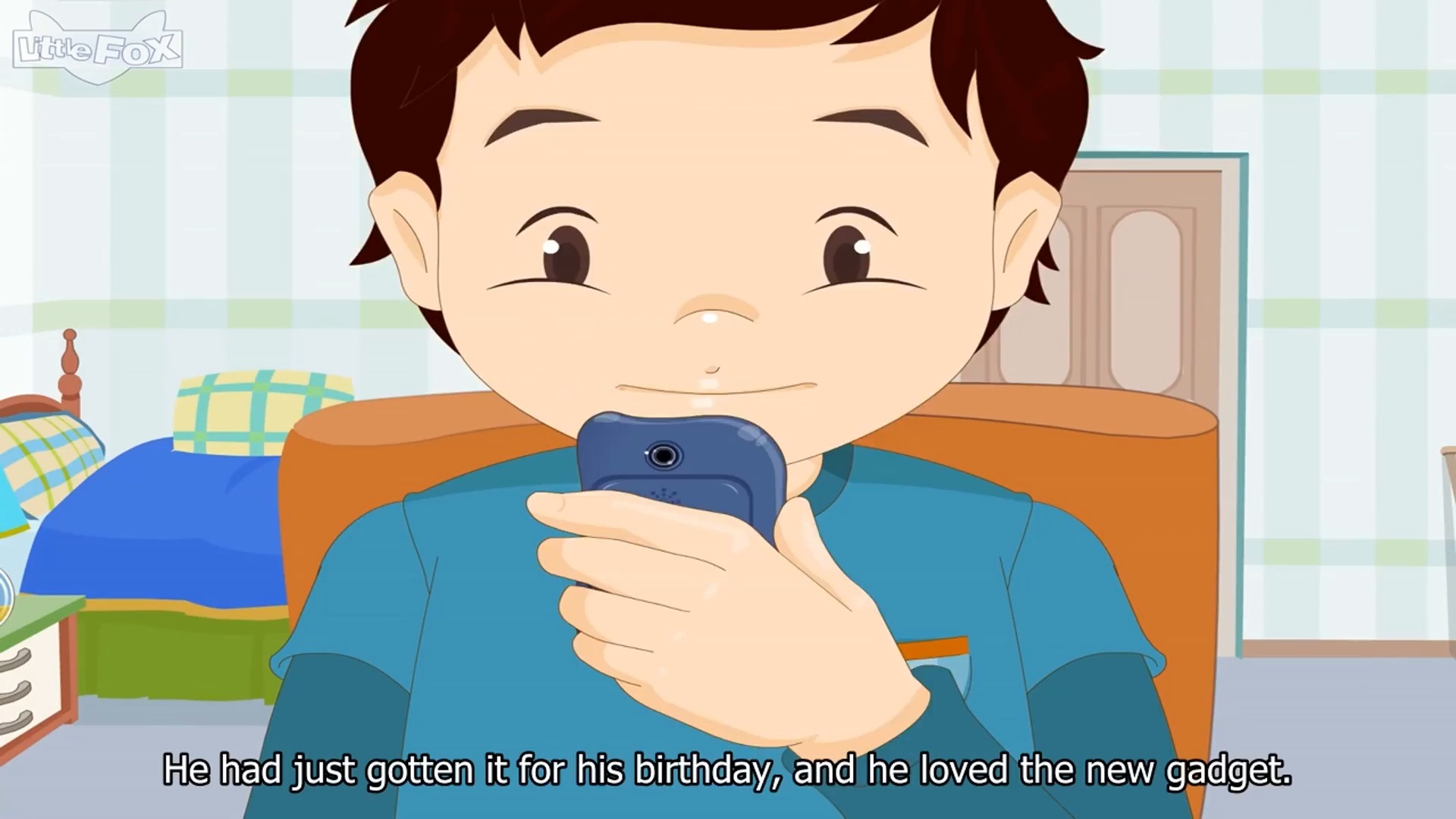
| 13 | He had just gotten it for his birthday and he'd loved the new gadget. | 他刚得到的生日礼物 他很喜欢这个新东西 |
| 14 | Will put his head down on the desk and instantly fell asleep. | 会把他的头放在桌子上 然后立刻睡着了 |
| 15 | Soon the alarm went off, making the table vibrate. | 很快警报响起,使桌子震动. |
| 16 | Will silenced it, ignoring the message on the phone's screen. | 将沉默,忽略电话屏幕上的信息。 |
| 17 | Wake up! | 醒来! |
| 18 | He went back to sleep, only to be woken up again by another vibration. | 他回去睡觉了 却又被另一个震动唤醒了 |
| 19 | But this time, when Will opened his eyes, he wasn't in his room. | 但这次,当威尔睁开眼睛时,他不在房间里. |
| 20 | He was in a dark, long cave. | 他在一个黑暗的,长的洞穴里。 |
| 21 | And the phone wasn't vibrating. | 电话没有震动 |
| 22 | The ground was shaking. | 地面在颤抖。 |
| 23 | Whoa! | 哗! |
| 24 | Thought Will. | 我想威尔。 |
| 25 | What's going on? | 这是怎么回事? |
| 26 | A voice nearby squeaked. | 附近有声音响起 |
| 27 | Alert! Earthquake! | 警报! 发生地震了! |
| 28 | Will looked around but didn't see anyone. | 威尔四处看看,但没看到任何人 |
| 29 | Then, he spotted a patch of light on the ground. | 然后,他发现地面上有一道光线。 |
| 30 | He looked closer and saw that it was his phone. | 他仔细看,看到那是他的手机。 |
| 31 | The voice came from the device. | 声音来自装置。 |
| 32 | Will picked up the phone, mumbling to himself. | Will拿起电话,自言自语。 |
| 33 | This is strange. | 这太奇怪了 |
| 34 | Phones can't talk. | 电话不能说话 |
| 35 | Most phones don't talk, but I am a QT9000. | 大多数电话不说话, 但我是一个QT900。 |
| 36 | He almost dropped it again when the phone replied. | 电话回话时他差点又掉了 |
| 37 | I can talk and do much more. | 我可以多说多说 |
| 38 | I'm the smartest phone you'll ever have. | 我是你最聪明的电话 |
| 39 | You can call me QT. | 你可以叫我QT,你应该叫我QT |
| 40 | Wow! | 哗! |
| 41 | Will exclaimed. | 将叹曰. |
| 42 | Can you tell me what's happening? | 你能告诉我发生了什么吗? |
| 43 | Where am I? | 我这是在哪? |
| 44 | My sensors indicate that we are in a cave. | 我的传感器显示我们在洞穴里 |
| 45 | And we just experienced a small earthquake. | 我们刚刚经历了一场小地震。 |
| 46 | 重现QT. | |
| 47 | All of a sudden, the ground started shaking again. | 突然,地面又开始颤抖. |
| 48 | And this is a big earthquake. | 这是一场大地震。 |
| 49 | QT said as a whole section of the rock wall moved. | QT表示整段岩壁移动. |
| 50 | Will noticed light coming through a crack in the ceiling. | 威尔注意到天花板上的光线从裂缝里穿过 |
| 51 | I'm getting out of here. | 我要离开这里。 |
| 52 | He said, stuffing the phone in his pocket. | 他说把电话塞进口袋里 |
| 53 | He climbed out to the surface. | 他爬到水面上。 |
| 54 | Nearby, a road had torn in half. | 附近有条路被撕成两半 |
| 55 | Will pulled his phone out and asked, | Will把他的电话拔出来问 |
| 56 | How can a huge part of the ground move like that? | 地上一大块东西怎么可以这样动呢? |
| 57 | A map of the world appeared on QT's screen. | 世界地图出现在QT的屏幕上. |
| 58 | The surface of the planet, called the crust, | 地球的表面,叫做地壳, |
| 59 | Is made up of chunks called tectonic plates. | 由块块组成,叫做构造板块. |
| 60 | There are 12 large plates and many smaller ones. | 有12个大板块和许多较小板块. |
| 61 | QT解释. | |
| 62 | The plates float on top of the mantle. | 盘子浮于地幔之上. |
| 63 | A soft layer of rock and other materials. | 一层柔软的岩石和其他材料. |
| 64 | Underneath the mantle is a layer of liquid metal called the outer core. | 地幔下面是一层称为外核的液态金属. |
| 65 | And underneath that is the inner core, which is solid metal. | 它下面是内核,是坚固的金属。 |
| 66 | It's very hot at the center of the planet. | 在行星中心非常热. |
| 67 | And the heat escaping from there makes the plates move. | 而从那里逃出来的热量使得板块移动. |
| 68 | The movement is what causes earthquakes. | 运动是引发地震的原因. |
| 69 | 说QT. | |
| 70 | Oh. | 瓳 |
| 71 | Will thought for a moment and then asked, | 威尔想了一会儿 然后问 |
| 72 | If the plates are constantly moving, | 如果盘子不停地移动, |
| 73 | Why aren't earthquakes happening all the time? | 为什么地震不一直发生? |
| 74 | Actually they are. | 实际上,他们是。 |
| 75 | Most are just so small that people don't feel them. | 大多数人都那么小,以至于人们没有感觉. |
| 76 | Big earthquakes, like this one, | 大地震,像这次一样, |
| 77 | Happen when friction stops the edges of the plates from moving for a while. | 摩擦会暂时阻止板块边缘移动 |
| 78 | When they finally break loose, | 当他们终于松开, |
| 79 | They release all that stored energy like a spring. | 他们释放所有储存的能量 像弹簧。 |
| 80 | QT paused for a second. | QT暂停片刻. |
| 81 | My GPS tells me that we are on the San Andreas Fault in California. | 我的GPS告诉我 我们在加州的圣安德烈亚斯断层上 |
| 82 | Will's eyes lit up. | 威尔的眼睛亮了 |
| 83 | We learned about faults in science class. | 我们在科学课上学到了错误 |
| 84 | A fault is the crack between two plates in the planet's crust. | 一个断层是地球地壳中两个板块之间的裂缝. |
| 85 | Will looked at the road again. | 威尔又看路了 |
| 86 | That must be a fault over there. | 那一定是个错误 |
| 87 | Yes it is. | 没错 |
| 88 | Two plates are sliding past each other here, causing powerful earthquakes. | 两块板块互相滑过这里 引发强烈地震 |
| 89 | Faults also often appear by mountains. | 断层也经常出现在山上. |
| 90 | That's because when two plates come together, | 因为当两个板块合在一起时 |
| 91 | Their edges can wrinkle and fold to make mountains. | 它们的边缘可以皱折叠成山. |
| 92 | Will scratched his head. | 将刮他的头。 |
| 93 | What happens when plates move apart? | 板块分开会怎样? |
| 94 | Do huge holes appear in the ground? | 地上有大洞吗? |
| 95 | No. | 没有 |
| 96 | Right now, the places where plates are moving apart are mostly under the ocean. | 现在 板块分开移动的地方 大多在海底 |
| 97 | Down there, magma, that's hot liquid rock, | 在下面 岩浆 那是热液岩 |
| 98 | Rises from between the plates. | 从盘子之间升起. |
| 99 | It cools when it touches the cold water, | 当它碰到冷水时会冷却 |
| 100 | So it hardens and becomes part of the crust. | 因此它变得坚硬并成为地壳的一部分. |
| 101 | QT解释. | |
| 102 | Earthquakes can be very destructive. | 地震可能具有极大的破坏性. |
| 103 | If that road over there is destroyed, | 如果那条路被破坏 |
| 104 | Just imagine what can happen in a city during an earthquake. | 想象一下在地震发生时 在城市会发生什么 |
| 105 | Actually, I'll show you. | 其实,我会告诉你。 |
| 106 | How? We're nowhere near a city. | 怎么会? 我们远离一个城市。 |
| 107 | Will pointed out. | 威尔指出。 |
| 108 | Look at my screen and I'll transport us. | 看看我的屏幕,我会运送我们。 |
| 109 | I told you I have special skills. | 我说过我有特殊技能 |
| 110 | Will gazed down at the screen and saw a street in ruins. | 威尔望着屏幕 看见一条街道一片废墟 |
| 111 | Then, everything got dark. | 然后,一切变得黑暗。 |
| 112 | A moment later, Will found himself in the city. | 一会儿,威尔发现自己在城里。 |
| 113 | He was standing in a crowded park. | 他当时站在拥挤的公园里 |
| 114 | Will was shocked by the destruction around him. | 威尔对他周围的破坏感到震惊. |
| 115 | I'd better stay here, away from the buildings. | 我最好呆在这里,远离建筑物。 |
| 116 | My science teacher said that aftershocks always come after a big earthquake, | 我的科学老师说 余震总是发生在大地震之后 |
| 117 | But we don't know when. | 但我们不知道什么时候 |
| 118 | It's dangerous because more parts of the buildings could fall. | 这很危险,因为更多部分的建筑可能会倒塌. |
| 119 | But where are we? asked Will. | 但是我们在哪里? 问威尔。 |
| 120 | This is San Francisco after a magnitude 6.9 earthquake. | 这是在6.9级地震之后的旧金山. |
| 121 | QT回应. | |
| 122 | The earthquake's epicenter was actually about a hundred kilometers away, | 地震震中在一百公里外 |
| 123 | But you can see how much power it released. | 但你可以看到它释放了多少能量. |
| 124 | Will looked confused. | 威尔看起来很困惑 |
| 125 | What's an epicenter? | 何谓震中. |
| 126 | And what does magnitude mean? | 规模意味着什么? |
| 127 | Earthquakes start deep underground. | 地震从地下深处开始. |
| 128 | The spot on the surface of the planet above the earthquake is called its epicenter. | 地震上方的行星表面的点称为震中点. |
| 129 | Magnitude is the strength of an earthquake. | 壮观是地震的强度. |
| 130 | Each point on the magnitude scale is 10 times stronger than the one before. | 规模上的每个点都比以前强十倍. |
| 131 | So an 8-point earthquake is 10 times stronger than a 7-point. | 所以八点地震比七点强十倍. |
| 132 | Can you imagine damage 10 times worse than this? | 你能想象损失比这严重十倍吗? |
| 133 | Will shook his head. | 威尔摇头 |
| 134 | No, this is pretty bad. | 不,这是相当糟糕的。 |
| 135 | How do they measure magnitude? | 它们如何衡量规模? |
| 136 | Do they count the buildings that fell or something? | 他们算不算倒塌的建筑物? |
| 137 | A jagged line appeared on QT's screen. | QT 屏幕上出现了一条挂线 。 |
| 138 | People who study earthquakes are called seismologists. | 研究地震的人被称为地震学家. |
| 139 | They measure earthquakes with machines called seismographs, | 用地震仪测量地震 |
| 140 | Which monitor the vibrations in the ground. | 它监视着地面的震动 |
| 141 | Usually, the Earth doesn't move much, | 通常,地球不会移动太多, |
| 142 | So the waves the seismographs draw are pretty small. | 因此地震仪绘制的波浪相当小。 |
| 143 | But during an earthquake, the waves get really big. | 但在地震中,波浪变得非常大。 |
| 144 | The size of the waves determines the magnitude. | 海浪的大小决定了规模. |
| 145 | Suddenly, the aftershock came. | 突然,余震来了 |
| 146 | The ground rumbled and then moved. | 地面翻滚,然后移动。 |
| 147 | Terrified, Will shut his eyes. | 吓坏了,威尔闭上他的眼睛。 |
| 148 | When the sound passed, he slowly opened his eyes. | 声音传来后,他慢慢地睁开了眼睛. |
| 149 | To his amazement, he was back in his room. | 对他的惊叹, 他回到他的房间。 |
| 150 | His phone was vibrating in his hand. | 他的手机在手上震动 |
| 151 | The alarm was going off. | 警报响了 |
| 152 | That was a strange dream. | 这是一个奇怪的梦。 |
| 153 | He muttered, reaching for his pencil. | 他哑巴,伸手拿铅笔 |
| 154 | But QT sure is cool. | 但QT确实很酷。 |
| 155 | And now, these homework questions will be a piece of cake. | 现在,这些家庭作业问题将是一个小问题。 |
该视频共有字幕 155 条。解锁更多字幕为会员功能,请移动到 价格
P3 · 【7集全】对国外小学生可能过于幼稚但对B站大学生刚刚好的英语动画短片,多个高质量英语动画故事帮助巩固英语语法、听 p03 2. 002_QT's Science Adventures 2_Deep beneath the Ocean (P3)
【7集全】对国外小学生可能过于幼稚但对B站大学生刚刚好的英语动画短片,多个高质量英语动画故事帮助巩固英语语法、听 p03 2. 002_QT's Science Adventures 2_Deep beneath the Ocean (P3)
发布于 2026-08-01 · 时长 7:44字幕摘录
| 时间 | 英文 | 中文 |
|---|---|---|
| 0:00 | QT's Science Adventures. Chapter 2. Deep Beneath the Ocean. | QT科学大冒险. 第2章 深海底洋. |
| 0:08 | Stop that! | 别这样! |
| 0:09 | Will tried to protect his goldfish from Tish, the family cat. | 威尔试图保护他的金鱼免受家庭猫蒂什的伤害. |
| 0:13 | Silly cat. Those fish aren't a snack, and I have to study. | 傻猫 这些鱼不是小吃 我必须学习 |
| 0:18 | He turned back to his science textbook and yawned. | 他回头看他的科学教科书,打哈欠. |
| 0:21 | This is boring. | 这太无聊了 |
| 0:24 | He murmured, pushing away his homework. | 他喃喃自语,推开他的功课。 |
| 0:26 | Isn't the ocean just water anyway? I'm so tired. | 海洋不是只是水吗? 我太累了,我有点累了。 |
| 0:31 | Will glanced at the time on his phone, set an alarm for ten minutes later, and crawled into bed. | 威尔在电话里看了一眼,十分钟后设置了警报器,然后爬到床上. |
| 0:37 | He immediately fell asleep and started to dream. | 他立刻睡着了,开始做梦. |
展开字幕全文(115 条)
| 序号 | 英文 | 中文 |
|---|---|---|
| 1 | QT's Science Adventures. Chapter 2. Deep Beneath the Ocean. | QT科学大冒险. 第2章 深海底洋. |
| 2 | Stop that! | 别这样! |
| 3 | Will tried to protect his goldfish from Tish, the family cat. | 威尔试图保护他的金鱼免受家庭猫蒂什的伤害. |
| 4 | Silly cat. Those fish aren't a snack, and I have to study. | 傻猫 这些鱼不是小吃 我必须学习 |
| 5 | He turned back to his science textbook and yawned. | 他回头看他的科学教科书,打哈欠. |
| 6 | This is boring. | 这太无聊了 |
| 7 | He murmured, pushing away his homework. | 他喃喃自语,推开他的功课。 |
| 8 | Isn't the ocean just water anyway? I'm so tired. | 海洋不是只是水吗? 我太累了,我有点累了。 |
| 9 | Will glanced at the time on his phone, set an alarm for ten minutes later, and crawled into bed. | 威尔在电话里看了一眼,十分钟后设置了警报器,然后爬到床上. |
| 10 | He immediately fell asleep and started to dream. | 他立刻睡着了,开始做梦. |
| 11 | Will found himself inside a submarine, floating in the middle of nowhere. | 威尔发现自己在一艘潜水艇里,漂浮在荒郊野外. |
| 12 | Wow. Where am I, QT? | 珃 我在哪里,QT吗? |
| 13 | He said, picking up his phone. | 他说,接电话 |
| 14 | My GPS indicates that we're floating in the Western Pacific Ocean. | 我的GPS显示我们在西太平洋漂浮 |
| 15 | QT回应. | |
| 16 | See? | 看到没? |
| 17 | 珃 That多水. | |
| 18 | Will commented. | 威尔评论。 |
| 19 | Almost three-quarters of Earth is covered by water. | 近四分之三的地球被水覆盖. |
| 20 | The Pacific, Atlantic, Indian, Arctic, and Southern Oceans. | 分布于太平洋,大西洋,印度洋,北极以及南大洋等海域. |
| 21 | But they're connected into one world ocean because water moves all around. | 但是它们被连接到一个世界海洋中 因为水在到处移动 |
| 22 | QT解释. | |
| 23 | Will peered at the map on QT's screen. | 将会在QT屏幕上查看地图 |
| 24 | The continents seem so small. | 大陆看起来很小。 |
| 25 | They're bigger than they look, QT said. | QT说它们比看起来大 |
| 26 | Wait a second, and I'll take control of the ship. | 等等,我会控制这艘船 |
| 27 | A beam of light shot from QT to the submarine's controls, and the ship began moving. | 一束光从QT射入潜艇的控制,舰只开始移动. |
| 28 | You can do that? Wow, Will exclaimed. | 你能做到吗? 哇,威尔赞叹。 |
| 29 | I sure can. | 我当然可以。 |
| 30 | Right now, we're over a strip around the continents called the Continental Shelf. | 现在,我们环绕着各大洲,叫做大陆架。 |
| 31 | It can extend 400 kilometers from the coast. | 它能从海岸延伸400公里. |
| 32 | But it's not steep, so the water is usually 140 meters at its deepest. | 但水位并不陡峭,因此水位一般在最深处140米. |
| 33 | Colorful tropical reefs and lots of animals live in this area. | 多彩的热带珊瑚礁和许多动物生活在这个地区. |
| 34 | Will said, remembering something he had read in his textbook. | 威尔说,记得他在教科书里读过的东西。 |
| 35 | That's right, QT said. | 没错,QT说。 |
| 36 | Then the ground gets steeper. | 然后,地面变得更加陡峭。 |
| 37 | We call this section of the continents the Continental Slope. | 我们把这片大陆称为大陆斜坡。 |
| 38 | It goes all the way to the ocean floor. | 它一直到洋底。 |
| 39 | The submarine descended quickly, startling Will. | 潜艇迅速下降, 惊动威尔。 |
| 40 | Where are we going? | 我们要去哪里? |
| 41 | Down, QT answered. | 下来,QT回答。 |
| 42 | But I've got to turn on the lights. | 但我得打开灯 |
| 43 | Sunlight doesn't penetrate very far into the water. | 日光不透水远. |
| 44 | The top layer of the ocean, the Sunlight Zone, is only 200 meters deep. | 海洋的顶层,日光区,水深只有200米. |
| 45 | In this zone, there's enough light for plants to survive. | 在这个区域,光线足够植物生存. |
| 46 | The fish and mammals that live here feed on the plants and... | 生活在这的鱼类和哺乳动物 以植物为食 |
| 47 | Each other? | 彼此吗? |
| 48 | Will guessed. | 会猜到的 |
| 49 | Right. As you go deeper into the Twilight Zone, it grows dimmer and dimmer. | 对 当你深入暮光区时 它会变暗变暗 |
| 50 | Not enough light for plants. | 不够光的植物。 |
| 51 | So the creatures that live here usually have huge eyes to help them see. | 因此,生活在这里的生物通常有巨大的眼睛来帮助他们观察. |
| 52 | And they tend to come up to the Sunlight Zone to feed at night, when predators can't see them. | 它们往往会在夜间来到曙光区觅食,此时掠食者看不到它们. |
| 53 | QT解释. | |
| 54 | That's where we are now, right? It's pretty dark here. | 这就是我们现在的位置,对不对? 这里很黑 |
| 55 | Then we'll notice something enormous in the distance. | 然后我们会发现远处有巨大的东西。 |
| 56 | What's that? It's getting closer fast. | 这是什么? 它越来越近了。 |
| 57 | Uh-oh. That's a giant squid. | 额,哦。 巨型乌贼 |
| 58 | They live here feeding on fish and smaller squid. | 他们住在这里以鱼和较小的鱿鱼为食. |
| 59 | It probably thinks we're lunch. | 它可能认为我们是午餐。 |
| 60 | Just as the giant squid was about to wrap its tentacles around the submarine, | 就在巨型乌贼即将将触角包裹在潜艇周围的时候 |
| 61 | QT turned the boat sharply and they sped away. | QT把船急转直下 他们就跑了 |
| 62 | Phew! said Will. | 嘘! 说威尔。 |
| 63 | As I was saying... | 正如我所说的... |
| 64 | QT继续. | |
| 65 | By 1,000 meters deep, there's no light. That's the start of the Midnight Zone. | 在1000米深处,没有光线. 这就是午夜区的开始。 |
| 66 | Will nodded. | 将点头。 |
| 67 | This must be it. | 这一定是它。 |
| 68 | Then he spied something surprising. | 然后他发现了一些意外 |
| 69 | Lights! | 灯! |
| 70 | Many species have adapted to life without sunlight. | 许多物种适应了没有阳光的生活. |
| 71 | Some create their own light to attract mates or prey or confuse predators. | 有些人创造自己的光线来吸引伴侣或猎物或迷惑捕食者. |
| 72 | QT turned off the lights and a fish with huge teeth swam by. | QT关了灯 和一条长着巨大牙齿的鱼游过 |
| 73 | It had what looked like a fishing pole coming out of its head, with a light on the top. | 它头部有一根鱼竿 上面有灯光 |
| 74 | That's weird. What is it? Will asked. | 这很奇怪。 这是什么? 威尔问。 |
| 75 | An angler fish. It attracts food with that light. | 角鱼. 它以那光吸引食物。 |
| 76 | After the fish swam away, QT flashed the submarine's lights. | 在鱼游走后,QT闪烁了潜艇的灯光. |
| 77 | Thousands of lights flashed back. Will was amazed. | 千灯闪回. 威尔很惊讶 |
| 78 | Wow! That's a lot of angler fish. | 哗! 钓的鱼很多 |
| 79 | And some squid, some shrimp-like species and other creatures. | 还有一些鱿鱼,一些类似虾类的物种和其他生物. |
| 80 | We're approaching the ocean floor now. | 我们现在接近海底了 |
| 81 | The ocean floor starts about 4,000 meters below the surface, but it can go as deep as 6,000 meters. | 洋底起于地表下方约4000米处,但可深达6000米. |
| 82 | QT turned the lights back on and a vast plain appeared before them. | QT打开灯光,在他们面前出现了一片广阔的平原. |
| 83 | It was dotted with mountains. | 上面是山头 |
| 84 | It looks a lot like the land above water. | 它看起来很像水面上的土地. |
| 85 | Most of it is flat, but there are also mountains and valleys. | 大部分地势平坦,但也有山地和山谷. |
| 86 | Those little mountains are called sea mounts. | 这些小山叫海山 |
| 87 | If they become big enough to reach the surface, their name changes to islands. | 如果它们变得足够大,可以到达地表,它们的名字就会改变为岛屿. |
| 88 | Cool! Will exclaimed. | 好厉害! 将叹曰. |
| 89 | Then he noticed something else. | 然后他注意到了别的东西。 |
| 90 | What are those tubes, with the black stuff erupting out of them? | 那些管子是什么 黑色的东西从里面喷出来? |
| 91 | They're called black smokers, QT said. | QT说他们叫黑烟鬼 |
| 92 | They release toxic gases and hot water from underground. | 它们从地下释放出有毒气体和热水. |
| 93 | For a long time, people thought nothing could live down here, but they were wrong. | 长久以来,人们一直认为这里没有东西可以生存,但他们错了. |
| 94 | QT shined a bright light near one of the smokers, and they saw fish and crabs swimming among long, white tubes with red tips. | QT在其中一个吸烟者附近照亮了一道明亮的光芒,他们看到鱼和螃蟹在长白的管子中游泳,并带有红色的提示. |
| 95 | Those are tube worms. | 这些是管虫。 |
| 96 | They actually get their energy from those toxic substances, but let's look behind us, too. | 他们实际上从这些有毒物质中获得能量, 但是让我们看看后面。 |
| 97 | As the submarine turned, the ocean floor dropped away, QT said. | QT说,当潜艇转向时,洋底已经消失。 |
| 98 | That's the Mariana Trench, a huge valley. | 那是马里亚纳海沟 一个巨大的山谷 |
| 99 | Its deepest part is the Challenger Deep, at 11,000 meters under the surface. | 它最深的部分是挑战者号深水号,位于地表下方11000米处. |
| 100 | But life exists even there. Let's go see. | 但生活甚至存在在那里。 让我们去看看。 |
| 101 | As they floated over the edge, they heard a creak. | 当他们漂浮在边缘时, 他们听到一个裂缝。 |
| 102 | Worried, Will asked, | 担心,威尔问, |
| 103 | What was that? | 你说什么? |
| 104 | QT ran a safety check of the submarine, and danger appeared on the phone's screen. | QT对潜艇进行了安全检查,电话屏幕上出现了危险. |
| 105 | But QT sounded calm. | 但QT听起来很平静 |
| 106 | Our submarine made that noise. | 我们的潜艇发出声音 |
| 107 | We are under extreme pressure down here, and the weight of all the water above us is pressing on the boat. | 我们承受着巨大的压力 上面所有水的重量都压在船上 |
| 108 | We shouldn't go much deeper. We don't want to get squished and... | 我们不应该更深入。 我们不想被压住... |
| 109 | But before QT could finish, the submarine window cracked. | 但是在QT完成之前,潜艇的窗户破裂了. |
| 110 | A stream of water shot inside, splashing Will. | 里面有条水流,喷威尔 |
| 111 | He woke with a start and saw the cat jump away from the fishbowl, shaking its wet paw. | 他从头醒来,看到猫从鱼窝跳出来,摇动着它的湿爪子. |
| 112 | Tish! Stay away from that fishbowl! | 蒂许! 离那鱼头远点! |
| 113 | Will went to his desk. | 威尔去了他的办公桌。 |
| 114 | Oceans aren't boring. They're awesome, he thought, quickly filling in a worksheet. | 海洋并不无聊。 他觉得他们很棒 很快就填了工作表 |
| 115 | Before long, he crawled back into bed, this time for the night. | 不久,他爬回床上,这次是晚上. |
该视频共有字幕 115 条。解锁更多字幕为会员功能,请移动到 价格
P4 · 【7集全】对国外小学生可能过于幼稚但对B站大学生刚刚好的英语动画短片,多个高质量英语动画故事帮助巩固英语语法、听 p04 3. 003_QT's Science Adventures 3_The End of the Dinosaurs (P4)
【7集全】对国外小学生可能过于幼稚但对B站大学生刚刚好的英语动画短片,多个高质量英语动画故事帮助巩固英语语法、听 p04 3. 003_QT's Science Adventures 3_The End of the Dinosaurs (P4)
发布于 2026-08-01 · 时长 7:34字幕摘录
| 时间 | 英文 | 中文 |
|---|---|---|
| 0:00 | QT's Science Adventures, Chapter 3, The End of the Dinosaurs. | QT科学冒险 第3章 恐龙的终结. |
| 0:07 | Will was riding back to school from a field trip to a museum. | 威尔从实地考察回学校去博物馆 |
| 0:11 | The Tyrannosaurus was amazing! said Bobby, Will's best friend. | 暴龙真厉害! 说鲍比,威尔最好的朋友。 |
| 0:17 | It was scary! Will said. | 真吓人! 威尔说。 |
| 0:19 | He looked at a photo he'd taken of the dinosaur skeleton with his phone and then glanced at their homework. | 他看了一张他用手机拍摄的恐龙骨架的照片,然后看了他们的作业. |
| 0:26 | Do you know the answer to number five? Why did dinosaurs disappear? he asked Bobby. | 你知道第五个答案吗? 为什么恐龙会消失? 他问鲍比。 |
| 0:33 | Let's answer these questions before we forget everything, or before I fall asleep. Buses make me tired. | 在忘记一切之前,或在我睡着之前,我们先回答这些问题。 巴士让我很累 |
| 0:40 | Will tried to focus on the worksheet, but soon his eyes were closed and his head was bobbing up and down with every bump in the road. | 威尔试图专注于工作表,但很快他的眼睛就闭了起来,头部在上下摆动着路上的每一个凸起. |
| 0:48 | When Will opened his eyes, he wasn't on the bus anymore. He was in an aircraft, flying slowly over a strange landscape. QT, his phone, spoke. | 当威尔睁开眼睛时,他已经不在巴士上. 他坐在飞机上,在奇异的景观上缓慢飞行. QT,他的电话,说话。 |
| 0:58 | Scientists think the world looked like this in the Late Triassic, the period from about 250 to 200 million years ago. | 科学家们认为世界在晚期的三叠纪(Late Triassic)中是这样看的,大约从2.5亿到2亿年前的时期. |
展开字幕全文(90 条)
| 序号 | 英文 | 中文 |
|---|---|---|
| 1 | QT's Science Adventures, Chapter 3, The End of the Dinosaurs. | QT科学冒险 第3章 恐龙的终结. |
| 2 | Will was riding back to school from a field trip to a museum. | 威尔从实地考察回学校去博物馆 |
| 3 | The Tyrannosaurus was amazing! said Bobby, Will's best friend. | 暴龙真厉害! 说鲍比,威尔最好的朋友。 |
| 4 | It was scary! Will said. | 真吓人! 威尔说。 |
| 5 | He looked at a photo he'd taken of the dinosaur skeleton with his phone and then glanced at their homework. | 他看了一张他用手机拍摄的恐龙骨架的照片,然后看了他们的作业. |
| 6 | Do you know the answer to number five? Why did dinosaurs disappear? he asked Bobby. | 你知道第五个答案吗? 为什么恐龙会消失? 他问鲍比。 |
| 7 | Let's answer these questions before we forget everything, or before I fall asleep. Buses make me tired. | 在忘记一切之前,或在我睡着之前,我们先回答这些问题。 巴士让我很累 |
| 8 | Will tried to focus on the worksheet, but soon his eyes were closed and his head was bobbing up and down with every bump in the road. | 威尔试图专注于工作表,但很快他的眼睛就闭了起来,头部在上下摆动着路上的每一个凸起. |
| 9 | When Will opened his eyes, he wasn't on the bus anymore. He was in an aircraft, flying slowly over a strange landscape. QT, his phone, spoke. | 当威尔睁开眼睛时,他已经不在巴士上. 他坐在飞机上,在奇异的景观上缓慢飞行. QT,他的电话,说话。 |
| 10 | Scientists think the world looked like this in the Late Triassic, the period from about 250 to 200 million years ago. | 科学家们认为世界在晚期的三叠纪(Late Triassic)中是这样看的,大约从2.5亿到2亿年前的时期. |
| 11 | Huh? When? Will said. | 是吗? 什么时候? 威尔说。 |
| 12 | This airship is carrying us through time. | 这艘飞船载我们穿越时间 |
| 13 | Scientists talk about Earth's history using a special scale called geologic time. See that display? | 科学家们用一个叫做地质时间的特殊尺度谈论地球历史. 看到那个显示器了吗? |
| 14 | It tells us what period of time we're seeing. Experts think dinosaurs, like those over there, appeared during the Triassic. | 它告诉我们我们看到的时间 专家认为恐龙和那边的恐龙一样 在三叠纪期间出现 |
| 15 | But let's travel forward into the next period, when dinosaurs thrived. | 但是,让我们继续前进 到下一个时期, 当恐龙繁衍。 |
| 16 | QT shined a light at the controls, taking over. | QT在控制器上照亮了灯光,接管. |
| 17 | The display changed as the scenery outside shimmered and transformed. | 展览随着外景的闪烁和转变而改变. |
| 18 | So this is the Jurassic? Will asked. | 这就是侏罗纪? 威尔问。 |
| 19 | Yes. It lasted until about 150 million years ago. Some dinosaurs became gigantic, as you can see. | 对 它一直持续到大约1.5亿年前. 一些恐龙变得巨大,你可以看到。 |
| 20 | Let's skip forward into the next period, the Cretaceous. | 让我们跳到下一个时期,克里塔塞斯号。 |
| 21 | At the end of the Cretaceous, 70% of the species on Earth died, including most dinosaurs. | 在克里塔塞乌斯河的尽头,地球上70%的物种死亡,包括大多数恐龙. |
| 22 | Will nodded. | 将点头。 |
| 23 | We learned that at the museum. But what made them disappear? | 我们在博物馆学到的 但是什么让他们消失了? |
| 24 | Well, scientists have some theories, but they can't prove them. One clue is an unusual layer of rock found all over the world. | 科学家有一些理论,但他们无法证明。 一个线索是世界各地发现的不寻常的岩层. |
| 25 | It's about 65 million years old, and contains a lot of iridium, an element that's usually rare on Earth's surface. | 约6500万年历史,含有大量rid,这种元素通常在地球表面罕见. |
| 26 | It's normally located deep inside the planet, or in space, in some asteroids. | 它通常位于行星内深处,或者在太空,一些小行星中. |
| 27 | This layer of rock led to two popular theories about what caused the extinction. | 这层岩石导致了两种流行的理论,关于是什么导致了灭绝. |
| 28 | QT宣布. | |
| 29 | Here we are. The end of the Cretaceous, 65 million years ago. | 来了 克里塔塞乌斯号的结束,6500万年前. |
| 30 | The sky was dark, and they were hovering over a field of volcanoes. | 天空一片漆黑 它们徘徊在一片火山中 |
| 31 | There's so much lava! Will said. | 有这么多熔岩! 威尔说。 |
| 32 | We are over India, QT said. | QT说,我们在印度。 |
| 33 | Some scientists believe these volcanoes contributed to the extinction, because they could have brought iridium to Earth's surface in lava. | 一些科学家认为这些火山促成了灭绝,因为它们可能在熔岩中将rid带入地球表面. |
| 34 | The volcanoes might have released enough ash and gases, which then blew around the whole planet, to create a greenhouse effect, trapping heat in the atmosphere. | 火山可能释放出足够的灰烬和气体, 然后在地球周围爆炸, 产生温室效应, 困住大气中的热量。 |
| 35 | A warmer climate would have made it hard for many species to survive. | 气候变暖会让许多物种难以生存. |
| 36 | Wow! Will whispered, watching a dinosaur flee from the glowing hot rock. | 哗! 看着一只恐龙从发光的热石头上逃走 威尔悄悄地说 |
| 37 | But there is another possibility. Let me transport us to another part of the planet. | 但还有另一种可能。 让我把我们送到地球的另一个地方。 |
| 38 | QT说。 | |
| 39 | The ocean appeared on the phone screen, and the world went pitch black. | 大海出现在电话屏幕上,世界变得一片漆黑. |
| 40 | When it became light again, their aircraft was hovering high over a body of water. | 当它再次变得光亮时,他们的飞机在一具水体上空徘徊。 |
| 41 | QT继续. | |
| 42 | Some scientists think a huge asteroid about 10 kilometers across hit Earth near Mexico 65 million years ago. | 一些科学家认为6500万年前墨西哥附近 横跨地球约10公里的小行星撞击地球 |
| 43 | A giant rock flew through the air. Will yelled. | 巨石飞过空中. 威尔大喊大叫。 |
| 44 | Is that the asteroid? | 那是小行星吗? |
| 45 | Yes. Scientists are pretty sure it hit Earth, but they can only guess what happened next. | 对 科学家们很确定它击中了地球 但他们只能猜到接下来发生了什么 |
| 46 | The aircraft shook as the asteroid crashed into Earth. | 小行星坠入地球时,飞机震动。 |
| 47 | QT继续. | |
| 48 | The asteroid might have created a huge fireball, and then tsunamis. | 小行星可能创造了一个巨大的火球,然后是海啸. |
| 49 | As hot pieces of the asteroid fell back to Earth, they could have started wildfires worldwide. | 当小行星的热点碎片坠落回地球时,它们可能在全球各地引发野火. |
| 50 | So at first, the temperature of the world would have increased. | 所以,起初,世界的温度会上升。 |
| 51 | The aircraft flew closer to the ground, along the shore. Will stared at the destruction caused by the asteroid. | 飞机飞近地面,沿岸飞行. 威尔盯着小行星造成的破坏 |
| 52 | How long did this take? | 花了多长时间? |
| 53 | No one knows exactly. Maybe weeks or months. | 没人知道 也许几周或几个月。 |
| 54 | After the fires, dust from the explosion might have blocked light from reaching Earth's surface. | 火灾后,爆炸产生的尘埃可能阻挡了光线到达地球表面. |
| 55 | In the following years, plants which need light to make food would have died. | 在接下来的几年里,那些需要光线来制造食物的植物会死亡. |
| 56 | Then plant-eating dinosaurs would have starved and died. | 然后吃植物的恐龙会饿死 |
| 57 | And then the meat-eating dinosaurs would have starved and died too. | 然后吃肉的恐龙也会饿死 |
| 58 | How do we know that? | 我们怎么知道的? |
| 59 | Will asked. | 威尔问。 |
| 60 | We can guess when species lived based on their fossils, and what layer of rock we find those fossils in. | 我们可以猜测物种是什么时候根据它们的化石生存的, 以及我们发现这些化石的岩层。 |
| 61 | The species that went extinct don't appear in rocks formed after 65 million years ago. | 灭绝的物种不会出现在6500万年前形成的岩石中. |
| 62 | Will thought about everything QT had said. | 威尔考虑过QT所说的一切 |
| 63 | But scientists aren't sure whether the volcanoes or the asteroid caused the dinosaur extinction? | 但科学家还不能确定 火山还是小行星造成恐龙灭绝? |
| 64 | It's possible both contributed. There are other factors and theories too. | 两者都有可能有贡献。 还有其他因素和理论。 |
| 65 | QT回应. | |
| 66 | For instance, some people think mammals ate so many dinosaur eggs that dinosaurs couldn't survive. | 例如,有些人认为哺乳动物吃了这么多恐龙蛋,恐龙无法生存. |
| 67 | And we're not sure whether dinosaurs died suddenly. | 我们不确定恐龙是不是突然死亡了 |
| 68 | They could have been dying off gradually before the volcanoes or asteroid became a problem. | 它们可能在火山或小行星成为问题之前 逐渐消亡 |
| 69 | QT paused, and the scenery outside began to transform. | QT暂停,外景开始变形. |
| 70 | We've jumped forward just a few years. See all those animals? | 我们刚刚跳了几年 看到那些动物了吗? |
| 71 | Many mammals, frogs, crocodiles, and even some species of dinosaurs survived the extinction. | 许多哺乳动物,青蛙,鳄鱼,甚至一些种类的恐龙在灭绝中幸免于难. |
| 72 | But we don't know why. | 但我们不知道为什么。 |
| 73 | Will remembered the ferocious-looking Tyrannosaurus at the museum and shuddered. | 威尔在博物馆里想起凶猛的暴龙,吓坏了. |
| 74 | Did some dinosaurs survive into modern times? | 一些恐龙生存到现代吗? |
| 75 | Well, scientists are pretty sure birds evolved from dinosaurs. | 科学家们很确定鸟类是从恐龙中进化而来的 |
| 76 | So technically, they are dinosaurs. | 从技术上讲,它们是恐龙。 |
| 77 | And modern crocodiles aren't dinosaurs, but they are very similar to the crocodiles that were alive 65 million years ago. | 而现代鳄鱼并非恐龙,但它们与6500万年前存活的鳄鱼非常相似. |
| 78 | QT说。 | |
| 79 | Suddenly, something rose out of the water. Its jaws snapped shut on the tail of the aircraft. | 忽然有东西从水中涌出. 它的下巴在飞机尾部断裂。 |
| 80 | No! | 没有! |
| 81 | Will shut his eyes, expecting the crocodile to pull them underwater. | 会闭上他的眼睛, 期待鳄鱼拉他们下水。 |
| 82 | The aircraft shook, and then was still. | 飞机震动,然后仍然在。 |
| 83 | Will peaked and realized that the bus had jolted to a stop in front of the school. | 威尔达到顶峰,意识到公交车已经停在学校前. |
| 84 | Wake up! | 醒来! |
| 85 | Bobby said. | 鲍比说。 |
| 86 | I hope you had a nice nap. | 我希望你睡得好吗? |
| 87 | I had the strangest dream about dinosaurs. | 我梦到恐龙最奇怪 |
| 88 | I don't think I'll ever forget the stuff I learned today. | 我不认为我会永远忘记 我今天学到的东西。 |
| 89 | Will said. | 威尔说。 |
| 90 | Little Fox | 小费克斯 |
该视频共有字幕 91 条。解锁更多字幕为会员功能,请移动到 价格
P5 · 【7集全】对国外小学生可能过于幼稚但对B站大学生刚刚好的英语动画短片,多个高质量英语动画故事帮助巩固英语语法、听 p05 4. 004_QT's Science Adventures 4_Exploring Caves (P5)
【7集全】对国外小学生可能过于幼稚但对B站大学生刚刚好的英语动画短片,多个高质量英语动画故事帮助巩固英语语法、听 p05 4. 004_QT's Science Adventures 4_Exploring Caves (P5)
发布于 2026-08-01 · 时长 7:24字幕摘录
| 时间 | 英文 | 中文 |
|---|---|---|
| 0:00 | QT's Science Adventures, Chapter 4, Exploring Caves. | QT的科学冒险 第4章 探索洞穴. |
| 0:07 | Will sat at his desk staring at a picture in his textbook. | 威尔坐在他的桌子上 看着教科书里的照片 |
| 0:10 | How can huge holes just appear underground? | 大洞怎么会出现在地下? |
| 0:13 | I don't understand, he thought. | 他以为我不明白 |
| 0:17 | He noticed it was already ten o'clock. | 他注意到已经10点了 |
| 0:19 | I'm so tired I can't even think anymore. | 我太累了 我甚至无法再想了 |
| 0:23 | I'll finish this report tomorrow morning, he decided and climbed into bed. | 我明天早上完成这个报告 他决定并爬到床上去 |
| 0:27 | Within minutes, he was asleep. | 几分钟内,他睡着了 |
| 0:31 | Will woke up shivering. | 威尔醒来颤抖。 |
| 0:33 | He opened his eyes but saw nothing, just blackness. | 他睁开眼睛,却一无所见,只是黑色. |
展开字幕全文(121 条)
| 序号 | 英文 | 中文 |
|---|---|---|
| 1 | QT's Science Adventures, Chapter 4, Exploring Caves. | QT的科学冒险 第4章 探索洞穴. |
| 2 | Will sat at his desk staring at a picture in his textbook. | 威尔坐在他的桌子上 看着教科书里的照片 |
| 3 | How can huge holes just appear underground? | 大洞怎么会出现在地下? |
| 4 | I don't understand, he thought. | 他以为我不明白 |
| 5 | He noticed it was already ten o'clock. | 他注意到已经10点了 |
| 6 | I'm so tired I can't even think anymore. | 我太累了 我甚至无法再想了 |
| 7 | I'll finish this report tomorrow morning, he decided and climbed into bed. | 我明天早上完成这个报告 他决定并爬到床上去 |
| 8 | Within minutes, he was asleep. | 几分钟内,他睡着了 |
| 9 | Will woke up shivering. | 威尔醒来颤抖。 |
| 10 | He opened his eyes but saw nothing, just blackness. | 他睁开眼睛,却一无所见,只是黑色. |
| 11 | It was eerily quiet, except for a constant dripping. | 它非常安静,除了不断的滴水。 |
| 12 | Then QT's screen lit up and Will realized he wasn't in his room anymore. | 之后QT的屏幕亮了,威尔意识到他已经不在自己的房间了. |
| 13 | You are in Mammoth Cave in Kentucky, QT said. | QT说,你在肯塔基州的Mammoth洞穴 |
| 14 | This is the world's longest cave system. | 这是世界上最长的洞穴系统. |
| 15 | People have explored almost 600 kilometers of tunnels and caverns so far. | 人们迄今已探索了近600公里的隧道和洞穴. |
| 16 | I wouldn't want to get lost down here, Will murmured. | 我不想迷路 威尔 喃喃自语 |
| 17 | Then trying to be brave, he asked, how are caves formed anyway? | 他问洞穴是怎样形成的? |
| 18 | Well, there are many types of caves. | 洞穴种类很多. |
| 19 | I'll show you, QT said and projected an image of a cliff on the cave wall. | 我会告诉你,QT说 和投射的图像 在洞壁上的悬崖。 |
| 20 | Sea caves are made by waves beating on rock for a very long time, hundreds and thousands | 海洞是海浪在岩石上击打很久 成百上千 |
| 21 | of years. | 年数。 |
| 22 | The wind can also carve out caves. | 风也可以雕刻出洞穴. |
| 23 | You often see these in deserts. | 你经常在沙漠里看到这些 |
| 24 | There are caves in lava tubes too. | 熔岩管内也有洞穴. |
| 25 | When lava is flowing from a volcano, the top gets cool first and hardens, but the hot lava | 当熔岩从火山中流出时,顶部首先变凉,然后变硬,但热熔岩 |
| 26 | inside flows right out, leaving a cave behind. | 里面流出来,留下一个洞穴 |
| 27 | Sometimes, caves are even formed in glaciers when water flows through the cracks, making | 有时,当水流穿过裂缝时,洞穴甚至形成于冰川中, |
| 28 | them into big holes. | 他们进入大洞。 |
| 29 | Will looked at the fantastic formations on the ceiling. | 威尔在天花板上看着奇妙的阵型 |
| 30 | This cave doesn't look like any of those. | 这个洞穴看起来不像那些洞穴 |
| 31 | We are in a solution cave, the most common type. | 我们在一个最常见的溶洞里 |
| 32 | This kind of cave is formed when water trickles through a layer of limestone in the ground | 这种洞穴是水穿过地上的一层石灰岩时形成的 |
| 33 | to the water table, the level where our groundwater starts. | 到水位,我们地下水的起点 |
| 34 | Will was amazed. | 威尔很惊讶 |
| 35 | Water made this cave? | 这个洞是水做的? |
| 36 | Well, it had a little help. | 嗯,它有一点点帮助。 |
| 37 | While water is traveling through soil, it becomes slightly acidic. | 在水流经过土壤时,它会变得略微酸性. |
| 38 | Limestone dissolves easily in acid, sort of like sugar in hot tea. | 石灰石易溶于酸中,类似于热茶中的糖. |
| 39 | So when water flows through cracks in limestone for thousands of years, it forms these enormous | 所以当几千年来 水流经过石灰岩的裂缝时 它就形成了这些巨大的 |
| 40 | caverns. | 洞穴s. |
| 41 | When the water table drops, these caves are left empty, or rather full of air. | 当水位下降时,这些洞穴就空了,或者相当充满空气. |
| 42 | So that's what makes the holes, but what makes these weird rocks? | 所以,这就是是什么 使洞,但是什么 使这些奇怪的岩石? |
| 43 | Will asked. | 威尔问。 |
| 44 | I'm getting to that. | 我开始说吧 |
| 45 | When the acidic water dissolves limestone, it absorbs the mineral from the stone. | 酸性水溶解石灰岩时,会吸收石质中的矿物. |
| 46 | When the water drips from the ceiling of a cavern, it encounters air again, and the opposite | 当水从洞穴的天花板上滴下,它再次遇到空气,相反 |
| 47 | happens. | 发生。 |
| 48 | The mineral dissolved in the water comes out. | 溶解在水中的矿物出来. |
| 49 | Every time a water droplet falls, a little of that mineral stays on the ceiling. | 每次水滴落下 矿物质就会留在天花板上 |
| 50 | Over time, the mineral builds up to form stalactites, these cones hanging from the ceiling. | 随着时间推移,矿物质积聚形成石质,这些锥体悬挂在天花板上. |
| 51 | When the drop hits the floor, a little of the mineral is deposited there, too, which | 当落地时 矿物质也沉积在那里 |
| 52 | builds stalagmites, the cones rising from the floor. | 建立渣土,锥子从地板上升起. |
| 53 | 石膏和lag. | |
| 54 | I'll never remember which is which. | 我永远记不起是什么了 |
| 55 | Will interrupted. | 将中断。 |
| 56 | Here's a trick to help you keep them straight. | 这里有个把戏可以帮你保持直线 |
| 57 | Stalactites hold tight to the ceiling, and stalagmites might reach the ceiling. | 石膏菌紧紧地压在天花板上,石膏菌可能会达到天花板. |
| 58 | QT提出. | |
| 59 | Anyway, they sometimes grow so long that they meet in the middle, forming a column. | 总之,它们有时长得那么长,以至于在中间相遇,形成一个柱子. |
| 60 | Cool! | 好厉害! |
| 61 | Will remarked. | 威尔说。 |
| 62 | As he continued down the tunnel, he saw another huge formation. | 在他继续下隧道时,他看到了另一个巨大的阵型. |
| 63 | What's that? | 这是什么? |
| 64 | It's flowstone. | 这是流石。 |
| 65 | It's really common in caves. | 洞穴中确实很常见. |
| 66 | QT解释. | |
| 67 | And those thin tubes hanging from the ceiling are called soda straws, for obvious reasons. | 而挂在天花板上的薄管则被称为苏打吸管,原因很明显. |
| 68 | Will reached for one, and QT beeped an alarm. | Will找到了一个,QT发出警报。 |
| 69 | Don't touch the formations! | 别碰阵型! |
| 70 | They're very fragile! | 他们非常脆弱! |
| 71 | After Will pulled his hand back, QT continued. | 在威尔拉回手后,QT继续. |
| 72 | They can break, and the oil on our hands interferes with their growth. | 它们可以断裂,我们手上的油会干扰它们的生长. |
| 73 | Oh. | 瓳 |
| 74 | Okay. | 摆 |
| 75 | Will didn't try to touch anything else as he walked along. | 威尔走的时候没有碰其他东西 |
| 76 | Finally, QT said. | 最后,QT说. |
| 77 | Well, we've reached the deepest part of this cave system. | 我们已经到达这个洞穴系统最深处了 |
| 78 | It's also the youngest part. | 这也是最年轻的部分. |
| 79 | We're over 100 meters below the surface. | 水面下方超过100米 |
| 80 | You know you've reached the bottom when you see lots of water. | 你知道你已经到达了底部 当你看到很多的水。 |
| 81 | There are many underground rivers and lakes. | 地下河湖众多. |
| 82 | And there's something swimming in the water! | 有东西在水里游泳! |
| 83 | Will exclaimed. | 将叹曰. |
| 84 | Believe it or not, certain species spend their entire lives in caves. | 信不信由你 某些物种在洞穴里度过一生 |
| 85 | Caves are unique because the conditions inside them stay the same all year. | 洞穴是独一无二的,因为洞穴内的条件全年不变. |
| 86 | It's always dark, humid, and the temperature doesn't change much. | 它总是阴暗潮湿,温度变化不大. |
| 87 | These species have adapted to help them survive here. | 这些物种已经适应 帮助它们生存在这里。 |
| 88 | Like many other cave creatures, that species of fish has lived in complete darkness so | 像许多其他的洞穴生物一样,这些鱼类 生活在完全的黑暗中 |
| 89 | that it's gone blind. | 已经失明了 |
| 90 | But it's very sensitive to movement. | 但是对运动非常敏感. |
| 91 | It's completely white, too. | 其色彻白也. |
| 92 | Most cave species are very pale or white. | 大多数洞穴物种非常苍白或白色. |
| 93 | Since no animal can see without light, there's no need to spend valuable energy developing | 因为没有光,动物都看不见 不需要花宝贵的能源开发 |
| 94 | color. | 颜色 |
| 95 | Will walked up a steep tunnel branching away from the river. | 威尔走上一条陡峭的隧道 从河的分支。 |
| 96 | After a few minutes, he leaned against the wall to rest. | 过了几分钟,他靠在墙上休息. |
| 97 | Will screamed and jumped away. | 威尔大喊大叫,跳了下去 |
| 98 | He touched my hand! | 他动了我的手! |
| 99 | He looked closely and saw a little bug. | 他仔细看了一眼,看到了一个小虫子. |
| 100 | That's just a cave cricket, QT explained. | 那是个洞穴板球,QT解释。 |
| 101 | It's harmless. | 这是无害的。 |
| 102 | Its long limbs and antennae are another adaptation. | 它的长肢和天线是另一种适应. |
| 103 | They help the cricket find food and avoid predators, since it can't see. | 它们帮助板球寻找食物,避免捕食者,因为它看不见. |
| 104 | Will continued to climb and soon, a glimmer of light appeared ahead. | 威尔继续攀登,不久,一闪光光照在前面. |
| 105 | He reached the top of the tunnel and crawled inside a huge cave. | 他到达隧道的顶部,爬进一个巨大的洞穴里. |
| 106 | Yikes! | 哎哟! |
| 107 | Will froze when he spotted dozens of bats flying near the ceiling. | 当他发现数十只蝙蝠在天花板附近飞翔时 就会冻死 |
| 108 | Don't be afraid, Will, QT said. | 不要害怕,威尔,QT说。 |
| 109 | Bats aren't dangerous. | 蝙蝠并不危险 |
| 110 | They're quite useful. | 他们很有用 |
| 111 | A single bat can eat 3,000 bugs a night. | 单蝙蝠每晚可以吃三千只虫. |
| 112 | Because they hunt in darkness, in caves and outside at night, they rely on sound instead | 因为他们在黑暗中,在洞穴中和晚上在外面狩猎, 他们依靠声音代替 |
| 113 | of sight to find insects. | 寻找昆虫 |
| 114 | A bat flew so close to Will's face that he felt the breeze from its wings. | 一只蝙蝠飞到威尔的脸上 感觉到翅膀的微风 |
| 115 | He closed his eyes and took a deep breath before moving again. | 他闭上眼睛,在再次行动前深呼吸. |
| 116 | When he opened his eyes, he saw that he was back in his room. | 当他睁开眼睛时,他看见他回到房间了。 |
| 117 | A breeze drifted in through the window. | 微风从窗户里飘过 |
| 118 | Phew! | 嘘! |
| 119 | I'm glad I don't live in a cave, he said. | 他说,我很高兴我不住在洞穴里 |
| 120 | But maybe I'll ask Mom if we can visit one. | 但是也许我会问妈妈 如果我们可以访问一个。 |
| 121 | Little Fox | 小费克斯 |
该视频共有字幕 121 条。解锁更多字幕为会员功能,请移动到 价格
P6 · 【7集全】对国外小学生可能过于幼稚但对B站大学生刚刚好的英语动画短片,多个高质量英语动画故事帮助巩固英语语法、听 p06 5. 005_QT's Science Adventures 5_Stormy Weather (P6)
【7集全】对国外小学生可能过于幼稚但对B站大学生刚刚好的英语动画短片,多个高质量英语动画故事帮助巩固英语语法、听 p06 5. 005_QT's Science Adventures 5_Stormy Weather (P6)
发布于 2026-08-01 · 时长 6:48字幕摘录
| 时间 | 英文 | 中文 |
|---|---|---|
| 0:00 | QT's Science Adventures, Chapter 5, Stormy Weather. | "QT的科学冒险"第5章"风暴天气". |
| 0:09 | School was over for the day. | 那天学校结束了 |
| 0:11 | Will watched his friends open their umbrellas and head home. | 威尔看着他的朋友打开伞回家 |
| 0:14 | Will had forgotten his umbrella. | 威尔忘了他的伞 |
| 0:16 | It's a good thing Dad can pick me up today. | 幸好爸爸今天能来接我 |
| 0:19 | The weather is terrible, he thought, and sat on a bench in the hallway. | 他认为天气很糟糕,坐在走廊的长凳上 |
| 0:23 | I wonder why. | 我不知道为什么。 |
| 0:24 | Will's science class was studying weather, | 威尔的科学课是研究天气 |
| 0:27 | so he started to read the chapter about storms while he waited. | 于是他开始读关于风暴的章节 当他等待。 |
| 0:30 | After only a few paragraphs, he fell asleep. | 只过了几段,便睡了. |
展开字幕全文(107 条)
| 序号 | 英文 | 中文 |
|---|---|---|
| 1 | QT's Science Adventures, Chapter 5, Stormy Weather. | "QT的科学冒险"第5章"风暴天气". |
| 2 | School was over for the day. | 那天学校结束了 |
| 3 | Will watched his friends open their umbrellas and head home. | 威尔看着他的朋友打开伞回家 |
| 4 | Will had forgotten his umbrella. | 威尔忘了他的伞 |
| 5 | It's a good thing Dad can pick me up today. | 幸好爸爸今天能来接我 |
| 6 | The weather is terrible, he thought, and sat on a bench in the hallway. | 他认为天气很糟糕,坐在走廊的长凳上 |
| 7 | I wonder why. | 我不知道为什么。 |
| 8 | Will's science class was studying weather, | 威尔的科学课是研究天气 |
| 9 | so he started to read the chapter about storms while he waited. | 于是他开始读关于风暴的章节 当他等待。 |
| 10 | After only a few paragraphs, he fell asleep. | 只过了几段,便睡了. |
| 11 | A gust of wind made Will open his eyes. | 一阵风让威尔睁开眼睛 |
| 12 | All around him was the wide open sky. | 周围都是广阔的天空 |
| 13 | Glancing down, he realized he was in the basket of a hot air balloon, | 滑翔下来,他意识到 他在一个热气球的篮子里, |
| 14 | high above the ground. | 地上高处 |
| 15 | Suddenly, Will's phone beeped loudly. | 威尔的电话突然响了 |
| 16 | He pulled QT out of his pocket and said, | 他把QT从口袋里拉出来说 |
| 17 | Hi, the people down there look like bugs. | 嗨,下面的人看起来像虫子 |
| 18 | But they'll get bigger if we start to drop, QT warned. | 但是如果我们开始下降,它们会变大,QT警告. |
| 19 | Quick, pull the silver handles down to start the burners. | 快点,把银柄拉下来 启动燃烧器 |
| 20 | As soon as Will pulled the handles, huge flames shot out above him. | 威尔一拉开手柄 巨大的火焰就喷出来了 |
| 21 | I don't want to burn the balloon, he yelled over the burners' noise, | 我不想烧气球,他用燃烧器的噪音大喊 |
| 22 | letting go of the handles. | 把手放下来 |
| 23 | An image of a hot air balloon lit up QT's screen. | 热气球的画面点亮了QT的屏幕. |
| 24 | We need the burners to heat the air in the balloon. | 我们需要燃烧器 热气球的空气。 |
| 25 | Hot air is lighter than the cold air outside the balloon. | 热空气比气球外的冷空气轻. |
| 26 | That makes the balloon float, QT explained. | 这让气球漂浮,QT解释. |
| 27 | Hot air rising is very powerful. | 热空气上升非常强大。 |
| 28 | It also creates the weather, you know. | 这也创造了天气,你知道的。 |
| 29 | Really? Will asked. | 真的吗? 威尔问。 |
| 30 | How does it create weather? | 如何创造天气? |
| 31 | The sun heats the planet, but some areas get hotter than others. | 太阳使地球发热,但有些地区比另一些地区更热. |
| 32 | So, the air in the hot regions rises and cooler air moves in to take its place. | 因此,热地区的空气上升,冷却空气移动来取代它。 |
| 33 | We call this air movement wind. | 我们称之为空中运动风 |
| 34 | So that's what makes wind. | 故能令风. |
| 35 | Will watched a cloud pass by. | 威尔看着云飞过 |
| 36 | Does hot air make clouds too? | 热气也作云? |
| 37 | Not really. When the sun heats water, some of those particles evaporate. | 没有 当太阳加热水时,一些粒子蒸发. |
| 38 | That means they turn into a gas, called water vapor. | 这意味着它们变成气体,叫做水蒸汽。 |
| 39 | The water vapor rises with the hot air, but the air cools with time. | 水蒸气随热气而上升,但空气随时间而冷却. |
| 40 | When it's cold enough, the water vapor condenses, meaning it becomes liquid water again. | 当它足够冷的时候,水蒸汽会凝结,这意味着它又变成了液态水. |
| 41 | But the tiny droplets are so light that they float, forming clouds. | 但细小的水滴如此的轻而易举,形成云朵. |
| 42 | Will pointed to a low, gray cloud in the distance. | 威尔指向远处的低灰色云层. |
| 43 | That's water? | 那是水吗? |
| 44 | Yes. The cloud looks dark and gray because the water is blocking the sunlight. | 对 云层看起来黑灰色,因为水挡住了阳光. |
| 45 | That feathery one high above us is actually made of ice crystals, not water, because it's much colder higher up. | 上面的羽毛是冰晶做的,不是水, 因为上面更冷。 |
| 46 | QT解释. | |
| 47 | Gazing at the clouds, Will commented. | 凝视云雾,威尔评论. |
| 48 | I like the ones that look like cotton balls best. | 我喜欢最像棉球的 |
| 49 | Their shapes are always changing. | 它们的形状总是在变化. |
| 50 | That's exactly what makes them dangerous. | 这正是他们的危险所在 |
| 51 | That harmless-looking little cloud can quickly become a huge thunder cloud, over 12,000 meters tall. | 这无害的小云能很快成为巨大的雷云,高12,000米以上. |
| 52 | Look to your left and you'll see what I mean. | 看着你的左边,你会明白我的意思。 |
| 53 | Will turned and saw a tall, dark cloud in the distance. | 威尔转过身来,在远处看见一朵高大的黑云. |
| 54 | Wow! That's huge! | 哗! 真厉害! |
| 55 | An image of a cloud appeared on QT's screen. | 在QT的屏幕上出现了云的图像. |
| 56 | Thunder clouds form when there's a lot of warm, humid air. | 雷霆云形成时会有大量温暖潮湿的空气. |
| 57 | First, a puffy little cloud appears, like that one. | 首先,浮肿的小云出现, 像那个。 |
| 58 | If the cloud stays warmer than the air around it, it grows taller. | 云若比周围的空气保持温和,则会增加高. |
| 59 | Warm air keeps moving up and up. | 温暖的空气不断上升 |
| 60 | The water droplets combine with other droplets until they get too big and heavy. | 水滴与其他水滴结合,直到它们变得太大和重. |
| 61 | Then they fall to the ground. | 然后他们倒在地上。 |
| 62 | Snow and hail also fall when they get too heavy. | 雪和冰雹在太重时也会落下. |
| 63 | QT解释. | |
| 64 | It's raining over there. I hope we don't get wet. | 那边下雨了 希望我们不要湿了 |
| 65 | Will said. | 威尔说。 |
| 66 | What makes it snow? | 是什么让雪? |
| 67 | Snowflakes form when a cloud's temperature is below freezing, | 当云层温度低于冰冻时,雪花会形成 |
| 68 | so water vapor turns directly into ice without becoming drops of water first. | 所以水蒸气直接变成冰 而不首先变成水滴 |
| 69 | The ice crystals give each snowflake a unique shape. | 冰晶使每个雪花都有独特的形状. |
| 70 | QT回应. | |
| 71 | Hail is another kind of precipitation. | 冰雹是另一种降水. |
| 72 | It forms in thunder clouds. | 它在雷电云中形成. |
| 73 | Water droplets are carried by wind from warmer parts of the cloud into colder parts. | 水滴由风从云中较温暖的部分带入较冷的部分. |
| 74 | The droplets freeze, and when they fall back through the warm parts of the cloud, | 水滴冻僵了,当它们从云中温和的部分倒回时, |
| 75 | the little balls of ice are covered by a layer of water condensing around them. | 冰块的小球被周围凝结的一层水覆盖着。 |
| 76 | If another wind carries the ice up again, that layer will freeze, making the hail bigger. | 如果再有风将冰层抬升,那层层就会冻结,使冰雹变大. |
| 77 | After many cycles of this, hail can become as big as a baseball. | 经过许多循环,冰雹可以变得和棒球一样大. |
| 78 | I hope that thunder cloud doesn't create such big hail. | 希望雷云不会产生这么大的冰雹 |
| 79 | Will muttered, nervously watching the dark cloud. | 将哑声,紧张地看着黑云。 |
| 80 | It's coming this way. | 它从这边过来了 |
| 81 | We'd better land. | 我们最好降落 |
| 82 | We don't want to be up here if that cloud produces lightning. | 我们不想在这里 如果云产生闪电。 |
| 83 | Pull on that cord to release some hot air. | 拉上绳子 释放一些热空气 |
| 84 | QT指导. | |
| 85 | Will pulled on the cord, and a vent at the top of the balloon opened. | 威尔拉在绳子上,气球顶部的通风口打开. |
| 86 | They began to descend slowly. | 他们开始慢慢下降。 |
| 87 | What causes lightning? Will asked. | 什么导致闪电? 威尔问。 |
| 88 | Well, when rain starts to fall from a thunder cloud, it pulls some air down with it. | 当雨从雷云中降下时 它会拉下一些空气 |
| 89 | The falling air and water rubs against the rising air and water, which creates electric charges. | 下降的空气和水与上升的空气和水擦擦,产生电荷. |
| 90 | Lightning allows this energy to flow. | 闪电可以让这种能量流动. |
| 91 | The same basic thing happens when you touch a metal doorknob and feel a shock. | 触摸金属门把手并感到惊吓时,同样的基本情况会发生. |
| 92 | Suddenly, a lightning bolt escaped from the cloud, and thunder soon followed. | 突然,一道闪电从云中逃出,雷电很快随之而来. |
| 93 | Will tried not to seem scared, asking. | 威尔尽量不要害怕,问。 |
| 94 | Why do we usually hear thunder after lightning? | 为什么我们通常听到雷电过后? |
| 95 | When lightning strikes, it heats the air around it to 30,000 degrees Celsius. | 当闪电击中时,它将周围的空气加热到3万摄氏度. |
| 96 | That makes the air expand very quickly. | 这使得空气迅速扩张. |
| 97 | As it expands, it pushes the air around it, which creates a sound wave, thunder. | 随着它的扩张,它推动周围的空气,这产生了声波,雷电. |
| 98 | We see lightning first because light travels much faster than sound. | 我们先看到闪电,因为光能比声音快得多。 |
| 99 | I heard that you can measure how far away lightning is by counting the seconds between the lightning and thunder. | 我听说你能通过计算闪电和雷电之间的秒数来衡量闪电有多远. |
| 100 | If three seconds pass, the lightning struck about a kilometer away, Will said. | 威尔说,如果三秒钟过去了, 闪电击中了大约一公里远。 |
| 101 | That's right, but we're almost to the ground. Get ready to land. | 没错,但我们快到了 准备降落 |
| 102 | Will grabbed the side of the basket and closed his eyes. | 威尔抓住篮子的一侧,闭上眼睛。 |
| 103 | The basket shook as it touched the ground. | 篮子在触地时摇晃. |
| 104 | Will opened one eye and saw his dad standing over him, gently shaking his shoulder. | 威尔打开一只眼睛,看见他爸爸站在他身上,轻轻地摇着肩膀. |
| 105 | Time to go, sleepyhead, he said. | 该走了 睡头 |
| 106 | I hope it's still storming, Will said as he got up. | 我希望它还在冲动,威尔说,当他站起来。 |
| 107 | Storms are really amazing, Dad. | 暴风雨真的很神奇,爸爸。 |
该视频共有字幕 107 条。解锁更多字幕为会员功能,请移动到 价格
P7 · 【7集全】对国外小学生可能过于幼稚但对B站大学生刚刚好的英语动画短片,多个高质量英语动画故事帮助巩固英语语法、听 p07 6. 006_QT's Science Adventures 6_Canoeing through Wetlands (P7)
【7集全】对国外小学生可能过于幼稚但对B站大学生刚刚好的英语动画短片,多个高质量英语动画故事帮助巩固英语语法、听 p07 6. 006_QT's Science Adventures 6_Canoeing through Wetlands (P7)
发布于 2026-08-01 · 时长 6:45字幕摘录
| 时间 | 英文 | 中文 |
|---|---|---|
| 0:00 | QT's Science Adventures, Chapter 6, Canoeing Through Wetlands. | QT"科学冒险"第6章"穿越湿地的独木舟". |
| 0:09 | Will stared at the blank piece of paper in front of him and sighed. | 威尔看着他面前的空白纸片叹息. |
| 0:13 | Wetlands are useless. I don't want to write a report on them. I'd rather hang out in the backyard. | 湿地是无用的。 我不想写关于他们的报告。 我宁愿在后院闲逛 |
| 0:21 | He grabbed his phone and headed outside. Will got comfortable in his favorite spot, the Hammock. | 他拿起他的电话,朝外面去了。 威尔在他的最爱的地方 汉莫克很舒服 |
| 0:27 | After a few minutes of rocking back and forth, he dozed off. | 经过几分钟的摇晃 前后,他打晕了。 |
| 0:32 | Soon an annoying buzzing woke him up. | 很快一个烦人的叫声把他吵醒了. |
| 0:34 | Stupid mosquitoes! Will grumbled. | 蠢蚊子们! 威尔发牢骚 |
| 0:37 | I wish they'd all die! | 我希望他们都死! |
| 0:39 | He opened his eyes and saw that he wasn't in the Hammock anymore, but in a canoe. | 他睁开眼睛,看见自己已经不在汉默克了,而是在独木舟里. |
| 0:43 | And dozens of hungry mosquitoes were circling him. | 几十只饥饿的蚊子围着他 |
展开字幕全文(89 条)
| 序号 | 英文 | 中文 |
|---|---|---|
| 1 | QT's Science Adventures, Chapter 6, Canoeing Through Wetlands. | QT"科学冒险"第6章"穿越湿地的独木舟". |
| 2 | Will stared at the blank piece of paper in front of him and sighed. | 威尔看着他面前的空白纸片叹息. |
| 3 | Wetlands are useless. I don't want to write a report on them. I'd rather hang out in the backyard. | 湿地是无用的。 我不想写关于他们的报告。 我宁愿在后院闲逛 |
| 4 | He grabbed his phone and headed outside. Will got comfortable in his favorite spot, the Hammock. | 他拿起他的电话,朝外面去了。 威尔在他的最爱的地方 汉莫克很舒服 |
| 5 | After a few minutes of rocking back and forth, he dozed off. | 经过几分钟的摇晃 前后,他打晕了。 |
| 6 | Soon an annoying buzzing woke him up. | 很快一个烦人的叫声把他吵醒了. |
| 7 | Stupid mosquitoes! Will grumbled. | 蠢蚊子们! 威尔发牢骚 |
| 8 | I wish they'd all die! | 我希望他们都死! |
| 9 | He opened his eyes and saw that he wasn't in the Hammock anymore, but in a canoe. | 他睁开眼睛,看见自己已经不在汉默克了,而是在独木舟里. |
| 10 | And dozens of hungry mosquitoes were circling him. | 几十只饥饿的蚊子围着他 |
| 11 | Actually, if mosquitoes died, many other species would die too. Ones you like, QT said. | 实际上,如果蚊子死了,许多其他物种也会死去. 你喜欢的,QT说。 |
| 12 | Mosquitoes are an important part of the ecosystem. | 蚊子是生态系统的重要组成部分. |
| 13 | Will got up and sat on the canoe's bench. | 威尔起身坐在独木舟上 |
| 14 | A part of what? | 参与什么? |
| 15 | An ecosystem is a community of plants and animals and the environment they live in. | 生态系统是一个由植物和动物组成的社区,是它们生活的环境. |
| 16 | Explained, QT. | 解释过,QT. |
| 17 | Each species within an ecosystem depends on the other species for its survival. | 生态系统中的每个物种的生存取决于其他物种。 |
| 18 | If mosquitoes weren't around, the birds and fish that eat them would disappear. | 如果蚊子不在的话 吃掉它们的鸟和鱼就会消失 |
| 19 | And then the species that eat those birds and fish would die off too. | 然后吃那些鸟和鱼的物种也会死去 |
| 20 | I guess I don't want that, Will said. | 威尔说,我不希望这样 |
| 21 | Each species is part of the ecosystem's food chain. | 每个物种都是生态系统食物链的一部分. |
| 22 | Food chains show how species are connected. | 食物链显示物种的连接方式. |
| 23 | Algae and plants form the bottom of any food chain. | 藻类和植物构成任何食物链的底部. |
| 24 | They're called producers because they can make their own food from sunlight. | 他们被称为生产者,因为他们可以靠阳光制作自己的食物. |
| 25 | Creatures that eat other plants and animals are called consumers. | 食用其他动植物的生物称为消费者. |
| 26 | Consumers that only eat plants are called herbivores. | 只吃植物的消费者称为食草动物. |
| 27 | Those that eat both plants and animals are called omnivores. | 既食用植物又食用动物的称为杂食动物. |
| 28 | And those that only eat other animals are carnivores. | 而那些只吃其他动物的则是食肉动物. |
| 29 | Will peered into the water. | 将会进入水中 |
| 30 | I see what you mean. | 我明白你们的意思了 |
| 31 | Those little fish are eating plants. | 这些小鱼在吃植物 |
| 32 | And that bird just ate one of the fish. | 那只鸟刚刚吃了一条鱼 |
| 33 | And whoa, that alligator would have eaten the bird if he were a little quicker. | 那鳄鱼会吃掉那只鸟的 如果他快一点 |
| 34 | Alligators are at the top of the food chain, QT said. | QT说,鳄鱼在食物链的顶端。 |
| 35 | Very few species can prey on them. | 很少有物种可以捕食它们. |
| 36 | When alligators and all other creatures die, | 当鳄鱼和所有其他生物死亡时, |
| 37 | decomposers like bacteria and fungi break down the dead bodies. | 细菌和真菌等分解物会分解尸体. |
| 38 | They return the energy and nutrients at the top of the food chain to the bottom. | 它们将食物链顶端的能量和营养物质还原到底部. |
| 39 | So plants have what they need to grow and start the whole cycle again. | 因此植物有它们生长所需的东西,并重新开始整个循环. |
| 40 | There are so many animals here. | 这里有很多动物 |
| 41 | There must be a lot of different food chains, Will guessed. | 一定有很多不同的食物链,威尔猜测。 |
| 42 | You're right. | 你说得对 |
| 43 | Some plants are eaten by mice, which are eaten by snakes, which are eaten by hawks. | 一些植物被小鼠吃掉,它们被蛇吃掉,它们被鹰吃掉. |
| 44 | And some plants are eaten by deer, which are then eaten by panthers. | 而一些植物被鹿吃掉,然后被豹子吃掉. |
| 45 | The many connections between all the food chains in an ecosystem make up a food web. | 生态系统中所有食物链之间的许多联系构成了一个食物网。 |
| 46 | Did you say panthers, Will asked in surprise? | 你说豹子,威尔很惊讶吗? |
| 47 | Where are we? | 我们在哪? |
| 48 | We are in the Everglades, a huge wetland in southern Florida. | 我们在埃弗格拉德,佛罗里达州南部的湿地。 |
| 49 | Right now we are in a freshwater marsh, a large part of the Everglades. | 我们现在处在淡水沼泽中, 大部分的Everglades。 |
| 50 | Believe it or not, panthers used to be common around here. | 信不信由你 黑豹以前在这里很常见 |
| 51 | QT projected a panther sneaking up on a rabbit. | QT投射一只豹潜上兔子. |
| 52 | Now they're endangered and we're unlikely to see one. | 现在它们濒临绝境 我们不可能看到它们 |
| 53 | Maybe we can see better from that tower, Will said, paddling the canoe toward it. | 也许我们能从那座塔上看到更好的东西 Will说 横跨着独木舟向着它 |
| 54 | But what exactly is a wetland? | 但湿地到底是什么? |
| 55 | It's just what it sounds like, an area that is covered by water for the majority of the time. | 这听起来就像一个大部分时间被水覆盖的区域 |
| 56 | Wetlands are pretty shallow, usually no more than a meter deep. | 湿地相当浅,通常不超过一米深. |
| 57 | There are two main types. | 主要有两种类型. |
| 58 | Coastal wetlands, as you can probably guess, are close to a coast. | 沿海湿地,你可以猜测, 接近海岸。 |
| 59 | Freshwater and salty water mix there, so only species that can tolerate water that's a little salty can survive. | 淡水和咸水混合在那里,所以只有能容忍略咸水的物种才能生存. |
| 60 | Inland wetlands are, well, farther inland. | 内陆湿地离内陆更远 |
| 61 | They usually form when rain floods a riverbed or another low flat area. | 它们通常在雨水淹没河床或另一个低平面地区时形成. |
| 62 | Wetlands exist on every continent, except for Antarctica, so there is a huge variety of different habitats. | 除了南极洲以外,每个大陆都存在湿地,所以有各种各样的不同的栖息地. |
| 63 | For instance, wetlands where mostly grasses grow, like this one, are called marshes. | 例如,大部分草地生长的湿地,像这里一样,被称为沼泽. |
| 64 | And those where trees grow are called swamps. | 而树木生长的地方被称为沼泽. |
| 65 | The canoe reached the shore and Will got out, stepping onto a path to the tower. | 独木舟到达岸边,威尔出海,踏上通往塔的路径. |
| 66 | When he reached the viewing platform, he said, there's so much land, why don't they do something useful with it? | 他到达观景台后,说,有这么多土地,他们为什么不做一些有用的事情呢? |
| 67 | Wetlands are useful, QT exclaimed. | 湿地有用,QT赞叹. |
| 68 | They have several important jobs. For one, they protect us from floods. | 他们有几项重要的工作。 首先,他们保护我们免受洪水的侵袭。 |
| 69 | When a heavy rainfall comes, wetlands act like a sponge, absorbing the extra water and releasing it slowly. | 当暴雨降临时,湿地会像海绵一样行动,吸收额外的水并慢慢释放出来. |
| 70 | I guess that's useful, Will admitted. | 威尔承认,这很有用 |
| 71 | What else do wetlands do? | 湿地还能做什么? |
| 72 | They clean water as it passes through, absorbing a lot of nutrients and pollutants. | 它们通过时清洁水,吸收了大量的养分和污染物. |
| 73 | Let's continue to the coast, and you'll see another benefit of wetlands. | 让我们继续到海岸, 你会看到湿地的另一个好处。 |
| 74 | As Will paddled along, the scenery began to change. The marsh became a maze of small islands and trees. | 威尔走过来时 风景开始变了 沼泽成为小岛和树木的迷宫. |
| 75 | I've never seen trees growing in water before, commented Will. | 我从未见过树生长在水中 威尔评论 |
| 76 | We're in a mangrove swamp, said QT, another habitat in the Everglades. | 我们在一个红树林沼泽, 说QT, 另一个栖息地 在Everglades。 |
| 77 | It demonstrates another major role of wetlands. | 它显示了湿地的另一项主要作用。 |
| 78 | Many species live here, and migrating birds stop here to rest. | 许多物种都住在这里 迁徙的鸟儿停在这里休息 |
| 79 | Plant roots also keep the soil from being swept away by the flow of water, and even make it possible for new land to build up. | 植物根也使土壤不被水流冲走,甚至使得新的土地得以积聚. |
| 80 | Will noticed something big and gray swimming nearby. | 威尔注意到附近有大型灰色游泳 |
| 81 | What's that? he asked. | 这是什么? 他问。 |
| 82 | QT scanned the underwater creature and replied, | QT扫描了水下生物并回复说, |
| 83 | That is a manatee. They're harmless herbivores, don't worry. They live close to the shore here in Florida. | 那是马纳蒂 他们是无害的食草动物,不用担心。 他们住在佛罗里达的海岸附近 |
| 84 | Sailors long ago thought these animals were mermaids. | 海员们早就认为这些动物是美人鱼. |
| 85 | Will stopped paddling to watch the manatee. | 威尔停止了横行 看manatee。 |
| 86 | It doesn't look like a mermaid to me. | 它看起来不像美人鱼 |
| 87 | Soon, the gentle rocking of the boat put him to sleep. | 很快,温柔的摇晃的船让他睡着了. |
| 88 | When he opened his eyes, he was back in the hammock, still surrounded by mosquitoes. | 当他睁开眼睛时,他又回到吊床里,仍然被蚊子包围. |
| 89 | I guess mosquitoes aren't totally bad, and wetlands aren't useless after all, he said and ran upstairs to write his report. | 我想蚊子不是完全坏的, 湿地也不是无用的,毕竟, 他说和跑上楼写他的报告。 |
该视频共有字幕 89 条。解锁更多字幕为会员功能,请移动到 价格
P8 · 【7集全】对国外小学生可能过于幼稚但对B站大学生刚刚好的英语动画短片,多个高质量英语动画故事帮助巩固英语语法、听 p08 7. 007_Lit by the Sun (P8)
【7集全】对国外小学生可能过于幼稚但对B站大学生刚刚好的英语动画短片,多个高质量英语动画故事帮助巩固英语语法、听 p08 7. 007_Lit by the Sun (P8)
发布于 2026-08-01 · 时长 6:43字幕摘录
| 时间 | 英文 | 中文 |
|---|---|---|
| 0:00 | QT's Science Adventures. Chapter 7. Lit by the Sun. | QT科学大冒险. 第七章 太阳的文学. |
| 0:09 | Will spun in place, holding a basketball in one hand and a baseball in the other. | 威尔就位,一边拿篮球,一边拿棒球. |
| 0:14 | If the basketball is the sun and the baseball is earth, the baseball should go around the basketball, he told himself. | 如果篮球是太阳,棒球是地球,棒球应该绕着篮球走,他告诉自己. |
| 0:22 | But why can't we see the sun all the time? | 但何故不常见太阳. |
| 0:25 | Dizzy, he lay down on his bed and stared at his homework. | 迪兹,他躺在床上看功课 |
| 0:30 | All I know is that it gets dark at night, not why. | 我只知道夜里天黑 而不是为什么 |
| 0:34 | Will tried to focus on the worksheet, but he soon dozed off. | 威尔试图专注于工作表,但他很快就打晕了. |
| 0:41 | When he opened his eyes, he was amazed to see earth and the moon before him. | 当他睁开眼睛时,他惊奇地看到面前的大地和月亮. |
| 0:46 | Cool, he exclaimed, pulling his phone QT out of his pocket. | 酷,他叹息,把他的手机QT从口袋里拉出来. |
| 0:50 | Am I on a spaceship? | 我在飞船上吗? |
展开字幕全文(81 条)
| 序号 | 英文 | 中文 |
|---|---|---|
| 1 | QT's Science Adventures. Chapter 7. Lit by the Sun. | QT科学大冒险. 第七章 太阳的文学. |
| 2 | Will spun in place, holding a basketball in one hand and a baseball in the other. | 威尔就位,一边拿篮球,一边拿棒球. |
| 3 | If the basketball is the sun and the baseball is earth, the baseball should go around the basketball, he told himself. | 如果篮球是太阳,棒球是地球,棒球应该绕着篮球走,他告诉自己. |
| 4 | But why can't we see the sun all the time? | 但何故不常见太阳. |
| 5 | Dizzy, he lay down on his bed and stared at his homework. | 迪兹,他躺在床上看功课 |
| 6 | All I know is that it gets dark at night, not why. | 我只知道夜里天黑 而不是为什么 |
| 7 | Will tried to focus on the worksheet, but he soon dozed off. | 威尔试图专注于工作表,但他很快就打晕了. |
| 8 | When he opened his eyes, he was amazed to see earth and the moon before him. | 当他睁开眼睛时,他惊奇地看到面前的大地和月亮. |
| 9 | Cool, he exclaimed, pulling his phone QT out of his pocket. | 酷,他叹息,把他的手机QT从口袋里拉出来. |
| 10 | Am I on a spaceship? | 我在飞船上吗? |
| 11 | Yes, QT replied. | 是的,QT回复。 |
| 12 | Earth is beautiful, isn't it? | 地球很美,不是吗? |
| 13 | It sure is, but why can I see only one side of it? | 是的,但为什么我只能看到它的一面? |
| 14 | Will asked. | 威尔问。 |
| 15 | And of the moon too. | 亦从月. |
| 16 | That's because the sunlight's coming from the left, so it can't shine on the opposite side. | 这是因为阳光从左侧传来,所以不能照到相反的一面. |
| 17 | On the side that's lit right now, it is day. On the dark side, it is night. | 现在点燃的一侧是白天 在黑暗的一面,这是夜。 |
| 18 | If you look carefully, you can see the lights of big cities. | 如果你仔细看,可以看到大城市的灯光. |
| 19 | I see them, but when the sun rises, the sides will switch, right? | 我看到他们了,但当太阳升起时,两侧会变换,对吗? |
| 20 | What you call the sun rising is not exactly correct. | 你所说的太阳升起是不完全正确的。 |
| 21 | We don't experience day and night because the sun moves, but because earth spins on its axis. | 我们不昼夜经历,因为太阳会移动,而是因为地球在它的轴上旋转. |
| 22 | Will was confused. | 威尔很困惑 |
| 23 | Its axis? What's that? | 它的轴? 这是什么? |
| 24 | QT解释. | |
| 25 | An axis is an imaginary line that goes through earth's poles. I'll show you. | 轴线是一种通过地球极线的假想线. 我给你看 |
| 26 | QT shot a beam of light at the ship's controls, and a screen lit up one wall. | QT在舰只的控制下射出一束光,一个屏幕点燃了一堵墙. |
| 27 | Earth rotates on its axis, spinning like a top once every 24 hours. | 地球在它的轴上旋转,每24小时旋转一次,就像顶部一样. |
| 28 | Although the rotation is too slow for us to see in real time, here's a video of the last 24 hours sped up. | 虽然旋转速度太慢,我们无法实时看到,但这里是最近24小时加速的视频. |
| 29 | QT说。 | |
| 30 | The planet is spinning, Will observed. | 地球在旋转,威尔观察。 |
| 31 | But to us on earth, it looks like the sun is rising in the east, moving across the sky, and setting in the west. | 但对于地球上的我们来说,它看起来像太阳在东方升起,在天空之间移动,在西方落下. |
| 32 | Exactly, QT replied. | 没错,QT回答。 |
| 33 | The view from earth is quite different from the view from space. | 地球的视野与太空的视野大不相同. |
| 34 | Watch the moon in this next video, and you'll see what I mean. | 在接下来的录像中看月亮,你会明白我的意思. |
| 35 | QT继续. | |
| 36 | The moon's shape appears to change, what we call the phases of the moon, but it actually stays the same. | 月球的形状似乎在改变, 我们称之为月球的阶段, 但实际上它保持不变。 |
| 37 | What changes is how much of it we can see. Half the moon, the side facing the sun, is always lit. | 变化在于我们能看到多少。 半月,面朝太阳者,常受点燃. |
| 38 | But because the moon orbits around earth, we can usually only see part of the lit side. | 但由于月球绕地球运行,我们通常只能看到部分点亮的侧面. |
| 39 | Oh, Will said, watching closely. | 哦,威尔说,仔细看。 |
| 40 | After the video finished, he asked. | 视频完成后,他问. |
| 41 | So where the moon is in its orbit determines how much of it we can see? That creates the phases of the moon? | 那么,在它的轨道上, 月球决定了我们能看到多少? 这造就了月球的各个阶段? |
| 42 | You've got it, QT answered. | 没问题,QT回答 |
| 43 | But I want you to see something else. Take another look at earth out there. Doesn't it look like it's tipping a little? | 但我要你看看别的东西 再看看外面的大地,好吗? 它看起来是不是有点小费? |
| 44 | Staring at the planet, Will exclaimed. | 看着这个星球,威尔大惊小怪 |
| 45 | Hey, it does! | 嘿,这是真的! |
| 46 | Earth is tilted by about 23.5 degrees. That means it's not straight up and down. If we move farther out, you'll see what I mean, QT said. | 地球倾斜度约为23.5度. 即说上下不直. 如果我们走得更远,你会明白我的意思,QT说的。 |
| 47 | As they zoomed through the solar system, earth got smaller and smaller, and the sun came into view. | 当它们通过太阳系放大时,地球变得越来越小,太阳也随之出现. |
| 48 | Will gasped. | 会气死 |
| 49 | It's enormous and bright. | 其体大而光泽. |
| 50 | It sure is. It looks small from earth because it's very far away, about 150 million kilometers. | 当然 它从地球看很小,因为它距离很远,大约1.5亿公里。 |
| 51 | So the orbit is a long trip. It takes about 365 days to orbit the sun once. | 因此轨道是一个漫长的旅程。 绕太阳运行一次大约需要365天. |
| 52 | That's a year. | 这是一年。 |
| 53 | Will interrupted. | 将中断。 |
| 54 | Yes, it is. Earth's tilt causes the seasons. I'll show you a diagram. | 没错 地球的倾斜会引发季节. 我给你看个图 |
| 55 | QT said. The screen lit up, showing earth's orbit of the sun. | QT说。 屏幕亮起,显示地球的太阳轨道. |
| 56 | The planet is always tilted the same way, so the northern hemisphere is pointed toward the sun for part of the year, and the southern hemisphere for another part. | 这颗行星总是以同样的方式倾斜,所以北半球在一年中的一部分朝向太阳,而南半球则是另一部分. |
| 57 | The seasons in the northern and southern hemispheres are always opposite? | 北半球和南半球的季节总是相反? |
| 58 | Will asked. | 威尔问。 |
| 59 | Right! The hemisphere that's tilted away from the sun experiences winter, and the one that's tilted toward the sun experiences summer. | 对! 从太阳向外倾斜的半球经历冬季, 向太阳倾斜的半球经历夏季。 |
| 60 | Right now, it's December, winter in the northern hemisphere where you live. | 现在,十二月,冬天在北半球 你住在那里。 |
| 61 | See how little direct light is getting compared to the southern hemisphere? | 看,与南半球相比,直线光线有多大? |
| 62 | There, it's summer, because it's getting a lot of direct light. | 在那里,是夏天,因为它得到了大量的直接光线. |
| 63 | When the northern hemisphere is tilted toward the sun, it gets much more sunlight, so it's summer. | 当北半球向太阳倾斜时,它会得到更多的阳光,所以是夏天. |
| 64 | For spring and fall, neither hemisphere is tilted toward the sun, so the weather is the same. | 对于春秋,两个半球都不向太阳倾斜,所以天气不变. |
| 65 | Will fought for a moment. | 威尔打了一会儿 |
| 66 | Is that why the days are longer during the summer? Because the northern hemisphere is tilted toward the sun? | 这就是为什么夏天的日子更长? 因为北半球向太阳倾斜? |
| 67 | Absolutely. That's what causes the 24-hour days in the Arctic, and the Antarctic doesn't see the sun at all, causing 24-hour nights. | 当然 这就是北极24小时出现的原因,南极完全看不到太阳,导致24小时的夜晚. |
| 68 | QT说。 | |
| 69 | But I'd better turn the ship around now. We don't want to be floating out in space forever, do we? | 但我现在最好把船转过来 我们不想永远漂浮在太空,是吗? |
| 70 | No, Will grinned. I've got basketball practice tomorrow. | 不,威尔笑了。 我明天有篮球练习 |
| 71 | The spaceship started moving back toward Earth, but as they flew past the sun, the ship swerved. | 宇宙飞船开始向地球移动 但当它们飞过太阳时 飞船转向 |
| 72 | What's going on? Will asked. Red lights on the controls were blinking, and a warning bell was ringing. | 这是怎么回事? 威尔问。 控制器上的红色灯光闪烁,警钟响起. |
| 73 | We might have gotten too close to the sun, QT said, sounding worried. | 我们可能离太阳太近了 QT说 听起来很担心 |
| 74 | Its gravity is pulling us in! | 它的引力把我们拉进来了! |
| 75 | The ship was going faster and faster, straight into the sun. Will covered his eyes with his hands to protect him from the blinding rays. | 飞船飞得越来越快,直入太阳. 威尔用双手遮住他的眼睛,以保护他免受盲光的照射. |
| 76 | When he lowered his hands, squinting at the bright light, his dad was standing by the bedroom door with his hand on the light switch. | 当他放下手,在明亮的灯光下斜视时,他的爸爸站在卧室的门边,手放在灯开关上. |
| 77 | Why was the light off? He asked Will. | 为什么灯关了? 他问威尔。 |
| 78 | I was just napping, Will replied, crawling out of bed. | 我只是在睡觉,威尔回答,爬出床。 |
| 79 | Thanks for waking me up. I have to finish something. | 谢谢你把我吵醒了 我得做点什么 |
| 80 | He picked up his homework and quickly answered the questions. | 他拿起功课,迅速回答了问题. |
| 81 | That wasn't so hard, he thought, putting away the basketball and baseball. | 他认为,那不是那么难, 把篮球和棒球。 |
该视频共有字幕 81 条。解锁更多字幕为会员功能,请移动到 价格