【50集全】国外超火的英语学习教程 # 如何掌握英语 # 口
共 12 集
剧集目录
| 集 | 标题 | 时长 |
|---|---|---|
| P1 | 【50集全】国外超火的英语学习教程 # 如何掌握英语 # 口 | 10:33 |
| P2 | 【50集全】国外超火的英语学习教程 # 如何掌握英语 # 口 | 24:13 |
| P3 | 【50集全】国外超火的英语学习教程 # 如何掌握英语 # 口 | 5:20 |
| P4 | 【50集全】国外超火的英语学习教程 # 如何掌握英语 # 口 | 8:01 |
| P5 | 【50集全】国外超火的英语学习教程 # 如何掌握英语 # 口 | 8:47 |
| P6 | 【50集全】国外超火的英语学习教程 # 如何掌握英语 # 口 | 3:49 |
| P7 | 【50集全】国外超火的英语学习教程 # 如何掌握英语 # 口 | 2:46 |
| P8 | 【50集全】国外超火的英语学习教程 # 如何掌握英语 # 口 | 5:44 |
| P9 | 【50集全】国外超火的英语学习教程 # 如何掌握英语 # 口 | 5:29 |
| P10 | 【50集全】国外超火的英语学习教程 # 如何掌握英语 # 口 | 8:43 |
| P11 | 【50集全】国外超火的英语学习教程 # 如何掌握英语 # 口 | 9:05 |
| P12 | 【50集全】国外超火的英语学习教程 # 如何掌握英语 # 口 | 2:39 |
P1 · 【50集全】国外超火的英语学习教程 # 如何掌握英语 # 口语技巧、语法等,适用于准备将技能提升到新水平的英语学 p01 1. 1. 1. Keep in Mind (P1)
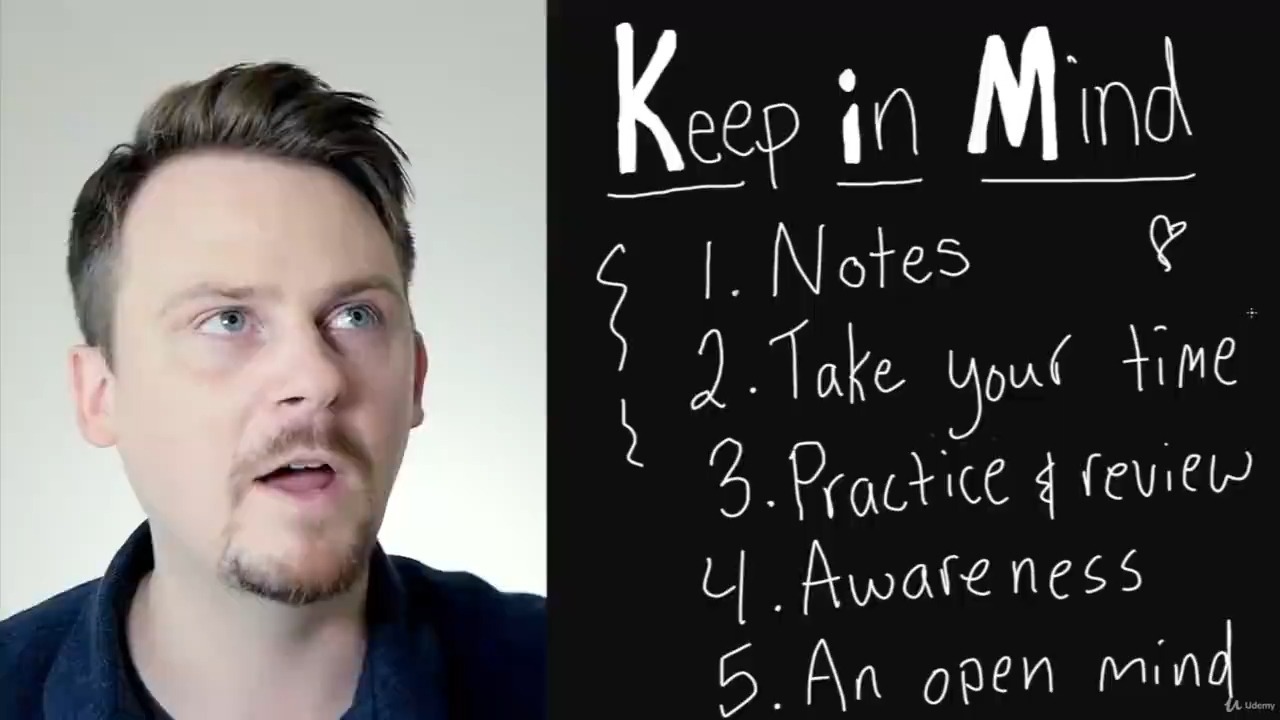
【50集全】国外超火的英语学习教程 # 如何掌握英语 # 口语技巧、语法等,适用于准备将技能提升到新水平的英语学 p01 1. 1. 1. Keep in Mind (P1)
发布于 2026-07-25 · 时长 10:33字幕摘录
| 时间 | 英文 | 中文 |
|---|---|---|
| 0:00 | Hi there, my name is Luke, and welcome to the course. | 你好,我叫卢克,欢迎光临 |
| 0:03 | I'm going to be the teacher for this entire course, | 我要做整个课程的老师 |
| 0:07 | and I want to, in this first video, this introduction, | 我想,在这第一部影片中, 这个介绍, |
| 0:10 | just basically introduce a few things about the structure, the style of the course, | 基本上介绍一些关于 结构,课程的风格, |
| 0:16 | as well as share a few tips, things I'd like you to keep in mind, | 以及分享一些小费, 我希望你记住, |
| 0:21 | things I'd like you to remember throughout the course as you go through it. | 我希望你在整个课程中都能记住 |
| 0:26 | Let's first just talk about the style of the course. | 我们先谈谈课程的风格 |
| 0:29 | Throughout this course, for the entire course, you're going to see me. | 整个课程,整个课程, 你会看到我。 |
| 0:32 | You're going to see my head, see my face, and see the blackboard. | 你会看到我的头,看到我的脸,看到黑板。 |
| 0:36 | I'll be writing on the blackboard throughout the course. | 我会写在黑板上 整个课程。 |
展开字幕全文(174 条)
| 序号 | 英文 | 中文 |
|---|---|---|
| 1 | Hi there, my name is Luke, and welcome to the course. | 你好,我叫卢克,欢迎光临 |
| 2 | I'm going to be the teacher for this entire course, | 我要做整个课程的老师 |
| 3 | and I want to, in this first video, this introduction, | 我想,在这第一部影片中, 这个介绍, |
| 4 | just basically introduce a few things about the structure, the style of the course, | 基本上介绍一些关于 结构,课程的风格, |
| 5 | as well as share a few tips, things I'd like you to keep in mind, | 以及分享一些小费, 我希望你记住, |
| 6 | things I'd like you to remember throughout the course as you go through it. | 我希望你在整个课程中都能记住 |
| 7 | Let's first just talk about the style of the course. | 我们先谈谈课程的风格 |
| 8 | Throughout this course, for the entire course, you're going to see me. | 整个课程,整个课程, 你会看到我。 |
| 9 | You're going to see my head, see my face, and see the blackboard. | 你会看到我的头,看到我的脸,看到黑板。 |
| 10 | I'll be writing on the blackboard throughout the course. | 我会写在黑板上 整个课程。 |
| 11 | There will be no lessons in which you see the board or a screen and not me. | 不会有教训你看到董事会和屏幕 而不是我 |
| 12 | There will be no lessons in which you see me and not the board. | 没有什么教训你看到我,而不是董事会。 |
| 13 | We'll always be together, me and my best friend, the blackboard. | 我们永远在一起 我和我最好的朋友 黑板 |
| 14 | That's a heart. | 谓心曰. |
| 15 | Ooh, that's bad. | 哦,这是糟糕的。 |
| 16 | Speaking of a bad heart, there will be times when my writing will be, | 说到坏的心脏, 有的时候,我的写作会是, |
| 17 | eh, maybe a little bit, just a little bit messy because I'm writing quickly. | 嗯,也许有点, 只是有点乱 因为我写得很快。 |
| 18 | I think you will get used to how I write over time. | 我想你会习惯我的写作方式 |
| 19 | So if you find it difficult in the first or second lesson to understand what I'm writing, | 如果你在第一课或第二课中 觉得很难理解我在写什么 |
| 20 | sometimes I think it'll get better after a couple more lessons, okay? | 有时候我觉得再上几堂课会好点 好吗? |
| 21 | Because you have to get used to someone's writing style to be able to easily read it. | 因为你必须习惯别人的写作风格,才能轻松地阅读. |
| 22 | And if I write very slowly, then it will be extremely boring, right? | 如果我写得非常慢,那会非常无聊,对吧? |
| 23 | Okay, next, let's talk about what we're going to learn in this course. | 好吧,接下来,让我们谈谈 我们要学到什么 在这个课程。 |
| 24 | Well, you can read through all of the lessons in the course and see what the contents are, | 好吧,你可以阅读所有的课程 在课程中,看看内容是什么, |
| 25 | but I want to just say something about how I've decided to structure it. | 但我想谈谈我决定如何构建它 |
| 26 | That means how I've decided to organize it. | 这意味着我决定如何组织它。 |
| 27 | I've said before, I've been working on this course for a very, very long time, years. | 我之前说过,我在这门课程上工作了很久,很长一段时间。 |
| 28 | And I've organized the lessons in this course so that it's, number one, | 我在这门课里安排了课程,所以,第一, |
| 29 | building upon things we learned previously. | 以我们以前学到的东西为基础。 |
| 30 | That means we learn something and then later on we'll use it. | 这意味着我们学到一些东西,然后我们用它。 |
| 31 | For example, we'll learn about descriptions early in the course and then use those skills later on. | 例如,我们会在课程早期学习描述,然后在以后使用这些技能. |
| 32 | But also to keep it interesting. | 但也是为了保持它的有趣。 |
| 33 | So we might do something social, kind of fun, like a situation that you'll encounter in daily life. | 所以,我们可以做一些社交, 一种乐趣, 就像一个你将会遇到的情况 在日常生活。 |
| 34 | Lots of those. | 很多这样的。 |
| 35 | And then we'll have something a little more technical, | 然后我们再拿点更技术性的东西 |
| 36 | such as a particular English skill that you need to do a particular thing. | 诸如特定英语技能,你需要做特定的事情。 |
| 37 | And then maybe the next one will be a little bit more fun. | 然后,也许下一个会更有趣一点。 |
| 38 | And by doing that and having that variety, | 这样做和拥有这种多样性, |
| 39 | I hope that the course will continue to be interesting and continue to stay fresh. | 我希望,这一方针将继续令人感兴趣,继续保持新鲜。 |
| 40 | There will certainly be a couple of times when maybe a particular thing that we're learning is a bit dry. | 肯定会有几次,也许我们学到的某件东西有点干燥。 |
| 41 | I try my best not to make it boring. | 我尽量不要让它无聊 |
| 42 | Dry means boring. | 干意味着无聊。 |
| 43 | Although those skills are very important. | 虽然这些技能非常重要。 |
| 44 | Everything I've put into this course is important for people who want to improve their English. | 我在这个课程中投入的一切,对于想提高英语水平的人来说,都是重要的. |
| 45 | If you're working on your spoken English, even your written English, | 如果你在写英语 甚至写英语 |
| 46 | this course will help you. | 这个课程会帮你的 |
| 47 | And everything in this course is meant to be useful in your real life. | 而这个课程中的一切 都是为了在现实生活中有用。 |
| 48 | Just one more thing I want to mention before we talk about what to keep in mind throughout the course. | 在讨论整个课程中要记住什么之前,我想再提一件事。 |
| 49 | And that is that I've broken lessons down into smaller parts. | 那就是我把教训细分为较小的部分。 |
| 50 | If you have a long video that's 45 minutes long, | 如果你有45分钟长的视频 |
| 51 | it can be quite difficult to go through that whole thing, right? | 经历这一切会很困难,对吧? |
| 52 | It can be something that you might think about for a whole week. | 这可能是你可能想 一个星期。 |
| 53 | Oh, I have to do this 45-minute video, right? | 哦,我必须做这个 45分钟的视频,对不对? |
| 54 | It's like needing to run up a big hill. | 就像需要跑上一个大山 |
| 55 | But if it's smaller, if it's 10 minutes, it's easier to digest. | 但如果体积较小,如果10分钟,就更容易消化. |
| 56 | The hill is a little smaller. | 山势略小. |
| 57 | So even though it's part of a larger lesson, each piece is easier to eat. | 因此,尽管这是更大教训的一部分,但每块都更容易吃. |
| 58 | Each hill is smaller. | 每个山丘都较小. |
| 59 | So that's why I've done that. | 所以我才这么做 |
| 60 | The lessons are broken up into smaller pieces. | 课程被分成小块。 |
| 61 | Now, things I'd like you to keep in mind throughout the course. | 现在,我想让你记住 整个课程。 |
| 62 | Keep in mind means things to remember throughout the course. | 记住,意味着要记住整个课程。 |
| 63 | Number one, it's very important that you take notes. | 第一,你必须记笔记 |
| 64 | If you're sitting down at your computer, if you're using your phone, whatever. | 如果你坐在你的电脑, 如果你用你的电话,随便。 |
| 65 | Take notes. | 记笔记. |
| 66 | If you take notes on your computer, that's fine. | 如果你在电脑上记笔记,没关系 |
| 67 | If you want to take notes on a piece of paper or in a notebook, that's fine. | 如果你想在纸上或笔记本上做笔记 没关系 |
| 68 | I don't care. | 我无所谓 |
| 69 | But you want to take notes so that you're doing some action connected to what you're learning. | 但是,你想做笔记,这样你就可以做一些动作 与你正在学习的东西有关。 |
| 70 | If you're only listening, it may be hard to remember the things that you're learning. | 如果你只是听, 它可能很难记住 你正在学习的东西。 |
| 71 | But if you have some action, you're putting the things that you're learning into the real world. | 但如果你有所行动,你就会把正在学习的东西投入现实世界. |
| 72 | And by doing that, the things that you're learning are going to stick more. | 通过这样做,你所学的东西会更加坚持下去。 |
| 73 | Next, don't hurry through this course. | 接下来,不要匆忙通过这个课程。 |
| 74 | If you rush through this course and try to finish it in several days, | 如果你匆忙通过这个课程 尝试在几天内完成它, |
| 75 | I think that you'll probably miss a lot of stuff. | 我想你可能会错过很多东西。 |
| 76 | Unless you're a super genius and great at remembering every little thing you hear. | 除非你是个超级天才 擅长回忆你听到的一切 |
| 77 | I recommend that you take your time. | 我建议你慢慢来 |
| 78 | Watch one video a day or one video every two days. | 每天看一个视频,或每两天看一个视频. |
| 79 | That's okay. | 没关系 |
| 80 | Don't rush through the course. | 别急着走 |
| 81 | When you take your time, you allow yourself time to practice what you've learned, | 当你花时间,你让自己 时间练习你学到的东西, |
| 82 | to review your notes, and to just think about what you heard in the previous lesson. | 来回顾你的笔记 想想你之前的课上听到的 |
| 83 | That time to think is as important as actually learning the stuff, right? | 思考的时间和学习东西一样重要,对吧? |
| 84 | When you become a painter, you paint and then you think, | 当你成为一名画家, 你画,然后你想, |
| 85 | oh, I don't like this, I could be better. | 哦,我不喜欢这样,我可以更好。 |
| 86 | You go away, you think about what you did and what you could do better, | 你走开,想想你做了什么 还能做得更好 |
| 87 | you come back, and then you paint better the next time. | 然后下次画得更好 |
| 88 | Well, that's true for a lot of things, and it's true for learning as well. | 对很多事情来说都是如此,对学习也是这样。 |
| 89 | So I recommend that you have some space between each video so that you have time to review, | 所以我建议你们在每段视频之间留点空间 这样你们就可以有时间审查 |
| 90 | you have time to practice, and you have time to reflect. | 你有时间练习,有时间思考。 |
| 91 | To reflect means to think. | 来反映思考的方法。 |
| 92 | Walk around, look at the clouds, have a cup of coffee, whatever you need to do, okay? | 到处走走,看云,喝杯咖啡,随便你做什么,好吗? |
| 93 | Very important as well. | 也是非常重要的,我们是... |
| 94 | Next, you need to review. | 接下来,你需要审查。 |
| 95 | You've got to review. | 你得去检讨一下 |
| 96 | With each lesson, there's something you can practice, | 每上一节课,你都可以练习 |
| 97 | and I've attached basically an assignment to each lesson, | 我给每个课都带了一个任务 |
| 98 | what you can do to practice what you've learned. | 你能做些什么来练习你学到的 |
| 99 | There's one really great way to practice English, spoken English, | 练习英语,说英语有种很好的方法 |
| 100 | without actually talking with a friend. | 没有真正与朋友交谈。 |
| 101 | Now, it's great if you can, great if you have a teacher, that's great, | 现在,这是伟大的,如果你可以, 伟大的,如果你有老师,这是伟大的, |
| 102 | if you have a friend you can talk with, that's wonderful, | 如果你有一个朋友 你可以说话, 这是美妙的, |
| 103 | but if you want to practice the stuff that you've learned, | 但如果你想练习 你学到的东西, |
| 104 | in each lesson, by itself, by yourself, | 每一个教训, 自己,你自己, |
| 105 | turn on your phone, open the recording app, or whatever you want to use, | 打开你的手机 打开录音程序 或任何你想使用的东西 |
| 106 | and record the practice that is assigned. | 并记录指定的做法。 |
| 107 | So, by recording yourself, you're doing what I mentioned earlier when you're taking notes, | 所以,通过录制你自己, 你在做我刚才提到的 当你做笔记, |
| 108 | you are putting something out there, you're making something. | 你放的东西在那里, 你在做的东西。 |
| 109 | Input, output. | 输入,输出. |
| 110 | Input and output go very well together when it comes to learning, | 在学习方面,投入和产出非常配合, |
| 111 | and recording is a great way to do output, output, | 记录是一种伟大的方式 做输出,输出, |
| 112 | when it comes to learning languages, when it comes to learning new spoken skills. | 在学习语言时,在学习新的口语技能时。 |
| 113 | Then, if you feel like you didn't really get something, go back and review. | 如果你觉得自己没有得到什么 回去审查一下 |
| 114 | Watch a lesson twice, watch a lesson three times, if you need to. | 注意教训两次,注意教训三次,如果你需要的话. |
| 115 | When you finish this course, go back and watch it again. | 当你完成这个课程, 回去看一遍。 |
| 116 | Whenever I read a book, I usually read that book twice. | 每当我读到一本书,我通常会读到这本书两次. |
| 117 | That way I make sure I don't miss anything, right? | 这样我才能确保我什么都不错过,对吧? |
| 118 | If I went through it once, I might have missed a couple of small things. | 如果我经历过一次, 我可能错过了几件小事。 |
| 119 | I go back, I can catch those things that I might have missed the first time through. | 我回去时,可以抓住那些 我第一次可能错过的东西 |
| 120 | I want to just mention one thing that's very important, | 我只想提到一件非常重要的事 |
| 121 | and something I would like you to keep in mind as you go through this course, | 和一些东西,我希望你记住 当你通过这个课程, |
| 122 | and that is the importance of awareness. | 这就是认识的重要性。 |
| 123 | As you're practicing what you learn, | 当你练习你学到的东西时, |
| 124 | it's very important to be able to pay attention to what you're saying. | 能够注意你所说的话是非常重要的. |
| 125 | A lot of people, when they're speaking, | 很多人,当他们说话, |
| 126 | they don't pay attention to what sounds are coming out of their own mouths. | 他们不注意从自己嘴里发出的声音 |
| 127 | You've got to be able to pay attention to what you say. | 须发如是心. |
| 128 | So, that recording exercise is a great way to do that, | 所以,录音练习 是一个伟大的方法做到这一点, |
| 129 | because you're catching things that you wouldn't normally catch. | 因为你抓的东西 你通常不会抓住。 |
| 130 | But then you can start to do that for yourself when you're speaking, | 但是当你说话的时候 你可以开始为自己这么做了 |
| 131 | and that allows you to build better habits. | 这让你可以建立更好的习惯。 |
| 132 | So, I hope you can, as you go through this course, | 所以,我希望你可以, 当你经过这个课程, |
| 133 | pay very careful attention to not only the sounds that I'm making, | 不仅注意我发出的声音 |
| 134 | and the way that I'm saying what I'm saying, | 和我说话的方式,我说什么, |
| 135 | but also, when you're practicing, what you're saying, | 还有,当你练习时,你说什么, |
| 136 | and the sounds that you're making, | 你发出的声音, |
| 137 | and how you're saying what you're saying. | 如何是汝所说法. |
| 138 | It's very, very important. | 这很重要 |
| 139 | So, develop your awareness, | 所以,提高你的意识, |
| 140 | and that is the key to the next step, which is building better habits. | 这是下一步的关键, 即建立更好的习惯。 |
| 141 | Building better habits is the key to, ultimately, | 建立更好的习惯是关键,最终, |
| 142 | becoming a more natural English speaker. | 成为更自然的英语语言. |
| 143 | Finally, before we get started on the first lesson of this course, | 最后,在我们开始学习课程之前, |
| 144 | I'd like you to remember to keep an open mind. | 我希望你记住保持开放的心态 |
| 145 | If there's something that you think is true about English, | 如果你认为英语是真的 |
| 146 | maybe you learned that in school, and it's not quite right. | 也许你在学校里学的,这不太对 |
| 147 | So, be open-minded. | 故曰开明. |
| 148 | Maybe, maybe, a way that you've learned | 也许,也许,一个方法 你学到 |
| 149 | is either incorrect, or correct, and not natural. | 要么是不正确的,要么是正确的,而不是自然的。 |
| 150 | Maybe, native English speakers say something a different way, | 也许说英语的当地人会说不同的话 |
| 151 | even though that different way is not technically correct. | 尽管这种不同的方式在技术上并不正确。 |
| 152 | There are many examples of that in native spoken English, | 以当地英语讲, |
| 153 | and I will share some of those in this course, okay? | 我将分享其中的一些 在这个课程,好吗? |
| 154 | So, I'd like you to make a commitment to yourself to be open-minded. | 因此,我希望你们对自己作出承诺,做到开明. |
| 155 | If you're close-minded, and you're always saying, | 如果你很贴心,你总是说, |
| 156 | well, that can't be right, that can't be right, that can't be right, | 好吧,那不可能是正确的, 这不可能是正确的, |
| 157 | then, you're not going to learn as much. | 那你就学不了那么多了 |
| 158 | So, I encourage you to be more like a sponge. | 所以我鼓励你更像海绵 |
| 159 | A sponge absorbs things. | 海绵能吸收东西 |
| 160 | Then, the more you absorb, you can begin to process it, | 然后,你吸收得越多, 你可以开始处理它, |
| 161 | and you can start using it in your daily life. | 你可以在日常生活中开始使用它。 |
| 162 | Learning English is all about, ultimately, really, | 学英语是所有,最终,真的, |
| 163 | it's about learning to communicate with other people, | 而是要学会和别人交流 |
| 164 | in writing, or in conversation. | 写作或谈话 |
| 165 | And that's the main point of this course, | 这就是这个课程的要点 |
| 166 | to give you the skills and the knowledge that you need | 为您提供所需技能和知识 |
| 167 | to go out into the world and use your language skills | 进入世界,运用你的语言能力 |
| 168 | to communicate with people in a wide variety of situations. | 在各种情况下与人们交流。 |
| 169 | This course will help you in many different areas, | 这个课程会帮助你 在许多不同的领域, |
| 170 | improve your skills, improve your knowledge, | 提高你的技能,提高你的知识, |
| 171 | and improve your ability to communicate in English with other people. | 提高你用英语和别人沟通的能力 |
| 172 | And without any more delay, let's go to the actual first lesson of the course, | 不再拖延,让我们去 实际的第一个课程, |
| 173 | and I want to just say that I hope you enjoy it. | 我只想说 我希望你喜欢它。 |
| 174 | And I want to just say that I hope you enjoy it. | 我想说 希望你喜欢 |
该视频共有字幕 175 条。解锁更多字幕为会员功能,请移动到 价格
P2 · 【50集全】国外超火的英语学习教程 # 如何掌握英语 # 口语技巧、语法等,适用于准备将技能提升到新水平的英语学 p02 2. 英语本质连锁法,1天搞定6000词 (P2)
【50集全】国外超火的英语学习教程 # 如何掌握英语 # 口语技巧、语法等,适用于准备将技能提升到新水平的英语学 p02 2. 英语本质连锁法,1天搞定6000词 (P2)
发布于 2026-07-25 · 时长 24:13字幕摘录
| 时间 | 英文 | 中文 |
|---|---|---|
| 0:00 | 光速英语 | |
| 0:01 | 我是黄剑 | |
| 0:01 | 咱们今天来讲背单词 | |
| 0:04 | 大家都知道单词量是非常重要的 | |
| 0:07 | 比方说你要想通过大学英语四级 | |
| 0:09 | 那你得需要4000单词 | |
| 0:10 | 而六级恰好要对应6000单词 | |
| 0:13 | 你看考试的名字是不是非常巧妙 | |
| 0:15 | 6000单词足够应付高考 | |
| 0:17 | 并且充高充满了 |
展开字幕全文(891 条)
| 序号 | 英文 | 中文 |
|---|---|---|
| 1 | 光速英语 | |
| 2 | 我是黄剑 | |
| 3 | 咱们今天来讲背单词 | |
| 4 | 大家都知道单词量是非常重要的 | |
| 5 | 比方说你要想通过大学英语四级 | |
| 6 | 那你得需要4000单词 | |
| 7 | 而六级恰好要对应6000单词 | |
| 8 | 你看考试的名字是不是非常巧妙 | |
| 9 | 6000单词足够应付高考 | |
| 10 | 并且充高充满了 | |
| 11 | 而且对于考研来说 | |
| 12 | 考研大纲是5500单词 | |
| 13 | 6000单词足够考研过线了 | |
| 14 | 所以很多人的目标就是短期内拿下6000单词 | |
| 15 | 我们今天给大家介绍的一个方法 | |
| 16 | 是本质方法 | |
| 17 | 可以帮助大家一天内就搞定6000单词 | |
| 18 | 最多也就是几天 | |
| 19 | 绝不是几周几个月 | |
| 20 | 甚至有人花了好几年 | |
| 21 | 6000单词都一塌糊涂 | |
| 22 | 那么到底是什么方法 | |
| 23 | 我们拿几个单词先举例 | |
| 24 | 因为今天我们会涉及到 | |
| 25 | 150个左右的考试单词 | |
| 26 | 足以让大家对方法和背后的规律 | |
| 27 | 进行把控 | |
| 28 | 而后面的6000单词 | |
| 29 | 都是按照同样的方法去进行 | |
| 30 | 我们都已经帮大家总结好了 | |
| 31 | 所以大家跟好做好笔记 | |
| 32 | 你失措的成本 | |
| 33 | ~ 10 感应 20分钟 ~ | |
| 34 | 但是你错过的成本 | |
| 35 | 可能是正无穷 | |
| 36 | {\fn华文仿宋\fs16\1cHD1D1D1}哦! | 比方说母牛 cow和公牛 |
| 37 | 不很多人就盲目的放一起 | |
| 38 | 说这都是牛 | |
| 39 | 就一起记 | |
| 40 | 但是问题在于这两个单词的读音 | |
| 41 | 和拼写不相干 | |
| 42 | 那么在背的时候 | |
| 43 | 你会发现非常的苦 | |
| 44 | 我们现在换一个思路 | |
| 45 | 让母牛和母猪放一起 | |
| 46 | 翻译: | |
| 47 | 你看 cow | 你看牛 |
| 48 | 母猪 | |
| 49 | 是公牛叫 | |
| 50 | 公猪叫 | |
| 51 | 页:1 | |
| 52 | 是不是这样背就非常舒服得劲了 | |
| 53 | 因为不但他们的意思有关联 | |
| 54 | 而且读音或拼写 | |
| 55 | 至少占一二相关 | |
| 56 | 这个就是单词的本质 | |
| 57 | 开始你可能会觉得是巧合 | |
| 58 | 你再看一下细节 | |
| 59 | 公猪的前面 | |
| 60 | 是不是有一个形容词 | |
| 61 | 叫微阉哥的 | |
| 62 | 一开始我看到这个 | |
| 63 | 我就觉得有点不好意思 | |
| 64 | 我心想有必要强调这一点吗 | |
| 65 | 可是当我回手掏一看 | |
| 66 | 公牛的前面 | |
| 67 | 居然也叫微阉哥的公牛 | |
| 68 | 而且再一看还挺合理 | |
| 69 | 你看它引申到雕形大汉 | |
| 70 | 页:1 | |
| 71 | 如果是阉哥的公牛 | |
| 72 | 那是什么女汉子 | |
| 73 | 还是怎么回事 | |
| 74 | 那就不对了 | |
| 75 | 形容词的选择都如此的精妙 | |
| 76 | 应该来说逻辑站得住脚 | |
| 77 | 我们继续往下看 | |
| 78 | 读音相似的单词 | |
| 79 | 是不是也不能盲目放一起了 | |
| 80 | 因为它意思不相干 | |
| 81 | 编号 | |
| 82 | {\fn黑体\fs22\bord1\shad0\3aHBE\4aH00\fscx67\fscy66\2cHFFFFFF\3cH808080}别这样 | 死了die就关联了 |
| 83 | {\fn黑体\fs22\bord1\shad0\3aHBE\4aH00\fscx67\fscy66\2cHFFFFFF\3cH808080}你还好吧? | |
| 84 | 染色die | |
| 85 | 眼睛就能看到 | |
| 86 | 眼睛叫eye | 双眼 |
| 87 | 那么同样的道理 | |
| 88 | 如果雨叫rain | 雨 |
| 89 | 火车叫train | 火车 |
| 90 | 你不能把它放一起 | |
| 91 | 因为火车和下雨没有关系 | |
| 92 | 火车和谁有关 | |
| 93 | 考纲中还真有一个单词 | |
| 94 | 火车关联的是一条链 | |
| 95 | 叫chain | 双链 |
| 96 | 我们已经给大家总结好了 | |
| 97 | 你看 | |
| 98 | 链chain车train | 链链式火车 |
| 99 | 更加证明两个单词是本质关联的 | |
| 100 | 是他们有一个共同的意义 | |
| 101 | 叫一串 | |
| 102 | 你再读一下train | 火车 |
| 103 | 链条QQ | chain是不是就非常舒服 |
| 104 | 这个时候你再去组词 | |
| 105 | 比如说电视反应 | |
| 106 | chain reaction | 链式反应 |
| 107 | 电视法则 | |
| 108 | chain rule | 链式规则 |
| 109 | 等等就非常轻松了 | |
| 110 | 所以说干扰大家英语学习的 | |
| 111 | 从来都不是词组 | |
| 112 | 其实还是单词 | |
| 113 | 甚至是简单结构的词 | |
| 114 | 都不是这种有词根词缀的复杂词 | |
| 115 | 因为有词根词缀的 | |
| 116 | 我们称之为长男词 | |
| 117 | 你去掉词缀 | |
| 118 | 剩下的词根 | |
| 119 | 很多时候你都认识 | |
| 120 | 就好像我们在学语法的时候 | |
| 121 | 你是不是得先学会简单句 | |
| 122 | 才能加上连词到长男句 | |
| 123 | 如果长男句你读不懂 | |
| 124 | 你就要反思一下 | |
| 125 | 是你的连词看不懂 | |
| 126 | 还是简单句压根就没学好 | |
| 127 | 那很显然是简单句没学好 | |
| 128 | 像chain train | 像链列车 |
| 129 | 这样关联的简单词 | |
| 130 | 以及由它们引申出来的词汇 | |
| 131 | 626000 单词之中 | |
| 132 | * 70% | 至少占70% |
| 133 | 占80% | |
| 134 | 核心问题找到了 | |
| 135 | 就是这些单词 | |
| 136 | 以及它们的点锁 | |
| 137 | 我们现在乘胜追击 | |
| 138 | 你看 | |
| 139 | 如果有个单词叫子宫 | |
| 140 | 那么它和木属肯定不相关 | |
| 141 | 但是它和坟墓逻辑相关 | |
| 142 | 你出生于子宫 | |
| 143 | 你走向坟墓 | |
| 144 | womb tomb | 子宫墓 |
| 145 | 为什么你是子宫呢 | |
| 146 | 子宫是女人身体上的器官 | |
| 147 | 而且和你的出生相关 | |
| 148 | 我们就把女人和出生两个元素 | |
| 149 | 融合在一起 | |
| 150 | 子宫不就出来了吗 | |
| 151 | 同样道理 | |
| 152 | 什么是精子呢 | |
| 153 | 精子是男人的种子 | |
| 154 | 把它俩元素放一起 | |
| 155 | {\fn黑体\fs22\bord1\shad0\3aHBE\4aH00\fscx67\fscy66\2cHFFFFFF\3cH808080}我... | 那么semen就出来了 |
| 156 | 而且像种子这样的词 | |
| 157 | 其实也有本质 | |
| 158 | 也就是它的连锁 | |
| 159 | 你看这里已经总结好了 | |
| 160 | 的种子 | |
| 161 | 长出V的杂草 | |
| 162 | {\fn黑体\fs22\bord1\shad0\3aHBE\4aH00\fscx67\fscy66\2cHFFFFFF\3cH808080}这太奇怪了 {\fn黑体\fs22\bord1\shad0\3aHBE\4aH00\fscx67\fscy66\2cHFFFFFF\3cH808080}我 | 而芦苇V的 |
| 163 | 就是杂草 | |
| 164 | 是杂草的一个特例 | |
| 165 | 这三个单词 | |
| 166 | 1500欧元 | |
| 167 | 3500 | 3500个 |
| 168 | 5500 | 5500号 |
| 169 | 三个烤缸之中 | |
| 170 | 你怎么可能把它放一起呢 | |
| 171 | 即便你放一起 | |
| 172 | 你可能找不到它的规律 | |
| 173 | 所以说理科在于刷题 | |
| 174 | 你文科光刷题没有用 | |
| 175 | 必须要先背好这些单词 | |
| 176 | 而且找到这些单词的本质连锁 | |
| 177 | 然后再看到试卷的时候 | |
| 178 | 你的内心才充满自信 | |
| 179 | 你说是不是 | |
| 180 | 而且即便是相似的单词 | |
| 181 | 你没有以为它拼写相似就相关 | |
| 182 | {\fn黑体\fs22\bord1\shad0\3aHBE\4aH00\fscx67\fscy66\2cHFFFFFF\3cH808080}我很高兴 | 你像breed这个单词 |
| 183 | 它的意思是养育 | |
| 184 | {\fn黑体\fs22\bord1\shad0\3aHBE\4aH00\fscx67\fscy66\2cHFFFFFF\3cH808080}嘿 伙计们 | 而brew的单词是一窝孩子 |
| 185 | 6⁄4 ̅ ̅ ̅ | |
| 186 | 或者兄弟 | |
| 187 | 正好是你家的那一窝孩子 | |
| 188 | 他们三个相关 | |
| 189 | 所以这是一组 | |
| 190 | 这是一组 | |
| 191 | 两组之间没有半毛钱关系 | |
| 192 | 这会明白了吧 | |
| 193 | 英语不是数理化 | |
| 194 | 和智商关系并不大 | |
| 195 | 基础不好 | |
| 196 | 不可怕 | |
| 197 | 重在方向和方法 | |
| 198 | {\fn黑体\fs22\bord1\shad0\3aHBE\4aH00\fscx67\fscy66\2cHFFFFFF\3cH808080}你觉得呢? | 当你把像weed这样单词 |
| 199 | 都学会之后 | |
| 200 | 你再去合成 | |
| 201 | 比如说海加上草 | |
| 202 | 海草 | |
| 203 | seaweed | 海藻 |
| 204 | 你马上就会 | |
| 205 | 包括像刚才这种融合 | |
| 206 | 你看 | |
| 207 | no smoking | 不吸烟 |
| 208 | 就禁止吸烟 | |
| 209 | 取出烟加上雾 | |
| 210 | smoke加上fog | 烟雾 |
| 211 | 融合起来叫smoke | 烟雾 |
| 212 | 再比如说汽车的 | |
| 213 | 加上宾馆 | |
| 214 | motor加上hotel | 汽车旅馆 |
| 215 | 合起来就汽车旅馆 | |
| 216 | motel | 汽车旅馆 |
| 217 | 像这种单词结合 | |
| 218 | 学校里讲的不深入 | |
| 219 | 学校可能讲了灯加炮 | |
| 220 | 中间一个空格叫灯泡 | |
| 221 | 这种结合叫并立 | |
| 222 | 还有比如说冰加上奶油 | |
| 223 | 联合国 | |
| 224 | ice cream | 冰激凌 |
| 225 | 用了连词符叫连立 | |
| 226 | 再比如说blackboard | * 黑板 |
| 227 | 这种合成 | |
| 228 | 我们为了区分下面 | |
| 229 | 我们把它叫加和 | |
| 230 | 但是学校没有讲透的 | |
| 231 | =================================================================================== | 是第4种和第5种 |
| 232 | 比方说三角形 | |
| 233 | 你为什么是三角形 | |
| 234 | 我能看见角 | |
| 235 | 但是哪里是三 | |
| 236 | try就是三 | 尝试 |
| 237 | 你看bicycle是二轮车 | 循环 |
| 238 | 也就是我们说的自行车 | |
| 239 | tricycle是三个圈 | 三轮驱动 |
| 240 | 叫三轮车 | |
| 241 | 同样道理 | |
| 242 | 三个角叫三角 | |
| 243 | 时间轴: | |
| 244 | three这个单词 | 三个... |
| 245 | 你看把弱辅音去掉 | |
| 246 | 留下强辅音 | |
| 247 | 将双元音变成单元音 | |
| 248 | 将一个单词简化 | |
| 249 | 再加另一个单词化和 | |
| 250 | 页:1 | |
| 251 | {\fn黑体\fs22\bord1\shad0\3aHBE\4aH00\fscx67\fscy66\2cHFFFFFF\3cH808080}你觉得呢? | |
| 252 | 它叫贪婪的意思 | |
| 253 | 贪婪是不断增长的需求 | |
| 254 | 它是把增长这个单词中的 | |
| 255 | 一部分取出来了 | |
| 256 | 再把需求的后一部分取出来 | |
| 257 | 合一起 | |
| 258 | 造了这个单词 | |
| 259 | 很多人乍一看 | |
| 260 | 不知道怎么背 | |
| 261 | 就以为它是跟绿色相关的 | |
| 262 | 其实没有关系 | |
| 263 | 这种感觉就特别像什么 | |
| 264 | 特别像断词 | |
| 265 | 你在语法中 | |
| 266 | 我们经常断句 | |
| 267 | 单词中也要断词 | |
| 268 | 很多人上来看到这个单词 | |
| 269 | 我发现了父母 | |
| 270 | 可是这个单词意思叫显然的 | |
| 271 | 你不能编个故事 | |
| 272 | 去联想说父母很显然 | |
| 273 | 这不对 | |
| 274 | 你既然是和显相关 | |
| 275 | 那么就有一个动词 | |
| 276 | 叫appear | 移动 |
| 277 | 叫显现 | |
| 278 | 显现才能显然 | |
| 279 | 所以这个部分 | |
| 280 | 出现 | |
| 281 | 就好像在clarify中 | * 澄清* |
| 282 | 去掉动词后缀 | |
| 283 | 前面的部分 | |
| 284 | {\fn黑体\fs22\bord1\shad0\3aHBE\4aH00\fscx67\fscy66\2cHFFFFFF\3cH808080}这很明确 | 其实是clear清楚的简化 |
| 285 | 所以你才叫澄清 | |
| 286 | 那么像这样的常难词 | |
| 287 | 我们会不会讲 | |
| 288 | 你看讲解非常清楚 | |
| 289 | 从clear到clarify | 清清楚楚的拼写 |
| 290 | {\fn黑体\fs22\bord1\shad0\3aHBE\4aH00\fscx67\fscy66\2cHFFFFFF\3cH808080}这很明确 | 而且如果clear是清晰 |
| 291 | 再来个不清晰 | |
| 292 | 眼花的叫blear | 闪亮 |
| 293 | 模糊的叫blur | 蓝色 |
| 294 | 眼瞎的叫blind | 盲点 |
| 295 | 甚至由于你眼瞎 | |
| 296 | 容易犯错误 | |
| 297 | 叫blender | 调试器 |
| 298 | 和顿的迟钝的 | |
| 299 | 叫blunt | 旋转 |
| 300 | 我们都会提到 | |
| 301 | 页:1 | |
| 302 | 我们小结一下 | |
| 303 | 对于常难词 | |
| 304 | 我们一般是找了它的属词 | |
| 305 | 或者以后我们关联词源 | |
| 306 | 其实只需要去掉前缀和后缀 | |
| 307 | 它就变成了简单词 | |
| 308 | 而对于简单词 | |
| 309 | 我们在单词层面 | |
| 310 | 要把握它的本身 | |
| 311 | 和单词之间的连锁 | |
| 312 | 页:1 | |
| 313 | 我们接下来要讲的是 | |
| 314 | 另一个层面的事情 | |
| 315 | 叫字母层面 | |
| 316 | 因为在单词相关的过程中 | |
| 317 | 涉及到字母变化 | |
| 318 | 那么字母之间 | |
| 319 | 到底有什么样的相似 | |
| 320 | 其实总结起来 | |
| 321 | 就是形象或者是音象 | |
| 322 | 而且字母本身 | |
| 323 | 其实也可能像形 | |
| 324 | 比方说 | |
| 325 | 刚才讲的 | |
| 326 | 公牛这个单词 | |
| 327 | 我把后面两个字母放大 | |
| 328 | 你来看一下 | |
| 329 | 像不像公牛的牛角 | |
| 330 | 而有这个单词 | |
| 331 | 就造了这个单词 | |
| 332 | {\fn黑体\fs22\bord1\shad0\3aHBE\4aH00\fscx67\fscy66\2cHFFFFFF\3cH808080}你觉得呢? | 后面的et是表示小的后缀 |
| 333 | 小的公牛牛角一样的东西 | |
| 334 | 叫啥子弹 | |
| 335 | 页:1 | |
| 336 | 象征着兔子两个耳朵 | |
| 337 | 而兔子这个单词 | |
| 338 | 其实关联另一个单词 | |
| 339 | 叫迅速的 | |
| 340 | 也叫快的 | |
| 341 | 因为兔子蹦的快 | |
| 342 | rapid | 快速 |
| 343 | {\fn黑体\fs22\bord1\shad0\3aHBE\4aH00\fscx67\fscy66\2cHFFFFFF\3cH808080}你觉得呢? | 后来你再加上ly |
| 344 | 做一个派生 | |
| 345 | 那不轻轻松松吗 | |
| 346 | 那么换而言之 | |
| 347 | 词根词缀 | |
| 348 | 它只能紧上天花 | |
| 349 | 你看从clean到cleaning | 清扫 |
| 350 | cleaner谁不会 | 干净的... ...... ...... |
| 351 | 只有连锁和融合 | |
| 352 | 才是雪中送炭 | |
| 353 | 但是关于这一点 | |
| 354 | 学校基本是一点也不讲 | |
| 355 | 所以说他讲的我们要讲吗 | |
| 356 | 我们当然要讲词根词缀 | |
| 357 | 但是学校他不讲的 | |
| 358 | 我们更要给大家讲的清清楚楚 | |
| 359 | 我们看到 | |
| 360 | 动物经常和一些事物相关 | |
| 361 | 或者和一些特征相关 | |
| 362 | 比如说狗开门 | |
| 363 | 猫在抓耗子 | |
| 364 | 耗子在跑 | |
| 365 | 所以耗子的开头字母 | |
| 366 | 和跑的开头字母是一样的 | |
| 367 | 蝙蝠长得像老鼠 | |
| 368 | {\fn黑体\fs22\bord1\shad0\3aHBE\4aH00\fscx67\fscy66\2cHFFFFFF\3cH808080}你觉得呢? | 后面都是at |
| 369 | 因为蝙蝠能飞像鸟 | |
| 370 | 所以别看单词很短 | |
| 371 | 但是每个字母都不乱用 | |
| 372 | 这边是另一个老鼠 mo | |
| 373 | 它关联的是嘴 | |
| 374 | 因为老鼠总动嘴去啃 | |
| 375 | 它的服务mice | 点 |
| 376 | 时间轴: | |
| 377 | 老鼠爱大米 | |
| 378 | 这样才合理 | |
| 379 | 你再看snake蛇 | 你再看 蛇 蛇 |
| 380 | 它把组成这个单词的字母进行重排 | |
| 381 | 就得到了snake | 猪头 |
| 382 | 是蛇的运动方式 | |
| 383 | 叫溜走和滑行 | |
| 384 | 后来帮你走得更快的 | |
| 385 | 尔 | |
| 386 | 表示一个东西 | |
| 387 | {\fn黑体\fs22\bord1\shad0\3aHBE\4aH00\fscx67\fscy66\2cHFFFFFF\3cH808080}别这样 | 因为er不仅仅是人的后缀 |
| 388 | 也可能是物的后缀 | |
| 389 | 是人或物的后缀 | |
| 390 | 比如说塔tower | 旋转 |
| 391 | 或 也是一样 | |
| 392 | 比如拖拉机tractor | 切开器 |
| 393 | 你不能说它是个人 | |
| 394 | 一个帮你走得更快的东西 | |
| 395 | 也翻译成了斯尼克 | |
| 396 | 那就是你的旅游鞋了 | |
| 397 | 字母很简单 | |
| 398 | 页:1 | |
| 399 | 刚才说的是字母本身的象形 | |
| 400 | 这种象形的元素 | |
| 401 | 其实刚才我们就见过 | |
| 402 | 无论公牛 | |
| 403 | 母牛和母猪 | |
| 404 | ==================================================================================== | 你说为什么都选择ow结尾 |
| 405 | 难道是随便找的吗 | |
| 406 | 那当然不是 | |
| 407 | 聪明你也可能已经发现了 | |
| 408 | 这两个都是磁性 | |
| 409 | {\fn黑体\fs22\bord1\shad0\3aHBE\4aH00\fscx67\fscy66\2cHFFFFFF\3cH808080}你觉得呢? | 而w恰好是磁性的上半身的特征 |
| 410 | 欧 就暗示磁性下半身的特征 | |
| 411 | 那也是一样道理 | |
| 412 | 就为了组成一个音节 | |
| 413 | 你看我们是一个有这样特征的人 | |
| 414 | 那当然是女性了 | |
| 415 | 那么类似我把 | |
| 416 | 变成m | |
| 417 | 湿度 | |
| 418 | {\fn黑体\fs22\bord1\shad0\3aHBE\4aH00\fscx67\fscy66\2cHFFFFFF\3cH808080}你觉得呢? | 而且m后面的d |
| 419 | 在学习father | 父亲 |
| 420 | {\fn黑体\fs22\bord1\shad0\3aHBE\4aH00\fscx67\fscy66\2cHFFFFFF\3cH808080}亲爱的兄弟 | |
| 421 | {\fn黑体\fs22\bord1\shad0\3aHBE\4aH00\fscx67\fscy66\2cHFFFFFF\3cH808080}我... | 到底dad为什么是爸爸 |
| 422 | 因为d它是雄性的生理特征 | |
| 423 | 你看这是d字母 | |
| 424 | 我这样一话 | |
| 425 | 是不是大家就一下子明白了 | |
| 426 | 这叫dad | 父亲 |
| 427 | 如果把它倒过来 | |
| 428 | 页:1 | |
| 429 | {\fn黑体\fs22\bord1\shad0\3aHBE\4aH00\fscx67\fscy66\2cHFFFFFF\3cH808080}你觉得呢? | 而p字母造了另一个爸爸 |
| 430 | 叫papa | 双帕 |
| 431 | 父亲 | |
| 432 | 有了mother | 母亲 |
| 433 | 那father不就是mother的father吗 | 父亲,母亲,父亲? |
| 434 | 我就不说了 | |
| 435 | 其实关于这种会议逻辑 | |
| 436 | 这种理性造词 | |
| 437 | 在派生词中经常见到 | |
| 438 | 比方说老虎 | |
| 439 | 变成母老虎 | |
| 440 | 这个时候我就没有必要像形 | |
| 441 | 再找个圈 | |
| 442 | 翻译: | |
| 443 | 我们直接加上一个表示词型的后缀 | |
| 444 | 6⁄4 ̄ 漯B | |
| 445 | 就是母老虎 | |
| 446 | 页:1 | |
| 447 | 如果演员叫actor | 演员 |
| 448 | 那么前面简化 | |
| 449 | 后面加上后缀 | |
| 450 | actress就是女演员 | 女演员 |
| 451 | 其实你不简化读也差不多 | |
| 452 | 明显这样更简洁 | |
| 453 | 这种简化的案例经常见到 | |
| 454 | 中心点数 | |
| 455 | 再加上形容词后缀 | |
| 456 | 叫中心的中央的 | |
| 457 | 字母之间可能存在形象的相似 | |
| 458 | 比方说mild | 米尔德 |
| 459 | wild | 疯狂 |
| 460 | 分别是温柔的和狂野的 | |
| 461 | 如果好叫nice | 不错 |
| 462 | 那么邪恶的叫 | |
| 463 | 影响你说话的噪音 | |
| 464 | noise | 声音 |
| 465 | boom boom | |
| 466 | doom叫厄运 | 末日降临 |
| 467 | 已经翻译成了倒霉 | |
| 468 | 那么最倒霉的一天是哪一天 | |
| 469 | 你自己可能猜不到 | |
| 470 | 但是如果给你还有意思 | |
| 471 | 世界末日 | |
| 472 | 最后审判日 | |
| 473 | 你是不是觉得非常合理 | |
| 474 | {\fn黑体\fs22\bord1\shad0\3aHBE\4aH00\fscx67\fscy66\2cHFFFFFF\3cH808080}你觉得呢? | 如果我把boom的首字母 |
| 475 | 我变成26个字母中的 | |
| 476 | 最后一个字母 | |
| 477 | 是不是有点抖声的感觉 | |
| 478 | 有点猛增的感觉 | |
| 479 | 所以说这个单词也可以一起拿下 | |
| 480 | 当然了 | |
| 481 | 拼写相似的单词未必相关 | |
| 482 | 比方说bloom | 布鲁姆 |
| 483 | {\fn黑体\fs22\bord1\shad0\3aHBE\4aH00\fscx67\fscy66\2cHFFFFFF\3cH808080}你觉得呢? | 这个单词和boom没什么关系 |
| 484 | {\fn黑体\fs22\bord1\shad0\3aHBE\4aH00\fscx67\fscy66\2cHFFFFFF\3cH808080}花儿们 {\fn黑体\fs22\bord1\shad0\3aHBE\4aH00\fscx67\fscy66\2cHFFFFFF\3cH808080}花儿们 | |
| 485 | 但是我们要找它的连锁 | |
| 486 | 你看bloom是花朵 | 你看 你看 |
| 487 | * * * * * | |
| 488 | {\fn黑体\fs22\bord1\shad0\3aHBE\4aH00\fscx67\fscy66\2cHFFFFFF\3cH808080}我很高兴见到你 | 中间的两个s在会议 |
| 489 | 告诉你不止一朵花 | |
| 490 | 搜索bloom | 亚伯鲁姆语 |
| 491 | 你会发现它是花仙子的名字 | |
| 492 | 当我们把向上的b字母 | |
| 493 | {\fn黑体\fs22\bord1\shad0\3aHBE\4aH00\fscx67\fscy66\2cHFFFFFF\3cH808080}你觉得呢? | 换成向下的g字母的时候 |
| 494 | 它出现的是 | |
| 495 | 口袋妖怪中的臭臭花 | |
| 496 | 明显是相反的方向 | |
| 497 | 所以bloom | 所以 所以 |
| 498 | gloom | 阴暗 |
| 499 | 正好是相对 | |
| 500 | 除了字母之间的形象 | |
| 501 | 字母之间的音也可能相似 | |
| 502 | 比方说 pur | 比方说purse是钱包 |
| 503 | 出生时间 | |
| 504 | 你可以自己搜一下 | |
| 505 | 未来如果在长男单词中 | |
| 506 | 出现这样的词汇 | |
| 507 | 那么这里当然也表示和钱有关 | |
| 508 | 这个单词出现在我们的光速男词课程中 | |
| 509 | 也就是12000级别的课程之中 | |
| 510 | 以后我们会学到 | |
| 511 | 当然像包括这个单词 | |
| 512 | (单位:千美元) | |
| 513 | border大家都熟悉 | 边框 |
| 514 | 叫打扰 | |
| 515 | 6 个粉点 | |
| 516 | 叫烦扰 | |
| 517 | bean是豆类 | 豆类 |
| 518 | {\fn黑体\fs22\bord1\shad0\3aHBE\4aH00\fscx67\fscy66\2cHFFFFFF\3cH808080}你觉得呢? | 那么pea是豆类中的一种 |
| 519 | 叫豌豆 | |
| 520 | 你看比它短一点 | |
| 521 | 只去掉了一个鼻音 | |
| 522 | beak和peak | 喙尖顶 |
| 523 | 它是鸟的嘴 | |
| 524 | 它是山的顶 | |
| 525 | 一个是横向的尖的东西 | |
| 526 | 一个是纵向尖的东西 | |
| 527 | 除了波波 | |
| 528 | 还有波峰 | |
| 529 | 比如说 burn | 比如说burn是燃烧的意思 |
| 530 | 我们来搜一下 | |
| 531 | 零点二分 | |
| 532 | 那么和燃烧有关的 | |
| 533 | 比如爆炸叫burst | 爆炸声 |
| 534 | 包括烤出来的小馒头 | |
| 535 | 叫buns等等 | 双双双双 |
| 536 | 我们都会讲 | |
| 537 | 页:1 | |
| 538 | 也就是在生意上 | |
| 539 | 页:1 | |
| 540 | 那么furnace | 6. 硫化物 |
| 541 | {\fn黑体\fs22\bord1\shad0\3aHBE\4aH00\fscx67\fscy66\2cHFFFFFF\3cH808080}"烧点" | |
| 542 | 它是一个融合 | |
| 543 | (单位:千美元) | |
| 544 | 燃烧的地方 | |
| 545 | 叫熔炉和炉子 | |
| 546 | 是不是特别合理 | |
| 547 | 页:1 | |
| 548 | 比如说father | 父亲 |
| 549 | {\fn黑体\fs22\bord1\shad0\3aHBE\4aH00\fscx67\fscy66\2cHFFFFFF\3cH808080}请说一下 | |
| 550 | 他俩的意思都是爸爸 | |
| 551 | 母亲( master) | |
| 552 | 你看都是妈妈 | |
| 553 | 所以你看我们在学习汉语拼音的时候 | |
| 554 | 我们也没有按照字母歌的顺序 | |
| 555 | 什么阿不次德 | |
| 556 | 阿弗格 | |
| 557 | 科伊吉特 | |
| 558 | 勒摩 | |
| 559 | 勒波婆西 | |
| 560 | 日斯特 | |
| 561 | 乌维乌 | |
| 562 | 西子 | |
| 563 | 我们不是这么背的 | |
| 564 | 我们是波波摸波 | |
| 565 | 德特勒勒 | |
| 566 | 哥科合 | |
| 567 | 基奇西 | |
| 568 | 乌维乌 | |
| 569 | ○ | 等等 |
| 570 | 是不是这样背的 | |
| 571 | 英语中也相似 | |
| 572 | 只不过可能不是波波摸波了 | |
| 573 | 它更强调就是波波 | |
| 574 | 像摸就给它化归到勒摸呢 | |
| 575 | 页:1 | |
| 576 | 叫火车 | |
| 577 | 1.3. 国家 | |
| 578 | 它叫有轨电车 | |
| 579 | 你看一定要强调有轨 | |
| 580 | 因为火车它也有轨 | |
| 581 | QQ轨道 | 而且轨道这个单词就叫track |
| 582 | 赛尔 | |
| 583 | 有那么一点关系 | |
| 584 | 其实还有一个车也像火车 | |
| 585 | 你看火车是一个车头 | |
| 586 | 连着一节一节的车厢 | |
| 587 | 卡车它是一个车头 | |
| 588 | 连着一节车厢 | |
| 589 | 就好像刚才的bloom和blossom一样 | 血压60万 |
| 590 | 这是一朵花 | |
| 591 | 这是朵朵花那种感觉 | |
| 592 | 时间轴: | |
| 593 | 说到这里大家就发现了 | |
| 594 | 背单词的核心 | |
| 595 | 在于单词之间的关系 | |
| 596 | 和单词之内的问题 | |
| 597 | 把这两个搞定 | |
| 598 | 也就是连锁法和融合理解的时候 | |
| 599 | 再结合型和音 | |
| 600 | 或者是拼写和读 | |
| 601 | 那么单词就非常轻松了 | |
| 602 | 所以我们赶紧进入到我们的第一节 | |
| 603 | 用第一节的词汇 | |
| 604 | 来验证一下我们的学习成果 | |
| 605 | brother | 师弟 |
| 606 | 这是我们这一节的核心 | |
| 607 | 叫兄弟 | |
| 608 | 也叫同胞 | |
| 609 | 其实兄弟是什么 | |
| 610 | 兄弟就是和你一起出生的另一个人 | |
| 611 | 是born融合了other | 生于另一个 |
| 612 | 这是单词之内的事情 | |
| 613 | 我们再看单词之间 | |
| 614 | 有了brother就要学习brood | *兄弟**布鲁德 |
| 615 | {\fn黑体\fs22\bord1\shad0\3aHBE\4aH00\fscx67\fscy66\2cHFFFFFF\3cH808080}你觉得呢? | 因为brood它的意思叫一大家孩子 |
| 616 | 显然就是你和你的兄弟们 | |
| 617 | 后来也是一窝动物 | |
| 618 | 一窝鸟 | |
| 619 | 一词多一词不难 | |
| 620 | 苏尔 | |
| 621 | 母猪就善于播种 | |
| 622 | 一猪生九子 | |
| 623 | 连母十个样 | |
| 624 | 这非常合理 | |
| 625 | 火车 | |
| 626 | 它同时也有训练的意思 | |
| 627 | 这是怎么回事 | |
| 628 | 我们再搜一个单词 | |
| 629 | {\fn黑体\fs22\bord1\shad0\3aHBE\4aH00\fscx67\fscy66\2cHFFFFFF\3cH808080}你觉得呢? | 你看coach这个单词本身叫客车和汽车 |
| 630 | 但是同时它也有教练的意思 | |
| 631 | 是不是可能火车载了很多人 | |
| 632 | 就像教练带着很多人 | |
| 633 | 客车和汽车也是带着很多人的感觉 | |
| 634 | 特别像教练和私人教师 | |
| 635 | 所以正因为英语不是为汉语而造的 | |
| 636 | 它造的是一个逻辑 | |
| 637 | 其实英语中没有那么多的一词多译 | |
| 638 | 有了brood | 有了 |
| 639 | {\fn黑体\fs22\bord1\shad0\3aHBE\4aH00\fscx67\fscy66\2cHFFFFFF\3cH808080}我很高兴 | 再拿下breed叫养育和孕育 |
| 640 | 这是它的动词 | |
| 641 | 你看brood breed | 你看布罗德品种 |
| 642 | 食物就对应胃叫food feed | 食物饲料 |
| 643 | 血液就对应流血 | |
| 644 | blood bleed | 血迹 |
| 645 | 所以可以这样总结 | |
| 646 | {\fn黑体\fs22\bord1\shad0\3aHBE\4aH00\fscx67\fscy66\2cHFFFFFF\3cH808080}你觉得呢? | 当两个e的版本做动词 |
| 647 | 那么对应的两个 | |
| 648 | 一般就是它的名词 | |
| 649 | 同样道理 | |
| 650 | [原件:英文] | |
| 651 | 如果是一个单词的符数 | |
| 652 | 那么对应两个 | |
| 653 | 大概率就是它的单数形式 | |
| 654 | 但是不能反过来总结 | |
| 655 | 细节决定成败 | |
| 656 | 对比带来伤害 | |
| 657 | 你看如果反过来就错了 | |
| 658 | o | 两个o做单数 |
| 659 | [原件:英文] | |
| 660 | 加上s才是它的符数形式 | |
| 661 | 因此表达的顺序和逻辑 | |
| 662 | 也是非常重要的 | |
| 663 | 我们在课程中要不断强调这一点 | |
| 664 | * * * * | 好了 我们再来看 |
| 665 | 由brother到brood | 白兰地兄弟 |
| 666 | {\fn黑体\fs22\bord1\shad0\3aHBE\4aH00\fscx67\fscy66\2cHFFFFFF\3cH808080}那又怎样? | 涉及到了the和the的声音相似 |
| 667 | 类似的案例在英文中也有 | |
| 668 | 忧伤 | |
| 669 | 那么刚才说打扰 | |
| 670 | 叫bother | 组合键 |
| 671 | 就是让人厌烦 | |
| 672 | {\fn黑体\fs22\bord1\shad0\3aHBE\4aH00\fscx67\fscy66\2cHFFFFFF\3cH808080}你觉得呢? | 后面我们会学到faith叫信任 |
| 673 | 那么词根信任 | |
| 674 | 就是将th变成了d | |
| 675 | 比方说自信叫confidence | * 自信 * |
| 676 | 而到了光速单词 | |
| 677 | 也就是12000单词 | |
| 678 | 这个级别的课程之中 | |
| 679 | 还有这样的案例 | |
| 680 | "神论" | |
| 681 | {\fn黑体\fs22\bord1\shad0\3aHBE\4aH00\fscx67\fscy66\2cHFFFFFF\3cH808080}神论 | |
| 682 | 那么前面画黄色这个部分 | |
| 683 | 其实是同源的 | |
| 684 | 我们继续往下走 | |
| 685 | 有了breed | * 生殖器 |
| 686 | 我们就关联一个单词 | |
| 687 | 叫breast | 箭头 |
| 688 | 这个单词的意思叫乳房 | |
| 689 | 显然是个孕育补育的器官 | |
| 690 | 同时它也叫胸部 | |
| 691 | 就关联了胸膛 | |
| 692 | 叫chest | 切换 |
| 693 | 末尾是一样的 | |
| 694 | 乳头 | |
| 695 | 那就是和胸部相关的叫呼吸 | |
| 696 | 因为在呼吸的时候 | |
| 697 | 你的胸部有明显的浮动 | |
| 698 | breath | 深呼吸 呼吸 |
| 699 | breast | 乳头 |
| 700 | 是不是读音非常像 | |
| 701 | 呼吸 呼吸 呼吸 呼吸 呼吸 呼吸 | |
| 702 | 又关联了微风breathe | 呼吸 呼吸 呼吸 呼吸 呼吸 呼吸 |
| 703 | □□□□□□□□□□ | 这是th和z的声音相似 |
| 704 | 当然了 | |
| 705 | 像它的派生 | |
| 706 | 比如说breathless | *无呼吸* |
| 707 | 就加上一个后缀 | |
| 708 | 表示否定 | |
| 709 | 表示令人窒息的 | |
| 710 | 气喘吁吁的 | |
| 711 | 这都非常好理解 | |
| 712 | 页:1 | |
| 713 | 现在我们有微风了 | |
| 714 | 叫breathe | 呼吸( B) |
| 715 | 页:1 | |
| 716 | 造了个freeze | 冻结 |
| 717 | 叫使结冰 | |
| 718 | 明显的微风是稍稍有点冷 | |
| 719 | 而freeze已经特别冷 | 冰冻 冰冻 |
| 720 | 然后我们再把freeze | 冻结 |
| 721 | 和我们熟悉的 | |
| 722 | 表示冰那个单词叫 | |
| 723 | 合在一起 | |
| 724 | 融合起来 | |
| 725 | 就造了个单词 | |
| 726 | 叫freeze | 二次冻结 |
| 727 | 冰箱 | |
| 728 | 这是个结成冰的地方 | |
| 729 | {\fn黑体\fs22\bord1\shad0\3aHBE\4aH00\fscx67\fscy66\2cHFFFFFF\3cH808080}你觉得呢? | 再把不发音的d去掉 |
| 730 | 得到这个单词的词根 | |
| 731 | 也是中间的部分 | |
| 732 | 前后加上前缀后缀 | |
| 733 | refrigerator | 电冰箱 |
| 734 | (单位:千美元) | |
| 735 | 依然是冰箱 | |
| 736 | 或者叫制冷机 | |
| 737 | 当然这个单词也可以进行派生 | |
| 738 | 加后缀 | |
| 739 | 比如freezing | 解冻 |
| 740 | 叫极冷的 | |
| 741 | 叫冻结的 | |
| 742 | freezer是个极冷的地方 | 冷冻器 |
| 743 | 叫冷冻柜 | |
| 744 | 当然还有它的过去分子 | |
| 745 | frozen叫冰封的 | 冰冻 冰冻 |
| 746 | 冻 | |
| 747 | 叫双冻 | |
| 748 | 还有frosty | 湿润 |
| 749 | 就是结霜的多霜的 | |
| 750 | 那类似的还有 变成 | |
| 751 | 就结冰了 | |
| 752 | 大家熟悉的 | |
| 753 | 刚才讲过的冰淇淋 | |
| 754 | 所以你看 | |
| 755 | 单词的记忆就是这么简单 | |
| 756 | 在短短的时间之内 | |
| 757 | (单位:千美元) | |
| 758 | 就轻松拿下了 | |
| 759 | 当然了 | |
| 760 | 还有一些超纲的拓展单词 | |
| 761 | 我简单说一下 | |
| 762 | {\fn黑体\fs22\bord1\shad0\3aHBE\4aH00\fscx67\fscy66\2cHFFFFFF\3cH808080}兄弟情侣 | |
| 763 | 这个单词比较长 | |
| 764 | 用n来衔接了后缀 | |
| 765 | 因为一般人读这么长的单词 | |
| 766 | 容易喘不过气 | |
| 767 | 如果肺荒量低了 | |
| 768 | 整不好要叉气 | |
| 769 | 页:1 | |
| 770 | 这不行 | |
| 771 | 所以才重音转移 | |
| 772 | {\fn黑体\fs22\bord1\shad0\3aHBE\4aH00\fscx67\fscy66\2cHFFFFFF\3cH808080}对面 | |
| 773 | {\fn黑体\fs22\bord1\shad0\3aHBE\4aH00\fscx67\fscy66\2cHFFFFFF\3cH808080}亲爱的兄弟 | |
| 774 | 就像刚才father可以变成pater | 父亲 |
| 775 | * * * * =============================================================================================================================================== | |
| 776 | 我brother波 | 勾结兄长 |
| 777 | 用于 | |
| 778 | 道理是一样 | |
| 779 | 而且也去掉了比较弱的 | |
| 780 | 这个道理我们恰恰也讲了 | |
| 781 | 页:1 | |
| 782 | 非常像 | |
| 783 | 所以看似很长 | |
| 784 | 看似是出国考试 | |
| 785 | Gre gmat \\\ \ \ \ \ \ \ \ | |
| 786 | 需要知道单词 | |
| 787 | 依然是与我们最熟悉的 | |
| 788 | 最简单的单词关联的 | |
| 789 | 它的意思叫兄弟间的兄弟 | |
| 790 | *##Freternal# (法语) | |
| 791 | 以及兄弟会兄弟情谊 | |
| 792 | 叫fraternity | 双亲关系 |
| 793 | 当然还有一些其他的拓展 | |
| 794 | 就是教科书中没有的 | |
| 795 | 比如说你要不看片 | |
| 796 | 你怎么会生 | |
| 797 | 页:1 | |
| 798 | 以及它的完整版叫pornography | 色情术 |
| 799 | 就像刚才free | 免费 |
| 800 | 一只冰箱的完整版 | |
| 801 | 叫refrigerator | 冷冻机 |
| 802 | 页:1 | |
| 803 | 还有是一种合成 | |
| 804 | 或 键 | |
| 805 | 我们还没有讲 | |
| 806 | 音乐 | |
| 807 | 用口加上胸部 | |
| 808 | 既动嘴又动胸 | |
| 809 | 这是在干啥 | |
| 810 | 这是在吹管弦乐器 | |
| 811 | 是这样合成起来 | |
| 812 | orchestra叫管弦乐队 | 乐团 |
| 813 | 那么这样的词 | |
| 814 | 在我们的破解之下 | |
| 815 | 是不是也不难了 | |
| 816 | 总结一下 | |
| 817 | 英语是有本质的 | |
| 818 | 但是你要知道 | |
| 819 | 你所学习英语的方式 | |
| 820 | 和母语人学习方式 | |
| 821 | 是不一样 | |
| 822 | 母语人 | |
| 823 | 是在听说读写的过程中 | |
| 824 | 单词就背下来了 | |
| 825 | 可以说是漠然回首 | |
| 826 | 单词就在灯火阑珊处 | |
| 827 | 但是对于非母语人来说 | |
| 828 | 单词那是读上高楼 | |
| 829 | 望尽天涯路 | |
| 830 | 因为你没有单词量 | |
| 831 | 你就没法阅读书写 | |
| 832 | 你就更不能听和说 | |
| 833 | 所以说非母语人学习的顺序 | |
| 834 | 应该是先背单词 | |
| 835 | 然后读写听说 | |
| 836 | 但是现在你有了光速单词 | |
| 837 | 本质的方法 | |
| 838 | 你可以在一两天之内 | |
| 839 | {\fn黑体\fs20\shad2\2aH82\3aH20\4aH33\fscx95\3cH592001\be1}我很高兴见到你 | 解决别人10到20年的问题 |
| 840 | 就相当于什么 | |
| 841 | 通了高铁 | |
| 842 | 坐了飞机 | |
| 843 | 而且还坐的是头等舱 | |
| 844 | 你多舒服 | |
| 845 | 英语它的特点是 | |
| 846 | 单词汇一半都是低分 | |
| 847 | 单词全汇 | |
| 848 | 纸笔满分 | |
| 849 | 它和理科不一样 | |
| 850 | 理科是学一章 | |
| 851 | 考一章 | |
| 852 | 复习一下 | |
| 853 | 就能提点分 | |
| 854 | 但是英语是这样 | |
| 855 | 你得所有单词 | |
| 856 | 基本都差不多搞定 | |
| 857 | 到这个时候 | |
| 858 | 你再看实践 | |
| 859 | 才没有阻碍你的卡点 | |
| 860 | 才全都认识 | |
| 861 | 才能高分 | |
| 862 | 而且英语都是选择题 | |
| 863 | 能读懂 | |
| 864 | 就能答对 | |
| 865 | 所以大家不用担心 | |
| 866 | 有人可能又问了 | |
| 867 | 这么多的单词 | |
| 868 | 而且这方法 | |
| 869 | 我自己也总结不出来 | |
| 870 | 你说对了 | |
| 871 | 你想想 | |
| 872 | 那么多的物理定律 | |
| 873 | 数学公式 | |
| 874 | 化学方程式 | |
| 875 | 甚至语文的古诗 | |
| 876 | 哪个是你提出来 | |
| 877 | 哪个是你写的 | |
| 878 | 不都是站在巨人的肩膀上 | |
| 879 | 听别人怎么讲吗 | |
| 880 | 造车难 | |
| 881 | 但开车容易 | |
| 882 | 所以你就跟随光速 | |
| 883 | 听课照做 | |
| 884 | 当天学习 | |
| 885 | 当天逆袭 | |
| 886 | 降维打击 | |
| 887 | 考场无敌 | |
| 888 | 咱们下一小节 | |
| 889 | 光速英语非同凡将 | |
| 890 | 咱们下一小节 | |
| 891 | 页:1 |
该视频共有字幕 906 条。解锁更多字幕为会员功能,请移动到 价格
P3 · 【50集全】国外超火的英语学习教程 # 如何掌握英语 # 口语技巧、语法等,适用于准备将技能提升到新水平的英语学 p03 2. 2. 1. Overview and Key Vocabulary (P3)
【50集全】国外超火的英语学习教程 # 如何掌握英语 # 口语技巧、语法等,适用于准备将技能提升到新水平的英语学 p03 2. 2. 1. Overview and Key Vocabulary (P3)
发布于 2026-07-25 · 时长 5:20字幕摘录
| 时间 | 英文 | 中文 |
|---|---|---|
| 0:03 | Now, in this first real lesson, we're going to start with description. | 现在,在这个真正的第一课中,我们要从描述开始。 |
| 0:08 | Description means being able to explain what something actually looks like or to give details | 描述意味着能够解释什么是实际的东西 或提供细节 |
| 0:16 | about something so that other people can really understand. | 是为了让别人真正理解 |
| 0:20 | We're going to talk about description first because it's so important, whether you're | 我们先谈谈描述 因为无论你是否 |
| 0:25 | telling somebody what to do, how to do something, what something looks like. | 告诉别人该做什么 做什么 做什么 做什么 |
| 0:31 | For example, if you're on the phone and you're talking to somebody, you need to be able to | 比如,如果你在电话上 和某人说话, 你需要能够 |
| 0:35 | explain sometimes where to go or what you're looking at. | 解释一下有时该去哪里 或者你正在看什么 |
| 0:40 | And because you're on the phone, they can't see what you're seeing. | 因为你在电话里 他们看不到你看到的 |
| 0:43 | So if you're able to describe something very, very clearly, then you'll be very, very powerful. | 所以,如果你能描述一些非常,非常清楚的事情, 那么,你将会非常,非常强大。 |
| 0:51 | Okay? | 好吗? |
展开字幕全文(75 条)
| 序号 | 英文 | 中文 |
|---|---|---|
| 1 | Now, in this first real lesson, we're going to start with description. | 现在,在这个真正的第一课中,我们要从描述开始。 |
| 2 | Description means being able to explain what something actually looks like or to give details | 描述意味着能够解释什么是实际的东西 或提供细节 |
| 3 | about something so that other people can really understand. | 是为了让别人真正理解 |
| 4 | We're going to talk about description first because it's so important, whether you're | 我们先谈谈描述 因为无论你是否 |
| 5 | telling somebody what to do, how to do something, what something looks like. | 告诉别人该做什么 做什么 做什么 做什么 |
| 6 | For example, if you're on the phone and you're talking to somebody, you need to be able to | 比如,如果你在电话上 和某人说话, 你需要能够 |
| 7 | explain sometimes where to go or what you're looking at. | 解释一下有时该去哪里 或者你正在看什么 |
| 8 | And because you're on the phone, they can't see what you're seeing. | 因为你在电话里 他们看不到你看到的 |
| 9 | So if you're able to describe something very, very clearly, then you'll be very, very powerful. | 所以,如果你能描述一些非常,非常清楚的事情, 那么,你将会非常,非常强大。 |
| 10 | Okay? | 好吗? |
| 11 | So in this first real lesson, we're going to focus on that because it's the foundation | 因此,在这个真正的第一课中, 我们要专注于这一点,因为它是基础 |
| 12 | of a lot of basic communication. | 很多基本沟通 |
| 13 | So we're going to use a visual example today. | 因此我们今天要用一个视觉的例子。 |
| 14 | That means we're going to actually look at something and talk about how to describe it | 那意味着我们真的要看一些东西 谈谈如何形容它 |
| 15 | well. | 不错 |
| 16 | But I want to be clear that you can use a lot of the things that we're talking about | 但我想说清楚 你可以用很多我们谈论的东西 |
| 17 | today in many other situations. | 今天在许多其他情况下。 |
| 18 | We're going to start by talking about a few key words, some vocabulary words, and then | 我们先谈几个关键词,一些词汇,然后 |
| 19 | we're going to work on a few skills, really important description skills, and then we'll | 我们要研究一些技能, 非常重要的描述技能, 然后我们就会 |
| 20 | do an example. | 举个例子。 |
| 21 | I actually have made something for you to look at and we're going to actually try to | 其实我做了一些东西让你看,我们真的要尝试 |
| 22 | describe it together so that we can really get a feel for this. | 一起描述,这样我们才能真正感受到这一点。 |
| 23 | Okay, so some basic vocabulary first before we do anything. | 好吧,所以一些基本词汇 首先我们做任何事情。 |
| 24 | We need to know the word physical. | 我们需要知道物理这个词。 |
| 25 | So physical thing is something that you can touch, something that you can feel, something | 所以,身体的东西 你可以触摸的东西, 你可以感觉到的东西, |
| 26 | that you can look at. | 让你看看 |
| 27 | Often we say an object. | 我们经常说一个物体。 |
| 28 | So this word has several different meanings, but one meaning of this is a thing. | 因此,这个词有几种不同的含义,但其中一种含义是事物. |
| 29 | A physical thing is often called an object. | 物理事物常被称为物体. |
| 30 | So when we're describing a physical thing, we'll use colors, we'll use texture. | 因此,当我们描述一个物理事物时,我们将使用颜色,使用纹理. |
| 31 | Texture is the surface of something. | 纹理是某物的表面. |
| 32 | But if it's not something that we're feeling, then we might talk about the materials. | 但是,如果这不是我们感到的东西, 那么我们可能会谈论材料。 |
| 33 | We might talk about the materials and that means what it's made of, right? | 我们也许可以谈谈材料 也就是说它是什么做的,对吧? |
| 34 | So there are a lot of different things that make up something that is physical. | 所以有很多不同的东西 组成了物理的东西。 |
| 35 | If it's not physical, then we say it is non-physical. | 如果它不是物理的,那么我们说它是非物理的。 |
| 36 | What would be something that's non-physical? | 什么是非物理的东西? |
| 37 | Well, we often call non-physical things, things that happen maybe in our minds, like a dream. | 我们常把非物理事物称为 可能发生在我们脑海里的事情 就像梦境一样 |
| 38 | Let's say you have a very, a very strange dream where you would describe that, right? | 假设你有一个非常, 非常奇怪的梦 你会描述,对不对? |
| 39 | But that's something that didn't really happen. | 但事情并没有真正发生 |
| 40 | You can't touch it. | 不可触动. |
| 41 | And so it's non-physical. | 故曰无体. |
| 42 | Or how you feel, an emotion, right? | 或者你的感觉,一种情感,对不对? |
| 43 | That's a thing, but you can't really touch it. | 这是一件事, 但你不能真正触摸它。 |
| 44 | So it's non-physical, an idea, hopes, you know, this sort of thing. | 所以这是非物理的, 一个想法,希望,你知道的,这种事情。 |
| 45 | Describing something that happens here is often non-physical, okay? | 描述这里发生的事情往往是非物理的,好吗? |
| 46 | So hopes, dreams, ideas are non-physical. | 所以希望,梦想,思想是非物理的. |
| 47 | Okay, I'm looking down just so you know, I'm looking down sometimes to see what I'm actually writing, just so you know. | 好吧,我往下看 只是让你知道, 我有时往下看 看看我写的东西, 只是让你知道。 |
| 48 | Okay, atmosphere then. | 好吧,那么大气层。 |
| 49 | Atmosphere has lots of different meanings, but in this case, we're using atmosphere to talk about the feeling of a place. | 大气层有很多不同的意义, 但在这种情况下,我们利用大气层来谈论一个地方的感觉。 |
| 50 | When you go into a restaurant, you say, oh, I really like the atmosphere here. | 当你去餐馆,你说, 哦,我真的很喜欢这里的氛围。 |
| 51 | We often also use the word vibe. | 我们还经常使用“气氛”一词。 |
| 52 | If you really like how a restaurant feels, you can say, this restaurant has a really, really nice vibe. | 如果你真的喜欢餐厅的感觉,你可以说, 这家餐厅有一种非常,非常不错的氛围。 |
| 53 | I like the vibe here, okay? | 我喜欢这里的氛围,好吗? |
| 54 | This is also the atmosphere. | 这也是气氛。 |
| 55 | Atmosphere can also be, for example, for a whole city. | 例如,整个城市的大气也可能如此。 |
| 56 | The city of Chicago has a very, very cool atmosphere, a cool vibe. | 芝加哥市有非常,非常酷的氛围,一种酷酷的氛围. |
| 57 | Now, you can use vibe for people. | 现在,你可以用 气氛的人。 |
| 58 | I get a very strange vibe from that guy, a very strange vibe. | 我得到一个非常奇怪的气氛 从那家伙, 一个非常奇怪的气氛。 |
| 59 | But we usually don't use atmosphere for people. | 但我们通常不为人利用大气. |
| 60 | We wouldn't say, you are giving me a very strange atmosphere. | 我们不会说, 你给我一个非常奇怪的气氛。 |
| 61 | Probably not. | 也许不是。 |
| 62 | So we're going to use atmosphere in this class to talk about the general feeling of a place, of a location. | 所以我们要用这个班级的大气来谈一个地方,一个地点的一般感觉. |
| 63 | We also need to talk about two specific words that we're going to use later on in the class when we actually look at something. | 我们还需要谈谈我们稍后在课堂上实际看东西时将要使用的两个具体词. |
| 64 | One is cottage, and a cottage is a sort of very small, simple house, and it's often made of stone, | 一个是小屋,一个小屋是 一种非常小,简单的房子, 它经常是用石头做的, |
| 65 | and it's often by a lake or something, near some water, usually. | 它经常在湖边或者其他地方, 靠近一些水,通常。 |
| 66 | We call it a cottage, okay? | 我们称之为小屋,好吗? |
| 67 | A chimney is then something that goes on top of the house, on the roof of the house, and has smoke going through it. | 烟囱是房子顶部的东西, 房子的屋顶, 并有烟雾穿过它。 |
| 68 | If there's a fire in the house, in the fireplace, in the fireplace, then there will be smoke coming through the chimney, | 如果屋里,壁炉里,壁炉里有火 烟会从烟囱里冒出来 |
| 69 | and usually the chimney is made of stone or brick. | 烟囱通常由石头或砖块组成。 |
| 70 | So those two words will make sense more later in the class when we actually practice description. | 因此,这两个词在课后会更有意义 当我们实际练习描述。 |
| 71 | So physical, non-physical, atmosphere, the feeling of a place, the vibe. | 所以物理的,非物理的,大气的, 一个地方的感觉, 的氛围。 |
| 72 | We need to also know cottage, and we need to know chimney. | 我们还需要知道小屋,我们需要知道烟囱。 |
| 73 | We'll learn other words too later on in the class, but make sure to especially remember these key words, | 我们晚点在课堂上再学其他词 但一定要记住这些关键词 |
| 74 | because these are important in this class. | 因为这些在本课上很重要 |
| 75 | Because these are important in this class. | 因为这些在本课上很重要。 |
该视频共有字幕 76 条。解锁更多字幕为会员功能,请移动到 价格
P4 · 【50集全】国外超火的英语学习教程 # 如何掌握英语 # 口语技巧、语法等,适用于准备将技能提升到新水平的英语学 p04 3. 3. 2. Basics of Description (P4)
【50集全】国外超火的英语学习教程 # 如何掌握英语 # 口语技巧、语法等,适用于准备将技能提升到新水平的英语学 p04 3. 3. 2. Basics of Description (P4)
发布于 2026-07-25 · 时长 8:01字幕摘录
| 时间 | 英文 | 中文 |
|---|---|---|
| 0:00 | If you remember anything at all about this lesson, remember this | 如果你记得任何关于这个课的事 记住这一点 |
| 0:05 | This is probably the most important thing to know when it comes to describing things clearly | 这也许是在清晰描述事物时 最重要的事情 |
| 0:12 | If you can do this well, you should be able to describe anything you need to describe | 如果你能做得好,你应该能描述你需要描述的一切 |
| 0:17 | and put the idea of that thing very clearly in another person's mind | 并且把那个东西的想法 在另一个人的脑海中非常清楚 |
| 0:23 | So this is it, okay? | 就是这样,好吗? |
| 0:24 | We're going to look at these four very simple sentences | 我们要看看这四个非常简单的句子 |
| 0:28 | and we're going to look at why it's bad | 而我们要看看为什么它不好 |
| 0:31 | and then we're going to talk about how we can make it really clear | 然后我们再谈怎么把事情说清楚 |
| 0:34 | The first sentence of a description is really, really important | 一个描述的第一句真的很,真的很重要 |
| 0:38 | If you say the basic details of something much, much later when you're describing it | 如果你说一些基本细节 当你描述的时候 |
展开字幕全文(159 条)
| 序号 | 英文 | 中文 |
|---|---|---|
| 1 | If you remember anything at all about this lesson, remember this | 如果你记得任何关于这个课的事 记住这一点 |
| 2 | This is probably the most important thing to know when it comes to describing things clearly | 这也许是在清晰描述事物时 最重要的事情 |
| 3 | If you can do this well, you should be able to describe anything you need to describe | 如果你能做得好,你应该能描述你需要描述的一切 |
| 4 | and put the idea of that thing very clearly in another person's mind | 并且把那个东西的想法 在另一个人的脑海中非常清楚 |
| 5 | So this is it, okay? | 就是这样,好吗? |
| 6 | We're going to look at these four very simple sentences | 我们要看看这四个非常简单的句子 |
| 7 | and we're going to look at why it's bad | 而我们要看看为什么它不好 |
| 8 | and then we're going to talk about how we can make it really clear | 然后我们再谈怎么把事情说清楚 |
| 9 | The first sentence of a description is really, really important | 一个描述的第一句真的很,真的很重要 |
| 10 | If you say the basic details of something much, much later when you're describing it | 如果你说一些基本细节 当你描述的时候 |
| 11 | then people will be lost from the beginning, right? | 那样人们就会从头开始迷失,对吧? |
| 12 | So we need to know how to say the most important simple details first | 所以我们要先知道如何说出最重要的简单细节 |
| 13 | like the foundation of a house | 就像一个房子的基础 |
| 14 | Then we can build on that by adding things to it | 然后,我们可以在此基础上,增加的东西 |
| 15 | For example, if we're telling a story | 比如说,如果我们在讲故事 |
| 16 | If you just say, and I was so scared because the horse jumped right over the fence | 如果你只是说,我很害怕 因为马跳过围栏 |
| 17 | and nearly crushed me | 差点把我压扁 |
| 18 | People will say, what horse, what fence, what's happening here? | 人们会说,什么马,什么栅栏,这里发生了什么? |
| 19 | But if we set the scene, we say, set the scene | 但是,如果我们设置现场,我们说,设置现场 |
| 20 | Where, when, what, who, what's going on here? | 哪里,什么时候,什么,谁,这是怎么了? |
| 21 | Then people have a clear picture of, okay, you're here | 然后人们有清晰的图片, 好吧,你在这里 |
| 22 | It was this time | 这一次 |
| 23 | I know, you know, how big the horse was and why you were in this place | 我知道,你知道,马有多大 和为什么你在这里 |
| 24 | Then you can say how you felt | 那你可以说说你的感受 |
| 25 | Then you can explain more details about what happened, right? | 然后你可以解释更多细节 发生了什么事,对不对? |
| 26 | Then you can talk about your ideas or whatever | 然后,你可以谈论 你的想法或什么 |
| 27 | But you have to have that thing at the beginning | 但你必须有一个东西 在开头 |
| 28 | Okay, so let's look at these four sentences and talk about how we can do this | 好吧,让我们看看这四句 并谈论我们如何做到这一点 |
| 29 | How we can set the scene and give the basic details first in our description | 我们如何在描述中先设定场景并给出基本细节 |
| 30 | So, number one, I have a car | 所以,第一,我有车 |
| 31 | It's a Ford | 这是福特 |
| 32 | Ford is a brand of car | 福特是汽车的品牌 |
| 33 | I think you probably know that | 我想你应该知道 |
| 34 | It has four doors, okay? | 它有四个门,好吗? |
| 35 | It is yellow, it is yellow | 是黄色,是黄色 |
| 36 | It has a good stereo | 音响不错 |
| 37 | A stereo is a stereo, by the way | 顺便说一句,立体声就是立体声 |
| 38 | If you don't know, is the sound system in the car | 如果你不知道,是车内的声音系统 |
| 39 | Or when you have two speakers on left and on the right | 或左右有两声 |
| 40 | Okay, this is not good, right? | 好吧,这是不好的,对不对? |
| 41 | Because there's so many sentences | 因为有很多句子 |
| 42 | And each sentence only has really one piece of information | 每句话都只有一条信息 |
| 43 | One thing to know | 还有一件事要知道 |
| 44 | So it's not very good | 这样不好 |
| 45 | It's better if we use one sentence, maybe two | 最好用一句话,也许两句 |
| 46 | To say all the basic details we need at the beginning of a description | 在描述开头说出我们需要的所有基本细节 |
| 47 | I would recommend you use one sentence | 我建议你用一句话 |
| 48 | So rule number one, use one sentence at the beginning of a description | 所以第一条 在描述开头用一句话 |
| 49 | Use one very clear sentence | 用一个非常清楚的句子 |
| 50 | Rule number two is use more than one adjective | 规则二使用多个形容词 |
| 51 | More than one adjective | 多个形容词 |
| 52 | I'm going to write adj, that's a j | 我要写副词,那是J |
| 53 | More than one adjective when you're describing something in front of your main noun | 当你在主名词前描述一些东西时 不止一个形容词 |
| 54 | Okay, so just to be clear, adjectives, things like yellow, right? | 好吧,所以只是要清楚,形容词, 像黄色的东西,对不对? |
| 55 | And we can make other adjectives to make it clear what we're talking about | 我们可以用其他形容词来说明我们所说的 |
| 56 | We can use more than one | 我们可以多用一个 |
| 57 | But we also need to know what our main noun is | 但我们也需要知道我们的主要名词是什么 |
| 58 | So we have to choose a main noun | 所以我们要选一个主名词 |
| 59 | And then put three or four adjectives in front of that | 然后把三四个形容词放在前面 |
| 60 | To make it really, really clear what we're talking about | 要让它真正, 真正清楚我们所说的 |
| 61 | And to give the other person a very clear picture, okay? | 给另一个人一个清晰的照片,好吗? |
| 62 | So more than one adjective | 所以不止一个形容词 |
| 63 | And three have a main noun | 三个有主名词 |
| 64 | Okay, so we use one sentence | 好吧,我们用一句话 |
| 65 | We use more than one adjective | 我们用一个以上的形容词 |
| 66 | And we have a main noun | 我们有一个主名词 |
| 67 | Let's look at how we can do that with these sentences | 让我们看看我们如何做到这一点 用这些句子 |
| 68 | Okay, so which of these can we turn into or use as adjectives for the main noun? | 好吧,那么我们哪一个可以变成或用作主要名词的形容词? |
| 69 | And which is the main noun? | 哪一个是主名词? |
| 70 | Well, this sentence is not really necessary | 这个句子并不必要 |
| 71 | So we can cancel it if Ford is our main noun | 如果福特是我们的主名词 我们可以取消 |
| 72 | Because Ford is a kind of car, right? | 因为福特是一种车,对不对? |
| 73 | So if we say Ford is our main noun, we don't need that | 所以,如果我们说福特是我们的主名词, 我们不需要那个 |
| 74 | And maybe we can even add more information | 也许我们可以增加更多的信息 |
| 75 | Let's say this Ford is from, let's say it's from 1998 | 假设福特来自1998年 |
| 76 | Okay, let's say it's 1998 | 好吧,就说是1998年吧 |
| 77 | That's an adjective | 这是一个形容词 |
| 78 | 1998 can be used as an adjective | 1998年可用作形容词 |
| 79 | Can be | 可能会 |
| 80 | Yellow, obviously yellow is an adjective | 黄色,显然黄色是形容词 |
| 81 | Four doors, can that be made into an adjective? | 四扇门,那能变成形容词吗? |
| 82 | Yes, if you have something like a five-year-old child, right? | 是的,如果你有 类似一个五岁的孩子,对不对? |
| 83 | A five-year-old child or five-year-old girl, for example | 例如,5岁儿童或5岁女孩 |
| 84 | Or a 32-page book | 或者32页的书 |
| 85 | All you're doing there is adding a hyphen | 你所做的只是加一个连字符 |
| 86 | It's a hyphen, it's called a hyphen | 是连字符,叫做连字符 |
| 87 | H -Y -P -H -E -N (英语). | |
| 88 | And you're making it into an adjective | 你把它变成形容词 |
| 89 | A 42-page book | 一本42页的书 |
| 90 | A five hyphen year hyphen old girl | 一个5年的连字符老女孩 |
| 91 | Five-year-old girl | 五岁女孩 |
| 92 | You're making new adjectives | 你做了新的形容词 |
| 93 | So all we have to do to make this an adjective is take off s | 因此,我们只需要做一个形容词 是起飞S |
| 94 | Because adjectives cannot be plural | 因为形容词不能是复数 |
| 95 | Can't have yellows, for example | 不能有黄,比如说 |
| 96 | And we make it four hyphen door | 我们做了四个连字符门 |
| 97 | Four door | 四扇门 |
| 98 | So let's see what we can do | 让我们看看我们能做些什么 |
| 99 | Main noun, Ford | 福特主名词 |
| 100 | Adjective, 1998 | 形容词,1998年 |
| 101 | Four door, adjective | 四扇门,形容词 |
| 102 | Yellow, adjective | 黄色,形容词 |
| 103 | So we're going to use three adjectives here | 所以我们要用三个形容词 |
| 104 | In front of the main noun | 在主名词前 |
| 105 | We could do four, but let's use three for now | 我们可以做四个,但我们现在用三个 |
| 106 | And then in the same sentence, we're going to put with | 在同一句中,我们要说 |
| 107 | And then we're going to add something about the stereo | 然后我们再补充一些关于立体声 |
| 108 | We can do the same thing with in | 我们可以做同样的事情与英寸 |
| 109 | Sometimes if we want to say the location | 有时候,如果我们想说地点 |
| 110 | But this is all going to be one sentence | 但是这都是一句话 |
| 111 | So let's try this | 我们试试这个 |
| 112 | I have a yellow four door 1998 Ford | 我有一个黄色的四门1998福特 |
| 113 | And if we wanted to say what type of car it is | 如果我们想说出它是什么车型 |
| 114 | Maybe an SUV or a van or a truck | 也许一辆SUV或一辆货车或一辆卡车 |
| 115 | If it's a special type of vehicle | 如果它是特殊类型的车辆 |
| 116 | Then that's your new main noun | 那是你的新主名词 |
| 117 | So you'd say yellow four door 1998 Ford SUV | 所以你会说黄四门1998福特SUV |
| 118 | Now SUV is the main noun | 现在SUV是主名词 |
| 119 | And Ford becomes like an adjective | 福特变成形容词 |
| 120 | It's used as an adjective | 用作形容词 |
| 121 | But let's just say Ford for now | 但是,让我们只是说福特现在 |
| 122 | I have a yellow four door 1998 Ford with a good stereo | 我有一个黄色的四扇门,1998年福特 有很好的音响 |
| 123 | Look at this | 看这个 |
| 124 | One sentence and we have so much information | 一句话,我们有很多信息 |
| 125 | A yellow, very clear, four door | 一个黄色,非常清晰,四扇门 |
| 126 | Okay, got it | 好吧,来吧 |
| 127 | 1998, okay, kind of old Ford brand | 1998年,好吧,一种老福特品牌 |
| 128 | Got it | 明白了,我们走 |
| 129 | With a good stereo | 有个好音响 |
| 130 | I have a very clear picture now in my mind | 我现在脑子里有清楚的画面 |
| 131 | I didn't need to make many sentences | 我不用多说 |
| 132 | And I say it right at the beginning | 我一开始就这么说 |
| 133 | So now I can say something else about it | 所以现在我可以说点别的了 |
| 134 | Now maybe I can tell a story about my 1998 car | 现在也许我可以说一个故事 关于我的1998年的车 |
| 135 | My 1998 Ford, right? | 我的1998福特 对吧? |
| 136 | I can tell a story | 我可以讲一个故事 |
| 137 | Because you started with this clear picture in your mind | 因为你从这个清晰的画面开始 |
| 138 | The story will now make sense | 故事现在有道理了 |
| 139 | So whatever we add after it is going to make more sense | 所以,无论我们添加什么 之后它会更有意义 |
| 140 | Because the first sentence was extremely clear | 因为第一句非常清楚 |
| 141 | Okay, this is the main idea | 好吧,这是主要的想法 |
| 142 | This is the most important thing to learn about description | 这是最重要的东西 学习描述 |
| 143 | If you can do this, choose your main noun | 如果你能做到这一点,请选择主名词 |
| 144 | Have several adjectives | 有多个形容词 |
| 145 | Two, three, four, sometimes five | 二,三,四,有时五 |
| 146 | If you can turn some things into adjectives | 如果你能把一些东西变成形容词 |
| 147 | Like four door | 像四扇门 |
| 148 | And you can use nouns as adjectives | 你可以用名词作为形容词 |
| 149 | Like 1998 and Ford | 像1998年和福特一样 |
| 150 | If we want to say SUV | 如果我们想说SUV |
| 151 | If you can do that, then you become a lot more powerful | 如果你能做到这一点,那么你就会变得更强大 |
| 152 | With your descriptions | 用你的描述 |
| 153 | And then you can add more stuff after it in the same sentence | 然后你可以在同一句子里添加更多的东西 |
| 154 | With a good stereo | 有个好音响 |
| 155 | Now let's see if we can do this with a real picture | 现在让我们来看看,如果我们能做到这一点 用真实的图片 |
| 156 | We're going to take a picture | 我们要拍张照 |
| 157 | And we're going to talk about how we can describe it clearly | 我们要谈谈我们如何清晰描述 |
| 158 | As part of a kind of story | 作为故事的一部分 |
| 159 | Or the beginning of a story | 或是故事的开始 |
该视频共有字幕 160 条。解锁更多字幕为会员功能,请移动到 价格
P5 · 【50集全】国外超火的英语学习教程 # 如何掌握英语 # 口语技巧、语法等,适用于准备将技能提升到新水平的英语学 p05 4. 4. 3. Description Practice (P5)
【50集全】国外超火的英语学习教程 # 如何掌握英语 # 口语技巧、语法等,适用于准备将技能提升到新水平的英语学 p05 4. 4. 3. Description Practice (P5)
发布于 2026-07-25 · 时长 8:47字幕摘录
| 时间 | 英文 | 中文 |
|---|---|---|
| 0:00 | Okay, so now we have our poorly drawn | 好,现在我们画得不好 |
| 0:03 | Cottage you remember the word cottage. | 你还记得小屋这个词吗? |
| 0:05 | This is our cottage and hey the other word chimney there | 这是我们的小屋 还有烟囱 |
| 0:10 | It is there's the chimney needs a little smoke. | 烟囱需要一点烟雾 |
| 0:12 | I think | 我觉得 |
| 0:15 | Obviously smoke smoke makes that sound right that's really not good smoke. | 很明显,烟雾使这个声音是正确的 这真的不是很好的烟。 |
| 0:19 | I'm sorry about being such a bad artist | 对不起,我是一个坏艺术家 |
| 0:22 | I'm not an artist. | 我不是艺术家。 |
| 0:23 | I did my best. | 我尽力了 |
| 0:24 | I did draw this all by myself | 我自己画的 |
展开字幕全文(163 条)
| 序号 | 英文 | 中文 |
|---|---|---|
| 1 | Okay, so now we have our poorly drawn | 好,现在我们画得不好 |
| 2 | Cottage you remember the word cottage. | 你还记得小屋这个词吗? |
| 3 | This is our cottage and hey the other word chimney there | 这是我们的小屋 还有烟囱 |
| 4 | It is there's the chimney needs a little smoke. | 烟囱需要一点烟雾 |
| 5 | I think | 我觉得 |
| 6 | Obviously smoke smoke makes that sound right that's really not good smoke. | 很明显,烟雾使这个声音是正确的 这真的不是很好的烟。 |
| 7 | I'm sorry about being such a bad artist | 对不起,我是一个坏艺术家 |
| 8 | I'm not an artist. | 我不是艺术家。 |
| 9 | I did my best. | 我尽力了 |
| 10 | I did draw this all by myself | 我自己画的 |
| 11 | All right, so we have a cottage it's got a chimney we have a cottage it's got a chimney and | 好吧,我们有一个小屋 有烟囱,我们有一个小屋,我们有一个烟囱 |
| 12 | What's the material we need to first pick out our adjectives and our main noun? | 我们首先要挑出我们的形容词和主要名词需要哪些材料? |
| 13 | Well, why don't we just use cottage as our main noun? | 为什么我们不用小屋作为主要名词呢? |
| 14 | Make it simple. | 简单点 |
| 15 | Okay. | 摆 |
| 16 | This is what this will be our MN | 这就是我们的MN |
| 17 | Why not our MN will be our main noun and then we have here | 为什么我们的MN不是我们的主要名词 然后我们在这里 |
| 18 | What's it made of those look like it looks like stone, right? | 看起来像石头吗? |
| 19 | Okay, so materials stone | 好吧,所以材料石头 |
| 20 | Is it is it big or is it small? | 是大还是小? |
| 21 | Well, it's pretty simple. | 很简单 |
| 22 | It's pretty small | 相当小 |
| 23 | What feeling do I get when I look at this whole scene? | 我看着这整个场景有什么感觉? |
| 24 | What is the atmosphere? | 是什么气氛? |
| 25 | Remember we talked about atmosphere earlier in the class the feeling we get from a place | 记得我们刚才在课堂上 谈到大气的感觉吗? |
| 26 | Well, the atmosphere here is if I look at this scene little there's a little lake here. | 嗯,这里的大气是 如果我看这个场景, 这里有一个小湖。 |
| 27 | That's supposed to be water | 应该是水 |
| 28 | It's a lake some trees nothing else around | 这是一个湖 一些树 没有其他周围 |
| 29 | Pretty lonely. | 相当孤独。 |
| 30 | Let's use lonely. | 让我们用孤独。 |
| 31 | 它在哪里? 它在哪里吗? And where is it? | |
| 32 | Where is this place? | 这个地方在哪里? |
| 33 | Well, it's let's just say it's in the countryside | 这么说吧,在乡下 |
| 34 | So we'll add countryside. | 故加乡里. |
| 35 | That's where it is. | 即其处也. |
| 36 | And I'm gonna make countryside not the adjective for this | 我要让农村不是形容词 |
| 37 | I'm gonna make countryside where it all is. | 我要把农村都弄好 |
| 38 | So we use small stone lonely three adjectives and | 所以我们用小石头 孤独的三个形容词和 |
| 39 | We'll use cottage. | 我们用小屋 |
| 40 | Remember we used with for the for the car. | 记得我们用来买车的 |
| 41 | We say with for what the cottage has | 我们以小屋的本事说 |
| 42 | It's got a it's got a roof | 有个屋顶 |
| 43 | But it's kind of a special roof, right? | 但它是一种特殊的屋顶,对不对? |
| 44 | It's kind of a weird roof this kind of roof with straw on the top is called a thatched roof | 上面有吸管的这种屋顶 叫做树干屋顶 |
| 45 | Thatched I didn't mention this in the vocabulary at the start of the class because | 我在课开始时的词汇里没有提到这个 |
| 46 | If you don't remember the word thatched that's okay, it's not a really common word | 如果你不记得那个词 那没关系,这不是一个很普通的词 |
| 47 | So let's just use thatched as a way to describe the roof and it's obviously beside a lake | 因此,让我们只是用切片来描述 屋顶显然在湖边 |
| 48 | So I think we can put thatched countryside we can talk about the roof | 所以,我想我们可以把 稻草的农村 我们可以谈论屋顶 |
| 49 | We can put all of this in our first sentence | 我们可以把这些都放在第一句里 |
| 50 | I will write it all down very clearly later on but we could say as our first sentence | 我稍后会把一切都写得很清楚 但我们可以说成是第一句 |
| 51 | There is always a good way to begin a description of something you're looking at. | 总是有一个很好的方法开始 描述你所看到的事物。 |
| 52 | There is a small | 有一个小 |
| 53 | lonely | 孤独 |
| 54 | Stone cottage | 石头小屋 |
| 55 | with a | 带有 |
| 56 | thatched roof thatched roof | 屋顶 屋顶 |
| 57 | Beside a lake | 在湖边 |
| 58 | Beside a lake and we could say beside a blue lake or we could add adjectives there, too | 在湖边,我们可以说 在蓝色湖边 或者我们可以增加形容词在那里,太 |
| 59 | Beside a lake in the countryside. | 郊外有个湖 |
| 60 | There is a small lonely stone cottage with a thatched roof | 有一个小孤僻的石屋 上面有屋顶 |
| 61 | Beside a lake in the countryside. | 郊外有个湖 |
| 62 | Okay, so that's a pretty simple first sentence again | 好吧,那又是一个非常简单的第一句 |
| 63 | I'll write it down in a little bit | 我马上写下来 |
| 64 | But that's a pretty easy way to describe it and the picture that you get in your mind is very clear | 但是,这是一个相当容易的方法 描述它,你得到的图片 在你的脑海非常清楚 |
| 65 | But now we want to go further. | 但现在我们想更进一步。 |
| 66 | We want to describe the other things too. | 我们也想描述其他事情。 |
| 67 | There's a lot more going on here | 这里还有很多事情 |
| 68 | What else does the cottage have? | 那小屋还有什么? |
| 69 | Well, it has a square window. | 嗯,它有一个方形窗口。 |
| 70 | There's a little a little square window. | 有一个小方形窗口。 |
| 71 | It's a little | 有点 |
| 72 | Square window small that's the size | 大小小的方形窗口 |
| 73 | Don't use small again because we already said small and if you use small small small too many times | 别再用小的,因为我们说过小的 如果你用小的,小的太多 |
| 74 | That's not good. | 这可不好 |
| 75 | That's called repetition | 这叫重复 |
| 76 | we don't usually want repetition if you can use another word like teeny or | 我们通常不希望重复 如果你可以使用另一个词 像小或 |
| 77 | Little or something like that. | 少或有类. |
| 78 | That's often better because it's different. | 这往往因为不同而更好. |
| 79 | It sounds better | 听起来好多了 |
| 80 | So little in the shape square window and that's at the front of the house | 在形状的方形窗户里,那在房子的前面 |
| 81 | so there's a little square window at the front and then | 所以前面有个小方形的窗户 然后 |
| 82 | Beside that so we can connect the door to the window and beside that beside what beside the window beside that | 边上,这样我们就可以连接 门与窗口, 旁边的窗户, |
| 83 | Beside that is a single wooden door wooden is the material if you want to say wood. | 还有一个木门 木头就是材料 如果你想说木头的话 |
| 84 | That's a noun | 这是一个名词 |
| 85 | It is wood. | 这是木头。 |
| 86 | The adjective is wooden a single one wooden door beside that right? | 形容词是木头 一个木门旁边,对不对? |
| 87 | with | 与 |
| 88 | Now we can connect this little this little thing here | 现在,我们可以连接 这个小东西在这里 |
| 89 | This is called a let's call this a as a path and an adjective for the path | 这叫做"让我们把这称为路径"和"路径的形容词" |
| 90 | Maybe narrow and what's the material of the path? | 也许狭窄,路径的材料是什么? |
| 91 | Well, it's it's dirt. | 嗯,这是土。 |
| 92 | It's a dirt | 这是泥土 |
| 93 | It's a dirt path. | 谓土道. |
| 94 | 这是一个DIRT | |
| 95 | So notice that it's not only the first main noun that I'm adding more adjectives to I'm doing it for | 所以请注意,这不仅仅是第一个主名词 我加更多的形容词 我这样做是为了 |
| 96 | Several of them. | 数个. |
| 97 | Okay, so there's a narrow dirt path that is leading away | 好吧,所以有一条狭窄的 泥土路径正在走向 |
| 98 | leading away from the | 远离 |
| 99 | from the wooden front door or | 从木质前门或 |
| 100 | leading toward | 走向 |
| 101 | Something leading away from means it begins there and goes away | 远离的东西意味着 它从那里开始,离开 |
| 102 | Leading toward something is what it's moving in the direction of now. | 走向某种东西 是它现在的方向。 |
| 103 | Is the path really moving? | 路径真的在动吗? |
| 104 | No, it's not but we can use that | 不,不是的,但我们可以用这个 |
| 105 | Action to make it feel like it is right. | 行动起来让自己觉得自己是对的 |
| 106 | The road is winding up the mountain | 路要到山顶了 |
| 107 | Is it really the road is is just there, right? | 这条路真的就在那里吗? |
| 108 | Yes, that's true. | 没错 |
| 109 | But the feeling of it is that it's | 但感觉是 |
| 110 | Winding it's winding up the mountain. | 风吹山上. |
| 111 | It's winding. | 风起云涌. |
| 112 | It's winding up the mountain | 山上风起云涌 |
| 113 | So that can really help us make the description that we have feel very active | 因此,这真的可以帮助我们 描述我们已经感到非常活跃 |
| 114 | It's a really good way to describe things | 这是很好的描述方法 |
| 115 | So I've talked about the door the window the path the roof the chimney | 所以我谈了窗户的门 烟囱的屋顶 |
| 116 | The the actual cottage itself where it is its location | 真正的小屋本身 在哪里它的位置 |
| 117 | We have a lot of information, but I want to say a couple other things before I actually get to my my story part | 我们有很多信息,但我想说两件事 在我真正到达我的故事部分之前 |
| 118 | Okay, so what about the trees so we could say that the tree is beside the house, right we can use | 好吧 那树呢 这样我们就可以说 树就在房子旁边 |
| 119 | Beside you could say beside the house. | 你可以在房子旁边说 |
| 120 | There is | 有一个 |
| 121 | Right beside the house. | 就在房子旁边 |
| 122 | There is or if you want to make it a little bit more active you could say | 有的,或者你想让它更活跃一点 你可以说 |
| 123 | standing | 状态 |
| 124 | Standing beside the house | 站在房子旁边 |
| 125 | There is or standing beside the house is a tree and again | 房子旁边有棵树 又来了 |
| 126 | We can try to make it more interesting by adding other adjectives this tree this tree here | 我们可以尝试让它更有趣 通过增加其他形容词 这棵树在这里 |
| 127 | It doesn't look very it doesn't look very healthy, right? | 看起来不太健康,对吧? |
| 128 | So let's use an interesting adjective. | 让我们用一个有趣的形容词。 |
| 129 | Let's use I'm gonna use the adjective | 我们用形容词 |
| 130 | Scraggly, I don't know if I have room to write this. | Scraggly, 我不知道我是否有空间写这个。 |
| 131 | I'll write it down at the bottom. | 我会写在下面。 |
| 132 | This is about the tree. | 这是关于树。 |
| 133 | Okay s | 好,我们走 |
| 134 | C r a g g l y it's an interesting adjective to use a | C r a g l y 这是一个有趣的形容词 |
| 135 | S树 cra树 beside树 standing树 standing树 | |
| 136 | Where is the tree? | 树在哪里? |
| 137 | well | 不错 |
| 138 | We could say that the tree is in the distance we could say the distance or we could say in | 我们可以说,这棵树的距离 我们可以说距离,或者我们可以说英寸 |
| 139 | The background in the distance in the background | 背景中的距离背景 |
| 140 | So if you look at this other tree here, it's in the distance and there's kind of a | 所以,如果你看看这另一棵树, 它的距离,还有一种 |
| 141 | Row of something here. | 这里有很多东西 |
| 142 | Let's call these bushes hedges. | 我们叫这些树篱吧 |
| 143 | Let's call them hedges | 我们叫他们树篱吧 |
| 144 | Hedges HEDGs 所以我们有一棵树在这里。 | |
| 145 | It's scraggly | 乱七八糟 |
| 146 | we have another in the distance and it's by a row a | 我们还有另一个在远处 它的一排一 |
| 147 | Row a row of hedges. | 划一排树篱. |
| 148 | So we kind of have all the pieces now | 所以,我们现在有 全部的碎片 |
| 149 | We want to put all the pieces together and then we want to use our imagination | 我们想把所有的片段拼凑起来 然后我们想利用我们的想象力 |
| 150 | so what we're going to do next is I'm going to | 所以接下来我们要做的是 我会 |
| 151 | Put all this into one clear description a few sentences and then I'm going to add | 把这些都写进一个清晰的描述 几句话,然后我要添加 |
| 152 | What I think is going on in this picture a little bit of a story based on my own | 我想这张照片里会发生什么 根据我自己的故事 |
| 153 | Imagination what I would like to add but it's very important to understand and remember that when you're describing | 想象一下我想补充什么 但理解和记住 当你描述 |
| 154 | First you start with the basic details | 先从基本细节开始 |
| 155 | first you make clear sentences that have lots of information you use lots of adjectives in front of main nouns and | 首先,您要明确句子,这些句子有很多信息, 您在主名词和名词前使用许多形容词。 |
| 156 | Then you can add | 然后,你可以添加 |
| 157 | Interesting stuff you can say who lives here. | 有趣的事情你可以说 谁住在这里。 |
| 158 | You can say how long they've lived here | 你可以说他们在这里住了多久 |
| 159 | But if you start with that in many cases, it will be more confusing and people will go. | 但是,如果你从这个开始, 在许多情况下, 它会更混乱, 人们会去。 |
| 160 | Huh? | 是吗? |
| 161 | What's he talking about who's living here I know where are they living? | 他在说什么 谁住在这里 我知道他们住在哪里? |
| 162 | What so let's look at how we can put it all together | 那么,让我们看看 我们如何把这一切 |
| 163 | Lie | 说谎 |
该视频共有字幕 163 条。解锁更多字幕为会员功能,请移动到 价格
P6 · 【50集全】国外超火的英语学习教程 # 如何掌握英语 # 口语技巧、语法等,适用于准备将技能提升到新水平的英语学 p06 5. 5. 4. Full Example Description (P6)
【50集全】国外超火的英语学习教程 # 如何掌握英语 # 口语技巧、语法等,适用于准备将技能提升到新水平的英语学 p06 5. 5. 4. Full Example Description (P6)
发布于 2026-07-25 · 时长 3:49字幕摘录
| 时间 | 英文 | 中文 |
|---|---|---|
| 0:00 | Okay, so let's look at what we have all together, okay? | 好吧,让我们看看 我们有什么在一起,好吗? |
| 0:04 | There is a small, lonely, stone cottage | 有一个小,孤独,石头小屋 |
| 0:09 | with a thatched roof beside a lake in the countryside. | 在乡村的湖边 有个漆黑的屋顶 |
| 0:15 | It has a little square window at the front | 前面有个小方形窗户 |
| 0:18 | and beside that a single wooden door | 旁边有一个木门 |
| 0:22 | with a narrow dirt path that leads away toward the nearby village. | 一条狭窄的泥土路 通往附近的村庄 |
| 0:27 | Okay, maybe there's a village nearby, okay? | 好吧,也许有一个村庄 附近,好吗? |
| 0:32 | Standing beside the cottage is a small, scraggly tree | 站在小屋旁边是一棵小的, 乱七八糟的树 |
| 0:37 | and in the distance there's a bigger one behind a row of hedges. | 远处有一排更大的树篱 |
| 0:42 | Bigger what? | 大点什么? |
展开字幕全文(66 条)
| 序号 | 英文 | 中文 |
|---|---|---|
| 1 | Okay, so let's look at what we have all together, okay? | 好吧,让我们看看 我们有什么在一起,好吗? |
| 2 | There is a small, lonely, stone cottage | 有一个小,孤独,石头小屋 |
| 3 | with a thatched roof beside a lake in the countryside. | 在乡村的湖边 有个漆黑的屋顶 |
| 4 | It has a little square window at the front | 前面有个小方形窗户 |
| 5 | and beside that a single wooden door | 旁边有一个木门 |
| 6 | with a narrow dirt path that leads away toward the nearby village. | 一条狭窄的泥土路 通往附近的村庄 |
| 7 | Okay, maybe there's a village nearby, okay? | 好吧,也许有一个村庄 附近,好吗? |
| 8 | Standing beside the cottage is a small, scraggly tree | 站在小屋旁边是一棵小的, 乱七八糟的树 |
| 9 | and in the distance there's a bigger one behind a row of hedges. | 远处有一排更大的树篱 |
| 10 | Bigger what? | 大点什么? |
| 11 | One. | 一个 |
| 12 | It means a tree because we just mentioned tree. | 它意味着一棵树,因为我们刚刚提到树。 |
| 13 | So if we say one, we know it's a tree. | 所以,如果我们说一个, 我们知道这是棵树。 |
| 14 | A bigger one. | 一个更大的。 |
| 15 | A bigger one behind a row of hedges. | 在一连串的树篱后面有一个更大的。 |
| 16 | An old potato farmer lives here with his dog Linus. | 一个老土豆农和他的狗莱纳斯住在这里. |
| 17 | It's my imagination. | 这是我的想象力。 |
| 18 | It's a peaceful place. | 此地安乐. |
| 19 | Again, that's the atmosphere. | 再说一遍,这就是气氛。 |
| 20 | It's a peaceful place. | 此地安乐. |
| 21 | They sometimes go for walks along the lake in the evening | 他们有时晚上去湖边散步 |
| 22 | when the weather is warm. | 当天气温暖。 |
| 23 | The sun setting over the water reminds the old man of strolls. | 日落在水面上 让人想起了散步的老人 |
| 24 | Strolls means slow, casual walks. | 卷轴意味着缓慢,随意的散步。 |
| 25 | Strolls he used to take with his wife before she passed away. | 在妻子去世前 他经常带着她 |
| 26 | This is a very sad story, I imagine. | 我想这是一个非常悲伤的故事。 |
| 27 | What's wrong with me? | и或 |
| 28 | Why did I have to put that sad thing at the end? | 我为什么要把悲哀的事情 放在最后? |
| 29 | Oh my goodness, I have a real problem. | 哦,我的上帝,我有一个真正的问题。 |
| 30 | So you can see how it all fits together. | 这样你就能看清一切的合体 |
| 31 | Before I mention my imagination, I make sure to say the important details. | 在我提到我的想象之前,我一定要说出重要的细节。 |
| 32 | Then when I get into my imagination, | 然后当我进入我的想象, |
| 33 | this sad story of this lonely man and his dog Linus | 这个悲伤的故事 这个孤独的男人和他的狗莱纳斯 |
| 34 | who live by the lake, who like to reminisce and remember the old times. | 他们住在湖边,喜欢回忆和回忆旧时光。 |
| 35 | Sad story is first based on that description. | 悲哀的故事首先基于这个描述. |
| 36 | But you're now there with me in your mind, right? | 但你现在与我同在,对吗? |
| 37 | Because we've been through the description. | 因为我们看过描述 |
| 38 | You have a clear picture first. | 你有一个清晰的图片先。 |
| 39 | Then you're able to feel something when I actually describe what the man does. | 那你能感觉到什么 当我真正描述他做了什么。 |
| 40 | The potato farmer that I invented. | 我发明的土豆农 |
| 41 | Okay, so that's the basic idea of describing things clearly. | 好吧,所以这是基本的想法 清晰地描述事物。 |
| 42 | Again, you can use it for lots of different situations. | 再说一次,你可以用它来应付很多不同的情况。 |
| 43 | Not only describing houses, okay? | 不只是描述房子,好吗? |
| 44 | You can use it for many different things. | 你可以用它做很多不同的东西。 |
| 45 | You can use it to describe your dreams. | 你可以用它来描述你的梦想。 |
| 46 | You can use it to describe ideas. | 你可以用它来描述想法. |
| 47 | You can use it to describe what you're looking at out the window. | 你可以用它来形容你所看到的窗外的东西. |
| 48 | What you want somebody to buy at the supermarket. | 你想找人在超市买什么? |
| 49 | Description is one of the things at the very foundation | 描述是基础之一 |
| 50 | of being able to express yourself in English clearly. | 能够用英语表达自己 |
| 51 | Now your assignment to practice is to do the same thing. | 现在你的练习任务就是做同样的事情. |
| 52 | What I'd like you to do is find a picture of a house | 我想让你拍张房子的照片 |
| 53 | and then try to describe it in vivid, very clear detail. | 然后试图用生动,非常清晰的细节来描述它. |
| 54 | Make sure that you use several adjectives | 确保您使用多个形容词 |
| 55 | and make sure that you choose a main noun, especially for the first sentence. | 并确保您选择主名词,特别是第一句。 |
| 56 | Then after you do that and you've made a couple of clear sentences | 然后,你这样做之后, 你做了几个明确的句子 |
| 57 | to describe what people can see to get a feeling for the place, | 描述人们能看到什么 得到对这个地方的感觉, |
| 58 | then imagine a story and add some interesting description in your story | 然后想象一个故事 并在你的故事中添加一些有趣的描述 |
| 59 | that is based on your basic description, okay? | 这是基于你的基本描述,好吗? |
| 60 | So try this, practice it. | 试试这个,练习一下 |
| 61 | You can do it for a couple different things. | 你可以做一些不同的事情。 |
| 62 | If you want to try a picture of a person | 如果你想试试一个人的照片 |
| 63 | or if you want to try maybe something you just imagined, that's fine. | 或者如果你想尝试一些你刚刚想象的东西, 那没关系。 |
| 64 | But make sure that you actually are doing something | 但要确保你确实在做一些事情 |
| 65 | as a way to get comfortable with description | 以此来适应描述 |
| 66 | because it's, again, really, really important. | 因为它,再次, 真的,真的很重要。 |
该视频共有字幕 66 条。解锁更多字幕为会员功能,请移动到 价格
P7 · 【50集全】国外超火的英语学习教程 # 如何掌握英语 # 口语技巧、语法等,适用于准备将技能提升到新水平的英语学 p07 6. 6. 1. Overview (P7)
【50集全】国外超火的英语学习教程 # 如何掌握英语 # 口语技巧、语法等,适用于准备将技能提升到新水平的英语学 p07 6. 6. 1. Overview (P7)
发布于 2026-07-25 · 时长 2:46字幕摘录
| 时间 | 英文 | 中文 |
|---|---|---|
| 0:04 | So, in the last lesson we talked about how to describe things clearly, right? | 所以,在最后的课上,我们谈论 如何清晰地描述事物,对不对? |
| 0:09 | In this lesson we're going to also focus on something that's very, very important to know | 在这个教训中,我们也要专注于一些非常重要的事情 |
| 0:16 | how to do, to know how to use if you want to be able to speak English well. | 如何做,知道如何使用 如果你想能说好英语。 |
| 0:21 | If you feel very, very comfortable with different verb tenses, which is what we're going to | 如果你对不同的动词 感到非常,非常舒适, 这就是我们要 |
| 0:28 | talk about in this lesson, you can skip this one and go to the next. | 说到这个课,你可以跳过这个,然后去下一个。 |
| 0:32 | But if you don't feel totally confident, then you really need to watch this lesson very | 但是如果你不觉得完全有信心, 那你真的需要看这个课 非常 |
| 0:37 | carefully. | 小心点 |
| 0:38 | We do this one and the last lesson because it's so important to have these things first | 我们做这一个和最后一个课 因为有这些东西首先很重要 |
| 0:44 | before we go on to some of the more fun stuff like inviting people to do things or hanging | 之前,我们去一些更有趣的事情 像邀请人们做事情或挂 |
| 0:51 | out at a coffee shop or ordering stuff. | 在咖啡店或订购的东西。 |
展开字幕全文(39 条)
| 序号 | 英文 | 中文 |
|---|---|---|
| 1 | So, in the last lesson we talked about how to describe things clearly, right? | 所以,在最后的课上,我们谈论 如何清晰地描述事物,对不对? |
| 2 | In this lesson we're going to also focus on something that's very, very important to know | 在这个教训中,我们也要专注于一些非常重要的事情 |
| 3 | how to do, to know how to use if you want to be able to speak English well. | 如何做,知道如何使用 如果你想能说好英语。 |
| 4 | If you feel very, very comfortable with different verb tenses, which is what we're going to | 如果你对不同的动词 感到非常,非常舒适, 这就是我们要 |
| 5 | talk about in this lesson, you can skip this one and go to the next. | 说到这个课,你可以跳过这个,然后去下一个。 |
| 6 | But if you don't feel totally confident, then you really need to watch this lesson very | 但是如果你不觉得完全有信心, 那你真的需要看这个课 非常 |
| 7 | carefully. | 小心点 |
| 8 | We do this one and the last lesson because it's so important to have these things first | 我们做这一个和最后一个课 因为有这些东西首先很重要 |
| 9 | before we go on to some of the more fun stuff like inviting people to do things or hanging | 之前,我们去一些更有趣的事情 像邀请人们做事情或挂 |
| 10 | out at a coffee shop or ordering stuff. | 在咖啡店或订购的东西。 |
| 11 | That's a lot more maybe fun and interesting, but we really need to make sure we have the, | 这也许更有趣 有趣 但我们真的需要确保我们拥有... |
| 12 | what I would call fundamentals, oh, I don't even have room, fundamentals down. | 我称之为基础, 哦,我甚至没有空间,基础下来。 |
| 13 | This should not be done. | 不应该这样做。 |
| 14 | Fundamentals down before we get into that other stuff. | 在我们进入其他东西之前 基本点就下来了 |
| 15 | So, a tense, what is that? | 紧张,那是什么? |
| 16 | What is a verb tense? | 什么是动词紧张? |
| 17 | Well, in English, when you're saying things that happen, you're talking about what happened | 好吧,英语,当你说的事情发生, 你谈论发生了什么 |
| 18 | and you need to say when it happened, yesterday, tomorrow, today, now. | 你需要说,当它发生, 昨天,明天,今天,现在。 |
| 19 | We use different verb tenses to basically say when the action happened. | 我们使用不同的动词时态来基本说明行动发生的时间. |
| 20 | We have to change verbs. | 我们必须改变动词。 |
| 21 | I'm sure you know this. | 我敢肯定,你知道这一点。 |
| 22 | We have to change verbs according to when things happen so that they agree with each | 我们必须改变动词 根据事物发生时, 让他们同意每一个 |
| 23 | other, right? | 其他的,对不对? |
| 24 | And this can be a little confusing. | 这可能有点混乱。 |
| 25 | Sometimes it's simple, sometimes it's not. | 有时候很简单,有时不是。 |
| 26 | We're going to go through these and I'm going to give you examples. | 我们通过这些 我给你们举个例子 |
| 27 | Examples are the best way to learn how to use verb tenses because knowing these names, | 实例是学习如何使用动词时态的最佳方法,因为知道这些名字, |
| 28 | simple, right, past simple tense, progressive tense, knowing these names is not that important | 简单,对,过去 简单的紧张,进步的紧张, 知道这些名字不是那么重要 |
| 29 | if you don't learn the names of grammar things. | 如果你不学习 语法事物的名称。 |
| 30 | That's fine because you're not an English teacher, right? | 这很好,因为你不是一个英语老师,对不对? |
| 31 | I need to know the names of different kinds of grammar, but nobody else does. | 我需要知道不同类型语法的名称,但没有人知道. |
| 32 | So don't worry about that so much. | 所以不要担心这么多。 |
| 33 | Focus on the examples and try to get the feeling for them and then I'll give you some practice | 专心研究这些例子 试着去感受一下 然后给你一些练习 |
| 34 | to do so that you can actually understand, hopefully deeply, how to use different verb | 以便你能够真正理解,希望深刻理解 如何使用不同的动词 |
| 35 | tenses and it can become, I hope, a habit for you so that when you're speaking you don't | 紧张和它可以,我希望, 成为你的习惯, 这样当你说话你不 |
| 36 | have to think about it, okay? | 要考虑一下,好吗? |
| 37 | That is the goal, that you can use these naturally. | 这是目的,你可以自然使用这些。 |
| 38 | You don't need to think. | 你不需要考虑 |
| 39 | So let's get started. | 因此,让我们开始。 |
该视频共有字幕 39 条。解锁更多字幕为会员功能,请移动到 价格
P8 · 【50集全】国外超火的英语学习教程 # 如何掌握英语 # 口语技巧、语法等,适用于准备将技能提升到新水平的英语学 p08 7. 7. 2. Simple Past (P8)
【50集全】国外超火的英语学习教程 # 如何掌握英语 # 口语技巧、语法等,适用于准备将技能提升到新水平的英语学 p08 7. 7. 2. Simple Past (P8)
发布于 2026-07-25 · 时长 5:44字幕摘录
| 时间 | 英文 | 中文 |
|---|---|---|
| 0:00 | Okay, so we'll start from the simplest thing, how we talk about something in the past. | 好吧,所以我们从最简单的事情开始, 我们如何谈论过去的东西。 |
| 0:04 | Okay, when something happened before, it's done, it's finished, | 好吧,当事情发生之前, 它的完成,它结束了, |
| 0:08 | and we don't really care about maybe the details of it happening before another thing that happened. | 而我们并不真正关心 也许它的细节 发生在另一件事情发生之前。 |
| 0:15 | It's just something that's, it's finished. | 只是有些东西,它结束了。 |
| 0:17 | We use what we call the simple past. | 我们用我们所谓的简单的过去。 |
| 0:19 | And when we do this, we need to change verbs into the past tense. | 当我们这样做的时候,我们需要把动词改变成过去的时态. |
| 0:24 | The only thing that's really hard about this is knowing that sometimes you add "-ed to words," | 唯一难的就是知道你有时会加入"-ed in words" |
| 0:30 | and sometimes you don't. | 有时候你不会 |
| 0:32 | And the best way to learn that is to just see many examples and get the feeling for it. | 最好的学习方法就是看到许多例子 并对此有感觉。 |
| 0:38 | So make sure when you're watching movies or reading, | 所以,确保 当你看电影或阅读, |
展开字幕全文(122 条)
| 序号 | 英文 | 中文 |
|---|---|---|
| 1 | Okay, so we'll start from the simplest thing, how we talk about something in the past. | 好吧,所以我们从最简单的事情开始, 我们如何谈论过去的东西。 |
| 2 | Okay, when something happened before, it's done, it's finished, | 好吧,当事情发生之前, 它的完成,它结束了, |
| 3 | and we don't really care about maybe the details of it happening before another thing that happened. | 而我们并不真正关心 也许它的细节 发生在另一件事情发生之前。 |
| 4 | It's just something that's, it's finished. | 只是有些东西,它结束了。 |
| 5 | We use what we call the simple past. | 我们用我们所谓的简单的过去。 |
| 6 | And when we do this, we need to change verbs into the past tense. | 当我们这样做的时候,我们需要把动词改变成过去的时态. |
| 7 | The only thing that's really hard about this is knowing that sometimes you add "-ed to words," | 唯一难的就是知道你有时会加入"-ed in words" |
| 8 | and sometimes you don't. | 有时候你不会 |
| 9 | And the best way to learn that is to just see many examples and get the feeling for it. | 最好的学习方法就是看到许多例子 并对此有感觉。 |
| 10 | So make sure when you're watching movies or reading, | 所以,确保 当你看电影或阅读, |
| 11 | you pay attention to the different ways that verbs are changed into the past tense. | 您会关注不同的动词被改变为过去时态的方式。 |
| 12 | But anyway, just a couple of very simple examples. | 但无论如何,只是几个非常简单的例子。 |
| 13 | I think you probably already know this, | 我想你可能已经知道了这一点, |
| 14 | so we'll keep it really, really basic, okay? | 所以我们会保持它 真的,真的很基础,好吗? |
| 15 | Actually, you know what's the hardest part about this? | 其实 你知道最难的是什么吗? |
| 16 | The hardest part I find with students who are learning English is remembering to do it. | 我对学习英语的学生发现最难的部分是记得做。 |
| 17 | For example, maybe a student will say, | 例如,也许一个学生会说, |
| 18 | I run to the store. | 我跑去商店。 |
| 19 | And then if I say, you said I run to the store, | 然后,如果我说, 你说我跑到商店, |
| 20 | then the student will say, I said run to the store? | 然后学生会说, 我说,跑到商店? |
| 21 | I should have said I ran to the store. | 我应该说我跑到店里去了 |
| 22 | And then I'll say, but you didn't. | 然后我会说, 但你没有。 |
| 23 | You said I run to the store. | 你说我跑到店里去了 |
| 24 | And they go, oh. | 他们走了,哦。 |
| 25 | So actually the tough part for many learners of English is not knowing. | 所以对于许多英语学习者来说 最难的就是不懂。 |
| 26 | You know that ran, that ran is the past tense for run. | 你知道跑,跑是过去紧张的跑。 |
| 27 | You probably know that. | 你可能知道这一点。 |
| 28 | But when you're speaking, you're thinking about a lot of different things at the same time. | 但是在说话的时候,你同时也在思考许多不同的事物. |
| 29 | Which words should I use? | 我该用哪个词? |
| 30 | What things should be in the past? | 过去应该是什么? |
| 31 | And what things should not? | 什么事情不应该发生? |
| 32 | How do I fit this whole sentence together? | 我怎么把这句话合起来? |
| 33 | What am I going to talk about next? | 我接下来要谈什么? |
| 34 | And because you have so many things going on at the same time, | 因为你同时有很多事情发生 |
| 35 | it's easy to make a mistake. | 犯错很容易 |
| 36 | So when you're speaking, you have to be very careful. | 所以说话的时候,一定要非常小心. |
| 37 | You have to pay attention to what's coming out of your mouth. | 须发心自口出. |
| 38 | You have to hear yourself and try to catch it and correct it right away. | 你必须听到自己的声音,试着抓住它,并立刻改正它. |
| 39 | And if you do that, you can get into the habit of saying it the right way. | 如果你这样做,你可以习惯于说正确的话。 |
| 40 | If you're always correcting yourself after you say it | 如果你说完后总是改正自己 |
| 41 | because you said the wrong thing and you heard yourself say it, | 因为你说错了 你听到你自己说, |
| 42 | that's the first step. | 这是第一步。 |
| 43 | Then change it. | 那就换吧 |
| 44 | Correct it. | 纠正它。 |
| 45 | Then you can start doing it in your head. | 然后,你可以开始做 在你的头上。 |
| 46 | If you can start doing it in your head, then you're okay. | 如果你可以开始做 在你的头上,那么你没事。 |
| 47 | You're expressing it correctly, okay? | 你在表达正确,好吗? |
| 48 | So you've got to really pay attention. | 所以,你必须真正注意。 |
| 49 | Slow down when you're speaking. | 说话慢点 |
| 50 | Don't worry about speaking very quickly. | 不要担心说得很快。 |
| 51 | You don't have to speak quickly. | 你不必说话快。 |
| 52 | Speak slowly and listen. | 慢慢说,听着。 |
| 53 | Be aware of yourself. | 发觉自性. |
| 54 | Awareness. | 觉悟. |
| 55 | Today is the day where I'm breaking words in half. | 今天是我把文字打碎一半的日子 |
| 56 | Awareness is the key to changing habits. | 认识是改变习惯的关键。 |
| 57 | And one of the worst speaking habits for English learners | 也是英语学习者最讨厌的口语习惯之一 |
| 58 | is not changing very simple verbs into the past tense. | 并没有将非常简单的动词变成过去的时态。 |
| 59 | So awareness is the key to changing speaking habits. | 所以意识是改变语言习惯的关键. |
| 60 | So remember that for everything, but especially for this lesson. | 记住,对于一切, 特别是对于这个教训。 |
| 61 | Okay, so some examples. | 好吧,所以一些例子。 |
| 62 | Let's take walk. | 让我们走走。 |
| 63 | Okay, walk is ed. | 好吧,步行是编。 |
| 64 | Okay, this is a regular one. | 好吧,这是一个常规的。 |
| 65 | So to make walk the past tense, we just add ed. | 所以为了让过去变得紧张, 我们只是添加ed。 |
| 66 | No problem. | 没问题 |
| 67 | Very easy. | 非常简单 |
| 68 | I, these are super easy. | 我,这些是超容易的。 |
| 69 | I walked, I walked to work yesterday. | 我走了,我走了昨天的工作。 |
| 70 | Piece of cake. | 小事一桩 |
| 71 | That means something is very easy, right? | 意思是有些事情很简单,对吧? |
| 72 | 细 piece. | |
| 73 | I walked to work yesterday. | 我昨天走去上班了 我昨天走去上班了 |
| 74 | Change that to ed and we're fine. | 把它改成Ed,我们没事。 |
| 75 | No problem. | 没问题 |
| 76 | Okay, how about find? | 好吧,怎么样找到? |
| 77 | Is find, find it? | 找到它了吗? |
| 78 | No, it's not. | 不,这不是。 |
| 79 | So this one is not regular ed. | 这个不是普通的编辑 |
| 80 | This one is what we would call irregular. | 这个就是所谓的不规则 |
| 81 | Okay, irregular. | 好吧,不规则。 |
| 82 | So this would be found, right? | 所以,这是会找到的,对不对? |
| 83 | I found this in my car. | 我在车里发现了这个 |
| 84 | Pretty simple. | 很简单 |
| 85 | It's the same as saying, I find this in my car. | 跟说一样,我在我的车里找到这个 |
| 86 | The only difference is that we've changed into the past tense. | 唯一不同的是,我们变成了过去的紧张状态. |
| 87 | We've changed the verb into the past tense. | 我们把动词改成了过去的时态. |
| 88 | Everything else is the same. | 其他一切如来. |
| 89 | Doesn't need to be changed. | 不需要改变。 |
| 90 | Pretty, pretty simple. | 漂亮 很简单 |
| 91 | Okay, let's just do, let's just do one more. | 好吧,让我们只是做,让我们再做一个。 |
| 92 | Really, really quick example. | 真的,非常简单的例子。 |
| 93 | Wait, wait. | 单单 |
| 94 | All right, that's a regular one. | 好吧,这是一个常规的。 |
| 95 | That's ed. | 这是编。 |
| 96 | So, but this one pronunciation, we don't say wait or something like that. | 所以,但这个发音,我们不说等待之类的。 |
| 97 | We say waited. | 我们说等待。 |
| 98 | It's very clearly pronounced as id because of the t sound. | 由于 t 音的缘故,它非常明显地宣告为id. |
| 99 | If you don't know how to use the ed pronunciation, then you need to watch one of my other courses | 如果你不知道如何使用 ed 发音,那么你需要看 我的另一门课程 |
| 100 | about pronunciation to know how to say that correctly and other ed sounds. | 关于发音 知道如何正确说 和其他ed的声音。 |
| 101 | Anyway, let's look at the example then. | 总之,让我们看看这个例子。 |
| 102 | I waited, and a lot of people will pronounce this as waited, waited. | 我等了很久了,很多人会像等,等。 |
| 103 | It's almost a d sound, waited. | 这几乎是一个D的声音,等待。 |
| 104 | I waited, I waited all morning for the call. | 我等了,我等了整整一上午的电话。 |
| 105 | I waited all morning. | 我等了一个早上。 |
| 106 | I waited all morning for the call. | 我一早上都在等电话 |
| 107 | Pretty simple. | 很简单 |
| 108 | Okay, why is it simple past? | 好吧,为什么是简单的过去? |
| 109 | Why is it this one? | 为什么是这个? |
| 110 | Why is it waited instead of another one? | 为什么它等待而不是另一个? |
| 111 | Because it's finished. | 因为它结束了。 |
| 112 | It's a thing that happened. | 事发. |
| 113 | Now it's done. | 今已发心. |
| 114 | We don't have to worry about its relationship to other things that happened. | 我们不必担心它与其他事情的关系。 |
| 115 | And so we just use this one. | 所以我们就用这个 |
| 116 | It's pretty simple. | 很简单 |
| 117 | Okay, now I hope you have a pretty clear idea about how to use the simple past. | 好吧,现在我希望你有一个相当清楚的 如何使用简单的过去。 |
| 118 | That's really just a warm up. | 这真的只是一个温暖。 |
| 119 | Let's get into some of the more complicated stuff. | 让我们开始一些更复杂的事情。 |
| 120 | Some of the more difficult and juicy bits of past tense. | 一些比较困难和多汁的过去紧张。 |
| 121 | This is where it hopefully gets a little bit more interesting. | 希望这里能更有趣一点。 |
| 122 | So let's get started on that. | 我们开始吧 |
该视频共有字幕 125 条。解锁更多字幕为会员功能,请移动到 价格
P9 · 【50集全】国外超火的英语学习教程 # 如何掌握英语 # 口语技巧、语法等,适用于准备将技能提升到新水平的英语学 p09 8. 8. 3. Past Progressive (P9)
【50集全】国外超火的英语学习教程 # 如何掌握英语 # 口语技巧、语法等,适用于准备将技能提升到新水平的英语学 p09 8. 8. 3. Past Progressive (P9)
发布于 2026-07-25 · 时长 5:29字幕摘录
| 时间 | 英文 | 中文 |
|---|---|---|
| 0:00 | Okay, so now we'll look at what's called the past progressive or the past continuous. | 好了,现在我们来看看所谓的过去 进步或过去持续。 |
| 0:04 | And again, don't worry about the names so much, not so important. | 再说一遍,别太担心名字,不要太重要 |
| 0:08 | But really, this is all about how we describe things that happened in the past and we want | 但实际上,这是所有关于 我们如何描述过去发生的事情 我们希望 |
| 0:15 | to focus on being in the moment or actually experiencing that time. | 专注于在此刻 或实际经历的时间。 |
| 0:22 | Because usually when we use this, either another thing was happening at the same time, two | 因为通常当我们使用这个时 任何一种事情同时发生 |
| 0:28 | things at the same time, or one thing was happening and something stopped it. | 事情同时发生, 或者有一件事正在发生 和某件事阻止了它。 |
| 0:36 | That's how we usually use this. | 这就是我们通常使用的方法。 |
| 0:38 | Something was happening and then another very important thing went and stopped that thing | 事情发生了,然后又发生了一件很重要的事 阻止了那件事情 |
| 0:43 | or interrupted it. | 或打断它。 |
| 0:45 | And we say that thing that was happening as a way to say basically a little bit of context | 我们说那件事情 正在发生 作为一种方式 说基本上一点点上下文 |
展开字幕全文(78 条)
| 序号 | 英文 | 中文 |
|---|---|---|
| 1 | Okay, so now we'll look at what's called the past progressive or the past continuous. | 好了,现在我们来看看所谓的过去 进步或过去持续。 |
| 2 | And again, don't worry about the names so much, not so important. | 再说一遍,别太担心名字,不要太重要 |
| 3 | But really, this is all about how we describe things that happened in the past and we want | 但实际上,这是所有关于 我们如何描述过去发生的事情 我们希望 |
| 4 | to focus on being in the moment or actually experiencing that time. | 专注于在此刻 或实际经历的时间。 |
| 5 | Because usually when we use this, either another thing was happening at the same time, two | 因为通常当我们使用这个时 任何一种事情同时发生 |
| 6 | things at the same time, or one thing was happening and something stopped it. | 事情同时发生, 或者有一件事正在发生 和某件事阻止了它。 |
| 7 | That's how we usually use this. | 这就是我们通常使用的方法。 |
| 8 | Something was happening and then another very important thing went and stopped that thing | 事情发生了,然后又发生了一件很重要的事 阻止了那件事情 |
| 9 | or interrupted it. | 或打断它。 |
| 10 | And we say that thing that was happening as a way to say basically a little bit of context | 我们说那件事情 正在发生 作为一种方式 说基本上一点点上下文 |
| 11 | or a little bit of background before we say this really important thing. | 或一些背景 在我们说这个真正重要的事情之前。 |
| 12 | Alright, so let's talk about the first one first, the one where there are two things | 好吧,我们先谈第一个,那两个东西 |
| 13 | going on. | 继续 |
| 14 | We use often was, was or were, and then when we use the verb, we use ing, we use ing after | 我们经常使用,曾经或曾经, 然后当我们使用动词, 我们使用ing,我们使用之后 |
| 15 | it. | 这个 |
| 16 | So if you use was and were, the verb after it will usually be ing, okay? | 所以,如果你使用过去和现在, 它之后的动词 通常将是ing,好吗? |
| 17 | And two things are happening at the same time. | 而两事同时发生. |
| 18 | He was, he was, he was playing football and she was watching. | 他,他是,他是,他是打 足球,她看。 |
| 19 | Watching what? | 看着什么? |
| 20 | Well, watching him play football, right? | 看着他踢足球,对吧? |
| 21 | He was playing football and she was watching. | 他在踢足球,她在看 |
| 22 | If we use we, then we would say we were, right? | 如果我们使用我们, 然后我们会说我们是,对不对? |
| 23 | He was playing football and we were watching. | 他在踢足球,我们在看 |
| 24 | Two things going on at the same time. | 二事同时. |
| 25 | One action, this person, one action, she, or one action, we, okay? | 一个动作,这个人,一个动作,她,还是一个动作,我们,好吗? |
| 26 | That one's pretty simple. | 那个很简单 |
| 27 | The other one actually is a little bit more common, so let me erase this and then we'll | 另一只更常见一点,所以让我去除它,然后我们 |
| 28 | look at the other one. | 看看另一个 |
| 29 | Alright, now for this one, we often use this one when we're telling stories because some | 好吧,现在这个,我们经常用这个 当我们讲故事,因为一些 |
| 30 | important thing happened in the story and we want to give a little bit of background | 故事里发生了一件重要的事 我们想提供一点背景 |
| 31 | information about the thing that was happening right before that important thing, okay? | 在那件重要事情发生之前 有关事情的信息 好吗? |
| 32 | So we have an action, we have an action that's going on, and then the thing stops it. | 因此,我们有一个行动,我们有一个行动 正在发生,然后事情停止它。 |
| 33 | We often say but, when is probably the most common. | 我们常说,但何时可能是最常见的。 |
| 34 | Sometimes we also use until. | 有时我们也会用到。 |
| 35 | And then when we say the second action, that one should be just simple past. | 然后,当我们说第二次行动时,那应该只是简单的过去。 |
| 36 | So was, ing, were, ing, and then until, when, and then simple past. | 所以,是,是,是,然后,直到,什么时候,然后是简单的过去。 |
| 37 | Let me give you an example. | 让我举个例子。 |
| 38 | Alright? | 好吗? |
| 39 | Example, example. | 示例,示例. |
| 40 | I was, I was eating, I was eating lunch, when, eh, eh, eh, when, okay? | 我,我正在吃,我在吃午餐, 当,嗯,嗯,什么时候,好吗? |
| 41 | So was eating lunch, when, now the important thing happens. | 吃午饭也一样,当, 现在发生的事情。 |
| 42 | I got, simple past, I got a phone call, or a phone call. | 我得到了,简单的过去, 我得到了一个电话,或一个电话。 |
| 43 | And then we can say what the phone call was about. | 然后我们可以说出电话的内容。 |
| 44 | I got a phone call from my sister who told me that blah, blah, blah, blah, blah. | 我接到我妹妹的电话,她告诉我这些,等等,等等。 |
| 45 | Something important happened, something terrible happened, something great happened, whatever. | 发生了重要的事情, 可怕的事情, 伟大的事情,不管。 |
| 46 | But we use this to give a little bit of background before the phone call. | 但是我们用这个在电话通话前给出一些背景. |
| 47 | This is really, really common. | 这是非常,非常常见的。 |
| 48 | So here's another one. | 故此又一个. |
| 49 | We were waiting for the call, or the gift, or the letter, or whatever, it doesn't matter. | 我们等的电话,礼物,信,什么的,都无所谓 |
| 50 | We were waiting for the call, but it never came. | 我们在等电话,但没来 |
| 51 | We were waiting for the call, were waiting, but it never came. | 我们在等电话,在等,但没来 |
| 52 | Came is the simple past tense, okay? | 来是简单的过去紧张,好吗? |
| 53 | That one's pretty simple as well. | 这个也很简单 |
| 54 | We want to focus on the fact that it didn't come, okay? | 我们想专注于事实 它没有来,好吗? |
| 55 | It never came, but we want to say we were waiting to give us a feeling that this is | 它从来没有来过,但我们想说,我们正在等待 给我们一种感觉,这是 |
| 56 | an important thing that this didn't happen. | 一件很重要的事情,这是没有发生的。 |
| 57 | This is really making me angry. | 这真的让我生气。 |
| 58 | We waited 10 weeks for this letter to come, and it never came, right? | 我们等了十个星期 才收到这封信 却一直没来 对吧? |
| 59 | So you can show your frustration by using this were waiting, was waiting, okay? | 这样你就可以表现你的挫折 通过使用这个在等待,在等待,好吗? |
| 60 | She was speaking about her passion for accounting. | 她说她喜欢会计 |
| 61 | It's a little boring, right? | 有点无聊吧? |
| 62 | Until someone, oops, that's an M, someone in the audience stood up and said, stop. | 直到有人,ops,这是一个M, 有人在观众站起来说,停止。 |
| 63 | Okay, so I'll put quotes around this. | 好吧,所以我会把引号 围绕这一点。 |
| 64 | Tweet, tweet. | 图文, 微博. |
| 65 | Okay, so said is the simple past. | 好吧,那么说就是简单的过去。 |
| 66 | That's the thing that happened, but if someone just stood up and said, stop, there would | 事情就是这样 但是如果有人站起来说,停下来,就会 |
| 67 | be no context, no situation. | 没有背景,没有情况。 |
| 68 | If we say she spoke and someone stood up and said, stop, that's not really what was happening | 如果我们说她说话,有人站起来说,停下来, 这不是真的发生了什么 |
| 69 | before. | 之前,我刚说 |
| 70 | It doesn't give us a feeling of this action and then something that completely stops it. | 它不给我们的感觉 这个行动,然后的东西 完全停止它。 |
| 71 | So we need to use was speaking here. | 所以我们需要用在这里说话。 |
| 72 | She was speaking until someone in the audience stood up and said, stop. | 她说话直到观众站起来说,停下来。 |
| 73 | Now that's kind of a weird example, but hopefully it gives you an idea for why we would use | 这是一个奇怪的例子, 但希望它给你一个想法 为什么我们会使用 |
| 74 | was or were plus I N G and then use the simple past. | 曾经是或曾经是I N G 然后用简单的过去 |
| 75 | And I want to make sure I'm clear that I'm not trying to offend any accountants out there. | 我想确认一下 我不是想冒犯任何会计师 |
| 76 | If you're an accountant, I admire you because I think accounting is a little boring. | 如果你是会计师,我敬佩你 因为我觉得会计有点无聊 |
| 77 | And so if you're able to do something that's very hard, I respect you. | 所以如果你能做一些非常难的事 我尊重你 |
| 78 | If you're able to do something that's very hard, I respect you. | 如果你能做点非常难的事 我尊重你 |
该视频共有字幕 78 条。解锁更多字幕为会员功能,请移动到 价格
P10 · 【50集全】国外超火的英语学习教程 # 如何掌握英语 # 口语技巧、语法等,适用于准备将技能提升到新水平的英语学 p10 9. 9. 4. Present Perfect (P10)
【50集全】国外超火的英语学习教程 # 如何掌握英语 # 口语技巧、语法等,适用于准备将技能提升到新水平的英语学 p10 9. 9. 4. Present Perfect (P10)
发布于 2026-07-25 · 时长 8:43字幕摘录
| 时间 | 英文 | 中文 |
|---|---|---|
| 0:00 | Okay, so we've talked about the, there's a dog barking outside. | 好了,我们谈过了,外面有只狗在叫 |
| 0:05 | We've talked about the past progressive tense where something is going on, and we talked | 我们谈论过过去 进步的紧张 在那里的东西正在发生, |
| 0:11 | about the simple past. | 关于简单的过去。 |
| 0:13 | Pretty simple, pretty easy. | 很简单 很简单 |
| 0:14 | Now it starts to get a little bit more complicated. | 现在它开始变得有点复杂。 |
| 0:17 | We're going to talk about present perfect, okay? | 我们要谈谈现在的完美 好吗? |
| 0:20 | I'm going to try to draw it out so you can get a picture of why we would use this, and | 我试着画出来 这样你就可以知道为什么我们用这个 |
| 0:25 | then we'll, of course, look at some examples. | 然后,我们当然会看看一些例子。 |
| 0:28 | This is a bit tough because of when we use it, and it's also a little bit tough because | 这有点困难,因为我们使用它, 也有点困难,因为 |
| 0:35 | how you make it is more than just changing one word, usually. | 通常情况下,你所做的不只是改变一个词 |
展开字幕全文(140 条)
| 序号 | 英文 | 中文 |
|---|---|---|
| 1 | Okay, so we've talked about the, there's a dog barking outside. | 好了,我们谈过了,外面有只狗在叫 |
| 2 | We've talked about the past progressive tense where something is going on, and we talked | 我们谈论过过去 进步的紧张 在那里的东西正在发生, |
| 3 | about the simple past. | 关于简单的过去。 |
| 4 | Pretty simple, pretty easy. | 很简单 很简单 |
| 5 | Now it starts to get a little bit more complicated. | 现在它开始变得有点复杂。 |
| 6 | We're going to talk about present perfect, okay? | 我们要谈谈现在的完美 好吗? |
| 7 | I'm going to try to draw it out so you can get a picture of why we would use this, and | 我试着画出来 这样你就可以知道为什么我们用这个 |
| 8 | then we'll, of course, look at some examples. | 然后,我们当然会看看一些例子。 |
| 9 | This is a bit tough because of when we use it, and it's also a little bit tough because | 这有点困难,因为我们使用它, 也有点困难,因为 |
| 10 | how you make it is more than just changing one word, usually. | 通常情况下,你所做的不只是改变一个词 |
| 11 | The present perfect focuses on something that we say now about the past as well. | 目前的完美之处也集中在我们现在所说的过去。 |
| 12 | It includes the past and the present. | 它包括过去和现在。 |
| 13 | The first one that we use is to express something that we do now, or is still going on now, | 我们使用的第一种是表达我们现在所做的事, 或者现在还在做, |
| 14 | but which began before, and we're sort of combining the fact that it began before and | 但是,它开始之前, 我们有点结合的事实 它开始之前和 |
| 15 | has continued up to the present moment, so all the way up until now. | 一直持续到现在 所以一直持续到现在 |
| 16 | To do that, we use have or has, and then we use what's called the past participle. | 为了做到这一点,我们使用过或者曾经使用过, 然后我们使用所谓的过去聚会。 |
| 17 | The past participle is a special verb, okay? | 过去participle是一个特殊的动词,好吗? |
| 18 | It's a special verb because it's sometimes different than the simple past. | 这是一个特殊的动词,因为它有时不同于简单的过去. |
| 19 | For example, you know go and you know went, right? | 比如,你知道去,你知道去,对不对? |
| 20 | Went is the simple past, but gone is the past participle. | 去了是简单的过去, 但走了是过去的聚会。 |
| 21 | Gone is the past participle, so have gone would be the correct way to use it, okay? | 已经是过去的聚会了, 所以走了是正确的方式使用它,好吗? |
| 22 | Have gone, and there are lots of different past participles. | 已经走了, 有很多不同的过去聚会。 |
| 23 | The difficult thing is that sometimes they're different from the simple past, and sometimes | 难的是,有时它们不同于简单的过去,有时 |
| 24 | they're the same. | 他们是一样的。 |
| 25 | For example, we talked about the word walked before. | 例如,我们讨论过以前行走过的词。 |
| 26 | Have walked is also the past participle, W-A-L-K-E-D. | 步行也是过去的聚会 W -A -L -K -E |
| 27 | I walked, I have walked. | 我走过,我走过。 |
| 28 | It's the same. | 亦复如是. |
| 29 | But for this one, go, went, and gone, it's different, and you just have to get a feeling | 但是对于这个,去,去,去, 它不同,你只需要得到一种感觉 |
| 30 | for it, or if you really want to get serious, you can look up a long list of verbs and study | 或者如果你真的想认真的话 你可以查一长长的动词列表 |
| 31 | what the past participles are. | 过去的聚会是什么。 |
| 32 | I would recommend just reading and watching movies and talking to people to get a feeling | 我建议只看电影 和别人交谈 以获得一种感觉 |
| 33 | for which ones they are, and I think you probably know many of them. | 我想你们可能认识他们中的很多人 |
| 34 | Now, you would have also seen another form where you have have, has, right? | 现在,你也会看到另一种形式 在你有,有,对不对? |
| 35 | I have, she has, it has, they have. | 我有,她有,它有,他们有。 |
| 36 | Then, you have the past participle been, B-E-E-N, yes, yes, been, it's gotta be been, okay? | 那麽,你已經過去了,B -E -E |
| 37 | Be, was, or were, and the past participle is been. | 曾经是,曾经是,或者曾经是, 而过去的聚会是。 |
| 38 | I have been, she has been, it has been, they have been. | 我一直,她一直,它一直,他们一直。 |
| 39 | And then, a verb, put a verb like this, plus I-N-G, okay? | 然后,一个动词, 加上I -N |
| 40 | For example, she, have or has, has been living, I-N-G, living, she has been eating, she has | 例如,她,曾经或曾经, 一直生活,I -N |
| 41 | been going, she has been talking, whatever. | 一直走,她一直在说话,不管。 |
| 42 | She's been talking for 45 minutes. | 她已经聊了45分钟了 |
| 43 | When will she finish? | 她什么时候结束? |
| 44 | That means she's still talking now. | 这意味着她现在还在说话。 |
| 45 | He's been walking for a week. | 他走了一个星期 |
| 46 | That means he's doing it still, and it started a week ago. | 意思是他还在做 一周前就开始了 |
| 47 | This is how we usually use this kind of grammar, this kind of tense, okay? | 我们通常使用这种语法,这种紧张,好吗? |
| 48 | Something that started before and continues now. | 以前开始的,现在仍在继续的 |
| 49 | So, we'll look at some examples of how we do that, and then we'll talk about this next | 所以,我们看看一些例子 我们如何做到这一点, 然后我们谈论这个下一步 |
| 50 | kind which is a little bit more, it's a little bit more complicated. | 有点复杂,有点复杂 |
| 51 | Okay, so this type, I have been playing football for three years, okay? | 好吧,所以这种类型, 我已经踢足球三年了,好吗? |
| 52 | Does that mean that I'm playing football at this moment? | 这是否意味着我现在在踢足球? |
| 53 | No, that means in my life, right? | 不,这意味着在我的生活中,对不对? |
| 54 | I started three years ago, and I still play. | 我三年前就开始了,我还在玩 |
| 55 | Maybe I only play once a week, or once a month, but the point is, it's still going on now | 也许我每周只玩一次 或每月玩一次 但重点是,现在还在玩 |
| 56 | for me, okay? | 对我来说,好吗? |
| 57 | I have been playing football for three years. | 我踢足球已经三年了 |
| 58 | It's continuing, okay? | 还在继续,好吗? |
| 59 | Let's try another one. | 我们再试试看 |
| 60 | I've, we can also say I've, I've means I have, right? | 我,我们也可以说,我,我意思是,我有,对不对? |
| 61 | I've been working overtime a lot recently. | 最近我经常加班 |
| 62 | Now for this one, we don't say how much time has passed, and that's okay. | 现在,对于这个,我们不说 多少时间已经过去了,没关系。 |
| 63 | The point is that it did begin before, at some point, maybe a week, or two weeks, or | 关键是,它的确在某一时间开始,也许一周,或者两周,或者 |
| 64 | three weeks. | 三个礼拜 |
| 65 | We don't know exactly, but it's still going on now. | 我们并不确切知道,但现在还在进行中. |
| 66 | That's the important point, okay? | 这是重点,好吗? |
| 67 | So something started before, continuing now. | 所以,事情开始之前,现在继续。 |
| 68 | I have been working overtime a lot recently. | 我最近经常加班 |
| 69 | Working overtime, by the way, means that you go over 40 hours in a work week, usually. | 顺便说一句 加班意味着你每周工作40小时以上 |
| 70 | So you're usually supposed to work eight hours a day, maybe you work 10 hours every day. | 所以你通常每天工作八小时, 也许你每天工作十小时。 |
| 71 | It's called overtime. | 名为加班. |
| 72 | I've been working overtime a lot recently. | 最近我经常加班 |
| 73 | So this one is kind of simple, right? | 所以这个有点简单,对吧? |
| 74 | Now the other way that we use this kind of tense is to talk about something that's about | 我们用这种紧张的另一种方式 是谈论一些事情 |
| 75 | the past, it's true about the past, but we're saying that it's true now about the past. | 过去,过去是真实的,但我们说现在的过去是真实的. |
| 76 | Now that might be a little bit confusing, right? | 这也许有点混乱,对吧? |
| 77 | But if I give you a couple of examples, I think you'd get the idea a little bit better. | 但是,如果我给你几个例子, 我认为你会得到更好的想法。 |
| 78 | So this one, we usually don't say have been, blah, blah, blah. | 所以,这个,我们通常不说 曾经,等等,等等。 |
| 79 | We just say I have done that. | 我们只是说我做到了。 |
| 80 | We just use the have and then past participle. | 我们只是用有的,然后过去的聚会。 |
| 81 | For example, I have visited Canada three times. | 例如,我三次访问加拿大。 |
| 82 | Totally in my life. | 完全在我的生活中。 |
| 83 | Now, why wouldn't I just say I went to Canada three times? | 为什么我不能说去加拿大三次? |
| 84 | What's the difference between I have been to Canada three times and I went to Canada | 我去过加拿大三次 和去加拿大有什么区别? |
| 85 | three times? | 三次吗? |
| 86 | When we're talking about how many times we've done something totally, right? | 当我们谈论多少次 我们做了完全的东西,对不对? |
| 87 | Or within a certain time period, we could say I have been to Canada, I have visited | 或者在一定的时间内,我们可以说我去过加拿大,我去过加拿大 |
| 88 | Canada totally, right? | 完全加拿大,对不对? |
| 89 | Or within one year or whatever, three times. | 或一年之内或有三乘. |
| 90 | And we don't care about when each time happened. | 我们不在乎每次发生的事 |
| 91 | So then we use this one. | 然后我们用这个。 |
| 92 | That's how we use it. | 这就是我们如何使用它。 |
| 93 | It's true now about the past. | 现在关于过去的事是真的 |
| 94 | If I want to say when I went, then I'll use the simple past. | 如果我想说 当我去, 然后我会用简单的过去。 |
| 95 | I've been to Canada three times. | 我去过加拿大三次 |
| 96 | I went last June and I went twice the year before. | 去年六月我去了,去年我去了两次 |
| 97 | So we often use the simple past to talk about the specific times and or when it happened. | 因此,我们经常用简单的过去来谈论具体的时间或发生的时候. |
| 98 | And we use this one to just say totally this many times. | 我们用这个来说很多遍。 |
| 99 | Don't worry about the details. | 别担心细节 |
| 100 | We're not going to focus on the details. | 我们不专注于细节。 |
| 101 | We're just talking about right now at this point in my life, how many times has this | 我们只是在谈论现在 在我生命的这一刻, 多少次有这个 |
| 102 | thing happened or has it happened or not? | 事情发生还是没有发生? |
| 103 | Sometimes when we want to say, did it happen or not? | 有时当我们想说, 它有没有发生? |
| 104 | We use the same way. | 我们用同样的方式。 |
| 105 | We can say, for example, I have seen you before. | 例如,我们可以说,我见过你。 |
| 106 | Seen is the past participle of see. | 见者是过去见者. |
| 107 | I have seen you before. | 我以前见过你 |
| 108 | It's true. | 这是真的。 |
| 109 | I've seen you before. | 我见过你 |
| 110 | You don't need to say I saw you before because then we might focus on the details. | 你不必说我之前见过你 因为那样我们就可以集中关注细节了 |
| 111 | I saw you before last Tuesday. | 我上周二之前见过你 |
| 112 | I saw you last week. | 我上周见过你 |
| 113 | The details, right? | 细节,对不对? |
| 114 | But if we say I have seen you before, we don't care about when it happened. | 但如果我们说以前见过你 我们不在乎什么时候发生 |
| 115 | It's just true, right? | 这是真的,对不对? |
| 116 | So we use this one often when we're talking about just the reality, the truth, right? | 所以,我们经常使用这个 当我们谈论的只是现实,真相,对不对? |
| 117 | If we wanted to say the opposite, I have never seen you before is also correct. | 如果我们想说相反, 我以前从未见过你,也是对的。 |
| 118 | We can add the word never here. | 我们可以在这里添加这个词。 |
| 119 | I've never seen you before. | 我从来没有见过你。 |
| 120 | It is not true that I have seen you. | 我见过你不是真的 |
| 121 | But sometimes it really is exactly the same as the simple past tense and you can choose | 但有时它真的 完全一样 简单的过去紧张 你可以选择 |
| 122 | either one. | 无论哪个。 |
| 123 | It doesn't really matter. | 这不重要 |
| 124 | You can say I already ate. | 你可以说我已经吃了。 |
| 125 | It happened. | 它发生了。 |
| 126 | You're done. | 你结束了。 |
| 127 | I have already. | 我已经做了。 |
| 128 | What should I put here? | 我该放什么? |
| 129 | What's the past participle for ate? | 过去的派对是吃什么的? |
| 130 | Eaten. | 食讫. |
| 131 | I have already eaten. | 我已经吃过了 |
| 132 | I already ate. | 我已经吃了。 |
| 133 | Is it different? | 不一样吗? |
| 134 | Eh, not really. | 嗯,没有。 |
| 135 | So sometimes they're kind of the same and you can choose either one. | 因此,有时它们有点相同 你可以选择其中之一。 |
| 136 | But in many cases, many times, they're not the same and you need to be careful. | 但在许多情况下,很多时候,它们不一样,你需要小心. |
| 137 | If you want to talk about details, maybe use simple past. | 如果你想谈细节,也许用简单的过去。 |
| 138 | If you want to talk about totally, how many times or totally did it happen or not? | 如果你想谈完全, 多少次或完全 它有没有发生? |
| 139 | Is it true? | 真的吗? |
| 140 | Then, maybe use the present perfect tense. | 那么,也许用现在的完美时态。 |
该视频共有字幕 142 条。解锁更多字幕为会员功能,请移动到 价格
P11 · 【50集全】国外超火的英语学习教程 # 如何掌握英语 # 口语技巧、语法等,适用于准备将技能提升到新水平的英语学 p11 10. 10. 5. Past Perfect (P11)
【50集全】国外超火的英语学习教程 # 如何掌握英语 # 口语技巧、语法等,适用于准备将技能提升到新水平的英语学 p11 10. 10. 5. Past Perfect (P11)
发布于 2026-07-25 · 时长 9:05字幕摘录
| 时间 | 英文 | 中文 |
|---|---|---|
| 0:00 | So, we've talked about the simple past, we've talked about the past progressive or continuous, | 所以,我们谈论过简单的过去, 我们谈论过过去 进步或持续, |
| 0:05 | we've talked about present perfect, now we need to talk about past perfect. | 现在我们需要谈谈过去的完美 |
| 0:09 | This one is a little bit difficult, so we have to use a lot of examples to kind of get | 这个有点困难,所以我们要用很多例子 |
| 0:15 | the feeling for it. | 对它的感觉。 |
| 0:16 | However, we can make it a little easier by saying that it's grammatically similar to | 然而,我们可以通过说这在语法上类似于 |
| 0:25 | the present perfect, where we say have, for example, I have been. | 现在的完美,比如说,我去过的地方。 |
| 0:30 | The only change we make is saying had been. | 我们所做的唯一改变就是说,曾经是。 |
| 0:33 | Had been going instead of have been going, okay? | 已经走了而不是去了,好吗? |
| 0:37 | Or we can say I had finished. | 或者我们可以说我完成了。 |
| 0:41 | I had finished. | 我讲完了 |
展开字幕全文(147 条)
| 序号 | 英文 | 中文 |
|---|---|---|
| 1 | So, we've talked about the simple past, we've talked about the past progressive or continuous, | 所以,我们谈论过简单的过去, 我们谈论过过去 进步或持续, |
| 2 | we've talked about present perfect, now we need to talk about past perfect. | 现在我们需要谈谈过去的完美 |
| 3 | This one is a little bit difficult, so we have to use a lot of examples to kind of get | 这个有点困难,所以我们要用很多例子 |
| 4 | the feeling for it. | 对它的感觉。 |
| 5 | However, we can make it a little easier by saying that it's grammatically similar to | 然而,我们可以通过说这在语法上类似于 |
| 6 | the present perfect, where we say have, for example, I have been. | 现在的完美,比如说,我去过的地方。 |
| 7 | The only change we make is saying had been. | 我们所做的唯一改变就是说,曾经是。 |
| 8 | Had been going instead of have been going, okay? | 已经走了而不是去了,好吗? |
| 9 | Or we can say I had finished. | 或者我们可以说我完成了。 |
| 10 | I had finished. | 我讲完了 |
| 11 | It doesn't have to be ing. | 不须 . |
| 12 | So that way, it's similar to the present perfect tense, the one we did before, but when we | 因此,它与现在的完美紧张, 我们以前做的,但当我们 |
| 13 | use it, it's a little bit more complicated. | 用它,它有点复杂。 |
| 14 | It can be used to express what I call a past of a past. | 可以用它来表达我所谓的过去 |
| 15 | If you want to use it in the same way as the present perfect where it goes up to some point, | 如果你想用它的方式 与现在的完美 它去到某个点, |
| 16 | it's like that, but then that point is not the present, not now, it's in the past. | 是这样的,但那个点不是现在,不是现在,而是过去. |
| 17 | And now is over here. | 现在在这里。 |
| 18 | So maybe that's a little bit complicated, but I'll give you some examples in a minute. | 所以也许这有点复杂, 但我会给你一些例子。 |
| 19 | We can also say, just like we did with the present perfect tense, we can also say that | 我们也可以说,就像我们对待现在的完美时态一样,我们也可以说, |
| 20 | something happened a certain number of times or something happened or didn't happen before | 有些事情发生了一定的次数 或者以前发生过或者没有发生过 |
| 21 | another thing that happened in the past and now is over here. | 另外一件过去发生的事,现在在这里 |
| 22 | So this happened and this happened and then here's last Tuesday and then this is now, | 事情发生了,事情发生了, 然后是上周二,现在, |
| 23 | right? | 对吧? |
| 24 | So it's two things happened before this happened. | 所以事发前发生了两件事 |
| 25 | Totally, it's three things, but two things happened before that. | 完全,这是三件事, 但之前发生了两件事。 |
| 26 | So let's look at some pretty simple examples with this past perfect tense. | 让我们来看看一些非常简单的例子 与过去的完美紧张。 |
| 27 | I had been going to the gym every day until I got my new job. | 我每天都去健身房 直到找到新工作 |
| 28 | I had been. | 我曾经是。 |
| 29 | So that thing was going on. | 所以那个东西正在发生。 |
| 30 | It's like saying I have been going to the gym every day. | 就像说我每天都去健身房 |
| 31 | I have been would mean that it's going on now, but I got my new job maybe a month ago | 我本来是想说现在的事了 但我一个月前有新工作了 |
| 32 | and so it stopped when I got my new job. | 所以当我得到我的新工作时就停了 |
| 33 | So now I'm not going to the gym. | 所以现在我不去健身房了 |
| 34 | It stopped in the past. | 它在过去停止了。 |
| 35 | I have been going to the gym up until now. | 我一直在健身房一直到现在。 |
| 36 | I had been going to the gym up until a past point. | 我去健身房一直到过去 |
| 37 | I had been going to the gym every day until I got my new job. | 我每天都去健身房 直到找到新工作 |
| 38 | Now okay, how long had you been waiting before I arrived? | 好吧,你等了多久才来? |
| 39 | Oh, this should be B-E-F-O-R-E, sorry. | 哦,这是B -E |
| 40 | How long had you been waiting before I arrived? | 在我到来之前你等了多久? |
| 41 | Okay, so I arrived at 2 p.m. | 好吧,所以我到达 下午2点。 |
| 42 | Now it's 5 p.m. | 现在5点了 |
| 43 | It's over here, 5 p.m. now. | 在这边,下午5点 |
| 44 | This is 2 p.m. | 这是下午2点。 |
| 45 | And you were waiting for me, right? | 你在等我 对吧? |
| 46 | I have been waiting. | 我一直在等你们 |
| 47 | If you arrive and I'm sitting here, I'll say I've been waiting up until the present right | 如果你到了,我坐在这里,我会说我一直在等待 直到现在的权利。 |
| 48 | now. | 现在 |
| 49 | I've been waiting for an hour. | 我等了一个小时了 |
| 50 | Oh, I'm sorry. | 对不起 |
| 51 | But this is in the past, 2 p.m. | 但这是过去,下午2点。 |
| 52 | How long had you been waiting before I arrived? | 在我到来之前你等了多久? |
| 53 | So you can think of it in a similar way to the other one we learned, but you just push | 所以,你可以想出类似的方式 我们学到的另一, 但你只是推 |
| 54 | the present back into the past. | 现在回到过去 |
| 55 | And now we have a now here, right? | 现在,我们有一个在这里,对不对? |
| 56 | But basically the idea is the same. | 但基本上这个想法是一样的。 |
| 57 | I hope that's clear, but we'll go over a couple more examples anyway. | 我希望这是清楚的, 但我们会再讨论几个例子。 |
| 58 | Okay, so a few more examples here. | 好,再举几个例子 |
| 59 | We had been friends. | 我们曾经是朋友 |
| 60 | We had been friends, okay, for many years. | 我们一直是朋友,好吗, 多年来。 |
| 61 | Until we started at different high schools. | 直到我们开始在不同高中。 |
| 62 | Okay, so that means now are we friends? | 好吧,这意味着我们现在是朋友了? |
| 63 | No, no we're not. | 不,不,我们不是。 |
| 64 | Probably not friends anymore. | 也许不再是朋友了 |
| 65 | We had been friends. | 我们曾经是朋友 |
| 66 | We had been best friends until we started at different high schools. | 我们一直是最好的朋友 直到我们开始在不同高中。 |
| 67 | We started at different high schools maybe 15 years ago. | 我们从不同的高中开始 也许15年前。 |
| 68 | 15 years ago we started at different high schools. | 15年前,我们开始在不同高中。 |
| 69 | We had been very, very good friends up until then, okay? | 我们一直非常,非常好的朋友 直到那时,好吗? |
| 70 | Can we say we were very good friends until high school? | 我们可以说我们是非常好的朋友 直到高中? |
| 71 | Past tense? | 过去的紧张? |
| 72 | Yeah, yeah you can. | 是的,是的,你可以做到这一点。 |
| 73 | You can say that in this case. | 在这种情况下你可以这么说 |
| 74 | But sometimes it makes it more clear to use this past perfect tense. | 但有时会更明确地使用过去完美的紧张状态. |
| 75 | I had seen the movie once already, but went again. | 我看过电影一次,但又去了。 |
| 76 | And then we could say maybe last night because, why? | 然后我们可以说,也许昨晚 因为,为什么? |
| 77 | Because I really liked it. | 因为我很喜欢 |
| 78 | Or I really like it. | 或者我真的很喜欢 |
| 79 | You still like it, so you can use that too. | 你还是喜欢这样,所以你也可以使用它。 |
| 80 | So on Tuesday I saw the movie the first time. | 星期二我第一次看电影 |
| 81 | Wow, such a good movie, right? | 哇,这么好的电影,对不对? |
| 82 | And then last night I went another time because I enjoyed it. | 然后昨晚我又去一次 因为我喜欢它。 |
| 83 | Now it's maybe three days later. | 现在可能三天后。 |
| 84 | So I have seen the movie how many times? | 我看过电影多少次了? |
| 85 | Totally. | 当然 |
| 86 | I have seen it twice. | 我见过两次 |
| 87 | But when I want to talk about seeing it the last time I saw it, right? | 但当我最后一次看到它的时候 我想谈谈看它,对吧? |
| 88 | Three days ago. | 三天前,我刚说 |
| 89 | I saw it most recently three days ago. | 三天前我见过 |
| 90 | And then talk about how many times before that past thing I saw it one time. | 然后说说以前我见过多少次 |
| 91 | Then I would say I had seen it once already, but went again last night or three days ago | 然后我会说,我已经看过一次了, 但又去了昨晚或三天前 |
| 92 | in my other example. | 在我的另一个例子。 |
| 93 | I'm not trying to confuse you there. | 我不是想让你困惑 |
| 94 | How about this? | 这个怎么样? |
| 95 | I went to Canada, okay? | 我去了加拿大,好吗? |
| 96 | I went to Canada on Monday. | 我周一去了加拿大。 |
| 97 | I had already been there three times, okay? | 我已经去过3次了,好吗? |
| 98 | So how many times have I been to Canada? | 我去过加拿大多少次了? |
| 99 | Four. | 四门. |
| 100 | I had already been there three times before I went there on Monday. | 我在周一去之前去过三次 |
| 101 | Now I'm not there. | 现在我不在那里。 |
| 102 | Now I'm back where I live, right? | 现在我回到我住的地方,对不对? |
| 103 | So we basically are talking about past things that happened before another past thing. | 因此,我们基本上在谈论过去的事情, 发生在过去的事情之前。 |
| 104 | I went to Canada on Monday. | 我周一去了加拿大。 |
| 105 | I had been there three times before, okay? | 我以前去过三次,好吗? |
| 106 | Let's try another example. | 再举个例子 |
| 107 | I had asked her to wait for me, but when I came outside she was gone. | 我邀请她等我,但当我到外面的时候,她走了。 |
| 108 | So we could just say I came outside and she was gone. | 所以我们可以说我出去了 她走了 |
| 109 | That's a simple past thing that happened, right? | 那是过去发生的,对吧? |
| 110 | Simple past. | 简单的过去 |
| 111 | I came outside and she was gone. | 我走出门,她走了。 |
| 112 | But if I want to give that more detail and I want to express more about the whole situation, | 但是,如果我想 给出更多的细节 我想表达 整个情况, |
| 113 | I can talk about what I did before I came outside and saw that she was gone. | 我可以在外出看到她走了之前 谈谈我的所作所为 |
| 114 | Well, what did I do before that? | 好吧,我之前做了什么? |
| 115 | I asked her to wait for me outside. | 我让她在外面等我 |
| 116 | So I want to express a past thing that happened before another past thing. | 所以我想表达过去的事 发生在另一个过去的事之前。 |
| 117 | That's when it's really, really useful to use past perfect tense. | 这时它真的,真的有用 使用过去完美的紧张。 |
| 118 | I had asked her to wait for me, but when I got outside or when I came outside, she was | 我让她等我,但当我到外面或当我到外面的时候,她就是... |
| 119 | gone. | 不见了。 |
| 120 | Now we have a really clear picture of the whole thing that happened. | 现在我们对所发生的一切有清楚的了解。 |
| 121 | In many cases, using this style of grammar, using this tense makes it really clear. | 在很多情况下,使用这种语法风格,使用这种时态,就非常清楚了. |
| 122 | The difficulty is how do you do it, right? | 困难在于你是如何做到的,对吧? |
| 123 | Getting enough practice is really important so you can get the feel for how to use this | 足够的练习很重要 这样你才能感觉到如何使用 |
| 124 | more difficult type of grammar, this more difficult tense. | 比较困难的语法, 这种比较困难的紧张。 |
| 125 | So practice it. | 练练吧 |
| 126 | I'll provide the examples. | 我会提供例子。 |
| 127 | Make sure you review those really carefully. | 一定要仔细审查 |
| 128 | Lots of examples are a great way to get the feeling for something, but it's also very | 有很多例子是获得某种感觉的好方法,但是也非常 |
| 129 | important to do lots of practice because then it can become a habit and when you want to | 做很多练习很重要 因为那样它就会成为一种习惯 当你想要的时候 |
| 130 | express yourself, it's right there. | 表达自己,它就在那里。 |
| 131 | All right. | 好吧,我们走。 |
| 132 | So an assignment to practice this, make at least two sentences with each tense. | 所以,一个任务 练习这个, 作出至少两句 每个紧张。 |
| 133 | Each one we learned, the simple past, the past progressive, right, was going, the present | 我们所学的每一个, 简单的过去,过去的进步,正确的, 是去,现在 |
| 134 | perfect and the past perfect. | 完美和过去完美。 |
| 135 | Practice all of the different types. | 修习一切不同种类. |
| 136 | Make two sentences or more. | 作两句或多句. |
| 137 | Don't worry too much about remembering the names, right? | 不要太担心 记得名字,对不对? |
| 138 | Focus on the examples that I gave you in this lesson and then just make sure you feel really | 专心于我给你的这些例子 然后确保你感觉真的 |
| 139 | comfortable using each one. | 使用每个都舒服 |
| 140 | You need to get comfortable with it. | 须得安乐. |
| 141 | If you do, you'll be able to express things in time wherever you are, especially in the | 如果你这样做,你就可以 及时表达的东西 无论你在哪里,特别是在 |
| 142 | past, which is the most difficult. | 过去,这是最困难的。 |
| 143 | You'll be able to do those things really easily and that will give you a lot of power because | 你会很轻松地做那些事 这会给你很多力量 因为... |
| 144 | when you speak, people will go, oh wow, I understand exactly what you're saying. | 当你说话,人们会去, 哦哇,我完全理解你在说什么。 |
| 145 | You have command over time. | 你随时都有指挥权 |
| 146 | Practice is really important and so I hope you practice a lot and if it's boring, just | 练习真的很重要,所以我希望你 练习很多,如果它很无聊,只是 |
| 147 | remember, you know, it's going to get more interesting. | 记住,你知道, 它会变得更有趣。 |
该视频共有字幕 150 条。解锁更多字幕为会员功能,请移动到 价格
P12 · 【50集全】国外超火的英语学习教程 # 如何掌握英语 # 口语技巧、语法等,适用于准备将技能提升到新水平的英语学 p12 11. 11. 1. Overview (P12)
【50集全】国外超火的英语学习教程 # 如何掌握英语 # 口语技巧、语法等,适用于准备将技能提升到新水平的英语学 p12 11. 11. 1. Overview (P12)
发布于 2026-07-25 · 时长 2:39字幕摘录
| 时间 | 英文 | 中文 |
|---|---|---|
| 0:04 | In the last lesson we talked about | 我们上次讲到的课 |
| 0:06 | tenses, basically how we change verbs in | 紧张,基本上我们如何改变动词 |
| 0:10 | time, and that's very important, that's | 时间,这是非常重要的,这是 |
| 0:12 | really important to understand, but we | 理解很重要,但我们 |
| 0:14 | also need to begin to use English in | 还需要开始使用英语 |
| 0:17 | real situations. | 真实的情况。 |
| 0:18 | We need to be able to | 我们需要能够 |
| 0:20 | apply it to things we need to do in real | 把它应用到我们真正需要做的事情上 |
| 0:23 | life. | 活着 |
| 0:24 | So in this lesson we're going to | 因此,在这个教训中,我们将 |
展开字幕全文(74 条)
| 序号 | 英文 | 中文 |
|---|---|---|
| 1 | In the last lesson we talked about | 我们上次讲到的课 |
| 2 | tenses, basically how we change verbs in | 紧张,基本上我们如何改变动词 |
| 3 | time, and that's very important, that's | 时间,这是非常重要的,这是 |
| 4 | really important to understand, but we | 理解很重要,但我们 |
| 5 | also need to begin to use English in | 还需要开始使用英语 |
| 6 | real situations. | 真实的情况。 |
| 7 | We need to be able to | 我们需要能够 |
| 8 | apply it to things we need to do in real | 把它应用到我们真正需要做的事情上 |
| 9 | life. | 活着 |
| 10 | So in this lesson we're going to | 因此,在这个教训中,我们将 |
| 11 | talk about how to invite people to do | 谈谈如何邀请人们去做 |
| 12 | something. | 东西。 |
| 13 | We're going to go through lots | 我们要经历很多 |
| 14 | {\fn黑体\fs22\bord1\shad0\3aHBE\4aH00\fscx67\fscy66\2cHFFFFFF\3cH808080}然后我们来设定 | |
| 15 | this around a phone call, because that | 这是围绕一个电话,因为 |
| 16 | just helps us make it pretty simple. | 只是帮助我们把它变得相当简单。 |
| 17 | We're going to do it as a single phone | 我们要用单个电话 |
| 18 | call, one friend inviting another friend | 一个朋友邀请另一个朋友 |
| 19 | to go out to eat. | 出去吃饭。 |
| 20 | That will be basically | 这基本上是 |
| 21 | our situation, and we're going to go | 我们的情况,我们要去 |
| 22 | through lots of words and phrases and | 通过很多字词和短语, |
| 23 | the steps of the call, how it usually | 呼叫的步骤,如何通常 |
| 24 | happens basically. | 基本上发生。 |
| 25 | The things we learn in | 我们学到的东西 |
| 26 | this lesson, I want to be very clear, can | 这个教训,我想非常清楚,可以 |
| 27 | be used in lots of other situations, and | 用于许多其他情况, |
| 28 | just because we learn something doesn't | 只是因为我们学到了一些东西 |
| 29 | mean that's the only way this can be | 这是唯一的办法 |
| 30 | done. | 结束了。 |
| 31 | There are many ways to invite, there | 有很多办法可以邀请 |
| 32 | are many phrases that we will not learn | 我们不会学到很多话 |
| 33 | today that you can use which are also | 今天,您可以使用这些 |
| 34 | correct. | 没错 |
| 35 | So I just want to be clear about | 所以我只想说清楚 |
| 36 | that first. | 那第一个。 |
| 37 | Ok, now I also understand that nowadays | 好吧,现在我也明白 |
| 38 | most people invite other people on, you | 大多数人邀请其他人,你 |
| 39 | Facebook 通讯员之类的应用 | |
| 40 | you use, right, you don't actually call | 你用,对,你实际上不打电话 |
| 41 | somebody on the phone very often and ask | 电话里经常有人问 |
| 42 | them to go somewhere with you, probably. | 也许他们会跟你去某个地方 |
| 43 | But it's still a basic skill, and you can | 但它仍然是一个基本技能,你可以 |
| 44 | use the same thing in person, and in fact | 当面使用同样的东西,事实上 |
| 45 | you can use the same thing in a text | 在文本中也可以使用同样的东西 |
| 46 | message as well. | 也发短信 |
| 47 | Maybe it's a little different, but the | 也许有点不同,但是... |
| 48 | basic ideas are the same. | 基本的想法是一样的。 |
| 49 | We're going to | 我们要去 |
| 50 | talk about how at the beginning of a | 谈论如何在一个开始 |
| 51 | call you need to have a small talk, and | 打电话给你需要谈谈,和 |
| 52 | then we'll go into making sure the | 然后我们就去确保 |
| 53 | person at the other end is actually | 在另一端的人实际上是 |
| 54 | available right now to talk to you, and | 现在可以和你谈谈,还有... |
| 55 | how we actually handle that situation. | 我们如何实际处理这种情况。 |
| 56 | Then we'll actually ask the other person | 然后我们再问另一个人 |
| 57 | if they would like to do something. | 如果他们想做点什么的话 |
| 58 | We'll | 我们会的 |
| 59 | do it in a way that's realistic, not in a | 这样做的方式是现实的,而不是在 |
| 60 | very fake way, like I would like you to | 很假的方式,像我想让你 |
| 61 | go with me, or I would like to invite you | 跟我走,否则我请你 |
| 62 | {\fn黑体\fs22\bord1\shad0\3aHBE\4aH00\fscx67\fscy66\2cHFFFFFF\3cH808080}别这样 | |
| 63 | Actually not very | 其实不是很多 |
| 64 | common. | 常见。 |
| 65 | We'll use some real natural | 我们用一些很自然的 |
| 66 | words and phrases to invite someone to | 词和短语邀请某人 |
| 67 | eat, and then we'll talk about how we can | 吃东西,然后我们再谈怎么吃 |
| 68 | say no without being really rude, and | 说不,没有真正无礼, |
| 69 | how we can say yes and show different | 我们怎么可以说是,显示不同的 |
| 70 | levels of excitement. | 兴奋程度。 |
| 71 | And then finally | 终于 |
| 72 | we'll talk about how we can talk about | 我们来谈谈怎么谈 |
| 73 | where we're going to eat, and confirm | 我们在哪里吃饭,确认 |
| 74 | where we're going to go. | 我们要去哪里? |
该视频共有字幕 74 条。解锁更多字幕为会员功能,请移动到 价格