TED演讲:你其实不知道未来的自己想要什么
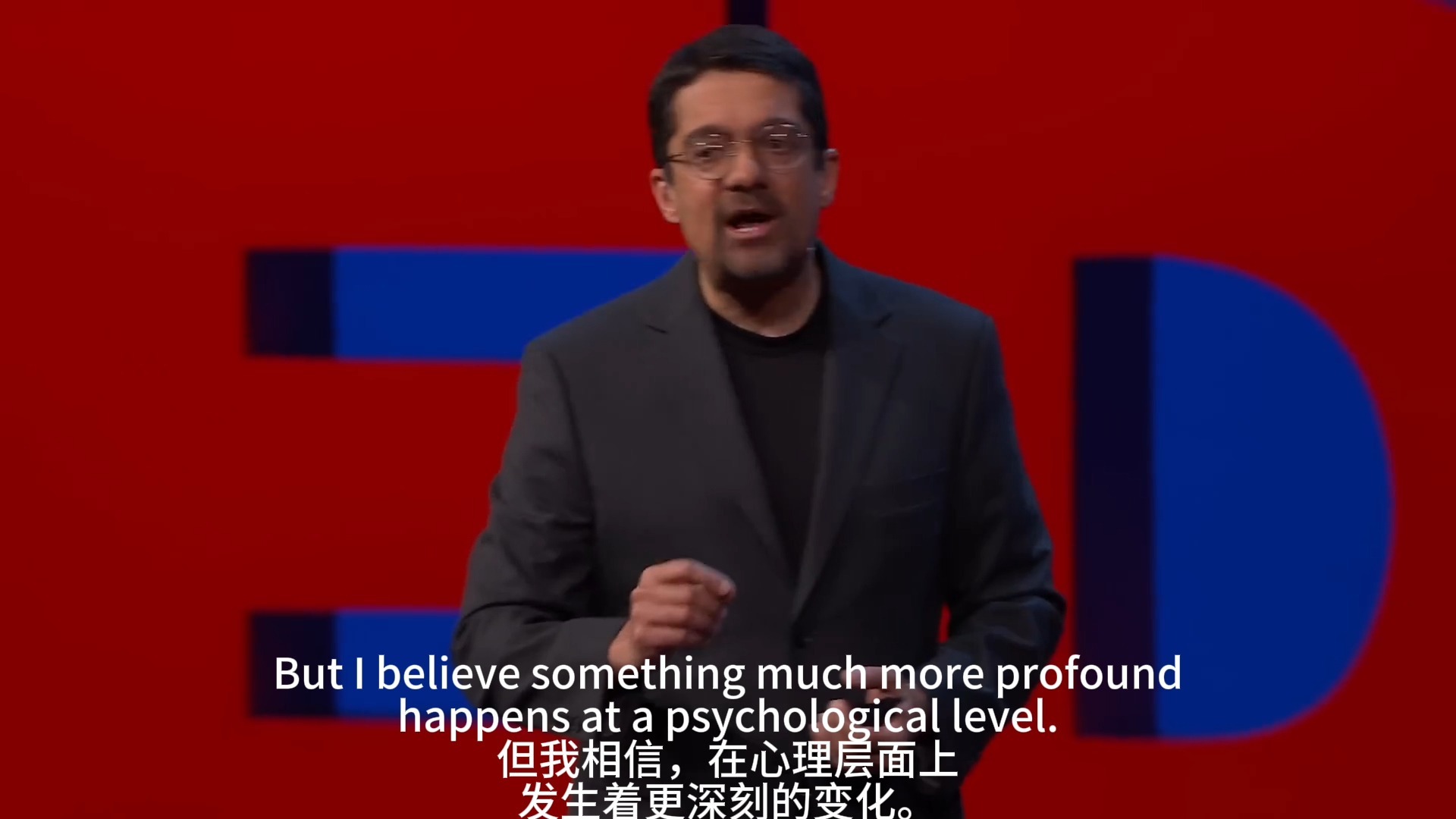
字幕摘录
| 时间 | 英文 | 中文 |
|---|---|---|
| 0:03 | When I was 12 years old, I fractured my foot playing soccer. | 12岁时,踢足球的脚骨折. |
| 0:09 | I didn't tell my parents when I got home that night, | 那天晚上我回家时没有告诉我父母 |
| 0:12 | because the next day, my dad was taking me to see a movie, | 因为第二天 我爸带我去看电影 |
| 0:15 | a soccer movie. | 足球电影。 |
| 0:17 | I worried that if I told my parents about the foot, | 我担心如果我把脚告诉我父母 |
| 0:20 | they would take me to see a doctor. | 他们会带我去看医生 |
| 0:22 | I didn't want to see a doctor, I wanted to see the movie. | 我不想看医生 我想看电影 |
| 0:27 | The next morning, my dad goes, | 第二天早上,我爸说 |
| 0:29 | It's nice out. | 外面不错 |
| 0:30 | Why don't we walk to the theater? | 为什么我们不去剧院? |
展开字幕全文(283 条)
| 序号 | 英文 | 中文 |
|---|---|---|
| 1 | When I was 12 years old, I fractured my foot playing soccer. | 12岁时,踢足球的脚骨折. |
| 2 | I didn't tell my parents when I got home that night, | 那天晚上我回家时没有告诉我父母 |
| 3 | because the next day, my dad was taking me to see a movie, | 因为第二天 我爸带我去看电影 |
| 4 | a soccer movie. | 足球电影。 |
| 5 | I worried that if I told my parents about the foot, | 我担心如果我把脚告诉我父母 |
| 6 | they would take me to see a doctor. | 他们会带我去看医生 |
| 7 | I didn't want to see a doctor, I wanted to see the movie. | 我不想看医生 我想看电影 |
| 8 | The next morning, my dad goes, | 第二天早上,我爸说 |
| 9 | It's nice out. | 外面不错 |
| 10 | Why don't we walk to the theater? | 为什么我们不去剧院? |
| 11 | Audience Members' Comments | 听众的意见 |
| 12 | It was a mile away. | 那是一英里远。 |
| 13 | As we go, he says, | 我们走了,他说, |
| 14 | Why are you limping? | 你为什么瘸了? |
| 15 | I tell him I have something in my shoe. | 我告诉他我鞋里有东西 |
| 16 | The movie was spectacular. | 电影很壮观 |
| 17 | It told the story of some of the soccer's greatest stars, | 它讲述了一些足球最伟大的明星的故事, |
| 18 | great Brazilian players. | 伟大的巴西球员。 |
| 19 | I was ecstatic. | 我很兴奋 |
| 20 | At the end of the movie, I told my dad about the foot. | 电影结束后,我把脚的事告诉了我爸. |
| 21 | He took me to see an orthopedic doctor, | 他带我去看矫形医生 |
| 22 | who put my foot in a cast for three weeks. | 把我脚放在石膏里三个星期 |
| 23 | I tell you the story today, | 我今天告诉你这个故事 |
| 24 | because four decades later, | 因为40年后, |
| 25 | I don't really consider myself a soccer fan anymore. | 我不再认为自己是足球迷了 |
| 26 | Today, my sports fandom is tuned to another kind of football. | 今天,我的体育迷 调用另一种类型的足球。 |
| 27 | Now, my 12-year-old self | 现在,我12岁的自己 |
| 28 | {\fn黑体\fs22\bord1\shad0\3aHBE\4aH00\fscx67\fscy66\2cHFFFFFF\3cH808080}不会只是觉得这不可理解 | |
| 29 | My 12-year-old self would see this as a betrayal. | 我12岁的自己会认为这是背叛 |
| 30 | Now, you might say we all changed from the time we were 12, | 现在,你可以说,我们都改变了 从我们12岁, |
| 31 | so let me fast-forward a decade. | 因此,让我快速前进十年。 |
| 32 | When I was 22, | 我22岁的时候 |
| 33 | I was a freshly minted electronics engineer in southern India. | 我是印度南部刚发明的电子工程师 |
| 34 | I had no idea that three decades later, | 30年后,我还不知道 |
| 35 | I would be living in the United States, | 我会住在美国 |
| 36 | that I would be a journalist, | 我会成为一个记者, |
| 37 | and that I would be the host of a podcast called Hidden Brain. | 我将是一个播客的东道主 一个叫做隐藏的大脑。 |
| 38 | It's a show about human behavior | 这是关于人类行为的表演 |
| 39 | and how to apply psychological science to our lives. | 如何运用心理科学来适应我们的生活 |
| 40 | Now, we didn't have podcasts when I graduated from college. | 现在,我们没有播客 当我大学毕业。 |
| 41 | We didn't walk around with smartphones in our pockets. | 我们口袋里没有智能手机 |
| 42 | So my future was not just unknown, | 所以我的未来不只是未知的 |
| 43 | it was unknowable. | 这是不可知的。 |
| 44 | All of us have seen what this is like in the last three years | 过去三年来,我们都看到了这样的事情 |
| 45 | as we slowly try and emerge from the COVID pandemic. | 当我们慢慢尝试并摆脱COVID大流行。 |
| 46 | If we think about the people we used to be three years ago | 如果我们想到我们三年前的人 |
| 47 | before the pandemic, | 在流行之前 |
| 48 | we can see how we have changed. | 我们可以看到我们的改变 |
| 49 | We can see how anxiety and isolation and upheavals in our lives | 我们可以看到我们生活中的焦虑、孤立和动荡 |
| 50 | and livelihoods, | 和生计, |
| 51 | how this has changed us, changed our outlook, changed our perspective. | 这改变了我们,改变了我们的看法,改变了我们的观点。 |
| 52 | But there is a paradox here, | 但有一个悖论在这里, |
| 53 | and the paradox is when we look backwards, | 悖论是我们回头看 |
| 54 | we can see enormous changes in who we have become. | 我们可以看到我们变成什么样的人发生了巨大的变化。 |
| 55 | But when we look forwards, | 但当我们向前看时, |
| 56 | we tend to imagine that we're going to be the same people in the future. | 我们倾向于想象我们将来会是同一个人。 |
| 57 | Now, sure, we imagine the world is going to be different. | 现在,当然,我们想象世界会有所不同。 |
| 58 | We know that AI and climate change is going to mean for a very different world, | 我们知道,AI和气候变化将意味着 一个非常不同的世界, |
| 59 | but we don't imagine that we ourselves will have different perspectives, | 但我们不认为我们自己会有不同的观点 |
| 60 | different views, different preferences in the future. | 不同的观点, 不同的偏好在未来。 |
| 61 | I call this the illusion of continuity, | 我把这叫做连续的幻觉 |
| 62 | and I think one reason this happens is that when we look backwards, | 我认为发生这种情况的一个原因是 当我们回头看, |
| 63 | the contrast with our prior selves to who we are today is so clear. | 与我们先前的自我相比,我们今天的面貌是如此明显。 |
| 64 | We can see it so clearly that we have become different people. | 我们可以清楚地看到,我们已经变成了不同的人。 |
| 65 | When we look forward, | 当我们向前看时, |
| 66 | we can imagine ourselves being a little older, a little grayer, | 我们可以想象我们自己年纪大一点 灰一点 |
| 67 | but we don't imagine fundamentally that we're going to have a different outlook | 但我们根本无法想象 我们将会有不同的看法 |
| 68 | or a different perspective, that we're going to be different people. | 或者不同的观点, 我们将会是不同的人。 |
| 69 | And so those changes seem more amorphous. | 因此,这些变化似乎更无常。 |
| 70 | I want to make the case to you today | 我今天想把案子告诉你 |
| 71 | that this illusion has profound consequences, | 这种幻觉会产生深远的后果, |
| 72 | not just for whether we become soccer players or podcast hosts, | 不只是因为我们是足球运动员 还是播客主播 |
| 73 | but for matters involving life and death. | 但是为了生死攸关的事 |
| 74 | Let me introduce you to John and Stephanie Rinker. | 我介绍你认识约翰和史蒂芬妮·林克 |
| 75 | We did a story about them for Hidden Brain some years ago. | 我们几年前为"隐藏的大脑"写了一篇关于他们的故事 |
| 76 | This photograph was taken in 1971 on their wedding day. | 这张照片是在1971年他们结婚那天拍的. |
| 77 | John and Stephanie had just eloped, | 约翰和斯蒂芬妮刚刚私奔, |
| 78 | gotten married at Cambridge City Hall in Massachusetts. | 在马萨诸塞州的剑桥市政厅结婚 |
| 79 | He was 22, she was 19. | 他22岁,她19岁。 |
| 80 | John told me that after they got married, | 约翰告诉我,他们结婚后, |
| 81 | they traveled to different parts of the country, | 他们去了全国各地, |
| 82 | and they eventually settled in North Carolina. | 他们最终定居在北卡罗莱纳州. |
| 83 | John became a high school basketball coach, | 约翰成为一名高中篮球教练, |
| 84 | Stephanie became a nurse. | 斯蒂芬妮成为一名护士. |
| 85 | And because they lived in a rural part of the state, | 因为他们住在州里的农村 |
| 86 | she would often make house visits to patients. | 她经常去拜访病人 |
| 87 | Many of the patients she saw were very sick. | 她看到的许多病人病得很重. |
| 88 | They had terminal illnesses, very low quality of life. | 他们患有末期疾病,生活质量很低。 |
| 89 | And when Stephanie came home from these visits, she was often shaken. | 而当史蒂芬妮从这些访问回家时,她经常受到震撼. |
| 90 | And she would tell John, | 她会告诉约翰, |
| 91 | John, if I ever get a terminal illness, | 约翰 如果我得了绝症 |
| 92 | please do nothing to prolong my suffering. | 请不要做任何事情来延长我的痛苦。 |
| 93 | I care more about quality of life than quantity of life. | 我更关心生活质量,而不是生命的数量。 |
| 94 | In her more dramatic moments, she would say, | 在她更戏剧化的时刻,她会说, |
| 95 | John, if I ever get that sick, just shoot me. | 约翰 如果我病了 就开枪吧 |
| 96 | Just shoot me. | 开枪吧 |
| 97 | And John Rinker would look lovingly at his wife, his healthy wife, | 而约翰・林克会很爱看他的妻子 健康的妻子 |
| 98 | and he would say, | 他说: |
| 99 | OK, Steph, OK. | 好吧,斯蒂芬,好吧。 |
| 100 | Fast forward a couple of decades. | 快速前进几十年。 |
| 101 | In her late 50s, | 50多岁时 |
| 102 | Stephanie begins to slur her words. | 斯蒂芬妮开始玷污她的话。 |
| 103 | She goes to see a doctor who runs some tests, | 她去看医生 做一些测试, |
| 104 | and he diagnoses her with ALS, | 他用ALS诊断她 |
| 105 | Lou Gehrig's disease. | 卢盖瑞格病. |
| 106 | He tells her it's fatal, | 他告诉她这是致命的, |
| 107 | it's incurable, | 这是无法治愈的, |
| 108 | and he tells her that a day is going to come | 他告诉她有一天会到来 |
| 109 | when she is no longer able to breathe on her own. | 她已经无法单独呼吸了 |
| 110 | Stephanie, being Stephanie, | 史蒂芬妮,当史蒂芬妮, |
| 111 | decides to extract as much joy and pleasure from life as she can. | 决定从生命中尽可能地获得快乐和快乐。 |
| 112 | She spends time with friends and family. | 她与朋友和家人共度时光. |
| 113 | As she gets sicker, | 随着她病了, |
| 114 | she and John spend some time on a beautiful beach | 她和约翰花一些时间 在美丽的海滩上 |
| 115 | that they both love. | 他们都爱。 |
| 116 | But there comes a day when Stephanie, in fact, | 但有一天 斯蒂芬妮,事实上, |
| 117 | is no longer able to breathe, | 已经无法呼吸了 |
| 118 | she's gasping for air, | 她为空气喘气, |
| 119 | and John takes her to the hospital. | 约翰带她去医院 |
| 120 | And a nurse at the hospital asks Stephanie, | 医院的护士问史蒂芬妮 |
| 121 | Mrs. Rinker, | 林克太太,你好吗? |
| 122 | would you like us to put you on a ventilator? | 要不要我们送你上通风机? |
| 123 | And Stephanie says yes. | 史蒂芬妮答应了 |
| 124 | John is flabbergasted. | 约翰很兴奋 |
| 125 | They've been having this conversation for 30 years. | 30年来他们一直在谈话 |
| 126 | 肯定不是Stephanie想要的那样 | |
| 127 | He doesn't say anything. | 他什么也没说 |
| 128 | The next morning, he says, | 第二天早上 他说 |
| 129 | Hey, Steph, when the nurse asked you yesterday | 斯蒂芬,昨天护士问你的时候 |
| 130 | if you wanted to go on a ventilator and you said yes, | 如果你想上通风机,你答应了 |
| 131 | is that really what you want? | 这是你想要的吗? |
| 132 | And Stephanie Rinker said yes. | 斯蒂芬妮・林克答应了 |
| 133 | Now, you might argue | 现在,你可能会争论 |
| 134 | that if Stephanie had written out an advance directive, | 如果史蒂芬妮写了预先指令 |
| 135 | if Stephanie had come into the hospital unconscious, | 如果斯蒂芬妮进了医院 失去知觉 |
| 136 | if the nurse had asked John, what is it your wife would want, | 如果护士问约翰 你妻子想要什么 |
| 137 | John, without hesitation, would have said, | 约翰,毫不犹豫,会说, |
| 138 | of course she does not want to go on a ventilator. | 当然她不想上通风机 |
| 139 | We should try and figure out a way to keep her as comfortable as possible | 我们应该想办法让她尽量舒适 |
| 140 | so that she can die with dignity. | 这样她就能有尊严地死去 |
| 141 | But of course, this only solves the legal conundrum. | 当然,这只能解决法律上的难题。 |
| 142 | It doesn't solve the ethical problem here, | 这解决不了道德问题 |
| 143 | 道德问题在于 Stephanie 39岁时 | |
| 144 | as she was healthy, | 因为她很健康 |
| 145 | had no real conception of what Stephanie, at age 59, | 对史蒂芬妮59岁时 |
| 146 | with a terminal illness, | 患有绝症 |
| 147 | gasping for air, | 气喘为气, |
| 148 | would really want. | 这将是真正的想要。 |
| 149 | For the older Stephanie, her younger self might as well have been a stranger, | 对年长的史蒂芬妮来说 她年轻时的自我 可能还是个陌生人 |
| 150 | a stranger who was trying to make life-and-death decisions for her. | 一个试图为她做出生死决定的陌生人 |
| 151 | Philosophers have talked for many years about a thought experiment. | 哲学家们多年来一直在谈论一个思想实验. |
| 152 | It's sometimes called the ship of Theseus. | 它有时被称为"特修斯之舰". |
| 153 | The great warrior Theseus returned from his exploits. | 伟大的战士特修斯从他的剥削中回来. |
| 154 | His ship was stationed in the harbor as a memorial. | 他的舰只驻扎在港口作为纪念. |
| 155 | And over the decades, parts of the ship began to rot and decay, | 数十年来 部分船开始腐烂和腐烂 |
| 156 | and as this happened, | 当这一切发生时, |
| 157 | planks were replaced by new planks, | 木板被新的木板所取代, |
| 158 | until eventually every part of the ship of Theseus | 直到最终 特修斯舰的每个部分 |
| 159 | was built from something new. | 是用新的东西建造的 |
| 160 | And philosophers, starting with Plato, have asked the question, | 哲学家们从柏拉图开始问这个问题 |
| 161 | if every part of the ship of Theseus is new, | 如果特修斯船的每个部分都是新的 |
| 162 | is this still the ship of Theseus? | 这还是特修斯的船吗? |
| 163 | You and I are walking examples of the ship of Theseus. | 你和我在走特修斯船的例子。 |
| 164 | Our cells turn over all the time. | 我们的细胞经常翻转 |
| 165 | The people you were 10 years ago are not the people you are today. | 你十年前的人 不是你今天的人 |
| 166 | Biologically, you have become a different person. | 在生物学上,你已经变成了一个不同的人。 |
| 167 | But I believe something much more profound happens | 但我相信发生了更深刻的事 |
| 168 | at a psychological level. | 在心理层面。 |
| 169 | Because you could argue, a ship is not just a collection of planks, | 因为你可以争辩 一艘船不仅仅是一堆木板 |
| 170 | a body is not just a collection of cells, | 身体不仅仅是细胞的集合, |
| 171 | it's the organization of the planks that makes the ship. | 是造船的木板组织 |
| 172 | It's the organization of the cells that make the body. | 它是细胞的组织 使身体。 |
| 173 | If you preserve the organization, even if you swap planks in and out, | 如果你保留组织, 即使你交换木板进出, |
| 174 | or cells in and out, | 或细胞进出, |
| 175 | you still have the ship, you still have the same body. | 你还有船,你还有同样的身体。 |
| 176 | But at a psychological level, | 但是在心理层面 |
| 177 | each new layer that's put down | 每个新层都放下 |
| 178 | is not identical to the one that came before it. | 和之前的不一样 |
| 179 | The famous plasticity of the brain that we've all heard so much about | 我们都知道的大脑的可塑性 |
| 180 | means that on an ongoing basis, | 是指持续地, |
| 181 | you are constantly becoming a new person. | 你不断变成一个新人 |
| 182 | This has profound consequences for so many different aspects of our lives. | 这对我们生活的许多不同方面有着深远的影响。 |
| 183 | You know, I have the illusion | 你知道,我有错觉 |
| 184 | that 12-year-old Shankar, who wanted to be a soccer star, | 那个12岁的Shankar 她想成为一名足球明星 |
| 185 | and 52-year-old Shankar, who is the podcast host, | 和52岁的Shankar,谁是播客主持人, |
| 186 | and 82-year-old Shankar, | 还有82岁的尚卡 |
| 187 | who will hopefully be living one day on a beautiful beach, | 希望有一天能在美丽的海滩上生活 |
| 188 | that these are all the same person. | 他们都是同一个人 |
| 189 | Is that really true? | 是真的吗? |
| 190 | Let's set aside the philosophical questions for another day, | 让我们把哲学问题 放在另一天, |
| 191 | and let me tell you about some of the practical challenges of this problem. | 让我告诉你这个问题的一些实际挑战。 |
| 192 | When we make promises to other people, | 当我们向别人许诺时, |
| 193 | when we promise to love someone to death do us part, | 当我们承诺爱一个人至死 把我们分开, |
| 194 | we are making a promise | 我们承诺 |
| 195 | that a stranger is going to have to keep. | 一个陌生人会不得不保留。 |
| 196 | Our future selves might not share our views, our perspectives, our hopes. | 我们的未来可能无法分享我们的观点、观点和希望。 |
| 197 | When we lock people up and throw away the key, | 当我们把人锁起来把钥匙扔掉 |
| 198 | it's not just that the people we imprison are going to be different | 不只是我们监禁的人会不一样 |
| 199 | in 30 years from now. | 在30年后的今天里, |
| 200 | We are going to be different 30 years from now. | 30年后我们将会不同 |
| 201 | Our need for retribution, for vengeance, | 我们需要报复 报复 |
| 202 | might not be what it is today. | 可能不是今天这样 |
| 203 | When we pass laws, | 当我们通过法律, |
| 204 | we often do so with an intent of making a better country, | 我们这样做的目的常常是为了建立一个更美好的国家, |
| 205 | improving our country. | 改善我们的国家。 |
| 206 | But any country that's been around for a few decades | 但是,任何一个国家 已经周围几十年 |
| 207 | has numerous laws in the books | 书中有许多法律 |
| 208 | that made perfect sense when they were crafted. | 这完全合理 当他们被设计。 |
| 209 | In fact, they were seen as enlightened when they were crafted, | 事实上,当他们被设计出来的时候,他们被认为是开明的, |
| 210 | and today they seem antiquated or absurd or even unconscionable. | 而今天,它们似乎过时或荒谬,甚至不合理。 |
| 211 | And all of these examples stem from the same problem, | 所有这些例子都来自同样的问题, |
| 212 | which is that we imagine that we represent the end of history, | 这就是我们想象我们代表历史的终结, |
| 213 | that the future is only going to be more of the same. | 未来将更加相同 |
| 214 | I have three pieces of advice on how to wrestle with this wicked problem. | 我有三条建议 如何对付这个邪恶的问题 |
| 215 | And it is a wicked problem, | 这是一个邪恶的问题, |
| 216 | because all of us spend so much of our lives | 因为我们所有的人 花这么多的命 |
| 217 | trying to make our future selves happy. | 试图让我们的未来快乐。 |
| 218 | We don't stop to ask, | 我们不会停下来问, |
| 219 | is it possible that in 20 or 30 years, | 有可能在20或30年内 |
| 220 | our future selves are going to look back at us with bewilderment, | 我们的未来会以困惑的眼光回顾我们, |
| 221 | with resentment, | 与怨恨, |
| 222 | that our future selves will ask us, | 我们的未来会问我们 |
| 223 | what made you possibly think that that is what I would want? | 是什么让你可能认为 这就是我想要的? |
| 224 | The first piece of advice I have | 我的第一个建议 |
| 225 | is if you accept the idea that you're going to be a different person | 如果你接受你会变成另一个人的想法 |
| 226 | in 30 years' time, | 在30年的时间里, |
| 227 | you should play an active role | 你应该发挥积极的作用 |
| 228 | crafting the person you are going to become. | 塑造你将要成为的人 |
| 229 | You should be the curator of your future self. | 你应该成为未来自我的主人 |
| 230 | You should be the architect of your future self. | 你应该成为未来自我的建筑师 |
| 231 | But what does that mean? | 这是什么意思? |
| 232 | Spend time with people who are not just your friends and family. | 和那些不只是你的朋友和家人的人相处 |
| 233 | Spend time on avocations and professional pursuits | 从事职业和专业活动的时间 |
| 234 | that are not just what you do regularly. | 这不仅仅是你经常做的。 |
| 235 | Expand your horizons. | 扩大视野 |
| 236 | Because you're going to become someone different, | 因为你会变成不同的人 |
| 237 | you might as well be in charge of deciding who that person is going to be. | 你还是负责决定那个人是谁吧 |
| 238 | So the first piece of advice is to stay curious. | 所以第一点建议就是保持好奇心. |
| 239 | Second, as we make pronouncements on social media | 第二,当我们在社交媒体上发表声明时 |
| 240 | or in political forums or at dinner parties, | 在政治论坛或晚宴上 |
| 241 | let's bear in mind | 记住 |
| 242 | that among the people who might disagree with us | 他们是和我们争论的民众, |
| 243 | are our own future selves. | 是我们自己的未来 |
| 244 | So when we express views with great certitude and great confidence, | 当我们以坚忍和信心表达观点的时候, |
| 245 | let's remember to add a touch of humility. | 让我们记住,增加一点谦卑。 |
| 246 | This is true, by the way, not just at an individual level, | 这是真的,顺便说一句,不只是在个人层面, |
| 247 | it's also true at an organizational level. | 在组织层面也是如此。 |
| 248 | I was speaking some time ago with this young woman, | 我之前和这个年轻女人说话 |
| 249 | wonderful woman. | 美丽的女人。 |
| 250 | She had just reached a position of authority at her organization, | 她刚刚在她的组织中取得了权威地位, |
| 251 | and she had many idealistic ideas of how she wanted to change her organization. | 她有许多理想主义的想法 关于她想如何改变她的组织。 |
| 252 | And she asked me, how do we make these changes | 她问我,我们怎么改变这些 |
| 253 | so that in the future, | 所以将来 |
| 254 | no one's going to come along and undo the changes that I have made? | 没有人会来取消我所做的改变? |
| 255 | And it's a very human impulse, | 这是人类的冲动 |
| 256 | but it stems from the same belief | 但来源于同样的信念 |
| 257 | that our perspective on history is the final word. | 我们对于历史的看法是最后一句话。 |
| 258 | And quite simply, this is wrong. | 很简单,这是错误的。 |
| 259 | Three, I've given you a number of ways | 三,我给你一些方法 |
| 260 | in which our future selves are going to be weaker and frailer | 在其中,我们的未来 将变得脆弱和脆弱 |
| 261 | than we are today. | 比今天还要好 |
| 262 | And that is true, that is part of the story. | 这是事实,这是故事的一部分。 |
| 263 | But it is only a part of the story. | 但这只是故事的一部分。 |
| 264 | Our future selves are also going to have capacities and strengths and wisdom | 我们的未来本身也将拥有能力和力量以及智慧 |
| 265 | that we do not possess today. | 我们今天并不拥有。 |
| 266 | So when we confront opportunities and we hesitate, | 所以当我们面对机会和犹豫时 |
| 267 | when I tell myself, | 当我告诉自己, |
| 268 | I don't think I have it in me to quit my job and start my own company. | 我不认为我有它在我的 辞掉我的工作和开办我自己的公司。 |
| 269 | Or I tell myself, | 或者我告诉自己, |
| 270 | I don't have it in me to learn a musical instrument at the age of 52. | 52岁时没有学习乐器的内涵. |
| 271 | Or I tell myself, | 或者我告诉自己, |
| 272 | I don't have it in me to look after a disabled child. | 我体内没有它来照顾一个残疾的孩子. |
| 273 | What we really should be saying is, | 我们真正应该说的是, |
| 274 | I don't have the capacity to do those things today. | 我今天没有能力做那些事 |
| 275 | That doesn't mean I won't have the capacity to do those things tomorrow. | 那并不意味着我明天就没有能力做那些事了 |
| 276 | So lesson number three is to be brave. | 第三课就是勇敢 |
| 277 | I believe if you can do these three things, | 我相信你能做这三件事 |
| 278 | if you can stay curious, | 如果你能够保持好奇, |
| 279 | if you can practice humility and you can be brave, | 如果你能锻炼谦卑和勇敢 |
| 280 | then your future self will look back at you in 20 or 30 years, | 然后,你的未来 自己会回头看你 在二三十年, |
| 281 | will look back not with resentment or bewilderment, | 不以怨恨和迷惑回头, |
| 282 | but will look back at you and say, | 却回头看着你,说: |
| 283 | thank you. | 谢谢 |
该视频共有字幕 283 条。解锁更多字幕为会员功能,请移动到 价格