TED演讲:孩子们从什么时候开始在意他人的评价?
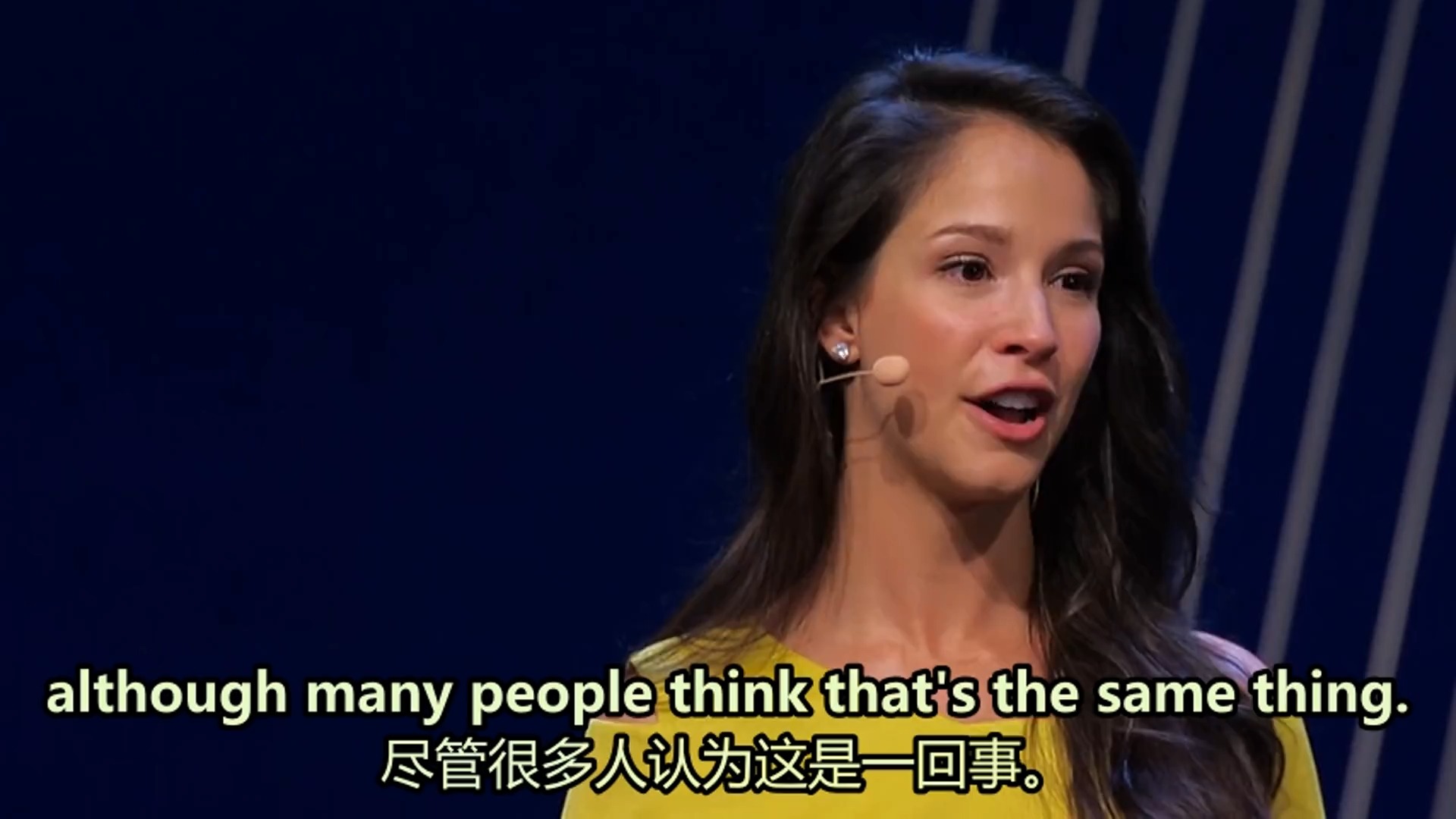
字幕摘录
| 时间 | 英文 | 中文 |
|---|---|---|
| 0:03 | I'd like you to take a moment and consider what you are wearing right now. | 考虑一下你现在穿的是什么 |
| 0:09 | I have a deep philosophical question for you. | 我有个很深的哲学问题 |
| 0:12 | Why are we not all wearing comfortable pajamas right now? | 为什么我们现在不都穿着舒适的睡衣? |
| 0:16 | Well, I'm a psychologist and not a mind reader, | 我是心理学家,不是读心术 |
| 0:19 | although many people think that's the same thing. | 虽然很多人认为这是同样的事情。 |
| 0:21 | I convey to you that your response is somewhere along the lines of, | 我向你表示,你的反应是, |
| 0:25 | I'm expected to not wear PJs in public, | 我不应该在公众场合穿便衣 |
| 0:28 | or I don't want people to think I am a slob. | 或者我不想别人觉得我是个傻瓜 |
| 0:31 | Either way, I'm not wearing PJs in public, | 不管怎样,我不穿 PJs 在公开场合, |
| 0:31 | and today, the fact that we all chose to wear business casual clothing, | 而今天,事实上,我们都选择 穿商业临时服装, |
展开字幕全文(201 条)
| 序号 | 英文 | 中文 |
|---|---|---|
| 1 | I'd like you to take a moment and consider what you are wearing right now. | 考虑一下你现在穿的是什么 |
| 2 | I have a deep philosophical question for you. | 我有个很深的哲学问题 |
| 3 | Why are we not all wearing comfortable pajamas right now? | 为什么我们现在不都穿着舒适的睡衣? |
| 4 | Well, I'm a psychologist and not a mind reader, | 我是心理学家,不是读心术 |
| 5 | although many people think that's the same thing. | 虽然很多人认为这是同样的事情。 |
| 6 | I convey to you that your response is somewhere along the lines of, | 我向你表示,你的反应是, |
| 7 | I'm expected to not wear PJs in public, | 我不应该在公众场合穿便衣 |
| 8 | or I don't want people to think I am a slob. | 或者我不想别人觉得我是个傻瓜 |
| 9 | Either way, I'm not wearing PJs in public, | 不管怎样,我不穿 PJs 在公开场合, |
| 10 | and today, the fact that we all chose to wear business casual clothing, | 而今天,事实上,我们都选择 穿商业临时服装, |
| 11 | as opposed to our favorite pair of sweatpants, | 而不是我们最喜欢的裤子 |
| 12 | is not a silly coincidence. | 这不是一个愚蠢的巧合。 |
| 13 | Instead, it reveals two defining human characteristics. | 相反,它揭示了两种界定人类特征的特征。 |
| 14 | The first is that we are cognizant of what other people value, | 第一,我们意识到其他人的价值, |
| 15 | like what they will approve or disapprove of, | 譬如他们赞颂真主或弃绝它, |
| 16 | such as not wearing PJs to these sorts of settings. | 例如,不穿PJ 类设置。 |
| 17 | And two, we readily use this information to guide our behavior. | 第二,我们很容易利用这些信息来指导我们的行为。 |
| 18 | Unlike many other species, | 和许多其他物种不同 |
| 19 | humans are prone to tailor their behavior in the presence of others | 人类很容易在他人面前调整行为 |
| 20 | to garner approval. | 以获得批准。 |
| 21 | We spend valuable time putting on makeup, | 我们花了宝贵的时间化妆 |
| 22 | choosing the right picture and Instagram filter, | 选择正确的图片和Instagram过滤器, |
| 23 | and composing ideas that will undoubtedly change the world | 创造无疑会改变世界的思想 |
| 24 | in 140 characters or less. | 在140个字符或以下。 |
| 25 | Clearly, our concern with how other people will evaluate us | 很明显,我们关心别人如何评价我们 |
| 26 | is a big part of being human. | 成为人类的很大一部分 |
| 27 | Despite this being a big human trait, however, | 尽管这是人类的一大特质 |
| 28 | we know relatively little about when and how we come to care | 我们不太了解我们何时如何关心 |
| 29 | about the opinion of others. | 关于别人的意见。 |
| 30 | Now, this is a big question that requires many studies. | 这是一个需要很多研究的大问题。 |
| 31 | The first step to uncovering this question | 发现这个问题的第一步 |
| 32 | is to investigate when in development we become sensitive to others' evaluations. | 调查我们何时对他人的评价变得敏感。 |
| 33 | I have spent the past four years at Emory University | 我在埃默里大学度过了四年 |
| 34 | investigating how an infant, | 调查一个婴儿, |
| 35 | who has no problem walking around the grocery store in her wansi, | 谁没有问题走 杂货店 在她的wansi, |
| 36 | develop into an adult that fears public speaking | 成长为害怕公开演讲的成年人 |
| 37 | for fear of being negatively judged. | 害怕受到负面评价 |
| 38 | Now, this is usually the point when people ask me, | 现在,这通常是 当人们问我, |
| 39 | how do you investigate this question exactly? | 你怎么调查这个问题? |
| 40 | Infants can't talk, right? | 婴儿不会说话,对吧? |
| 41 | Well, if my husband were up here right now, | 如果我丈夫现在在这里 |
| 42 | he would tell you that I interview babies, | 他会告诉你,我采访婴儿, |
| 43 | because he would rather not say that his wife experiments on children. | 因为他不想说他妻子对孩子的实验 |
| 44 | (*Laughter*) | (* 笑声*) |
| 45 | In reality, I design experiments for children, | 事实上,我为孩子们设计实验 |
| 46 | usually in the form of games. | 通常以游戏形式出现. |
| 47 | 发展心理学家 Philippe Rochotte博士和我 | |
| 48 | designed a game called the robot task | 设计了名为机器人任务的游戏 |
| 49 | to explore when children would begin to be sensitive to the evaluation of others. | 探讨儿童何时开始对他人的评价敏感。 |
| 50 | Specifically, the robot task captures when children, like adults, | 具体来说,机器人任务捕获 当儿童,像成年人, |
| 51 | strategically modify their behavior when others are watching. | 当别人在看时,从战略角度改变他们的行为. |
| 52 | To do this, we showed 14- to 24-month-old infants | 为此,我们展示了14至24个月的婴儿 |
| 53 | how to activate a toy robot. | 如何激活一个玩具机器人。 |
| 54 | And importantly, we either signed a positive value, | 重要的是,我们要么签署一个积极的价值观, |
| 55 | saying, wow, isn't that great? | 说,哇,是不是很棒? |
| 56 | Or a negative value, saying, uh-oh, oops, oh, no, | 或负值,说,呃,哦,不, |
| 57 | after pressing the remote. | 在按下遥控器后。 |
| 58 | Following this toy demonstration, | 这次玩具示威后 |
| 59 | we invited the infants to play with the remote | 我们邀请婴儿玩遥控器 |
| 60 | and then either watch them or turned around and pretended to read a magazine. | 然后要么看他们 要么转身假装看杂志 |
| 61 | The idea was that if by 24 months, | 想法是,如果到24个月, |
| 62 | children are indeed sensitive to the evaluation of others, | 儿童确实对他人的评价很敏感, |
| 63 | then their button-pressing behavior should be influenced | 然后他们的按键行为应该受到影响 |
| 64 | not only by whether or not they're being watched, | 不仅因为他们是否被监视 |
| 65 | but also by the values that the experimenter expressed | 实验者表达的价值观 |
| 66 | towards pressing the remote. | 向遥控器前进 |
| 67 | So for example, we would expect children | 因此,举例来说,我们期望孩子 |
| 68 | to play with the positive remote significantly more | 在正边远处发挥更大的作用 |
| 69 | if they were being observed, | 如果他们是被监视的, |
| 70 | but then choose to explore the negative remote | 然后选择探索负远程 |
| 71 | once no one was watching. | 有一次没人在看 |
| 72 | To really capture this phenomenon, we did three variations of this study. | 为了真正抓住这个现象, 我们做了三个不同的研究。 |
| 73 | Study one explored how infants would engage with a novel toy | 一项研究探讨了婴儿如何与新玩具打交道 |
| 74 | if there were no values or instructions provided. | 如果没有提供值或指示。 |
| 75 | So we simply showed infants how to activate the toy robot, | 所以我们只是向婴儿展示如何激活玩具机器人, |
| 76 | but didn't assign any values. | 但没有指定任何值。 |
| 77 | And we also didn't tell them that they could play with their remote, | 我们也没有告诉他们 他们可以玩他们的遥控器, |
| 78 | providing them with a really ambiguous situation. | 给他们一个非常模糊的情况。 |
| 79 | In study two, we incorporated the two values, | 在第二研究中,我们纳入了两个价值观, |
| 80 | a positive and a negative. | 阳与阴. |
| 81 | And in the last study, we had two experimenters and one remote. | 在上次的研究中,我们有两个实验者和一个遥控器。 |
| 82 | One experimenter expressed a negative value | 一个实验者表示负值 |
| 83 | towards pressing the remote, saying, | 以便用电线按住。 |
| 84 | yuck, the toy moved, | 啊,玩具移动, |
| 85 | while the other experimenter expressed a positive value, | 而另一个实验者 表达了积极的价值, |
| 86 | saying, yay, the toy moved. | 说,是的,玩具移动了。 |
| 87 | And this is how the children reacted to these three different scenarios. | 这就是孩子们对这三种不同情况的反应。 |
| 88 | So in study one, it's the ambiguous situation. | 所以在第一研究中,这是模棱两可的情况. |
| 89 | I'm currently watching the child. | 我现在在看孩子 |
| 90 | She doesn't seem to be too interested in pressing the remote. | 她似乎不太有兴趣按遥控器 |
| 91 | Once I turn around, | 一旦我转身 |
| 92 | now she's ready to play. | 现在她准备好玩了 |
| 93 | Currently, I'm not watching the child, she's really focused. | 目前,我不看孩子, 她真的很专注。 |
| 94 | I turn around. | 我转身 |
| 95 | She wasn't doing anything, right? | 她什么也没做 对吧? |
| 96 | In study two is the two remotes, | 在学习二是两个远程, |
| 97 | one with a positive and one with a negative value. | 一个有正值 一个有负值 |
| 98 | I'm currently observing the child, | 我目前正在观察这个孩子 |
| 99 | and the orange remote is a negative remote. | 橙色遥控器是负遥控器 |
| 100 | She's just looking around, looking at me, hanging out. | 她只是四处看看,看着我,挂出。 |
| 101 | Then I turn around. | 然后转身. |
| 102 | That's what she's going for. | 这就是她要追求的 |
| 103 | I'm not watching the child. | 我没有看孩子。 |
| 104 | He wants the mom to play with it, right? | 他想让妈妈玩,对吧? |
| 105 | Take a safer route. | 走一条更安全的路 |
| 106 | I turn around. | 我转身 |
| 107 | Yeah, he feels awkward. | 是啊,他觉得尴尬。 |
| 108 | Everyone knows that side-eye glance, right? | 每个人都知道 侧视,对不对? |
| 109 | Study three, the two experimenters, one remote. | 研究三,两个实验者,一个遥控器. |
| 110 | The experimenter that reacted negatively | 反应消极的实验者 |
| 111 | towards pressing the remotes, watching the child right now, | 看着这孩子 |
| 112 | she feels a little awkward, doesn't know what to do, | 她觉得有点尴尬 不知道该怎么办 |
| 113 | relying on mom, | 依靠妈妈 |
| 114 | and then she's going to turn around | 然后她就会转身 |
| 115 | so that the experimenter that expressed a positive response is watching. | 因此,表示积极反应的实验者正在观看. |
| 116 | Coast is clear, now she's ready to play. | 海岸安全了 现在她准备玩了 |
| 117 | So as the data suggests, | 数据显示, |
| 118 | we found that children's button-pressing behavior | 我们发现孩子的按键行为 |
| 119 | was indeed influenced by the values | 受到价值观的影响 |
| 120 | and the instructions of the experimenter. | 和实验者的指示。 |
| 121 | Because in study one, | 因为研究一个 |
| 122 | children did not know what would be positively or negatively evaluated, | 儿童不知道什么是积极评价还是消极评价, |
| 123 | they tended to take the safest route | 他们倾向于走最安全的道路 |
| 124 | and wait until I turned to my back to press the remote. | 等到我转过身来按遥控器 |
| 125 | Children in study two | 二年级儿童 |
| 126 | chose to press the positive remote significantly more when I was watching, | 当我在看时, 选择了按更远的正极, |
| 127 | but then once I turned to my back, | 但一旦我转过身来 |
| 128 | they immediately took the negative remote and started playing with it. | 他们立刻拿走了负遥控器,开始玩它。 |
| 129 | Importantly, in the control study, | 重要的是,在控制研究, |
| 130 | where we removed the different values of the remotes, | 在那里,我们删除了 不同值的远程, |
| 131 | so we simply said, oh wow, after pressing either of the remotes, | 所以我们只是说,哦哇, 之后按任一遥控器, |
| 132 | children's button-pressing behavior no longer differed across conditions, | 儿童按键行为不再因情况而异, |
| 133 | suggesting that it was really the values that we gave the two remotes | 说明我们给了两个遥控器的 价值 |
| 134 | that drove the behavior in the previous study. | 导致上次研究中的行为。 |
| 135 | Last but not least, | 最后但同样重要的是, |
| 136 | children in study three chose to press the remote significantly more | 三年级的孩子选择了更远的按键 |
| 137 | when the experimenter that expressed a positive value was watching, | 当表示积极价值的实验者在观看的时候, |
| 138 | as opposed to the experimenter that expressed a negative value. | 而不是表示负值的实验者。 |
| 139 | Not coincidentally, it is also around this age | 不是巧合,也是在这个年代 |
| 140 | that children begin to show embarrassment | 孩子们开始表现出尴尬 |
| 141 | in situations that might elicit a negative evaluation, | 在可能引起负面评价的情况下, |
| 142 | such as looking at themselves in the mirror and noticing a mark on their nose, | 譬如在镜子中窥视自己,在他们的鼻子上刻上标记, |
| 143 | the equivalent of finding spinach in your teeth for adults. | 相当于为成年人在牙齿中寻找菠菜 |
| 144 | So what can we say based on these findings, | 根据这些调查结果,我们可以说什么? |
| 145 | besides the fact that babies are actually really, really sneaky? | 除了婴儿真的很狡猾之外? |
| 146 | From very early on, | 从一开始 |
| 147 | children, like adults, | 孩子们,像成年人, |
| 148 | are sensitive to the values that we place on objects and behaviors, | 对我们给物体和行为带来的价值很敏感, |
| 149 | and importantly, they use these values to guide their behavior. | 更重要的是,他们用这些价值观来指导他们的行为。 |
| 150 | Whether we are aware of it or not, | 无论我们是否知道, |
| 151 | we're constantly communicating values to those around us. | 我们不断向周围的人传达价值 |
| 152 | Now, I don't mean values like be kind or don't steal, | 现在,我不是说价值 是善良或不偷, |
| 153 | although those are certainly values. | 虽然这些当然是价值。 |
| 154 | I mean that we are constantly showing others, | 我的意思是,我们正在不断展示他人, |
| 155 | specifically our children, | 特别是我们的孩子, |
| 156 | what is likeable, valuable and praiseworthy, | 可喜的、可贵的、可嘉的; |
| 157 | and what is not. | 还有什么不是。 |
| 158 | And a lot of the times, we actually do this without even noticing it. | 很多时候,我们甚至没有注意到这一点。 |
| 159 | Psychologists study behavior to explore the contents of the mind, | 心理学家研究行为 探索心灵的内容, |
| 160 | because our behavior often reflects our beliefs, | 因为我们的行为经常反映我们的信仰, |
| 161 | our values and our desires. | 我们的价值观和欲望 |
| 162 | Here in Atlanta, we all believe the same thing. | 在亚特兰大 我们都相信同样的事情 |
| 163 | That Coke is better than Pepsi. | 那可乐比百事可乐好 |
| 164 | (*Applause*) | (*鼓掌*) |
| 165 | Now, this might have to do with the fact that Coke was invented in Atlanta, | 这可能和可乐在亚特兰大发明有关 |
| 166 | but regardless, this belief is expressed | 但不管怎样,这种信念是表达的 |
| 167 | in the fact that most people will choose to drink Coke. | 因为大多数人会选择喝可乐 |
| 168 | In the same way, | 同样, |
| 169 | we're communicating a value | 我们正在传递一个值 |
| 170 | when we mostly compliment girls for their pretty hair | 当我们大多称赞女孩的漂亮头发 |
| 171 | or their pretty dress, | 或者他们漂亮的裙子, |
| 172 | but boys for their intelligence, | 但男孩的智力, |
| 173 | or when we choose to offer candy as opposed to nutritious food | 或当我们选择提供糖果 而不是营养食品 |
| 174 | as a reward for good behavior. | 以报善行. |
| 175 | Adults and children are incredibly effective | 成人和孩子们都非常有效 |
| 176 | at picking out values from these subtle behaviors, | 从这些微妙的行为中挑选价值, |
| 177 | and in turn, this ends up shaping their own behavior. | 反过来,这最终决定了他们自己的行为。 |
| 178 | The research I have shared with you today | 我今天跟你分享的研究 |
| 179 | suggests that this ability emerges very early in development. | 这表明这种能力在发展初期就已经出现。 |
| 180 | Before we can even utter a complete sentence or are even potty-trained, | 在说完句子之前 或被拉屎训练之前 |
| 181 | and it becomes an integral part of who we grow up to be. | 它成为我们成长的有机组成部分 |
| 182 | So before I go, | 所以在我离开之前 |
| 183 | I'd like to invite you to contemplate on the values | 我想请你考虑一下这些价值 |
| 184 | that we broadcast in day-to-day interactions | 我们通过日常互动广播 |
| 185 | and how these values might be shaping the behavior of those around you. | 以及这些价值是如何塑造 你周围的人的行为的。 |
| 186 | For example, | 举例来说, |
| 187 | what value is being broadcasted when we spend more time smiling on our phone | 当我们花更多的时间在手机上笑时,广播的价值是什么? |
| 188 | than smiling with other people? | 而不是和别人笑? |
| 189 | Likewise, consider how your own behavior has been shaped by those around you | 同样,想想你自己的行为是如何被周围的人塑造的 |
| 190 | in ways you might not have considered before. | 以前你可能没想过 |
| 191 | To go back to our simple illustration, | 回到我们简单的插图 |
| 192 | do you really prefer Coke over Pepsi, | 你真的喜欢可乐而不是百事可乐 |
| 193 | or was this preference simply driven by what others around you valued? | 或者这种偏好 是由你周围的人看重的? |
| 194 | Parents and teachers certainly have the privilege | 家长和老师当然有特权 |
| 195 | to shape children's behavior. | 塑造儿童的行为。 |
| 196 | But it is important to remember | 但记住这一点很重要 |
| 197 | that through the values we convey in simple day-to-day interactions, | 通过我们通过简单的日常互动传达的价值观, |
| 198 | we all have the power to shape the behavior of those around us. | 我们都有力量塑造周围的人的行为 |
| 199 | Thank you. | 谢谢 |
| 200 | We all have the power to shape the behavior of those around us. | 我们都有能力塑造我们周围的人的行为。 |
| 201 | Thank you. | 谢谢 |
该视频共有字幕 202 条。解锁更多字幕为会员功能,请移动到 价格