TED演讲:少抱怨外部因素,多思考如何解决问题!
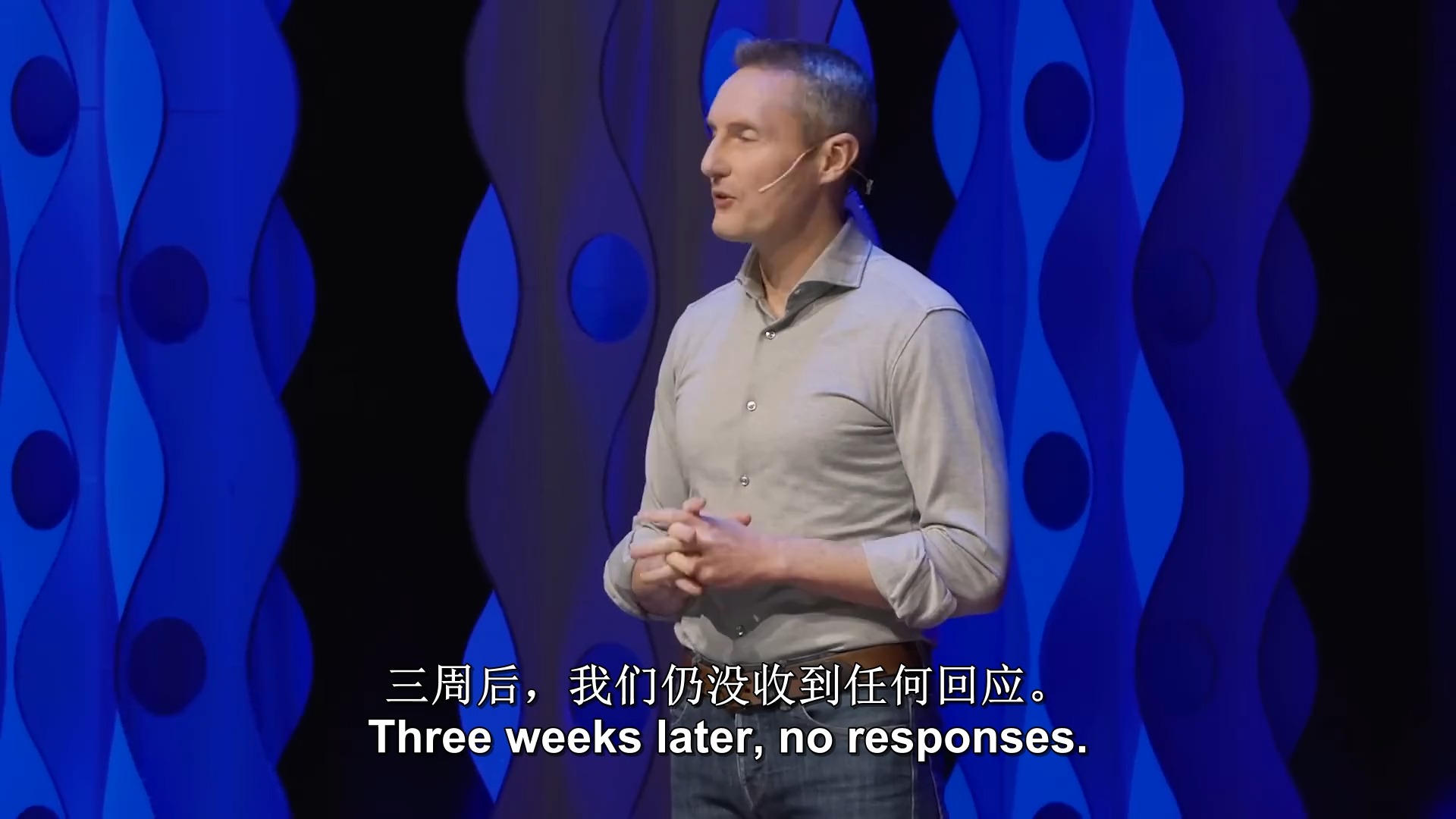
字幕摘录
| 时间 | 英文 | 中文 |
|---|---|---|
| 0:03 | Are there any other parents here who have struggled to get your kids out the door on | 这儿还有没有其他父母 努力把你的孩子弄出去 |
| 0:07 | time? | 时间? |
| 0:09 | Yeah, so you know, right? | 是啊,所以你知道,对不对? |
| 0:11 | It's like herding kittens. | 这就像放牧小猫。 |
| 0:14 | My wife and I would start nagging our three daughters long before it was time to leave, | 我妻子和我会在离开之前 开始吵我们三个女儿 |
| 0:18 | but that obviously wasn't working because we were always late for everything. | 但是这显然没有起作用 因为我们总是迟到的一切。 |
| 0:23 | But one day was a complete gong show. | 但有天是一场彻头彻尾的表演 |
| 0:26 | Five minutes before we needed to leave for an important event, I found my oldest daughter | 5分钟前,我们要去参加一个重要活动 我找到我大女儿 |
| 0:31 | on the porch reading. | 在门廊阅读。 |
| 0:33 | My middle daughter was playing the piano and my youngest daughter wasn't wearing any socks. | 我的中产女在弹钢琴 我最小的女儿没有穿袜子 |
展开字幕全文(134 条)
| 序号 | 英文 | 中文 |
|---|---|---|
| 1 | Are there any other parents here who have struggled to get your kids out the door on | 这儿还有没有其他父母 努力把你的孩子弄出去 |
| 2 | time? | 时间? |
| 3 | Yeah, so you know, right? | 是啊,所以你知道,对不对? |
| 4 | It's like herding kittens. | 这就像放牧小猫。 |
| 5 | My wife and I would start nagging our three daughters long before it was time to leave, | 我妻子和我会在离开之前 开始吵我们三个女儿 |
| 6 | but that obviously wasn't working because we were always late for everything. | 但是这显然没有起作用 因为我们总是迟到的一切。 |
| 7 | But one day was a complete gong show. | 但有天是一场彻头彻尾的表演 |
| 8 | Five minutes before we needed to leave for an important event, I found my oldest daughter | 5分钟前,我们要去参加一个重要活动 我找到我大女儿 |
| 9 | on the porch reading. | 在门廊阅读。 |
| 10 | My middle daughter was playing the piano and my youngest daughter wasn't wearing any socks. | 我的中产女在弹钢琴 我最小的女儿没有穿袜子 |
| 11 | So I told them, stop reading, stop playing the piano, put on your socks and everybody | 所以我告诉他们,停止阅读,停止弹钢琴, 穿上袜子和大家 |
| 12 | get in the car. | 上车 |
| 13 | Five minutes later, nobody was in the car. | 五分钟后 没人在车里 |
| 14 | On my way to help my youngest daughter with her socks, I noticed my oldest daughter was | 在帮助我小女儿穿袜子的路上 我注意到我大女儿是 |
| 15 | still on the porch reading. | 还在门廊上看书 |
| 16 | Now I'm starting to lose it. | 现在我开始失去它。 |
| 17 | Her response, I didn't hear you. | 她的反应,我没有听到你。 |
| 18 | But before I could say a word, I heard the piano, start playing again. | 但是在我说话之前 我听到钢琴的声音 重新开始演奏 |
| 19 | And that's the story of how I lost my mind, the end. | 这就是我怎么失去理智的故事,结束。 |
| 20 | I just wanted my daughters to take a little ownership for getting out the door on time. | 我只是想让我的女儿们 拥有一点所有权 及时走出大门。 |
| 21 | But then I remembered something I teach management teams. | 但后来我想起我教管理团队的东西. |
| 22 | You can't inspire accountability in others until you model it yourself. | 在别人中,除非你自己做模型,否则是无法激励问责的. |
| 23 | That's when I realized I wasn't taking any accountability for this problem. | 那时我才意识到 我对此问题不负责任 |
| 24 | I was blaming it totally on my daughters. | 我完全怪我的女儿们 |
| 25 | So I tried a different approach and looked in the mirror. | 于是我尝试了另一种方法,然后照镜子。 |
| 26 | What was I doing or not doing that may be contributing to this problem? | 我到底在做还是不做可能促成这一问题? |
| 27 | Then it hit me. | 然后它击中了我。 |
| 28 | I knew when they needed to be done breakfast, dressed, groomed, and ready to leave. | 我知道什么时候他们需要做早餐 穿好衣服 准备离开 |
| 29 | But did they? | 但他们有吗? |
| 30 | I also knew what time it was, but there were no clocks in their bathrooms. | 我也知道现在几点了 但浴室里没有钟表 |
| 31 | Which I discovered is like a different dimension for my girls where time ceases to exist. | 我发现对于我的姑娘们来说 就像一个不同的维度 时间不再存在 |
| 32 | Solution, I put big clocks everywhere and posted the schedule in a common area. | 解决吧,我到处放大钟 并把日程公布在一个共同区域 |
| 33 | And you know what? | 你知道吗? |
| 34 | It actually worked. | 它实际上奏效了。 |
| 35 | Now, we're not perfect at getting out the door on time, but it's much better than it was. | 现在,我们不完美 及时走出门, 但比它好多了。 |
| 36 | I had fallen into the same trap that many people in leadership positions fall into, | 我陷入了同样的陷阱 许多人在领导岗位上, |
| 37 | which is blaming other people for a problem without considering my part in it. | 它把问题归咎于别人而不考虑我的责任 |
| 38 | While working with leadership teams, I discovered three powerful habits | 在与领导团队合作时,我发现了三种强大的习惯 |
| 39 | that elevate the performance of others. | 这提升了别人的表现。 |
| 40 | I call it the three habits of personal accountability. | 我称之为个人问责的三种习惯。 |
| 41 | Habit one, don't blame. | 哈比特一号,不要责备。 |
| 42 | Habit two, look in the mirror. | 哈比特二号,照照镜子 |
| 43 | Habit three, engineer the solution. | 哈比特三号 设计解决方案 |
| 44 | This sequence of habits has an almost magical effect on other people's behavior, | 这一系列的习惯对其他人的行为 几乎产生了神奇的影响, |
| 45 | and you get better results. | 你得到更好的结果。 |
| 46 | But this isn't just for CEOs and managers. | 但这不仅仅是CEO和经理 |
| 47 | We're all trying to help others be better, right? | 我们都想帮助别人变得更好,对吧? |
| 48 | As a parent, a coworker, or a volunteer. | 作为父母,同事,或者志愿者. |
| 49 | Here's why these habits work. | 这就是为什么这些习惯起作用的原因. |
| 50 | Habit one, don't blame. | 哈比特一号,不要责备。 |
| 51 | Think about the last time you blamed someone for something. | 想想上次你责怪别人的事 |
| 52 | How did it turn out? | 怎么样? |
| 53 | Probably not well. | 也许不是很好。 |
| 54 | That's because our brains interpret blame the same way they interpret a physical attack. | 因为我们的大脑解释的怪罪 和他们解释身体攻击的方式一样 |
| 55 | Blame triggers the fight or flight response, which effectively shuts down our prefrontal cortex, | 怪罪引发战斗或飞行反应 有效关闭了前额皮层 |
| 56 | which is the problem solving part of our brain. | 这就是解决我们大脑一部分的问题。 |
| 57 | So when I was getting angry at my daughters, it wasn't motivating them. | 所以当我对女儿们发怒的时候 并不是在激怒她们 |
| 58 | It was actually impairing their brain function. | 这实际上损害了他们的大脑功能。 |
| 59 | Researcher Dr. Amy Edmondson studied hospital teams to see how culture | 研究者Amy Edmondson博士研究了医院的团队,看看文化是如何形成的 |
| 60 | affects people's willingness to report medical errors. | 影响人们报告医疗错误的意愿。 |
| 61 | She expected that the high performing teams would make fewer mistakes. | 她希望高业绩的团队能够少犯一些错误。 |
| 62 | But to her surprise, they reported more errors. | 但令她惊讶的是,他们报告了更多的错误。 |
| 63 | Why? | 为什么? |
| 64 | Because when people aren't blamed for problems, | 因为当人们没有被责怪的时候 |
| 65 | they're more willing to admit their mistakes and learn from them. | 他们更愿意承认自己的错误并从中吸取教训. |
| 66 | But in cultures of blame, people hide problems or point their finger at someone else. | 但是在指责的文化中,人们隐藏问题或指向别人. |
| 67 | No one is going to take accountability if they think they're going to be blamed for doing so. | 没有人会承担责任,如果他们认为他们这样做会受到指责。 |
| 68 | Blame destroys teamwork, problem solving, learning, and initiative. | 怪罪破坏团队合作、解决问题、学习和主动性。 |
| 69 | In other words, blame kills accountability. | 换句话说,责备会抵消问责制。 |
| 70 | So what should we do instead? | 那么我们该怎么办? |
| 71 | Habit two, look in the mirror. | 哈比特二号,照照镜子 |
| 72 | Most of us are really good at noticing other people's mistakes. | 我们大多数人都非常擅长注意别人的错误。 |
| 73 | But we're not so good at noticing how we contribute to problems. | 但我们不太擅长注意我们如何促成问题。 |
| 74 | One time, my assistant helped me mail out hundreds of expensive marketing packages | 有一次,我的助手帮我寄了几百个昂贵的推销包 |
| 75 | to prospective clients. | 给未来的客户。 |
| 76 | Three weeks later, no responses. | 三周后,没有回应。 |
| 77 | So I checked one of the cover letters. | 我查了一封封面信 |
| 78 | It read, Dear Mr. Smith, insert company name here. | 它读到,亲爱的史密斯先生, 在这里插入公司名称。 |
| 79 | She missed one of the variable fields in every letter. | 她错过了每个字母中的一个可变字段. |
| 80 | Thousands of dollars down the drain. | 下水道数千元. |
| 81 | Now, she felt awful and said, this is totally my fault. | 现在,她感觉糟透了,说, 这完全是我的错。 |
| 82 | I was thinking, you are darn right this is totally your fault. | 我在想,你说得对 这完全是你的错。 |
| 83 | But then I looked in the mirror and I realized I didn't highlight any of the variable fields in yellow | 但后来我看着镜子,意识到我没有突出 任何可变田地的黄色 |
| 84 | like they are in all our other templates. | 就像我们在其它模板里一样 |
| 85 | If I had, she couldn't have missed it. | 如果我有,她不可能错过它。 |
| 86 | Now, I'm not saying that every problem is my fault, but if I look closely enough at my problems, | 我不是说每个问题都是我的错 但如果我仔细观察我的问题 |
| 87 | I can usually discover how my actions or inactions contributed to them in some way. | 我通常能发现我的作为或不作为 如何以某种方式促进它们。 |
| 88 | This is a profound insight because if I can see my part in a problem, I can do something about it. | 这是一个深刻的洞察力,因为如果我能看到我在问题中的角色,我可以有所作为。 |
| 89 | The next time you encounter a problem, try this. | 下次遇到麻烦的时候,试试这个 |
| 90 | Ask yourself, how may I have contributed to this problem? | 你问自己,我怎么会 促成这个问题? |
| 91 | I taught these principles to a construction company and followed up a few weeks later to see how things had changed. | 我向一家建筑公司教授了这些原则, 几个星期后,我继续学习,看看情况是如何变化的。 |
| 92 | A project manager told me the following story. | 一名项目经理告诉我以下的故事. |
| 93 | Our general manager is a total blamer and team meetings usually turn into blame sessions. | 我们的总经理是一个总责怪者,小组会议通常变成责怪会议。 |
| 94 | But the week after you taught us these principles, that meeting went very differently. | 但在你教我们这些原则的一周后,那次会议发生了非常不同的情况。 |
| 95 | When our general manager identified a problem, he was about to lay into the person who he thought was responsible. | 当我们的总经理发现一个问题时 他正要和他认为应该负责的人交待 |
| 96 | But then he stopped, put his head in his hand for a moment, then looked up and said, | 但后来他停下来,把头放在手上一会儿,然后抬头说: |
| 97 | this is how I think I contributed to the problem. | 这就是我认为我如何促成问题。 |
| 98 | The mood in that meeting changed instantly. | 那次会议的心情瞬间改变了。 |
| 99 | And then I saw something I have never seen before. | 然后我看到了我从未见过的东西 |
| 100 | Other people began raising their hand saying, no boss, it wasn't just your fault. | 其他人开始举手说,没有老板, 这不仅仅是你的错。 |
| 101 | This is how I think I contributed to the problem. | 我认为我就是这样促成问题的。 |
| 102 | When leaders acknowledge their part in problems first, it makes it safe for everybody else to do the same. | 当领导人首先承认自己在问题中的作用时,这让其他人也这样做是安全的。 |
| 103 | And if nobody else follows suit, then you've earned the moral authority to ask, | 如果没人照办 那你就赢得了道德权威 |
| 104 | and how may you have contributed to this problem? | 以及你是如何促成这个问题的? |
| 105 | Before others will allow us to hold them accountable, they must first see us hold ourselves accountable. | 在其他人允许我们追究他们的责任之前,他们必须首先看到我们追究自己的责任。 |
| 106 | Now, what if the cause of your problem isn't what you think it is? | 如果你的问题不是你想的那么严重呢? |
| 107 | Habit three, engineer the solution. | 哈比特三号 设计解决方案 |
| 108 | When bad things happen, our brains are hardwired to blame the person closest to the mess and ignore other causes. | 当坏事发生时,我们的大脑被硬化,怪罪最接近混乱的人,忽略其他原因. |
| 109 | Fortunately, there's a fix. | 幸运的是,有一个固定。 |
| 110 | It's called systems thinking, which is noticing how environment and processes influence behavior. | 它被称为系统思维,它注意到环境和过程如何影响行为. |
| 111 | Systems thinking emerged toward the end of World War II, | 二战末期出现了系统思维 |
| 112 | when the US Air Force noticed that a lot of their planes were crashing without any mechanical problems. | 当美国空军注意到 他们的很多飞机坠毁时 没有任何机械问题 |
| 113 | Their conclusion, our pilots are idiots. | 他们的结论,我们的飞行员是白痴。 |
| 114 | So they engaged some consultants to help them select less error-prone pilots. | 因此他们聘请了一些顾问来帮助他们选择不太容易出错的飞行员. |
| 115 | When the consultants investigated, they discovered they didn't have a pilot problem, they had a cockpit problem. | 顾问们调查时发现他们没有飞行员问题,驾驶舱问题. |
| 116 | For instance, pilots confused gear handles that looked and felt the same if they were located right beside each other. | 例如,飞行员混淆的齿轮柄,如果它们位于彼此的旁边,它们看起来和感觉是一样的。 |
| 117 | Or they mixed up controls if they were in a different position in a different model of plane. | 或者,如果它们处于不同的平面模型中的不同位置,它们会混合控制. |
| 118 | Design better cockpits, the consultants concluded, and you'll have fewer crashes. | 设计更好的驾驶舱, 顾问们结束了, 你会有更少的碰撞。 |
| 119 | So the US Air Force engineered the solution by simplifying cockpit design. | 因此美国空军通过简化驾驶舱设计来设计解决方案. |
| 120 | Similarly, when I stopped blaming my daughters, I noticed the environmental factors that were influencing their behavior. | 同样,当我不再责怪我的女儿时, 我注意到影响她们行为的环境因素。 |
| 121 | I engineered the solution by putting up clocks and a schedule so they had the information they needed to take the initiative. | 我设计了解决方案,设置了时钟和时间表,以便他们掌握他们主动采取行动所需的信息。 |
| 122 | Instead of asking, whose fault is this? | 而不是问,这是谁的错? |
| 123 | Ask, where did the process break down? | 问,过程在哪里破裂的? |
| 124 | This question is your secret weapon to short circuit the blame game and find sustainable solutions to your problems. | 这个问题是你的秘密武器, 短路的指责游戏 并找到可持续的解决方案 你的问题。 |
| 125 | Remember, you can't inspire accountability in others until you model it yourself. | 记住,在别人中你无法激励问责 直到你自己模拟。 |
| 126 | The next time you encounter a problem, test this sequence of habits and watch it change your outcomes. | 下次你遇到一个问题, 测试这个习惯的顺序 并看它改变你的结果。 |
| 127 | Don't blame. | 别怪我 |
| 128 | Look in the mirror and engineer the solution. | 照照镜子 设计解决方案 |
| 129 | Be the change that you want to see in others. | 做你想在别人身上看到的改变 |
| 130 | Our world is in desperate need of more people who take ownership of problems and solutions in our workplaces, | 我们的世界迫切需要更多的人来掌握我们工作场所的问题和解决办法, |
| 131 | our homes, and in our society. | 我们的家园和我们的社会 |
| 132 | And the secret is, as you model these behaviors, so will those around you. | 秘密是,当你模拟这些行为时, 周围的人也会这样。 |
| 133 | It's kind of magic. | 这是一种魔法。 |
| 134 | Thank you. | 谢谢 |
该视频共有字幕 134 条。解锁更多字幕为会员功能,请移动到 价格