TED演讲:你的说话风格,对你有何影响?
共 3 集
剧集目录
| 集 | 标题 | 时长 |
|---|---|---|
| P1 | TED演讲:你的说话风格,对你有何影响? 双语 | 15:50 |
| P2 | TED演讲:你的说话风格,对你有何影响? 英语 | 15:50 |
| P3 | TED演讲:你的说话风格,对你有何影响? 无字幕 | 15:47 |
P1 · TED演讲:你的说话风格,对你有何影响? p01 双语 (P1)
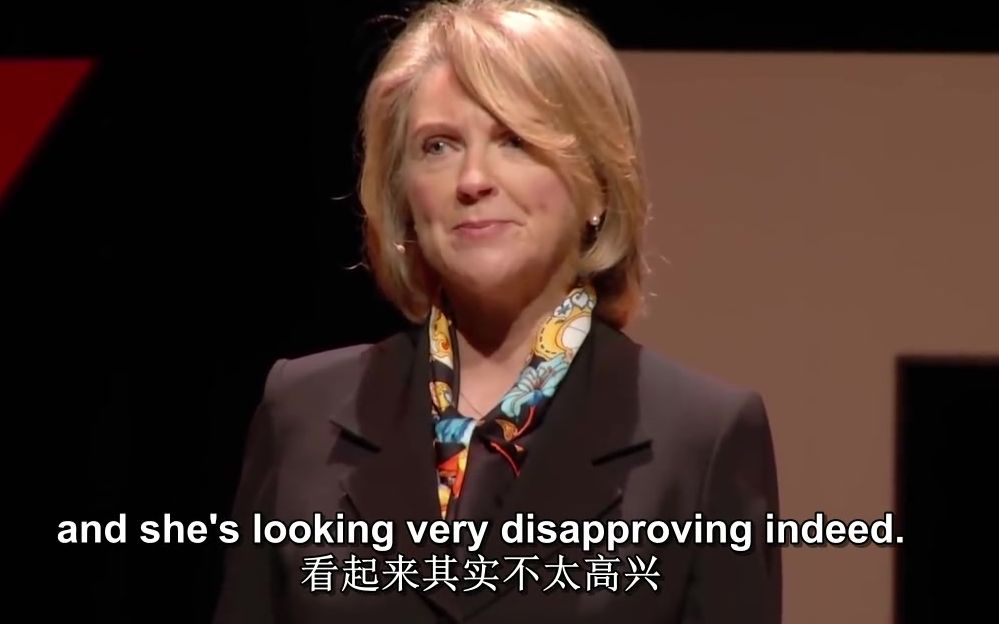
字幕摘录
| 时间 | 英文 | 中文 |
|---|---|---|
| 0:09 | As Sean said, I'm a sociolinguist. | 正如肖恩所说 我是个社会语言学家 |
| 0:12 | What does that mean? | 这是什么意思? |
| 0:14 | Sociolinguists study the role of language in society. | 社会语言学家研究语言在社会中的作用. |
| 0:19 | Yeah, but what does it mean? | 是的,但这是什么意思? |
| 0:21 | What do they do? | 他们做什么的? |
| 0:25 | Sociolinguists are professional eavesdroppers. | 社会语言学家是专业的窃听者. |
| 0:30 | But unlike other eavesdroppers, they're | 但不像其他窃听器,他们是 |
| 0:32 | not so much interested in what the people are saying | 对人们说的话不感兴趣 |
| 0:36 | as how they're saying it. | 就像他们说的一样 |
| 0:39 | For sociolinguists, language is neither good nor bad. | 对于社会语言学家来说,语言既不好也不坏. |
展开字幕全文(282 条)
| 序号 | 英文 | 中文 |
|---|---|---|
| 1 | As Sean said, I'm a sociolinguist. | 正如肖恩所说 我是个社会语言学家 |
| 2 | What does that mean? | 这是什么意思? |
| 3 | Sociolinguists study the role of language in society. | 社会语言学家研究语言在社会中的作用. |
| 4 | Yeah, but what does it mean? | 是的,但这是什么意思? |
| 5 | What do they do? | 他们做什么的? |
| 6 | Sociolinguists are professional eavesdroppers. | 社会语言学家是专业的窃听者. |
| 7 | But unlike other eavesdroppers, they're | 但不像其他窃听器,他们是 |
| 8 | not so much interested in what the people are saying | 对人们说的话不感兴趣 |
| 9 | as how they're saying it. | 就像他们说的一样 |
| 10 | For sociolinguists, language is neither good nor bad. | 对于社会语言学家来说,语言既不好也不坏. |
| 11 | It's meaningful. | 这是有意义的。 |
| 12 | I was on the bus the other day, and I heard two young girls | 我那天在车上 我听到两个年轻姑娘 |
| 13 | chatting behind me. | 在我身后闲聊 |
| 14 | So I was eavesdropping as usual. | 所以我像往常一样偷听 |
| 15 | And this is what I heard. | 这就是我听到的。 |
| 16 | And I was like, no way. | 而我是喜欢,没有办法。 |
| 17 | And he was like, well, it's only like two miles. | 他就像,嗯, 它只是像两英里。 |
| 18 | And the other one said, OMG, in your killer heels amazeballs. | 另一个说,OMG, 在你的杀手高跟鞋迷幻丸。 |
| 19 | And the first one goes, yeah, like totes. | 而第一个去,是的,像totes。 |
| 20 | There was an elderly lady sitting nearby, | 有个老太太坐在附近 |
| 21 | and she was looking very disapproving indeed. | 她看起来非常不赞成 |
| 22 | As linguists, however, we don't bother disapproving | 作为语言学家,我们不会反对 |
| 23 | about language. | 关于语言。 |
| 24 | There are two reasons for this. | 这样做有两个原因。 |
| 25 | First of all, we can't stop language changing. | 首先,我们不能停止语言变化. |
| 26 | Language has a life of its own. | 语言自有生. |
| 27 | New stuff comes in. | 新东西来了 |
| 28 | It moves. | 它在移动。 |
| 29 | Nothing to be done. | 无所不作. |
| 30 | The second reason is that lady, when she was a young woman, | 第二个原因是那个女士, 当她还是个年轻女人, |
| 31 | she was very likely the young woman who | 她很可能是那个年轻女子 |
| 32 | was using the new, cool stuff coming in. | 使用新的,很酷的东西 进来。 |
| 33 | Because research has shown that young women | 因为研究显示年轻女性 |
| 34 | are the movers and shakers when it comes to language. | 在语言方面,是动人的,是摇摆的。 |
| 35 | They're the innovators. | 他们是创新者。 |
| 36 | They're the ones we should be listening to. | 他们就是我们应该听的 |
| 37 | So language is always changing. | 所以语言总是在变化。 |
| 38 | However, not everything is variable. | 然而,并非一切都是可变的。 |
| 39 | Some things are invariant. | 有些东西是无常的。 |
| 40 | And word order is one of those things. | 单词是其中之一。 |
| 41 | So this baby there, let's say he's an English speaking baby. | 因此,这个婴儿在那里,让我们假设他是说英语的婴儿。 |
| 42 | He comes wired. | 他来电线。 |
| 43 | His little brain is wired with an idea of word order | 他的小脑部有文字顺序 |
| 44 | in his language, whatever that is. | 用他的语言,不管是什么 |
| 45 | In this case, it's English. | 在这种情况下,是英语. |
| 46 | Let's say he's an English speaking baby. | 假设他是说英语的婴儿 |
| 47 | So he knows that it's subject, verb, object. | 因此他知道这是主题,动词,对象. |
| 48 | So as English speakers, if we see something like this, | 所以,作为英语演讲者, 如果我们看到这样的东西, |
| 49 | or like that, or like that, | 或喜欢,或喜欢, |
| 50 | not good, something wrong. | 不好,有点不对劲 |
| 51 | Because we know that the word order | 因为我们知道这个词的顺序 |
| 52 | should be subject, verb, object. | 对象、动词、对象。 |
| 53 | We don't have a choice here. | 我们别无选择 |
| 54 | However, there are many aspects of language | 然而,语言有许多方面 |
| 55 | where we do have a choice. | 在那里,我们有一个选择。 |
| 56 | These are the variable aspects, | 这些是可变的方面, |
| 57 | and these are the fun bits for the sociolinguists. | 这些是社会语言学家的乐趣 |
| 58 | Just take two ways of saying the same thing. | 只要用两种方法说同样的话. |
| 59 | So if you see a sentence like this, | 如果你看到这样的句子, |
| 60 | you could also say it like this. | 你可以这么说 |
| 61 | It means the same. | 意为同. |
| 62 | You could say that means the same. | 你可以说,这意味着相同的。 |
| 63 | Well, some of the meaning is the same. | 嗯,有些意思是一样的。 |
| 64 | The referential meaning is what's similar. | 特惠意义是相似的. |
| 65 | The social significance is different, | 社会意义不同, |
| 66 | and it's that social significance | 这是社会意义 |
| 67 | that makes such a difference | 那样就不一样了 |
| 68 | and gives us such knowledge of the speaker on the one hand, | 并且一方面使我们知道发言者, |
| 69 | the hearer on the other, | 倾听者, |
| 70 | the social context they're living in on the third, | 他们生活在社会环境的第三个, |
| 71 | and we really need to tune into this stuff. | 而我们真的需要调谐 这些东西。 |
| 72 | When I was studying at the University of Pennsylvania | 我在宾夕法尼亚大学念书时 |
| 73 | with William Labov, who's the founder of the field, | 威廉·拉博夫是球场的创始人 |
| 74 | I was excited to think what we could do | 我兴奋地想着我们能做什么 |
| 75 | when we came back to Ireland | 当我们回到爱尔兰时 |
| 76 | and looked at what we use here in terms of language. | 看看我们用的语言 |
| 77 | So with my group of postgraduate students, | 因此,与我的研究生组, |
| 78 | we decided to study the little word like. | 我们决定研究这个小词 |
| 79 | So with a bunch of PhD students, | 因此,与一群博士生, |
| 80 | we sat around the table and we said, | 我们坐在桌旁说, |
| 81 | okay, we're gonna do like. | 好吧,我们会做的喜欢。 |
| 82 | We're gonna bring a little magnifying glass down on this | 我们要把放大镜拿下来 |
| 83 | and we're gonna see what it's like. | 我们会看到它是什么样子。 |
| 84 | Now, not this like, she was like her sister, | 现在,不是像这样, 她像她的妹妹, |
| 85 | which is standard like, but this like. | 这是标准一样, 但像这样。 |
| 86 | She was like, cheers. | 她喜欢,欢呼。 |
| 87 | They're the likes of the young women on the bus. | 和巴士上的年轻女性一样 |
| 88 | You might say that non-standard like is all over the place, | 你可能会说,非标准 类似是到处都是, |
| 89 | that it's got no rules, it's lazy, it's chaotic, | 它没有规则, 它懒惰,它混乱, |
| 90 | it's disorderly. | 这是无序的。 |
| 91 | However, in fact, there are rules. | 然而,事实上,还有规则。 |
| 92 | And there are very strict rules, in fact, | 还有非常严格的规则,事实上, |
| 93 | around how non-standard like is used. | 如何使用非标准类。 |
| 94 | Where it comes in the sentence, | 在句子里出现的地方 |
| 95 | syntactic constraints, as we call it, | 正如我们所说的,综合约束 |
| 96 | the social context in which it's used. | 它使用的社会环境。 |
| 97 | All of that is very strictly controlled. | 所有这一切都受到严格控制。 |
| 98 | Now, these variable bits of language | 现在,这些可变位语言 |
| 99 | are the stuff that actually does a lot of work for us. | 这些东西 真正为我们做了很多工作。 |
| 100 | So just as accessories, clothes, handbags, | 所以,就像配件,衣服,手提包, |
| 101 | body language even, is able to project an identity, | 甚至身体语言, 能够显示身份, |
| 102 | so language variation patterns do the same thing. | 所以语言变异模式 做同样的事情。 |
| 103 | And they're very powerful tools, in fact, | 他们是非常强大的工具,事实上, |
| 104 | in our identikit, as we call it. | 在我们的dentikit, 我们称之为它。 |
| 105 | One group for whom identity is very important | 一个身份很重要的群体 |
| 106 | is the group of migrants or transnationals. | 是移民或跨国公司群体。 |
| 107 | Transnationals work very hard at identity | 跨国公司在身份方面非常努力 |
| 108 | because they're moving from place to place | 因为他们从一个地方搬到另一个地方 |
| 109 | throughout the globe. | 全球各地 |
| 110 | So we wanted to see what transnationals or migrants | 所以我们想看看什么是跨国或移民 |
| 111 | do with this little word like. | 用这个小词 |
| 112 | And we thought we'd look at a group in Ireland, | 我们想看看爱尔兰的一群人 |
| 113 | which are Polish speakers. | 他们是波兰人。 |
| 114 | We've lots of Polish speakers here, | 我们这里有很多波兰语演说家 |
| 115 | I'm sure there are some in the audience. | 我敢肯定,有一些观众。 |
| 116 | So imagine you're a Pole. | 所以想象你是一个波兰人。 |
| 117 | You learn your English in Poland, you're in a classroom, | 你在波兰学英语,你在教室里 |
| 118 | you learn nice standard English, | 你学会了很好的标准英语, |
| 119 | you come to Ireland and you hear this stuff. | 你来到爱尔兰,听到这些话 |
| 120 | What is it? | 这是什么? |
| 121 | Well, it's Irish English. | 嗯,这是爱尔兰英语。 |
| 122 | What's like like in Irish English? | 爱尔兰英语是怎样的? |
| 123 | Well, first of all, it's clothes marginal, we said, | 嗯,首先,这是衣服边缘,我们说, |
| 124 | in our best variationist voices. | 在我们最好的变异主义声音。 |
| 125 | What's clothes marginal? | 什么是边际的衣服? |
| 126 | It's at the beginning or at the end. | 其始或终. |
| 127 | Like this, at the beginning. | 像这样,在开始。 |
| 128 | Or like this, at the end. | 或者像这样,在最后。 |
| 129 | Okay, so we do it different from the others. | 好吧,所以我们做它 不同的其他人。 |
| 130 | Of course we do, we're Irish. | 我们当然是爱尔兰人 |
| 131 | So in other Englishes, Australian, Canadian, | 因此,在其他英语,澳大利亚,加拿大, |
| 132 | British, American, they do something different. | 英国,美国,他们做不同的事情。 |
| 133 | They do clothes medial. | 他们做衣服中间。 |
| 134 | Like this, like this, or even like this. | 像这样,像这样,甚至像这样。 |
| 135 | So now we've two sorts of like. | 所以现在我们有两种类型。 |
| 136 | We've this one, which is the global like, | 我们有一个,这是全球一样, |
| 137 | used by our valley girls all over the world, | 我们的山谷女孩在世界各地使用, |
| 138 | not just in California. | 不只是在加利福尼亚 |
| 139 | And we have the local, which is the Irish like, | 我们有本地人 也就是爱尔兰人 |
| 140 | at the beginning at the end. | 在开头的结尾。 |
| 141 | You know like, the picture's more complicated. | 你知道,像, 图片更复杂。 |
| 142 | Within Ireland there's variation. | 在爱尔兰有变异。 |
| 143 | And what we find is that the people | 我们发现人民 |
| 144 | who use the clothes marginal, you know like, | 他们穿着边际的衣服,你知道, |
| 145 | tend to be older, male, rural, | 男人 农村人 |
| 146 | and local in outlook at times, | 以及地方前景,有时, |
| 147 | although that we have to be careful about. | 虽然我们必须小心。 |
| 148 | The global users, the ones in the middle, | 全球用户 中间的用户 |
| 149 | she had like a Gucci bag. | 她有一个像古奇包。 |
| 150 | This is more female, East Coast, young, Dublin, | 这更女性,东海岸,年轻,都柏林, |
| 151 | even South Dublin, and as well as that. | 甚至南都柏林,还有那个。 |
| 152 | It's used as a tool to divide our city. | 它被用作划分我市的工具. |
| 153 | And those of us who are Dubliners know | 我们这些都柏林人都知道 |
| 154 | that we have this imaginary line | 我们有一个想象中的线 |
| 155 | between the north side and the south side. | 北面和南面之间 |
| 156 | Need I say more? | 还要我说吗? |
| 157 | So our Polish speaker arrives. | 因此,我们的波兰演说家到达。 |
| 158 | He wants to know what to do with all of this complexity. | 他想知道如何应对这些复杂情况。 |
| 159 | We decided that we would do as good variation as Stu. | 我们决定做和斯图一样好的改变 |
| 160 | We would sit, we would listen, we would record, | 我们坐着听着 录音 |
| 161 | and we would analyze. | 我们会分析。 |
| 162 | What did we find? | 我们发现了什么? |
| 163 | Our quantitative results were very interesting. | 我们的量化结果非常有趣。 |
| 164 | First of all, we found the Polish people were using like. | 首先,我们发现波兰人像使用。 |
| 165 | Now this was interesting because not only | 这很有趣,因为... |
| 166 | had they never heard like before in their classroom, | 假若他们在课堂上从未听到过这样的声音, |
| 167 | but there was no equivalent of like in Polish. | 但波兰语没有类似的东西 |
| 168 | So we found that they were looking at both. | 所以我们发现他们都看到了 |
| 169 | They were looking at the Irish use. | 他们在看爱尔兰的用途 |
| 170 | That's native Irish speakers. | 那是爱尔兰的母语 |
| 171 | What are they doing? | 他们在干什么? |
| 172 | They're doing Irish like, the green stuff on the left, | 他们做的爱尔兰 像,绿色的东西在左边, |
| 173 | and they're doing a little bit of clothes media, | 他们正在做 一点点的衣服媒体, |
| 174 | the purple stuff. | 紫色的东西。 |
| 175 | And here are the Polish. | 这是波兰人。 |
| 176 | So the Polish people were doing something very interesting. | 因此波兰人民正在做一些非常有趣的事情。 |
| 177 | Not only were they using like, | 他们不仅使用像, |
| 178 | but they were actually patterning like the native speakers. | 但他们其实像 当地人说话。 |
| 179 | Now the story wasn't quite as simple as that. | 故事没那么简单 |
| 180 | Some of them were doing clothes media, | 其中一些人在做服装媒体, |
| 181 | and we wondered why this was. | 我们想知道为什么会这样 |
| 182 | We dug down, we did qualitative analysis, | 我们挖下来,我们做了质的分析, |
| 183 | we listened to their stories, | 我们听了他们的故事 |
| 184 | and we discovered that those people who were using | 我们发现那些正在使用 |
| 185 | the clothes media like were more likely | 更可能的是 衣服媒体像 |
| 186 | to have their eyes fixed on global worlds. | 让他们的目光聚焦全球世界 |
| 187 | They wanted perhaps to move to another world, | 他们也许想搬到另一个世界 |
| 188 | an English speaking country outside. | 国外的英语国家 |
| 189 | The local like users were people | 本地用户都是人 |
| 190 | who were strongly identified with Irish people. | 他们和爱尔兰人的关系很密切 |
| 191 | They were locally focused, | 他们在当地集中, |
| 192 | and they had long term plans to stay in Ireland. | 他们有长期计划留在爱尔兰 |
| 193 | So by triangulating the two, | 因此,通过三角 两者, |
| 194 | we were getting an interesting picture of the people | 我们得到了一个有趣的图片 人们 |
| 195 | and their identity focus. | 和他们的身份焦点。 |
| 196 | In either case, whichever they used, | 无论用哪一种方法 |
| 197 | language was reflecting their aspirations, | 语言反映了他们的愿望, |
| 198 | their stances, their attitudes. | 他们的立场和态度 |
| 199 | This isn't a once off case. | 这不是一个一次性的破案。 |
| 200 | We're going to move from Ireland to France. | 我们要从爱尔兰搬到法国 |
| 201 | In France, we looked also | 在法国,我们也看过 |
| 202 | at some Polish people living in France. | 住在法国的一些波兰人 |
| 203 | And this is the tale of two people. | 这是两个人的故事。 |
| 204 | I call it the tale of the basketball player | 我称之为篮球运动员的故事 |
| 205 | and the bookseller. | 还有书商 |
| 206 | First of all, when French people are relaxed | 首先,当法国人放松的时候 |
| 207 | and talking quickly, | 和快速说话, |
| 208 | they tend to drop the first particle of negation. | 他们倾向于放弃第一个否定粒子。 |
| 209 | My hypothesis was when Polish people are relaxed, | 我的假设是当波兰人放松的时候 |
| 210 | identifying with the French, | 与法国人, |
| 211 | they too will drop negation. | 他们必定否认真理, |
| 212 | I was right, our hypothesis was confirmed, | 我是对的 我们的假设得到证实 |
| 213 | the people were losing the no. | 人民都输了 |
| 214 | Here are the figures for the probabilities | 以下是概率数字 |
| 215 | of people losing no. | 输掉的人 |
| 216 | Two people stood out. | 两个人很突出。 |
| 217 | One was Mariusz and the other was Anna. | 一个是马里乌什,另一个是安娜. |
| 218 | 现在,Mariusz删除的很少。 | |
| 219 | Well, so did other people. | 别人也是 |
| 220 | However, given his length of residence | 然而,鉴于他的居住时间 |
| 221 | and given his proficiency, | 并且以他的本领, |
| 222 | he should have been deleting more. | 他应该删除更多。 |
| 223 | Anna, given her length of residence | 安娜,鉴于她的居住时间 |
| 224 | and her proficiency, which was less, | 她的熟练程度, |
| 225 | should have been deleting much less. | 本来应该删除的要少得多。 |
| 226 | As natural scientists, | 作为自然科学家 |
| 227 | the tendency is to forget these outliers, | 倾向于忘记这些外线, |
| 228 | just forget them and treat them as anomalies. | 忘了他们,把它们当作异常 |
| 229 | But I didn't want to do this. | 但我不想这么做 |
| 230 | I was intrigued by the difference. | 我对区别很感兴趣 |
| 231 | I wanted to find out why these people | 我想找出为什么这些人 |
| 232 | were behaving linguistically in such a way. | 在语言上是这样的。 |
| 233 | So qualitative analysis to the four again. | 如此定性分析再对四. |
| 234 | We listened to their ethnographic details, | 我们听了他们的民族学细节, |
| 235 | their stories, and something very interesting emerged. | 他们的故事, 和非常有趣的东西出现。 |
| 236 | Mariusz presented as a very well-educated speaker. | 马里乌斯作为一位受过良好教育的演讲者提出. |
| 237 | He was somebody who took language seriously, | 他是一个认真对待语言的人, |
| 238 | who took standards in language seriously, | 他们认真对待语言标准, |
| 239 | whether Polish or French. | 无论是波兰还是法国。 |
| 240 | He ran a Polish bookshop. | 他经营波兰书店. |
| 241 | He was very standard. | 他是非常标准的。 |
| 242 | He liked good speech. | 他喜欢好演讲 |
| 243 | Anna, on the other hand, | 安娜, 另一方面, |
| 244 | was the mother of two young children. | 是两个孩子的母亲 |
| 245 | She was very fixed on their future in France, | 她很确定他们在法国的未来 |
| 246 | and she had invested heavily in sports, | 她在体育领域投入了大量资金 |
| 247 | where Mariusz had invested in intellectual | 马里乌斯投资了智力 |
| 248 | and cultural domains in his particular trajectory | 文化领域及其具体轨迹 |
| 249 | through migration. | 通过移徙。 |
| 250 | She had invested in basketball, in fact. | 事实上,她投资了篮球 |
| 251 | She had, in fact, won a scholarship to the West. | 事实上,她曾获得过西方奖学金。 |
| 252 | Now, the two people had very different | 现在,两个人有很大的不同 |
| 253 | contrasting profiles, | 对比剖面图, |
| 254 | and it was those stories which told us | 正是那些故事告诉我们 |
| 255 | why they were using language as they were using it. | 他们为什么在使用语言时使用语言。 |
| 256 | Their use of ne was both reflecting their profiles, | 他们对ne的使用都反映了他们的特征, |
| 257 | and it was also performing their profiles. | 而且它也在进行他们的简介。 |
| 258 | They were using language to express | 他们用语言表达 |
| 259 | their evolving identities. | 他们不断演变的身份 |
| 260 | The lesson we took from it was that people | 我们从中吸取的教训是: |
| 261 | are not simply representatives | 不仅仅是代表 |
| 262 | of social structural categories. | 社会结构类别。 |
| 263 | Any of you are sociologists know age, sex, social class. | 你们中任何人都是社会学家,知道年龄,性别,社会阶级. |
| 264 | But agency is involved as well. | 但机构也参与其中。 |
| 265 | Choice is involved. | 选择是涉及到的。 |
| 266 | People work on identity, on the place they are, | 人们工作在身份, 在他们的地方, |
| 267 | on the plans they have. | 他们的计划。 |
| 268 | So these two little bits of speech | 所以这两点说话 |
| 269 | that seems so unimportant is expressing a lot | 这似乎如此不重要 是表达了很多 |
| 270 | in terms of reflecting and performing. | 在反映和表现方面。 |
| 271 | So getting back to our young women in the bus, | 回到我们的女青年车上 |
| 272 | instead of saying they're lazy, or sloppy, | 而不是说他们懒惰或草率, |
| 273 | or superficial, or whatever we tend to say | 或肤浅,或我们常说的 |
| 274 | about young users of speech, | 关于说话的年轻人, |
| 275 | we need to know that these young women | 我们要知道这些年轻女子 |
| 276 | are using language to show lots of stuff | 正在使用语言来显示大量的东西 |
| 277 | about who they are, who they're becoming. | 关于他们是谁, 他们正在变成谁。 |
| 278 | And next time you hear somebody saying like, | 下次你听到有人说 |
| 279 | you can say, oh, it's like, | 你可以说,哦,这就像, |
| 280 | here are the movers and the shakers. | 搬家的和摇摆的 |
| 281 | They're our future like. | 他们是我们的未来 |
| 282 | Thank you. | 谢谢 |
该视频共有字幕 282 条。解锁更多字幕为会员功能,请移动到 价格
P2 · TED演讲:你的说话风格,对你有何影响? p02 英语 (P2)
字幕摘录
| 时间 | 英文 | 中文 |
|---|---|---|
| 0:09 | As Sean said, I'm a sociolinguist. | 正如肖恩所说 我是个社会语言学家 |
| 0:12 | What does that mean? | 这是什么意思? |
| 0:14 | Sociolinguists study the role of language in society. | 社会语言学家研究语言在社会中的作用. |
| 0:19 | Yeah, but what does it mean? | 是的,但这是什么意思? |
| 0:21 | What do they do? | 他们做什么的? |
| 0:25 | Sociolinguists are professional eavesdroppers. | 社会语言学家是专业的窃听者. |
| 0:30 | But unlike other eavesdroppers, they're | 但不像其他窃听器,他们是 |
| 0:32 | not so much interested in what the people are saying | 对人们说的话不感兴趣 |
| 0:36 | as how they're saying it. | 就像他们说的一样 |
| 0:39 | For sociolinguists, language is neither good nor bad. | 对于社会语言学家来说,语言既不好也不坏. |
展开字幕全文(282 条)
| 序号 | 英文 | 中文 |
|---|---|---|
| 1 | As Sean said, I'm a sociolinguist. | 正如肖恩所说 我是个社会语言学家 |
| 2 | What does that mean? | 这是什么意思? |
| 3 | Sociolinguists study the role of language in society. | 社会语言学家研究语言在社会中的作用. |
| 4 | Yeah, but what does it mean? | 是的,但这是什么意思? |
| 5 | What do they do? | 他们做什么的? |
| 6 | Sociolinguists are professional eavesdroppers. | 社会语言学家是专业的窃听者. |
| 7 | But unlike other eavesdroppers, they're | 但不像其他窃听器,他们是 |
| 8 | not so much interested in what the people are saying | 对人们说的话不感兴趣 |
| 9 | as how they're saying it. | 就像他们说的一样 |
| 10 | For sociolinguists, language is neither good nor bad. | 对于社会语言学家来说,语言既不好也不坏. |
| 11 | It's meaningful. | 这是有意义的。 |
| 12 | I was on the bus the other day, and I heard two young girls | 我那天在车上 我听到两个年轻姑娘 |
| 13 | chatting behind me. | 在我身后闲聊 |
| 14 | So I was eavesdropping as usual. | 所以我像往常一样偷听 |
| 15 | And this is what I heard. | 这就是我听到的。 |
| 16 | And I was like, no way. | 而我是喜欢,没有办法。 |
| 17 | And he was like, well, it's only like two miles. | 他就像,嗯, 它只是像两英里。 |
| 18 | And the other one said, OMG, in your killer heels amazeballs. | 另一个说,OMG, 在你的杀手高跟鞋迷幻丸。 |
| 19 | And the first one goes, yeah, like totes. | 而第一个去,是的,像totes。 |
| 20 | There was an elderly lady sitting nearby, | 有个老太太坐在附近 |
| 21 | and she was looking very disapproving indeed. | 她看起来非常不赞成 |
| 22 | As linguists, however, we don't bother disapproving | 作为语言学家,我们不会反对 |
| 23 | about language. | 关于语言。 |
| 24 | There are two reasons for this. | 这样做有两个原因。 |
| 25 | First of all, we can't stop language changing. | 首先,我们不能停止语言变化. |
| 26 | Language has a life of its own. | 语言自有生. |
| 27 | New stuff comes in. | 新东西来了 |
| 28 | It moves. | 它在移动。 |
| 29 | Nothing to be done. | 无所不作. |
| 30 | The second reason is that lady, when she was a young woman, | 第二个原因是那个女士, 当她还是个年轻女人, |
| 31 | she was very likely the young woman who | 她很可能是那个年轻女子 |
| 32 | was using the new, cool stuff coming in. | 使用新的,很酷的东西 进来。 |
| 33 | Because research has shown that young women | 因为研究显示年轻女性 |
| 34 | are the movers and shakers when it comes to language. | 在语言方面,是动人的,是摇摆的。 |
| 35 | They're the innovators. | 他们是创新者。 |
| 36 | They're the ones we should be listening to. | 他们就是我们应该听的 |
| 37 | So language is always changing. | 所以语言总是在变化。 |
| 38 | However, not everything is variable. | 然而,并非一切都是可变的。 |
| 39 | Some things are invariant. | 有些东西是无常的。 |
| 40 | And word order is one of those things. | 单词是其中之一。 |
| 41 | So this baby there, let's say he's an English speaking baby. | 因此,这个婴儿在那里,让我们假设他是说英语的婴儿。 |
| 42 | He comes wired. | 他来电线。 |
| 43 | His little brain is wired with an idea of word order | 他的小脑部有文字顺序 |
| 44 | in his language, whatever that is. | 用他的语言,不管是什么 |
| 45 | In this case, it's English. | 在这种情况下,是英语. |
| 46 | Let's say he's an English speaking baby. | 假设他是说英语的婴儿 |
| 47 | So he knows that it's subject, verb, object. | 因此他知道这是主题,动词,对象. |
| 48 | So as English speakers, if we see something like this, | 所以,作为英语演讲者, 如果我们看到这样的东西, |
| 49 | or like that, or like that, | 或喜欢,或喜欢, |
| 50 | not good, something wrong. | 不好,有点不对劲 |
| 51 | Because we know that the word order | 因为我们知道这个词的顺序 |
| 52 | should be subject, verb, object. | 对象、动词、对象。 |
| 53 | We don't have a choice here. | 我们别无选择 |
| 54 | However, there are many aspects of language | 然而,语言有许多方面 |
| 55 | where we do have a choice. | 在那里,我们有一个选择。 |
| 56 | These are the variable aspects, | 这些是可变的方面, |
| 57 | and these are the fun bits for the sociolinguists. | 这些是社会语言学家的乐趣 |
| 58 | Just take two ways of saying the same thing. | 只要用两种方法说同样的话. |
| 59 | So if you see a sentence like this, | 如果你看到这样的句子, |
| 60 | you could also say it like this. | 你可以这么说 |
| 61 | It means the same. | 意为同. |
| 62 | You could say that means the same. | 你可以说,这意味着相同的。 |
| 63 | Well, some of the meaning is the same. | 嗯,有些意思是一样的。 |
| 64 | The referential meaning is what's similar. | 特惠意义是相似的. |
| 65 | The social significance is different, | 社会意义不同, |
| 66 | and it's that social significance | 这是社会意义 |
| 67 | that makes such a difference | 那样就不一样了 |
| 68 | and gives us such knowledge of the speaker on the one hand, | 并且一方面使我们知道发言者, |
| 69 | the hearer on the other, | 倾听者, |
| 70 | the social context they're living in on the third, | 他们生活在社会环境的第三个, |
| 71 | and we really need to tune into this stuff. | 而我们真的需要调谐 这些东西。 |
| 72 | When I was studying at the University of Pennsylvania | 我在宾夕法尼亚大学念书时 |
| 73 | with William Labov, who's the founder of the field, | 威廉·拉博夫是球场的创始人 |
| 74 | I was excited to think what we could do | 我兴奋地想着我们能做什么 |
| 75 | when we came back to Ireland | 当我们回到爱尔兰时 |
| 76 | and looked at what we use here in terms of language. | 看看我们用的语言 |
| 77 | So with my group of postgraduate students, | 因此,与我的研究生组, |
| 78 | we decided to study the little word like. | 我们决定研究这个小词 |
| 79 | So with a bunch of PhD students, | 因此,与一群博士生, |
| 80 | we sat around the table and we said, | 我们坐在桌旁说, |
| 81 | okay, we're gonna do like. | 好吧,我们会做的喜欢。 |
| 82 | We're gonna bring a little magnifying glass down on this | 我们要把放大镜拿下来 |
| 83 | and we're gonna see what it's like. | 我们会看到它是什么样子。 |
| 84 | Now, not this like, she was like her sister, | 现在,不是像这样, 她像她的妹妹, |
| 85 | which is standard like, but this like. | 这是标准一样, 但像这样。 |
| 86 | She was like, cheers. | 她喜欢,欢呼。 |
| 87 | They're the likes of the young women on the bus. | 和巴士上的年轻女性一样 |
| 88 | You might say that non-standard like is all over the place, | 你可能会说,非标准 类似是到处都是, |
| 89 | that it's got no rules, it's lazy, it's chaotic, | 它没有规则, 它懒惰,它混乱, |
| 90 | it's disorderly. | 这是无序的。 |
| 91 | However, in fact, there are rules. | 然而,事实上,还有规则。 |
| 92 | And there are very strict rules, in fact, | 还有非常严格的规则,事实上, |
| 93 | around how non-standard like is used. | 如何使用非标准类。 |
| 94 | Where it comes in the sentence, | 在句子里出现的地方 |
| 95 | syntactic constraints, as we call it, | 正如我们所说的,综合约束 |
| 96 | the social context in which it's used. | 它使用的社会环境。 |
| 97 | All of that is very strictly controlled. | 所有这一切都受到严格控制。 |
| 98 | Now, these variable bits of language | 现在,这些可变位语言 |
| 99 | are the stuff that actually does a lot of work for us. | 这些东西 真正为我们做了很多工作。 |
| 100 | So just as accessories, clothes, handbags, | 所以,就像配件,衣服,手提包, |
| 101 | body language even, is able to project an identity, | 甚至身体语言, 能够显示身份, |
| 102 | so language variation patterns do the same thing. | 所以语言变异模式 做同样的事情。 |
| 103 | And they're very powerful tools, in fact, | 他们是非常强大的工具,事实上, |
| 104 | in our identikit, as we call it. | 在我们的dentikit, 我们称之为它。 |
| 105 | One group for whom identity is very important | 一个身份很重要的群体 |
| 106 | is the group of migrants or transnationals. | 是移民或跨国公司群体。 |
| 107 | Transnationals work very hard at identity | 跨国公司在身份方面非常努力 |
| 108 | because they're moving from place to place | 因为他们从一个地方搬到另一个地方 |
| 109 | throughout the globe. | 全球各地 |
| 110 | So we wanted to see what transnationals or migrants | 所以我们想看看什么是跨国或移民 |
| 111 | do with this little word like. | 用这个小词 |
| 112 | And we thought we'd look at a group in Ireland, | 我们想看看爱尔兰的一群人 |
| 113 | which are Polish speakers. | 他们是波兰人。 |
| 114 | We've lots of Polish speakers here, | 我们这里有很多波兰语演说家 |
| 115 | I'm sure there are some in the audience. | 我敢肯定,有一些观众。 |
| 116 | So imagine you're a Pole. | 所以想象你是一个波兰人。 |
| 117 | You learn your English in Poland, you're in a classroom, | 你在波兰学英语,你在教室里 |
| 118 | you learn nice standard English, | 你学会了很好的标准英语, |
| 119 | you come to Ireland and you hear this stuff. | 你来到爱尔兰,听到这些话 |
| 120 | What is it? | 这是什么? |
| 121 | Well, it's Irish English. | 嗯,这是爱尔兰英语。 |
| 122 | What's like like in Irish English? | 爱尔兰英语是怎样的? |
| 123 | Well, first of all, it's clothes marginal, we said, | 嗯,首先,这是衣服边缘,我们说, |
| 124 | in our best variationist voices. | 在我们最好的变异主义声音。 |
| 125 | What's clothes marginal? | 什么是边际的衣服? |
| 126 | It's at the beginning or at the end. | 其始或终. |
| 127 | Like this, at the beginning. | 像这样,在开始。 |
| 128 | Or like this, at the end. | 或者像这样,在最后。 |
| 129 | Okay, so we do it different from the others. | 好吧,所以我们做它 不同的其他人。 |
| 130 | Of course we do, we're Irish. | 我们当然是爱尔兰人 |
| 131 | So in other Englishes, Australian, Canadian, | 因此,在其他英语,澳大利亚,加拿大, |
| 132 | British, American, they do something different. | 英国,美国,他们做不同的事情。 |
| 133 | They do clothes medial. | 他们做衣服中间。 |
| 134 | Like this, like this, or even like this. | 像这样,像这样,甚至像这样。 |
| 135 | So now we've two sorts of like. | 所以现在我们有两种类型。 |
| 136 | We've this one, which is the global like, | 我们有一个,这是全球一样, |
| 137 | used by our valley girls all over the world, | 我们的山谷女孩在世界各地使用, |
| 138 | not just in California. | 不只是在加利福尼亚 |
| 139 | And we have the local, which is the Irish like, | 我们有本地人 也就是爱尔兰人 |
| 140 | at the beginning at the end. | 在开头的结尾。 |
| 141 | You know like, the picture's more complicated. | 你知道,像, 图片更复杂。 |
| 142 | Within Ireland there's variation. | 在爱尔兰有变异。 |
| 143 | And what we find is that the people | 我们发现人民 |
| 144 | who use the clothes marginal, you know like, | 他们穿着边际的衣服,你知道, |
| 145 | tend to be older, male, rural, | 男人 农村人 |
| 146 | and local in outlook at times, | 以及地方前景,有时, |
| 147 | although that we have to be careful about. | 虽然我们必须小心。 |
| 148 | The global users, the ones in the middle, | 全球用户 中间的用户 |
| 149 | she had like a Gucci bag. | 她有一个像古奇包。 |
| 150 | This is more female, East Coast, young, Dublin, | 这更女性,东海岸,年轻,都柏林, |
| 151 | even South Dublin, and as well as that. | 甚至南都柏林,还有那个。 |
| 152 | It's used as a tool to divide our city. | 它被用作划分我市的工具. |
| 153 | And those of us who are Dubliners know | 我们这些都柏林人都知道 |
| 154 | that we have this imaginary line | 我们有一个想象中的线 |
| 155 | between the north side and the south side. | 北面和南面之间 |
| 156 | Need I say more? | 还要我说吗? |
| 157 | So our Polish speaker arrives. | 因此,我们的波兰演说家到达。 |
| 158 | He wants to know what to do with all of this complexity. | 他想知道如何应对这些复杂情况。 |
| 159 | We decided that we would do as good variation as Stu. | 我们决定做和斯图一样好的改变 |
| 160 | We would sit, we would listen, we would record, | 我们坐着听着 录音 |
| 161 | and we would analyze. | 我们会分析。 |
| 162 | What did we find? | 我们发现了什么? |
| 163 | Our quantitative results were very interesting. | 我们的量化结果非常有趣。 |
| 164 | First of all, we found the Polish people were using like. | 首先,我们发现波兰人像使用。 |
| 165 | Now this was interesting because not only | 这很有趣,因为... |
| 166 | had they never heard like before in their classroom, | 假若他们在课堂上从未听到过这样的声音, |
| 167 | but there was no equivalent of like in Polish. | 但波兰语没有类似的东西 |
| 168 | So we found that they were looking at both. | 所以我们发现他们都看到了 |
| 169 | They were looking at the Irish use. | 他们在看爱尔兰的用途 |
| 170 | That's native Irish speakers. | 那是爱尔兰的母语 |
| 171 | What are they doing? | 他们在干什么? |
| 172 | They're doing Irish like, the green stuff on the left, | 他们做的爱尔兰 像,绿色的东西在左边, |
| 173 | and they're doing a little bit of clothes media, | 他们正在做 一点点的衣服媒体, |
| 174 | the purple stuff. | 紫色的东西。 |
| 175 | And here are the Polish. | 这是波兰人。 |
| 176 | So the Polish people were doing something very interesting. | 因此波兰人民正在做一些非常有趣的事情。 |
| 177 | Not only were they using like, | 他们不仅使用像, |
| 178 | but they were actually patterning like the native speakers. | 但他们其实像 当地人说话。 |
| 179 | Now the story wasn't quite as simple as that. | 故事没那么简单 |
| 180 | Some of them were doing clothes media, | 其中一些人在做服装媒体, |
| 181 | and we wondered why this was. | 我们想知道为什么会这样 |
| 182 | We dug down, we did qualitative analysis, | 我们挖下来,我们做了质的分析, |
| 183 | we listened to their stories, | 我们听了他们的故事 |
| 184 | and we discovered that those people who were using | 我们发现那些正在使用 |
| 185 | the clothes media like were more likely | 更可能的是 衣服媒体像 |
| 186 | to have their eyes fixed on global worlds. | 让他们的目光聚焦全球世界 |
| 187 | They wanted perhaps to move to another world, | 他们也许想搬到另一个世界 |
| 188 | an English speaking country outside. | 国外的英语国家 |
| 189 | The local like users were people | 本地用户都是人 |
| 190 | who were strongly identified with Irish people. | 他们和爱尔兰人的关系很密切 |
| 191 | They were locally focused, | 他们在当地集中, |
| 192 | and they had long term plans to stay in Ireland. | 他们有长期计划留在爱尔兰 |
| 193 | So by triangulating the two, | 因此,通过三角 两者, |
| 194 | we were getting an interesting picture of the people | 我们得到了一个有趣的图片 人们 |
| 195 | and their identity focus. | 和他们的身份焦点。 |
| 196 | In either case, whichever they used, | 无论用哪一种方法 |
| 197 | language was reflecting their aspirations, | 语言反映了他们的愿望, |
| 198 | their stances, their attitudes. | 他们的立场和态度 |
| 199 | This isn't a once off case. | 这不是一个一次性的破案。 |
| 200 | We're going to move from Ireland to France. | 我们要从爱尔兰搬到法国 |
| 201 | In France, we looked also | 在法国,我们也看过 |
| 202 | at some Polish people living in France. | 住在法国的一些波兰人 |
| 203 | And this is the tale of two people. | 这是两个人的故事。 |
| 204 | I call it the tale of the basketball player | 我称之为篮球运动员的故事 |
| 205 | and the bookseller. | 还有书商 |
| 206 | First of all, when French people are relaxed | 首先,当法国人放松的时候 |
| 207 | and talking quickly, | 和快速说话, |
| 208 | they tend to drop the first particle of negation. | 他们倾向于放弃第一个否定粒子。 |
| 209 | My hypothesis was when Polish people are relaxed, | 我的假设是当波兰人放松的时候 |
| 210 | identifying with the French, | 与法国人, |
| 211 | they too will drop negation. | 他们必定否认真理, |
| 212 | I was right, our hypothesis was confirmed, | 我是对的 我们的假设得到证实 |
| 213 | the people were losing the no. | 人民都输了 |
| 214 | Here are the figures for the probabilities | 以下是概率数字 |
| 215 | of people losing no. | 输掉的人 |
| 216 | Two people stood out. | 两个人很突出。 |
| 217 | One was Mariusz and the other was Anna. | 一个是马里乌什,另一个是安娜. |
| 218 | 现在,Mariusz删除的很少。 | |
| 219 | Well, so did other people. | 别人也是 |
| 220 | However, given his length of residence | 然而,鉴于他的居住时间 |
| 221 | and given his proficiency, | 并且以他的本领, |
| 222 | he should have been deleting more. | 他应该删除更多。 |
| 223 | Anna, given her length of residence | 安娜,鉴于她的居住时间 |
| 224 | and her proficiency, which was less, | 她的熟练程度, |
| 225 | should have been deleting much less. | 本来应该删除的要少得多。 |
| 226 | As natural scientists, | 作为自然科学家 |
| 227 | the tendency is to forget these outliers, | 倾向于忘记这些外线, |
| 228 | just forget them and treat them as anomalies. | 忘了他们,把它们当作异常 |
| 229 | But I didn't want to do this. | 但我不想这么做 |
| 230 | I was intrigued by the difference. | 我对区别很感兴趣 |
| 231 | I wanted to find out why these people | 我想找出为什么这些人 |
| 232 | were behaving linguistically in such a way. | 在语言上是这样的。 |
| 233 | So qualitative analysis to the four again. | 如此定性分析再对四. |
| 234 | We listened to their ethnographic details, | 我们听了他们的民族学细节, |
| 235 | their stories, and something very interesting emerged. | 他们的故事, 和非常有趣的东西出现。 |
| 236 | Mariusz presented as a very well-educated speaker. | 马里乌斯作为一位受过良好教育的演讲者提出. |
| 237 | He was somebody who took language seriously, | 他是一个认真对待语言的人, |
| 238 | who took standards in language seriously, | 他们认真对待语言标准, |
| 239 | whether Polish or French. | 无论是波兰还是法国。 |
| 240 | He ran a Polish bookshop. | 他经营波兰书店. |
| 241 | He was very standard. | 他是非常标准的。 |
| 242 | He liked good speech. | 他喜欢好演讲 |
| 243 | Anna, on the other hand, | 安娜, 另一方面, |
| 244 | was the mother of two young children. | 是两个孩子的母亲 |
| 245 | She was very fixed on their future in France, | 她很确定他们在法国的未来 |
| 246 | and she had invested heavily in sports, | 她在体育领域投入了大量资金 |
| 247 | where Mariusz had invested in intellectual | 马里乌斯投资了智力 |
| 248 | and cultural domains in his particular trajectory | 文化领域及其具体轨迹 |
| 249 | through migration. | 通过移徙。 |
| 250 | She had invested in basketball, in fact. | 事实上,她投资了篮球 |
| 251 | She had, in fact, won a scholarship to the West. | 事实上,她曾获得过西方奖学金。 |
| 252 | Now, the two people had very different | 现在,两个人有很大的不同 |
| 253 | contrasting profiles, | 对比剖面图, |
| 254 | and it was those stories which told us | 正是那些故事告诉我们 |
| 255 | why they were using language as they were using it. | 他们为什么在使用语言时使用语言。 |
| 256 | Their use of ne was both reflecting their profiles, | 他们对ne的使用都反映了他们的特征, |
| 257 | and it was also performing their profiles. | 而且它也在进行他们的简介。 |
| 258 | They were using language to express | 他们用语言表达 |
| 259 | their evolving identities. | 他们不断演变的身份 |
| 260 | The lesson we took from it was that people | 我们从中吸取的教训是: |
| 261 | are not simply representatives | 不仅仅是代表 |
| 262 | of social structural categories. | 社会结构类别。 |
| 263 | Any of you are sociologists know age, sex, social class. | 你们中任何人都是社会学家,知道年龄,性别,社会阶级. |
| 264 | But agency is involved as well. | 但机构也参与其中。 |
| 265 | Choice is involved. | 选择是涉及到的。 |
| 266 | People work on identity, on the place they are, | 人们工作在身份, 在他们的地方, |
| 267 | on the plans they have. | 他们的计划。 |
| 268 | So these two little bits of speech | 所以这两点说话 |
| 269 | that seems so unimportant is expressing a lot | 这似乎如此不重要 是表达了很多 |
| 270 | in terms of reflecting and performing. | 在反映和表现方面。 |
| 271 | So getting back to our young women in the bus, | 回到我们的女青年车上 |
| 272 | instead of saying they're lazy, or sloppy, | 而不是说他们懒惰或草率, |
| 273 | or superficial, or whatever we tend to say | 或肤浅,或我们常说的 |
| 274 | about young users of speech, | 关于说话的年轻人, |
| 275 | we need to know that these young women | 我们要知道这些年轻女子 |
| 276 | are using language to show lots of stuff | 正在使用语言来显示大量的东西 |
| 277 | about who they are, who they're becoming. | 关于他们是谁, 他们正在变成谁。 |
| 278 | And next time you hear somebody saying like, | 下次你听到有人说 |
| 279 | you can say, oh, it's like, | 你可以说,哦,这就像, |
| 280 | here are the movers and the shakers. | 搬家的和摇摆的 |
| 281 | They're our future like. | 他们是我们的未来 |
| 282 | Thank you. | 谢谢 |
该视频共有字幕 283 条。解锁更多字幕为会员功能,请移动到 价格
P3 · TED演讲:你的说话风格,对你有何影响? p03 无字幕 (P3)
字幕摘录
| 时间 | 英文 | 中文 |
|---|---|---|
| 0:09 | As Sean said, I'm a sociolinguist. | 正如肖恩所说 我是个社会语言学家 |
| 0:12 | What does that mean? | 这是什么意思? |
| 0:14 | Sociolinguists study the role of language in society. | 社会语言学家研究语言在社会中的作用. |
| 0:19 | Yeah, but what does it mean? | 是的,但这是什么意思? |
| 0:21 | What do they do? | 他们做什么的? |
| 0:25 | Sociolinguists are professional eavesdroppers. | 社会语言学家是专业的窃听者. |
| 0:30 | But unlike other eavesdroppers, they're | 但不像其他窃听器,他们是 |
| 0:32 | not so much interested in what the people are saying | 对人们说的话不感兴趣 |
| 0:36 | as how they're saying it. | 就像他们说的一样 |
| 0:39 | For sociolinguists, language is neither good nor bad. | 对于社会语言学家来说,语言既不好也不坏. |
展开字幕全文(269 条)
| 序号 | 英文 | 中文 |
|---|---|---|
| 1 | As Sean said, I'm a sociolinguist. | 正如肖恩所说 我是个社会语言学家 |
| 2 | What does that mean? | 这是什么意思? |
| 3 | Sociolinguists study the role of language in society. | 社会语言学家研究语言在社会中的作用. |
| 4 | Yeah, but what does it mean? | 是的,但这是什么意思? |
| 5 | What do they do? | 他们做什么的? |
| 6 | Sociolinguists are professional eavesdroppers. | 社会语言学家是专业的窃听者. |
| 7 | But unlike other eavesdroppers, they're | 但不像其他窃听器,他们是 |
| 8 | not so much interested in what the people are saying | 对人们说的话不感兴趣 |
| 9 | as how they're saying it. | 就像他们说的一样 |
| 10 | For sociolinguists, language is neither good nor bad. | 对于社会语言学家来说,语言既不好也不坏. |
| 11 | It's meaningful. | 这是有意义的。 |
| 12 | I was on the bus the other day, and I heard two young girls | 我那天在车上 我听到两个年轻姑娘 |
| 13 | chatting behind me. | 在我身后闲聊 |
| 14 | So I was eavesdropping as usual. | 所以我像往常一样偷听 |
| 15 | And this is what I heard. | 这就是我听到的。 |
| 16 | And I was like, no way. | 而我是喜欢,没有办法。 |
| 17 | And he was like, well, it's only like two miles. | 他就像,嗯, 它只是像两英里。 |
| 18 | And the other one said, OMG in your killer heels amazeballs. | 另一个说,OMG 在你的杀手高跟鞋惊魂球。 |
| 19 | And the first one goes, yeah, like totes. | 而第一个去,是的,像totes。 |
| 20 | There was an elderly lady sitting nearby, | 有个老太太坐在附近 |
| 21 | and she was looking very disapproving indeed. | 她看起来非常不赞成 |
| 22 | As linguists, however, we don't bother | 作为语言学家,我们不费心 |
| 23 | disapproving about language. | 不同意语言. |
| 24 | There are two reasons for this. | 这样做有两个原因。 |
| 25 | First of all, we can't stop language changing. | 首先,我们不能停止语言变化. |
| 26 | Language has a life of its own. | 语言自有生. |
| 27 | New stuff comes in. | 新东西来了 |
| 28 | It moves. | 它在移动。 |
| 29 | Nothing to be done. | 无所不作. |
| 30 | The second reason is that lady, when she was a young woman, | 第二个原因是那个女士, 当她还是个年轻女人, |
| 31 | she was very likely the young woman | 她很可能是那个年轻女人 |
| 32 | who was using the new, cool stuff coming in. | 他用的是新的很酷的东西 |
| 33 | Because research has shown that young women | 因为研究显示年轻女性 |
| 34 | are the movers and shakers when it comes to language. | 在语言方面,是动人的,是摇摆的。 |
| 35 | They're the innovators. | 他们是创新者。 |
| 36 | They're the ones we should be listening to. | 他们就是我们应该听的 |
| 37 | So language is always changing. | 所以语言总是在变化。 |
| 38 | However, not everything is variable. | 然而,并非一切都是可变的。 |
| 39 | Some things are invariant. | 有些东西是无常的。 |
| 40 | And word order is one of those things. | 单词是其中之一。 |
| 41 | So this baby there, let's say he's an English speaking baby. | 因此,这个婴儿在那里,让我们假设他是说英语的婴儿。 |
| 42 | He comes wired. | 他来电线。 |
| 43 | His little brain is wired with an idea of word order | 他的小脑部有文字顺序 |
| 44 | in his language, whatever that is. | 用他的语言,不管是什么 |
| 45 | In this case, it's English. | 在这种情况下,是英语. |
| 46 | Let's say he's an English speaking baby. | 假设他是说英语的婴儿 |
| 47 | So he knows that it's subject, verb, object. | 因此他知道这是主题,动词,对象. |
| 48 | So as English speakers, if we see something like this, | 所以,作为英语演讲者, 如果我们看到这样的东西, |
| 49 | or like that, or like that, not good. | 或喜欢,或喜欢, 不好。 |
| 50 | Something wrong, because we know that the word order | 有点不对劲,因为我们知道 单词顺序 |
| 51 | should be subject, verb, object. | 对象、动词、对象。 |
| 52 | We don't have a choice here. | 我们别无选择 |
| 53 | However, there are many aspects of language | 然而,语言有许多方面 |
| 54 | where we do have a choice. | 在那里,我们有一个选择。 |
| 55 | These are the variable aspects. | 这些是可变的方面。 |
| 56 | And these are the fun bits for the sociolinguists. | 这些是社会语言学家的乐趣。 |
| 57 | Just take two ways of saying the same thing. | 只要用两种方法说同样的话. |
| 58 | So if you see a sentence like this, | 如果你看到这样的句子, |
| 59 | you could also say it like this. | 你可以这么说 |
| 60 | It means the same. | 意为同. |
| 61 | You could say that. | 你可以这么说 |
| 62 | Means the same. | 意思是一样的。 |
| 63 | Well, some of the meaning is the same. | 嗯,有些意思是一样的。 |
| 64 | The referential meaning is what's similar. | 特惠意义是相似的. |
| 65 | The social significance is different. | 社会意义不同. |
| 66 | And it's that social significance | 这是社会意义 |
| 67 | that makes such a difference and gives us | 那会给我们带来不同 |
| 68 | such knowledge of the speaker on the one hand, | 一方面,发言者的这种知识, |
| 69 | the hearer on the other, the social context they're | 对方的听者, 他们的社会背景 |
| 70 | living in on the third. | 住在第三层 |
| 71 | And we really need to tune into this stuff. | 我们真的需要调整一下这些东西。 |
| 72 | When I was studying at the University of Pennsylvania | 我在宾夕法尼亚大学念书时 |
| 73 | with William Labov, who's the founder of the field, | 威廉·拉博夫是球场的创始人 |
| 74 | I was excited to think what we could do when we came back | 我兴奋地想着我们回来后能做什么 |
| 75 | to Ireland and looked at what we use here in terms of language. | 看看我们在这里用的语言 |
| 76 | So with my group of postgraduate students, | 因此,与我的研究生组, |
| 77 | we decided to study the little word like. | 我们决定研究这个小词 |
| 78 | So with a bunch of PhD students, we sat around the table | 和一群博士生一起坐着 |
| 79 | and we said, OK, we're going to do like. | 我们说,好吧,我们会做喜欢。 |
| 80 | We're going to bring a little magnifying glass down on this | 我们要把放大镜拿下来 |
| 81 | and we're going to see what it's like. | 并会看到它是什么样子。 |
| 82 | Now, not this like. | 现在,不是这样的。 |
| 83 | She was like her sister, which is standard like. | 她就像她的妹妹,这是标准一样。 |
| 84 | But this like. | 但像这样 |
| 85 | She was like, cheers. | 她喜欢,欢呼。 |
| 86 | They're the likes of the young women on the bus. | 和巴士上的年轻女性一样 |
| 87 | You might say that non-standard like is all over the place, | 你可能会说,非标准 类似是到处都是, |
| 88 | that it's got no rules, it's lazy, it's chaotic, | 它没有规则, 它懒惰,它混乱, |
| 89 | it's disorderly. | 这是无序的。 |
| 90 | However, in fact, there are rules. | 然而,事实上,还有规则。 |
| 91 | And there are very strict rules, in fact, | 还有非常严格的规则,事实上, |
| 92 | around how non-standard like is used. | 如何使用非标准类。 |
| 93 | Where it comes in the sentence, syntactic constraints, | 在句子里, 综合的制约, |
| 94 | as we call it, the social context in which it's used. | 正如我们所说的, 使用它的社会背景。 |
| 95 | All of that is very strictly controlled. | 所有这一切都受到严格控制。 |
| 96 | Now, these variable bits of language | 现在,这些可变位语言 |
| 97 | are the stuff that actually does a lot of work for us. | 这些东西 真正为我们做了很多工作。 |
| 98 | So just as accessories, clothes, handbags, body language even, | 所以,就像配件,衣服,手提包,甚至身体语言, |
| 99 | is able to project an identity, so language variation patterns | 能够显示身份,所以语言变异模式 |
| 100 | do the same thing. | 做同样的事情。 |
| 101 | And they're very powerful tools, in fact, in our identikit, | 他们是非常强大的工具,事实上, 在我们的IDNIKIT, |
| 102 | as we call it. | 正如我们所说的。 |
| 103 | One group for whom identity is very important | 一个身份很重要的群体 |
| 104 | is the group of migrants or transnationals. | 是移民或跨国公司群体。 |
| 105 | Transnationals work very hard at identity | 跨国公司在身份方面非常努力 |
| 106 | because they're moving from place to place | 因为他们从一个地方搬到另一个地方 |
| 107 | throughout the globe. | 全球各地 |
| 108 | So we wanted to see what transnationals or migrants | 所以我们想看看什么是跨国或移民 |
| 109 | do with this little word, like. | 做这个小词,像。 |
| 110 | And we thought we'd look at a group in Ireland, | 我们想看看爱尔兰的一群人 |
| 111 | which are Polish speakers. | 他们是波兰人。 |
| 112 | We've lots of Polish speakers here. | 我们这里有很多波兰语演说者。 |
| 113 | I'm sure there are some in the audience. | 我敢肯定,有一些观众。 |
| 114 | So imagine you're a Pole. | 所以想象你是一个波兰人。 |
| 115 | You learn your English in Poland. | 你在波兰学英语 |
| 116 | You're in a classroom. | 你在课堂上。 |
| 117 | You learn nice standard English. | 你学的好标准英语。 |
| 118 | You come to Ireland, and you hear this stuff. | 你来到爱尔兰, 你听到这些东西。 |
| 119 | What is it? | 这是什么? |
| 120 | Well, it's Irish English. | 嗯,这是爱尔兰英语。 |
| 121 | What's like, like in Irish English? | 像爱尔兰英语一样吗? |
| 122 | Well, first of all, it's close marginal, we said, | 嗯,首先,这是接近边缘,我们说, |
| 123 | in our best variationist voices. | 在我们最好的变异主义声音。 |
| 124 | What's close marginal? | 什么是接近边缘? |
| 125 | It's at the beginning or at the end. | 其始或终. |
| 126 | Like this, at the beginning. | 像这样,在开始。 |
| 127 | Or like this, at the end. | 或者像这样,在最后。 |
| 128 | OK, so we do it different from the others. | 好吧,所以我们做它 不同的其他人。 |
| 129 | Of course, we do, we're Irish. | 当然,我们是爱尔兰人 |
| 130 | So in other Englishes, Australian, Canadian, British, | 所以在其他英语,澳大利亚语,加拿大语,英国语, |
| 131 | American, they do something different. | 美国人,他们做不同的事情。 |
| 132 | They do close medial. | 他们确实很贴近 |
| 133 | Like this, like this, or even like this. | 像这样,像这样,甚至像这样。 |
| 134 | So now we've two sorts of like. | 所以现在我们有两种类型。 |
| 135 | This one, which is the global like, | 这个是全球性的 |
| 136 | used by our valley girls all over the world, | 我们的山谷女孩在世界各地使用, |
| 137 | not just in California. | 不只是在加利福尼亚 |
| 138 | And we have the local, which is the Irish like, | 我们有本地人 也就是爱尔兰人 |
| 139 | at the beginning at the end. | 在开头的结尾。 |
| 140 | You know like. | 你知道一样。 |
| 141 | The picture is more complicated. | 情况更加复杂。 |
| 142 | Within Ireland, there's variation. | 在爱尔兰,有变异。 |
| 143 | And what we find is that the people who use it | 我们发现的是 使用它的人 |
| 144 | as marginal, you know like, tend to be older, | 边际,你知道的一样, 倾向于年龄大, |
| 145 | male, rural, and local in outlook at times, | 男性、农村和地方前景有时 |
| 146 | although that we have to be careful about. | 虽然我们必须小心。 |
| 147 | The global users, the ones in the middle, | 全球用户 中间的用户 |
| 148 | she had like a Gucci bag. | 她有一个像古奇包。 |
| 149 | This is more female, East Coast, young, Dublin, | 这更女性,东海岸,年轻,都柏林, |
| 150 | even South Dublin, and as well as that. | 甚至南都柏林,还有那个。 |
| 151 | It's used as a tool to divide our city. | 它被用作划分我市的工具. |
| 152 | And those of us who are Dubliners | 我们这些都柏林人 |
| 153 | know that we have this imaginary line | 知道我们有一条空想线 |
| 154 | between the north side and the south side. | 北面和南面之间 |
| 155 | Need I say more? | 还要我说吗? |
| 156 | So our Polish speaker arrives. | 因此,我们的波兰演说家到达。 |
| 157 | He wants to know what to do with all of this complexity. | 他想知道如何应对这些复杂情况。 |
| 158 | We decided that we would do as good variation as Stu. | 我们决定做和斯图一样好的改变 |
| 159 | We would sit, we would listen, we would record, | 我们坐着听着 录音 |
| 160 | and we would analyze. | 我们会分析。 |
| 161 | What do we find? | 我们发现什么了? |
| 162 | Our quantitative results were very interesting. | 我们的量化结果非常有趣。 |
| 163 | First of all, we found the Polish people were using like. | 首先,我们发现波兰人像使用。 |
| 164 | Now this was interesting because not only had they never heard | 现在这很有趣 因为不仅他们从未听说过 |
| 165 | like before in their classroom, | 就像以前在教室里一样 |
| 166 | but there was no equivalent of like in Polish. | 但波兰语没有类似的东西 |
| 167 | So we found that they were looking at both. | 所以我们发现他们都看到了 |
| 168 | They were looking at the Irish use. | 他们在看爱尔兰的用途 |
| 169 | That's native Irish speakers. | 那是爱尔兰的母语 |
| 170 | What are they doing? | 他们在干什么? |
| 171 | They're doing Irish like, the green stuff on the left, | 他们做的爱尔兰 像,绿色的东西在左边, |
| 172 | and they're doing a little bit of clothes | 他们正在做一些衣服 |
| 173 | media, the purple stuff. | 媒体,紫色的东西。 |
| 174 | And here are the Polish. | 这是波兰人。 |
| 175 | So the Polish people were doing something very interesting. | 因此波兰人民正在做一些非常有趣的事情。 |
| 176 | Not only were they using like, | 他们不仅使用像, |
| 177 | but they were actually patterning like the native speakers. | 但他们其实像 当地人说话。 |
| 178 | Now the story wasn't quite as simple as that. | 故事没那么简单 |
| 179 | Some of them were doing clothes media, | 其中一些人在做服装媒体, |
| 180 | and we wondered why this was. | 我们想知道为什么会这样 |
| 181 | We dug down. | 我们挖了下来。 |
| 182 | We did qualitative analysis. | 我们做了定性分析。 |
| 183 | We listened to their stories. | 我们听了他们的故事。 |
| 184 | And we discovered that those people who were using | 我们发现那些正在使用 |
| 185 | the clothes media like were more likely to have their eyes | 更可能看到她们的眼睛 |
| 186 | fixed on global worlds. | 固定在全球世界。 |
| 187 | They wanted perhaps to move to another world, | 他们也许想搬到另一个世界 |
| 188 | an English speaking country outside. | 国外的英语国家 |
| 189 | The local like users were people who were strongly identified | 本地的用户都是被确认的 |
| 190 | with Irish people. | 与爱尔兰人。 |
| 191 | They were locally focused, | 他们在当地集中, |
| 192 | and they had long-term plans to stay in Ireland. | 他们有长期计划留在爱尔兰 |
| 193 | So by triangulating the two, | 因此,通过三角 两者, |
| 194 | we were getting an interesting picture of the people | 我们得到了一个有趣的图片 人们 |
| 195 | and their identity focus. | 和他们的身份焦点。 |
| 196 | In either case, whichever they used, | 无论用哪一种方法 |
| 197 | language was reflecting their aspirations, | 语言反映了他们的愿望, |
| 198 | their stances, their attitudes. | 他们的立场和态度 |
| 199 | This isn't a once-off case. | 这不是一个一次性的案件。 |
| 200 | We're going to move from Ireland to France. | 我们要从爱尔兰搬到法国 |
| 201 | In France, we looked also at some Polish people living in France. | 在法国,我们也看着一些生活在法国的波兰人. |
| 202 | And this is the tale of two people. | 这是两个人的故事。 |
| 203 | I call it the tale of the basketball player and the bookseller. | 我称之为篮球运动员和书商的故事。 |
| 204 | First of all, when French people are relaxed | 首先,当法国人放松的时候 |
| 205 | and talking quickly, | 和快速说话, |
| 206 | they tend to drop the first particle of negation. | 他们倾向于放弃第一个否定粒子。 |
| 207 | My hypothesis was when Polish people are relaxed, | 我的假设是当波兰人放松的时候 |
| 208 | identifying with the French, they too will drop negation. | 和法国人在一起 他们也会放弃否定 |
| 209 | I was right. | 我是对的。 |
| 210 | Our hypothesis was confirmed. | 我们的假设得到了确认。 |
| 211 | The people were losing the no. | 人们正在失去没有。 |
| 212 | Here are the figures for the probabilities of people losing no. | 以下是人们失去“不”的可能性数字。 |
| 213 | Two people stood out. | 两个人很突出。 |
| 214 | One was Mariusz, and the other was Anna. | 一个是马略兹,另一个是安娜. |
| 215 | 现在,Mariusz删除的很少。 | |
| 216 | Well, so did other people. | 别人也是 |
| 217 | However, given his length of residence and given his proficiency, | 然而,鉴于他的居住时间和熟练程度, |
| 218 | he should have been deleting more. | 他应该删除更多。 |
| 219 | Anna, given her length of residence | 安娜,鉴于她的居住时间 |
| 220 | and her proficiency, which was less, | 她的熟练程度, |
| 221 | should have been deleting much less. | 本来应该删除的要少得多。 |
| 222 | As natural scientists, | 作为自然科学家 |
| 223 | the tendency is to forget these outliers, | 倾向于忘记这些外线, |
| 224 | just forget them and treat them as anomalies. | 忘了他们,把它们当作异常 |
| 225 | But I didn't want to do this. | 但我不想这么做 |
| 226 | I was intrigued by the difference. | 我对区别很感兴趣 |
| 227 | I wanted to find out why these people were behaving linguistically in such a way. | 我想找出为什么这些人在语言上如此行事。 |
| 228 | So qualitative analysis to the fore again. | 所以质量分析 再次摆在面前。 |
| 229 | We listened to their ethnographic details, their stories. | 我们听了他们的民族学细节,他们的故事。 |
| 230 | And something very interesting emerged. | 并出现了非常有趣的东西。 |
| 231 | Mariusz presented as a very well-educated speaker. | 马里乌斯作为一位受过良好教育的演讲者提出. |
| 232 | He was somebody who took language seriously, | 他是一个认真对待语言的人, |
| 233 | who took standards in language seriously, whether Polish or French. | 他们认真对待语言标准,无论是波兰语还是法语。 |
| 234 | He ran a Polish bookshop. | 他经营波兰书店. |
| 235 | He was very standardsy. | 他很有标准 |
| 236 | He liked good speech. | 他喜欢好演讲 |
| 237 | Anna, on the other hand, was the mother of two young children. | 而安娜则是两个年幼孩子的母亲. |
| 238 | She was very fixed on their future in France. | 她很确定他们在法国的未来 |
| 239 | And she had invested heavily in sports. | 她投入了大量的体育经费。 |
| 240 | Where Mariusz had invested in intellectual and cultural domains | 马里乌斯在知识和文化领域投资的地方 |
| 241 | in his particular trajectory through migration. | 在他的特殊轨迹 通过移民。 |
| 242 | She had invested in basketball, in fact. | 事实上,她投资了篮球 |
| 243 | She had, in fact, won a scholarship to the West. | 事实上,她曾获得过西方奖学金。 |
| 244 | Now, the two people had very different contrasting profiles. | 现在,两个人有着非常不同的对比特征。 |
| 245 | And it was those stories which told us why they were using languages, | 正是那些故事告诉我们 他们为什么使用语言, |
| 246 | they were using it. | 他们用它。 |
| 247 | Their use of ne was both reflecting their profiles | 他们对ne的使用都反映了他们的特征 |
| 248 | and it was also performing their profiles. | 而且它也在进行他们的简介。 |
| 249 | They were using language to express their evolving identities. | 他们正在使用语言来表达他们不断变化的身份。 |
| 250 | The lesson we took from it was that people are not simply representatives | 我们从中吸取的教训是,人们不仅仅是代表 |
| 251 | of social structural categories. | 社会结构类别。 |
| 252 | And if you're a sociologist, no age, sex, social class. | 如果你是一个社会学家, 没有年龄,性别,社会阶级。 |
| 253 | But agency is involved as well. | 但机构也参与其中。 |
| 254 | Choice is involved. | 选择是涉及到的。 |
| 255 | People work on identity, on the place they are, | 人们工作在身份, 在他们的地方, |
| 256 | on the plans they have. | 他们的计划。 |
| 257 | So, these two little bits of speech that seem so unimportant | 所以,这两个小 话似乎如此不重要 |
| 258 | is expressing a lot in terms of reflecting and performing. | 在反映和表现方面表现了很多。 |
| 259 | So, getting back to our young women in the bus, | 所以,回到我们的年轻女人 在公共汽车上, |
| 260 | instead of saying they're lazy or sloppy or superficial | 而不是说他们懒惰或草率或肤浅 |
| 261 | or whatever we tend to say about young users of speech, | 或我们常说的年轻使用者的言论, |
| 262 | we need to know that these young women are using language | 我们需要知道这些年轻女性在使用语言 |
| 263 | to show lots of stuff about who they are, who they're becoming. | 来展示他们是谁 成为谁 |
| 264 | And next time you hear somebody saying like, | 下次你听到有人说 |
| 265 | you can say, | 你可以说, |
| 266 | oh, it's like here are the movers and the shakers. | 哦,就像这里是搬家和摇摆。 |
| 267 | They're our future like. | 他们是我们的未来 |
| 268 | Thank you. | 谢谢 |
| 269 | APPLAUSE | 赞 诗 |
该视频共有字幕 269 条。解锁更多字幕为会员功能,请移动到 价格