相扑到底有多古老?
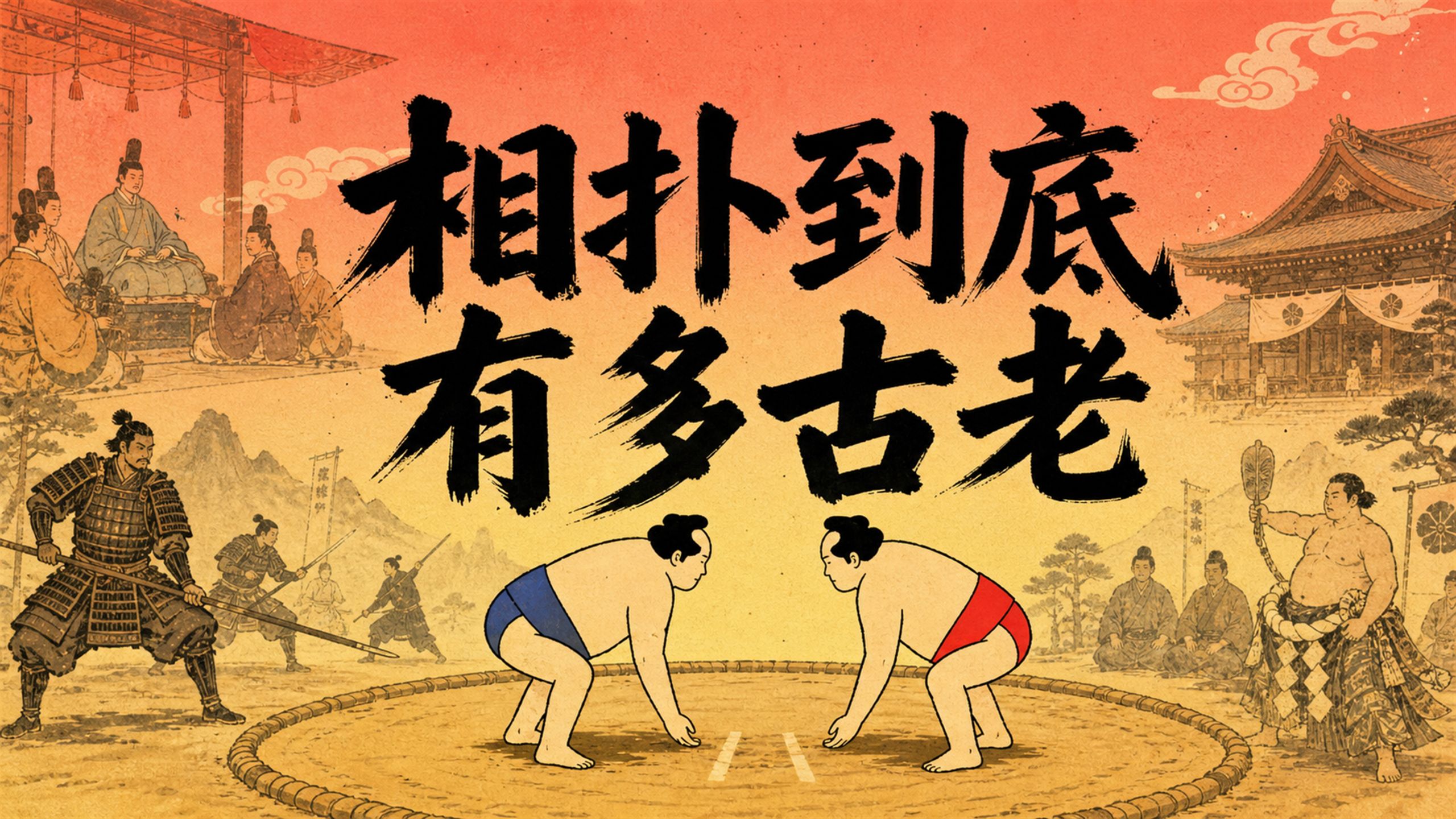
字幕摘录
| 时间 | 英文 | 中文 |
|---|---|---|
| 0:01 | In 1772, amateur sumo wrestlers in present-day Niigata | 1772年,业余的苏莫摔跤手 在现今的尼加塔 |
| 0:06 | were performing to raise money for a local temple, | 为了在当地的寺庙筹款 |
| 0:09 | when a pair of sumo pros crashed their event. | 当一对sumo pros 撞倒他们的事件。 |
| 0:13 | These wrestlers from the Tokyo Sumo Guild | 东京秀友会的摔跤手 |
| 0:16 | claimed that only their guild | 声称只有他们的盾 |
| 0:18 | had the right to charge audiences admission. | 有权收取观众入学费 |
| 0:21 | But when the pros tried making off with ticket money, | 但当职业选手想用票钱挣钱时 |
| 0:24 | one was killed and the other barely escaped alive. | 一个被杀,另一个活下来了 |
| 0:29 | Back in Tokyo, the guild took their case to a magistrate. | 回到东京,荷兰盾把他们的案件交给地方法官处理. |
| 0:33 | They argued that because they were the only guild | 因为他们是唯一的德国盾 |
展开字幕全文(91 条)
| 序号 | 英文 | 中文 |
|---|---|---|
| 1 | In 1772, amateur sumo wrestlers in present-day Niigata | 1772年,业余的苏莫摔跤手 在现今的尼加塔 |
| 2 | were performing to raise money for a local temple, | 为了在当地的寺庙筹款 |
| 3 | when a pair of sumo pros crashed their event. | 当一对sumo pros 撞倒他们的事件。 |
| 4 | These wrestlers from the Tokyo Sumo Guild | 东京秀友会的摔跤手 |
| 5 | claimed that only their guild | 声称只有他们的盾 |
| 6 | had the right to charge audiences admission. | 有权收取观众入学费 |
| 7 | But when the pros tried making off with ticket money, | 但当职业选手想用票钱挣钱时 |
| 8 | one was killed and the other barely escaped alive. | 一个被杀,另一个活下来了 |
| 9 | Back in Tokyo, the guild took their case to a magistrate. | 回到东京,荷兰盾把他们的案件交给地方法官处理. |
| 10 | They argued that because they were the only guild | 因为他们是唯一的德国盾 |
| 11 | that adhered to sumo's most ancient practices, | 坚持苏莫最古老的做法, |
| 12 | no other performers in the country were legitimate. | 国内没有任何其他表演者是合法的。 |
| 13 | The magistrate accepted this claim. | 地方法官接受了这一主张。 |
| 14 | But surprisingly, these so-called ancient practices | 但令人惊讶的是,这些所谓的古老习俗 |
| 15 | were actually recent inventions. | 是最近发明的 |
| 16 | So, what were these fabricated traditions, | 那么,这些捏造的传统是什么? |
| 17 | and how do they relate to sumo's true history? | 和它们如何联系 苏莫的真实历史? |
| 18 | Our earliest reliable records of sumo come from the 8th century, | 我们最早可靠的苏莫记录来自于8世纪 |
| 19 | when performances were held as entertainment | 当表演作为娱乐时 |
| 20 | for annual court banquets. | 每年的法院宴会。 |
| 21 | During these events, wrestlers were summoned from across Japan | 在这些赛事中,来自日本各地的摔跤手被传唤 |
| 22 | as a demonstration of the emperor's influence. | 以示帝王影响. |
| 23 | Initially, these wrestlers would punch, scratch, and grab their opponents, | 起初,这些摔跤手会拳打脚踢,抓抓对手, |
| 24 | claiming victory by forcing their hands or knees to the ground. | 要求通过强迫他们的手或膝盖到地上来取得胜利。 |
| 25 | But eventually, matches began focusing on grappling and tripping techniques. | 但最终,火柴开始专注于抓手和绊脚技术. |
| 26 | Over time, power shifted from the emperor and his court | 随时间推移,权力从皇帝及其宫廷转移 |
| 27 | to their hired soldiers, the samurai, | 他们的士兵,武士, |
| 28 | and official court sumo ended in 1174. | 和正式的法院sumo结束于1174年。 |
| 29 | However, samurai leaders still had soldiers perform | 不过,武士的领袖们 仍然有士兵表演 |
| 30 | less formal sumo bouts for exercise and entertainment. | 不太正式的sumo bouts用于锻炼和娱乐. |
| 31 | Throughout imperial and samurai rule, | 在帝国和武士统治期间 |
| 32 | sumo was performed across Japan for sport, spectacle, and martial training. | 在日本各地进行运动、表演和武术训练。 |
| 33 | But in the 1400s, it took on a new function— | 但是在1400年代,它有了一个新的功能... |
| 34 | fundraising. | 筹资。 |
| 35 | Shrines and temples began hosting performances | 圣殿和寺庙开始举办演出 |
| 36 | to raise money for construction and repairs. | 为建造和修理筹集资金。 |
| 37 | And since skilled performers brought in more customers, | 由于熟练的表演者带来了更多的顾客, |
| 38 | event promoters were eager to enlist the best wrestlers. | 活动促进者热衷于争取最好的摔跤手。 |
| 39 | This led performers to create the first sumo guilds, | 这导致表演者 创建了第一个苏莫盾, |
| 40 | ensuring steady employment and improving their working conditions. | 确保稳定的就业并改善他们的工作条件。 |
| 41 | Once wrestlers could reliably make money through sumo, | 一旦摔跤手能够可靠地通过Sumo赚钱, |
| 42 | they became eager to perform for as many paying customers as possible. | 他们渴望为尽可能多的付费客户表演。 |
| 43 | Enterprising young men put on rowdy street corner sumo performances, | 英俊的年轻人在街角表演 |
| 44 | hoping to attract the donations of passers-by. | 希望吸引路人的捐助 |
| 45 | Lacking the organization of formal performances, | 缺乏正式演出的组织, |
| 46 | these bouts often resulted in fights and injuries | 这些枪弹经常导致战斗和受伤 |
| 47 | among both participants and spectators. | 在与会者和观众中。 |
| 48 | So it didn't take long for samurai authorities to crack down, | 武士当局没多久就崩溃了 |
| 49 | periodically banning all forms of sumo in larger cities. | 定期禁止大城市一切形式的苏莫。 |
| 50 | Wrestlers and organizers knew they needed to make changes | 摔跤手和组织者知道他们需要改变 |
| 51 | to overcome these bans. | 克服这些禁令。 |
| 52 | First, they established a boundary to separate spectators from participants. | 首先,他们确定了将观众与参与者分开的界限。 |
| 53 | This boundary took many forms, | 这个边界有多种形式 |
| 54 | but over the 17th century it morphed into a standard ring called the dohyo. | 但是在17世纪 它变成了一个标准环 叫做斗牛场 |
| 55 | This ring outlined the field of play, | 这枚戒指概括了游戏领域, |
| 56 | introducing a pivotal new rule. | 引入一条关键的新规则。 |
| 57 | Now matches could also be won | 现在火柴也可以赢 |
| 58 | by pushing one's opponent out of the dohyo. | 将对手推出斗牛场 |
| 59 | This innovation increased the advantage of heavier wrestlers, | 这种创新增加了更重的摔跤手的优势, |
| 60 | whose weight already helped them topple their opponents. | 他们的体重已经帮助了他们的对手。 |
| 61 | But sumo's journey to become a respectable sport | 但苏莫的旅程 成为一个值得尊敬的运动 |
| 62 | really took off when promoters began introducing rituals | 真正的起飞 当推广者开始引入仪式 |
| 63 | to associate sumo with Japan's ancient past. | 与日本的古老历史有关 |
| 64 | Wrestlers threw salt in the ring | 摔跤手把盐扔进戒指里 |
| 65 | and rinsed their mouths with water before matches, | 在火柴之前,我用水洗他们的口, |
| 66 | actions that evoked ancient religious ceremonies. | 引起古代宗教仪式的行动。 |
| 67 | These invented traditions imbued the sport with cultural legitimacy, | 这些发明的传统为体育注入了文化合法性, |
| 68 | convincing authorities that sumo was above board. | 让当局相信苏莫凌驾于董事会之上 |
| 69 | One notable ritual emerged in 1789, | 1789年出现了一个值得注意的仪式, |
| 70 | when the Tokyo Guild began having their top-ranked wrestlers | 当东京公会开始 有他们的顶级摔跤手 |
| 71 | perform a ring-entering ceremony | 执行环入仪式 |
| 72 | 穿着圣绳叫做Yokozuna | |
| 73 | This innovation became so popular, | 这一创新变得如此流行, |
| 74 | the shogun himself summoned the troop for a performance, | 猎枪本人召见了部队进行表演, |
| 75 | giving legitimacy not just to the Tokyo Guild, | 不仅赋予东京公会合法性, |
| 76 | but specifically to their invented traditions. | 但他们发明的传统。 |
| 77 | After the shogunate was overthrown in 1868, | 1868年檀香山被推翻后, |
| 78 | sumo was seen as a dated relic, | 苏莫被视为古代遗物 |
| 79 | and briefly fell out of fashion. | 并短暂地脱离了时尚。 |
| 80 | But the sport gradually remade itself for the modern era, | 但体育逐渐为现代重新打造 |
| 81 | and today Japan holds six 15-day tournaments every year, | 今天日本每年举办六场15天的比赛 |
| 82 | all of which are broadcast worldwide. | 全世界都在广播 |
| 83 | New technology has brought advantages like instant replays, | 新技术带来了像即时重播这样的优势, |
| 84 | while other innovations were introduced to evoke the ancient past. | 而其他创新被引入 以唤起古老的过去。 |
| 85 | And over the last century, | 在上个世纪 |
| 86 | the average body weight in the upper division | 上部平均体重 |
| 87 | has increased by over 60 kilograms. | 增加了60多公斤。 |
| 88 | But throughout its changes, | 但随着它的改变 |
| 89 | sumo has sustained its status as a beloved form of entertainment, | 苏莫保持了它作为喜爱的娱乐形式的地位, |
| 90 | a grand display of strength and an ode to national traditions, | 大力展示力量和民族传统, |
| 91 | both real and invented. | 既真实又发明. |
该视频共有字幕 91 条。解锁更多字幕为会员功能,请移动到 价格