为什么我们总想摸小动物?
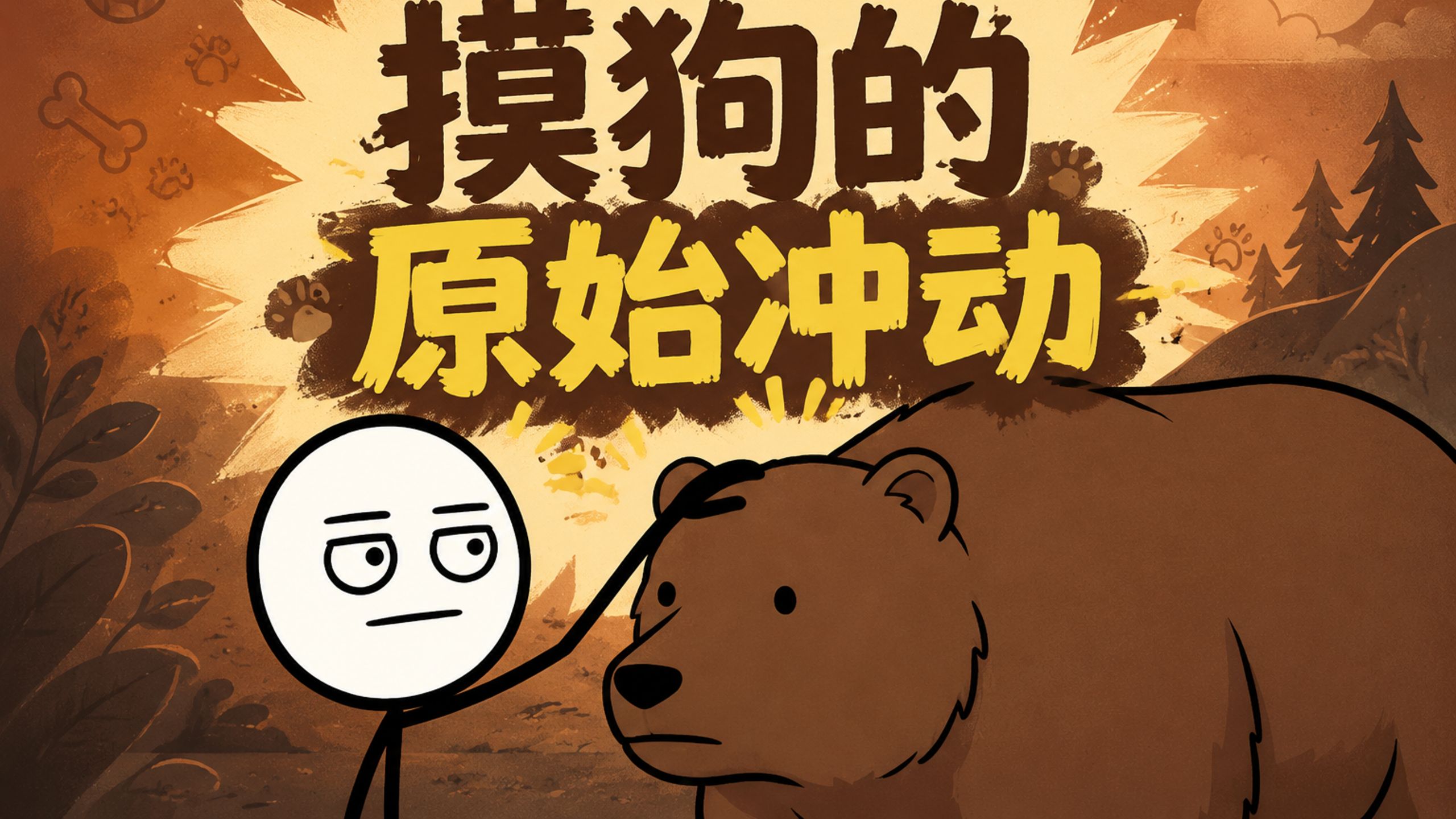
字幕摘录
| 时间 | 英文 | 中文 |
|---|---|---|
| 0:00 | You see a dog across the street. | 你看见对面的狗了 |
| 0:01 | You don't know this dog. | 你不认识这只狗 |
| 0:02 | You have never met this dog. | 你从来没有见过这只狗。 |
| 0:03 | You have no prior relationship with this dog. | 你和这只狗没有前科 |
| 0:06 | No shared history. | 没有共同的历史。 |
| 0:07 | No mutual friends. | 没有朋友 |
| 0:08 | And yet, somewhere deep in your body, a primal force awakens. | 然而,在你身体深处, 原始力量唤醒。 |
| 0:12 | Your hand rises. | 手竖起. |
| 0:13 | Your fingers curl. | 你的手指卷起来。 |
| 0:14 | Your brain sends one single command. | 你的大脑发出一个指令 |
展开字幕全文(414 条)
| 序号 | 英文 | 中文 |
|---|---|---|
| 1 | You see a dog across the street. | 你看见对面的狗了 |
| 2 | You don't know this dog. | 你不认识这只狗 |
| 3 | You have never met this dog. | 你从来没有见过这只狗。 |
| 4 | You have no prior relationship with this dog. | 你和这只狗没有前科 |
| 5 | No shared history. | 没有共同的历史。 |
| 6 | No mutual friends. | 没有朋友 |
| 7 | And yet, somewhere deep in your body, a primal force awakens. | 然而,在你身体深处, 原始力量唤醒。 |
| 8 | Your hand rises. | 手竖起. |
| 9 | Your fingers curl. | 你的手指卷起来。 |
| 10 | Your brain sends one single command. | 你的大脑发出一个指令 |
| 11 | Touch the dog. | 抚狗曰. |
| 12 | And before you've even processed what's | 在你处理之前 |
| 13 | happening, you're crouched on the pavement making a sound you would never make in a professional | 你蹲在人行道上 发出你从来不会发出的声音 |
| 14 | setting, whispering, hi baby, to a stranger's golden retriever like it's the most natural thing | 设置,低声,嗨,宝贝, 对一个陌生人的金色的检索器 像这是最自然的事情 |
| 15 | in the world. | 在这个世界。 |
| 16 | And the wild part, it is. | 而野性的部分,这是。 |
| 17 | Because this isn't just you. | 因为这不只是你 |
| 18 | This isn't just a dog person | 这不只是狗 |
| 19 | thing, or a cat person thing, or a I grew up on a farm thing. | 或者我从小在农场长大 |
| 20 | This is a cross-cultural, | 这是一个跨文化, |
| 21 | deeply neurological, almost embarrassingly universal human behavior. | 神经性很强,几乎是令人尴尬的普遍人类行为. |
| 22 | We pet dogs. | 我们宠物狗。 |
| 23 | We pet cats. | 我们宠猫 |
| 24 | We pet bunnies. | 我们宠物兔子。 |
| 25 | Horses. | 马. |
| 26 | Capybaras. | 队长 |
| 27 | The occasional very confused lizard. | 偶尔的很困惑的蜥蜴。 |
| 28 | We reach out to touch fluffy | 我们伸手去摸毛毛 |
| 29 | coats, soft ears, warm fur. | 外套,软耳朵,温暖的皮毛。 |
| 30 | We see a small creature and our hands just go. | 我们看见一个小生物 手就走 |
| 31 | Nobody asks them to. | 没有人要求他们这样做。 |
| 32 | They just go. | 他们只是走了。 |
| 33 | And nobody has ever really sat down and properly explained why. | 没有人真正坐下来解释原因。 |
| 34 | Until now. | 直到现在。 |
| 35 | Let's start with the obvious question. | 先明问. |
| 36 | Is it just that animals are cute? | 只是动物很可爱吗? |
| 37 | Because that feels like the | 因为这感觉就像 |
| 38 | simple answer, right? | 简单的回答,对不对? |
| 39 | You see something cute, you want to touch it. | 你看到可爱的东西,你想摸它。 |
| 40 | Case closed, everybody go home. | 结案了,大家回家去 |
| 41 | But here's where it gets interesting. | 但这里变得很有趣。 |
| 42 | The cute instinct is way more complicated than it looks on | 可爱的本能比看起来复杂得多 |
| 43 | {\fn华文楷体\fs16\1cHE0E0E0}地面 | |
| 44 | When you see a creature with big round eyes, a small nose, chubby cheeks, and a | 当你看到一个有大圆眼的生物 一个小鼻子 胖胖的脸颊 |
| 45 | large forehead relative to the rest of its face, your brain doesn't just produce a vague, pleasant | 相对于其他面孔,你的大脑 不只是产生一个模糊的,愉快的 |
| 46 | feeling. | 感觉 |
| 47 | Your brain enters a very specific neurological state that researchers have been | 你的大脑进入了一个非常特殊的神经状态 研究者已经 |
| 48 | studying seriously for decades. | 认真学习几十年. |
| 49 | The original theory came from an Austrian ethologist named | 最初的理论来自一个奥地利的伦理学家 |
| 50 | Konrad Lorenz back in 1943. | 1943年康拉德·洛伦茨回国. |
| 51 | He called it Kinschen Schema, which is German for baby schema. | 他称之为金申·舍马(德语:Kinschen Schema),这是德国的婴儿计划. |
| 52 | His idea | 他的点子 |
| 53 | was that certain physical features trigger caregiving instincts in adult humans. | 某些身体特征 触发了成年人的护理本能。 |
| 54 | Round face, | 圆面 |
| 55 | big eyes, small chin, soft features, wobbly, uncoordinated movements. | 大眼睛,小下巴,柔软的特征,摇摆,不协调的运动. |
| 56 | All of these things | 所有这些东西 |
| 57 | evolved in human infants specifically to hijack adult brains and make those adults want to protect | 进化成人类的婴儿 专门劫持成年的大脑 让这些成年人想要保护 |
| 58 | and nurture the infant. | 并养育婴儿。 |
| 59 | Evolution is not subtle. | 进化不是微妙的。 |
| 60 | It basically built a visual exploit directly into | 基本上,它建立了一个视觉开发 直接进入 |
| 61 | your neurological operating system and called it a baby. | 你的神经系统 并称它为婴儿。 |
| 62 | And Lorenz's observation, which was | 而洛伦兹的观察,这是 |
| 63 | genuinely ahead of its time, was that these same features, when found in other species, | 真正的前期,是这些相同的特征, 当发现在其他物种, |
| 64 | trigger the exact same response. | 触发完全相同的反应。 |
| 65 | Your brain does not care that the thing in front of you is not | 你的大脑不在乎你面前的东西不是 |
| 66 | your offspring. | 你的子孙 |
| 67 | It does not perform a species check. | 它不进行物种检查。 |
| 68 | It sees big round eyes and a small face, | 它看见大圆眼和小脸 |
| 69 | and it fires the caregiving circuitry. | 并释放出护理电路。 |
| 70 | And suddenly you are experiencing a protective | 突然间你又在经历保护 |
| 71 | maternal or paternal instinct toward an animal you met 11 seconds ago in a parking lot. | 父母对动物的本能 11秒前在停车场遇到的 |
| 72 | What's remarkable is that Lorenz proposed all of this in the 1940s with basically no brain | 值得注意的是,洛伦兹在20世纪40年代 提出所有这些 基本上没有大脑 |
| 73 | imaging technology. | 成像技术. |
| 74 | He was just watching people react to things and taking notes. | 他只是在观察人们对事情的反应和记录。 |
| 75 | And then decades later, when we actually put people inside fMRI machines and showed them | 几十年后,当我们把人 放在FMRI的机器里 给他们看 |
| 76 | photographs of cute baby animals, he turned out to be essentially correct. | 可爱的婴儿动物的照片, 他证明基本上是正确的。 |
| 77 | The brain lights up | 大脑的灯光 |
| 78 | in specific identifiable regions. | 在具体可识别的区域。 |
| 79 | The orbitofrontal cortex, areas linked to reward processing, | 轨道边缘皮层, 与奖励加工有关的区域, |
| 80 | structures associated with emotional salience and motivation. | 与情感和动机相关的结构。 |
| 81 | Looking at a cute animal is not a | 看着可爱的动物不是 |
| 82 | passive experience. | 被动体验。 |
| 83 | It is a neurological event. | 这是一个神经事件。 |
| 84 | Your brain is actively, measurably doing something. | 你的大脑很活跃, 做一些事情。 |
| 85 | It is responding to what it sees the way it responds to things that genuinely matter. | 它正在回应它所看到的对真正重要的事物的反应。 |
| 86 | Things that are emotionally significant, things worth paying attention to, | 感情上很重要的事 值得注意的事 |
| 87 | things worth caring about. | 值得关心的事 |
| 88 | And crucially, all of this is happening before you've even touched | 最重要的是,这一切发生在你还没碰过之前 |
| 89 | anything. | 任何东西。 |
| 90 | Because touching is a completely different layer on top of all of this. | 因为触摸是一个完全不同的层 在所有这些之上。 |
| 91 | And this is where things get really good. | 这就是事情变得非常好的地方。 |
| 92 | Here's something that doesn't get talked about enough. | 有件事没谈够 |
| 93 | The human sense of touch is absurdly sophisticated. | 人类的触摸感是荒谬而复杂的. |
| 94 | We tend to think of touch as one sense, | 我们往往认为触摸是一种感觉, |
| 95 | but it's actually a collection of different sensory systems running simultaneously. | 但它实际上是一组 不同的感官系统同步运行。 |
| 96 | Your skin is covered in many different types of mechanoreceptors. | 你的皮肤被许多种类的机械受体覆盖. |
| 97 | Specialized sensory cells | 专用感官细胞 |
| 98 | that respond to different kinds of physical contact. | 和不同的身体接触 |
| 99 | Some respond to pressure, some to | 有的响应压力,有的响应压力 |
| 100 | vibration, some to texture changes, some to temperature shifts. | 振动,有些变质,有些变温. |
| 101 | And there is one specific | 还有一个具体的 |
| 102 | type discovered and studied in more depth relatively recently in the context of emotional | 最近在情感方面较深入地发现和研究类型 |
| 103 | 和社交接触, 被称为c -tactile aferents。 | |
| 104 | These are nerve fibers that are specifically | 这些神经纤维是特别的 |
| 105 | almost perfectly tuned to a particular kind of gentle, stroking touch. | 几乎完全适应了一种特别的 温柔的,舒缓的触摸。 |
| 106 | Not firm pressure, | 没有坚定的压力, |
| 107 | not sharp pain, not fast movement. | 没有尖锐的疼痛, 没有快速的运动。 |
| 108 | Slow, gentle, soft stroking. | 慢,温柔,柔软的挤压。 |
| 109 | At a speed of approximately one | 速度约一个 |
| 110 | to ten centimeters per second. | 至每秒10厘米。 |
| 111 | And when these fibers are activated, they send signals not just | 当这些纤维被激活时,它们不仅发出信号 |
| 112 | to the somatosensory cortex, the part of your brain that processes where and how you're being | 你大脑中 处理你在哪里和如何生活的部分 |
| 113 | touched, but to areas associated with emotion, social bonding, and reward. | 触摸,但与情感, 社交纽带,和奖励相关的领域。 |
| 114 | These fibers essentially | 这些纤维基本上 |
| 115 | exist for the purpose of making gentle touch feel emotionally meaningful. | 存在是为了让温柔的触觉在情感上有意义 |
| 116 | Not just physically | 不仅仅是身体上的 |
| 117 | registered, but meaningful. | 注册,但有意义的。 |
| 118 | And here's the part that connects everything. | 这是连接一切的部分。 |
| 119 | Running your hands slowly | 慢慢跑动你的手 |
| 120 | 柔软的皮毛几乎完美地激活了c -tactile afferents. | |
| 121 | The texture, the warmth, | 纹理,温暖, |
| 122 | the gentle resistance, the consistent pressure. | 温柔的抵抗 持续的压力 |
| 123 | It is as if fur was designed to interface with | 这就像皮毛的设计 与接口 |
| 124 | this specific sensory system. | 这个特殊的感官系统。 |
| 125 | Pet a dog, and you are literally triggering a neurological pathway | 咬狗,你会触发神经系统 |
| 126 | that evolved for social bonding, and is now firing because of a Labrador. | 并且因为拉布拉多枪炮而开火 |
| 127 | This is not a metaphor. | 这不是一个比喻。 |
| 128 | This is chemistry. | 这是化学。 |
| 129 | Specifically, oxytocin. | 特别是催产素 |
| 130 | Oxytocin, sometimes called the love hormone. | 氧气素,有时也称爱荷尔蒙. |
| 131 | Though neuroscientists are genuinely a little tired of that reductive label because it does | 虽然神经科学家们真的有点厌倦了这个还原性标签,因为它确实 |
| 132 | considerably more work than that, oxytocin is released during positive physical touch. | 远比这工作, 催产素释放 在正物理接触。 |
| 133 | It's released when you hug someone you care about. | 当你拥抱你关心的人时,它就会被释放. |
| 134 | When you hold a baby. | 抱婴儿时. |
| 135 | When you engage in | 当你参与 |
| 136 | physical affection of basically any kind. | 身体上的爱 基本上任何一种。 |
| 137 | And multiple well-designed studies have shown that | 许多精心设计的研究表明 |
| 138 | just a few minutes of interacting with a dog, petting it, making eye contact, just being physically | 只是几分钟 与狗互动, 宠它, 使眼睛接触, 只是身体上 |
| 139 | close, significantly elevates oxytocin levels in humans. | 接近,显著提升了人类的催产素水平. |
| 140 | We're talking measurable spikes in blood | 血流成河 |
| 141 | concentration of a bonding hormone from a few minutes of dog contact. | 血栓激素的浓度 从几分钟的狗接触。 |
| 142 | And here's the part that | 而这里的部分 |
| 143 | feels almost unfair in how wholesome it is. | 感觉很不公平 |
| 144 | The oxytocin spikes in the dog too. | 狗身上还有催产素 |
| 145 | Simultaneously. | 同时。 |
| 146 | You are locking eyes with a dog, petting it, and you are both, you and the dog, experiencing the same | 你用狗锁着眼睛 宠它 你和狗都一样 |
| 147 | neurochemical response that bonds parents to children, that bonds partners to each other, | 神经化学反应 父母与孩子, 伴侣之间的联系, |
| 148 | that underlies some of the deepest social connections human beings form. | 这是人类最深层次的社会联系的基础。 |
| 149 | You walked up to | 你走起来 |
| 150 | a stranger's dog on the street and you accidentally fell a little bit in love with it. | 一个陌生人的狗在街上 而你不小心爱上了它 |
| 151 | And so did the | 也一样 |
| 152 | dog. | 狗养的 |
| 153 | And that is not sentimentality. | 这不是多愁善感 |
| 154 | That is biology working exactly as it's supposed to. | 这就是生物学的原理 |
| 155 | But let's take a step back because there's another angle here that most people never consider. | 但是我们退一步吧 因为这里还有一个 大多数人从未考虑过的角度 |
| 156 | Why soft things specifically? | 为什么是软的东西呢? |
| 157 | Why is fur the thing that does this to us and not, say, gravel? | 为什么皮毛是事情 这样做给我们,而不是,说,砂砾? |
| 158 | Why do we not feel an irresistible urge to pet a brick wall? | 为什么我们没有感到不可抗拒的欲望去宠物砖墙? |
| 159 | Why does texture matter so much? | 为什么纹理这么重要? |
| 160 | Part of the answer lies in tactile memory and early association. | 部分答案在于触觉记忆和早期关联. |
| 161 | Humans, as infants, spend an | 人类作为婴儿 |
| 162 | enormous portion of their early existence in close contact with warm, soft things. | 它们早期大量存在 与温暖柔软的东西密切接触 |
| 163 | Skin. | 皮肤 |
| 164 | Fabric. | 法布罗. |
| 165 | Blankets. | 白兰地。 |
| 166 | Other bodies. | 其他机构。 |
| 167 | The association between softness and safety is established extremely | 软性与安全之间的联系是极其确定的 |
| 168 | early in development, before language, before conscious memory. | 早期发展,语言前,意识记忆前. |
| 169 | It gets coded into your nervous | 它被编码成你的神经 |
| 170 | system as a baseline. | 作为基线的系统。 |
| 171 | Soft things equal safety. | 软的东西一样安全。 |
| 172 | Soft things equal closeness. | 柔软的东西等于接近。 |
| 173 | Soft things equal | 柔软的东西相等 |
| 174 | comfort. | 舒缓。 |
| 175 | And this association persists throughout your entire life in ways that your conscious mind | 这种联系在你的一生中 以你有意识的思维方式存在 |
| 176 | rarely notices. | 很少发现。 |
| 177 | There's also the temperature element, which is underrated. | 还有温度元素,被低估. |
| 178 | Fur is warm. | 富尔是温暖的。 |
| 179 | And | 还有 |
| 180 | warm things communicate, at a very deep neurological level, that something is alive. | 温暖的事物在很深的神经层次上 传递着生命 |
| 181 | When you place | 当你到达 |
| 182 | your hand on something warm and slightly yielding, there is an almost immediate reduction in | 你的手在温暖和稍有收获的东西上, 几乎立即减少 |
| 183 | measurable physiological stress markers. | 可测量的生理压力标记。 |
| 184 | Heart rate slows slightly. | 心率稍缓. |
| 185 | Skin conductance drops. | 皮肤导流下降. |
| 186 | Cortisol levels begin to decrease. | 科尔蒂索尔水平开始下降. |
| 187 | Your autonomic nervous system is recognizing the warmth as the | 你的自体神经系统 正在认识到温暖是 |
| 188 | presence of another living body, and it is responding by downregulating your threat response. | 它正在通过降低对威胁的反应 来回应 |
| 189 | You are, | 琌 |
| 190 | physiologically, relaxing. | 从生理上来说,放松。 |
| 191 | Not because you decided to relax, because your body recognized warmth and | 不是因为你决定放松 因为你的身体认识到温暖 |
| 192 | went, okay, something alive is here. | 走了,好吧,活着的东西在这里。 |
| 193 | We're safe. | 我们安全了。 |
| 194 | And then, and this one is important, there's the | 然后,这个很重要,这就是 |
| 195 | sound. | 声音。 |
| 196 | Because this is not just about touching. | 因为这不仅仅是触摸。 |
| 197 | There's what you hear while you're doing it. | 作么生时有闻. |
| 198 | Cat purring has been studied extensively in biology and increasingly in therapeutic contexts, | 在生物学中广泛研究了猫尿,在治疗中也越来越多地研究。 |
| 199 | partly because the more you look at it, the stranger, and more interesting it gets. | 部分是因为你越看越多, 陌生人,和它更有趣。 |
| 200 | The sound is produced by the rapid movement of the laryngeal muscles. | 声音由喉肌的快速运动产生. |
| 201 | The cat's larynx vibrates | 猫的喉咙震动 |
| 202 | dozens of times per second as the cat breathes both in and out, producing that continuous rumbling | 每秒有几十次的猫 呼吸进出,产生持续隆起 |
| 203 | sound. | 声音。 |
| 204 | The frequency of a typical domestic cat purr falls between 25 and 150 Hz, with the most | 典型家猫的频率在25到150赫兹之间下降,其中 |
| 205 | common range sitting between 25 and 50 Hz. | 普通范围坐落在25至50赫兹之间。 |
| 206 | And here's where it gets genuinely strange. | 这是真正奇怪的地方 |
| 207 | Frequencies | 节点 |
| 208 | in that specific range have been documented in clinical contexts to promote healing in bone | 在临床中记录了这一特定范围,以促进骨骼愈合 |
| 209 | tissue, to reduce inflammation, and to accelerate recovery in soft tissue injuries. | 组织,减少炎症,在软组织损伤中加快恢复. |
| 210 | There are | 还有 |
| 211 | physical therapy protocols being developed that use mechanical vibration at these exact frequencies | 正在拟订物理疗法协议,使用这些精确频率的机械振动 |
| 212 | to help patients heal faster from fractures and muscle damage. | 帮助患者更快地从骨折和肌肉损伤中痊愈. |
| 213 | So when a cat is purring on your | 所以当一只猫在你身上撒尿时 |
| 214 | chest, you are not just hearing a sound. | 胸部,你不只是听到一个声音。 |
| 215 | You are being gently vibrated at a frequency that may | 你被轻轻地震动的频率 可能 |
| 216 | promote biological healing in your body. | 在身体里促进生物治疗 |
| 217 | Cats walk around being accidentally therapeutic. | 猫们走来走去 是意外治疗。 |
| 218 | They are sitting on your laptop and ignoring you and judging the structural integrity of | 他们坐在你的笔记本上 无视你 判断结构完整性 |
| 219 | your bookshelves while their body is passively emitting frequencies that might be good for | 你的书架,而他们的身体 被动的释放频率 可能有益于 |
| 220 | your bones. | 你的骨头。 |
| 221 | They are doing literally nothing for their own reasons and accidentally providing | 他们只是出于自身的原因 毫无作为 无意中提供 |
| 222 | physical therapy. | 物理治疗。 |
| 223 | And we still find them irresistible. | 我们仍然发现他们无法抗拒。 |
| 224 | We should. | 我们应该。 |
| 225 | They are remarkable. | 他们是了不起的。 |
| 226 | Now let's address the compulsive part of all this, because I think this is genuinely the most | 现在,让我们谈谈所有这一切的强制部分, 因为我认为这是真正的最 |
| 227 | interesting aspect. | 有趣的方面。 |
| 228 | It's not just that petting animals feels good. | 不只是宠物感觉很好 |
| 229 | Lots of things feel good and | 很多事情感觉很好 |
| 230 | we manage to restrain ourselves around them in public. | 我们设法在公众场合控制自己 |
| 231 | The weird thing about animals is that the | 动物的奇怪之处在于 |
| 232 | urge feels almost impossible to override. | 冲动感觉几乎不可能推翻 |
| 233 | You know intellectually that you should ask before | 你知道,你应该先问 |
| 234 | petting the dog. | 宠养狗。 |
| 235 | You know the cat at your friend's apartment has given you two very clear warnings | 你知道你朋友公寓的猫 给了你两个非常明确的警告 |
| 236 | already. | 已经。 |
| 237 | You do it anyway. | 随便你 |
| 238 | What exactly is happening there? | 到底发生了什么? |
| 239 | Part of it is approach motivation. | 一部分是接近动机。 |
| 240 | When your brain identifies something as potentially rewarding, and cute, soft, warm animals are firing | 当你的大脑发现一些 具有潜在价值的东西, 可爱,柔软,温暖的动物正在燃烧 |
| 241 | essentially every reward signal your brain is equipped to generate, it creates a motivational | 基本上每个奖赏信号 你的大脑有 生成,它创造了动力 |
| 242 | pull toward that thing that precedes conscious decision making. | 向有意识的决策前的事物前进 |
| 243 | You're not thinking, I want to | 你没在想,我想 |
| 244 | pet that dog. | 宠养那只狗。 |
| 245 | The motivational circuitry has already moved your hand. | 动机电路已经移动了你的手。 |
| 246 | The conscious decision | 意识决定 |
| 247 | making layer is catching up to something your body already started doing. | 制造层正在赶上 你的身体已经开始做的事情。 |
| 248 | The same basic reward | 同样的基本奖励 |
| 249 | approach circuitry that moves you toward food when you're hungry or toward someone you find | 接近电路 移动你的食物 当你饿了 或者你找到某人 |
| 250 | attractive is generating the impulse to close the distance and initiate contact with the animal. | 吸引人 产生冲动 关闭距离 并开始接触动物。 |
| 251 | You are, in the most literal sense, drawn to it. | 从字面上讲,你是被吸引的。 |
| 252 | Then there's something researchers have started | 然后有研究者开始了 |
| 253 | calling cute aggression, which sounds alarming and is actually fascinating. | 说可爱的侵略, 这听起来令人震惊, 实际上是迷人的。 |
| 254 | It's the experience of | 这是经验 |
| 255 | seeing something so overwhelmingly, almost unreasonably cute, that you feel a strange, | 看到的东西如此压倒一切, 几乎不合理地可爱, 你感到一个奇怪的, |
| 256 | intense, almost aggressive urge in response, wanting to squeeze it, saying things like, | 强烈的,几乎是侵略性的冲动 作为反应, 想挤它,说的东西, |
| 257 | I could eat you up, making little mock threatening gestures toward adorable things, you obviously | 我可以把你吃光 嘲笑你对可爱事物的威胁 |
| 258 | have zero intention of actually harming. | 没有任何伤害的意图。 |
| 259 | If you've ever looked at a puppy and felt the | 如果你曾经看到一只小狗,感觉 |
| 260 | inexplicable urge to aggressively scrunch its face, this is you experiencing cute aggression. | 令人费解的冲动 猛烈地打它的脸, 这是你经历可爱的侵略。 |
| 261 | Researchers at Yale studied this phenomenon seriously, and found that it is not random. | 耶鲁的研究人员认真研究了这一现象,发现这种现象并非随机的. |
| 262 | It appears to be a regulatory response generated by the brain. | 它似乎是一种由大脑产生的调控反应. |
| 263 | When something produces an | 当某物产生 |
| 264 | overwhelming level of positive emotion, more than the system is easily handling, the brain | 绝对的正面情感, 超过系统 容易处理,大脑 |
| 265 | generates a countervailing negative impulse as a homeostatic mechanism, a way of balancing out. | 产生反补贴的负冲动作为顺势态机制,一种平衡的方式. |
| 266 | The sudden, I want to squeeze this creature into another dimension. | 突然间,我想把这个生物挤进另一个维度. |
| 267 | Instinct is your nervous system | 直觉是你的神经系统 |
| 268 | literally trying to cope with the volume of positive response it's receiving. | 从字面上来说,试图应付 它收到的积极反应的数量。 |
| 269 | Your brain | 你的大脑 |
| 270 | is overwhelmed by how cute something is, and it is not handling it gracefully, which means the | 被可爱的事物所淹没, 它不是处理它优雅, 这意味着 |
| 271 | slightly unhinged things you want to do to kittens are a sign that your brain is working correctly. | 你想对小猫做一些小事 表明你的大脑正常工作 |
| 272 | You're welcome. | 不用谢 |
| 273 | Now here is a question that is worth sitting with. | 现在有一个值得考虑的问题。 |
| 274 | Is any of this unique to humans? | 这是人类独有的吗? |
| 275 | Are we the only species that experiences this pull toward other species? | 我们是唯一一个 经历这种拉向其他物种的物种吗? |
| 276 | The answer, interestingly, | 答案,有趣的是, |
| 277 | is kind of no. | 有点没有。 |
| 278 | There are documented observations of primates in wild settings approaching animals | 有记录显示,在野生环境中灵长类动物接近动物 |
| 279 | other species and interacting with them in ways that have no obvious survival function. | 其他物种 以没有明显生存功能的方式与它们相互作用 |
| 280 | Carefully handling small animals, engaging in what appears to be play, exhibiting what researchers | 仔细处理小动物, 参与看似游戏, 展示什么研究人员 |
| 281 | describe with appropriate scientific caution as apparent curiosity and gentleness. | 以适当的科学谨慎态度描述为明显的好奇心和温柔。 |
| 282 | Capuchin | 卡普钦 |
| 283 | monkeys have been filmed doing this. | 猴子被拍下来了 |
| 284 | Bonobos have been observed in contexts that look remarkably | 在外观显著的情况下观察到了野猪 |
| 285 | like cross-species socializing. | 像跨物种社交。 |
| 286 | Great apes in captivity frequently develop tactile, | 被囚禁的巨猿经常会发作 |
| 287 | affectionate relationships with other animals they live near. | 与其他动物的亲情关系 他们生活在附近。 |
| 288 | Not just other primates, but dogs, | 不只是其他灵长类动物 还有狗 |
| 289 | cats, birds, rabbits. | 猫,鸟,兔子 |
| 290 | Coco, the gorilla who was taught American Sign Language over decades of | 可可 大猩猩 几十年来一直学美国手语 |
| 291 | research, had multiple pet cats over the course of her life. | 研究,有多个宠物猫 在她的一生。 |
| 292 | She requested them using signs. | 她要求他们使用标志。 |
| 293 | | |
| 294 | named them herself. | 他们自己命名的。 |
| 295 | She handled them with consistent gentleness. | 她一直温柔地对待他们 |
| 296 | When one of her cats died, | 当她的一只猫死了, |
| 297 | she produced signs that her researchers interpreted as expressions of grief and sadness. | 她产生了一些迹象 她的研究人员将它解释为 表达悲伤和悲伤。 |
| 298 | A gorilla. | 一个大猩猩。 |
| 299 | 悲ing. | |
| 300 | For a small domestic cat. | 为小家猫. |
| 301 | Because she had bonded with it. | 因为她和它有染 |
| 302 | Because touching | 因为感人 |
| 303 | it and being near it had meant something to her. | 靠近它对她很重要 |
| 304 | Because the relationship between a large | 因为大人物之间的关系 |
| 305 | primate and a small, warm, fuzzy creature was real. | 灵长类动物和一个温暖模糊的小生物是真实存在的. |
| 306 | And it mattered. | 则其事也. |
| 307 | Touch is not a human invention. | 触摸不是人类的发明。 |
| 308 | The drive for it is ancient, and it runs through more of the animal kingdom than we typically | 它的驱动力是古老的, 它贯穿更多的动物王国 比我们通常的 |
| 309 | acknowledge. | 承认。 |
| 310 | And if you want to understand just how ancient this really is, you have to look at | 如果你想知道这到底有多古老 你必须看看 |
| 311 | coevolution. | 共进会 |
| 312 | Because the relationship between humans and dogs specifically is not a coincidence. | 因为人类和狗之间的关系特别不是巧合. |
| 313 | It is not just that dogs happened to be around and we got used to them. | 不只是狗在附近 我们习惯了 |
| 314 | It is the product of | 这是产物 |
| 315 | an estimated 15,000 to 40,000 years, depending on which research you're reading, of genuine | 估计有15,000到40,000年 取决于你读过哪些研究 |
| 316 | mutual adaptation. | 相互适应。 |
| 317 | Humans and dogs have been living together, working together, sleeping near | 人类和狗一起生活,一起工作,睡在附近 |
| 318 | each other, and touching each other for so long that we have, measurably, biologically | 彼此之间,彼此抚摸如此之久 以至于我们,在生物上 |
| 319 | changed each other. | 彼此改变了 |
| 320 | Dogs are uniquely sensitive to human social cues in ways that their closest | 狗对人的社会暗示 有着独特的敏感度 |
| 321 | wild relatives, wolves, simply are not. | 野生的亲戚,狼,根本不是 |
| 322 | Even wolves that were raised by humans from birth. | 即使是人类从出生起就养大的狼. |
| 323 | Dogs follow human pointing gestures spontaneously. | 狗会自发地跟随人类的指针姿态 |
| 324 | Dogs track human eye gaze. | 狗跟踪人类的眼睛 |
| 325 | Dogs make eye contact | 狗会的眼睛接触 |
| 326 | with humans in a way that is functionally and neurologically distinct from how wolves make | 以在功能上和神经上 区别于狼的形成方式 |
| 327 | eye contact. | 眼睛接触。 |
| 328 | And that eye contact triggers the same oxytocin loop we talked about earlier. | 眼睛接触触发了我们之前谈到的 同样的催产素循环。 |
| 329 | But | 不过 |
| 330 | here's the detail that I find almost too good to be true. | 这里的细节我发现 几乎太好 不是真的。 |
| 331 | Dogs have developed a facial muscle, | 狗的面部肌肉发达了 |
| 332 | a specific muscle called the levator angular oculi medialis, that is either entirely absent | 一种特定的肌肉,叫做斜拉角角肌,要么完全没有 |
| 333 | or dramatically underdeveloped in wolves. | 或者在狼中严重发育不良 |
| 334 | This muscle is responsible for the inner | 这个肌肉负责内脏 |
| 335 | brow rays. | 眉毛射线. |
| 336 | The puppy eyes expression. | 小狗的眼睛表现。 |
| 337 | That look a dog gives you, where its eyebrows furrow slightly | 狗给你的表情,它眉毛微微皱 |
| 338 | and its eyes go wide, and something in your chest completely dissolves. | 眼睛会睁大 胸中的东西会完全溶解 |
| 339 | Dogs evolved an anatomical | 狗们演化了解剖学 |
| 340 | structure specifically for producing that expression. | 用于生成该表达式的结构。 |
| 341 | It is not accidental, it is the result | 这不是偶然的,而是结果 |
| 342 | of thousands of years of selection pressure favoring dogs that were better at triggering | 几千年的选择压力 喜欢狗 更能触发 |
| 343 | positive emotional responses in humans. | 人类的积极情绪反应。 |
| 344 | Dogs that were better at getting humans to touch them, | 那些更能让人类接触它们的狗 |
| 345 | feed them, keep them close. | 喂养他们,让他们接近。 |
| 346 | The puppy eyes are not cute by coincidence. | 小狗的眼睛不是巧合可爱的 |
| 347 | They are the result of an | 它们是... |
| 348 | incredibly long process of figuring out exactly what makes humans reach out their hands. | 花了相当长的时间 才知道是什么让人类伸出手 |
| 349 | Dogs did | 狗来了 |
| 350 | not get domesticated passively. | 而不是被动地被驯化 |
| 351 | They participated, they co-authored the relationship. | 他们参与,共同创作了这段关系. |
| 352 | And every time | 每次都这样 |
| 353 | you reach out to pet one, you are responding to tens of thousands of years of very deliberate | 你伸手去宠物之一, 你回应 数万年非常刻意 |
| 354 | social engineering from the other side. | 社会工程从另一边。 |
| 355 | We did not domesticate dogs. | 我们没有驯养狗。 |
| 356 | We domesticated each other. | 我们互相驯化 |
| 357 | What's worth sitting with, and I think this is actually the most important part of this whole | 值得坐在一起的, 我认为这其实是整个最重要的部分 |
| 358 | happens to us when we're denied touch. | 当我们被拒绝接触时 就会发生 |
| 359 | Not just human touch, any touch. | 不只是人类的触摸 任何触摸 |
| 360 | Because touch deprivation | 因为触摸剥夺 |
| 361 | is a real, measurable, physiological stressor. | 是一个真实的,可测量的,生理压力。 |
| 362 | During periods of enforced social isolation, | 在强迫社会孤立期间, |
| 363 | people who have pets consistently show better mental health outcomes, lower baseline cortisol | 拥有宠物的人持续显示出更好的精神健康结果,基线皮质醇较低 |
| 364 | levels, lower rates of depression and anxiety, compared to people who don't have pets. | 与没有宠物的人相比, 抑郁症和焦虑症的发生率较低。 |
| 365 | And researchers have been careful to look at whether this is just about companionship in the | 研究者们很小心地研究了 这是否只是关于... |
| 366 | abstract, having something else in the space, or whether the physical contact itself matters. | 抽象,在空间中拥有其他的东西,或者物理接触本身是否重要. |
| 367 | The evidence increasingly points to the physical contact being a meaningful and specific component. | 越来越多的证据表明,身体接触是一个有意义和具体的组成部分。 |
| 368 | The hand on fur. | 手执皮毛. |
| 369 | The animal settled in the lap. | 动物在大腿上定居 |
| 370 | The warm weight of a body against your leg. | 身体对腿的温暖重量。 |
| 371 | The actual tactile experience of touching something alive. | 触摸活物的实际触觉体验. |
| 372 | In hospital environments, | 在医院环境中, |
| 373 | animal-assisted therapy consistently reduces perceived pain, lowers anxiety before medical | 动物辅助疗法持续减少感觉中的疼痛,降低医疗前的焦虑 |
| 374 | procedures, and improves emotional well-being during recovery in measurable ways. | 以可衡量的方式改善恢复期间的情感福祉。 |
| 375 | Therapy dogs | 治疗犬 |
| 376 | in schools. | 在学校。 |
| 377 | Lower stress responses in children during high-pressure situations. | 高压情况下儿童应激反应较低. |
| 378 | And the timeline | 还有时间 |
| 379 | on all of this is fast. | 所有这一切都是快速的。 |
| 380 | 10 to 15 minutes of interacting with an animal, actually touching | 与动物互动10至15分钟,实际上触摸 |
| 381 | it, produces statistically significant changes in cortisol and oxytocin levels. | 在统计学上可以发现皮质醇和催产素水平的变化。 |
| 382 | Your nervous | 你的紧张 |
| 383 | system is not slow about this. | 系统对此并不缓慢。 |
| 384 | It knows what it needs and it responds quickly when it gets it. | 它知道自己需要什么,一旦得到它就会迅速作出反应。 |
| 385 | We need this more than we pretend. | 我们比假装更需要这个 |
| 386 | And maybe that's the real reframe for everything we've | 也许这就是我们所有事情的真正重构 |
| 387 | talked about today. | 今天谈的 |
| 388 | We treat the impulse to pet animals like it's a funny quirk, | 我们把冲动 宠物动物 像一个有趣的怪胎, |
| 389 | an endearing human flaw, the thing that causes you to be 10 minutes late to places because | 人类的缺陷 让你迟到10分钟的原因 |
| 390 | you got ambushed by a dog on the sidewalk. | 你在人行道上被狗伏击了 |
| 391 | But what it's actually pointing to is something | 但其实它指的是什么 |
| 392 | much older and much more serious. | 年纪大得多 情节严重得多 |
| 393 | Touch is how mammals communicate safety to each other. | 触摸是哺乳动物互相交流安全性的方式. |
| 394 | It is one of the primary mechanisms by which we regulate each other's nervous systems. | 它是我们调节彼此神经系统的主要机制之一。 |
| 395 | It is how we express without language something like, I see you. | 这就是我们如何表达 没有语言的东西,我看到你。 |
| 396 | I'm here. | 我在这里。 |
| 397 | You're not alone. | 你不是一个人。 |
| 398 | Everything is okay. | 一切都没事。 |
| 399 | For the vast majority of human history, we lived in constant close physical | 在人类历史上,我们生活在不断的近距离物理中 |
| 400 | proximity to animals. | 接近动物。 |
| 401 | Working animals. | 劳动动物. |
| 402 | Animals we raised. | 我们养的动物 |
| 403 | Animals that slept near us for warmth | 住在我们附近温暖的动物 |
| 404 | and protection and company. | 保护与陪伴 |
| 405 | The physical and psychological separation between humans and | 人与人之间的生理和心理分离 |
| 406 | animals that we now consider normal is extremely recent in evolutionary terms. | 我们现在认为是正常的动物 在进化学上是极其近的 |
| 407 | Almost cosmically recent. | 近乎宇宙近代. |
| 408 | And our brains, our nervous systems, our reward circuitry—none | 我们的大脑,我们的神经系统, 我们的奖励电路,没有 |
| 409 | of it is caught up. | 它被夹住了。 |
| 410 | All of it is still expecting to be near warm, soft, living things on a | 所有这一切仍然期待 接近温暖,柔软,活的东西在一个 |
| 411 | regular basis. | 经常举行。 |
| 412 | You were never going to not pet the dog. | 你绝对不会不爱宠狗的 |
| 413 | The only question was always | 唯一的问题总是 |
| 414 | how many seconds it would take. Our reward circuitry. None of it is caught up. All of it is still expecting to be near warm, soft, living things on a regular basis. You were never going to not pet the dog. The only question was always how many seconds it | 需要多少秒时间 我们的奖励电路。 无一被追. 所有这一切仍然期待定期接近温暖,柔软,活物. 你绝对不会不爱宠狗的 唯一的问题是 需要多少秒时间 |
该视频共有字幕 414 条。解锁更多字幕为会员功能,请移动到 价格