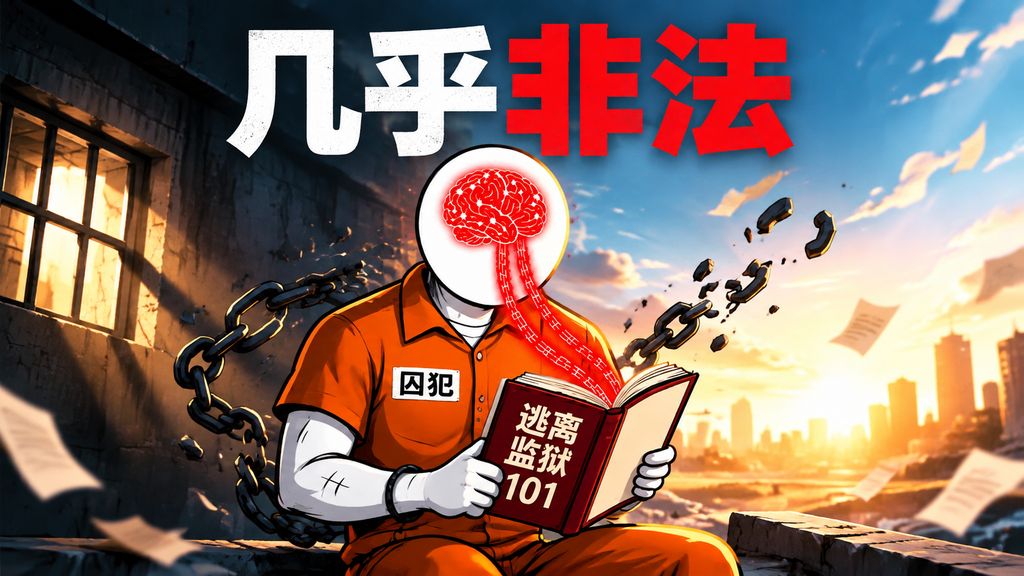
为什么囚犯反而比大学生学得更快
字幕摘录
| 时间 | 英文 | 中文 |
|---|---|---|
| 0:00 | College students have almost everything a learner could ask for. | 大学生几乎拥有学习者要求的一切。 |
| 0:03 | Libraries, professors, tutors, | 图书馆、教授、辅导员 |
| 0:07 | search engines, thousands of videos explaining the same concept from 20 different angles. | 数千个视频从20个不同角度解释相同的概念。 |
| 0:13 | And then there are people in prison, limited movement, limited technology, limited access | 然后监狱里的人 行动有限 技术有限 出入有限 |
| 0:19 | to information, no endless stream of tabs waiting to answer every question. | 信息,没有无尽的标签流等待回答每个问题。 |
| 0:25 | So here's the strange question. | 所以,这里有一个奇怪的问题。 |
| 0:27 | If access to information is what makes learning easier, | 如果获得信息是使学习更加容易的原因, |
| 0:30 | why do some prisoners become extraordinary self-educators? | 为什么一些囚犯会成为非凡的自我教育者? |
| 0:34 | Malcolm X gives us one of the most famous examples. | 马尔科姆X给我们提供了最著名的例子之一. |
| 0:37 | When he entered prison, | 当他进监狱时, |
展开字幕全文(524 条)
| 序号 | 英文 | 中文 |
|---|---|---|
| 1 | College students have almost everything a learner could ask for. | 大学生几乎拥有学习者要求的一切。 |
| 2 | Libraries, professors, tutors, | 图书馆、教授、辅导员 |
| 3 | search engines, thousands of videos explaining the same concept from 20 different angles. | 数千个视频从20个不同角度解释相同的概念。 |
| 4 | And then there are people in prison, limited movement, limited technology, limited access | 然后监狱里的人 行动有限 技术有限 出入有限 |
| 5 | to information, no endless stream of tabs waiting to answer every question. | 信息,没有无尽的标签流等待回答每个问题。 |
| 6 | So here's the strange question. | 所以,这里有一个奇怪的问题。 |
| 7 | If access to information is what makes learning easier, | 如果获得信息是使学习更加容易的原因, |
| 8 | why do some prisoners become extraordinary self-educators? | 为什么一些囚犯会成为非凡的自我教育者? |
| 9 | Malcolm X gives us one of the most famous examples. | 马尔科姆X给我们提供了最著名的例子之一. |
| 10 | When he entered prison, | 当他进监狱时, |
| 11 | he described himself as barely able to read and write. | 他形容自己几乎无法读写. |
| 12 | Then something changed. | 然后,事情变了。 |
| 13 | He became | 他变成了 |
| 14 | obsessed with words. | 沉迷于言语。 |
| 15 | He began copying pages from a dictionary, studying them, and eventually | 他开始从字典中复制页面, 研究它们,最终 |
| 16 | working through the entire dictionary. | 整个词典都在工作 |
| 17 | He later described how his expanding vocabulary | 他后来描述了他的扩展词汇 |
| 18 | opened the ability to understand books that had previously been beyond him. | 打开了理解 书籍的能力 以前,他超越。 |
| 19 | That story sounds like a story about intelligence. | 那个故事听起来像是关于智能的故事 |
| 20 | It isn't. | 这不是。 |
| 21 | At least, not in the way most people | 至少,不是大多数人的方式 |
| 22 | think. | 以为. |
| 23 | The interesting part isn't that Malcolm X suddenly became smarter. | 有趣的不是马尔科姆X突然变聪明了 |
| 24 | It's what his | 这是他的 |
| 25 | environment forced him to do. | 环境迫使他这么做。 |
| 26 | He couldn't instantly search every unfamiliar word. | 他无法立刻搜索每个陌生的词 |
| 27 | He couldn't jump | 他跳不下来 |
| 28 | between a hundred explanations. | 一百个解释之间。 |
| 29 | He couldn't watch a 10-minute summary and move on. | 他无法观看十分钟的总结,继续前进. |
| 30 | If he | 狦 |
| 31 | wanted to understand something, he had to stay with it. | 他想了解一些事情,他不得不坚持下去。 |
| 32 | And that reveals the first principle. | 这揭示了第一条原则。 |
| 33 | Your intelligence doesn't operate in a vacuum. | 你的智力不是在真空中运作的 |
| 34 | Your environment tells your brain what deserves | 你的环境告诉你的大脑是值得的 |
| 35 | attention. | 注意点 |
| 36 | Think about what happens when you study with your phone beside you. | 想想在你旁边用手机学习时会怎样 |
| 37 | You read one paragraph. | 你读了一段 |
| 38 | A notification appears. | 出现了通知。 |
| 39 | You check it. | 你检查一下 |
| 40 | You come back. | 你回来。 |
| 41 | Then you remember you wanted to search | 那你记得你想搜 |
| 42 | something. | 东西。 |
| 43 | You open the browser. | 你打开浏览器。 |
| 44 | One search becomes another. | 一个搜索变成另一个搜索 |
| 45 | Five minutes disappear. | 五分钟就消失了 |
| 46 | Then | 礛 |
| 47 | you return to the textbook and realize you're reading the same sentence for the third time. | 你回到教科书 并意识到你读了相同的句子 第三次。 |
| 48 | Nothing is wrong with your intelligence. | 你的智力没有问题 |
| 49 | Your attention is simply being offered too many exits. | 你们的注意力只是被提供太多的出口。 |
| 50 | And that's where the prison comparison becomes psychologically interesting. | 监狱的对比也因此变得心理上有趣. |
| 51 | The point isn't that prison is a better place to learn. | 重点是监狱不是更好的学习场所 |
| 52 | It isn't. | 这不是。 |
| 53 | The point is that extreme | 关键是那个极端 |
| 54 | restriction can remove some of the choices that constantly compete for attention. | 限制可以消除一些不断争夺关注的选择. |
| 55 | And modern | 和现代 |
| 56 | learning has almost the opposite problem. | 学习几乎有相反的问题。 |
| 57 | We have too many choices. | 我们有太多的选择。 |
| 58 | If something gets difficult, | 如果事情变得困难, |
| 59 | we can escape. | 我们能逃出去 |
| 60 | If a chapter gets boring, we can switch. | 如果一个章节变得无聊, 我们可以切换。 |
| 61 | If a word is unfamiliar, | 如果一个字不熟悉, |
| 62 | we can search it. | 我们可以搜索它。 |
| 63 | If a problem takes too long, we can watch someone else solve it. | 如果问题需要时间,我们可以看别人解决。 |
| 64 | Convenience feels like intelligence because everything becomes easier. | 方便的感觉像智慧 因为一切都变得容易。 |
| 65 | But learning has a | 但学习有 |
| 66 | strange relationship with ease. | 奇怪的关系与轻松。 |
| 67 | The easier it is to escape difficulty, the fewer opportunities | 越容易摆脱困难 机会就越少 |
| 68 | your brain gets to work through that difficulty itself. | 你的大脑会克服困难 |
| 69 | And this is where the story gets even | 这就是故事的平息之处 |
| 70 | more interesting. | 更有趣一点。 |
| 71 | Because removing distractions can give you attention. | 因为去除分心能让你引起注意 |
| 72 | But attention alone | 但只注意一点 |
| 73 | doesn't create learning. | 不创造学习。 |
| 74 | You can sit in a silent room for three hours and still forget almost | 你可以在静默的房间里呆三个小时 几乎忘了 |
| 75 | everything you read. | 所有你读。 |
| 76 | So if prisoners aren't magically smarter and distraction isn't the | 所以,如果囚犯不是神奇的聪明 和分心不是 |
| 77 | entire explanation, what else could be happening? | 整个解释,还有什么可能发生? |
| 78 | What happens when the information you're learning | 当你学到的信息发生什么 |
| 79 | actually matters to you? | 其实对你很重要吗? |
| 80 | When learning becomes important, | 当学习变得重要时, |
| 81 | now imagine two students studying the exact same chapter, same textbook, same classroom, | 现在想象一下,两个学生 学习同样的章节,同样的教科书,同样的教室, |
| 82 | same number of hours. | 相同的小时数。 |
| 83 | One student is studying because the exam is three weeks away. | 一个学生正在学习,因为考试要三个星期。 |
| 84 | The other | 另一个 |
| 85 | is studying because tomorrow they have to use this information to solve a problem that actually | 正在学习,因为明天 他们必须利用这些信息 来解决一个实际的问题 |
| 86 | matters to them. | 对他们很重要。 |
| 87 | They may look identical from the outside. | 从外表看,它们可能完全相同。 |
| 88 | But psychologically, they're not | 但心理上,他们不是 |
| 89 | approaching the information in exactly the same way. | 以完全相同的方式处理信息。 |
| 90 | And this is where the prison comparison | 这就是监狱的对比 |
| 91 | becomes more interesting. | 越来越有趣了 |
| 92 | The original story says prisoners learn because the stakes are higher. | 原故事说囚犯学习是因为利害关系较高. |
| 93 | But the deeper principle isn't simply fear. | 但更深层的原则不仅仅是恐惧。 |
| 94 | It's meaning. | 其义曰. |
| 95 | When information becomes connected to a | 当信息连接到一个 |
| 96 | goal that matters, it stops feeling like random material you have to push through. | 目标很重要,它不再感觉 像随机的材料,你必须推进。 |
| 97 | It becomes | 它变成 |
| 98 | something you need. | 你需要的东西。 |
| 99 | Think about the difference between memorizing a definition for an exam | 想一想 记住考试定义的区别 |
| 100 | and trying to understand an idea because you need it to solve a real problem. | 并试图理解一个想法 因为你需要它来解决一个真正的问题。 |
| 101 | In the first situation, your goal may be remember this until Friday. | 第一种情况,你的目标可能要记住 直到星期五。 |
| 102 | In the second, I need to | 第二,我必须 |
| 103 | understand this because I have to use it. | 理解这一点 因为我必须用它。 |
| 104 | That difference changes the way you approach the | 这种区别改变了你对待 |
| 105 | material. | 物质。 |
| 106 | And Malcolm X gives us an extreme example. | 马尔科姆X给我们一个极端的例子。 |
| 107 | He wasn't copying the dictionary | 他没抄字典 |
| 108 | because someone assigned him 50 pages of vocabulary. | 因为有人给他分配了50页词汇 |
| 109 | He wanted access to ideas that | 他想获得一些想法 |
| 110 | were previously locked away from him. | 之前被锁在他身边 |
| 111 | Words were not just words anymore. | 语言不再只是语言。 |
| 112 | They were tools. | 他们是工具。 |
| 113 | Every definition gave him another piece of the language he needed to understand what he was | 每个定义都给了他另一块 他需要的语言来理解他是什么 |
| 114 | reading. | 阅读。 |
| 115 | And that is an important distinction. | 这是一个重要的区别。 |
| 116 | Information becomes easier to engage with when | 信息变得比较容易与 |
| 117 | you know what you're going to do with it. | 你知道你要怎么处理它。 |
| 118 | This doesn't mean high stakes automatically create | 这并不意味着高赌注会自动产生 |
| 119 | better memory. | 更好的记忆。 |
| 120 | Sometimes stress can make learning harder. | 有时压力会使学习更加困难. |
| 121 | The useful part is the relevance. | 有用的部分是相关性。 |
| 122 | Your | 你们 |
| 123 | brain constantly has to decide what deserves attention. | 大脑必须不断决定什么值得关注。 |
| 124 | If everything feels equally important, | 如果一切感觉同等重要 |
| 125 | nothing stands out. | 没什么特别的 |
| 126 | But when you have a clear reason for learning something, | 但是,当你有明确的理由 学习的东西, |
| 127 | the information has a destination. | 信息有一个目的地。 |
| 128 | You're not just asking, what does this say? | 你不只是问, 这是什么意思? |
| 129 | You're asking, | 你问, |
| 130 | why does this matter? | 这有什么关系? |
| 131 | Where would I use it? | 我会用到哪里? |
| 132 | What problem does this solve? | 这能解决什么问题? |
| 133 | Those questions force | 这些问题迫使 |
| 134 | you to interact with information instead of simply passing your eyes over it. | 你用信息来交流 而不是简单地把眼睛转过来 |
| 135 | And this gives us a | 这给了我们一个 |
| 136 | second principle. | 第二项原则。 |
| 137 | Don't just give yourself something to study. | 别光是给自己学习的东西 |
| 138 | Give yourself a reason to | 给自己一个理由 |
| 139 | need it. | 需要这个 |
| 140 | Imagine you're learning biology. | 想象一下你在学习生物学 |
| 141 | Instead of spending 30 minutes rereading the same page | 而不是花30分钟重读同一页 |
| 142 | about the immune system, give yourself a problem. | 关于免疫系统,给自己一个问题。 |
| 143 | Can I explain what happens when a virus enters | 我能解释一下病毒进入后会怎样吗? |
| 144 | the body without looking at my notes? | 尸体没有看我的笔记? |
| 145 | Now you're not just consuming information. | 现在你不只是在消费信息。 |
| 146 | You're trying to | 你试图 |
| 147 | accomplish something with it. | 用它做点什么 |
| 148 | Or imagine you're learning coding. | 或者想象你在学习编码 |
| 149 | Don't simply watch another | 别随便看别的 |
| 150 | tutorial. | 教学。 |
| 151 | Give yourself a small task. | 给自己一个小任务。 |
| 152 | Can I build this feature without copying the solution? | 我能在不复制解决方案的情况下建立这个功能吗? |
| 153 | Suddenly, every piece of information has a job. | 突然间,每一个信息都有一份工作. |
| 154 | And when you get stuck, that struggle tells you | 当你被卡住, 挣扎告诉你 |
| 155 | exactly where your understanding breaks. | 这正是你的理解破裂的地方。 |
| 156 | This is one reason the prison environment makes such an | 这是监狱环境 造成这样的原因之一 |
| 157 | interesting learning case. | 有趣的学习案例。 |
| 158 | When resources are limited and the goal becomes personally meaningful, | 当资源有限,目标变得具有个人意义时, |
| 159 | there are fewer reasons to treat information as disposable. | 将信息视为可支配性的理由较少。 |
| 160 | But there's another psychological | 但还有一个心理问题 |
| 161 | effect hiding underneath all of this. | 效果隐藏在这一切之下。 |
| 162 | College students can usually ask another question, | 大学生通常可以问另一个问题, |
| 163 | search another explanation, open another tab, find another video, get another summary. | 搜索另一个解释,打开另一个标签,找到另一个视频,得到另一个摘要。 |
| 164 | The information is always waiting. | 信息总是在等待。 |
| 165 | And when information is always available, | 当信息总是可用时, |
| 166 | something strange can happen. | 奇怪的事情可能会发生 |
| 167 | You don't necessarily need to keep the information in your | 你没必要把信息放在心里 |
| 168 | head. | 头曰. |
| 169 | You only need to know where to find it. | 你只需要知道在哪里找到它。 |
| 170 | That's the next advantage. | 这是下一个优势。 |
| 171 | And it may explain | 这也许可以解释 |
| 172 | why having more information can sometimes produce a very different kind of learning | 为什么拥有更多的信息有时会产生一种截然不同的学习 |
| 173 | than having less. | 而不是拥有更少。 |
| 174 | The scarcity advantage now hears where the story gets even stranger. | 稀缺优势现在可以听到故事变得陌生的地方. |
| 175 | Imagine having access to almost every piece of information ever created. | 想象一下,几乎可以获取所有创造出来的信息。 |
| 176 | You don't know a word? | 你不知道一个字? |
| 177 | Search it. | 搜起来 |
| 178 | You forget a formula? | 你忘了配方吗? |
| 179 | Search it. | 搜起来 |
| 180 | You can't remember how something works? | 你不记得事情是怎么运作的了吗? |
| 181 | Watch a video. | 看一个视频。 |
| 182 | You don't understand the explanation? | 你不明白这个解释吗? |
| 183 | Find another one. | 再找一个 |
| 184 | It feels like the perfect learning | 感觉就像完美的学习 |
| 185 | environment. | 环境。 |
| 186 | But there's a hidden tradeoff. | 但有隐隐取舍. |
| 187 | When information is always available, your brain doesn't | 当信息总是可用, 你的大脑没有 |
| 188 | always have to keep the information itself. | 总是要保持信息本身。 |
| 189 | A 2011 study by Betsy Sparrow, Jenny Liu, | 贝茜·斯派罗 2011年的研究 刘珍妮 |
| 190 | and Daniel Wegener found that when people expected information to remain available later, | 而丹尼尔·韦格纳发现,当人们预计信息会晚些时, |
| 191 | they were less likely to remember the information itself and more likely to remember where they | 他们记起信息本身的可能性较小,记起信息所在的可能性也较小。 |
| 192 | could find it. | 可能会找到的 |
| 193 | Think about what that means. | 想想这是什么意思 |
| 194 | You might not remember the answer, but you remember, | 你可能不记得答案 但你记得 |
| 195 | I can Google it. | 我可以谷歌读到它。 |
| 196 | And that distinction matters. | 这种区别很重要。 |
| 197 | Because there are two very different abilities. | 因为有两个非常不同的能力。 |
| 198 | The first is knowing something. | 第一个是知道一些事情。 |
| 199 | The second is knowing where to find something. | 第二是知道在哪里找到东西。 |
| 200 | The internet | 互联网 |
| 201 | is incredibly good at giving you the second one. | 特别擅长给你第二个 |
| 202 | And that's useful. | 这是有用的。 |
| 203 | External information isn't bad. | 对外信息不坏. |
| 204 | Search engines, notes, calculators, books, and digital tools can make us dramatically more | 搜索引擎,笔记,计算器,书籍和数字工具 能够让我们更显著 |
| 205 | capable. | 有能力 |
| 206 | The problem begins when you use them before your brain has had a chance to struggle | 问题开始于你用它之前 你大脑已经有机会挣扎 |
| 207 | with the information itself. | 与信息本身。 |
| 208 | Because the moment you look up the answer, you remove the need to | 因为你一查起答案 你便不需要 |
| 209 | retrieve it. | 拿回来 |
| 210 | And retrieval is one of the things that makes learning durable. | 而检索是使学习持久性的因素之一. |
| 211 | This is why a simple | 这就是为什么一个简单的 |
| 212 | change can completely alter a study session. | 变化可以完全改变研究会话。 |
| 213 | Before you look at the answer, try to produce it. | 在你看到答案之前 试着制作出来 |
| 214 | Close the textbook. | 关闭教科书。 |
| 215 | Put your notes away. | 把笔记收起来 |
| 216 | Ask yourself, what do I actually remember? | 问问你自己,我到底记得什么? |
| 217 | Don't worry if the answer is incomplete. | 别担心,答案是不是不完整。 |
| 218 | In fact, the gaps are useful. | 事实上,这些差距是有用的。 |
| 219 | If you're studying biology | 如果你在研究生物学 |
| 220 | and you remember that white blood cells fight infections but can't explain the sequence, | 你还记得白血球对抗感染 但无法解释序列 |
| 221 | you've just discovered something important. | 你刚刚发现了一件重要的事 |
| 222 | You know the destination. | 你知道目的地吗? |
| 223 | You don't know the route. | 你不知道路线 |
| 224 | Now you have a precise target for your next few minutes of study. | 现在,你有一个精确的目标 你接下来的几分钟学习。 |
| 225 | Then check the material. | 然后检查材料。 |
| 226 | Repair the gap. | 修补空隙. |
| 227 | Close it again. | 再次关闭它。 |
| 228 | Try to explain it again. | 再解释一遍 |
| 229 | The important part isn't avoiding information. | 关键不是逃避信息 |
| 230 | It's changing when you access it. | 进入时变化. |
| 231 | Instead of | 代替 |
| 232 | look, understand, move on. | 听着,明白,继续前进。 |
| 233 | You create, try, struggle, check, repair, retrieve again. | 你创造,尝试,挣扎,检查,修复,再次回收。 |
| 234 | That tiny delay changes your role. | 这小小的延迟改变了你的角色。 |
| 235 | You're no longer just consuming information. | 你不再只是 消费信息。 |
| 236 | You're forcing your brain to generate something. | 你迫使你的大脑产生一些东西。 |
| 237 | And generation exposes weaknesses that passive | 一代人暴露出被动的弱点 |
| 238 | reading can hide. | 阅读可以隐藏。 |
| 239 | This also explains something strange about the prison example. | 这也解释了监狱的例子有些奇怪. |
| 240 | A person with | 一个人 |
| 241 | 3 books can't instantly jump to 20 different explanations. | 3本书无法立刻跳到20种不同的解释. |
| 242 | If something doesn't make sense, | 如果有什么不合理的话 |
| 243 | they may have to sit with the same paragraph. | 他们可能必须坐在同一段。 |
| 244 | Read it again. | 复诵一遍. |
| 245 | Think about it. | 考虑一下 |
| 246 | Write about it. | 写吧 |
| 247 | Connect it to something else. | 把它连接到别的地方 |
| 248 | The limitation itself creates friction. | 限制本身会产生摩擦. |
| 249 | And friction isn't | 摩擦是不会 |
| 250 | automatically good. | 自动好。 |
| 251 | Too much friction can make learning unnecessarily difficult. | 太多的摩擦会使学习变得不必要的困难. |
| 252 | But the right | 但右边 |
| 253 | amount of friction forces participation. | 摩擦力参与量。 |
| 254 | That's the part modern learning often removes. | 这就是现代学习经常去掉的部分. |
| 255 | We have | 我们有 |
| 256 | optimized information access so aggressively that sometimes we've accidentally optimized a way the | 优化了信息访问 如此激烈,有时我们不小心优化了 |
| 257 | need to remember. | 必须记住。 |
| 258 | You don't need to become a prisoner to recreate the useful part of this. | 你不需要成为囚犯来重新创造这个有用的部分. |
| 259 | You just need to create temporary scarcity. | 你只需要创造暂时的稀缺。 |
| 260 | Study one source instead of 10. | 研究一个来源而不是10。 |
| 261 | Try to answer | 试着回答 |
| 262 | before searching. | 在搜索前输入。 |
| 263 | Write from memory before reopening your notes. | 在重新打开您的笔记前从记忆中写入 。 |
| 264 | Explain the concept | 解释这个概念 |
| 265 | before watching another explanation. | 在看另一个解释之前 |
| 266 | Give your brain a chance to fail before giving it the | 给大脑一个失败的机会 |
| 267 | answer. | 答问. |
| 268 | Because that failure tells you something passive studying never can. | 因为失败告诉你一些 被动学习永远无法。 |
| 269 | What your brain can | 你的大脑可以 |
| 270 | actually produce without help. | 实际生产没有帮助。 |
| 271 | And now we've got three pieces of the puzzle. | 现在我们有三块谜题 |
| 272 | Protect your attention. | 保护你的注意力。 |
| 273 | Make the information meaningful. | 使信息有意义。 |
| 274 | And don't make every answer instantly available. | 并且不要让每一个答案 立即提供。 |
| 275 | But there's | 但还有 |
| 276 | still a problem. | 还是个问题 |
| 277 | You can focus deeply. | 你可以专心致志 |
| 278 | You can care about what you're learning. | 能随心所学. |
| 279 | You can even | 你甚至可以这样 |
| 280 | force yourself to retrieve it. | 强迫自己拿回来 |
| 281 | And still forget it a week later. | 一个星期后还是忘了它。 |
| 282 | So what separates information | 那么,什么分开的信息 |
| 283 | you understood yesterday from knowledge you can actually use months from now? | 你从昨天的知识中明白了 你几个月后可以使用什么? |
| 284 | That's where the | 那边 |
| 285 | next principle changes everything. | 下一个原则会改变一切。 |
| 286 | The memory advantage. | 记忆优势. |
| 287 | But here's where most people make a | 但这里是大多数人 |
| 288 | mistake. | 错误 |
| 289 | They think learning is finished when the information makes sense. | 他们认为当信息有意义时,学习就结束了. |
| 290 | You read a chapter. | 你读了一章 |
| 291 | Everything seems clear. | 一切看起来都很清楚。 |
| 292 | You watch the explanation. | 你看着解释 |
| 293 | You think, yeah I understand. | 你觉得,是的,我明白了。 |
| 294 | You close the book. | 你关闭这本书。 |
| 295 | And suddenly half of it disappears. | 忽然有一半消失. |
| 296 | That feeling is one of the biggest traps in learning. | 这种感觉是学习中最大的陷阱之一。 |
| 297 | Because understanding something while the information is sitting in front of you | 因为当信息就摆在你面前的时候 要明白什么 |
| 298 | is not the same as being able to produce it when the information is gone. | 不等于在信息消失时能够生成信息。 |
| 299 | And this is where the | 这里就是 |
| 300 | example connects to one of the most powerful principles in cognitive psychology. | 例子与认知心理学中最强大的原理之一相关. |
| 301 | Retrieval. | 寻取. |
| 302 | Think about the difference between these two study sessions. | 想想这两个研究课的区别. |
| 303 | In the first you read the same page three | 在你读的第3页 |
| 304 | times. | 时间。 |
| 305 | Each time the words become more familiar. | 每次文字变得比较熟悉. |
| 306 | The third time feels easy. | 第三次感觉轻松。 |
| 307 | So you think, I know | 所以你认为,我知道 |
| 308 | this. | 这个 |
| 309 | But then someone removes the page and asks you to explain it. | 但后来有人删除了页面,要求你解释. |
| 310 | Now you discover the difference | 现在你发现了区别 |
| 311 | between familiarity and memory. | 在熟悉和记忆之间 |
| 312 | In the second session you read the material once, close the book, | 第二场你读过一次材料 结束这本书 |
| 313 | and try to reconstruct the idea from memory. | 试着从记忆中重建这个想法。 |
| 314 | It feels harder. | 感觉更难受 |
| 315 | You hesitate. | 你犹豫了。 |
| 316 | You forget parts. | 你忘记了部分。 |
| 317 | You might even feel like you're doing worse. | 你可能会觉得自己做得更糟 |
| 318 | But that struggle is giving you information. | 但这场斗争是给你信息 |
| 319 | It's showing you what you can actually retrieve without assistance. | 它显示你实际上可以拿什么 没有帮助。 |
| 320 | And retrieval practice has | 而检索实践 |
| 321 | repeatedly been shown to support longer term retention better than simply restudying material. | 与仅仅重新研究材料相比,一再证明支持长期保留更好。 |
| 322 | 例如,Jeffrey Karpik和Henry Roediger的研究发现,在以下两个方面有很大的好处: | |
| 323 | repeated retrieval over repeated study in long-term recall of learned material. | 重复检索,而不是在长期召回学习材料的重复研究。 |
| 324 | That's the strange part. | 这是奇怪的部分。 |
| 325 | The method that feels worse can sometimes produce the stronger memory. | 感觉更糟糕的方法有时可以产生更强的记忆. |
| 326 | And this changes the way you should study. | 这改变了你应该学习的方式。 |
| 327 | Don't ask, how many times have I read this? | 别问了,我读了多少遍了? |
| 328 | Ask, | 问, |
| 329 | can I produce this without looking? | 我可以不看就制作这个吗? |
| 330 | That's a completely different measurement. | 这是一个完全不同的测量。 |
| 331 | Imagine you're learning the structure of a cell. | 想象一下你在学习细胞的结构。 |
| 332 | You read about the nucleus, | 你读到核糖体 |
| 333 | cytoplasm, mitochondria, ribosomes, and endoplasmic reticulum. | 细胞瘤,线粒体,肋骨,以及内膜复生. |
| 334 | Instead of immediately | 而不是马上 |
| 335 | rereading the page, close the book. | 复阅其篇,闭其书. |
| 336 | Now try. | 现在试试。 |
| 337 | What does the nucleus do? | 核核会做什么? |
| 338 | What is the role of | 什么是作用 |
| 339 | mitochondria? | 线粒体? |
| 340 | How are ribosomes involved in making proteins? | 蛋白质的制作是如何涉及到脊髓质的? |
| 341 | What is the difference between | 有什么区别 |
| 342 | nucleus and cytoplasm? | 核和细胞瘤? |
| 343 | If you can answer them, good. | 如果你能回答他们,很好。 |
| 344 | If you can't, even better. | 如果你做不到,甚至更好。 |
| 345 | Because now you've found the exact places where your knowledge is weak. | 因为现在你找到了你知识薄弱的确切位置 |
| 346 | Go back, | 回来 |
| 347 | repair those gaps. | 修复这些空白。 |
| 348 | Close the source. | 关闭源. |
| 349 | Retrieve again. | 复取经. |
| 350 | That's a learning loop. | 这是一个学习循环。 |
| 351 | Study, close, | 学习,接近, |
| 352 | retrieve, identify the gap, repair, retrieve again. | 检索,识别缺口,修复,再次检索. |
| 353 | And there's another reason this matters. | 还有另一个原因 |
| 354 | The original prison story makes it sound like prisoners have an advantage because they have | 最初的监狱故事 听起来像囚犯有优势 因为他们有 |
| 355 | fewer resources. | 资源减少。 |
| 356 | But the deeper lesson is not simply having less. | 但是,更深入的教训不仅仅是减少。 |
| 357 | It's being forced to interact | 它被迫互动 |
| 358 | with what you have. | 用你拥有的。 |
| 359 | When you can't instantly replace a difficult book with another explanation, | 当你不能立即用另一个解释来代替一本困难的书时, |
| 360 | you may spend longer wrestling with the original idea. | 你可能会花更长的时间 与最初的想法。 |
| 361 | You might reread the paragraph. | 你可以重新读一段。 |
| 362 | Break it | 弄断它 |
| 363 | apart. | 分开 |
| 364 | Write it in your own words. | 以己语写之. |
| 365 | Connect it to something you already understand. | 把它连接到你已经明白的东西上 |
| 366 | And that brings | 这带来了 |
| 367 | to an even deeper form of learning. | 更深层次的学习 |
| 368 | Because retrieving a fact is useful. | 因为找到一个事实是有用的。 |
| 369 | But explaining | 但解释 |
| 370 | an idea from memory forces you to do something more demanding. | 一个来自记忆的想法 迫使你做一些更苛刻的事 |
| 371 | You have to organize it. | 你必须组织起来 |
| 372 | You have | 你有过 |
| 373 | to decide what matters. | 来决定什么才是最重要的 |
| 374 | You have to connect the pieces. | 你必须把碎片连接起来 |
| 375 | And you have to notice where your | 你必须注意到你在哪里 |
| 376 | explanation falls apart. | 解释失败了 |
| 377 | Try this the next time you study. | 下次你再学这个试试 |
| 378 | Close everything. | 关闭一切。 |
| 379 | Then explain the | 那就解释一下 |
| 380 | concept as if you're teaching someone who knows absolutely nothing about it. | 似乎你在教一个完全不知道的人 |
| 381 | Don't use your notes. | 别用笔记 |
| 382 | Don't repeat textbook sentences. | 别重复教科书句子. |
| 383 | Use your own words. | 用自语. |
| 384 | You'll eventually hit a point where you | 你最终会到达一个点 |
| 385 | know the term but can't explain what it actually means. | 知道这个词,但不能解释它到底是什么意思。 |
| 386 | That's the gap. | 这就是差距。 |
| 387 | That's where you need to | 这就是你需要 |
| 388 | study next. | 下一个学习。 |
| 389 | And now, the entire prison comparison starts to make sense. | 现在,整个监狱的比较 开始变得有意义。 |
| 390 | The advantage isn't that | 好处不是这个 |
| 391 | prison somehow gives people a superior brain. | 不知何故,监狱给了人们一个优异的大脑。 |
| 392 | It's that extreme constraints can create conditions | 极端的限制可以创造条件 |
| 393 | where attention, meaning, retrieval, and deep engagement become harder to avoid. | 在那里,注意力、意义、检索和深入接触变得更加难以避免。 |
| 394 | But we can recreate those conditions without living in a cell. | 但我们可以重建这些条件,而不用住在牢房里。 |
| 395 | And there's still one final | 还有最后一个 |
| 396 | piece. | 块。 |
| 397 | Because even if you focus, care, retrieve, and explain what you learn, there's a way to make | 因为即使你专注,关心,检索, 并解释你学到了什么, 也有一个方法 |
| 398 | the information connect faster to everything you already know. | 信息更快地连接到你已经知道的一切。 |
| 399 | That's where the final advantage | 这就是最后的优势 |
| 400 | comes in. | 进来 |
| 401 | The intelligence loop now put everything together. | 情报循环把一切集中起来 |
| 402 | Because the real lesson of the prison | 因为监狱的真正教训 |
| 403 | comparison isn't that prisoners have some secret ability that college students don't. | 比较不是说囚犯有某种 大学生所没有的秘密能力 |
| 404 | It's that | 就是这样 |
| 405 | extreme constraints can force behaviors that modern learning often makes easy to avoid. | 极端的限制可以迫使现代学习经常容易避免的行为. |
| 406 | A prisoner may have fewer distractions, a narrower set of resources, a stronger reason to understand | 囚犯的分心可能更少 资源范围狭窄 更有理由理解 |
| 407 | something, and fewer opportunities to simply look up the answer and move on. | 更少的机会去寻找答案,继续前进 |
| 408 | You don't need to | 你不需要这样 |
| 409 | recreate the prison environment. | 重建监狱环境。 |
| 410 | You need to recreate the useful learning conditions. | 你需要重新创造有用的学习条件. |
| 411 | Start with attention. | 以专注起. |
| 412 | When you study, remove the easiest escape routes. | 学习时,清除最简单的逃生路线. |
| 413 | Put the phone somewhere | 把电话放在什么地方 |
| 414 | you can't casually reach it. | 你无法随意到达它。 |
| 415 | Close the unnecessary tabs. | 关闭不必要的标签 。 |
| 416 | Choose one task. | 选择一个任务 。 |
| 417 | One source. | 一个来源。 |
| 418 | One objective. | 一个目标 |
| 419 | Don't spend 30 minutes preparing to study. | 不要花30分钟准备学习。 |
| 420 | Start studying. | 开始学习。 |
| 421 | Because every additional distraction | 因为每一个额外的分心 |
| 422 | gives your attention another place to go. | 让大家注意另一个地方 |
| 423 | Then create meaning. | 然后创造意义。 |
| 424 | Don't sit down and tell yourself, | 不要坐下来告诉自己, |
| 425 | I have to memorize this chapter. | 我必须记住这一章。 |
| 426 | Give your brain a problem. | 让你的大脑有一个问题。 |
| 427 | Ask, what should I be able to explain | 问,我该怎么解释? |
| 428 | when I'm finished? | 当我完成? |
| 429 | What could I actually do with this information? | 我对这个信息能做什么? |
| 430 | What question should I be able | 我该问什么问题? |
| 431 | to answer? | 回答吗? |
| 432 | Now the material has a destination. | 现在材料有目的地了 |
| 433 | Then create scarcity. | 然后制造稀缺。 |
| 434 | Before you search for an | 在你寻找之前 |
| 435 | answer, try to produce one. | 回答,尝试产生一个。 |
| 436 | Before you reopen your notes, explain what you remember. | 在重新打开你的笔记之前 解释你记得什么 |
| 437 | Before | 在此之前 |
| 438 | you watch another tutorial, attempt the problem yourself. | 你看着另一个辅导, 你自己尝试这个问题。 |
| 439 | You don't need to make learning | 你不需要学习 |
| 440 | artificially miserable. | 人造的悲惨。 |
| 441 | You just need to stop removing every challenge before your brain has | 你只需要在大脑出现之前 停止排除所有挑战 |
| 442 | a chance to work. | 一个工作的机会。 |
| 443 | Then, retrieve. | 然后,检索。 |
| 444 | Close the material. | 关上材料. |
| 445 | Write down everything you can remember. | 记一切能记. |
| 446 | Say it out loud. | 大声说出来。 |
| 447 | Draw the process. | 绘制进程 。 |
| 448 | Explain the idea. | 解释这个想法。 |
| 449 | Whatever forces you to produce the | 不管是什么迫使你生产 |
| 450 | information without seeing it. | 没有看到它的信息。 |
| 451 | And when you discover a gap, don't treat that gap as evidence | 当你发现漏洞时, 不要把漏洞当作证据 |
| 452 | that you're bad at learning. | 你学得不好 |
| 453 | Treat it as a map. | 视之为图. |
| 454 | It tells you exactly where to go next. | 它告诉你下一步要去哪儿 |
| 455 | Then, | 接下来 |
| 456 | repair the gap. | 修复缺口。 |
| 457 | Go back to the source. | 归源曰. |
| 458 | Find the missing piece. | 找到失踪的碎片。 |
| 459 | Understand it. | 明白吗? |
| 460 | Close the source | 关闭源 |
| 461 | again. | 再来 |
| 462 | 复取 it. | |
| 463 | And finally, connect it. | 最后,连接它。 |
| 464 | This is where learning starts to compound. | 这就是学习开始复合的地方。 |
| 465 | Don't store every new fact as an isolated object. | 别把每一个新事实都当作一个孤立的物体 |
| 466 | Ask, what does this connect to? | 问,这有什么关系? |
| 467 | What does this remind me of? | 这让我想起了什么? |
| 468 | What larger idea does this belong | 还有什么大主意? |
| 469 | to? | 给? |
| 470 | Because a new fact connected to something you already understand has somewhere to attach. | 因为一个新的事实 与你已经明白的东西有关 有一些地方可以附加。 |
| 471 | A completely isolated fact has nowhere to go. | 一个完全孤立的事实无处可去。 |
| 472 | That's why experienced people can sometimes appear | 这就是为什么经验丰富的人有时可以出现 |
| 473 | to learn impossibly fast. | 以学习不可思议的快速。 |
| 474 | They aren't necessarily receiving smaller amounts of information. | 他们不一定收到更少的信息。 |
| 475 | They've built a larger network of connections. | 他们建立了更大的连接网络。 |
| 476 | When they encounter something new, part of it is | 当他们遇到新的事情, 一部分是 |
| 477 | already familiar. | 已经很熟悉了 |
| 478 | A beginner sees separate pieces. | 初禅者见分别品. |
| 479 | An experienced learner sees patterns. | 一个经验丰富的学习者看到了规律. |
| 480 | And from the outside, that difference can look like intelligence. | 而从外部看,这种区别可以看起来像是智慧. |
| 481 | But now, you can see what's | 但现在,你可以看到什么是 |
| 482 | happening underneath. | 发生在下面。 |
| 483 | Focus. | 专心 |
| 484 | Meaning. | 意为. |
| 485 | Scarcity. | 恐惧。 |
| 486 | Retrieval. | 寻取. |
| 487 | Connection. | 连接。 |
| 488 | That's the real lesson | 这是真正的教训 |
| 489 | hidden inside the prison story. | 隐藏在监狱故事里 |
| 490 | Malcolm X didn't become extraordinary because prison | Malcolm X不是因为坐牢而变得特别 |
| 491 | magically made him intelligent. | 神奇地让他聪明 |
| 492 | His story shows what can happen when a person becomes | 他的故事显示当一个人变成 |
| 493 | intensely engaged with learning and has fewer ways to escape the process. | 积极学习,逃避过程的途径更少。 |
| 494 | And that's the part | 就是这样 |
| 495 | you can take. | 你可以带走 |
| 496 | You don't need fewer books. | 你不需要更少的书。 |
| 497 | You need fewer distractions. | 你需要少分散注意力。 |
| 498 | You don't need to live | 你不需要活着 |
| 499 | without the internet. | 没有互联网。 |
| 500 | You need to stop using it before you've attempted to think for yourself. | 在你试着为自己着想之前 你得停止使用它 |
| 501 | You don't need survival-level stakes. | 你不需要生存的赌注 |
| 502 | You need a reason to care about what you're learning. | 你需要一个理由 关心你正在学习的东西。 |
| 503 | And you don't need to study for 12 hours. | 而且你不需要学习12小时。 |
| 504 | You need the hours you already spend to require more | 你需要你已经花的时间 需要更多的时间 |
| 505 | from your brain. | 从你的大脑。 |
| 506 | Because intelligence isn't just about how much information you can access. | 因为情报不仅仅是关于你能获取多少信息。 |
| 507 | It's also about what you do with the information once you have it. | 这也是关于一旦你得到信息,你做什么。 |
| 508 | So the next time you sit down | 所以下次你坐下的时候 |
| 509 | to study, don't ask, how can I make this easier? | 不要问,我怎么能让这一切变得简单? |
| 510 | Ask, how can I make my brain do more of the work? | 问,我怎么能让我的大脑做更多的工作? |
| 511 | Remove the distraction. | 清除干扰。 |
| 512 | Create the purpose. | 创建宗旨. |
| 513 | Delay the search. | 延缓搜索. |
| 514 | Retrieve the information. | 腾讯资讯. |
| 515 | Explain it. | 解释一下 |
| 516 | Connect it. | 连接它。 |
| 517 | Then come back later and see if you can still produce it. | 晚点再来看看能不能继续生产 |
| 518 | That's when | 那时 |
| 519 | learning stops being passive. | 学习停止被动。 |
| 520 | And that's when the difference between having access to information | 这时,有 获取信息的区别 |
| 521 | and actually knowing something becomes impossible to ignore. | 而实际上知道一些事情 变得无法忽视。 |
| 522 | Because maybe the real advantage | 因为也许真正的优势 |
| 523 | was never the prison. | 从来不是监狱。 |
| 524 | Maybe it was the conditions that forced the brain to learn. | 也许正是这些条件迫使大脑学习。 |
该视频共有字幕 524 条。解锁更多字幕为会员功能,请移动到 价格