斯多葛主义:一种适用于日常生活的哲学【TED演讲】
共 3 集
剧集目录
| 集 | 标题 | 时长 |
|---|---|---|
| P1 | 斯多葛主义:一种适用于日常生活的哲学【TED演讲】 中英双语 | 18:26 |
| P2 | 斯多葛主义:一种适用于日常生活的哲学【TED演讲】 英文字幕 | 18:26 |
| P3 | 斯多葛主义:一种适用于日常生活的哲学【TED演讲】 无字幕( | 18:26 |
P1 · 斯多葛主义:一种适用于日常生活的哲学【TED演讲】 p01 中英双语 (P1)
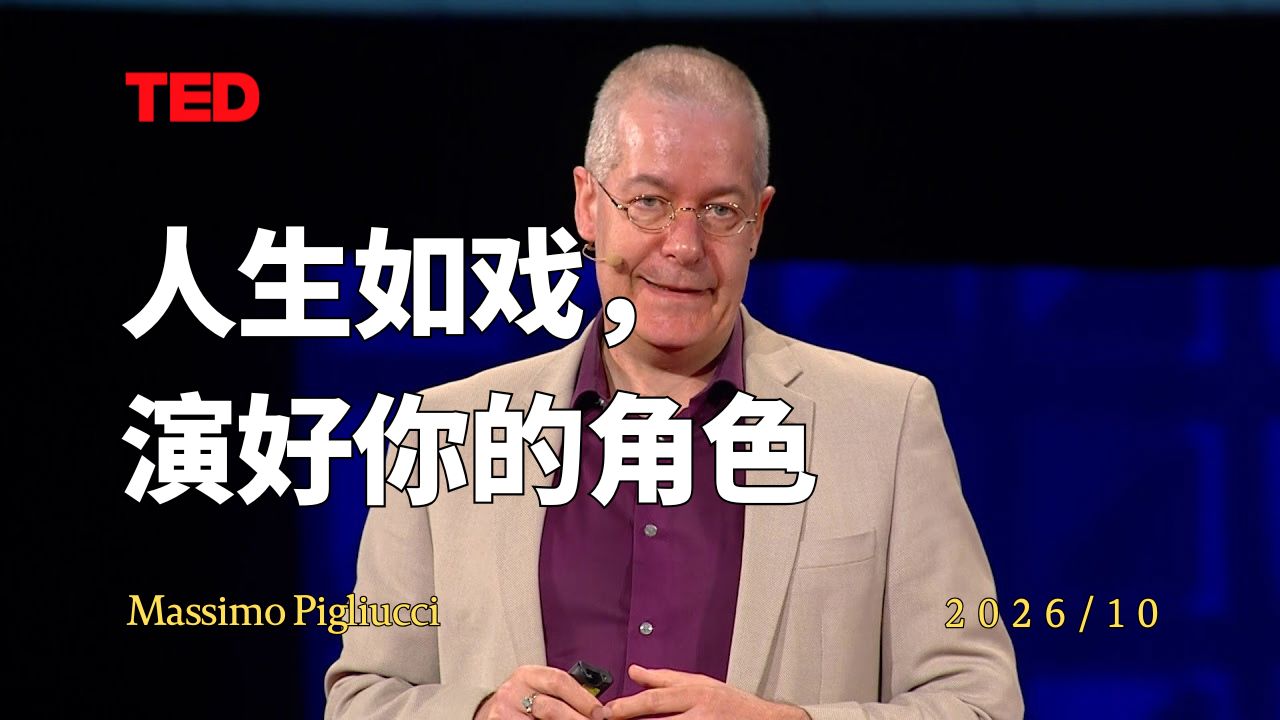
字幕摘录
| 时间 | 英文 | 中文 |
|---|---|---|
| 0:01 | Imagine, if you will, that you're walking down the streets of Athens 24 centuries ago, give or take. | 想象一下,如果你愿意的话,你在24世纪前走在雅典的街道上,有或有。 |
| 0:08 | You might meet this guy, Zeno of Scythium. | 你可能会遇到这个家伙, 锡西安的泽诺。 |
| 0:12 | He was a merchant, a Phoenician merchant. | 他是个商人 腓尼基商人 |
| 0:14 | He was doing very well until a shipwreck destroyed everything, and he lost everything he had. | 他做得非常好,直到一个沉船摧毁了一切,他失去了他拥有的一切. |
| 0:21 | So he made it to Athens, and what did he do? | 于是他赶到雅典,做了些什么? |
| 0:23 | One of the first things he did was to walk into a bookshop and study reading books. | 他首先做的一件事就是走进书店,学习阅读书籍. |
| 0:28 | He read Xenophon's Memorabilia, which is a book about Socrates. | 他阅读了Xenophon的回忆录,这是一本关于苏格拉底的书. |
| 0:33 | And he was so intrigued that he turned to the bookseller and he says, | 他对书商很感兴趣 他说 |
| 0:37 | where can I find me one of these people, one of these philosophers, folks? | 我哪里能找到这些人之一, 哲学家之一,伙计们? |
| 0:41 | And the bookseller turned around and said, well, there's one right over there, walking by, | 书商转过身来,说,嗯, 有一个在那里,走过, |
展开字幕全文(333 条)
| 序号 | 英文 | 中文 |
|---|---|---|
| 1 | Imagine, if you will, that you're walking down the streets of Athens 24 centuries ago, give or take. | 想象一下,如果你愿意的话,你在24世纪前走在雅典的街道上,有或有。 |
| 2 | You might meet this guy, Zeno of Scythium. | 你可能会遇到这个家伙, 锡西安的泽诺。 |
| 3 | He was a merchant, a Phoenician merchant. | 他是个商人 腓尼基商人 |
| 4 | He was doing very well until a shipwreck destroyed everything, and he lost everything he had. | 他做得非常好,直到一个沉船摧毁了一切,他失去了他拥有的一切. |
| 5 | So he made it to Athens, and what did he do? | 于是他赶到雅典,做了些什么? |
| 6 | One of the first things he did was to walk into a bookshop and study reading books. | 他首先做的一件事就是走进书店,学习阅读书籍. |
| 7 | He read Xenophon's Memorabilia, which is a book about Socrates. | 他阅读了Xenophon的回忆录,这是一本关于苏格拉底的书. |
| 8 | And he was so intrigued that he turned to the bookseller and he says, | 他对书商很感兴趣 他说 |
| 9 | where can I find me one of these people, one of these philosophers, folks? | 我哪里能找到这些人之一, 哲学家之一,伙计们? |
| 10 | And the bookseller turned around and said, well, there's one right over there, walking by, | 书商转过身来,说,嗯, 有一个在那里,走过, |
| 11 | because that was Athens at the time. | 因为当时是雅典 |
| 12 | Philosophers were just walking by. | 哲学家只是路过。 |
| 13 | The guy walking by was Cratus, a scenic philosopher, and Zeno became his student, | 路过的家伙是克拉图斯, 一个风景主义哲学家, 泽诺成为了他的学生, |
| 14 | eventually went on to study with a number of other of the major philosophers in Athens. | 最终与雅典的其他一些主要哲学家一起学习. |
| 15 | And then he established his own school, which became known as Stoicism, | 然后他建立了自己的学校, 成为著名的斯托伊斯主义, |
| 16 | because they started meeting in the store in the open market. | 因为他们开始在公开市场上的店里见面 |
| 17 | Unlike the other schools where you had to go to a specific place, Plato's Academy or Aristotle's Lyceum, | 不像其他学校 你必须去一个特定的地方, 柏拉图学院或亚里士多德的学校, |
| 18 | the Stoics wanted to be in the middle of people. | 斯托克人想成为中间的人。 |
| 19 | They wanted to talk to people about their life and how to make it better. | 他们想跟人们谈谈他们的生活以及如何改善生活。 |
| 20 | Stoicism became one of the major philosophies of antiquity. | 斯托伊西主义成为古代主要哲学家之一. |
| 21 | It spread through the Hellenistic world first and then to the Roman Republic and then the Roman Empire. | 它首先通过希腊世界传播,然后传播到罗马共和国,然后传播到罗马帝国. |
| 22 | It produced some of the major thinkers of the time. | 它产生了一些当时的主要思想家. |
| 23 | Seneca, who was a senator, a playwright, he influenced Shakespeare, | 塞内卡曾是参议员,剧作家,他影响了莎士比亚 |
| 24 | and the unfortunate advisor to the emperor Nero. | 还有尼禄皇帝的不幸顾问 |
| 25 | That didn't end up well for Seneca. | 赛尼卡的情况不妙 |
| 26 | Marcus Terulius, one of the few king philosophers of all of history, | 马库斯·泰鲁利乌斯 历史上为数不多的国王哲学家之一 |
| 27 | who wrote the Meditations, his own personal diary, which is now read by millions of people around the world. | 他写了"冥想记",他自己个人的日记,现在全世界有数百万人阅读. |
| 28 | Now, unusually for ancient philosophy, Stoicism attracted a number of women. | 现在,对于古代哲学来说, 斯多伊主义吸引了许多女性。 |
| 29 | A lot of Roman veterans used to organize convivia, | 很多罗马老兵曾经组织康维维亚 |
| 30 | which were sort of get-togethers with their friends, to talk about Stoicism. | 他们和朋友一起谈论斯托伊克主义 |
| 31 | But many of them also lived the philosophy. | 但是他们中许多人也活在哲学中. |
| 32 | One of them, the most famous ones, was Portia Catonis, | 其中最著名的是波西亚·卡托尼斯 |
| 33 | who happened to be both the daughter of Cato the Younger, who was an archenemy of Julius Caesar, | 他恰好是年轻的卡托的女儿 他曾经是尤利乌斯·凯撒的敌人 |
| 34 | as well as the wife of Brutus, one of the co-conspirators against Caesar. | 以及布吕图斯的妻子 与凯撒为敌 |
| 35 | So she had a lot to deal with in her life, and she approached it in a Stoic fashion. | 因此她一生中有很多事情要处理,她以斯托伊克的方式接近. |
| 36 | Now, Stoicism, like all ancient schools of philosophy, | 现在,斯托伊克主义 就像所有古老的哲学派 |
| 37 | eventually died down or was closed with the rise of Christianity, | 最终因基督教的兴起而死亡或关闭, |
| 38 | but it kept influencing people throughout the following two millennia. | 但是在接下来的两千年里 它一直影响着人们 |
| 39 | The reason many people today are actually familiar with some of the Stoic ideas | 因为今天很多人都熟悉一些斯托伊克思想 |
| 40 | is because they influenced Christianity, beginning with Paul of Tarsus, arguably the founder of Christianity, | 因为他们影响了基督教 从塔苏斯的保罗开始 可以说是基督教的创始人 |
| 41 | and continuing with Thomas Aquinas, the most influential theologian of the Middle Ages, | 和托马斯·阿奎纳斯继续合作,他是中世纪最有影响力的神学家, |
| 42 | and then into more modern times with René Descartes, | 然后和勒内·笛卡尔一起进入更现代的时代 |
| 43 | arguably one of the most important modern philosophers, | 可以说是最重要的现代哲学家之一 |
| 44 | and Baruch Spinoza, whose ethics was in fact based mostly on Stoicism. | 和巴鲁赫·斯宾诺莎(Baruch Spinoza),其伦理学实际上大多基于斯托伊克主义. |
| 45 | But enough about the history. | 但关于历史已经足够了. |
| 46 | What is Stoicism about? | 斯托伊克主义是什么? |
| 47 | Well, the first thing is it's based on a crucial premise, | 首先,它是基于一个关键前提, |
| 48 | that we should live our life according to nature. | 我们应该按照自然生活 |
| 49 | Now, before you go and run into the forest naked to hug trees, | 在你裸体跑进森林拥抱树木之前 |
| 50 | that's not what it is about. | 这不是它是什么。 |
| 51 | The Stoics thought that we should take seriously human nature, | Stoics认为我们应该认真对待人性 |
| 52 | and human nature fundamentally consists of two things, two aspects. | 和人性的本质 由两个方面组成 |
| 53 | One, we're highly social animals. | 一,我们是高度社会化的动物. |
| 54 | We can survive on our own if we have to, but we only thrive in groups of people. | 如果有必要的话,我们可以靠自己生存,但我们只能在人群中兴旺。 |
| 55 | We only thrive when we have healthy social networks. | 只有健康的社会网络,我们才能繁荣起来。 |
| 56 | And two, we're capable of reason. | 第二,我们有理性 |
| 57 | Now, as you know, that doesn't mean that we're reasonable all the time. | 现在,如你所知,这并不意味着 我们一直是合理的。 |
| 58 | In fact, on the contrary, we struggle for that. | 事实上,相反,我们为此而奋斗。 |
| 59 | But we are capable of reason. | 但我们有理智 |
| 60 | For the Stoics, it followed that the best kind of human life you can actually have | 对斯多克人来说,它随之而来的是 最好的人类生活 你实际上可以拥有 |
| 61 | is one in which you apply your reason, your intelligence, | 你运用你的理性和智慧 |
| 62 | to improve social living, to improve everybody else's life. | 改善社会生活,改善其他人的生活。 |
| 63 | There are two fundamental pillars of Stoic philosophy, | 斯托伊奇哲学有两个基本支柱 |
| 64 | which we will see in a minute apply very practically to our life. | 我们马上就会看到它非常适用于我们的生活。 |
| 65 | One is the four cardinal virtues, practical wisdom, courage, justice, and temperance. | 一是四大美德,实用智慧,勇气,正义,温柔. |
| 66 | Practical wisdom is the knowledge of what is good for you and what is not good for you. | 实际智慧是知诸善根而无善根. |
| 67 | Courage is not just physical, but especially moral. | 勇气不仅是身体上的,更是道德上的。 |
| 68 | The courage to stand up and do the right thing. | 勇敢地站起来做正确的事情. |
| 69 | Justice is what tells you what the right thing is, | 正义是告诉你什么是正确的, |
| 70 | how to interact with other people, how to treat other people. | 如何与他人互动,如何对待他人. |
| 71 | And temperance is the idea that you should always do things in right measure, | 温柔的观念是,你应该总是做正确的事情, |
| 72 | not overdoing them, not underdoing them. | 不过分,不过分 |
| 73 | The second pillar is called dichotomy of control. | 第二柱名为控制二谛. |
| 74 | This is the very basic idea that some things are up to us and other things are not up to us. | 这是一种非常基本的想法,即有些事情取决于我们,而另一些事情则不取决于我们。 |
| 75 | That you can divide everything you do into these two categories | 你可以将你所做的一切分为这两类 |
| 76 | and only worry about the first one and not the second one. | 并且只担心第一个而不是第二个 |
| 77 | For instance, I came here thinking that I could control the slides. | 例如,我来这里是想我能控制幻灯片。 |
| 78 | As you've seen, that's outside of my control. | 如你所见,这超出了我的控制范围 |
| 79 | Do I worry about it? | 我担心吗? |
| 80 | No. | 没有 |
| 81 | Let me introduce you to Epictetus. | 我介绍你认识埃皮卡特斯 |
| 82 | He was one of the most important Stoic philosophers of antiquity. | 他是古代最重要的斯托伊克哲学家之一. |
| 83 | He was a slave. | 他是个奴隶。 |
| 84 | He was born in Hierapolis in modern-day Pamukkale in Turkey. | 他出生于土耳其的现代帕穆卡莱的希拉波利斯. |
| 85 | He was acquired. | 他被收购了 |
| 86 | In fact, his name means acquired. | 事实上,他的名字意味着获得。 |
| 87 | We don't know his real name. | 我们不知道他的真名 |
| 88 | Epictetus只是意味着获得。 | |
| 89 | And brought to Rome to the court of the emperor Nero. | 并被带到罗马,来到尼禄皇帝的宫廷. |
| 90 | Well, he did pretty well. | 他表现得很好 |
| 91 | Eventually, he was freed and he was a bright guy, | 最终,他被释放了 他是一个聪明的家伙, |
| 92 | so he started going to the streets of Rome preaching Stoicism. | 于是他开始到罗马街头宣扬斯托伊克主义. |
| 93 | And for his troubles, he got punched on the nose. | 及因烦恼被打鼻. |
| 94 | So he figured that wasn't a good approach. | 所以他觉得这不是个好办法 |
| 95 | He was in his power to change the approach, | 他有权改变方法 |
| 96 | so he started over and he established his own school, | 于是他重新开始 建立了自己的学校, |
| 97 | which was very successful, | 这是非常成功的, |
| 98 | until the emperor Domitian kicked out all the Stoics out of Rome | 直到皇帝多米蒂安将所有斯托克人赶出罗马 |
| 99 | because he did not appreciate their speaking truth to power, | 因为他不欣赏他们所说的真理, |
| 100 | as we would say today. | 正如我们今天所说的。 |
| 101 | So Epictetus moved and went to Nicopolis, northwestern Greece, | 于是埃皮卡特斯搬到希腊西北部的尼科波利斯 |
| 102 | reestablished his school, | 重建他的学校, |
| 103 | and became one of the most famous teachers of antiquity. | 并成为古代最著名的教师之一. |
| 104 | The reason I like Epictetus is because he's blunt | 我之所以喜欢Epictetus 是因为他很钝 |
| 105 | and he has a sarcastic sense of humor. | 他有讽刺幽默感 |
| 106 | And I'll give you a taste of this in a second. | 我一会给你尝尝这个 |
| 107 | Here's what he says in the discourses. | 於诸论中说此经. |
| 108 | Don't worry about death. | 别担心死亡 |
| 109 | Worry about lunch. | 担心午餐的事 |
| 110 | Because you know you're going to die, | 因为你知道你会死 |
| 111 | and that's not under your control. | 而这不是在你控制之下。 |
| 112 | Lunch, on the other hand, is under your control. | 另一方面,午餐在你的控制之下。 |
| 113 | Now, I told you about the dichotomy of control | 现在,我告诉你 控制二分法 |
| 114 | being one of the two fundamental pillars of Stoicism. | 成为斯托伊西主义的两个根本支柱之一. |
| 115 | Epictetus自己是这样解释的。 | |
| 116 | He says, | 他说, |
| 117 | Some things are within our power, while others are not. | 有些事情是属于我们的,而有些则不是。 |
| 118 | Within our power are opinion, motivation, desire, | 在我们的权力范围内,是意见,动机,欲望, |
| 119 | and in a word, whatever is of our own doing. | 一句话,无论我们自己做什么。 |
| 120 | Not within our power are our body, our property, reputation, | 不在我们的权力 是我们的身体,我们的财产,我们的名誉, |
| 121 | and in a word, whatever is not of our own doing. | 一句话 不管我们自己做什么 |
| 122 | And if you stop for a second and think about it, | 如果你停下来考虑一下 |
| 123 | it's like, that is weird. | 这就像,这是奇怪的。 |
| 124 | He's saying that my body, my property, my reputation, | 他说我的身体,我的财产,我的名誉, |
| 125 | are not in our power. | 我们没有权力 |
| 126 | What do you mean? | 你说什么? |
| 127 | I can decide to go to the gym and eat healthy. | 我可以决定去健身房好好吃 |
| 128 | Of course my body is under my power. | 当然,我的身体在我的力量。 |
| 129 | Unless a virus strikes you down. | 除非有病毒袭击你 |
| 130 | Unless you have an accident and you break your leg. | 除非你出了意外 摔断了腿 |
| 131 | The idea is that you can do things. | 想法是你能做点什么 |
| 132 | You can make decisions about your health, your reputation, | 你可以决定你的健康,你的名誉, |
| 133 | et cetera, et cetera, | 等诸法. |
| 134 | but ultimately you don't control the outcome. | 但最终你无法控制结果 |
| 135 | So what does that mean in practice? | 那实际上是什么意思? |
| 136 | It means that we should try to walk through life | 意思是我们应该尝试过人生 |
| 137 | by internalizing our goals. | 通过内部化我们的目标。 |
| 138 | Not worry about the outcomes because those are outside of our control, | 不用担心结果 因为这些是我们无法控制的, |
| 139 | but worry about our intentions and our efforts | 但担心我们的意图和努力 |
| 140 | because those are very much under our control. | 因为这些都由我们控制 |
| 141 | One of the beautiful metaphors that the Stoics introduced | 斯多克人提出的一个美丽的比喻 |
| 142 | was that of an archer. | 是个弓箭手 |
| 143 | Imagine that you're trying to hit a target. | 想象一下你试图击中一个目标。 |
| 144 | What is under your control? | 你控制着什么? |
| 145 | Well, the practice of archery, | 射箭的练习 |
| 146 | you can practice for hours and hours and hours. | 您可以练习时间、小时和小时。 |
| 147 | You can choose the best bows and arrows that are available to you. | 可以选择可供使用的最好的弓箭. |
| 148 | You can take care of those bows and arrows. | 你可以照顾那些弓箭。 |
| 149 | You can focus up until the second in which you let the arrow go. | 可以集中精神,直到第二时间放箭. |
| 150 | But after that, things are completely outside of your control. | 但在那之后 事情就完全失控了 |
| 151 | A gust of wind can ruin your best shot. | 狂风会毁了你的好机会 |
| 152 | The target may move, especially if he's an enemy soldier, | 目标可能会移动 特别是如果他是敌军士兵 |
| 153 | and you missed. | 你错过了 |
| 154 | So what do you do? | 那你怎么办? |
| 155 | According to Cicero, the actual hitting of the mark would be to be chosen, | 据西塞罗说, 实际击打标记将选择, |
| 156 | but not to be desired. | 但不是被期望的。 |
| 157 | So you do not attach your own self-esteem to the outcome. | 所以你不会把自己的自尊 放在结果。 |
| 158 | You only attach it to what's under your control, to your attempt. | 你只把它附在你控制下的东西上 和你的尝试上 |
| 159 | In practice, in today's life, | 实际上,在今天的生活中, |
| 160 | this can change the way you look at pretty much everything. | 这可以改变你对一切的看法 |
| 161 | Let me give you a couple of examples. | 让我举几个例子。 |
| 162 | Let's say you're up for a promotion for your job. | 假设你为了工作要升职 |
| 163 | Now, the normal thing to do would be to worry | 现在,正常的事情是担心 |
| 164 | about whether you're going to get the promotion or not. | 关于你是否要升职的问题 |
| 165 | According to the Stoics, that's the wrong way to look at it | 据史多克说,这是看错了 |
| 166 | because the promotion itself is outside of your control. | 因为升职本身不是你所能控制的 |
| 167 | Your boss might have gotten up in the morning on the wrong side of the bed, | 你老板可能早上起床 在床的另一边, |
| 168 | and he's upset, and he's got something else on his mind, | 他心烦意乱,还有别的事 |
| 169 | and the interview is not going to go well. | 面试不会顺利的 |
| 170 | Or maybe there is somebody else who actually deserves the promotion | 或许还有人值得升职 |
| 171 | better than you do, even though you did well, | 比你强,虽然你做得很好, |
| 172 | and again, that's not up to you. | 再说一遍,这不由你决定 |
| 173 | What is up to you, of course, is to prepare the best you can | 当然,你该做的是做好最好的准备 |
| 174 | for your interview, to put together the best resume as possible, | 为了你的采访, 整理最好的简历尽可能, |
| 175 | to work really hard, to actually, in fact, deserve that promotion. | 真正努力工作, 实际上,值得 升职。 |
| 176 | That's the locus of your control. | 这就是你控制的地方 |
| 177 | That's where you should focus your efforts. | 这就是你应该集中精力的地方。 |
| 178 | Or think in terms of relationships. | 或思其关系. |
| 179 | Everybody wants to be loved, but that's not up to us. | 每个人都想被爱 但这不取决于我们 |
| 180 | It's up to the person who may or may not love us. | 由可能或可能不爱我们的人决定. |
| 181 | What's up to us is to be the most lovable person, | 我们要做的是成为最可爱的人 |
| 182 | to be affectionate, to be there for them. | 和他们在一起 |
| 183 | Whether they decide to stick with us or not, not under our control. | 不管他们决定和我们在一起与否 都不受我们的控制 |
| 184 | So if you take this seriously, Epictetus says, | 所以,如果你认真对待这一点,Epictetus说, |
| 185 | you will in fact have a happy life because a great part of happiness | 事实上,你会有一个幸福的生活 因为幸福的很大一部分 |
| 186 | lies in the serenity, into the idea that you always walk through life | 沉静的心 沉静的心 |
| 187 | by knowing that you've done your best | 知道你已经尽力了 |
| 188 | and that nothing else could be done on top of that. | 而且除了这个之外 什么都做不了 |
| 189 | So it says, if you have the right idea | 所以说,如果你有正确的主意 |
| 190 | about what really belongs to you and what does not, | 至于你真实的和真实的, |
| 191 | in other words, what you do control and what you don't control, | 换句话说,你管的是什么,你管的不是什么, |
| 192 | you will never be subject to force or hindrance, | 你们绝不是受武力和阻碍的, |
| 193 | you will never blame or criticize anyone, | 你绝不责备或批评任何人, |
| 194 | and everything you do will be done willingly. | 你们所做的事,都是自愿的。 |
| 195 | And this would be a significantly better world | 这将是一个更美好的世界 |
| 196 | than the one in which everybody goes around blaming other people | 而不是每个人都在责怪别人 |
| 197 | for what they don't have control over. | 因为他们无法控制 |
| 198 | Now, my colleague, Brian Johnson, at Fordham University, | 我的同事布莱恩·约翰逊 在福德汉姆大学 |
| 199 | explained the Epictetus approach as a type of role ethics. | 将Epictetus方法解释为一种角色道德。 |
| 200 | The idea is that we all play a variety of roles in life | 这个想法是 我们都在生活中扮演各种角色 |
| 201 | and that a happy life consists in balancing these roles as best as we can. | 快乐的生活包括尽可能地平衡这些角色 |
| 202 | There are in fact fundamentally three kinds of roles. | 事实上,基本上有三种角色。 |
| 203 | First, our basic role as a human being. | 第一,我们作为人的基本作用。 |
| 204 | We're all members of the human polis. | 我们都是人类大都会的成员 |
| 205 | The Stoics were the ones that introduced the term cosmopolitan, | 斯多克人曾提出"宇宙"一词, |
| 206 | literally meaning a citizen of the universal polis. | 从字面上说,是世界大都会的公民。 |
| 207 | We're all human beings, we're all in the same place, | 我们都是人,我们在同一处 |
| 208 | and we have to take care of the same place. | 我们必须照顾同一个地方。 |
| 209 | Then there are roles that are given to us by circumstances. | 然后,还有根据情况赋予我们的角色。 |
| 210 | You could be somebody's son or daughter. | 你可能是别人的儿子或女儿。 |
| 211 | That wasn't your choice, it just happened. | 这不是你的选择,它只是发生了。 |
| 212 | And then there are roles that we choose depending on the circumstances. | 然后我们根据具体情况选择一些角色。 |
| 213 | Our career, being a mother or a father, things like that. | 我们的事业, 做母亲或父亲, 类似的事情。 |
| 214 | These three sets of roles are related in the following way. | 这三组角色以以下方式相关. |
| 215 | Your basic role as a human being trumps everything else. | 你作为人的基本角色凌驾于其他一切之上。 |
| 216 | Everything you do, you should ask for yourself first. | 你所做的一切,你应该先要求自己。 |
| 217 | Is this good for humanity? | 这对人类有好处吗? |
| 218 | If it isn't, don't do it. | 如果不是,就别做 |
| 219 | It's a simple test. | 这是一个简单的测试。 |
| 220 | You will end up doing much less, by the way, if you follow this. | 顺便说一句,你最后会少做很多 如果你遵循这个。 |
| 221 | It saves your energy. | 能节省你的精力 |
| 222 | And then the rest, you simply balance things out. | 然后,其余的, 你只是平衡事物。 |
| 223 | These roles come with trade-offs. | 这些角色都有取舍。 |
| 224 | Yes, you want to be the best mother or father and son or daughter | 是的,你想成为最好的母亲或父亲 儿子或女儿 |
| 225 | and colleague and friend and so on and so forth, but there are trade-offs. | 以及同事和朋友,等等, 但有取舍。 |
| 226 | And a lot of what Stoic philosophy tells you about or teaches you about | 和很多Stoic哲学 告诉你或教你 |
| 227 | is how to balance these things. | 如何平衡这些东西。 |
| 228 | How do you play these roles? | 你怎么扮演这些角色? |
| 229 | The most important thing is you play them with integrity. | 最重要的是你用正直来扮演他们 |
| 230 | What does that mean? | 这是什么意思? |
| 231 | Epictetus 再次解释。 | |
| 232 | You are the one that knows yourself, of how much you are worth to yourself | 你才是了解自己的人 了解自己的价值 |
| 233 | and for how much you are selling yourself. | 还有你卖了多少钱 |
| 234 | Consider at what price you sell your integrity, | 考虑一下你以什么价格 卖你的正直, |
| 235 | but please, for God's sake, don't sell it cheap. | 但请, 看在上帝的份上, 不要卖便宜。 |
| 236 | What that means is that the goal here is not to reach perfection, | 这意味着这里的目标不是达到完美 |
| 237 | whatever that means. | 随你怎么说 |
| 238 | It's just to be the best you can. | 只为尽其所能. |
| 239 | Don't compromise and sell yourself cheap, | 不要妥协和出卖自己便宜, |
| 240 | because you only have yourself to sell. | 因为你只能卖掉自己 |
| 241 | That's it, once you sold yourself, then there is nothing else left. | 就是这样,一旦你卖掉自己, 那么就什么都没有了。 |
| 242 | The idea is to be not perfect, but just better than you were yesterday, | 想法是不完美,但只是更好 比你昨天, |
| 243 | one little step at a time. | 一步一步来 |
| 244 | Now, let me give you a couple of examples. | 现在,让我举几个例子。 |
| 245 | Epictetus talks about a father who is very distraught | Epictetus谈到一个父亲,他非常沮丧 |
| 246 | because his daughter is sick, and he just can't take it. | 因为他女儿生病了 他受不了了 |
| 247 | He leaves the house and leaves his wife to deal with the daughter. | 他离开家,离开妻子处理女儿. |
| 248 | Epictetus说,等一下, | |
| 249 | do you think you were right to have acted that way? | 你觉得你这样做是对的吗? |
| 250 | The father thinks about it for a minute and says, | 父亲想了一会儿,说: |
| 251 | well, I was behaving naturally. | 嗯,我是自然行为。 |
| 252 | I was distraught. | 我心烦意乱 |
| 253 | I couldn't help it. | 我没办法 |
| 254 | Well, that brings up the distinction between what is natural to us, our feelings. | 这给我们的天生感情和感情 带来了区别 |
| 255 | You don't control your feelings. | 你无法控制你的感受 |
| 256 | If you are distraught because your daughter is sick, | 如果你因为女儿生病而心烦意乱 |
| 257 | there is nothing you can do or should do, probably, about it. | 可能你对此无能为力或应该做什么。 |
| 258 | But that's different from the ethical duty that you have toward your daughter. | 但这不同于你对你女儿的道德义务 |
| 259 | You are her father. | 你是她的父亲。 |
| 260 | You are supposed to stay. | 你该留下来的 |
| 261 | And they are, even though it does cost you, in terms of emotional energy. | 而且,尽管这确实需要你, 就情感能量而言。 |
| 262 | So the two virtues that come into play here are courage, | 所以在这里发挥的两种优点是勇气, |
| 263 | to actually do the right thing, to stay with the daughter, | 做正确的事情, 留在女儿身边, |
| 264 | and justice, that is, do the just thing, the correct thing, for your daughter. | 正义,即为你女儿做正确的事 |
| 265 | We also have to, as I said before, balance different social roles. | 正如我前面所说,我们还必须平衡不同的社会作用。 |
| 266 | And this has to do with two other virtues, the practical wisdom, | 这与另外两个优点有关 实用智慧 |
| 267 | the idea of knowing the difference between what is good for you and what is not good for you, | 了解什么对你有好处什么对你不好 |
| 268 | and temperance, the idea that you can balance things | 和温柔,你能够平衡事物的想法 |
| 269 | by putting the right amount of energy into everything you do. | 将正确的能量投入你所做的一切 |
| 270 | Epictetus是这样解释的. | |
| 271 | Reflect on the other social roles you play. | 想想你扮演的其他社会角色 |
| 272 | If you are young, what does it mean to be young? | 如果你年轻, 是什么意思是年轻? |
| 273 | If you are old, what does age imply? | 如果你老了,年龄意味着什么? |
| 274 | If you are a father, what does father entail? | 如果你是父亲 那父亲会有什么后果? |
| 275 | Each of our titles suggest the acts appropriate to it. | 我们的每个头衔都提出适合它的行为。 |
| 276 | Imagine that you are an actor. | 想象你是一个演员。 |
| 277 | You are playing a role. | 你在扮演一个角色。 |
| 278 | Now, the role is not completely determined. | 现在,这个角色还没有完全确定. |
| 279 | You can play the role of a mother, for instance, in many different ways. | 例如,您可以通过多种不同的方式扮演母亲的角色。 |
| 280 | You don't have to play in the way in which society large tells you to play. | 你不必以社会大人物叫你玩的方式玩. |
| 281 | You just have to play in the way you think it's the right way to play it. | 你只要用你认为正确的方式玩就行了 |
| 282 | But still, you're a mother or a father, so you have certain duties. | 但是,你是一个母亲或父亲, 所以你有某些职责。 |
| 283 | The way you cash out these duties, the way you actually exercise those duties is up to you. | 你兑现这些职责的方式 你实际履行这些职责的方式由你决定 |
| 284 | But you do have them. | 但你确实有 |
| 285 | Now, how do we learn to play well our roles in life? | 现在,我们如何学会如何在生活中很好地发挥作用? |
| 286 | There's many ways. | 有多种法门. |
| 287 | The Stoics were famous for a number of exercises, practical exercises about this thing. | 斯多克人以一些练习,实际练习这件事闻名. |
| 288 | But fundamentally, one of the best ways to go is to simply imagine | 但从根本上讲,最好的办法之一是 简单想象一下 |
| 289 | people that actually do well, people that are your role models, | 那些真正做得很好的人, 那些是你的榜样, |
| 290 | people that you can see and use as a pattern after which you change your own life. | 那些你可以看到并用作模式的人 之后你改变自己的生活。 |
| 291 | The Ancients used people that they knew, people that they heard about, or even imaginary people. | 古人使用他们认识的人, 他们听到的人,甚至想象的人。 |
| 292 | One of their favorite role models was Cato the Younger. | 他们最喜欢的楷模之一是年轻者卡托. |
| 293 | I mentioned him earlier. | 我之前提到过他 |
| 294 | He was the father of Portia Catonis. | 他是波西亚·卡托尼斯的父亲. |
| 295 | He had such a level of integrity that when people in Rome did something wrong, | 他如此正直 当罗马人做错事时 |
| 296 | they made a mistake, they didn't hold up to expectations, | 他们犯了一个错误, 他们没有满足期望, |
| 297 | they would say, well, not everybody can be a Cato. | 他们会说,嗯,不是每个人都可以成为一个卡托。 |
| 298 | He was used as an excuse. | 他被用作借口。 |
| 299 | It's like, you know, nobody can be that good. | 这就像,你知道, 没有人可以那么好。 |
| 300 | Right, but you can try. | 是的,但你可以试试。 |
| 301 | One of the favorite ancient role models was Odysseus, who gave up immortality twice | 最受欢迎的古代楷模之一是奥德修斯,他两次放弃永生 |
| 302 | and endured 10 years of traveling just to get back home, to get back to his wife and to his child. | 并忍受了十年的旅行 只是为了回家 回到他的妻子和孩子身边 |
| 303 | But there are also modern role models, and there's a lot of them to pick from. | 但也有现代的模范人物,也有不少人要选. |
| 304 | Some of my favorites are Nelson Mandela, who, as we know, | 我最喜欢的有纳尔逊·曼德拉,我们知道, |
| 305 | spent more than 20 years in prison fighting the apartheid regime. | 在监狱里度过了20多年与种族隔离政权作战. |
| 306 | He was very angry, understandably, during that period. | 他当时非常愤怒,可以理解。 |
| 307 | But one of the changing points in his life was when one of his fellow inmates | 但是他生命中一个变化的点是 当他的同伴之一 |
| 308 | smuggled in a copy of Marcus Aurelius' Meditations. | 马库斯·奥雷利乌斯的"冥想"复制品中走私. |
| 309 | Mandela read it and understood that the way forward was not through anger or hatred, | 曼德拉读了它,并理解前进的道路不是通过愤怒或仇恨, |
| 310 | but on the contrary, by extending a hand also to the people, | 但是相反的,通过向人民伸出一只手, |
| 311 | even to the people who were his captors and his tormentors. | 以俘虏和折磨他的人的盟誓, |
| 312 | And that changed his life and changed the life of the people of South Africa. | 这改变了他的生活 并改变了南非人民的生活。 |
| 313 | Another one of my favorite role models, Susan Fowler, | 我最喜欢的榜样之一 苏珊·福勒 |
| 314 | who a couple of years ago came out and stood up to the Uber Motor Company | 几年前他出来 站在Uber汽车公司 |
| 315 | to denounce their sexual harassment culture that was widespread at the time. | 谴责他们当时普遍存在的性骚扰文化。 |
| 316 | She risked a lot personally in terms of career, in terms of friendships. | 在事业方面,在友谊方面,她冒了很多个人风险. |
| 317 | And she did it from a stoic perspective. | 她从一个 stoic 角度做了。 |
| 318 | I happen to know Susan, and she is, in fact, a practicing stoic. | 我碰巧认识Susan 她其实是个练习生 |
| 319 | My favorite role model at a fictional level is Spider-Man, | 我在虚构层面最喜欢的榜样是蜘蛛侠 |
| 320 | who famously said that with great powers come great responsibility. | 他有名地说,拥有大国就具有巨大的责任。 |
| 321 | We don't have great powers, we're not superheroes, but we do have power. | 我们没有强大的力量,我们不是超级英雄,但我们确实有力量. |
| 322 | We have the power of exercising choices. | 我们拥有行使选择的权利。 |
| 323 | And that power comes with the responsibility of exercising the best choice | 权力伴随着行使最佳选择的责任 |
| 324 | we can possibly make. | 我们可以做。 |
| 325 | 因此,根据Epictetus, | |
| 326 | is that just like actors in the ancient world, in ancient Greece, | 就像古希腊古代的演员 |
| 327 | we wear a number of masks, and we change them continuously. | 我们戴着一些面具,不断改变它们。 |
| 328 | The same actor would come out on stage and wear a different mask, | 同一个演员会在舞台上 戴上不同的面具 |
| 329 | and the mask will tell the audience which character he was playing in the moment, | 面具会告诉观众 他当时扮演的是什么角色 |
| 330 | and it would remind the actor himself that he was now playing a different character. | 它会提醒演员自己 他现在在扮演另一个角色 |
| 331 | And the idea is that a happy life is, in fact, a life well-balanced, | 而这个想法是,快乐的生活,事实上, 生活是平衡的, |
| 332 | where you play all these roles as the best actor you can possibly be. | 在那里你扮演所有这些角色 作为你可能最好的演员。 |
| 333 | Thank you very much. | 谢谢 |
该视频共有字幕 333 条。解锁更多字幕为会员功能,请移动到 价格
P2 · 斯多葛主义:一种适用于日常生活的哲学【TED演讲】 p02 英文字幕(中文外挂) (P2)
字幕摘录
| 时间 | 英文 | 中文 |
|---|---|---|
| 0:01 | Imagine, if you will, that you're walking down the streets of Athens 24 centuries ago, give or take. | 想象一下,如果你愿意的话,你在24世纪前走在雅典的街道上,有或有。 |
| 0:08 | You might meet this guy, Zeno of Scythium. | 你可能会遇到这个家伙, 锡西安的泽诺。 |
| 0:12 | He was a merchant, a Phoenician merchant. | 他是个商人 腓尼基商人 |
| 0:14 | He was doing very well until a shipwreck destroyed everything, and he lost everything he had. | 他做得非常好,直到一个沉船摧毁了一切,他失去了他拥有的一切. |
| 0:21 | So he made it to Athens, and what did he do? | 于是他赶到雅典,做了些什么? |
| 0:23 | One of the first things he did was to walk into a bookshop and study reading books. | 他首先做的一件事就是走进书店,学习阅读书籍. |
| 0:28 | He read Xenophon's Memorabilia, which is a book about Socrates. | 他阅读了Xenophon的回忆录,这是一本关于苏格拉底的书. |
| 0:33 | And he was so intrigued that he turned to the bookseller and he says, | 他对书商很感兴趣 他说 |
| 0:37 | where can I find me one of these people, one of these philosophers, folks? | 我哪里能找到这些人之一, 哲学家之一,伙计们? |
| 0:41 | And the bookseller turned around and said, well, there's one right over there, walking by, | 书商转过身来,说,嗯, 有一个在那里,走过, |
展开字幕全文(333 条)
| 序号 | 英文 | 中文 |
|---|---|---|
| 1 | Imagine, if you will, that you're walking down the streets of Athens 24 centuries ago, give or take. | 想象一下,如果你愿意的话,你在24世纪前走在雅典的街道上,有或有。 |
| 2 | You might meet this guy, Zeno of Scythium. | 你可能会遇到这个家伙, 锡西安的泽诺。 |
| 3 | He was a merchant, a Phoenician merchant. | 他是个商人 腓尼基商人 |
| 4 | He was doing very well until a shipwreck destroyed everything, and he lost everything he had. | 他做得非常好,直到一个沉船摧毁了一切,他失去了他拥有的一切. |
| 5 | So he made it to Athens, and what did he do? | 于是他赶到雅典,做了些什么? |
| 6 | One of the first things he did was to walk into a bookshop and study reading books. | 他首先做的一件事就是走进书店,学习阅读书籍. |
| 7 | He read Xenophon's Memorabilia, which is a book about Socrates. | 他阅读了Xenophon的回忆录,这是一本关于苏格拉底的书. |
| 8 | And he was so intrigued that he turned to the bookseller and he says, | 他对书商很感兴趣 他说 |
| 9 | where can I find me one of these people, one of these philosophers, folks? | 我哪里能找到这些人之一, 哲学家之一,伙计们? |
| 10 | And the bookseller turned around and said, well, there's one right over there, walking by, | 书商转过身来,说,嗯, 有一个在那里,走过, |
| 11 | because that was Athens at the time. | 因为当时是雅典 |
| 12 | Philosophers were just walking by. | 哲学家只是路过。 |
| 13 | The guy walking by was Cratus, a scenic philosopher, and Zeno became his student, | 路过的家伙是克拉图斯, 一个风景主义哲学家, 泽诺成为了他的学生, |
| 14 | eventually went on to study with a number of other of the major philosophers in Athens. | 最终与雅典的其他一些主要哲学家一起学习. |
| 15 | And then he established his own school, which became known as Stoicism, | 然后他建立了自己的学校, 成为著名的斯托伊斯主义, |
| 16 | because they started meeting in the store in the open market. | 因为他们开始在公开市场上的店里见面 |
| 17 | Unlike the other schools where you had to go to a specific place, Plato's Academy or Aristotle's Lyceum, | 不像其他学校 你必须去一个特定的地方, 柏拉图学院或亚里士多德的学校, |
| 18 | the Stoics wanted to be in the middle of people. | 斯托克人想成为中间的人。 |
| 19 | They wanted to talk to people about their life and how to make it better. | 他们想跟人们谈谈他们的生活以及如何改善生活。 |
| 20 | Stoicism became one of the major philosophies of antiquity. | 斯托伊西主义成为古代主要哲学家之一. |
| 21 | It spread through the Hellenistic world first and then to the Roman Republic and then the Roman Empire. | 它首先通过希腊世界传播,然后传播到罗马共和国,然后传播到罗马帝国. |
| 22 | It produced some of the major thinkers of the time. | 它产生了一些当时的主要思想家. |
| 23 | Seneca, who was a senator, a playwright, he influenced Shakespeare, | 塞内卡曾是参议员,剧作家,他影响了莎士比亚 |
| 24 | and the unfortunate advisor to the emperor Nero. | 还有尼禄皇帝的不幸顾问 |
| 25 | That didn't end up well for Seneca. | 赛尼卡的情况不妙 |
| 26 | Marcus Terulius, one of the few king philosophers of all of history, | 马库斯·泰鲁利乌斯 历史上为数不多的国王哲学家之一 |
| 27 | who wrote the Meditations, his own personal diary, which is now read by millions of people around the world. | 他写了"冥想记",他自己个人的日记,现在全世界有数百万人阅读. |
| 28 | Now, unusually for ancient philosophy, Stoicism attracted a number of women. | 现在,对于古代哲学来说, 斯多伊主义吸引了许多女性。 |
| 29 | A lot of Roman veterans used to organize convivia, | 很多罗马老兵曾经组织康维维亚 |
| 30 | which were sort of get-togethers with their friends, to talk about Stoicism. | 他们和朋友一起谈论斯托伊克主义 |
| 31 | But many of them also lived the philosophy. | 但是他们中许多人也活在哲学中. |
| 32 | One of them, the most famous ones, was Portia Catonis, | 其中最著名的是波西亚·卡托尼斯 |
| 33 | who happened to be both the daughter of Cato the Younger, who was an archenemy of Julius Caesar, | 他恰好是年轻的卡托的女儿 他曾经是尤利乌斯·凯撒的敌人 |
| 34 | as well as the wife of Brutus, one of the co-conspirators against Caesar. | 以及布吕图斯的妻子 与凯撒为敌 |
| 35 | So she had a lot to deal with in her life, and she approached it in a Stoic fashion. | 因此她一生中有很多事情要处理,她以斯托伊克的方式接近. |
| 36 | Now, Stoicism, like all ancient schools of philosophy, | 现在,斯托伊克主义 就像所有古老的哲学派 |
| 37 | eventually died down or was closed with the rise of Christianity, | 最终因基督教的兴起而死亡或关闭, |
| 38 | but it kept influencing people throughout the following two millennia. | 但是在接下来的两千年里 它一直影响着人们 |
| 39 | The reason many people today are actually familiar with some of the Stoic ideas | 因为今天很多人都熟悉一些斯托伊克思想 |
| 40 | is because they influenced Christianity, beginning with Paul of Tarsus, arguably the founder of Christianity, | 因为他们影响了基督教 从塔苏斯的保罗开始 可以说是基督教的创始人 |
| 41 | and continuing with Thomas Aquinas, the most influential theologian of the Middle Ages, | 和托马斯·阿奎纳斯继续合作,他是中世纪最有影响力的神学家, |
| 42 | and then into more modern times with René Descartes, | 然后和勒内·笛卡尔一起进入更现代的时代 |
| 43 | arguably one of the most important modern philosophers, | 可以说是最重要的现代哲学家之一 |
| 44 | and Baruch Spinoza, whose ethics was in fact based mostly on Stoicism. | 和巴鲁赫·斯宾诺莎(Baruch Spinoza),其伦理学实际上大多基于斯托伊克主义. |
| 45 | But enough about the history. | 但关于历史已经足够了. |
| 46 | What is Stoicism about? | 斯托伊克主义是什么? |
| 47 | Well, the first thing is it's based on a crucial premise, | 首先,它是基于一个关键前提, |
| 48 | that we should live our life according to nature. | 我们应该按照自然生活 |
| 49 | Now, before you go and run into the forest naked to hug trees, | 在你裸体跑进森林拥抱树木之前 |
| 50 | that's not what it is about. | 这不是它是什么。 |
| 51 | The Stoics thought that we should take seriously human nature, | Stoics认为我们应该认真对待人性 |
| 52 | and human nature fundamentally consists of two things, two aspects. | 和人性的本质 由两个方面组成 |
| 53 | One, we're highly social animals. | 一,我们是高度社会化的动物. |
| 54 | We can survive on our own if we have to, but we only thrive in groups of people. | 如果有必要的话,我们可以靠自己生存,但我们只能在人群中兴旺。 |
| 55 | We only thrive when we have healthy social networks. | 只有健康的社会网络,我们才能繁荣起来。 |
| 56 | And two, we're capable of reason. | 第二,我们有理性 |
| 57 | Now, as you know, that doesn't mean that we're reasonable all the time. | 现在,如你所知,这并不意味着 我们一直是合理的。 |
| 58 | In fact, on the contrary, we struggle for that. | 事实上,相反,我们为此而奋斗。 |
| 59 | But we are capable of reason. | 但我们有理智 |
| 60 | For the Stoics, it followed that the best kind of human life you can actually have | 对斯多克人来说,它随之而来的是 最好的人类生活 你实际上可以拥有 |
| 61 | is one in which you apply your reason, your intelligence, | 你运用你的理性和智慧 |
| 62 | to improve social living, to improve everybody else's life. | 改善社会生活,改善其他人的生活。 |
| 63 | There are two fundamental pillars of Stoic philosophy, | 斯托伊奇哲学有两个基本支柱 |
| 64 | which we will see in a minute apply very practically to our life. | 我们马上就会看到它非常适用于我们的生活。 |
| 65 | One is the four cardinal virtues, practical wisdom, courage, justice, and temperance. | 一是四大美德,实用智慧,勇气,正义,温柔. |
| 66 | Practical wisdom is the knowledge of what is good for you and what is not good for you. | 实际智慧是知诸善根而无善根. |
| 67 | Courage is not just physical, but especially moral. | 勇气不仅是身体上的,更是道德上的。 |
| 68 | The courage to stand up and do the right thing. | 勇敢地站起来做正确的事情. |
| 69 | Justice is what tells you what the right thing is, | 正义是告诉你什么是正确的, |
| 70 | how to interact with other people, how to treat other people. | 如何与他人互动,如何对待他人. |
| 71 | And temperance is the idea that you should always do things in right measure, | 温柔的观念是,你应该总是做正确的事情, |
| 72 | not overdoing them, not underdoing them. | 不过分,不过分 |
| 73 | The second pillar is called dichotomy of control. | 第二柱名为控制二谛. |
| 74 | This is the very basic idea that some things are up to us and other things are not up to us. | 这是一种非常基本的想法,即有些事情取决于我们,而另一些事情则不取决于我们。 |
| 75 | That you can divide everything you do into these two categories | 你可以将你所做的一切分为这两类 |
| 76 | and only worry about the first one and not the second one. | 并且只担心第一个而不是第二个 |
| 77 | For instance, I came here thinking that I could control the slides. | 例如,我来这里是想我能控制幻灯片。 |
| 78 | As you've seen, that's outside of my control. | 如你所见,这超出了我的控制范围 |
| 79 | Do I worry about it? | 我担心吗? |
| 80 | No. | 没有 |
| 81 | Let me introduce you to Epictetus. | 我介绍你认识埃皮卡特斯 |
| 82 | He was one of the most important Stoic philosophers of antiquity. | 他是古代最重要的斯托伊克哲学家之一. |
| 83 | He was a slave. | 他是个奴隶。 |
| 84 | He was born in Hierapolis in modern-day Pamukkale in Turkey. | 他出生于土耳其的现代帕穆卡莱的希拉波利斯. |
| 85 | He was acquired. | 他被收购了 |
| 86 | In fact, his name means acquired. | 事实上,他的名字意味着获得。 |
| 87 | We don't know his real name. | 我们不知道他的真名 |
| 88 | Epictetus只是意味着获得。 | |
| 89 | And brought to Rome to the court of the emperor Nero. | 并被带到罗马,来到尼禄皇帝的宫廷. |
| 90 | Well, he did pretty well. | 他表现得很好 |
| 91 | Eventually, he was freed and he was a bright guy, | 最终,他被释放了 他是一个聪明的家伙, |
| 92 | so he started going to the streets of Rome preaching Stoicism. | 于是他开始到罗马街头宣扬斯托伊克主义. |
| 93 | And for his troubles, he got punched on the nose. | 及因烦恼被打鼻. |
| 94 | So he figured that wasn't a good approach. | 所以他觉得这不是个好办法 |
| 95 | He was in his power to change the approach, | 他有权改变方法 |
| 96 | so he started over and he established his own school, | 于是他重新开始 建立了自己的学校, |
| 97 | which was very successful, | 这是非常成功的, |
| 98 | until the emperor Domitian kicked out all the Stoics out of Rome | 直到皇帝多米蒂安将所有斯托克人赶出罗马 |
| 99 | because he did not appreciate their speaking truth to power, | 因为他不欣赏他们所说的真理, |
| 100 | as we would say today. | 正如我们今天所说的。 |
| 101 | So Epictetus moved and went to Nicopolis, northwestern Greece, | 于是埃皮卡特斯搬到希腊西北部的尼科波利斯 |
| 102 | reestablished his school, | 重建他的学校, |
| 103 | and became one of the most famous teachers of antiquity. | 并成为古代最著名的教师之一. |
| 104 | The reason I like Epictetus is because he's blunt | 我之所以喜欢Epictetus 是因为他很钝 |
| 105 | and he has a sarcastic sense of humor. | 他有讽刺幽默感 |
| 106 | And I'll give you a taste of this in a second. | 我一会给你尝尝这个 |
| 107 | Here's what he says in the discourses. | 於诸论中说此经. |
| 108 | Don't worry about death. | 别担心死亡 |
| 109 | Worry about lunch. | 担心午餐的事 |
| 110 | Because you know you're going to die, | 因为你知道你会死 |
| 111 | and that's not under your control. | 而这不是在你控制之下。 |
| 112 | Lunch, on the other hand, is under your control. | 另一方面,午餐在你的控制之下。 |
| 113 | Now, I told you about the dichotomy of control | 现在,我告诉你 控制二分法 |
| 114 | being one of the two fundamental pillars of Stoicism. | 成为斯托伊西主义的两个根本支柱之一. |
| 115 | Epictetus自己是这样解释的。 | |
| 116 | He says, | 他说, |
| 117 | Some things are within our power, while others are not. | 有些事情是属于我们的,而有些则不是。 |
| 118 | Within our power are opinion, motivation, desire, | 在我们的权力范围内,是意见,动机,欲望, |
| 119 | and in a word, whatever is of our own doing. | 一句话,无论我们自己做什么。 |
| 120 | Not within our power are our body, our property, reputation, | 不在我们的权力 是我们的身体,我们的财产,我们的名誉, |
| 121 | and in a word, whatever is not of our own doing. | 一句话 不管我们自己做什么 |
| 122 | And if you stop for a second and think about it, | 如果你停下来考虑一下 |
| 123 | it's like, that is weird. | 这就像,这是奇怪的。 |
| 124 | He's saying that my body, my property, my reputation, | 他说我的身体,我的财产,我的名誉, |
| 125 | are not in our power. | 我们没有权力 |
| 126 | What do you mean? | 你说什么? |
| 127 | I can decide to go to the gym and eat healthy. | 我可以决定去健身房好好吃 |
| 128 | Of course my body is under my power. | 当然,我的身体在我的力量。 |
| 129 | Unless a virus strikes you down. | 除非有病毒袭击你 |
| 130 | Unless you have an accident and you break your leg. | 除非你出了意外 摔断了腿 |
| 131 | The idea is that you can do things. | 想法是你能做点什么 |
| 132 | You can make decisions about your health, your reputation, | 你可以决定你的健康,你的名誉, |
| 133 | et cetera, et cetera, | 等诸法. |
| 134 | but ultimately you don't control the outcome. | 但最终你无法控制结果 |
| 135 | So what does that mean in practice? | 那实际上是什么意思? |
| 136 | It means that we should try to walk through life | 意思是我们应该尝试过人生 |
| 137 | by internalizing our goals. | 通过内部化我们的目标。 |
| 138 | Not worry about the outcomes because those are outside of our control, | 不用担心结果 因为这些是我们无法控制的, |
| 139 | but worry about our intentions and our efforts | 但担心我们的意图和努力 |
| 140 | because those are very much under our control. | 因为这些都由我们控制 |
| 141 | One of the beautiful metaphors that the Stoics introduced | 斯多克人提出的一个美丽的比喻 |
| 142 | was that of an archer. | 是个弓箭手 |
| 143 | Imagine that you're trying to hit a target. | 想象一下你试图击中一个目标。 |
| 144 | What is under your control? | 你控制着什么? |
| 145 | Well, the practice of archery, | 射箭的练习 |
| 146 | you can practice for hours and hours and hours. | 您可以练习时间、小时和小时。 |
| 147 | You can choose the best bows and arrows that are available to you. | 可以选择可供使用的最好的弓箭. |
| 148 | You can take care of those bows and arrows. | 你可以照顾那些弓箭。 |
| 149 | You can focus up until the second in which you let the arrow go. | 可以集中精神,直到第二时间放箭. |
| 150 | But after that, things are completely outside of your control. | 但在那之后 事情就完全失控了 |
| 151 | A gust of wind can ruin your best shot. | 狂风会毁了你的好机会 |
| 152 | The target may move, especially if he's an enemy soldier, | 目标可能会移动 特别是如果他是敌军士兵 |
| 153 | and you missed. | 你错过了 |
| 154 | So what do you do? | 那你怎么办? |
| 155 | According to Cicero, the actual hitting of the mark would be to be chosen, | 据西塞罗说, 实际击打标记将选择, |
| 156 | but not to be desired. | 但不是被期望的。 |
| 157 | So you do not attach your own self-esteem to the outcome. | 所以你不会把自己的自尊 放在结果。 |
| 158 | You only attach it to what's under your control, to your attempt. | 你只把它附在你控制下的东西上 和你的尝试上 |
| 159 | In practice, in today's life, | 实际上,在今天的生活中, |
| 160 | this can change the way you look at pretty much everything. | 这可以改变你对一切的看法 |
| 161 | Let me give you a couple of examples. | 让我举几个例子。 |
| 162 | Let's say you're up for a promotion for your job. | 假设你为了工作要升职 |
| 163 | Now, the normal thing to do would be to worry | 现在,正常的事情是担心 |
| 164 | about whether you're going to get the promotion or not. | 关于你是否要升职的问题 |
| 165 | According to the Stoics, that's the wrong way to look at it | 据史多克说,这是看错了 |
| 166 | because the promotion itself is outside of your control. | 因为升职本身不是你所能控制的 |
| 167 | Your boss might have gotten up in the morning on the wrong side of the bed, | 你老板可能早上起床 在床的另一边, |
| 168 | and he's upset, and he's got something else on his mind, | 他心烦意乱,还有别的事 |
| 169 | and the interview is not going to go well. | 面试不会顺利的 |
| 170 | Or maybe there is somebody else who actually deserves the promotion | 或许还有人值得升职 |
| 171 | better than you do, even though you did well, | 比你强,虽然你做得很好, |
| 172 | and again, that's not up to you. | 再说一遍,这不由你决定 |
| 173 | What is up to you, of course, is to prepare the best you can | 当然,你该做的是做好最好的准备 |
| 174 | for your interview, to put together the best resume as possible, | 为了你的采访, 整理最好的简历尽可能, |
| 175 | to work really hard, to actually, in fact, deserve that promotion. | 真正努力工作, 实际上,值得 升职。 |
| 176 | That's the locus of your control. | 这就是你控制的地方 |
| 177 | That's where you should focus your efforts. | 这就是你应该集中精力的地方。 |
| 178 | Or think in terms of relationships. | 或思其关系. |
| 179 | Everybody wants to be loved, but that's not up to us. | 每个人都想被爱 但这不取决于我们 |
| 180 | It's up to the person who may or may not love us. | 由可能或可能不爱我们的人决定. |
| 181 | What's up to us is to be the most lovable person, | 我们要做的是成为最可爱的人 |
| 182 | to be affectionate, to be there for them. | 和他们在一起 |
| 183 | Whether they decide to stick with us or not, not under our control. | 不管他们决定和我们在一起与否 都不受我们的控制 |
| 184 | So if you take this seriously, Epictetus says, | 所以,如果你认真对待这一点,Epictetus说, |
| 185 | you will in fact have a happy life because a great part of happiness | 事实上,你会有一个幸福的生活 因为幸福的很大一部分 |
| 186 | lies in the serenity, into the idea that you always walk through life | 沉静的心 沉静的心 |
| 187 | by knowing that you've done your best | 知道你已经尽力了 |
| 188 | and that nothing else could be done on top of that. | 而且除了这个之外 什么都做不了 |
| 189 | So it says, if you have the right idea | 所以说,如果你有正确的主意 |
| 190 | about what really belongs to you and what does not, | 至于你真实的和真实的, |
| 191 | in other words, what you do control and what you don't control, | 换句话说,你管的是什么,你管的不是什么, |
| 192 | you will never be subject to force or hindrance, | 你们绝不是受武力和阻碍的, |
| 193 | you will never blame or criticize anyone, | 你绝不责备或批评任何人, |
| 194 | and everything you do will be done willingly. | 你们所做的事,都是自愿的。 |
| 195 | And this would be a significantly better world | 这将是一个更美好的世界 |
| 196 | than the one in which everybody goes around blaming other people | 而不是每个人都在责怪别人 |
| 197 | for what they don't have control over. | 因为他们无法控制 |
| 198 | Now, my colleague, Brian Johnson, at Fordham University, | 我的同事布莱恩·约翰逊 在福德汉姆大学 |
| 199 | explained the Epictetus approach as a type of role ethics. | 将Epictetus方法解释为一种角色道德。 |
| 200 | The idea is that we all play a variety of roles in life | 这个想法是 我们都在生活中扮演各种角色 |
| 201 | and that a happy life consists in balancing these roles as best as we can. | 快乐的生活包括尽可能地平衡这些角色 |
| 202 | There are in fact fundamentally three kinds of roles. | 事实上,基本上有三种角色。 |
| 203 | First, our basic role as a human being. | 第一,我们作为人的基本作用。 |
| 204 | We're all members of the human polis. | 我们都是人类大都会的成员 |
| 205 | The Stoics were the ones that introduced the term cosmopolitan, | 斯多克人曾提出"宇宙"一词, |
| 206 | literally meaning a citizen of the universal polis. | 从字面上说,是世界大都会的公民。 |
| 207 | We're all human beings, we're all in the same place, | 我们都是人,我们在同一处 |
| 208 | and we have to take care of the same place. | 我们必须照顾同一个地方。 |
| 209 | Then there are roles that are given to us by circumstances. | 然后,还有根据情况赋予我们的角色。 |
| 210 | You could be somebody's son or daughter. | 你可能是别人的儿子或女儿。 |
| 211 | That wasn't your choice, it just happened. | 这不是你的选择,它只是发生了。 |
| 212 | And then there are roles that we choose depending on the circumstances. | 然后我们根据具体情况选择一些角色。 |
| 213 | Our career, being a mother or a father, things like that. | 我们的事业, 做母亲或父亲, 类似的事情。 |
| 214 | These three sets of roles are related in the following way. | 这三组角色以以下方式相关. |
| 215 | Your basic role as a human being trumps everything else. | 你作为人的基本角色凌驾于其他一切之上。 |
| 216 | Everything you do, you should ask for yourself first. | 你所做的一切,你应该先要求自己。 |
| 217 | Is this good for humanity? | 这对人类有好处吗? |
| 218 | If it isn't, don't do it. | 如果不是,就别做 |
| 219 | It's a simple test. | 这是一个简单的测试。 |
| 220 | You will end up doing much less, by the way, if you follow this. | 顺便说一句,你最后会少做很多 如果你遵循这个。 |
| 221 | It saves your energy. | 能节省你的精力 |
| 222 | And then the rest, you simply balance things out. | 然后,其余的, 你只是平衡事物。 |
| 223 | These roles come with trade-offs. | 这些角色都有取舍。 |
| 224 | Yes, you want to be the best mother or father and son or daughter | 是的,你想成为最好的母亲或父亲 儿子或女儿 |
| 225 | and colleague and friend and so on and so forth, but there are trade-offs. | 以及同事和朋友,等等, 但有取舍。 |
| 226 | And a lot of what Stoic philosophy tells you about or teaches you about | 和很多Stoic哲学 告诉你或教你 |
| 227 | is how to balance these things. | 如何平衡这些东西。 |
| 228 | How do you play these roles? | 你怎么扮演这些角色? |
| 229 | The most important thing is you play them with integrity. | 最重要的是你用正直来扮演他们 |
| 230 | What does that mean? | 这是什么意思? |
| 231 | Epictetus 再次解释。 | |
| 232 | You are the one that knows yourself, of how much you are worth to yourself | 你才是了解自己的人 了解自己的价值 |
| 233 | and for how much you are selling yourself. | 还有你卖了多少钱 |
| 234 | Consider at what price you sell your integrity, | 考虑一下你以什么价格 卖你的正直, |
| 235 | but please, for God's sake, don't sell it cheap. | 但请, 看在上帝的份上, 不要卖便宜。 |
| 236 | What that means is that the goal here is not to reach perfection, | 这意味着这里的目标不是达到完美 |
| 237 | whatever that means. | 随你怎么说 |
| 238 | It's just to be the best you can. | 只为尽其所能. |
| 239 | Don't compromise and sell yourself cheap, | 不要妥协和出卖自己便宜, |
| 240 | because you only have yourself to sell. | 因为你只能卖掉自己 |
| 241 | That's it, once you sold yourself, then there is nothing else left. | 就是这样,一旦你卖掉自己, 那么就什么都没有了。 |
| 242 | The idea is to be not perfect, but just better than you were yesterday, | 想法是不完美,但只是更好 比你昨天, |
| 243 | one little step at a time. | 一步一步来 |
| 244 | Now, let me give you a couple of examples. | 现在,让我举几个例子。 |
| 245 | Epictetus talks about a father who is very distraught | Epictetus谈到一个父亲,他非常沮丧 |
| 246 | because his daughter is sick, and he just can't take it. | 因为他女儿生病了 他受不了了 |
| 247 | He leaves the house and leaves his wife to deal with the daughter. | 他离开家,离开妻子处理女儿. |
| 248 | Epictetus说,等一下, | |
| 249 | do you think you were right to have acted that way? | 你觉得你这样做是对的吗? |
| 250 | The father thinks about it for a minute and says, | 父亲想了一会儿,说: |
| 251 | well, I was behaving naturally. | 嗯,我是自然行为。 |
| 252 | I was distraught. | 我心烦意乱 |
| 253 | I couldn't help it. | 我没办法 |
| 254 | Well, that brings up the distinction between what is natural to us, our feelings. | 这给我们的天生感情和感情 带来了区别 |
| 255 | You don't control your feelings. | 你无法控制你的感受 |
| 256 | If you are distraught because your daughter is sick, | 如果你因为女儿生病而心烦意乱 |
| 257 | there is nothing you can do or should do, probably, about it. | 可能你对此无能为力或应该做什么。 |
| 258 | But that's different from the ethical duty that you have toward your daughter. | 但这不同于你对你女儿的道德义务 |
| 259 | You are her father. | 你是她的父亲。 |
| 260 | You are supposed to stay. | 你该留下来的 |
| 261 | And they are, even though it does cost you, in terms of emotional energy. | 而且,尽管这确实需要你, 就情感能量而言。 |
| 262 | So the two virtues that come into play here are courage, | 所以在这里发挥的两种优点是勇气, |
| 263 | to actually do the right thing, to stay with the daughter, | 做正确的事情, 留在女儿身边, |
| 264 | and justice, that is, do the just thing, the correct thing, for your daughter. | 正义,即为你女儿做正确的事 |
| 265 | We also have to, as I said before, balance different social roles. | 正如我前面所说,我们还必须平衡不同的社会作用。 |
| 266 | And this has to do with two other virtues, the practical wisdom, | 这与另外两个优点有关 实用智慧 |
| 267 | the idea of knowing the difference between what is good for you and what is not good for you, | 了解什么对你有好处什么对你不好 |
| 268 | and temperance, the idea that you can balance things | 和温柔,你能够平衡事物的想法 |
| 269 | by putting the right amount of energy into everything you do. | 将正确的能量投入你所做的一切 |
| 270 | Epictetus是这样解释的. | |
| 271 | Reflect on the other social roles you play. | 想想你扮演的其他社会角色 |
| 272 | If you are young, what does it mean to be young? | 如果你年轻, 是什么意思是年轻? |
| 273 | If you are old, what does age imply? | 如果你老了,年龄意味着什么? |
| 274 | If you are a father, what does father entail? | 如果你是父亲 那父亲会有什么后果? |
| 275 | Each of our titles suggest the acts appropriate to it. | 我们的每个头衔都提出适合它的行为。 |
| 276 | Imagine that you are an actor. | 想象你是一个演员。 |
| 277 | You are playing a role. | 你在扮演一个角色。 |
| 278 | Now, the role is not completely determined. | 现在,这个角色还没有完全确定. |
| 279 | You can play the role of a mother, for instance, in many different ways. | 例如,您可以通过多种不同的方式扮演母亲的角色。 |
| 280 | You don't have to play in the way in which society large tells you to play. | 你不必以社会大人物叫你玩的方式玩. |
| 281 | You just have to play in the way you think it's the right way to play it. | 你只要用你认为正确的方式玩就行了 |
| 282 | But still, you're a mother or a father, so you have certain duties. | 但是,你是一个母亲或父亲, 所以你有某些职责。 |
| 283 | The way you cash out these duties, the way you actually exercise those duties is up to you. | 你兑现这些职责的方式 你实际履行这些职责的方式由你决定 |
| 284 | But you do have them. | 但你确实有 |
| 285 | Now, how do we learn to play well our roles in life? | 现在,我们如何学会如何在生活中很好地发挥作用? |
| 286 | There's many ways. | 有多种法门. |
| 287 | The Stoics were famous for a number of exercises, practical exercises about this thing. | 斯多克人以一些练习,实际练习这件事闻名. |
| 288 | But fundamentally, one of the best ways to go is to simply imagine | 但从根本上讲,最好的办法之一是 简单想象一下 |
| 289 | people that actually do well, people that are your role models, | 那些真正做得很好的人, 那些是你的榜样, |
| 290 | people that you can see and use as a pattern after which you change your own life. | 那些你可以看到并用作模式的人 之后你改变自己的生活。 |
| 291 | The Ancients used people that they knew, people that they heard about, or even imaginary people. | 古人使用他们认识的人, 他们听到的人,甚至想象的人。 |
| 292 | One of their favorite role models was Cato the Younger. | 他们最喜欢的楷模之一是年轻者卡托. |
| 293 | I mentioned him earlier. | 我之前提到过他 |
| 294 | He was the father of Portia Catonis. | 他是波西亚·卡托尼斯的父亲. |
| 295 | He had such a level of integrity that when people in Rome did something wrong, | 他如此正直 当罗马人做错事时 |
| 296 | they made a mistake, they didn't hold up to expectations, | 他们犯了一个错误, 他们没有满足期望, |
| 297 | they would say, well, not everybody can be a Cato. | 他们会说,嗯,不是每个人都可以成为一个卡托。 |
| 298 | He was used as an excuse. | 他被用作借口。 |
| 299 | It's like, you know, nobody can be that good. | 这就像,你知道, 没有人可以那么好。 |
| 300 | Right, but you can try. | 是的,但你可以试试。 |
| 301 | One of the favorite ancient role models was Odysseus, who gave up immortality twice | 最受欢迎的古代楷模之一是奥德修斯,他两次放弃永生 |
| 302 | and endured 10 years of traveling just to get back home, to get back to his wife and to his child. | 并忍受了十年的旅行 只是为了回家 回到他的妻子和孩子身边 |
| 303 | But there are also modern role models, and there's a lot of them to pick from. | 但也有现代的模范人物,也有不少人要选. |
| 304 | Some of my favorites are Nelson Mandela, who, as we know, | 我最喜欢的有纳尔逊·曼德拉,我们知道, |
| 305 | spent more than 20 years in prison fighting the apartheid regime. | 在监狱里度过了20多年与种族隔离政权作战. |
| 306 | He was very angry, understandably, during that period. | 他当时非常愤怒,可以理解。 |
| 307 | But one of the changing points in his life was when one of his fellow inmates | 但是他生命中一个变化的点是 当他的同伴之一 |
| 308 | smuggled in a copy of Marcus Aurelius' Meditations. | 马库斯·奥雷利乌斯的"冥想"复制品中走私. |
| 309 | Mandela read it and understood that the way forward was not through anger or hatred, | 曼德拉读了它,并理解前进的道路不是通过愤怒或仇恨, |
| 310 | but on the contrary, by extending a hand also to the people, | 但是相反的,通过向人民伸出一只手, |
| 311 | even to the people who were his captors and his tormentors. | 以俘虏和折磨他的人的盟誓, |
| 312 | And that changed his life and changed the life of the people of South Africa. | 这改变了他的生活 并改变了南非人民的生活。 |
| 313 | Another one of my favorite role models, Susan Fowler, | 我最喜欢的榜样之一 苏珊·福勒 |
| 314 | who a couple of years ago came out and stood up to the Uber Motor Company | 几年前他出来 站在Uber汽车公司 |
| 315 | to denounce their sexual harassment culture that was widespread at the time. | 谴责他们当时普遍存在的性骚扰文化。 |
| 316 | She risked a lot personally in terms of career, in terms of friendships. | 在事业方面,在友谊方面,她冒了很多个人风险. |
| 317 | And she did it from a stoic perspective. | 她从一个 stoic 角度做了。 |
| 318 | I happen to know Susan, and she is, in fact, a practicing stoic. | 我碰巧认识Susan 她其实是个练习生 |
| 319 | My favorite role model at a fictional level is Spider-Man, | 我在虚构层面最喜欢的榜样是蜘蛛侠 |
| 320 | who famously said that with great powers come great responsibility. | 他有名地说,拥有大国就具有巨大的责任。 |
| 321 | We don't have great powers, we're not superheroes, but we do have power. | 我们没有强大的力量,我们不是超级英雄,但我们确实有力量. |
| 322 | We have the power of exercising choices. | 我们拥有行使选择的权利。 |
| 323 | And that power comes with the responsibility of exercising the best choice | 权力伴随着行使最佳选择的责任 |
| 324 | we can possibly make. | 我们可以做。 |
| 325 | 因此,根据Epictetus, | |
| 326 | is that just like actors in the ancient world, in ancient Greece, | 就像古希腊古代的演员 |
| 327 | we wear a number of masks, and we change them continuously. | 我们戴着一些面具,不断改变它们。 |
| 328 | The same actor would come out on stage and wear a different mask, | 同一个演员会在舞台上 戴上不同的面具 |
| 329 | and the mask will tell the audience which character he was playing in the moment, | 面具会告诉观众 他当时扮演的是什么角色 |
| 330 | and it would remind the actor himself that he was now playing a different character. | 它会提醒演员自己 他现在在扮演另一个角色 |
| 331 | And the idea is that a happy life is, in fact, a life well-balanced, | 而这个想法是,快乐的生活,事实上, 生活是平衡的, |
| 332 | where you play all these roles as the best actor you can possibly be. | 在那里你扮演所有这些角色 作为你可能最好的演员。 |
| 333 | Thank you very much. | 谢谢 |
该视频共有字幕 333 条。解锁更多字幕为会员功能,请移动到 价格
P3 · 斯多葛主义:一种适用于日常生活的哲学【TED演讲】 p03 无字幕(中英外挂) (P3)
字幕摘录
| 时间 | 英文 | 中文 |
|---|---|---|
| 0:01 | Imagine, if you will, that you're walking down the streets of Athens 24 centuries ago, give or take. | 想象一下,如果你愿意的话,你在24世纪前走在雅典的街道上,有或有。 |
| 0:08 | You might meet this guy, Zeno of Scythium. | 你可能会遇到这个家伙, 锡西安的泽诺。 |
| 0:12 | He was a merchant, a Phoenician merchant. | 他是个商人 腓尼基商人 |
| 0:14 | He was doing very well until a shipwreck destroyed everything, and he lost everything he had. | 他做得非常好,直到一个沉船摧毁了一切,他失去了他拥有的一切. |
| 0:21 | So he made it to Athens, and what did he do? | 于是他赶到雅典,做了些什么? |
| 0:23 | One of the first things he did was to walk into a bookshop and study reading books. | 他首先做的一件事就是走进书店,学习阅读书籍. |
| 0:28 | He read Xenophon's Memorabilia, which is a book about Socrates. | 他阅读了Xenophon的回忆录,这是一本关于苏格拉底的书. |
| 0:33 | And he was so intrigued that he turned to the bookseller and he says, | 他对书商很感兴趣 他说 |
| 0:37 | where can I find me one of these people, one of these philosophers, folks? | 我哪里能找到这些人之一, 哲学家之一,伙计们? |
| 0:41 | And the bookseller turned around and said, well, there's one right over there, walking by, | 书商转过身来,说,嗯, 有一个在那里,走过, |
展开字幕全文(333 条)
| 序号 | 英文 | 中文 |
|---|---|---|
| 1 | Imagine, if you will, that you're walking down the streets of Athens 24 centuries ago, give or take. | 想象一下,如果你愿意的话,你在24世纪前走在雅典的街道上,有或有。 |
| 2 | You might meet this guy, Zeno of Scythium. | 你可能会遇到这个家伙, 锡西安的泽诺。 |
| 3 | He was a merchant, a Phoenician merchant. | 他是个商人 腓尼基商人 |
| 4 | He was doing very well until a shipwreck destroyed everything, and he lost everything he had. | 他做得非常好,直到一个沉船摧毁了一切,他失去了他拥有的一切. |
| 5 | So he made it to Athens, and what did he do? | 于是他赶到雅典,做了些什么? |
| 6 | One of the first things he did was to walk into a bookshop and study reading books. | 他首先做的一件事就是走进书店,学习阅读书籍. |
| 7 | He read Xenophon's Memorabilia, which is a book about Socrates. | 他阅读了Xenophon的回忆录,这是一本关于苏格拉底的书. |
| 8 | And he was so intrigued that he turned to the bookseller and he says, | 他对书商很感兴趣 他说 |
| 9 | where can I find me one of these people, one of these philosophers, folks? | 我哪里能找到这些人之一, 哲学家之一,伙计们? |
| 10 | And the bookseller turned around and said, well, there's one right over there, walking by, | 书商转过身来,说,嗯, 有一个在那里,走过, |
| 11 | because that was Athens at the time. | 因为当时是雅典 |
| 12 | Philosophers were just walking by. | 哲学家只是路过。 |
| 13 | The guy walking by was Cratus, a scenic philosopher, and Zeno became his student, | 路过的家伙是克拉图斯, 一个风景主义哲学家, 泽诺成为了他的学生, |
| 14 | eventually went on to study with a number of other of the major philosophers in Athens. | 最终与雅典的其他一些主要哲学家一起学习. |
| 15 | And then he established his own school, which became known as Stoicism, | 然后他建立了自己的学校, 成为著名的斯托伊斯主义, |
| 16 | because they started meeting in the store in the open market. | 因为他们开始在公开市场上的店里见面 |
| 17 | Unlike the other schools where you had to go to a specific place, Plato's Academy or Aristotle's Lyceum, | 不像其他学校 你必须去一个特定的地方, 柏拉图学院或亚里士多德的学校, |
| 18 | the Stoics wanted to be in the middle of people. | 斯托克人想成为中间的人。 |
| 19 | They wanted to talk to people about their life and how to make it better. | 他们想跟人们谈谈他们的生活以及如何改善生活。 |
| 20 | Stoicism became one of the major philosophies of antiquity. | 斯托伊西主义成为古代主要哲学家之一. |
| 21 | It spread through the Hellenistic world first and then to the Roman Republic and then the Roman Empire. | 它首先通过希腊世界传播,然后传播到罗马共和国,然后传播到罗马帝国. |
| 22 | It produced some of the major thinkers of the time. | 它产生了一些当时的主要思想家. |
| 23 | Seneca, who was a senator, a playwright, he influenced Shakespeare, | 塞内卡曾是参议员,剧作家,他影响了莎士比亚 |
| 24 | and the unfortunate advisor to the emperor Nero. | 还有尼禄皇帝的不幸顾问 |
| 25 | That didn't end up well for Seneca. | 赛尼卡的情况不妙 |
| 26 | Marcus Terulius, one of the few king philosophers of all of history, | 马库斯·泰鲁利乌斯 历史上为数不多的国王哲学家之一 |
| 27 | who wrote the Meditations, his own personal diary, which is now read by millions of people around the world. | 他写了"冥想记",他自己个人的日记,现在全世界有数百万人阅读. |
| 28 | Now, unusually for ancient philosophy, Stoicism attracted a number of women. | 现在,对于古代哲学来说, 斯多伊主义吸引了许多女性。 |
| 29 | A lot of Roman veterans used to organize convivia, | 很多罗马老兵曾经组织康维维亚 |
| 30 | which were sort of get-togethers with their friends, to talk about Stoicism. | 他们和朋友一起谈论斯托伊克主义 |
| 31 | But many of them also lived the philosophy. | 但是他们中许多人也活在哲学中. |
| 32 | One of them, the most famous ones, was Portia Catonis, | 其中最著名的是波西亚·卡托尼斯 |
| 33 | who happened to be both the daughter of Cato the Younger, who was an archenemy of Julius Caesar, | 他恰好是年轻的卡托的女儿 他曾经是尤利乌斯·凯撒的敌人 |
| 34 | as well as the wife of Brutus, one of the co-conspirators against Caesar. | 以及布吕图斯的妻子 与凯撒为敌 |
| 35 | So she had a lot to deal with in her life, and she approached it in a Stoic fashion. | 因此她一生中有很多事情要处理,她以斯托伊克的方式接近. |
| 36 | Now, Stoicism, like all ancient schools of philosophy, | 现在,斯托伊克主义 就像所有古老的哲学派 |
| 37 | eventually died down or was closed with the rise of Christianity, | 最终因基督教的兴起而死亡或关闭, |
| 38 | but it kept influencing people throughout the following two millennia. | 但是在接下来的两千年里 它一直影响着人们 |
| 39 | The reason many people today are actually familiar with some of the Stoic ideas | 因为今天很多人都熟悉一些斯托伊克思想 |
| 40 | is because they influenced Christianity, beginning with Paul of Tarsus, arguably the founder of Christianity, | 因为他们影响了基督教 从塔苏斯的保罗开始 可以说是基督教的创始人 |
| 41 | and continuing with Thomas Aquinas, the most influential theologian of the Middle Ages, | 和托马斯·阿奎纳斯继续合作,他是中世纪最有影响力的神学家, |
| 42 | and then into more modern times with René Descartes, | 然后和勒内·笛卡尔一起进入更现代的时代 |
| 43 | arguably one of the most important modern philosophers, | 可以说是最重要的现代哲学家之一 |
| 44 | and Baruch Spinoza, whose ethics was in fact based mostly on Stoicism. | 和巴鲁赫·斯宾诺莎(Baruch Spinoza),其伦理学实际上大多基于斯托伊克主义. |
| 45 | But enough about the history. | 但关于历史已经足够了. |
| 46 | What is Stoicism about? | 斯托伊克主义是什么? |
| 47 | Well, the first thing is it's based on a crucial premise, | 首先,它是基于一个关键前提, |
| 48 | that we should live our life according to nature. | 我们应该按照自然生活 |
| 49 | Now, before you go and run into the forest naked to hug trees, | 在你裸体跑进森林拥抱树木之前 |
| 50 | that's not what it is about. | 这不是它是什么。 |
| 51 | The Stoics thought that we should take seriously human nature, | Stoics认为我们应该认真对待人性 |
| 52 | and human nature fundamentally consists of two things, two aspects. | 和人性的本质 由两个方面组成 |
| 53 | One, we're highly social animals. | 一,我们是高度社会化的动物. |
| 54 | We can survive on our own if we have to, but we only thrive in groups of people. | 如果有必要的话,我们可以靠自己生存,但我们只能在人群中兴旺。 |
| 55 | We only thrive when we have healthy social networks. | 只有健康的社会网络,我们才能繁荣起来。 |
| 56 | And two, we're capable of reason. | 第二,我们有理性 |
| 57 | Now, as you know, that doesn't mean that we're reasonable all the time. | 现在,如你所知,这并不意味着 我们一直是合理的。 |
| 58 | In fact, on the contrary, we struggle for that. | 事实上,相反,我们为此而奋斗。 |
| 59 | But we are capable of reason. | 但我们有理智 |
| 60 | For the Stoics, it followed that the best kind of human life you can actually have | 对斯多克人来说,它随之而来的是 最好的人类生活 你实际上可以拥有 |
| 61 | is one in which you apply your reason, your intelligence, | 你运用你的理性和智慧 |
| 62 | to improve social living, to improve everybody else's life. | 改善社会生活,改善其他人的生活。 |
| 63 | There are two fundamental pillars of Stoic philosophy, | 斯托伊奇哲学有两个基本支柱 |
| 64 | which we will see in a minute apply very practically to our life. | 我们马上就会看到它非常适用于我们的生活。 |
| 65 | One is the four cardinal virtues, practical wisdom, courage, justice, and temperance. | 一是四大美德,实用智慧,勇气,正义,温柔. |
| 66 | Practical wisdom is the knowledge of what is good for you and what is not good for you. | 实际智慧是知诸善根而无善根. |
| 67 | Courage is not just physical, but especially moral. | 勇气不仅是身体上的,更是道德上的。 |
| 68 | The courage to stand up and do the right thing. | 勇敢地站起来做正确的事情. |
| 69 | Justice is what tells you what the right thing is, | 正义是告诉你什么是正确的, |
| 70 | how to interact with other people, how to treat other people. | 如何与他人互动,如何对待他人. |
| 71 | And temperance is the idea that you should always do things in right measure, | 温柔的观念是,你应该总是做正确的事情, |
| 72 | not overdoing them, not underdoing them. | 不过分,不过分 |
| 73 | The second pillar is called dichotomy of control. | 第二柱名为控制二谛. |
| 74 | This is the very basic idea that some things are up to us and other things are not up to us. | 这是一种非常基本的想法,即有些事情取决于我们,而另一些事情则不取决于我们。 |
| 75 | That you can divide everything you do into these two categories | 你可以将你所做的一切分为这两类 |
| 76 | and only worry about the first one and not the second one. | 并且只担心第一个而不是第二个 |
| 77 | For instance, I came here thinking that I could control the slides. | 例如,我来这里是想我能控制幻灯片。 |
| 78 | As you've seen, that's outside of my control. | 如你所见,这超出了我的控制范围 |
| 79 | Do I worry about it? | 我担心吗? |
| 80 | No. | 没有 |
| 81 | Let me introduce you to Epictetus. | 我介绍你认识埃皮卡特斯 |
| 82 | He was one of the most important Stoic philosophers of antiquity. | 他是古代最重要的斯托伊克哲学家之一. |
| 83 | He was a slave. | 他是个奴隶。 |
| 84 | He was born in Hierapolis in modern-day Pamukkale in Turkey. | 他出生于土耳其的现代帕穆卡莱的希拉波利斯. |
| 85 | He was acquired. | 他被收购了 |
| 86 | In fact, his name means acquired. | 事实上,他的名字意味着获得。 |
| 87 | We don't know his real name. | 我们不知道他的真名 |
| 88 | Epictetus只是意味着获得。 | |
| 89 | And brought to Rome to the court of the emperor Nero. | 并被带到罗马,来到尼禄皇帝的宫廷. |
| 90 | Well, he did pretty well. | 他表现得很好 |
| 91 | Eventually, he was freed and he was a bright guy, | 最终,他被释放了 他是一个聪明的家伙, |
| 92 | so he started going to the streets of Rome preaching Stoicism. | 于是他开始到罗马街头宣扬斯托伊克主义. |
| 93 | And for his troubles, he got punched on the nose. | 及因烦恼被打鼻. |
| 94 | So he figured that wasn't a good approach. | 所以他觉得这不是个好办法 |
| 95 | He was in his power to change the approach, | 他有权改变方法 |
| 96 | so he started over and he established his own school, | 于是他重新开始 建立了自己的学校, |
| 97 | which was very successful, | 这是非常成功的, |
| 98 | until the emperor Domitian kicked out all the Stoics out of Rome | 直到皇帝多米蒂安将所有斯托克人赶出罗马 |
| 99 | because he did not appreciate their speaking truth to power, | 因为他不欣赏他们所说的真理, |
| 100 | as we would say today. | 正如我们今天所说的。 |
| 101 | So Epictetus moved and went to Nicopolis, northwestern Greece, | 于是埃皮卡特斯搬到希腊西北部的尼科波利斯 |
| 102 | reestablished his school, | 重建他的学校, |
| 103 | and became one of the most famous teachers of antiquity. | 并成为古代最著名的教师之一. |
| 104 | The reason I like Epictetus is because he's blunt | 我之所以喜欢Epictetus 是因为他很钝 |
| 105 | and he has a sarcastic sense of humor. | 他有讽刺幽默感 |
| 106 | And I'll give you a taste of this in a second. | 我一会给你尝尝这个 |
| 107 | Here's what he says in the discourses. | 於诸论中说此经. |
| 108 | Don't worry about death. | 别担心死亡 |
| 109 | Worry about lunch. | 担心午餐的事 |
| 110 | Because you know you're going to die, | 因为你知道你会死 |
| 111 | and that's not under your control. | 而这不是在你控制之下。 |
| 112 | Lunch, on the other hand, is under your control. | 另一方面,午餐在你的控制之下。 |
| 113 | Now, I told you about the dichotomy of control | 现在,我告诉你 控制二分法 |
| 114 | being one of the two fundamental pillars of Stoicism. | 成为斯托伊西主义的两个根本支柱之一. |
| 115 | Epictetus自己是这样解释的。 | |
| 116 | He says, | 他说, |
| 117 | Some things are within our power, while others are not. | 有些事情是属于我们的,而有些则不是。 |
| 118 | Within our power are opinion, motivation, desire, | 在我们的权力范围内,是意见,动机,欲望, |
| 119 | and in a word, whatever is of our own doing. | 一句话,无论我们自己做什么。 |
| 120 | Not within our power are our body, our property, reputation, | 不在我们的权力 是我们的身体,我们的财产,我们的名誉, |
| 121 | and in a word, whatever is not of our own doing. | 一句话 不管我们自己做什么 |
| 122 | And if you stop for a second and think about it, | 如果你停下来考虑一下 |
| 123 | it's like, that is weird. | 这就像,这是奇怪的。 |
| 124 | He's saying that my body, my property, my reputation, | 他说我的身体,我的财产,我的名誉, |
| 125 | are not in our power. | 我们没有权力 |
| 126 | What do you mean? | 你说什么? |
| 127 | I can decide to go to the gym and eat healthy. | 我可以决定去健身房好好吃 |
| 128 | Of course my body is under my power. | 当然,我的身体在我的力量。 |
| 129 | Unless a virus strikes you down. | 除非有病毒袭击你 |
| 130 | Unless you have an accident and you break your leg. | 除非你出了意外 摔断了腿 |
| 131 | The idea is that you can do things. | 想法是你能做点什么 |
| 132 | You can make decisions about your health, your reputation, | 你可以决定你的健康,你的名誉, |
| 133 | et cetera, et cetera, | 等诸法. |
| 134 | but ultimately you don't control the outcome. | 但最终你无法控制结果 |
| 135 | So what does that mean in practice? | 那实际上是什么意思? |
| 136 | It means that we should try to walk through life | 意思是我们应该尝试过人生 |
| 137 | by internalizing our goals. | 通过内部化我们的目标。 |
| 138 | Not worry about the outcomes because those are outside of our control, | 不用担心结果 因为这些是我们无法控制的, |
| 139 | but worry about our intentions and our efforts | 但担心我们的意图和努力 |
| 140 | because those are very much under our control. | 因为这些都由我们控制 |
| 141 | One of the beautiful metaphors that the Stoics introduced | 斯多克人提出的一个美丽的比喻 |
| 142 | was that of an archer. | 是个弓箭手 |
| 143 | Imagine that you're trying to hit a target. | 想象一下你试图击中一个目标。 |
| 144 | What is under your control? | 你控制着什么? |
| 145 | Well, the practice of archery, | 射箭的练习 |
| 146 | you can practice for hours and hours and hours. | 您可以练习时间、小时和小时。 |
| 147 | You can choose the best bows and arrows that are available to you. | 可以选择可供使用的最好的弓箭. |
| 148 | You can take care of those bows and arrows. | 你可以照顾那些弓箭。 |
| 149 | You can focus up until the second in which you let the arrow go. | 可以集中精神,直到第二时间放箭. |
| 150 | But after that, things are completely outside of your control. | 但在那之后 事情就完全失控了 |
| 151 | A gust of wind can ruin your best shot. | 狂风会毁了你的好机会 |
| 152 | The target may move, especially if he's an enemy soldier, | 目标可能会移动 特别是如果他是敌军士兵 |
| 153 | and you missed. | 你错过了 |
| 154 | So what do you do? | 那你怎么办? |
| 155 | According to Cicero, the actual hitting of the mark would be to be chosen, | 据西塞罗说, 实际击打标记将选择, |
| 156 | but not to be desired. | 但不是被期望的。 |
| 157 | So you do not attach your own self-esteem to the outcome. | 所以你不会把自己的自尊 放在结果。 |
| 158 | You only attach it to what's under your control, to your attempt. | 你只把它附在你控制下的东西上 和你的尝试上 |
| 159 | In practice, in today's life, | 实际上,在今天的生活中, |
| 160 | this can change the way you look at pretty much everything. | 这可以改变你对一切的看法 |
| 161 | Let me give you a couple of examples. | 让我举几个例子。 |
| 162 | Let's say you're up for a promotion for your job. | 假设你为了工作要升职 |
| 163 | Now, the normal thing to do would be to worry | 现在,正常的事情是担心 |
| 164 | about whether you're going to get the promotion or not. | 关于你是否要升职的问题 |
| 165 | According to the Stoics, that's the wrong way to look at it | 据史多克说,这是看错了 |
| 166 | because the promotion itself is outside of your control. | 因为升职本身不是你所能控制的 |
| 167 | Your boss might have gotten up in the morning on the wrong side of the bed, | 你老板可能早上起床 在床的另一边, |
| 168 | and he's upset, and he's got something else on his mind, | 他心烦意乱,还有别的事 |
| 169 | and the interview is not going to go well. | 面试不会顺利的 |
| 170 | Or maybe there is somebody else who actually deserves the promotion | 或许还有人值得升职 |
| 171 | better than you do, even though you did well, | 比你强,虽然你做得很好, |
| 172 | and again, that's not up to you. | 再说一遍,这不由你决定 |
| 173 | What is up to you, of course, is to prepare the best you can | 当然,你该做的是做好最好的准备 |
| 174 | for your interview, to put together the best resume as possible, | 为了你的采访, 整理最好的简历尽可能, |
| 175 | to work really hard, to actually, in fact, deserve that promotion. | 真正努力工作, 实际上,值得 升职。 |
| 176 | That's the locus of your control. | 这就是你控制的地方 |
| 177 | That's where you should focus your efforts. | 这就是你应该集中精力的地方。 |
| 178 | Or think in terms of relationships. | 或思其关系. |
| 179 | Everybody wants to be loved, but that's not up to us. | 每个人都想被爱 但这不取决于我们 |
| 180 | It's up to the person who may or may not love us. | 由可能或可能不爱我们的人决定. |
| 181 | What's up to us is to be the most lovable person, | 我们要做的是成为最可爱的人 |
| 182 | to be affectionate, to be there for them. | 和他们在一起 |
| 183 | Whether they decide to stick with us or not, not under our control. | 不管他们决定和我们在一起与否 都不受我们的控制 |
| 184 | So if you take this seriously, Epictetus says, | 所以,如果你认真对待这一点,Epictetus说, |
| 185 | you will in fact have a happy life because a great part of happiness | 事实上,你会有一个幸福的生活 因为幸福的很大一部分 |
| 186 | lies in the serenity, into the idea that you always walk through life | 沉静的心 沉静的心 |
| 187 | by knowing that you've done your best | 知道你已经尽力了 |
| 188 | and that nothing else could be done on top of that. | 而且除了这个之外 什么都做不了 |
| 189 | So it says, if you have the right idea | 所以说,如果你有正确的主意 |
| 190 | about what really belongs to you and what does not, | 至于你真实的和真实的, |
| 191 | in other words, what you do control and what you don't control, | 换句话说,你管的是什么,你管的不是什么, |
| 192 | you will never be subject to force or hindrance, | 你们绝不是受武力和阻碍的, |
| 193 | you will never blame or criticize anyone, | 你绝不责备或批评任何人, |
| 194 | and everything you do will be done willingly. | 你们所做的事,都是自愿的。 |
| 195 | And this would be a significantly better world | 这将是一个更美好的世界 |
| 196 | than the one in which everybody goes around blaming other people | 而不是每个人都在责怪别人 |
| 197 | for what they don't have control over. | 因为他们无法控制 |
| 198 | Now, my colleague, Brian Johnson, at Fordham University, | 我的同事布莱恩·约翰逊 在福德汉姆大学 |
| 199 | explained the Epictetus approach as a type of role ethics. | 将Epictetus方法解释为一种角色道德。 |
| 200 | The idea is that we all play a variety of roles in life | 这个想法是 我们都在生活中扮演各种角色 |
| 201 | and that a happy life consists in balancing these roles as best as we can. | 快乐的生活包括尽可能地平衡这些角色 |
| 202 | There are in fact fundamentally three kinds of roles. | 事实上,基本上有三种角色。 |
| 203 | First, our basic role as a human being. | 第一,我们作为人的基本作用。 |
| 204 | We're all members of the human polis. | 我们都是人类大都会的成员 |
| 205 | The Stoics were the ones that introduced the term cosmopolitan, | 斯多克人曾提出"宇宙"一词, |
| 206 | literally meaning a citizen of the universal polis. | 从字面上说,是世界大都会的公民。 |
| 207 | We're all human beings, we're all in the same place, | 我们都是人,我们在同一处 |
| 208 | and we have to take care of the same place. | 我们必须照顾同一个地方。 |
| 209 | Then there are roles that are given to us by circumstances. | 然后,还有根据情况赋予我们的角色。 |
| 210 | You could be somebody's son or daughter. | 你可能是别人的儿子或女儿。 |
| 211 | That wasn't your choice, it just happened. | 这不是你的选择,它只是发生了。 |
| 212 | And then there are roles that we choose depending on the circumstances. | 然后我们根据具体情况选择一些角色。 |
| 213 | Our career, being a mother or a father, things like that. | 我们的事业, 做母亲或父亲, 类似的事情。 |
| 214 | These three sets of roles are related in the following way. | 这三组角色以以下方式相关. |
| 215 | Your basic role as a human being trumps everything else. | 你作为人的基本角色凌驾于其他一切之上。 |
| 216 | Everything you do, you should ask for yourself first. | 你所做的一切,你应该先要求自己。 |
| 217 | Is this good for humanity? | 这对人类有好处吗? |
| 218 | If it isn't, don't do it. | 如果不是,就别做 |
| 219 | It's a simple test. | 这是一个简单的测试。 |
| 220 | You will end up doing much less, by the way, if you follow this. | 顺便说一句,你最后会少做很多 如果你遵循这个。 |
| 221 | It saves your energy. | 能节省你的精力 |
| 222 | And then the rest, you simply balance things out. | 然后,其余的, 你只是平衡事物。 |
| 223 | These roles come with trade-offs. | 这些角色都有取舍。 |
| 224 | Yes, you want to be the best mother or father and son or daughter | 是的,你想成为最好的母亲或父亲 儿子或女儿 |
| 225 | and colleague and friend and so on and so forth, but there are trade-offs. | 以及同事和朋友,等等, 但有取舍。 |
| 226 | And a lot of what Stoic philosophy tells you about or teaches you about | 和很多Stoic哲学 告诉你或教你 |
| 227 | is how to balance these things. | 如何平衡这些东西。 |
| 228 | How do you play these roles? | 你怎么扮演这些角色? |
| 229 | The most important thing is you play them with integrity. | 最重要的是你用正直来扮演他们 |
| 230 | What does that mean? | 这是什么意思? |
| 231 | Epictetus 再次解释。 | |
| 232 | You are the one that knows yourself, of how much you are worth to yourself | 你才是了解自己的人 了解自己的价值 |
| 233 | and for how much you are selling yourself. | 还有你卖了多少钱 |
| 234 | Consider at what price you sell your integrity, | 考虑一下你以什么价格 卖你的正直, |
| 235 | but please, for God's sake, don't sell it cheap. | 但请, 看在上帝的份上, 不要卖便宜。 |
| 236 | What that means is that the goal here is not to reach perfection, | 这意味着这里的目标不是达到完美 |
| 237 | whatever that means. | 随你怎么说 |
| 238 | It's just to be the best you can. | 只为尽其所能. |
| 239 | Don't compromise and sell yourself cheap, | 不要妥协和出卖自己便宜, |
| 240 | because you only have yourself to sell. | 因为你只能卖掉自己 |
| 241 | That's it, once you sold yourself, then there is nothing else left. | 就是这样,一旦你卖掉自己, 那么就什么都没有了。 |
| 242 | The idea is to be not perfect, but just better than you were yesterday, | 想法是不完美,但只是更好 比你昨天, |
| 243 | one little step at a time. | 一步一步来 |
| 244 | Now, let me give you a couple of examples. | 现在,让我举几个例子。 |
| 245 | Epictetus talks about a father who is very distraught | Epictetus谈到一个父亲,他非常沮丧 |
| 246 | because his daughter is sick, and he just can't take it. | 因为他女儿生病了 他受不了了 |
| 247 | He leaves the house and leaves his wife to deal with the daughter. | 他离开家,离开妻子处理女儿. |
| 248 | Epictetus说,等一下, | |
| 249 | do you think you were right to have acted that way? | 你觉得你这样做是对的吗? |
| 250 | The father thinks about it for a minute and says, | 父亲想了一会儿,说: |
| 251 | well, I was behaving naturally. | 嗯,我是自然行为。 |
| 252 | I was distraught. | 我心烦意乱 |
| 253 | I couldn't help it. | 我没办法 |
| 254 | Well, that brings up the distinction between what is natural to us, our feelings. | 这给我们的天生感情和感情 带来了区别 |
| 255 | You don't control your feelings. | 你无法控制你的感受 |
| 256 | If you are distraught because your daughter is sick, | 如果你因为女儿生病而心烦意乱 |
| 257 | there is nothing you can do or should do, probably, about it. | 可能你对此无能为力或应该做什么。 |
| 258 | But that's different from the ethical duty that you have toward your daughter. | 但这不同于你对你女儿的道德义务 |
| 259 | You are her father. | 你是她的父亲。 |
| 260 | You are supposed to stay. | 你该留下来的 |
| 261 | And they are, even though it does cost you, in terms of emotional energy. | 而且,尽管这确实需要你, 就情感能量而言。 |
| 262 | So the two virtues that come into play here are courage, | 所以在这里发挥的两种优点是勇气, |
| 263 | to actually do the right thing, to stay with the daughter, | 做正确的事情, 留在女儿身边, |
| 264 | and justice, that is, do the just thing, the correct thing, for your daughter. | 正义,即为你女儿做正确的事 |
| 265 | We also have to, as I said before, balance different social roles. | 正如我前面所说,我们还必须平衡不同的社会作用。 |
| 266 | And this has to do with two other virtues, the practical wisdom, | 这与另外两个优点有关 实用智慧 |
| 267 | the idea of knowing the difference between what is good for you and what is not good for you, | 了解什么对你有好处什么对你不好 |
| 268 | and temperance, the idea that you can balance things | 和温柔,你能够平衡事物的想法 |
| 269 | by putting the right amount of energy into everything you do. | 将正确的能量投入你所做的一切 |
| 270 | Epictetus是这样解释的. | |
| 271 | Reflect on the other social roles you play. | 想想你扮演的其他社会角色 |
| 272 | If you are young, what does it mean to be young? | 如果你年轻, 是什么意思是年轻? |
| 273 | If you are old, what does age imply? | 如果你老了,年龄意味着什么? |
| 274 | If you are a father, what does father entail? | 如果你是父亲 那父亲会有什么后果? |
| 275 | Each of our titles suggest the acts appropriate to it. | 我们的每个头衔都提出适合它的行为。 |
| 276 | Imagine that you are an actor. | 想象你是一个演员。 |
| 277 | You are playing a role. | 你在扮演一个角色。 |
| 278 | Now, the role is not completely determined. | 现在,这个角色还没有完全确定. |
| 279 | You can play the role of a mother, for instance, in many different ways. | 例如,您可以通过多种不同的方式扮演母亲的角色。 |
| 280 | You don't have to play in the way in which society large tells you to play. | 你不必以社会大人物叫你玩的方式玩. |
| 281 | You just have to play in the way you think it's the right way to play it. | 你只要用你认为正确的方式玩就行了 |
| 282 | But still, you're a mother or a father, so you have certain duties. | 但是,你是一个母亲或父亲, 所以你有某些职责。 |
| 283 | The way you cash out these duties, the way you actually exercise those duties is up to you. | 你兑现这些职责的方式 你实际履行这些职责的方式由你决定 |
| 284 | But you do have them. | 但你确实有 |
| 285 | Now, how do we learn to play well our roles in life? | 现在,我们如何学会如何在生活中很好地发挥作用? |
| 286 | There's many ways. | 有多种法门. |
| 287 | The Stoics were famous for a number of exercises, practical exercises about this thing. | 斯多克人以一些练习,实际练习这件事闻名. |
| 288 | But fundamentally, one of the best ways to go is to simply imagine | 但从根本上讲,最好的办法之一是 简单想象一下 |
| 289 | people that actually do well, people that are your role models, | 那些真正做得很好的人, 那些是你的榜样, |
| 290 | people that you can see and use as a pattern after which you change your own life. | 那些你可以看到并用作模式的人 之后你改变自己的生活。 |
| 291 | The Ancients used people that they knew, people that they heard about, or even imaginary people. | 古人使用他们认识的人, 他们听到的人,甚至想象的人。 |
| 292 | One of their favorite role models was Cato the Younger. | 他们最喜欢的楷模之一是年轻者卡托. |
| 293 | I mentioned him earlier. | 我之前提到过他 |
| 294 | He was the father of Portia Catonis. | 他是波西亚·卡托尼斯的父亲. |
| 295 | He had such a level of integrity that when people in Rome did something wrong, | 他如此正直 当罗马人做错事时 |
| 296 | they made a mistake, they didn't hold up to expectations, | 他们犯了一个错误, 他们没有满足期望, |
| 297 | they would say, well, not everybody can be a Cato. | 他们会说,嗯,不是每个人都可以成为一个卡托。 |
| 298 | He was used as an excuse. | 他被用作借口。 |
| 299 | It's like, you know, nobody can be that good. | 这就像,你知道, 没有人可以那么好。 |
| 300 | Right, but you can try. | 是的,但你可以试试。 |
| 301 | One of the favorite ancient role models was Odysseus, who gave up immortality twice | 最受欢迎的古代楷模之一是奥德修斯,他两次放弃永生 |
| 302 | and endured 10 years of traveling just to get back home, to get back to his wife and to his child. | 并忍受了十年的旅行 只是为了回家 回到他的妻子和孩子身边 |
| 303 | But there are also modern role models, and there's a lot of them to pick from. | 但也有现代的模范人物,也有不少人要选. |
| 304 | Some of my favorites are Nelson Mandela, who, as we know, | 我最喜欢的有纳尔逊·曼德拉,我们知道, |
| 305 | spent more than 20 years in prison fighting the apartheid regime. | 在监狱里度过了20多年与种族隔离政权作战. |
| 306 | He was very angry, understandably, during that period. | 他当时非常愤怒,可以理解。 |
| 307 | But one of the changing points in his life was when one of his fellow inmates | 但是他生命中一个变化的点是 当他的同伴之一 |
| 308 | smuggled in a copy of Marcus Aurelius' Meditations. | 马库斯·奥雷利乌斯的"冥想"复制品中走私. |
| 309 | Mandela read it and understood that the way forward was not through anger or hatred, | 曼德拉读了它,并理解前进的道路不是通过愤怒或仇恨, |
| 310 | but on the contrary, by extending a hand also to the people, | 但是相反的,通过向人民伸出一只手, |
| 311 | even to the people who were his captors and his tormentors. | 以俘虏和折磨他的人的盟誓, |
| 312 | And that changed his life and changed the life of the people of South Africa. | 这改变了他的生活 并改变了南非人民的生活。 |
| 313 | Another one of my favorite role models, Susan Fowler, | 我最喜欢的榜样之一 苏珊·福勒 |
| 314 | who a couple of years ago came out and stood up to the Uber Motor Company | 几年前他出来 站在Uber汽车公司 |
| 315 | to denounce their sexual harassment culture that was widespread at the time. | 谴责他们当时普遍存在的性骚扰文化。 |
| 316 | She risked a lot personally in terms of career, in terms of friendships. | 在事业方面,在友谊方面,她冒了很多个人风险. |
| 317 | And she did it from a stoic perspective. | 她从一个 stoic 角度做了。 |
| 318 | I happen to know Susan, and she is, in fact, a practicing stoic. | 我碰巧认识Susan 她其实是个练习生 |
| 319 | My favorite role model at a fictional level is Spider-Man, | 我在虚构层面最喜欢的榜样是蜘蛛侠 |
| 320 | who famously said that with great powers come great responsibility. | 他有名地说,拥有大国就具有巨大的责任。 |
| 321 | We don't have great powers, we're not superheroes, but we do have power. | 我们没有强大的力量,我们不是超级英雄,但我们确实有力量. |
| 322 | We have the power of exercising choices. | 我们拥有行使选择的权利。 |
| 323 | And that power comes with the responsibility of exercising the best choice | 权力伴随着行使最佳选择的责任 |
| 324 | we can possibly make. | 我们可以做。 |
| 325 | 因此,根据Epictetus, | |
| 326 | is that just like actors in the ancient world, in ancient Greece, | 就像古希腊古代的演员 |
| 327 | we wear a number of masks, and we change them continuously. | 我们戴着一些面具,不断改变它们。 |
| 328 | The same actor would come out on stage and wear a different mask, | 同一个演员会在舞台上 戴上不同的面具 |
| 329 | and the mask will tell the audience which character he was playing in the moment, | 面具会告诉观众 他当时扮演的是什么角色 |
| 330 | and it would remind the actor himself that he was now playing a different character. | 它会提醒演员自己 他现在在扮演另一个角色 |
| 331 | And the idea is that a happy life is, in fact, a life well-balanced, | 而这个想法是,快乐的生活,事实上, 生活是平衡的, |
| 332 | where you play all these roles as the best actor you can possibly be. | 在那里你扮演所有这些角色 作为你可能最好的演员。 |
| 333 | Thank you very much. | 谢谢 |
该视频共有字幕 333 条。解锁更多字幕为会员功能,请移动到 价格