谷歌演讲:成长型思维
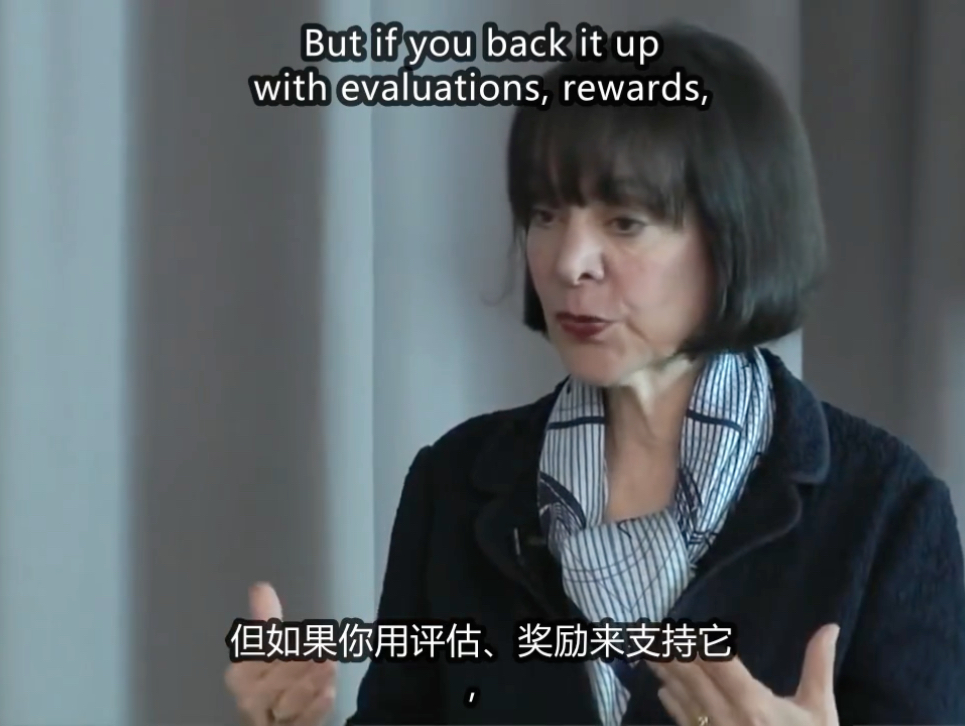
字幕摘录
| 时间 | 英文 | 中文 |
|---|---|---|
| 0:06 | All right. | 好吧,我们走。 |
| 0:06 | Before we get into mindsets, I want | 在我们进入心态之前,我想 |
| 0:09 | you to share what we've learned from what is now | 你分享我们从现在学到的 |
| 0:11 | the widely discredited theory of self-esteem | 广受诋毁的自尊理论 |
| 0:14 | and the self-esteem movement. | 和自尊运动。 |
| 0:16 | In the 1990s, the self-esteem movement took over the world. | 1990年代,自尊运动占据了世界. |
| 0:22 | We were told to tell everyone how fabulous, brilliant, | 我们被告知要告诉大家 多么美妙,精彩, |
| 0:27 | talented, special they were all the time. | 很有才华,很特别 他们一直都是 |
| 0:30 | This was going to motivate them and boost their achievement. | 这将激励他们,促进他们的成就。 |
| 0:35 | Instead, as you said, it was a complete disaster. | 相反,正如你说的,这是一个完全的灾难。 |
展开字幕全文(852 条)
| 序号 | 英文 | 中文 |
|---|---|---|
| 1 | All right. | 好吧,我们走。 |
| 2 | Before we get into mindsets, I want | 在我们进入心态之前,我想 |
| 3 | you to share what we've learned from what is now | 你分享我们从现在学到的 |
| 4 | the widely discredited theory of self-esteem | 广受诋毁的自尊理论 |
| 5 | and the self-esteem movement. | 和自尊运动。 |
| 6 | In the 1990s, the self-esteem movement took over the world. | 1990年代,自尊运动占据了世界. |
| 7 | We were told to tell everyone how fabulous, brilliant, | 我们被告知要告诉大家 多么美妙,精彩, |
| 8 | talented, special they were all the time. | 很有才华,很特别 他们一直都是 |
| 9 | This was going to motivate them and boost their achievement. | 这将激励他们,促进他们的成就。 |
| 10 | Instead, as you said, it was a complete disaster. | 相反,正如你说的,这是一个完全的灾难。 |
| 11 | It led to the acceptance of mediocrity. | 这导致了对平庸的接受. |
| 12 | It didn't challenge people to fulfill their potential. | 它并没有挑战人们实现他们的潜力. |
| 13 | And our research showed telling people they're smart | 我们的研究表明他们很聪明 |
| 14 | actually backfires. | 实际反射。 |
| 15 | It makes them afraid of challenges. | 这使他们害怕挑战。 |
| 16 | It makes them fold in the face of obstacles | 这让他们面对障碍而折叠 |
| 17 | because they're worried. | 因为他们很担心 |
| 18 | Oh, does this not look smart? | 哦,这看起来不聪明吗? |
| 19 | Am I not smart? | 我不聪明吗? |
| 20 | The whole currency is built around smart. | 整个货币都是围绕智慧构建的. |
| 21 | So what triggered your interest in going deeper | 是什么激发了你对深入的兴趣 |
| 22 | and researching how people are motivated to learn? | 研究人们如何学习? |
| 23 | And how did that lead to your definition of mindsets? | 你是如何定义心态的? |
| 24 | I was always interested in why some people wilted | 我一直很想知道为什么有人会 |
| 25 | in the face of failure, shied away from challenges, | 面对失败,远离挑战, |
| 26 | when people who were no more talented or able | 当那些没有天赋或能力的人 |
| 27 | were embracing challenges and thriving in the face of failure. | 面对失败,他们正在迎接挑战并欣欣向荣。 |
| 28 | Ultimately, this led to our discovery of the mindsets. | 最终,这导致我们发现了这种心态。 |
| 29 | And what we found was that some people believe | 我们发现有些人相信 |
| 30 | their talents and abilities are just these fixed traits. | 他们的才华和能力就是这些固定的特质。 |
| 31 | You have a certain amount, and that's it. | 你有一定数量,就是这样。 |
| 32 | But other people believe talents and abilities | 但其他人相信才华和能力 |
| 33 | can be developed through hard work, good strategies, | 可以通过艰苦努力和良好的战略来发展, |
| 34 | good mentoring from others. | 别人的好指导 |
| 35 | Through years of work, we found that having a fixed mindset | 经过多年的工作,我们发现 有固定的心态 |
| 36 | led you to be afraid of challenges | 让你害怕挑战 |
| 37 | that might unmask your deficiencies, | 这可能会揭开你的缺陷, |
| 38 | made you withdraw in the face of difficulty | 让你面对困难退出 |
| 39 | because you felt stupid. | 因为你觉得自己很蠢 |
| 40 | You didn't want to feel stupid. | 你不想觉得自己很愚蠢 |
| 41 | You wanted other people to think you were stupid. | 你想让别人觉得你很蠢 |
| 42 | Whereas having this growth mindset, | 有这种增长心态, |
| 43 | the idea that your abilities could be developed, | 关于你的能力可以发展的想法, |
| 44 | made you think, why waste my time looking smart | 让你觉得,为什么浪费我的时间看起来很聪明 |
| 45 | when I can be getting smarter? | 当我能变聪明的时候? |
| 46 | And I do that through taking on challenges. | 我这样做是通过承担挑战。 |
| 47 | I do that through seeing them through. | 我这样做是通过看到他们通过。 |
| 48 | Now, growth mindset doesn't mean everyone's the same, | 现在,成长的心态 并不意味着每个人都一样, |
| 49 | that they don't differ in talent and abilities. | 他们没有不同的天赋和能力。 |
| 50 | It just means everyone can grow. | 它只是意味着每个人都可以成长。 |
| 51 | And sort of building on that, you really | 在此基础上,你真的 |
| 52 | can't watch a sports broadcast or the TV show | 不能看体育节目或电视剧 |
| 53 | America's Got Talent, which has talent in the name, | 美国才华横溢 名副其实 |
| 54 | without hearing how talented that player is, | 没有听到球员有多有天赋, |
| 55 | or seeing someone perform in the ballet | 或看到有人在芭蕾舞中表演 |
| 56 | and say she has tremendous talent. | 说她很有天赋 |
| 57 | What role, if any, does innate talent play? | 如果有的话,天生的人才会发挥什么作用? |
| 58 | Well, they do have talent now when we're watching them. | 好吧,他们现在有天赋 当我们看他们。 |
| 59 | But I think it's created a nation that | 但我认为它创造了一个 |
| 60 | thinks when they see someone displaying talent | 想想当他们看到有人表现出天赋 |
| 61 | or incredible performance, they were born that way. | 或令人难以置信的表演, 他们诞生的方式。 |
| 62 | And they've had this inevitable rise to great success. | 并且他们得到了这个不可避免的成功。 |
| 63 | I teach a freshman seminar at Stanford every year. | 我每年在斯坦福教一个新生研讨会. |
| 64 | And I have my students do an assignment | 我让我的学生做一个任务 |
| 65 | where they do research on their hero. | 他们研究他们的英雄 |
| 66 | And almost invariably, they think | 他们几乎总是认为 |
| 67 | that hero just catapulted to success | 那个英雄刚刚被推向成功 |
| 68 | because of this amazing inborn talent. | 因为这个惊人的出生天赋。 |
| 69 | But every single time they find that the hero | 但每次他们发现英雄 |
| 70 | put in inordinate amounts of work, met with obstacles, | 投入过多的工作,遇到障碍, |
| 71 | and really powered through them. | 和真正的动力通过它们。 |
| 72 | So I don't rule out the idea, the fact | 所以我不排除这个想法,事实 |
| 73 | that some people are born with passions and talents | 有些人生来充满激情和才华 |
| 74 | and build those. | 并建造这些。 |
| 75 | But many people who never achieve anything | 但许多从未实现过的人 |
| 76 | are also born with talents and passions | 也有天赋和激情 |
| 77 | that they don't see through. | 他们看不到。 |
| 78 | And what's there, what we come with, | 而那里是什么,我们来, |
| 79 | that's the raw material that you've got to develop. | 这是你必须开发的原材料。 |
| 80 | Michael Jordan, it turns out, wasn't particularly | 迈克尔·乔丹 原来不是特别 |
| 81 | talented until he went at it so ferociously, | 才华横溢,直到他大开眼界 |
| 82 | more ferociously than anyone else. | 比任何人都更热情 |
| 83 | So you talked about over lunch, we | 所以,你谈 在午餐,我们 |
| 84 | had an interesting discussion with part of the team | 和部分团队进行了有趣的讨论 |
| 85 | here about growth mindset, fixed mindset. | 在这里,关于增长思维,固定思维。 |
| 86 | It's a great simplified way to think of it. | 这是一种非常简化的思考方式. |
| 87 | Yet people can have both. | 但人们可以拥有两者。 |
| 88 | And it's more of a spectrum. | 而更以谱为本. |
| 89 | Talk a little bit more about how you | 说点你的事 |
| 90 | can have both mindsets at the same time. | 可以同时有两种心态。 |
| 91 | We're all a mixture. | 我们都是一个混合体。 |
| 92 | It's true that you can have a fixed mindset in one area | 确实,在一个领域你可以有固定的心态 |
| 93 | and a growth mindset in another area. | 和另一个领域的增长心态。 |
| 94 | And it's true that it's a spectrum, not a dichotomy. | 而其真谓之谱,非二义也. |
| 95 | But it's really dynamic, even in a given area. | 但它真的有活力,即使在特定的地区。 |
| 96 | Sometimes you're in a fixed mindset. | 有时候,你处于固定的心态。 |
| 97 | You think, oh, my ability to fix, I have to prove them. | 你觉得,哦,我的修复能力, 我必须证明他们。 |
| 98 | I have to look smart. | 我必须看起来聪明。 |
| 99 | I can't show that I'm working too hard. | 我无法证明我工作太辛苦了 |
| 100 | People might not think I'm so smart. | 人们可能不会认为我这么聪明 |
| 101 | And other times, we could be more in a growth mindset. | 而其他时候,我们可以 更加在增长思维。 |
| 102 | So what we have to start doing is looking for what triggers. | 因此,我们必须开始做的是寻找什么触发。 |
| 103 | Because the fixed mindset holds us back, | 因为固定的心态让我们退缩 |
| 104 | we have to start looking for what triggers it in all of us, | 我们必须开始寻找什么触发它 在我们所有人, |
| 105 | even me. | 连我也是 |
| 106 | What happens when you're facing a big challenge? | 当你面对一个巨大的挑战时会怎样? |
| 107 | Do you worry about, well, I'm going | 你担心,嗯,我要去 |
| 108 | unmasked deficiencies? | 虚构的缺陷? |
| 109 | What happens when there's a setback? | 当有挫折时如何. |
| 110 | Do you think maybe I'm not good at this? | 你以为我不擅长这个吗? |
| 111 | What happens when you're receiving criticism? | 当你受到批评时会怎样? |
| 112 | Do you get angry and defensive? | 你生气和防守吗? |
| 113 | What happens when you see someone | 当你看到某人时会怎样 |
| 114 | who's better at you in what you're good at? | 在你擅长的方面谁比你好? |
| 115 | Do you feel jealous and resentful? | 你觉得嫉妒和怨恨吗? |
| 116 | Or do you feel inspired? | 或者你觉得有灵感? |
| 117 | Maybe I can learn from that person. | 也许我能向那个人学习 |
| 118 | Maybe they can mentor me. | 也许他们能指导我 |
| 119 | So watch out at these trigger moments. | 所以当心这些触发时刻。 |
| 120 | See how you're feeling. | 看看你的感觉 |
| 121 | And see if you can get yourself into more of a growth mindset. | 看看能不能让自己 进入一个增长的思维。 |
| 122 | So actually, I have two children, two daughters, | 因此,实际上,我有两个孩子,两个女儿, |
| 123 | college age and high school age. | 大学年龄和高中年龄。 |
| 124 | I read your book after my older daughter was approaching | 我大女儿过来后读过你的书 |
| 125 | high school. | 中学 |
| 126 | But my younger daughter benefited from it | 但我小女儿从中获益 |
| 127 | to the point where I banned the two S-words in our house, smart | 以至于我禁止我们家的两把S剑 聪明 |
| 128 | and stupid. | 和愚蠢。 和愚蠢。 |
| 129 | I never used the latter. | 我从来没有使用后者。 |
| 130 | But I was very guilty of using the former. | 但我对使用前者非常有罪. |
| 131 | Raise your hands if you've told a friend, or a child, | 如果你告诉朋友或孩子,举手 |
| 132 | or a loved one how smart they are. | 或爱人 他们是多么的聪明。 |
| 133 | Words are really powerful is one thing | 说话很有力,有一件事 |
| 134 | I took away from your book. | 我拿走了你的书 |
| 135 | Talk about trigger words like that, smart, stupid, | 说到触发语,聪明,愚蠢, |
| 136 | and how those can work against your best intentions. | 以及这些如何违反你的最佳意图。 |
| 137 | When you call someone smart, you put them in a box. | 当你叫人聪明的时候,你把它们放在一个盒子里。 |
| 138 | Or really, you're kind of putting them on a pedestal. | 或者真的,你有点把它们放在台阶上。 |
| 139 | And their life becomes organized around | 他们的生活变得有组织 |
| 140 | deserving the pedestal, staying on the pedestal. | 值得踏足, 留在踏足。 |
| 141 | And you can only do that by narrowing your life | 你只能缩小你的生活范围 |
| 142 | to include only things you're sure you're good at, | 只包括你确信自己擅长的东西 |
| 143 | only things you're sure you can succeed at. | 只有你确信你能成功的东西 |
| 144 | When we tell someone, you did that so quickly, | 当我们告诉别人, 你这样做这么快, |
| 145 | I'm so impressed, they hear, if I didn't do it quickly, | 我很佩服,他们听到, 如果我不快点做, |
| 146 | you wouldn't be impressed. | 你不会印象深刻的 |
| 147 | And a lot of things take a long time. | 且多事须久. |
| 148 | Or you got an A without working. | 或者你有A没有工作。 |
| 149 | Then they think, oh, if I work, | 然后他们想,哦,如果我工作, |
| 150 | you're not gonna think I'm smart at math, say. | 你不会觉得我在数学上很聪明吧 |
| 151 | And so you're just very subtly conveying these ideas | 所以你只是非常巧妙地传达这些想法 |
| 152 | that smart people don't make mistakes, | 聪明人不会犯错 |
| 153 | smart people don't have to work hard. | 聪明人不用努力工作. |
| 154 | The most important thing in the world | 世上最重要的东西 |
| 155 | is to be smart and look smart at all times. | 总是要聪明和聪明 |
| 156 | And then people start narrowing their world | 然后人们开始缩小他们的世界 |
| 157 | so they can succeed within that fixed mindset. | 这样他们就能在固定的心态下取得成功。 |
| 158 | So one thing at Google that we're obsessed with | 谷歌有件事我们很着迷 |
| 159 | is proving things through data. | 正在通过数据验证事物。 |
| 160 | And I think one of the compelling arguments | 我认为一个令人信服的论点 |
| 161 | your book made was around the research you did | 你的书是围绕你的研究 |
| 162 | with children in a school environment. | 学校环境中的儿童。 |
| 163 | So talk about some of that early research | 说说早期的研究吧 |
| 164 | and how it's evolved to reinforce | 以及它是如何进化而强化的 |
| 165 | that there's weight behind this concept. | 这个概念背后有份量 |
| 166 | Yes, we've done research now | 是的,我们已经做了研究 |
| 167 | with tens of thousands of students, | 与数万名学生, |
| 168 | first finding that those who naturally have | 首先发现那些自然拥有 |
| 169 | a growth mindset do better. | 增长思维会更好。 |
| 170 | We've traced them over challenging, | 我们已经追踪到他们的挑战, |
| 171 | especially in challenging courses | 特别是挑战性课程 |
| 172 | like pre-med organic chemistry, | 就像医学前有机化学 |
| 173 | or challenging transitions, | 或挑战性的过渡, |
| 174 | seventh grade high school college transitions. | 高中七年级大学的过渡。 |
| 175 | We've studied all of those. | 我们研究过所有这些 |
| 176 | Recently we studied all of the 10th grade students | 最近我们学习了所有10年级的学生 |
| 177 | in the country of Chile, and we, 170,000, | 和我们,17万, |
| 178 | and we found that at every level of family income | 我们发现在家庭收入的每个层次 |
| 179 | those who believed they could develop their intelligence | 那些相信他们可以发展智慧的人 |
| 180 | performed substantially higher on achievement tests | 在成绩测试中进行的比例要高得多 |
| 181 | than those who thought they couldn't. | 比那些认为他们不能。 |
| 182 | And the most striking thing was that among the poorest kids, | 最引人注目的是 在最贫穷的孩子中 |
| 183 | those who had a growth mindset were performing | 那些有成长心态的人正在表现 |
| 184 | at the level of much wealthier kids. | 更富有的孩子。 |
| 185 | But importantly, because those are correlations, | 但重要的是,因为这些是关联, |
| 186 | we've done a number of studies where we have taught | 我们做了很多研究 我们教过 |
| 187 | students a growth mindset, the idea that every time | 学生成长的心态, 思想,每次 |
| 188 | they do a really hard task and stick to it, | 他们做一个非常艰巨的任务 坚持下去, |
| 189 | the neurons in their brain form new connections | 大脑中的神经元形成新的连接 |
| 190 | and they can get smarter. | 他们可以变得更聪明。 |
| 191 | When we show them how to put that into practice, | 我们教他们如何实践 |
| 192 | we have found that students who learn this | 我们发现,学生 谁知道这一点, |
| 193 | fare better across challenging courses and transitions. | 在具有挑战性的课程和过渡中,票价更好。 |
| 194 | We just showed that in a study of women in STEM classes | 我们刚刚在对STEM班级女性的研究中 表明了这一点 |
| 195 | at universities around the country. | 在各地的大学。 |
| 196 | But we've shown that at the transition to college, | 但我们已经表明, 在向大学过渡, |
| 197 | transition to high school, and so forth. | 向高中过渡,等等。 |
| 198 | So teaching a growth mindset leads kids | 所以,教成长的心态 引导孩子们 |
| 199 | to take on the challenges, stick to them, and improve. | 迎接挑战,坚持挑战,不断改进. |
| 200 | So in our current education culture, | 所以在我们目前的教育文化中 |
| 201 | and then I wanna switch into the work environment, | 然后我想换成工作环境, |
| 202 | there's such an obsession with standardized testing | 有这样的痴迷 标准化测试 |
| 203 | and those tests having a real material impact | 和那些有实际物质影响的试验 |
| 204 | on teachers' advancement, even in some cases their income. | 教师的晋升,甚至在某些情况下他们的收入。 |
| 205 | How do you, how do school systems battle on that front | 你怎么样,学校系统如何在前线战斗 |
| 206 | at the same time tackle growth mindset, | 同时解决增长思维问题, |
| 207 | which is more about working hard in process | 这更需要努力地工作 |
| 208 | than the actual end result? | 而不是实际的最终结果? |
| 209 | It's such an interesting story because standardized tests | 这是一个有趣的故事 因为标准化测试 |
| 210 | were brought in for good reason. | 被带进来是有原因的 |
| 211 | There were students in certain parts of the country | 全国某些地区有学生 |
| 212 | and in certain schools who were performing so poorly | 在某些学校表现不佳 |
| 213 | and nobody knew and nobody cared. | 没有人知道 没有人在乎。 |
| 214 | And it was an attempt to say, let's not cheat kids | 并试图说,让我们不要欺骗孩子 |
| 215 | out of a good education, but we all know | 在良好的教育, 但我们都知道 |
| 216 | the unintended consequences. | 意外的后果。 |
| 217 | School became about standardized tests | 学校成为标准化的测试 |
| 218 | and many teachers feeling that their jobs | 以及许多教师认为他们的工作 |
| 219 | or their raises were on the line | 或者他们涨价了 |
| 220 | taught to the test the entire year. | 整个一年都在接受测试 |
| 221 | How rewarding could that be for teachers or for students? | 这对教师和学生有什么好处? |
| 222 | And we did research to show that a lot of students | 我们做了研究 显示很多学生 |
| 223 | think that those tests measure how smart they are | 认为这些测试 衡量他们有多聪明 |
| 224 | and how smart they'll be when they grow up. | 他们长大后会有多聪明 |
| 225 | So they're nervous about them | 所以他们很紧张 |
| 226 | and the whole year is spent on them. | 全年都在他们身上度过 |
| 227 | When in fact, if you just taught kids | 事实上 如果你只是教孩子 |
| 228 | and in a way that made them love learning, | 让他们喜欢学习 |
| 229 | to love challenges, know how to stick to them, | 爱挑战,知道如何坚持他们, |
| 230 | feel the thrill of improvement, | 感受进步的刺激, |
| 231 | then the test score would come as a byproduct of that. | 然后测试分数就会成为副产品 |
| 232 | Finland, the country that does so well | 芬兰,做得很好的国家 |
| 233 | on all these international tests, | 在所有这些国际测试, |
| 234 | they don't teach to the test, they teach. | 他们不教测试,他们教。 |
| 235 | The teachers love teaching, the kids love learning | 老师喜欢教书,孩子喜欢学习 |
| 236 | and they do well on the test. | 测试结果很好 |
| 237 | Let's get back to that here. | 让我们回到这里。 |
| 238 | So going into the corporate environment, | 所以进入公司环境 |
| 239 | can you actually think of an organization | 你能想到一个组织吗? |
| 240 | as a growth mindset organization | 作为增长思维组织 |
| 241 | or a fixed mindset organization? | 还是固定的思维组织? |
| 242 | You do talk about Enron in your book. | 你书里确实提到安然 |
| 243 | Yes. | 对 |
| 244 | As an example of probably not the positive side. | 作为可能不是积极方面的例子。 |
| 245 | So talk about how you can look at it | 说说你怎么看 |
| 246 | from an organizational level and then if you want | 从组织层面,然后如果你想 |
| 247 | your culture to be a growth mindset culture, | 成为成长思维文化, |
| 248 | how do you start to tackle that? | 你怎么开始处理呢? |
| 249 | Yes, yes. | 对,对。 |
| 250 | So in my book, I identify organizations | 所以在我的书里,我确定组织 |
| 251 | that valued talent, raw talent above all else | 那些珍贵的才华, 原始的才华高于一切 |
| 252 | or that believed in everyone's ability | 或相信每个人的能力 |
| 253 | to improve and develop and valued that. | 改进和发展并重视这一点。 |
| 254 | In our recent work, we've actually gone in | 在最近的工作里,我们真的进去了 |
| 255 | and asked the people. | 又问众曰. |
| 256 | We asked employees in different Fortune 500 organizations, | 我们问过不同财富500个组织的员工 |
| 257 | oh, what mindset does your company have? | 哦,你的公司有什么心态? |
| 258 | Is it a company that believes in fixed talent | 是相信固定人才的公司吗? |
| 259 | and worships it or is it a company | 并崇拜它,或它是一个团体, |
| 260 | that believes everyone can develop their abilities | 相信每个人都能发展自己的能力 |
| 261 | and really provides these opportunities? | 真正提供这些机会? |
| 262 | And what we found was there was remarkable consensus | 而我们发现的是 有着非凡的共识 |
| 263 | within organizations about which mindset | 组织内部的心态 |
| 264 | their organization has and more important, | 他们的组织具有更重要的意义, |
| 265 | it made a big difference. | 这有很大的不同。 |
| 266 | So in terms of that difference, | 因此,从这个区别来看, |
| 267 | kind of compare and contrast companies | 一种比较和对比的公司 |
| 268 | that you view as leaders in growth mindset | 将你视为增长思维中的领导者 |
| 269 | versus those that have struggled | 和那些挣扎过的人 |
| 270 | maybe because of a fixed mindset culture. | 可能是因为一种固定的思想文化 |
| 271 | Well, in this research, we found that employees | 在这项研究中,我们发现员工 |
| 272 | in fixed mindset, let me go the other way, | 在固定的心态, 让我走另一条路, |
| 273 | that employees in growth mindset organizations | 增长思维组织中的员工 |
| 274 | said they felt more empowered by the organization | 说他们觉得组织赋予了更大的权力 |
| 275 | and more committed to it. | 并更致力于它。 |
| 276 | Whereas their counterparts | 而他们的对手 |
| 277 | in the more fixed mindset organizations | 在较固定的心态组织中 |
| 278 | kind of had one foot out the door | 门外有一只脚 |
| 279 | waiting for the next highest bidder. | 等待下一个最高出价者。 |
| 280 | But to me, what was even more interesting | 但对我来说 更有趣的是 |
| 281 | is that the people in growth mindset organizations | 是那些在增长思维组织中的人 |
| 282 | said their companies valued creativity, innovation, | 说他们的公司重视创造力,创新, |
| 283 | and they really put their money where their mouth was. | 他们把钱放在嘴边 |
| 284 | So if you took a reasonable risk and it didn't work out, | 所以如果你冒了合理的风险 却没成功 |
| 285 | they said, my company has my back. | 他们说,我的公司有我的支持。 |
| 286 | My company really values teamwork was another thing | 我公司真正珍视团队合作是另一回事 |
| 287 | they said in the growth mindset organizations. | 他们说,在增长思维组织。 |
| 288 | In the more fixed mindset organizations, | 在更固定的心态组织中, |
| 289 | the employees said, yeah, the company talks | 员工说,是的,公司谈话 |
| 290 | innovation and creativity, | 创新和创造力, |
| 291 | but if things don't work out, someone pays the price. | 但是如果事情不成功,有人要付出代价。 |
| 292 | And finally, the managers in the growth mindset organizations | 最后,成长思维组织中的管理人员 |
| 293 | said that their employees had tremendous potential | 说他们的员工有巨大的潜力 |
| 294 | to rise within the organization, | 在组织内部崛起, |
| 295 | become stars, join management. | 成为明星,加入管理层。 |
| 296 | Whereas, and I love this finding | 而,我喜欢这个发现 |
| 297 | because in the fixed mindset organization, | 因为在固定的心态组织, |
| 298 | they're worshiping the talent and hiring the talent | 他们崇拜人才,雇用人才 |
| 299 | and paying to keep the talent. | 并支付保持人才。 |
| 300 | But a few years later, they're not saying | 但几年后 他们没说 |
| 301 | there are a lot of people who have potential | 有很多人有潜力 |
| 302 | to rise in the organization. | 在组织中崛起。 |
| 303 | Either they've left or they don't have that potential anymore. | 要么他们离开了 要么他们不再有这种潜力了 |
| 304 | So as many of us in the room participate | 所以,我们很多人在房间里参与 |
| 305 | in interviewing potential candidates for Google, | 在面试谷歌潜在候选人时, |
| 306 | so let's assume for a second that Google's | 所以让我们假设一下谷歌 |
| 307 | trying to have a growth mindset, I hope that it is, | 试图有一个增长的心态, 我希望它是, |
| 308 | that what are strategies that interviewers can use | 面试者可以使用哪些策略 |
| 309 | to help identify that trading people | 帮助识别交易人员 |
| 310 | or identify that someone will be open | 或确认某人将开放 |
| 311 | to going down that path? | 沿着这条路走? |
| 312 | Great question. | 问得好 |
| 313 | I worked with a major league baseball team. | 我和联赛棒球队合作过 |
| 314 | So I'll talk about that first. | 我先谈这个 |
| 315 | Two devised questions that they could ask | 两个设计的问题 他们可以问 |
| 316 | to potential draft choices. | 对潜在的选择草案。 |
| 317 | One was, how'd you get so good at baseball? | 第一,你怎么这么擅长棒球? |
| 318 | And some of them said, well, you know, | 有些人说,嗯,你知道, |
| 319 | I was born with this natural talent. | 我天生就是这种天赋 |
| 320 | And others said, well, my father and I, | 其他人说,嗯,我父亲和我, |
| 321 | we worked at it constantly. | 我们一直努力工作 |
| 322 | We had a batting cage in the backyard. | 我们在后院有个打斗笼 |
| 323 | He filmed me, we watched the tapes, and so forth. | 他拍我,我们看磁带等等。 |
| 324 | Another one was thinking about on-field success | 另外一个是在考虑现场的成功 |
| 325 | in the major leagues. | 在主要联赛。 |
| 326 | What do you think you'd have to change? | 你觉得你要改变什么? |
| 327 | And some of them said things like, | 有些人说, |
| 328 | I'll have to get used to the cheering of larger crowds. | 我得习惯大群众的欢呼 |
| 329 | And others said, maybe everything. | 其他人说,也许一切。 |
| 330 | I'll have to take all my skills to a new level. | 我得把所有的技巧都带到一个新的水平 |
| 331 | It's a whole new ball game. | 这是一个全新的球赛。 |
| 332 | So this knowledge that you might have to really | 所以,这个知识 你可能要真正 |
| 333 | reorganize, redefine yourself, | 重组 重新定义自己 |
| 334 | and build new skills is really important. | 培养新的技能是非常重要的 |
| 335 | Taking that to the corporate setting, | 把它带到公司环境, |
| 336 | first I might ask people what their greatest failures were. | 首先,我可能会问人们 他们最大的失败是什么。 |
| 337 | See whether they take responsibility | 看看他们是否承担责任 |
| 338 | and what they did with that failure. | 以及他们对失败所做的一切 |
| 339 | Did they capitalize on it to do something | 他们有没有利用它做点什么 |
| 340 | even better than they could have imagined? | 甚至比他们想象的还要好? |
| 341 | Did they use it to put value added back into the company? | 他们用它把增值 回到公司? |
| 342 | Or on the other hand, did they say, | 或者说,他们有没有说, |
| 343 | well, I had this failure, I worked too hard? | 我失败了,工作太辛苦了? |
| 344 | Or, you know, did they make it something | 或者,你知道,他们做了什么 |
| 345 | that's really, that really reflects well on them? | 这真的, 这真的反映很好 他们呢? |
| 346 | Or was it someone else's fault? | 还是别人的错? |
| 347 | And then this kind of readiness to learn, | 然后这种准备学习, |
| 348 | readiness to share credit, these kinds of questions. | 准备分享信用,这类问题。 |
| 349 | So I wonder, when I've debated this, | 所以我想,当我辩论这个, |
| 350 | your theories of mindset with colleagues over lunch, | 你的思维理论 与同事午餐, |
| 351 | particularly my last company, | 尤其是我最后一个公司, |
| 352 | there was really this resistance to accept | 真的有这种抵抗 接受 |
| 353 | that talent and or intelligence were in any way malleable. | 那种才华和智慧是 任何一种可以牺牲的 |
| 354 | And talk about that for a minute. | 说说看 |
| 355 | Is intelligence truly something that's malleable? | 情报真的可以交易吗? |
| 356 | And maybe are there physiological differences | 也许有生理差异 |
| 357 | between people that you've researched | 你研究过的人之间 |
| 358 | that are identified as growth mindset or fixed mindset? | 被确定为增长心态或固定心态? |
| 359 | So we absolutely know that skills and abilities | 所以我们绝对知道 技能和能力 |
| 360 | are malleable, and that's kind of what counts. | 是可交易的, 这很重要。 |
| 361 | That's what turns itself into performance. | 即自化为功德. |
| 362 | But there have been fascinating studies. | 但有一些令人着迷的研究。 |
| 363 | First of all, looking into the brains of fixed | 首先,研究一下固定的大脑 |
| 364 | and growth mindset people as they work on a hard task | 和成长的心态 人们在努力完成艰巨任务时 |
| 365 | and make errors, and you see that the people | 你当误入歧途,你当看见众人, |
| 366 | who are in a growth mindset are having | 处于成长心态的人 |
| 367 | the relevant areas of the brain really light up, | 大脑的相关领域 真正亮起, |
| 368 | catch fire as they process the errors and correct them. | 当他们处理错误并改正错误时,会起火。 |
| 369 | Whereas in the brains of the people | 在人们的大脑里 |
| 370 | who are in more of a fixed mindset, | 他们是在更固定的心态, |
| 371 | very little is going on. | 几乎没有发生什么 |
| 372 | They're seeing their errors and they're moving on | 他们看到自己的错误 他们继续前进 |
| 373 | as quickly as possible. | 尽快 |
| 374 | But my favorite study along these lines | 但我最喜欢的学习 沿着这些路线 |
| 375 | tracked teenagers from the age of 14 to 18. | 跟踪14至18岁的青少年。 |
| 376 | The teenage brain, our brains are still very malleable, | 青少年的大脑,我们的大脑仍然非常可塑, |
| 377 | but the teenage brain is unbelievably malleable. | 但十几岁的大脑是令人难以置信的。 |
| 378 | It's a time of tremendous potential growth. | 这是一个有着巨大潜力增长的时代. |
| 379 | And what they found over those four years | 他们在这四年里发现了什么 |
| 380 | was that there were some kids who gained a lot | 是因为有些孩子赚了很多钱 |
| 381 | in IQ points in math or verbal areas, | 在数学或语言领域的智商点, |
| 382 | and there were others that lost a lot of points | 还有其他人失去了很多分数 |
| 383 | and it tracked with the density of their neurons | 它跟踪他们的神经元密度 |
| 384 | in the relevant parts of their brains. | 在他们的大脑的相关部分。 |
| 385 | So we believe that the kids who really went at it | 所以,我们相信那些孩子 谁真的去它 |
| 386 | and took on the challenges and worked hard | 并迎接挑战,努力工作 |
| 387 | were creating these denser neurons | 产生这些更密集的神经元 |
| 388 | and the others who didn't use it lost it. | 而其他没有使用它的人 失去了它。 |
| 389 | So I thought another interesting aspect of your research | 所以我觉得你研究的另一个有趣的方面 |
| 390 | was this could apply in education at home or in business | 这是否适用于家庭教育或商业 |
| 391 | is the proclivity to cheat based on the mindset | 是一种基于心态的欺骗倾向 |
| 392 | that a person is in. | 一个人在里面。 |
| 393 | And talk a little bit about that. | 并略说此经. |
| 394 | Yes, we have studied that directly | 是的,我们直接研究过 |
| 395 | and we see that cheating is more the desire to cheat | 我们发现欺骗更是想要欺骗 |
| 396 | and the actual cheating is more prevalent | 而实际的作弊更为普遍 |
| 397 | within a fixed mindset. | 在固定的心态中。 |
| 398 | Within a fixed mindset, if say you haven't done well | 在固定的心态下,如果说你做得不好 |
| 399 | on a subject before, but you want a good grade, | 之前的一个话题, 但你想要一个好成绩, |
| 400 | you feel like, oh, I have to find some circuitous means. | 你感觉,哦,我必须找到一些回路手段。 |
| 401 | But if you feel that there are many ways | 但如果你觉得有很多方法 |
| 402 | that you can do better through actual learning, | 你可以通过实际学习做得更好, |
| 403 | you're more likely to do that. | 你更有可能做到这一点。 |
| 404 | So in one study after a poor grade, | 因此,在一个学习 后一个差分, |
| 405 | students who held more of a fixed mindset | 持有更多固定心态的学生 |
| 406 | of their intelligence actually said in advance | 他们的情报是事先说的 |
| 407 | they're seriously considering cheating on the next test. | 他们正认真考虑在下次测试中作弊 |
| 408 | So in your recent TED Talk. | 在你最近的TED演讲中。 |
| 409 | Oh, I want to say one more thing. | 哦,我想说一件事。 |
| 410 | In our business study, | 在我们的企业研究中, |
| 411 | the people in the fixed mindset organizations | 处于固定心态组织中的人 |
| 412 | said cheating and deception were much more prevalent. | 说欺骗和欺骗更普遍 |
| 413 | And think about it. | 而思议之. |
| 414 | If I have to be smarter than you, | 如果我必须比你聪明 |
| 415 | if I have to be the superstar, | 如果我必须成为超级明星, |
| 416 | I'm gonna consider all different ways | 我会考虑所有不同的方式 |
| 417 | to look better than you look. | 长得比你好看 |
| 418 | And if I have to keep secrets from you | 如果我必须保守秘密 |
| 419 | or hoard my knowledge from other people, | 或积聚我对他人的知识, |
| 420 | I'm gonna do that. | 我会做到这一点。 |
| 421 | But in the growth mindset organization | 但是在成长思维组织中 |
| 422 | where people are collaborating | 在人们合作的地方 |
| 423 | and learning and tackling challenges together, | 学习和共同应对挑战, |
| 424 | where's the cheating gonna come in? | 作弊者在哪里会进来? |
| 425 | It isn't. | 这不是。 |
| 426 | So if a company observes that behavior, | 所以,如果一个公司 观察的行为, |
| 427 | and it's a company of scale, | 它是一个规模的公司, |
| 428 | let's say it's not a company of 10 people, | 假设不是十个人组成的公司 |
| 429 | but of hundreds or thousands, | 但数以百计或数以千计, |
| 430 | and they recognize we have a culture problem, | 他们承认我们有文化问题 |
| 431 | how do you go about even trying to tackle that? | 你如何去尝试 解决这个问题? |
| 432 | What are some of the strategies companies can use | 公司可以采用什么策略? |
| 433 | if they decide we want to shift the culture, | 如果他们决定我们要改变文化 |
| 434 | we know it's gonna take time, | 我们知道这需要时间 |
| 435 | it's not just a switch that you flip, | 它不只是一个开关 你翻, |
| 436 | but what are some of the strategies | 但有些战略是什么? |
| 437 | a company could employ to change the culture? | 公司可以雇人改变文化? |
| 438 | So I think the best thing is for the message | 所以,我认为最好的事情是 为消息 |
| 439 | to come down from the top, | 从上面下来, |
| 440 | where they don't just announce | 他们不只是宣布 |
| 441 | where a growth mindset culture, | 在增长思维文化中, |
| 442 | they really explain what the new value system is. | 他们真的解释了新的价值体系是什么。 |
| 443 | The new value system on taking on challenges, | 迎接挑战的新价值体系, |
| 444 | on rewarding reasonable risk, | 以合理的风险报应, |
| 445 | on teamwork, on sharing information, | 关于团队合作,关于分享信息, |
| 446 | giving performance evaluations | 提供业绩评价 |
| 447 | that speak to people's growth and contribution | 代表人们的成长和贡献 |
| 448 | to the company in terms of learning, | 在学习方面, |
| 449 | and salary increases that take into account | 和考虑到 |
| 450 | did someone take on challenges, improve, | 是否有人承担挑战,改善, |
| 451 | help other people improve, | 帮助其他人改善, |
| 452 | were they a good team player? | 他们是好球员吗? |
| 453 | Bottom line counts, but these things also count. | 底线算数,但这些也算数。 |
| 454 | So to have, to kind of talk, | 所以,有,有点说话, |
| 455 | growth mindset talk without backing it up, | 增长心态的谈论 而不支持它, |
| 456 | I don't think that's gonna happen. | 亦不见此. |
| 457 | If you have the old reward system | 如果你有旧的奖励制度 |
| 458 | that's rewarding kind of individual jockeying | 这是一种奖励 个人骑师 |
| 459 | for a claim in power. | 拥有权力的权利。 |
| 460 | But if you back it up with evaluations, | 但是如果你用评价来证明 |
| 461 | rewards, and mentoring, | 报酬和辅导, |
| 462 | and what a growth mindset deeply means, | 以及增长思维的深刻意义, |
| 463 | and how it can be enacted within the job, | 以及如何在工作范围内颁布该法, |
| 464 | I think that's a great start. | 我觉得这是一个伟大的开始。 |
| 465 | In your recent TED Talk, you talked about | 在你最近的TED演讲中,你谈到 |
| 466 | the power of yet, which I thought | 力量,我还以为 |
| 467 | was a very interesting concept. | 是一个非常有趣的概念。 |
| 468 | Talk a little bit about what you meant by that. | 谈谈你的意思 |
| 469 | Yes, it all started when I learned | 对,都是从我学来的 |
| 470 | about a high school in Chicago | 关于芝加哥的一所高中 |
| 471 | where students had to pass maybe 84 units to graduate. | 学生必须经过84个单元才能毕业。 |
| 472 | And if they didn't pass a unit, | 如果他们没有通过一个单位, |
| 473 | they got the grade not yet. | 他们的成绩还没有达到 |
| 474 | I thought that, isn't that great? | 我想过了,是不是很棒? |
| 475 | Because if you get a failing grade, | 因为如果你得到一个失败的成绩, |
| 476 | you think, I hate this, I'm outta here, | 你认为,我讨厌这个, 我离开这里, |
| 477 | I'm no good at this. | 我不擅长这个。 |
| 478 | And you kind of lose your steam. | 你有点失去了你的蒸汽。 |
| 479 | But not yet means, hey, you're on a trajectory, | 但还不是说你在轨迹上 |
| 480 | a learning trajectory. | 学习轨迹。 |
| 481 | Maybe you're not at the finish line, | 也许你不在终点线上 |
| 482 | but you're on your way there. | 但你正在赶过去 |
| 483 | And the students went around the school | 学生们绕着学校走 |
| 484 | unabashedly saying to each other, | 毫不掩饰地对彼此说, |
| 485 | how many not yet's do you have? | 你还有多少人? |
| 486 | How many not yet's do you have? | 你还有多少人? |
| 487 | So we started a program of research, | 于是我们开始了一个研究计划 |
| 488 | it's still continuing, on the word yet. | 还没完呢 |
| 489 | And showing that, saying not yet after a wrong answer | 并显示这一点,说 还没有后 一个错误的答案 |
| 490 | keeps up motivation and encourages persistence. | 保持积极性,鼓励坚持不懈。 |
| 491 | So just saying, and listen to yourself. | 所以,只是说, 听你自己。 |
| 492 | If sometimes you say, I'm not a hmm person | 如果你有时说,我不是一个人 |
| 493 | or I could never do hmm, then just add the word yet. | 或者我永远不能做 嗯,那么只是添加这个词了。 |
| 494 | And it takes a very, or if one of your employees says, | 这需要非常,或者如果你的员工之一说, |
| 495 | I can't do it, I'm no good at this, yet. | 我办不到,我还没做好 |
| 496 | It takes a very fixed mindset statement | 这需要非常固定的心态 |
| 497 | and it puts it in a whole different | 和它放在一个完全不同的 |
| 498 | growth mindset context. | 增长思维环境。 |
| 499 | And just a second to last question for me | 还有我最后一个问题 |
| 500 | is you did some interesting research very recently | 你最近做了一些有趣的研究吗? |
| 501 | around gaming and gaming applied to math. | 游戏和游戏应用在数学上。 |
| 502 | And talk a little bit about how you were able | 谈谈你是如何做到的 |
| 503 | to incorporate your concept of the growth mindset | 将你的成长观念纳入其中 |
| 504 | into that experience. | 进入这种经历。 |
| 505 | 我们和Zoran Popovich和他的同事合作 | |
| 506 | at the University of Washington to create a math game | 在华盛顿大学创建数学游戏 |
| 507 | called Brain Points that incorporated | 称为脑点的 |
| 508 | growth mindset principles. | 增长思维原则。 |
| 509 | There were algorithms built into the game | 游戏中包含了算法 |
| 510 | that detected the student's effort, | 发现学生的努力, |
| 511 | their use of strategies, and their improvement. | 战略的使用及其改进。 |
| 512 | Okay, and then in our experiment, | 好吧,然后在我们的实验中, |
| 513 | we compared Brain Points to the standard version of the game. | 我们把"脑点"比作游戏的标准版. |
| 514 | Now, the standard version of the game | 现在,游戏的标准版本 |
| 515 | is your usual game where the more you zoom through | 这是你平常的游戏,你越放大 |
| 516 | and answer problems correctly, | 并正确回答问题, |
| 517 | the more you rack up points. | 越多,你越打分。 |
| 518 | Not in Brain Points. | 不在脑点。 |
| 519 | Actually, if you zoom through, it apologizes to you | 其实,如果你放大, 它向你道歉 |
| 520 | and says you didn't earn any points that time. | 说你那会儿赚不到任何分数 |
| 521 | We're sorry, we'll give you something more challenging | 对不起,我们会给你 更具有挑战性的东西 |
| 522 | the next time. | 下一次的时候。 |
| 523 | So what happened was this. | 事情是这样的 |
| 524 | First, students played, these were great school students. | 首先,学生玩, 他们是伟大的学生。 |
| 525 | They played longer, | 他们玩得更久 |
| 526 | because they could leave the game at any point. | 因为他们随时可以离开比赛 |
| 527 | They played significantly longer. | 他们演奏的时间要长得多 |
| 528 | They used more strategies. | 他们使用了更多的策略。 |
| 529 | We dropped in difficult problems occasionally. | 我们偶尔会遇到麻烦 |
| 530 | They persevered on them longer. | 他们坚持他们更长的时间。 |
| 531 | But this was my favorite finding. | 这是我最喜欢的发现 |
| 532 | In the standard version, | 在标准版本中, |
| 533 | it was mostly the high achievers who played to the end. | 大部分是高成就者打到最后。 |
| 534 | But in the Brain Points version, | 但在"脑点"版本中 |
| 535 | they stayed in, they played to the end, they liked it. | 他们留下来,玩到最后, 他们喜欢它。 |
| 536 | But so many more lower and medium achievers | 但是,如此多的中低成绩者 |
| 537 | also stayed till the end. | 还一直呆到最后。 |
| 538 | So what keeps you up at night | 所以,是什么让你晚上不睡 |
| 539 | as you think about where your research can go? | 想想你的研究可以去哪里吗? |
| 540 | Because like any scientific endeavor, | 因为像任何科学努力, |
| 541 | it's constantly being challenged and revisited. | 不断受到质疑和重审 |
| 542 | What keeps you up at night worrying | 是什么让你在晚上担心 |
| 543 | about where your theory can be right or wrong or improved? | 关于你的理论是对的还是错的还是改进的? |
| 544 | Yes, I always had this attitude | 是的,我一直有这种态度 |
| 545 | of challenging my ideas and my theories, | 挑战我的想法和理论, |
| 546 | because if you're wrong, | 因为如果你错了 |
| 547 | you wanna know it as soon as possible. | 你想尽快知道 |
| 548 | You don't wanna spend your life on it. | 你不想一辈子都花在它上 |
| 549 | So what keeps me up at night in a good way | 所以,是什么让我在晚上 一个好的方式 |
| 550 | are different areas where it could be applied. | 这些是可以适用的不同领域。 |
| 551 | So we have a whole program of research. | 所以我们有一个完整的研究计划。 |
| 552 | Peace in the Middle East, | 中东和平, |
| 553 | where we're using mindset principles. | 我们用的是思维原理 |
| 554 | I'm not minimizing the hugeness of the problem, | 我没有把问题的严重性降到最低 |
| 555 | but we're using mindset principles | 但是我们用的是思维原理 |
| 556 | to try to build some greater understanding. | 试图建立一些更大的理解。 |
| 557 | So I love to think of ways that we can extend it | 所以我喜欢想一些方法,我们可以扩展它 |
| 558 | to areas we never thought of before. | 我们从未想过的地区。 |
| 559 | I love to think of ways to implement it | 我喜欢考虑执行它的方法 |
| 560 | so that more kids who need this way of thinking | 以便更多的孩子 谁需要这样的思考方式 |
| 561 | can benefit from it. | 能从中得益. |
| 562 | And something that also keeps me up at night | 我晚上也睡不着觉 |
| 563 | is the fear that people are developing | 就是人们正在发展起来的恐惧 |
| 564 | what I'm calling a false growth mindset. | 我所说的是虚假的成长思维。 |
| 565 | It's this idea, if it's good, I have it. | 这是这个想法,如果它是好的,我有它。 |
| 566 | So a lot of people are kind of declaring they have it, | 所以很多人都说他们有 |
| 567 | but they don't. | 但他们没有。 |
| 568 | They think it just means open-minded | 他们觉得那只是开明的意思 |
| 569 | or being a nice person, | 或成为一个好人, |
| 570 | or maybe they're saying they have it | 也许他们说他们有 |
| 571 | for fixed mindset reasons. | 由于固定的心态原因。 |
| 572 | I want you to judge me as being the right kind of person. | 我要你判断我是合适的人 |
| 573 | So developing a growth mindset is really a journey. | 所以,发展一种增长的心态 确实是个旅程。 |
| 574 | It's a lifelong journey of monitoring your trigger points | 这是一个一生的旅程 监视你的触发点 |
| 575 | and trying to approach things in a more growth mindset way | 并试图以更增长的心态处理事情 |
| 576 | of taking on the challenges, | 迎接挑战, |
| 577 | sticking to them, learning from them. | 坚持他们,学习他们。 |
| 578 | So right now I'm writing something for educators | 所以,现在我写的东西 教育家 |
| 579 | that I'm calling false growth mindset | 我所说的是虚假的成长心态 |
| 580 | to tell them, no, you can't just say it. | 告诉他们,不,你不能只是说出来。 |
| 581 | You have to take a journey. | 你必须去旅行。 |
| 582 | Because we're doing research now showing | 因为我们现在在做研究 |
| 583 | that many teachers and parents | 许多教师和家长 |
| 584 | who say they have a growth mindset | 谁说他们有增长的心态 |
| 585 | are actually responding to kids | 其实是回应孩子 |
| 586 | in ways that are creating fixed mindsets for the kids. | 给孩子们带来固定的心态 |
| 587 | So that's kind of the array of things | 所以,这是一类的事情 |
| 588 | that keep me up at night. | 这让我在晚上。 |
| 589 | But that said, I do sleep pretty well. | 但是说,我睡得很好 |
| 590 | All right, with that we'll open up for questions | 好吧,这样我们就可以提问了 |
| 591 | from the audience. | 从观众。 |
| 592 | And I'm gonna take a quick look at the Dory too. | 我也会看看多莉 |
| 593 | So the mic's gonna get passed around. | 所以麦克风会传来 |
| 594 | Hi, I was introduced to Fix Your Book a couple of years ago | 嗨,我介绍 修你的书几年前 |
| 595 | and I have like 15 nieces and nephews. | 我有15个侄女和侄子 |
| 596 | And I find myself when I'm with them, | 我发现自己 当我与他们在一起, |
| 597 | I don't know what to say to them | 我不知道该怎么跟他们说 |
| 598 | because I don't wanna be like, oh, you're so smart | 因为我不想像,哦,你这么聪明 |
| 599 | because I'm not supposed to use that word or whatever. | 因为我不应该用这个词什么的。 |
| 600 | But then it's like I forget what to say | 但后来我好像忘了说什么 |
| 601 | when they're telling me about friends at school | 当他们告诉我 在学校的朋友 |
| 602 | or problems they're having. | 或者是他们遇到的问题 |
| 603 | It's sometimes like, that sounds really hard. | 有时候听起来很困难 |
| 604 | I mean, am I just supposed to say like, | 我的意思是,我只是应该说, |
| 605 | well, that's hard, I can do hard things. | 好吧,这很难,我可以做难的事情。 |
| 606 | You can do hard things. | 你可以做艰难的事情。 |
| 607 | Do you have any advice? | 你有什么建议吗? |
| 608 | Okay. | 摆 |
| 609 | Okay, the question is, if you can't say smart, | 好吧,问题是,如果你不能说聪明, |
| 610 | what can you say? | 你能说什么? |
| 611 | You can say so many other things. | 你可以说这么多其他的事情。 |
| 612 | One thing is you can just show interest | 有一件事,你只要表现出兴趣 |
| 613 | in the process that the child or other person | 儿童或其他人参与的过程 |
| 614 | is engaging in and in our research, | 正在参与我们的研究 |
| 615 | that's what we've shown is effective. | 这就是我们展示的 有效。 |
| 616 | Focusing on the process or appreciating the process | 注重进程或赞赏进程 |
| 617 | someone is engaging in or that has engaged in. | 有人正在或已经从事。 |
| 618 | So just show interest, ask questions, | 所以只要表现出兴趣,问问题, |
| 619 | give encouragement if they've been grappling | 如果他们一直挣扎,就给予鼓励 |
| 620 | with something and they've tried new strategies | 他们尝试了新的策略 |
| 621 | or stuck to the strategies. | 或者坚持策略 |
| 622 | One parent said, oh, I hate it | 一个家长说,哦,我讨厌它 |
| 623 | because I can't appreciate when my child | 因为我不能欣赏 当我的孩子 |
| 624 | does something great. | 做一些伟大的事情。 |
| 625 | Say, well, where'd you get that from? | 你从哪儿弄来的? |
| 626 | Of course you can appreciate it, | 你当然会感激的 |
| 627 | but then tie it to something they engaged in. | 然后把它绑在他们参与的东西上 |
| 628 | Oh, you couldn't do that yesterday, | 哦,你昨天不能做到这一点, |
| 629 | you made progress, that's so exciting. | 你进步了,真令人兴奋 |
| 630 | Oh, that's great, you really stuck to it | 哦,那太好了,你真的坚持它 |
| 631 | and learned it or you tried all different ways | 学会了,或者你尝试了所有不同的方式 |
| 632 | and look, that worked. | 你看,这是有效的。 |
| 633 | So you're really appreciating some outcome where they are | 所以,你真的很欣赏一些结果 在他们在哪里 |
| 634 | and you're talking about how they got there. | 你在说他们是怎么到那儿的 |
| 635 | But if you don't have that information, just ask them. | 但如果你没有这个信息 就问问他们 |
| 636 | Never praise effort that isn't there. | 永远不要称赞没有的努力。 |
| 637 | Got a question from our Dory | 我们多莉有个问题 |
| 638 | and then we'll go back to the room. | 然后我们再回房间 |
| 639 | So a question from the Dory is, | 多莉的提问是 |
| 640 | how do you think shame plays a role | 你觉得羞耻如何扮演一个角色 |
| 641 | in the growth mindset fixed versus growth? | 在增长思维中固定与增长? |
| 642 | Oh, that's a great question. | 哦,这是一个伟大的问题。 |
| 643 | We have studied that and we have shown | 我们研究了这一点,我们展示了 |
| 644 | that shame is a big factor in a fixed mindset. | 羞耻是固定思想中的一大因素 |
| 645 | You don't wanna take on a challenge. | 你不想面对挑战 |
| 646 | It's humiliating to have a setback within a fixed mindset. | 在一个固定的心态中有一个挫折是耻辱的. |
| 647 | It means you're not the person you wanna be | 这意味着你不是你想成为的人 |
| 648 | and other people aren't gonna look at you in the same way. | 其他人不会以同样的方式看待你 |
| 649 | We've studied it in adolescence. | 我们在青春期就研究过 |
| 650 | Adolescents in a fixed mindset feel incredible shame | 思想固定的青少年感到令人难以置信的耻辱 |
| 651 | when they are excluded or rejected | 当他们被排斥或拒绝的时候, |
| 652 | and that makes them wanna lash out violently. | 这使得他们想用暴力击退。 |
| 653 | And research for many years, many people's research | 多年来的研究,很多人的研究 |
| 654 | has shown that shame is not a productive emotion. | 已经证明羞耻并不是一种有成果的情感。 |
| 655 | It makes you wanna hide or lash out, | 它让你想躲起来或抽出来, |
| 656 | both of which are not gonna get you in the long run | 从长远来看,这两样东西都救不了你 |
| 657 | where you wanna be. | 你想去哪儿吗? |
| 658 | In a growth mindset, you can feel very disappointed, | 在成长的心态下,你可以感到非常失望, |
| 659 | you can feel hurt, you can feel guilty, | 你可以感到伤害,你可以感到内疚, |
| 660 | you can feel a lot of things, but these are emotions | 你可以感觉到很多事情, 但这些都是情感 |
| 661 | that allow you to go forward and be constructive. | 这样你就可以继续前进,并具有建设性。 |
| 662 | Hi, my name is Jennifer Wang. | 嗨,我的名字是王珍妮弗。 |
| 663 | Thanks for coming to speak with us. | 谢谢你来和我们谈谈 |
| 664 | I work on the K-12 education outreach team here, | 我在K -12教育推广小组工作 |
| 665 | focusing specifically on computer science education | 特别注重计算机科学教育 |
| 666 | and diversity in that. | 和多样性。 |
| 667 | So I'm curious if you've looked into | 所以我好奇你有没有查过 |
| 668 | how stereotypes may interact with growth mindset, | 陈规定型观念如何与增长思维相互作用, |
| 669 | like for instance, thinking that math is not for girls, | 比如说 认为数学不适合女孩 |
| 670 | how does that interact with growth mindset? | 这与增长心态有何互动? |
| 671 | Yes, so how does the growth mindset | 对,增长的心态如何? |
| 672 | interact with stereotypes? | 与定型观念互动? |
| 673 | We've done extensive research on that. | 我们对此进行了广泛的研究。 |
| 674 | A fixed mindset would be the belief | 一个固定的心态就是信念 |
| 675 | that I can't do math, girls can't do math, et cetera, | 我不能做数学, 女孩不能做数学,等等, |
| 676 | and a growth mindset is it's a learned set of skills, | 成长的心态是 学习技能 |
| 677 | anyone can get better at them. | 任何人都可以得到更好的 他们。 |
| 678 | So notice, first of all, that a stereotype | 所以首先要注意的是 陈规定型 |
| 679 | is a fixed mindset label, it says it's fixed | 是一个固定的思维标签, 它说它是固定的 |
| 680 | and certain groups have it, certain groups don't. | 某些团体有,某些团体没有。 |
| 681 | But in our research, we also find that when females | 但是在我们的研究中,我们也发现 当女性 |
| 682 | have a fixed mindset about math or computer science, | 对数学或计算机科学有固定的心态, |
| 683 | they're more vulnerable to the stereotypes. | 他们更容易受到定型观念的影响。 |
| 684 | So in one study that we did at Columbia University, | 在哥伦比亚大学的一项研究中 |
| 685 | we found that when women in calculus | 我们发现当女性在微积分 |
| 686 | had a fixed mindset about their math abilities, | 对于他们的数学能力有固定的心态, |
| 687 | when they encountered stereotyping, | 当他们遭遇定型的时候, |
| 688 | where they felt their classmates or the professors | 他们觉得自己是同学还是教授 |
| 689 | thought women weren't as good as men, | 以为女人不如男人好 |
| 690 | they fell prey to that. | 他们被它吃掉了 |
| 691 | So as we tracked them over their semester, | 所以,当我们跟踪他们 在他们的学期, |
| 692 | they started thinking I don't belong here, | 他们开始认为我不属于这里 |
| 693 | I don't like this anymore, I don't have confidence | 我不再喜欢这样,我不再有信心 |
| 694 | I can succeed in this area, and ultimately, | 我可以在这方面取得成功,并最终, |
| 695 | they did not intend as much to take it in the future. | 他们并不打算在今后接受它。 |
| 696 | Whereas if they had a growth mindset, | 而如果他们有增长的心态, |
| 697 | they did not like the stereotyping, | 他们不喜欢陈规定型, |
| 698 | but it didn't speak to them. | 但它没有告诉他们。 |
| 699 | They didn't believe that they couldn't improve, | 他们不相信他们不能改善, |
| 700 | learn, and succeed, so they maintained their confidence, | 你们应当学会,应当成功,故你们应当敬畏。 |
| 701 | they maintained their enjoyment of math, | 他们继续享受数学, |
| 702 | and they maintained their desire to take math in the future. | 他们一直渴望将来能学数学 |
| 703 | We just finished a study of women in computer science | 我们刚刚完成了对计算机科学中女性的研究 |
| 704 | and are finding very similar things, | 并发现非常相似的东西, |
| 705 | in addition to finding that teaching a growth mindset | 除了发现在教育增长思维之外 |
| 706 | is helping women withstand the stereotypes, | 帮助妇女克服陈规定型观念, |
| 707 | maintain their interests, | 维护他们的利益, |
| 708 | maintain the sense that it's a field they belong in, | 保持他们所属的田野的感觉 |
| 709 | and these result in higher grades in the core. | 这些结果导致核心职等提高。 |
| 710 | So we're very, very interested in that intersection | 所以我们对那个十字路口非常感兴趣 |
| 711 | between growth mindset and stereotyping. | 在增长思维和陈规定型观念之间。 |
| 712 | We also are finding at the transition to college | 我们也在向大学过渡时发现 |
| 713 | that learning a growth mindset helps students | 学习成长思维有助于学生 |
| 714 | from underrepresented groups in general even more, | 代表人数不足的群体, |
| 715 | because it helps them deal with stereotypes | 因为这能帮助他们处理陈规陋习 |
| 716 | that they might encounter. | 他们可能遇到。 |
| 717 | Got another Dory question here, | 这里还有个多利问题 |
| 718 | which I think is an interesting take. | 我觉得这是件有趣的事情 |
| 719 | Do you see any context in which a fixed mindset | 你是否看到有固定的心态的背景 |
| 720 | is more beneficial than a growth mindset? | 比增长思维更有益吗? |
| 721 | Well, first let me say that a growth mindset | 首先让我说,增长的心态 |
| 722 | doesn't require you to go around improving everything. | 不需要你来改善一切 |
| 723 | You can focus and you can decide, | 你可以专心决定 |
| 724 | no, I'm not gonna do that, no, I'm not gonna do that. | 不,我不这样做,不,我不这样做。 |
| 725 | But research, not my research, but research of others | 但研究,不是我的研究,而是别人的研究 |
| 726 | has in fact looked at this question | 事实上已经研究过这个问题 |
| 727 | and found two areas so far | 并发现了两个地区 |
| 728 | in which a fixed mindset is better. | 在其中固定的心态更好。 |
| 729 | One is sexual orientation. | 一是性倾向. |
| 730 | People who accept that this is who they are | 承认自己是这样的人 |
| 731 | and this is who they're meant to be | 这就是他们注定要成为的 |
| 732 | seem to be better adjusted | 似乎更好的调整 |
| 733 | than people who think I should be changing. | 而不是那些认为我应该改变的人 |
| 734 | And the other is aging. | 另一个是衰老。 |
| 735 | So it's nice to feel you can stay young | 所以,感觉很好 你可以保持年轻 |
| 736 | through exercise and so forth, | 通过锻炼等等, |
| 737 | but people who run around nipping and tucking | 但人们跑来跑去 |
| 738 | and the tummy tuck and this, that, and the other, | 肚子和这个,那个,另一个, |
| 739 | and it's kind of a desperate attempt | 这是一种绝望的尝试 |
| 740 | to retain extreme youth, | 保持极端的青春, |
| 741 | that doesn't seem to be so great either. | 这似乎也不是很好。 |
| 742 | But when it comes to skill areas, | 但是在技能领域 |
| 743 | it looks like a growth mindset | 看起来像成长的心态 |
| 744 | is typically more advantageous. | 通常比较有利。 |
| 745 | Could you identify specific behaviors | 你能识别出具体的行为吗? |
| 746 | {\fn黑体\fs22\bord1\shad0\3aHBE\4aH00\fscx67\fscy66\2cHFFFFFF\3cH808080}可以让你在旅途中进步 | |
| 747 | for an open mindset and how do you know | 开明的心态 你怎么知道 |
| 748 | that you're not kidding yourself | 你没在开玩笑 |
| 749 | or falsely believing that you are one? | 或误信你们是一体的吗? |
| 750 | How do you know when you got there? | 你怎么知道你什么时候到的? |
| 751 | Yes, great question. | 是的,伟大的问题。 |
| 752 | What are some specific behaviors you can do | 具体的行为是什么? |
| 753 | to get yourself on the road to a growth mindset? | 让自己走上增长思维之路? |
| 754 | Here are some ideas. | 这里有一些想法。 |
| 755 | So first, if you have a choice of something safe | 所以首先,如果你有 选择安全的东西 |
| 756 | versus a challenge, take the challenge. | 面对挑战,接受挑战。 |
| 757 | If you hit an obstacle, try to interpret it | 如果你碰到障碍,试着解释一下 |
| 758 | in a growth mindset way. | 以增长思维方式。 |
| 759 | So what can I learn from this? | 我从中可以学到什么? |
| 760 | What can I do next? | 接下来怎么办? |
| 761 | As I mentioned before, if you see someone | 正如我之前提到,如果你看到一个人 |
| 762 | who's better than you, go learn from them. | 谁比你好, 去学习他们。 |
| 763 | So those are a set of behaviors you can start doing | 所以这是一组行为 你可以开始做 |
| 764 | in addition to, as I also mentioned before, | 此外,正如我前面还提到的, |
| 765 | monitoring those fixed mindset triggers. | 监测这些固定心态触发因素。 |
| 766 | And the thing is that it's a journey | 事情是,这是一个旅程 |
| 767 | that one is always on. | 总是这样 |
| 768 | It's not ever the case that you've arrived | 你从未来过这里 |
| 769 | {\fn黑体\fs22\bord1\shad0\3aHBE\4aH00\fscx67\fscy66\2cHFFFFFF\3cH808080}在完全持久的增长思维中 | |
| 770 | It's something that you have to look at all the time. | 谓得一切时观察. |
| 771 | So listen to that voice in your head | 听听你脑子里的声音 |
| 772 | at the trigger points. | 在触发点。 |
| 773 | Because even I hear myself saying sometimes in my head, | 因为即使我听到自己有时在脑海里说 |
| 774 | I was never good at that. | 我从来都不擅长这个 |
| 775 | Whoa, did I say that? | 哇,我说过吗? |
| 776 | So listen to that voice. | 所以听那个声音。 |
| 777 | It's constantly running in your head. | 它不停地运行在你的头上。 |
| 778 | And I actually recommend that as a very, very first step. | 我实际上建议,这是非常,非常的第一步。 |
| 779 | The first few weeks that you embark on this journey, | 你踏上这个旅程的前几周 |
| 780 | don't push yourself to exhibit | 别逼自己去展示 |
| 781 | any growth mindset characteristics. | 任何增长思维特征。 |
| 782 | Just listen to that voice that says, | 听那个声音说 |
| 783 | don't try this, you might look foolish. | 不要尝试这个,你可能看起来很愚蠢。 |
| 784 | You made a mistake, if people knew that, | 你犯了一个错误, 如果人们知道这一点, |
| 785 | they wouldn't look at you in the same way. | 他们不会用同样的方式看待你 |
| 786 | That person's better than me, I hate them. | 那个人比我好 我讨厌他们 |
| 787 | Just whatever that voice is saying in your head, | 不管那个声音在你的脑海里说什么 |
| 788 | listen to it. | 听着 |
| 789 | And even do it with friends, discuss it. | 甚至和朋友一起讨论 |
| 790 | Or when you see someone doing something | 或者当你看到有人在做一些事情 |
| 791 | that looks effortless, are you thinking, | 这看起来很不费力,你在想什么, |
| 792 | oh, they're just brilliant and talented? | 哦,他们只是聪明和有才华? |
| 793 | Catch yourself thinking that. | 想想看,你这样想。 |
| 794 | Or someone who's struggling, are you thinking, | 或者有人在挣扎 你在想 |
| 795 | oh, they're not really good at that? | 哦,他们不是很擅长这个? |
| 796 | Albert Einstein says, I'm not that smart, | 阿尔伯特·爱因斯坦说 我没那么聪明 |
| 797 | I'm not smarter than other people. | 我比别人更聪明 |
| 798 | And he meant it, he said, I just stick to things longer. | 他是认真的,他说,我只是坚持的东西更长。 |
| 799 | That's why people thought he was slow originally. | 这就是为什么人们觉得他最初很慢. |
| 800 | He knew he didn't understand time, space, | 他知道他不懂时间和空间 |
| 801 | energy and so forth. | 能源等。 |
| 802 | So I would say the very first step | 所以我要说第一步 |
| 803 | is the first few weeks, just listen | 头几周,听着 |
| 804 | to that fixed mindset voice. | 对固定的心态的声音。 |
| 805 | It's there, we all have it. | 就在那里,我们都有 |
| 806 | And if you don't hear it, it will rule your behavior. | 如果你不听,它会 统治你的行为。 |
| 807 | Thank you for coming. | 谢谢你能来 |
| 808 | I actually read your book right before I started at Google | 我在谷歌开始之前就读过你的书 |
| 809 | and I know I have a very fixed mindset. | 我知道我有一个非常固定的心态。 |
| 810 | And this is sort of a fixed mindset question even. | 这算是个固定的思维问题。 |
| 811 | But have you seen patterns in which kids have fixed mindsets? | 但是,你有没有看到模式 孩子们有固定的心态? |
| 812 | Are there differences across socioeconomic lines? | 社会经济界之间是否存在差异? |
| 813 | Do you see that certain teachers, most of their students | 你看到某些老师 大部分学生 |
| 814 | will have the growth mindset? | 会有增长的心态吗? |
| 815 | I'm sorry, yeah, do you see patterns | 对不起,是的,你看到了规律 |
| 816 | with who has the growth mindset? | 与谁有增长思维? |
| 817 | And how does that happen to kids? | 孩子们怎么会这样? |
| 818 | Yes. | 对 |
| 819 | So first of all, I don't rule out | 所以,首先,我没有排除 |
| 820 | that there could be temperamental factors. | 可能存在温和因素。 |
| 821 | Kids pop out differently. | 孩子们都不同 |
| 822 | And some of them you see, they're | 其中一些人,你看,他们是 |
| 823 | tearing around the world. | 环游世界 |
| 824 | They fall down, they get up. | 他们倒下,他们站起来。 |
| 825 | And then other kids, you look at them sideways | 然后其他孩子,你看着他们侧面 |
| 826 | and they think, what did I do? | 他们认为,我做了什么? |
| 827 | So there could be these temperamental factors. | 所以可能存在这些脾气因素. |
| 828 | But we've shown the environment is really powerful. | 但我们已经表明环境非常强大。 |
| 829 | We actually did a study where we looked at mothers' | 我们实际上做了一个研究 在那里,我们看着母亲。 |
| 830 | praise to babies and found that the praise they | 赞美婴儿,发现他们的赞美 |
| 831 | gave to their one, two, and three-year-olds | 给了他们的一、二、三岁的孩子 |
| 832 | predicted the child's mindset and desire for challenge | 预言孩子的心态和对挑战的渴望 |
| 833 | five years later. | 五年之后,我们又回到了 |
| 834 | So that environment is powerful. | 因此,环境是强大的。 |
| 835 | Another thing we found is that the way parents | 我们发现的另一件事是 父母的方式 |
| 836 | react to kids' mistakes is a big determinant | 对孩子的错误作出反应是一个很大的决定因素 |
| 837 | of the child's mindset. | 儿童心态。 |
| 838 | A parent can say, I have a growth mindset. | 一个家长可以说,我有成长的心态。 |
| 839 | But if a child makes a mistake and they | 但是如果一个孩子犯了错误 他们 |
| 840 | act like it's negative, importantly negative, | 装作是负面的,重要的是负面的, |
| 841 | or even if they excuse it and gloss over it | 即使他们原谅它,而且掩饰它; |
| 842 | in a way that communicates to the child it's negative, | 和孩子沟通的方式是否定的 |
| 843 | that child is more likely to have more of a fixed mindset. | 这孩子更有可能有 更多的固定的心态。 |
| 844 | So yeah, there can be temperamental input. | 因此,可以有 脾气输入。 |
| 845 | The environment is powerful. | 环境是强大的。 |
| 846 | I want to thank you so much for taking time | 我想谢谢你这么花时间 |
| 847 | to come to Google today and for the terrific turn out | 今天来到Google 和伟大的结果 |
| 848 | that we have here. | 我们在这里。 |
| 849 | 我几乎知道Livestream。 | |
| 850 | So thank you very much. | 非常感谢 |
| 851 | Pleasure. | 幸会 |
| 852 | Thanks again to you've come to Google today | 再次感谢你今天来到谷歌 |
该视频共有字幕 852 条。解锁更多字幕为会员功能,请移动到 价格