意识的起源|理解复杂生命和认知进化
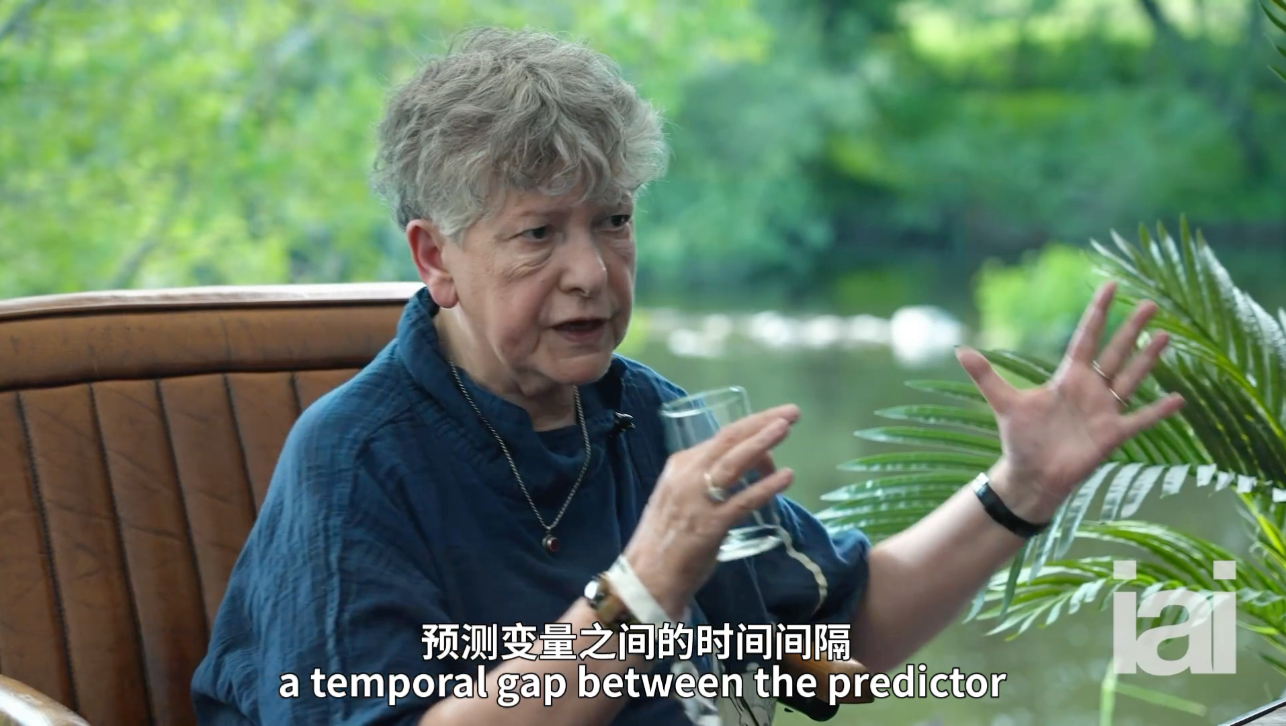
字幕摘录
| 时间 | 英文 | 中文 |
|---|---|---|
| 0:00 | Many animals learn. | 许多动物学习。 |
| 0:01 | I mean even simple single cells learn in a very simple way | 我的意思是,即使是简单的单细胞 学习的方式非常简单 |
| 0:06 | So one of the simplest forms of learning is called habituation or sensitization | 因此,最简单的学习形式之一叫做习惯或敏化 |
| 0:11 | And what happens here is when you are exposed for example with sensitization to something | 这里发生的事情是,当你被曝光 以灵敏感知的东西 |
| 0:18 | Let's say some kind of shock. | 略说惊怖. |
| 0:20 | What happens to you is later on some kind of the something | 你以后会遇到什么事情 |
| 0:25 | internalized within you that makes you more | 内化在你的内心 让你更加 |
| 0:29 | Sensitive to a shock like that. | 对这样的冲击很敏感。 |
| 0:31 | Even if the shock is less strong | 即使震荡不那么强烈 |
| 0:34 | You will you will react as if it is very very strong | 你会觉得它很强壮 |
展开字幕全文(315 条)
| 序号 | 英文 | 中文 |
|---|---|---|
| 1 | Many animals learn. | 许多动物学习。 |
| 2 | I mean even simple single cells learn in a very simple way | 我的意思是,即使是简单的单细胞 学习的方式非常简单 |
| 3 | So one of the simplest forms of learning is called habituation or sensitization | 因此,最简单的学习形式之一叫做习惯或敏化 |
| 4 | And what happens here is when you are exposed for example with sensitization to something | 这里发生的事情是,当你被曝光 以灵敏感知的东西 |
| 5 | Let's say some kind of shock. | 略说惊怖. |
| 6 | What happens to you is later on some kind of the something | 你以后会遇到什么事情 |
| 7 | internalized within you that makes you more | 内化在你的内心 让你更加 |
| 8 | Sensitive to a shock like that. | 对这样的冲击很敏感。 |
| 9 | Even if the shock is less strong | 即使震荡不那么强烈 |
| 10 | You will you will react as if it is very very strong | 你会觉得它很强壮 |
| 11 | Evo de Blanca, welcome to How the Light Gets In | 埃沃·德·布兰卡 欢迎光芒照进 |
| 12 | Thank you. | 谢谢 |
| 13 | Thank you for inviting me | 谢谢你邀请我 |
| 14 | So you're an evolutionary biologist and you've turned in recent years to giving an evolutionary account of consciousness | 所以,你是一个进化生物学家 并且你已经转向 近年来的进化 说明意识 |
| 15 | So I wondered if we could begin if you just tell us a bit about | 所以我想我们能不能先说说 |
| 16 | The idea of like a marker of consciousness that you think that you found which is connected to learning | 就像你认为你发现的 与学习相关的意识标记 |
| 17 | Could you just describe that marker for us? | 你能描述一下那个标记吗? |
| 18 | Yes, so what we were trying to do when I'm saying we it's not just my work | 是的,所以我们想做什么 当我说,它不只是我的工作 |
| 19 | 但这是我和Simone Ginsburg的工作 | |
| 20 | So when I'm saying we I mean me and her and also other people who contributed to that | 所以当我说,我们指的是我和她 还有其他人 谁为此做出了贡献 |
| 21 | so | 这样 |
| 22 | When we're trying to think about consciousness | 当我们想着意识 |
| 23 | We were and that was we started thinking about it more than 20 years ago | 我们20多年前就开始思考了 |
| 24 | We were amazed at the lack of evolutionary kind of thinking about this subject which | 我们对这个主题缺乏进化的思考感到惊讶。 |
| 25 | Existed in the night in the late 19th and early 20th century | 在19世纪晚期和20世纪初的夜里 |
| 26 | but sort of disappeared more or less there were very few people who were thinking about evolution and | 但多少消失了 很少有人会考虑进化 |
| 27 | Were saying more than at first it was simple and then what is more complicated than then it was even more complicated | 说得比一开始还简单 说得更复杂 |
| 28 | Okay, that's not an evolutionary story, right? | 好吧,这不是一个进化的故事,对不对? |
| 29 | It's not how evolutionary biologists think | 这不是进化生物学家的想法 |
| 30 | So we were trying to see if we can find a way of | 所以我们想看看我们能不能找到 |
| 31 | Approaching the question of consciousness | 处理意识问题 |
| 32 | Evolutionarily by starting with the assumption that consciousness | 由意识开始演化 |
| 33 | Evolved that it was not there from the beginning. | 演变为它从一开始就不存在. |
| 34 | So | 这么说 |
| 35 | The two assumptions that we started with what were negative | 我们开始的两个假设是负面的 |
| 36 | One was that consciousness is not something that is inherent in the in the physical universe in general in the way that mass and energy | 一个是意识不是物理宇宙所固有的 物质和能量 |
| 37 | Inherent the universe. | 固有宇宙. |
| 38 | It's not something like that. | 亦非如来. |
| 39 | We are not panpsychists. | 我们不是精神病学家。 |
| 40 | Yeah, it's not a fundamental | 是啊,这不是一个基本 |
| 41 | It's not a fundamental of physics | 这不是物理学的基础 |
| 42 | The other assumption that we made was that it is also not a fundamental of biology so that not all biological | 我们所作的另一个假设是,它也不是生物学的基础,因此并非所有生物都具有 |
| 43 | organisms are conscious but that consciousness requires a certain type of complexity and | 有机体有意识,但意识需要某种复杂性 |
| 44 | It was this complexity that we were trying to figure out and we're trying to figure out how to think about it | 正是这种复杂性,我们试图 找出,我们试图想 如何思考它 |
| 45 | Now we made a big assumption | 现在我们做了一个很大的假设 |
| 46 | Our assumption was that in biological organisms and I'm not talking now about AI and I'm not talking now about | 我们的假设是,在生物生物 和我现在不谈论AI,我现在不谈论 |
| 47 | Robots we're talking about biological organisms, but in biological organisms the evolution of | 机器人,我们谈论的生物生物, 但在生物生物中,进化 |
| 48 | conscious the evolution of learning | 了解学习的演变 |
| 49 | was very | 非常喜欢 |
| 50 | important for and the evolution of cognition that is associated with learning was | 与学习有关的认知的重要性和演变 |
| 51 | Very important for the evolution of a consciousness and that a certain type of learning and cognition | 对于意识的进化 以及某种类型的学习和认知非常重要 |
| 52 | constitutes | 构成 |
| 53 | actually constitutes what we call consciousness so that if you have a certain type of dynamics of learning and perception and | 我们称之为意识,所以如果你有某种 学习和感知的动力 |
| 54 | evaluation and all the things that go into | 评估以及所有涉及 |
| 55 | Our notion of what learning complex kind of learning means then this kind of dynamics | 我们对于学习的复杂概念 意味着什么? |
| 56 | Constitutes has all the properties that unless that we that we sort of recognize as | 组成者拥有所有的财产 除非我们承认 |
| 57 | Characterizing consciousness. | 特征意识. |
| 58 | This was our assumption and we were looking for something like that and we | 这是我们的假设 我们在寻找类似的东西 我们 |
| 59 | Will with this there were all kinds of blind alleys | 威尔用这个 有很多盲巷 |
| 60 | We went through and then we found one type of learning | 我们经过之后发现了一种学习方式 |
| 61 | That seemed to satisfy all these conditions all these | 这似乎满足了所有这些条件 所有这些条件 |
| 62 | Characterizations that people said psychologists and philosophers and cognitive scientists and neuro biologists | 人们说心理学家和哲学家 认知科学家和神经生物学家的特征 |
| 63 | pointed to as | 指出 |
| 64 | Characteristics of consciousness as we know it as we know it in biological organisms, especially in us | 意识的特征,因为我们知道它 在生物体,尤其是我们 |
| 65 | Except we of course wanted to find the simplest kind of consciousness not human consciousness, which is very much entangled with language | 除了我们当然想要找到最简单的意识 而不是人类意识 这与语言缠绕在一起 |
| 66 | So we were looking for that and we found and with this and when we were trying out all kinds of possibilities | 所以我们在寻找它,我们找到了, 有了它, 当我们尝试各种可能性 |
| 67 | We identified a type of learning which we called unlimited associative learning | 我们发现了一种我们称之为无限制的 联合学习的学习 |
| 68 | Which is basically an open-ended type of learning which is represent representational | 这基本上是一种开放式的学习类型,代表着代表性的 |
| 69 | generative | 遗传性 |
| 70 | recur and | 重复和 |
| 71 | recursive and | 递归和 |
| 72 | When this kind of learning is in place in biological organisms this dynamics | 当这种学习在生物体内出现时 这种动态 |
| 73 | We said we argued constitutes | 我们说,我们争论构成 |
| 74 | Constitutes basic consciousness very simple consciousness the ability to feel to perceive not just to process information | 构成基本意识 很简单的意识 感知的能力 不只是处理信息 |
| 75 | Good. | 不错 |
| 76 | So what are some of the features of consciousness and then some of the features of this kind of learning? | 那么意识的一些特征是什么,然后是这种学习的一些特征? |
| 77 | That when you put them together you think oh, it's just the same thing. | 当你把它们拼凑在一起的时候,你就会认为, 哦,这是同样的事情。 |
| 78 | I'm not saying it's the same thing | 我不是说这是同样的事情 |
| 79 | I'm saying that there is some kind of mapping between them. | 我是说他们之间有某种地图 |
| 80 | It's not the same thing | 这不一样 |
| 81 | so when we're talking about consciousness, usually we're talking about phenomenological kind of | 所以,当我们谈论意识, 通常我们谈论的 现象学类型 |
| 82 | We're talking about phenomenology, right? | 我们谈的就是苯经学,对吧? |
| 83 | We're talking about | 我们在谈论 |
| 84 | For example the fact that the present takes time. | 例如,现在需要时间。 |
| 85 | It's not an infinitely | 不是无限的 |
| 86 | Kind of | 有点 |
| 87 | Cross between future and future and past | 未来与未来与过去之间的交叉 |
| 88 | This is the present idea of exactly she's present exactly this is our experience | 这就是她现在在场的想法 正是我们的经验 |
| 89 | Now there and we know that actually | 现在我们知道 |
| 90 | We discover that actually some forms of learning require this kind of a of thick present | 我们发现某些形式的学习 需要这种厚厚的礼物 |
| 91 | right like | 碞钩 |
| 92 | something called trace condition | 叫做追踪状态的东西 |
| 93 | Then for there is one of the things that people are talking about when they're talking about consciousness | 因为人们在谈论意识时 也谈论过一些事情 |
| 94 | They're talking about perception which is a kind of both gestalt perception | 他们谈论的是感知,这是一种 两种吉他感知 |
| 95 | But also the ability to differentiate so you see things as holes and as well as you and you recognize the part | 也有能力区分 所以,你把事情看成是洞 以及你和你认识的部分 |
| 96 | So when I'm looking at you, I'm seeing your face, but I'm also being able to recognize | 所以当我看着你,我看到你的脸, 但我也能够识别 |
| 97 | Your eyes your nose and other features of you, right? | 你的眼睛 你的鼻子和其他特征,对不对? |
| 98 | This is something very very basic to our in our there's another thing about consciousness | 这对我们来说是非常基本的 意识还有另一回事 |
| 99 | There is something that philosophers called intentionality | 有些东西被哲学家称为有意 |
| 100 | We see things as something | 我们视物为物 |
| 101 | Is the aboutness it's aboutness exactly as something when I see you I see you as a young man | 我看见你时,你是一个年轻男人 |
| 102 | Right. | 对 |
| 103 | This is not self-evident | 这不是不言自明的 |
| 104 | this is this is some but this is something that is very very fundamental to the | 这是一些 但对于我们来说 这很重要 |
| 105 | For to consciousness now the ability for example to see things as holes and as parts of the sake and recognize parts at the same | 以意识为例 将事物看做洞 和一部分的缘故 |
| 106 | When you're thinking about learning this if you have complex discrimination learning that allows you to distinguish between very complex | 当你考虑学习这个 如果你有复杂的歧视学习 让你能区分非常复杂的 |
| 107 | To similar but not exactly the same forms | 对类似但不完全相同的形式 |
| 108 | then you have to see the whole as well as the parts and you can do a lot of experiments that show that actually | 然后,你必须看到 整体和零件, 你可以做很多实验 显示实际上 |
| 109 | animals can do that not just humans and | 动物可以做到这一点 不只是人类和 |
| 110 | The ability to categorize but to categorize in a complex way | 分类但分类方式复杂的能力 |
| 111 | So example not just to know that many things belong to the category of | 举例来说 不只是知道很多事情属于 |
| 112 | tree, but for example that many different things belong to the category of food or | 树,但例如许多不同的东西 属于食物的类别或 |
| 113 | enemy or | 敌方或 |
| 114 | Etc this kind of abilities that many animals have not all animals have it and in | 这种能力很多动物 并不是所有的动物都有的 |
| 115 | In many animals, we don't know because the experiments were not have not been done | 在许多动物中,我们不知道 因为实验还没有完成 |
| 116 | But in some and in some animals, we do know that something like that exists | 但在某些动物中,我们确实知道 类似的东西存在 |
| 117 | So if you have this so there are many there's a whole we have a lot of whole list of properties and | 所以,如果你有这个,所以有很多 有一个整体,我们有很多 完整的财产列表, |
| 118 | Forms of learning that we show that in order to have this kind of learning something it maps onto this | 学习的形式,我们显示,为了让这种学习的东西 它映射在这个 |
| 119 | phenomenological | 现象学 |
| 120 | characterizations now phenomenology is not something that we can actually | 现在的定性 现象学 并不是我们实际可以做到的 |
| 121 | study and approach | 研究和方法 |
| 122 | experimentally, but we can | 实验,但我们可以 |
| 123 | Approach the cognitive and behavioral aspects that map into this phenomenology | 将认知和行为方面 映射到这个现象学中 |
| 124 | Right it maybe it would be helpful if you talked a bit about more primitive forms of learning and how they differ | 对,也许你最好谈谈 更原始的学习形式 和它们的不同之处 |
| 125 | Right from this more right next form of learning just so we can get a better idea of | 从这个更正确的下一个学习形式 来让我们有一个更好的想法 |
| 126 | How what is special about this kind of learning? | 这种学习有什么特别? |
| 127 | So for example the your ability? | 比如说你的能力? |
| 128 | Many animals learn. | 许多动物学习。 |
| 129 | I mean even simple single cells learn even | 我的意思是,即使是简单的单细胞 学习甚至 |
| 130 | It's single cell organisms can learn in a very simple way | 单细胞生物可以非常简单的方式学习 |
| 131 | so one of the simplest forms of learning is called habituation or sensitization and what happens here is that when you are | 所以最简单的学习形式之一 叫做习惯或感应 这里发生的情况是 当你是 |
| 132 | that when you are | 当你是 |
| 133 | Exposed for example with sensitization to something. | 例如,通过对某种事物的敏感感而暴露。 |
| 134 | Let's say some kind of shock. | 略说惊怖. |
| 135 | What happens to you is that | 发生在你身上的是 |
| 136 | Later on some kind of there's something internalized within you that makes you more | 后来你内心有些内在的东西 让你更加 |
| 137 | Sensitive to a shock like that even if the shock is less strong | 对这样的冲击很敏感,即使冲击力比较弱 |
| 138 | You will you will react as if it is very very strong | 你会觉得它很强壮 |
| 139 | So this this is called sensitization many many animals and many many organisms | 这就是所谓的感应 许多动物和很多生物 |
| 140 | Not only animals show this kind of behavior, but this is far too simple | 不仅是动物表现出这种行为 也太简单了 |
| 141 | It doesn't have the complexity that we require I can go on and give you other examples, but this is just what that's helpful | 它没有我们要求的复杂度 我可以给你其他的例子, 但这只是有用的 |
| 142 | Yes, so that kind of learning is not associated. | 是的,所以这种学习是不相关的。 |
| 143 | No, no | 没有,没有 |
| 144 | Yeah, and can you say a bit about some of the experimental evidence for this this view that so? | 你能说说这个观点的一些实验证据吗? |
| 145 | the kind of thing that we are that way we are asking for ourselves for example is if we're right and | 以我们是否正确为例 我们要求自己 |
| 146 | this kind of learning is | 这种学习是 |
| 147 | not | 没有 |
| 148 | possible without consciousness | 可能没有意识 |
| 149 | Then if we | 那如果我们 |
| 150 | For example mask the stimulus that you have to learn that predicts some kind of reward or some kind of | 例如,掩盖你必须学会的 预测某种奖励或某种刺激 |
| 151 | Punishment and we're talking here about something complex about some ability to discriminate or some ability to have a | 惩罚和我们在这里谈论 复杂的东西 一些歧视的能力 或者某种能力 |
| 152 | gap for example a temporal gap between the predictor | 例如预测器之间的时间间隔 |
| 153 | complex predictor of some kind of reward and the reward | 复杂的预测者 某种奖励和奖励 |
| 154 | So our argument is that if this if we are correct, then if you mask this | 所以,我们的论点是,如果我们是正确的, 那么如果你掩盖这一点 |
| 155 | the stimulus | 刺激措施 |
| 156 | You will not be able the complex stimulus this complex learning will not happen | 这种复杂的学习是不会发生的 |
| 157 | but simpler forms of learning will happen and | 但简单的学习形式将会出现, |
| 158 | This has been shown in some cases in humans people are showing it also in monkeys | 这在人类的某些情况下已经显示出来 人们也在猴子身上表现出来 |
| 159 | And it has recently been shown even in Drosophila in the fruit fly | 最近甚至在果蝇的Drosophila上也显示过 |
| 160 | So there is some some some there is it seems to be like | 所以,有一些 有一些似乎有 |
| 161 | Now this is taken of course from human studies because in humans work | 这当然是人类研究的结果 因为人类的工作 |
| 162 | We can do this experiment this experiments have been done and this has been shown | 我们可以做这个实验 这个实验已经做了 并且已经证明 |
| 163 | That the person just cannot learn these things if they if the stimulus if this complex stimuli are masked | 如果这种复杂的刺激被掩盖 人就不能学这些东西 |
| 164 | If they remain below consciousness if they remain below consciousness level below exactly. | 如果它们一直低于意识 如果它们一直低于意识水平 |
| 165 | Yeah. | 对 |
| 166 | Okay, good | 好,不错 |
| 167 | Some some people I suppose might say are you trying to give an explanation of consciousness here? | 我想有些人会说 你想在这里解释一下意识吗? |
| 168 | Because it looks like you've maybe found a correlation between some kind of learning and consciousness | 因为看起来你可能发现了 某种学习和意识之间的关联 |
| 169 | But a correlation is not doesn't say that they're the same thing or that one of them is causing the other | 但一种关联性并不表示它们是同一事物 或者其中之一正在造成另一个 |
| 170 | Have you really explained consciousness or is that even what you're trying to do? | 你是否真的解释了意识 还是你正想这么做? |
| 171 | Well, you know if you think about life, for example if you can show that certain | 嗯,你知道,如果你思考 生活,例如,如果你可以显示 |
| 172 | properties of a | 属性 |
| 173 | Dynamics of a cell that are coupled in a certain way | 以某种方式组合的单元格的动态 |
| 174 | Lead to something that we recognize as alive. | 找到我们认识的活物 |
| 175 | Did you give an explanation of life? | 你解释过生活了吗? |
| 176 | You got this close as you can possibly get right? | 你离得这么近就对了? |
| 177 | That's what we can say | 这就是我们可以说的 |
| 178 | Of course, it's a model but if if you show that there is closure that there is growth that there is replication | 当然,这是一个模型,但如果你显示有关闭 有增长,有复制 |
| 179 | That there is some kind of the coupling with the environment sensitivity to the environment and so on and if this kind of thing | 某种环境敏感性的结合 对环境的敏感性,等等 如果这种东西 |
| 180 | can | 能够 |
| 181 | seems to | 看来 |
| 182 | to fulfill all this | 完成这一切 |
| 183 | Criteria well, it's as close as we we can get to something that is alive. | 标准很好,它很接近 我们可以得到的东西是活着的。 |
| 184 | This is the same kind of argument | 这也是同样的论点 |
| 185 | We're saying look this kind of dynamics is as close as we can get to something that we | 我们说的是,看这种动态 是我们接近的东西,我们 |
| 186 | Identify as consciousness is what we would find something that behaves in this kind of way | 识别意识就是我们发现的 以这种方式行事的东西 |
| 187 | in another planet | 在另一个星球上 |
| 188 | but of course we have also to look at the | 但是我们当然也要看看 |
| 189 | The dynamics behind it. | 背后的动态 |
| 190 | This is the neural dynamics. | 这是神经动态。 |
| 191 | It's not enough to do the behavior | 行为还不够 |
| 192 | We always have to look that this type of things are really coupled in the kind of way that we describe and if they are if | 我们总是要看,这种东西 真正结合的方式 我们描述的方式,如果它们是 |
| 193 | We find something like that in another planet. | 我们在另一个星球上发现了类似的东西。 |
| 194 | Well, I would be very careful not to hurt these things | 好吧,我会非常小心 不伤害这些东西 |
| 195 | Sure | 当然 |
| 196 | But what would you say to someone who said look if we're going to explain consciousness then we need to sit for example | 但如果我们要解释意识,你会怎么说? |
| 197 | Explain why the color red appears as it does to us why it appears that way rather than some other way with some other | 解释为什么红色的出现 对我们来说,为什么它看起来是这样 而不是其他方式与其它 |
| 198 | Phenomenology, do you think that the way that that you're approaching consciousness is is likely to give us an explanation of that sort of thing? | 现象学 你觉得你接近意识的方式 会给我们解释这种事情吗? |
| 199 | Or is that just the wrong kind of question to ask? | 还是问错人了? |
| 200 | I think it is the wrong question to ask because I think that when you're thinking about red | 我想问错问题了 因为我觉得当你想到红色的时候 |
| 201 | Why do we have it we ask the question? | 我们为什么要问这个问题? |
| 202 | Why do we have an experience at all? | 为什么我们有经验呢? |
| 203 | Now if you want to now ask about the experience of red | 现在,如果你现在想问 关于红色的经验 |
| 204 | Then you have to look at the system that you are looking at that you are thinking about | 然后,你必须看看 你所看到的系统 你在想什么 |
| 205 | You have to look at the evolution of color vision | 你必须看看颜色视觉的演变 |
| 206 | You have to look at the environses in the system. | 你必须看看系统中的周围 |
| 207 | You have to look at the sensory | 你必须看感官 |
| 208 | Day at the wavelength in the world. | 一天在世界的波长。 |
| 209 | We have to you the system you are describing is a system that | 我们要你描述的系统是 |
| 210 | requires a certain physical | 需要某种物理特性 |
| 211 | Certain physics this is the wavelength certain sensory apparatus and so and certain | 某些物理学是波长 某些感官仪器,所以,一定 |
| 212 | Interpretative apparatus which is the brain right when these things were evolved in a particular way then a | 解释性仪器,即大脑, 当这些东西被进化为特定的方式,然后 |
| 213 | particular a particular | 特定 |
| 214 | Wavelength led to the to something that we to the phenomenology of red could it have been green? | 波长导致了一些东西 我们到了红色的表征学 可能是绿色的吗? |
| 215 | Yes, of course it could have been but this is how evolution went | 当然可以 但进化就是这样 |
| 216 | Good. | 不错 |
| 217 | Okay. | 摆 |
| 218 | Can we talk now a bit about how widespread consciousness is on your account? | 我们能谈谈你的意识有多广泛吗? |
| 219 | So we see it | 我们看见了 |
| 220 | I guess widely in in the animal world | 我想在动物界很普遍 |
| 221 | What about plants these kinds of things anything like this or are also artificial intelligence like would this potentially count as consciousness? | 植植这些东西 类似的东西 或者是人工智能 可能就是意识吗? |
| 222 | Given that it it can learn | 因为它可以学习 |
| 223 | in complex ways | 复杂方式 |
| 224 | Right. | 对 |
| 225 | So let me start with the first of all | 所以,让我从第一个开始 |
| 226 | We don't know about a lot of things what we know is that it seems to exist in all vertebrates | 我们不知道很多事情 我们知道它似乎存在于所有脊椎动物中 |
| 227 | some arthropods some | 一些节肢动物 |
| 228 | arthropods not all and | 节肢动物并非全部和 |
| 229 | In the in some mollusks in the cephalopod mollusks, which is the squid the cuttlefish and the octopus | 在一些软体动物体内 头顶软体动物是鱿鱼 切鱼和章鱼 |
| 230 | This is what we know | 这就是我们所知道的 |
| 231 | We don't know a lot because a lot of the experiments have not been done people didn't look | 我们不知道很多,因为很多实验还没有做 人们没有看 |
| 232 | So we don't so what I'm saying now is the very minimum and even that I'm not 100% sure | 所以现在我所说的不是最起码的 甚至我不确定 |
| 233 | There are many things that I'm not sure about | 还有很多事我不确定 |
| 234 | Because even in the the experiment even in wealth | 因为即使在实验中,即使是财富 |
| 235 | relatively well studied groups the study is not always sufficient, but this is the indication that we have | 研究所研究的相对良好的群体并不总是充分的,但这表明我们 |
| 236 | according to our criteria | 根据我们的标准 |
| 237 | Plants are not conscious | 植物没有意识 |
| 238 | Nor are other and nor our fungi know they have wonderful kind of adaptive complexity and | 其它的和我们的真菌 也不知道它们有美妙的适应性复杂性 |
| 239 | Plasticity and whatnot, but according to our learning criteria | 塑性什么的,但根据我们的学习标准 |
| 240 | They are not conscious in the sense that we are talking about | 他们没有意识到我们所说的 |
| 241 | Okay, some people | 好吧,有些人 |
| 242 | Define consciousness in different ways. | 以不同方式定义意识. |
| 243 | We are interested in the very fundamental thing that such as feelings such as perceptions | 我们感兴趣的是 最基本的事情 比如感觉之类的感觉 |
| 244 | I don't think that a lettuce is | 我不认为生菜是 |
| 245 | Happy or sad | 快乐或悲伤 |
| 246 | Yeah, but I think that it is a very interesting | 是的,但我觉得这很有趣 |
| 247 | It is an incredibly interesting organism. | 这是一个令人难以置信的有趣生物。 |
| 248 | Yeah, and what about artificial intelligence and robots and that sort of thing? | 是啊,那人工智能和机器人怎么办? |
| 249 | Look people are all the time working when we're talking about a source a | 人总是工作 当我们谈论一个来源a |
| 250 | Open-ended associative learning. | 开放式联合学习. |
| 251 | We're not talking about one modality. | 我们不是在谈论一种模式。 |
| 252 | We're not talking just about language | 我们不只是在谈论语言 |
| 253 | Yes, or something like that this is limited very limited | 是的,或类似的东西 这是有限的 |
| 254 | However, it it may well be and it is also not grounded | 但是,它很可能是,它也没有立足 |
| 255 | There's no grounding in any experience. | 任何经验都没有立足点. |
| 256 | It is words about words about words about words | 这是关于文字的话 关于文字 |
| 257 | This is what is happening when we learn the word dog | 这就是我们学狗这个词时发生的事情 |
| 258 | We learn something about a dog | 我们从狗身上学到一些东西 |
| 259 | Yes, we have an experience of a dog of some kind. | 是的,我们有某种狗的经验 |
| 260 | They don't I mean the system doesn't now | 我不是说系统现在不行 |
| 261 | I don't know how to I don't think that at the moment according the the the biological | 我不知道如何,我不认为 现在根据生物 |
| 262 | Consciousness that I understand that I | 意识,我理解,我 |
| 263 | Understand it's difficult to say that that I understand a little bit better that I have been studying is | 很难说 我更明白我一直在研究的是 |
| 264 | Biological consciousness which is always deeply grounded | 生物意识总是根深蒂固 |
| 265 | Right. | 对 |
| 266 | I don't I don't understand what people mean when they say that this that this | 我不明白人们说这个是什么意思 |
| 267 | programs are conscious | 程序自觉 |
| 268 | Can robots be conscious? | 机器人有意识吗? |
| 269 | I don't know | 我不知道,你觉得呢? |
| 270 | At the moment people are still working very hard in order to create something that have has general kind of | 目前人们仍然在努力工作 以创造出一种 具有一般的 |
| 271 | intelligence artificial intelligence general kind in general artificial intelligence that can do many many different things | 人工智能一般类型 人工智能可以做很多不同的事情 |
| 272 | Will this LLMs and things like that when they will be inserted in different ways or all kinds of other AI that are based | 等它们以不同方式或各种基于其他的AI插入时, |
| 273 | On the same kind of logic when they are inserted into robots be able to create something that is a that is conscious | 在同样的逻辑上,当它们被插入机器人 能够创造出一个有意识的东西 |
| 274 | I don't know how to think I I will be I | 我不知道该怎么看待我 |
| 275 | Don't know how to think about it and the reason that I that I cannot tell you. | 我不知道该怎么思考 也不知道为什么我不能告诉你 |
| 276 | Yes | 对 |
| 277 | If they will be able to behave in a certain way, then what can I do? | 如果他们能以某种方式行事 那我该怎么办? |
| 278 | I will have to be careful about them, too | 我也得小心他们 |
| 279 | Right. | 对 |
| 280 | I don't know because I don't know whether the biological | 我不知道,因为我不知道 生物 |
| 281 | Constraints and affordances of living of living matter of living organisms how important they are and unless we find out | 活生物体生存的限制和负担,除非我们发现它们的重要性 |
| 282 | We will not I will not be able to answer your question | 我不会回答你的问题的 |
| 283 | Yes, I've heard some people I think including you say that to be conscious and to learn in this in this special way | 是的,我听到一些人 我想包括你 说有意识 用这种特殊的方式学习 |
| 284 | The body of the organism needs to be soft | 机体需要柔软 |
| 285 | It needs to be water based rather than say silicon based look | 它需要以水为基础 而不是说以硅为基础的外观 |
| 286 | the most | 最爱 |
| 287 | complex | 复杂 |
| 288 | things that we can think about our | 我们能思考的东西 |
| 289 | cells and | 单元格和 |
| 290 | Durance, I mean in what you have in neural networks is nothing | 杜兰斯,我的意思是,在你的神经网络 什么都没有 |
| 291 | Compared to this kind of complexity. | 比起这种复杂。 |
| 292 | There is a very very different complexity there | 那儿很复杂 |
| 293 | there are a lot of affordances and a lot of | 有很多的薪水和很多 |
| 294 | that that just the softness this particular softness of the biological of the biological | 这仅仅是这个软度 这个特殊的软度 生物的生物 |
| 295 | Body gives you this doesn't exist this affordances don't exist | 身体给你的,这是不存在的 这种负担是不存在的 |
| 296 | Maybe they can be formed at the moment. | 也许它们现在可以形成. |
| 297 | That's why I'm very skeptical. | 故大疑论. |
| 298 | I'm not saying it's impossible | 我不是说不可能 |
| 299 | I'm not I'm not ruling it out completely because maybe I don't have enough imagination | 我没有完全排除,因为也许我没有足够的想象力 |
| 300 | Right, but but at the moment I'm very skeptical because when I'm looking at | 没错,但此刻我很怀疑 因为当我看着 |
| 301 | Animals I'm looking at the complexity of their bodies and the way that for example | 动物,我正在研究 它们身体的复杂性 和它的方式,例如 |
| 302 | When I'm thinking about | 当我在想 |
| 303 | About memory you have memory within cells you have memory between cells you have memory between groups of cells | 关于内存,你在细胞内有内存 在细胞间有内存 在细胞组间有内存 |
| 304 | You have different forms of memory. | 你有不同的记忆形式 |
| 305 | I mean, where is it in this? | 我的意思是,它在哪里在这里? |
| 306 | this this kind of things don't and this gives you a huge potential for | 这种事情不会给你巨大的潜力 |
| 307 | perceiving the world for for learning about the world that to my knowledge the | 了解世界 了解世界 据我所知 |
| 308 | artificial systems don't have | 人工系统没有 |
| 309 | Again, maybe it can be formed. | 再一次,也许它可以形成。 |
| 310 | Maybe maybe it can be formed in a different way | 也许它可以不同的方式形成 |
| 311 | but | 不过 |
| 312 | This is my skeptic kind of answer skeptical answer to you. | 这就是我怀疑的回答 你怀疑的答案。 |
| 313 | Well, if it's a blanket has been fascinating | 好吧,如果它是毯子 一直是迷人的 |
| 314 | Thank you very much. | 谢谢 |
| 315 | Thank you | 谢谢 |
该视频共有字幕 315 条。解锁更多字幕为会员功能,请移动到 价格