【内核觉醒】No.12|摒弃无聊教材学真实英语:2026给英
共 3 集
剧集目录
| 集 | 标题 | 时长 |
|---|---|---|
| P1 | 【内核觉醒】No.12|摒弃无聊教材学真实英语:2026给英 | 15:20 |
| P2 | 【内核觉醒】No.12|摒弃无聊教材学真实英语:2026给英 | 15:20 |
| P3 | 【内核觉醒】No.12|摒弃无聊教材学真实英语:2026给英 | 15:20 |
P1 · 【内核觉醒】No.12|摒弃无聊教材学真实英语:2026给英语小白的无痛开窍心法 p01 双语字幕版 (P1)
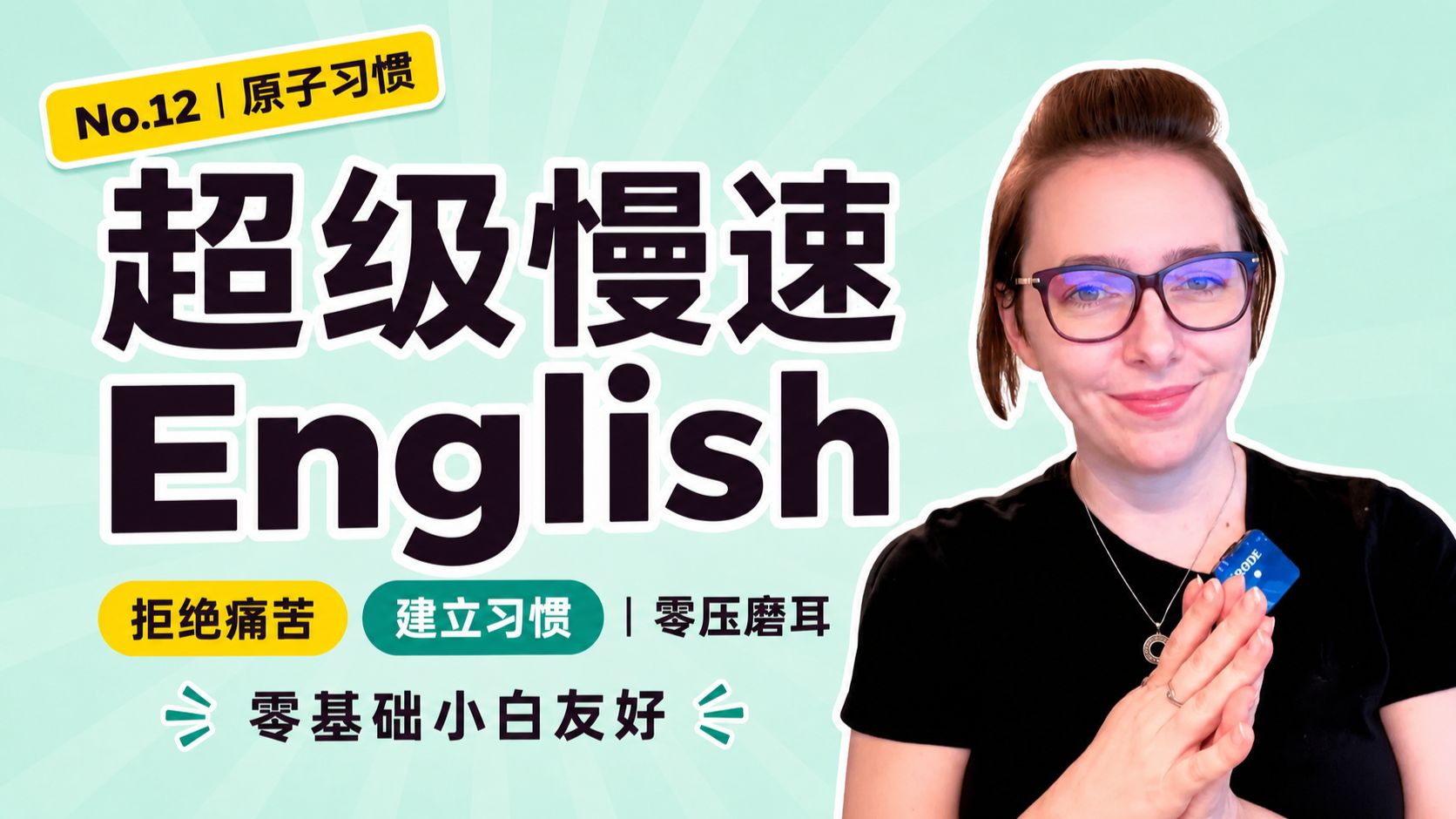
字幕摘录
| 时间 | 英文 | 中文 |
|---|---|---|
| 0:00 | Let's talk about 2026. | 谈2026年. |
| 0:03 | How are you going to improve your English in 2026? | 2026年将如何提高英语水平?. |
| 0:09 | First of all, you can become fluent in English. | 首先,你可以讲流利的英语。 |
| 0:15 | And this year, you can make a ton of progress. | 今年,你可以取得很多进展。 |
| 0:21 | You may not believe it, but I believe it. | 你也许不相信 但我相信 |
| 0:26 | So how are we going to do this? | 那我们要怎么做呢? |
| 0:30 | Learning English is just another skill. | 学习英语只是另一种技巧. |
| 0:35 | It is not magic. | 这不是魔法。 |
| 0:37 | It is not something only some people can do and other people can't do. | 这不是只有一些人能做的,其他人不能做的. |
| 0:46 | It is a learnable skill. | 这是一种可以学习的技能。 |
展开字幕全文(194 条)
| 序号 | 英文 | 中文 |
|---|---|---|
| 1 | Let's talk about 2026. | 谈2026年. |
| 2 | How are you going to improve your English in 2026? | 2026年将如何提高英语水平?. |
| 3 | First of all, you can become fluent in English. | 首先,你可以讲流利的英语。 |
| 4 | And this year, you can make a ton of progress. | 今年,你可以取得很多进展。 |
| 5 | You may not believe it, but I believe it. | 你也许不相信 但我相信 |
| 6 | So how are we going to do this? | 那我们要怎么做呢? |
| 7 | Learning English is just another skill. | 学习英语只是另一种技巧. |
| 8 | It is not magic. | 这不是魔法。 |
| 9 | It is not something only some people can do and other people can't do. | 这不是只有一些人能做的,其他人不能做的. |
| 10 | It is a learnable skill. | 这是一种可以学习的技能。 |
| 11 | So in this video, I'm going to tell you how you can make a lot of progress in 2026. | 因此,在这个视频中,我要告诉你,如何能在2026年取得很大进展. |
| 12 | And if you are an intermediate learner who is just totally lost and you want a focused plan | 如果你是一个中间学习者 谁只是完全失去了,你想要一个重点计划 |
| 13 | so you know exactly what to do to make progress, I have something for you at the end of this video. | 所以你知道要怎样才能进步 我在这段录像的结尾有东西给你 |
| 14 | If you're new here, hello, hello. | 如果你是新来的,你好,你好。 |
| 15 | My name is Jean. | 我叫让 |
| 16 | I'm an English teacher and a content creator. | 我是一个英语教师和内容创作者. |
| 17 | So I hope you find something you like. | 我希望你能找到喜欢的东西 |
| 18 | Now let's get started. | 现在我们开始吧 |
| 19 | We're going to talk about two things today. | 今论二事. |
| 20 | What to do and how to do it. | 作么生会如何. |
| 21 | When you're learning something, you need to know what to learn. | 学人时须知学人. |
| 22 | If you don't know what to learn, you spend a lot of time exploring. | 如果你不知道该学什么, 你花了很多时间探索。 |
| 23 | And if you want to explore, fabulous. | 如果你想探险的话 太棒了 |
| 24 | If you don't want to explore because you have a strong goal, | 如果你不想探索 因为你的目标很强 |
| 25 | then you don't want to spend a lot of time exploring. | 那你不想花很多时间去探索 |
| 26 | You just want to get started on a path. | 你只是想开始走一条路 |
| 27 | Here are the four areas you should think about. | 这是你应该考虑的四个领域。 |
| 28 | Number one, speech sounds. | 第一,演说声。 |
| 29 | Your pronunciation. | 你的发音。 |
| 30 | Not your accent. | 不是你的口音。 |
| 31 | Having clear pronunciation is key. | 发音清晰是关键. |
| 32 | Languages have different sound systems. | 语言有不同的声音系统. |
| 33 | Do a little research. | 做点研究 |
| 34 | What sounds are the same in your native language and English? | 在你的母语和英语中,什么声音是一样的? |
| 35 | Which sounds are really different? | 什么声音真的不一样? |
| 36 | Are there YouTube videos that can help you with those sounds? | 有YouTube的视频可以帮助你听这些声音吗? |
| 37 | Number two, words. | 第二说. |
| 38 | Vocabulary. | 词典. |
| 39 | Remember, one word can have multiple meanings. | 记住,一个词可以有多种含义. |
| 40 | If you want to know more about that, you can watch my live streams where we play Connections. | 如果你想知道更多, 你可以看我的直播流 在那里我们玩连接。 |
| 41 | That's a great place to learn multiple meanings of one word. | 那是学习一个词的多重含义的好地方. |
| 42 | You need to know what to call things. | 你需要知道什么叫东西。 |
| 43 | Also, think about the names of categories. | 另外,考虑分类名称. |
| 44 | That's really helpful. | 这真的很有帮助。 |
| 45 | You may not know what to call this, but if you know the word animal, | 你可能不知道该怎么称呼它 但是如果你知道动物这个词 |
| 46 | then you can use that word to help you describe it, | 然后你可以用这个词来帮助你描述它, |
| 47 | and then get the word from your conversation partner. | 然后从你的谈话伙伴那里得到消息。 |
| 48 | Like, you may not know what this is, | 像,你也许不知道这是什么, |
| 49 | but if you know the word animal, then you can say, | 如果你知道动物这个词 那你可以说 |
| 50 | what is the animal from Australia with the big black nose and gray fur? | 大黑鼻子和灰毛的澳大利亚动物是什么? |
| 51 | Like that. | 像这样 |
| 52 | When you don't know what vocabulary to learn, | 当你不知道该学什么词汇 |
| 53 | I recommend learning vocabulary that helps you describe things. | 我建议学习词汇 帮助你描述事物。 |
| 54 | Number three, sentences and phrases. | 第三句句与句义. |
| 55 | You know how to make each sound. | 你知道如何让每个声音。 |
| 56 | You know the words. | 你知道这些话 |
| 57 | Now you put them together into phrases and sentences. | 现在把它们拼成句子和句子。 |
| 58 | This is where chunks will be useful. | 这是块将有用的。 |
| 59 | A chunk is just a phrase that you can use over and over again in a variety of contexts. | 一个块只是一个短语,你可以在各种场合反复使用. |
| 60 | So you're doing a little work and getting a lot of use from it. | 所以,你正在做一个小工作,并从中得到很多的利用. |
| 61 | An example of a chunk would be, | 一个块的例子就是, |
| 62 | oh, I thought you said, or you know, I was thinking, | 哦,我以为你说, 或者你知道,我在想, |
| 63 | or did you hear about you learned the chunk? | 还是你听说你学了这个? |
| 64 | Then you can use it in any situation. | 那你可以随时使用 |
| 65 | When you're learning vocabulary, by the way, | 顺便说一句 当你学习词汇时 |
| 66 | try to learn it in the context of a whole sentence. | 试着用整个句子来学习它。 |
| 67 | Don't just focus on that word. | 不要只关注这个词。 |
| 68 | Look at the entire sentence. | 观一切句. |
| 69 | Study the entire sentence. | 修习全句. |
| 70 | It'll help. | 会有帮助的 |
| 71 | Trust me. | 相信我,你还好吧? |
| 72 | Number four, social use. | 第四 社会应用. |
| 73 | How these phrases and sentences work in different social contexts. | 这些短语和句子如何在不同的社会背景下运作. |
| 74 | Different phrases will have a different impact depending on the context. | 不同的短语会根据上下文产生不同的影响. |
| 75 | Tone is super important here. | 托尼在这里是超级重要。 |
| 76 | For example, the question, are you okay? | 比如,问题,你没事吧? |
| 77 | Can have a million different meanings depending on the tone. | 根据音调的不同,可以有百万种不同的含义. |
| 78 | Are you okay? | 你没事吧? |
| 79 | Explore saying phrases in different emotional tones so you can develop a feel for it. | 探索用不同的情感语调来表达短语,从而可以形成一种感觉. |
| 80 | These are the levels of language. | 这些是语言的水平。 |
| 81 | Mastering each level will give you general fluency. | 掌握每个关卡 会让你变得很流利 |
| 82 | So this is what to do. | 所以这是应该做的。 |
| 83 | But how do you do it? | 但你要怎样做? |
| 84 | The two best things you can do for your fluency are | 对你流利来说,最好的两件事是 |
| 85 | improve your mindset and improve your habits. | 改善你的心态,改善你的习惯。 |
| 86 | What do I mean? | 我说什么? |
| 87 | Let's start with mindset because mindset controls and influences everything else. | 让我们从心态开始,因为心态控制并影响一切。 |
| 88 | My most successful students understand and accept these five things. | 我最成功的学生理解并接受这五件事. |
| 89 | Learning is uncomfortable. | 学习是不舒服的。 |
| 90 | Mistakes are data. | 错误是数据。 |
| 91 | Fluency is not fast. | 流畅不快. |
| 92 | You're making progress even if you can't see it. | 你正在进步 即使你看不到它。 |
| 93 | The only way to fail is to stop. | 唯一失败的方法就是停止 |
| 94 | If you want to enjoy your English journey, understanding these five things is super important. | 如果你想享受你的英语旅程,理解这五件事是极为重要的. |
| 95 | Understanding these five things will create a beautiful foundation for your learning experience. | 了解这五件事,将为你的学习经验创造美好的基础. |
| 96 | Understanding these five things will help you create the habits you need for success. | 了解这五件事会帮助你创造成功所需的习惯. |
| 97 | That's what we're going to talk about next. | 接下来我们再谈这个 |
| 98 | Habits. | 哈比兹 |
| 99 | Having good habits will be the engine for your fluency. | 养成好习惯会成为你流利的引擎 |
| 100 | Becoming fluent in a language is hard. | 语言流利是很难的。 |
| 101 | It can be really fun, but it's still hard. | 它会很有趣,但还是很难。 |
| 102 | It's hard because it takes a long time. | 以是苦因缘故. |
| 103 | Your goal, fluency, is so far away. | 你的目标,流利,是很远的。 |
| 104 | The key to fluency is consistency. | 流利的关键是一致性。 |
| 105 | Without consistency? | 没有一致性? |
| 106 | So we're starting with good habits. | 所以我们从良好的习惯开始。 |
| 107 | Why? | 为什么? |
| 108 | Because if you don't have good habits, you're not going to be consistent. | 因为如果你没有良好的习惯,你就不会是一贯的. |
| 109 | And if you aren't consistent, you aren't going to improve. | 如果你不是一贯的,你不会改善。 |
| 110 | To talk more about habits, I'm going to tell you about what I learned from Atomic Habits by James Clear. | 为了多讲习性,我要告诉你詹姆斯·克莉儿从原子哈比特身上学到了什么. |
| 111 | According to James Clear, there are four big ideas you need to stop bad habits and create | James Clear说,你需要四个大点子 来阻止坏习惯和创造 |
| 112 | new, better ones. | 新的,更好的。 |
| 113 | Let's get right into it. | 让我们直接进入它。 |
| 114 | First, make it obvious. | 先显其义. |
| 115 | If you do not see it, you will not do it. | 不见则不作. |
| 116 | You will simply forget. | 你会忘记的 |
| 117 | Think about ways you can make learning English more obvious. | 想想怎样才能使学习英语更加明显. |
| 118 | Think about actions you only have to do once, like change the language of your phone to English. | 想想你只需要做一次的动作 比如把手机语言改成英语 |
| 119 | Think about what is around you. | 想想你身边的是什么 |
| 120 | What do you see every day that you can change to remind yourself to practice English? | 你每天可以改变什么来提醒自己练习英语? |
| 121 | You don't have to completely change your life. | 你不必完全改变你的生活。 |
| 122 | That's probably going to make things more difficult, actually. | 这可能会让事情更困难,实际上。 |
| 123 | Think small but powerful. | 以为小但强. |
| 124 | How can you make learning English more obvious? | 你怎么能让学习英语更明显? |
| 125 | Second, make it attractive. | 第二,让它吸引人。 |
| 126 | If it does not look good in your opinion, you will not do it. | 如果你觉得不妙 你就不会这么做 |
| 127 | So, what are some small changes you can make to make learning English look good? | 那么,有什么小的改变,你可以 使学习英语看起来不错? |
| 128 | What about joining an English club? | 加入英国俱乐部怎么样? |
| 129 | You could get an English learning friend. | 你可以找个英文学习的朋友 |
| 130 | What about watching YouTube videos about topics you already like, but in English? | 看YouTube关于你已经喜欢话题的视频怎么样? |
| 131 | For example, when I was learning French, I did this. | 例如,当我学习法语时,我做到了这一点。 |
| 132 | I really like reading. | 我真的很喜欢看书。 |
| 133 | I like books. | 我喜欢书 |
| 134 | I like fantasy books. | 我喜欢幻想书 |
| 135 | So, I used Google Translate to learn how to say my favorite fantasy books in French, | 所以我用Google Translate 来学习如何用法语说出我最喜欢的幻想书 |
| 136 | put that into YouTube, and started watching French videos about people's favorite fantasy books. | 把这个放到YouTube上, 开始观看法国的视频 关于人们最喜欢的幻想书籍。 |
| 137 | For me, it doesn't matter if the level is too advanced to understand. | 对于我来说,关卡是否太高而不能理解不重要. |
| 138 | I like to balance between French on my level and French way above my level. | 我喜欢平衡我水平的法语和高于我水平的法语. |
| 139 | That's a personal preference. | 那是个人偏好 |
| 140 | But this is very attractive for me because I can watch videos about topics I like, but in French. | 但这对我很有吸引力,因为我可以看关于我喜欢的话题的视频,但用法语。 |
| 141 | So, what can you do in English that is attractive for you? | 那么,你用英语能做什么 对你很有吸引力? |
| 142 | Think about it. | 考虑一下 |
| 143 | Experiment. | 实验 |
| 144 | Okay, third, make it easy. | 好吧,第三,让它容易。 |
| 145 | Become fluent in English is a big goal, but become fluent in English is not a task. | 精通英语是一个大目标,但精通英语并不是一项任务。 |
| 146 | It isn't something you can cross off on your to-do list. | 这不是你可以交叉的东西 在你的待办事项列表。 |
| 147 | We need to break this down into smaller pieces and continue making the pieces smaller and smaller | 我们需要把它拆成小块 继续使小块变小 |
| 148 | and smaller until each task is easy. | 和小的,直到每个工作容易。 |
| 149 | Because we want to make learning English something we do every day, we need to remove blocks. | 因为我们想让学习英语的东西 我们每天做, 我们需要去除块。 |
| 150 | For example, find an English teacher is a big task. | 例如,找一个英语老师是一项艰巨的任务. |
| 151 | How can we make it smaller for today? | 我们今天怎么让它变小? |
| 152 | One small, easy piece could be search English teacher on Instagram, | 一个简单的小作品可能是 搜索英语老师在Instagram, |
| 153 | or make an account on a language tutor platform. | 或者在语言辅导平台上进行记录。 |
| 154 | You don't have to actually find and choose an English teacher today. | 你不必今天真正找到并选择一个英语老师. |
| 155 | Just search. | 只是寻找。 |
| 156 | Just make an account. | 开个账就行了 |
| 157 | Just get started. | 刚开始。 |
| 158 | These are small but meaningful things you can do today. | 这些是小的,但有意义的事情 你可以今天做。 |
| 159 | Don't worry about the tasks being too small. | 别担心任务太小了 |
| 160 | There is no too small. | 没有太小。 |
| 161 | Every action forward is closer to your goal. | 每一步都更接近你的目标 |
| 162 | Today, you do something small. | 今天你做点小事 |
| 163 | Then tomorrow, you do something else small. | 明天你再做点小事 |
| 164 | Then the day after, again and again and again, and you will reach your goal. | 然后,第二天,一次又一次地,你将达到你的目标。 |
| 165 | Waiting to do something big is not consistent. | 等待做一件大事是不一致的。 |
| 166 | And remember, consistency is key. | 记住,一致性是关键。 |
| 167 | Finally, fourth, make it satisfying. | 最后,第四,让它满意。 |
| 168 | Satisfying is something that makes you feel good, content. | 满足是让你感觉美好,满足的东西. |
| 169 | For example, a warm blanket on a cold day is satisfying. | 例如,寒冷的一天,一个温暖的毯子是令人满意的. |
| 170 | What actions can you do that make you feel good, content, satisfied? | 你能做些什么行动让你感觉好,满足,满足? |
| 171 | The reason this is important is because the more something makes you feel good, | 之所以重要 是因为你感觉越好 |
| 172 | the more you will want to repeat it. | 越是想重复一次 越多 |
| 173 | Good feelings are easily repeated. | 良好的感觉很容易重复。 |
| 174 | And that's what we want. | 这就是我们想要的。 |
| 175 | We want consistency. | 我们要保持一致。 |
| 176 | We want repeated actions. | 我们希望一再采取行动。 |
| 177 | What are some ways you can make learning English satisfying? | 有什么方法能让学习英语满足呢? |
| 178 | Start a habit tracker. | 开始一个习惯追踪器。 |
| 179 | It's so easy to do. | 如此无碍方便. |
| 180 | You can do it with a piece of paper and a pen. | 用纸和笔就可以了. |
| 181 | Make a calendar. | 造历法. |
| 182 | Every day you do something with English, make an X. | 每天你用英语做点什么 做个X |
| 183 | You start to make a chain of Xs. | 你开始做一连串的X。 |
| 184 | And then, ooh, look at that. | 然后,哦,看看这个。 |
| 185 | If you don't want pen and paper, fine, get an app. | 如果你不想要笔和纸, 好吧,得到一个应用。 |
| 186 | There are so many habit tracking apps. | 有这么多的习惯跟踪应用程序。 |
| 187 | Different things will work for different people. | 不同的事物会为不同的人工作. |
| 188 | I can't tell you what is satisfying for you. | 我不能告诉你什么是满足你。 |
| 189 | This is where learning something can be very creative. | 这里学习的东西可以很有创意。 |
| 190 | You have to experiment with different actions so you can discover what is best for you. | 你必须用不同的动作来试验 这样你才能发现什么对你最好 |
| 191 | 26 is going to be a great year. | 26将会是一个伟大的一年。 |
| 192 | Let's get started. | 让我们开始吧。 |
| 193 | Until next time, my friends. | 下次再说,我的朋友 |
| 194 | Bye. | 再见。 |
该视频共有字幕 196 条。解锁更多字幕为会员功能,请移动到 价格
P2 · 【内核觉醒】No.12|摒弃无聊教材学真实英语:2026给英语小白的无痛开窍心法 p02 英文字幕版 (P2)
字幕摘录
| 时间 | 英文 | 中文 |
|---|---|---|
| 0:00 | Let's talk about 2026. | 谈2026年. |
| 0:03 | How are you going to improve your English in 2026? | 2026年将如何提高英语水平?. |
| 0:09 | First of all, you can become fluent in English. | 首先,你可以讲流利的英语。 |
| 0:15 | And this year, you can make a ton of progress. | 今年,你可以取得很多进展。 |
| 0:21 | You may not believe it, but I believe it. | 你也许不相信 但我相信 |
| 0:26 | So how are we going to do this? | 那我们要怎么做呢? |
| 0:30 | Learning English is just another skill. | 学习英语只是另一种技巧. |
| 0:35 | It is not magic. | 这不是魔法。 |
| 0:37 | It is not something only some people can do and other people can't do. | 这不是只有一些人能做的,其他人不能做的. |
| 0:46 | It is a learnable skill. | 这是一种可以学习的技能。 |
展开字幕全文(196 条)
| 序号 | 英文 | 中文 |
|---|---|---|
| 1 | Let's talk about 2026. | 谈2026年. |
| 2 | How are you going to improve your English in 2026? | 2026年将如何提高英语水平?. |
| 3 | First of all, you can become fluent in English. | 首先,你可以讲流利的英语。 |
| 4 | And this year, you can make a ton of progress. | 今年,你可以取得很多进展。 |
| 5 | You may not believe it, but I believe it. | 你也许不相信 但我相信 |
| 6 | So how are we going to do this? | 那我们要怎么做呢? |
| 7 | Learning English is just another skill. | 学习英语只是另一种技巧. |
| 8 | It is not magic. | 这不是魔法。 |
| 9 | It is not something only some people can do and other people can't do. | 这不是只有一些人能做的,其他人不能做的. |
| 10 | It is a learnable skill. | 这是一种可以学习的技能。 |
| 11 | So in this video, I'm going to tell you how you can make a lot of progress in 2026. | 因此,在这个视频中,我要告诉你,如何能在2026年取得很大进展. |
| 12 | And if you are an intermediate learner who is just totally lost and you want a focused plan | 如果你是一个中间学习者 谁只是完全失去了,你想要一个重点计划 |
| 13 | so you know exactly what to do to make progress, I have something for you at the end of this video. | 所以你知道要怎样才能进步 我在这段录像的结尾有东西给你 |
| 14 | If you're new here, hello, hello. | 如果你是新来的,你好,你好。 |
| 15 | My name is Jean. | 我叫让 |
| 16 | I'm an English teacher and a content creator. | 我是一个英语教师和内容创作者. |
| 17 | So I hope you find something you like. | 我希望你能找到喜欢的东西 |
| 18 | Now let's get started. | 现在我们开始吧 |
| 19 | We're going to talk about two things today. | 今论二事. |
| 20 | What to do and how to do it. | 作么生会如何. |
| 21 | When you're learning something, you need to know what to learn. | 学人时须知学人. |
| 22 | If you don't know what to learn, you spend a lot of time exploring. | 如果你不知道该学什么, 你花了很多时间探索。 |
| 23 | And if you want to explore, fabulous. | 如果你想探险的话 太棒了 |
| 24 | If you don't want to explore because you have a strong goal, | 如果你不想探索 因为你的目标很强 |
| 25 | then you don't want to spend a lot of time exploring. | 那你不想花很多时间去探索 |
| 26 | You just want to get started on a path. | 你只是想开始走一条路 |
| 27 | Here are the four areas you should think about. | 这是你应该考虑的四个领域。 |
| 28 | Number one, speech sounds. | 第一,演说声。 |
| 29 | Your pronunciation. | 你的发音。 |
| 30 | Not your accent. | 不是你的口音。 |
| 31 | Having clear pronunciation is key. | 发音清晰是关键. |
| 32 | Languages have different sound systems. | 语言有不同的声音系统. |
| 33 | Do a little research. | 做点研究 |
| 34 | What sounds are the same in your native language and English? | 在你的母语和英语中,什么声音是一样的? |
| 35 | Which sounds are really different? | 什么声音真的不一样? |
| 36 | Are there YouTube videos that can help you with those sounds? | 有YouTube的视频可以帮助你听这些声音吗? |
| 37 | Number two, words. | 第二说. |
| 38 | Vocabulary. | 词典. |
| 39 | Remember, one word can have multiple meanings. | 记住,一个词可以有多种含义. |
| 40 | If you want to know more about that, you can watch my live streams where we play Connections. | 如果你想知道更多, 你可以看我的直播流 在那里我们玩连接。 |
| 41 | That's a great place to learn multiple meanings of one word. | 那是学习一个词的多重含义的好地方. |
| 42 | You need to know what to call things. | 你需要知道什么叫东西。 |
| 43 | Also, think about the names of categories. | 另外,考虑分类名称. |
| 44 | That's really helpful. | 这真的很有帮助。 |
| 45 | You may not know what to call this, but if you know the word animal, | 你可能不知道该怎么称呼它 但是如果你知道动物这个词 |
| 46 | then you can use that word to help you describe it, | 然后你可以用这个词来帮助你描述它, |
| 47 | and then get the word from your conversation partner. | 然后从你的谈话伙伴那里得到消息。 |
| 48 | Like, you may not know what this is, | 像,你也许不知道这是什么, |
| 49 | but if you know the word animal, then you can say, | 如果你知道动物这个词 那你可以说 |
| 50 | what is the animal from Australia with the big black nose and gray fur? | 大黑鼻子和灰毛的澳大利亚动物是什么? |
| 51 | Like that. | 像这样 |
| 52 | When you don't know what vocabulary to learn, | 当你不知道该学什么词汇 |
| 53 | I recommend learning vocabulary that helps you describe things. | 我建议学习词汇 帮助你描述事物。 |
| 54 | Number three, sentences and phrases. | 第三句句与句义. |
| 55 | You know how to make each sound. | 你知道如何让每个声音。 |
| 56 | You know the words. | 你知道这些话 |
| 57 | Now you put them together into phrases and sentences. | 现在把它们拼成句子和句子。 |
| 58 | This is where chunks will be useful. | 这是块将有用的。 |
| 59 | A chunk is just a phrase that you can use over and over again in a variety of contexts. | 一个块只是一个短语,你可以在各种场合反复使用. |
| 60 | So you're doing a little work and getting a lot of use from it. | 所以,你正在做一个小工作,并从中得到很多的利用. |
| 61 | An example of a chunk would be, | 一个块的例子就是, |
| 62 | oh, I thought you said, or you know, I was thinking, | 哦,我以为你说, 或者你知道,我在想, |
| 63 | or did you hear about you learned the chunk? | 还是你听说你学了这个? |
| 64 | Then you can use it in any situation. | 那你可以随时使用 |
| 65 | When you're learning vocabulary, by the way, | 顺便说一句 当你学习词汇时 |
| 66 | try to learn it in the context of a whole sentence. | 试着用整个句子来学习它。 |
| 67 | Don't just focus on that word. | 不要只关注这个词。 |
| 68 | Look at the entire sentence. | 观一切句. |
| 69 | Study the entire sentence. | 修习全句. |
| 70 | It'll help. | 会有帮助的 |
| 71 | Trust me. | 相信我,你还好吧? |
| 72 | Number four, social use. | 第四 社会应用. |
| 73 | How these phrases and sentences work in different social contexts. | 这些短语和句子如何在不同的社会背景下运作. |
| 74 | Different phrases will have a different impact depending on the context. | 不同的短语会根据上下文产生不同的影响. |
| 75 | Tone is super important here. | 托尼在这里是超级重要。 |
| 76 | For example, the question, are you okay? | 比如,问题,你没事吧? |
| 77 | Can have a million different meanings depending on the tone. | 根据音调的不同,可以有百万种不同的含义. |
| 78 | Are you okay? | 你没事吧? |
| 79 | Explore saying phrases in different emotional tones so you can develop a feel for it. | 探索用不同的情感语调来表达短语,从而可以形成一种感觉. |
| 80 | These are the levels of language. | 这些是语言的水平。 |
| 81 | Mastering each level will give you general fluency. | 掌握每个关卡 会让你变得很流利 |
| 82 | So this is what to do. | 所以这是应该做的。 |
| 83 | But how do you do it? | 但你要怎样做? |
| 84 | The two best things you can do for your fluency are | 对你流利来说,最好的两件事是 |
| 85 | improve your mindset and improve your habits. | 改善你的心态,改善你的习惯。 |
| 86 | What do I mean? | 我说什么? |
| 87 | Let's start with mindset because mindset controls and influences everything else. | 让我们从心态开始,因为心态控制并影响一切。 |
| 88 | My most successful students understand and accept these five things. | 我最成功的学生理解并接受这五件事. |
| 89 | Learning is uncomfortable. | 学习是不舒服的。 |
| 90 | Mistakes are data. | 错误是数据。 |
| 91 | Fluency is not fast. | 流畅不快. |
| 92 | You're making progress even if you can't see it. | 你正在进步 即使你看不到它。 |
| 93 | The only way to fail is to stop. | 唯一失败的方法就是停止 |
| 94 | If you want to enjoy your English journey, understanding these five things is super important. | 如果你想享受你的英语旅程,理解这五件事是极为重要的. |
| 95 | Understanding these five things will create a beautiful foundation for your learning experience. | 了解这五件事,将为你的学习经验创造美好的基础. |
| 96 | Understanding these five things will help you create the habits you need for success. | 了解这五件事会帮助你创造成功所需的习惯. |
| 97 | That's what we're going to talk about next. | 接下来我们再谈这个 |
| 98 | Habits. | 哈比兹 |
| 99 | Having good habits will be the engine for your fluency. | 养成好习惯会成为你流利的引擎 |
| 100 | Becoming fluent in a language is hard. | 语言流利是很难的。 |
| 101 | It can be really fun, but it's still hard. | 它会很有趣,但还是很难。 |
| 102 | It's hard because it takes a long time. | 以是苦因缘故. |
| 103 | Your goal, fluency, is so far away. | 你的目标,流利,是很远的。 |
| 104 | The key to fluency is consistency. | 流利的关键是一致性。 |
| 105 | Without consistency? | 没有一致性? |
| 106 | So we're starting with good habits. | 所以我们从良好的习惯开始。 |
| 107 | Why? | 为什么? |
| 108 | Because if you don't have good habits, you're not going to be consistent. | 因为如果你没有良好的习惯,你就不会是一贯的. |
| 109 | And if you aren't consistent, you aren't going to improve. | 如果你不是一贯的,你不会改善。 |
| 110 | To talk more about habits, I'm going to tell you about | 为了多谈习性,我要告诉你 |
| 111 | what I learned from Atomic Habits by James Clear. | 我从原子哈比特人那里学到的 詹姆斯·克莉尔 |
| 112 | James Clear说 你需要四个大点子 | |
| 113 | to stop bad habits and create new, better ones. | 停止不良习惯 创造新的更好的习惯 |
| 114 | Let's get right into it. | 让我们直接进入它。 |
| 115 | First, make it obvious. | 先显其义. |
| 116 | If you do not see it, you will not do it. | 不见则不作. |
| 117 | You will simply forget. | 你会忘记的 |
| 118 | Think about ways you can make learning English more obvious. | 想想怎样才能使学习英语更加明显. |
| 119 | Think about actions you only have to do once, | 想想你只需要做一次的行动 |
| 120 | like change the language of your phone to English. | 比如把你的电话语言改成英语 |
| 121 | Think about what is around you. | 想想你身边的是什么 |
| 122 | What do you see every day that you can change to remind yourself to practice English? | 你每天可以改变什么来提醒自己练习英语? |
| 123 | You don't have to completely change your life. | 你不必完全改变你的生活。 |
| 124 | That's probably going to make things more difficult, actually. | 这可能会让事情更困难,实际上。 |
| 125 | Think small but powerful. | 以为小但强. |
| 126 | How can you make learning English more obvious? | 你怎么能让学习英语更明显? |
| 127 | Second, make it attractive. | 第二,让它吸引人。 |
| 128 | If it does not look good in your opinion, you will not do it. | 如果你觉得不妙 你就不会这么做 |
| 129 | So, what are some small changes you can make to make learning English look good? | 那么,有什么小的改变,你可以 使学习英语看起来不错? |
| 130 | What about joining an English club? | 加入英国俱乐部怎么样? |
| 131 | You could get an English learning friend. | 你可以找个英文学习的朋友 |
| 132 | 看YouTube的视频怎么样? | |
| 133 | For example, when I was learning French, I did this. | 例如,当我学习法语时,我做到了这一点。 |
| 134 | I really like reading. | 我真的很喜欢看书。 |
| 135 | I like books. | 我喜欢书 |
| 136 | I like fantasy books. | 我喜欢幻想书 |
| 137 | So, I used Google Translate to learn how to say my favorite fantasy books in French, | 所以我用Google Translate 来学习如何用法语说出我最喜欢的幻想书 |
| 138 | put that into YouTube, and started watching French videos about people's favorite fantasy books. | 把这个放到YouTube上, 开始观看法国的视频 关于人们最喜欢的幻想书籍。 |
| 139 | For me, it doesn't matter if the level is too advanced to understand. | 对于我来说,关卡是否太高而不能理解不重要. |
| 140 | I like to balance between French on my level and French way above my level. | 我喜欢平衡我水平的法语和高于我水平的法语. |
| 141 | That's a personal preference. | 那是个人偏好 |
| 142 | But this is very attractive for me because I can watch videos about topics I like but in French. | 但这对于我很有吸引力,因为我可以看关于我喜欢的话题的视频,但用法语。 |
| 143 | So, what can you do in English that is attractive for you? | 那么,你用英语能做什么 对你很有吸引力? |
| 144 | Think about it. | 考虑一下 |
| 145 | Experiment. | 实验 |
| 146 | Okay, third, make it easy. | 好吧,第三,让它容易。 |
| 147 | Become fluent in English is a big goal, but become fluent in English is not a task. | 精通英语是一个大目标,但精通英语并不是一项任务。 |
| 148 | It isn't something you can cross off on your to-do list. | 这不是你可以交叉的东西 在你的待办事项列表。 |
| 149 | We need to break this down into smaller pieces and continue making the pieces smaller and smaller | 我们需要把它拆成小块 继续使小块变小 |
| 150 | and smaller until each task is easy. | 和小的,直到每个工作容易。 |
| 151 | Because we want to make learning English something we do every day, we need to remove blocks. | 因为我们想让学习英语的东西 我们每天做, 我们需要去除块。 |
| 152 | For example, find an English teacher is a big task. | 例如,找一个英语老师是一项艰巨的任务. |
| 153 | How can we make it smaller for today? | 我们今天怎么让它变小? |
| 154 | One small, easy piece could be search English teacher on Instagram, | 一个简单的小作品可能是 搜索英语老师在Instagram, |
| 155 | or make an account on a language tutor platform. | 或者在语言辅导平台上进行记录。 |
| 156 | You don't have to actually find and choose an English teacher today. | 你不必今天真正找到并选择一个英语老师. |
| 157 | Just search. | 只是寻找。 |
| 158 | Just make an account. | 开个账就行了 |
| 159 | Just get started. | 刚开始。 |
| 160 | These are small but meaningful things you can do today. | 这些是小的,但有意义的事情 你可以今天做。 |
| 161 | Don't worry about the tasks being too small. | 别担心任务太小了 |
| 162 | There is no too small. | 没有太小。 |
| 163 | Every action forward is closer to your goal. | 每一步都更接近你的目标 |
| 164 | Today, you do something small. | 今天你做点小事 |
| 165 | Then tomorrow, you do something else small. | 明天你再做点小事 |
| 166 | Then the day after, again and again and again, and you will reach your goal. | 然后,第二天,一次又一次地,你将达到你的目标。 |
| 167 | Waiting to do something big is not consistent. | 等待做一件大事是不一致的。 |
| 168 | And remember, consistency is key. | 记住,一致性是关键。 |
| 169 | Finally, fourth, make it satisfying. | 最后,第四,让它满意。 |
| 170 | Satisfying is something that makes you feel good, content. | 满足是让你感觉美好,满足的东西. |
| 171 | For example, a warm blanket on a cold day is satisfying. | 例如,寒冷的一天,一个温暖的毯子是令人满意的. |
| 172 | What actions can you do that make you feel good, content, satisfied? | 你能做些什么行动让你感觉好,满足,满足? |
| 173 | The reason this is important is because the more something makes you feel good, | 之所以重要 是因为你感觉越好 |
| 174 | the more you will want to repeat it. | 越是想重复一次 越多 |
| 175 | Good feelings are easily repeated. | 良好的感觉很容易重复。 |
| 176 | And that's what we want. | 这就是我们想要的。 |
| 177 | We want consistency. | 我们要保持一致。 |
| 178 | We want repeated actions. | 我们希望一再采取行动。 |
| 179 | What are some ways you can make learning English satisfying? | 有什么方法能让学习英语满足呢? |
| 180 | Start a habit tracker. | 开始一个习惯追踪器。 |
| 181 | It's so easy to do. | 如此无碍方便. |
| 182 | You can do it with a piece of paper and a pen. | 用纸和笔就可以了. |
| 183 | Make a calendar. | 造历法. |
| 184 | Every day you do something with English, make an X. | 每天你用英语做点什么 做个X |
| 185 | You start to make a chain of Xs. | 你开始做一连串的X。 |
| 186 | And then, ooh, look at that. | 然后,哦,看看这个。 |
| 187 | If you don't want pen and paper, fine, get an app. | 如果你不想要笔和纸, 好吧,得到一个应用。 |
| 188 | There are so many habit tracking apps. | 有这么多的习惯跟踪应用程序。 |
| 189 | Different things will work for different people. | 不同的事物会为不同的人工作. |
| 190 | I can't tell you what is satisfying for you. | 我不能告诉你什么是满足你。 |
| 191 | This is where learning something can be very creative. | 这里学习的东西可以很有创意。 |
| 192 | You have to experiment with different actions so you can discover what is best for you. | 你必须用不同的动作来试验 这样你才能发现什么对你最好 |
| 193 | 26 is going to be a great year. | 26将会是一个伟大的一年。 |
| 194 | Let's get started. | 让我们开始吧。 |
| 195 | Until next time, my friends. | 下次再说,我的朋友 |
| 196 | Bye. | 再见。 |
该视频共有字幕 198 条。解锁更多字幕为会员功能,请移动到 价格
P3 · 【内核觉醒】No.12|摒弃无聊教材学真实英语:2026给英语小白的无痛开窍心法 p03 无字幕版 (P3)
字幕摘录
| 时间 | 英文 | 中文 |
|---|---|---|
| 0:00 | Let's talk about 2026. | 谈2026年. |
| 0:03 | How are you going to improve your English in 2026? | 2026年将如何提高英语水平?. |
| 0:09 | First of all, you can become fluent in English. | 首先,你可以讲流利的英语。 |
| 0:15 | And this year, you can make a ton of progress. | 今年,你可以取得很多进展。 |
| 0:21 | You may not believe it, but I believe it. | 你也许不相信 但我相信 |
| 0:26 | So how are we going to do this? | 那我们要怎么做呢? |
| 0:30 | Learning English is just another skill. | 学习英语只是另一种技巧. |
| 0:35 | It is not magic. | 这不是魔法。 |
| 0:37 | It is not something only some people can do and other people can't do. | 这不是只有一些人能做的,其他人不能做的. |
| 0:46 | It is a learnable skill. | 这是一种可以学习的技能。 |
展开字幕全文(194 条)
| 序号 | 英文 | 中文 |
|---|---|---|
| 1 | Let's talk about 2026. | 谈2026年. |
| 2 | How are you going to improve your English in 2026? | 2026年将如何提高英语水平?. |
| 3 | First of all, you can become fluent in English. | 首先,你可以讲流利的英语。 |
| 4 | And this year, you can make a ton of progress. | 今年,你可以取得很多进展。 |
| 5 | You may not believe it, but I believe it. | 你也许不相信 但我相信 |
| 6 | So how are we going to do this? | 那我们要怎么做呢? |
| 7 | Learning English is just another skill. | 学习英语只是另一种技巧. |
| 8 | It is not magic. | 这不是魔法。 |
| 9 | It is not something only some people can do and other people can't do. | 这不是只有一些人能做的,其他人不能做的. |
| 10 | It is a learnable skill. | 这是一种可以学习的技能。 |
| 11 | So in this video, I'm going to tell you how you can make a lot of progress in 2026. | 因此,在这个视频中,我要告诉你,如何能在2026年取得很大进展. |
| 12 | And if you are an intermediate learner who is just totally lost and you want a focused plan | 如果你是一个中间学习者 谁只是完全失去了,你想要一个重点计划 |
| 13 | so you know exactly what to do to make progress, I have something for you at the end of this video. | 所以你知道要怎样才能进步 我在这段录像的结尾有东西给你 |
| 14 | If you're new here, hello, hello. | 如果你是新来的,你好,你好。 |
| 15 | My name is Jean. | 我叫让 |
| 16 | I'm an English teacher and a content creator. | 我是一个英语教师和内容创作者. |
| 17 | So I hope you find something you like. | 我希望你能找到喜欢的东西 |
| 18 | Now let's get started. | 现在我们开始吧 |
| 19 | We're going to talk about two things today. | 今论二事. |
| 20 | What to do and how to do it. | 作么生会如何. |
| 21 | When you're learning something, you need to know what to learn. | 学人时须知学人. |
| 22 | If you don't know what to learn, you spend a lot of time exploring. | 如果你不知道该学什么, 你花了很多时间探索。 |
| 23 | And if you want to explore, fabulous. | 如果你想探险的话 太棒了 |
| 24 | If you don't want to explore because you have a strong goal, | 如果你不想探索 因为你的目标很强 |
| 25 | then you don't want to spend a lot of time exploring. | 那你不想花很多时间去探索 |
| 26 | You just want to get started on a path. | 你只是想开始走一条路 |
| 27 | Here are the four areas you should think about. | 这是你应该考虑的四个领域。 |
| 28 | Number one, speech sounds. | 第一,演说声。 |
| 29 | Your pronunciation. | 你的发音。 |
| 30 | Not your accent. | 不是你的口音。 |
| 31 | Having clear pronunciation is key. | 发音清晰是关键. |
| 32 | Languages have different sound systems. | 语言有不同的声音系统. |
| 33 | Do a little research. | 做点研究 |
| 34 | What sounds are the same in your native language and English? | 在你的母语和英语中,什么声音是一样的? |
| 35 | Which sounds are really different? | 什么声音真的不一样? |
| 36 | Are there YouTube videos that can help you with those sounds? | 有YouTube的视频可以帮助你听这些声音吗? |
| 37 | Number two, words. | 第二说. |
| 38 | Vocabulary. | 词典. |
| 39 | Remember, one word can have multiple meanings. | 记住,一个词可以有多种含义. |
| 40 | If you want to know more about that, you can watch my live streams where we play Connections. | 如果你想知道更多, 你可以看我的直播流 在那里我们玩连接。 |
| 41 | That's a great place to learn multiple meanings of one word. | 那是学习一个词的多重含义的好地方. |
| 42 | You need to know what to call things. | 你需要知道什么叫东西。 |
| 43 | Also, think about the names of categories. | 另外,考虑分类名称. |
| 44 | That's really helpful. | 这真的很有帮助。 |
| 45 | You may not know what to call this, but if you know the word animal, | 你可能不知道该怎么称呼它 但是如果你知道动物这个词 |
| 46 | then you can use that word to help you describe it, | 然后你可以用这个词来帮助你描述它, |
| 47 | and then get the word from your conversation partner. | 然后从你的谈话伙伴那里得到消息。 |
| 48 | Like, you may not know what this is, | 像,你也许不知道这是什么, |
| 49 | but if you know the word animal, then you can say, | 如果你知道动物这个词 那你可以说 |
| 50 | what is the animal from Australia with the big black nose and gray fur? | 大黑鼻子和灰毛的澳大利亚动物是什么? |
| 51 | Like that. | 像这样 |
| 52 | When you don't know what vocabulary to learn, | 当你不知道该学什么词汇 |
| 53 | I recommend learning vocabulary that helps you describe things. | 我建议学习词汇 帮助你描述事物。 |
| 54 | Number three, sentences and phrases. | 第三句句与句义. |
| 55 | You know how to make each sound. | 你知道如何让每个声音。 |
| 56 | You know the words. | 你知道这些话 |
| 57 | Now you put them together into phrases and sentences. | 现在把它们拼成句子和句子。 |
| 58 | This is where chunks will be useful. | 这是块将有用的。 |
| 59 | A chunk is just a phrase that you can use over and over again in a variety of contexts. | 一个块只是一个短语,你可以在各种场合反复使用. |
| 60 | So you're doing a little work and getting a lot of use from it. | 所以,你正在做一个小工作,并从中得到很多的利用. |
| 61 | An example of a chunk would be, | 一个块的例子就是, |
| 62 | oh, I thought you said, or you know, I was thinking, | 哦,我以为你说, 或者你知道,我在想, |
| 63 | or did you hear about you learned the chunk? | 还是你听说你学了这个? |
| 64 | Then you can use it in any situation. | 那你可以随时使用 |
| 65 | When you're learning vocabulary, by the way, | 顺便说一句 当你学习词汇时 |
| 66 | try to learn it in the context of a whole sentence. | 试着用整个句子来学习它。 |
| 67 | Don't just focus on that word. | 不要只关注这个词。 |
| 68 | Look at the entire sentence. | 观一切句. |
| 69 | Study the entire sentence. | 修习全句. |
| 70 | It'll help. | 会有帮助的 |
| 71 | Trust me. | 相信我,你还好吧? |
| 72 | Number four, social use. | 第四 社会应用. |
| 73 | How these phrases and sentences work in different social contexts. | 这些短语和句子如何在不同的社会背景下运作. |
| 74 | Different phrases will have a different impact depending on the context. | 不同的短语会根据上下文产生不同的影响. |
| 75 | Tone is super important here. | 托尼在这里是超级重要。 |
| 76 | For example, the question, are you okay? | 比如,问题,你没事吧? |
| 77 | Can have a million different meanings depending on the tone. | 根据音调的不同,可以有百万种不同的含义. |
| 78 | Are you okay? | 你没事吧? |
| 79 | Explore saying phrases in different emotional tones so you can develop a feel for it. | 探索用不同的情感语调来表达短语,从而可以形成一种感觉. |
| 80 | These are the levels of language. | 这些是语言的水平。 |
| 81 | Mastering each level will give you general fluency. | 掌握每个关卡 会让你变得很流利 |
| 82 | So this is what to do. | 所以这是应该做的。 |
| 83 | But how do you do it? | 但你要怎样做? |
| 84 | The two best things you can do for your fluency are | 对你流利来说,最好的两件事是 |
| 85 | improve your mindset and improve your habits. | 改善你的心态,改善你的习惯。 |
| 86 | What do I mean? | 我说什么? |
| 87 | Let's start with mindset because mindset controls and influences everything else. | 让我们从心态开始,因为心态控制并影响一切。 |
| 88 | My most successful students understand and accept these five things. | 我最成功的学生理解并接受这五件事. |
| 89 | Learning is uncomfortable. | 学习是不舒服的。 |
| 90 | Mistakes are data. | 错误是数据。 |
| 91 | Fluency is not fast. | 流畅不快. |
| 92 | You're making progress even if you can't see it. | 你正在进步 即使你看不到它。 |
| 93 | The only way to fail is to stop. | 唯一失败的方法就是停止 |
| 94 | If you want to enjoy your English journey, understanding these five things is super important. | 如果你想享受你的英语旅程,理解这五件事是极为重要的. |
| 95 | Understanding these five things will create a beautiful foundation for your learning experience. | 了解这五件事,将为你的学习经验创造美好的基础. |
| 96 | Understanding these five things will help you create the habits you need for success. | 了解这五件事会帮助你创造成功所需的习惯. |
| 97 | That's what we're going to talk about next. | 接下来我们再谈这个 |
| 98 | Habits. | 哈比兹 |
| 99 | Having good habits will be the engine for your fluency. | 养成好习惯会成为你流利的引擎 |
| 100 | Becoming fluent in a language is hard. | 语言流利是很难的。 |
| 101 | It can be really fun, but it's still hard. | 它会很有趣,但还是很难。 |
| 102 | It's hard because it takes a long time. | 以是苦因缘故. |
| 103 | Your goal, fluency, is so far away. | 你的目标,流利,是很远的。 |
| 104 | The key to fluency is consistency. | 流利的关键是一致性。 |
| 105 | Without consistency? | 没有一致性? |
| 106 | So we're starting with good habits. | 所以我们从良好的习惯开始。 |
| 107 | Why? | 为什么? |
| 108 | Because if you don't have good habits, you're not going to be consistent. | 因为如果你没有良好的习惯,你就不会是一贯的. |
| 109 | And if you aren't consistent, you aren't going to improve. | 如果你不是一贯的,你不会改善。 |
| 110 | To talk more about habits, I'm going to tell you about what I learned from Atomic Habits by James Clear. | 为了多讲习性,我要告诉你詹姆斯·克莉儿从原子哈比特身上学到了什么. |
| 111 | According to James Clear, there are four big ideas you need to stop bad habits and create | James Clear说,你需要四个大点子 来阻止坏习惯和创造 |
| 112 | new, better ones. | 新的,更好的。 |
| 113 | Let's get right into it. | 让我们直接进入它。 |
| 114 | First, make it obvious. | 先显其义. |
| 115 | If you do not see it, you will not do it. | 不见则不作. |
| 116 | You will simply forget. | 你会忘记的 |
| 117 | Think about ways you can make learning English more obvious. | 想想怎样才能使学习英语更加明显. |
| 118 | Think about actions you only have to do once, like change the language of your phone to English. | 想想你只需要做一次的动作 比如把手机语言改成英语 |
| 119 | Think about what is around you. | 想想你身边的是什么 |
| 120 | What do you see every day that you can change to remind yourself to practice English? | 你每天可以改变什么来提醒自己练习英语? |
| 121 | You don't have to completely change your life. | 你不必完全改变你的生活。 |
| 122 | That's probably going to make things more difficult, actually. | 这可能会让事情更困难,实际上。 |
| 123 | Think small but powerful. | 以为小但强. |
| 124 | How can you make learning English more obvious? | 你怎么能让学习英语更明显? |
| 125 | Second, make it attractive. | 第二,让它吸引人。 |
| 126 | If it does not look good in your opinion, you will not do it. | 如果你觉得不妙 你就不会这么做 |
| 127 | So, what are some small changes you can make to make learning English look good? | 那么,有什么小的改变,你可以 使学习英语看起来不错? |
| 128 | What about joining an English club? | 加入英国俱乐部怎么样? |
| 129 | You could get an English learning friend. | 你可以找个英文学习的朋友 |
| 130 | What about watching YouTube videos about topics you already like, but in English? | 看YouTube关于你已经喜欢话题的视频怎么样? |
| 131 | For example, when I was learning French, I did this. | 例如,当我学习法语时,我做到了这一点。 |
| 132 | I really like reading. | 我真的很喜欢看书。 |
| 133 | I like books. | 我喜欢书 |
| 134 | I like fantasy books. | 我喜欢幻想书 |
| 135 | So, I used Google Translate to learn how to say my favorite fantasy books in French, | 所以我用Google Translate 来学习如何用法语说出我最喜欢的幻想书 |
| 136 | put that into YouTube, and started watching French videos about people's favorite fantasy books. | 把这个放到YouTube上, 开始观看法国的视频 关于人们最喜欢的幻想书籍。 |
| 137 | For me, it doesn't matter if the level is too advanced to understand. | 对于我来说,关卡是否太高而不能理解不重要. |
| 138 | I like to balance between French on my level and French way above my level. | 我喜欢平衡我水平的法语和高于我水平的法语. |
| 139 | That's a personal preference. | 那是个人偏好 |
| 140 | But this is very attractive for me because I can watch videos about topics I like, but in French. | 但这对我很有吸引力,因为我可以看关于我喜欢的话题的视频,但用法语。 |
| 141 | So, what can you do in English that is attractive for you? | 那么,你用英语能做什么 对你很有吸引力? |
| 142 | Think about it. | 考虑一下 |
| 143 | Experiment. | 实验 |
| 144 | Okay, third, make it easy. | 好吧,第三,让它容易。 |
| 145 | Become fluent in English is a big goal, but become fluent in English is not a task. | 精通英语是一个大目标,但精通英语并不是一项任务。 |
| 146 | It isn't something you can cross off on your to-do list. | 这不是你可以交叉的东西 在你的待办事项列表。 |
| 147 | We need to break this down into smaller pieces and continue making the pieces smaller and smaller | 我们需要把它拆成小块 继续使小块变小 |
| 148 | and smaller until each task is easy. | 和小的,直到每个工作容易。 |
| 149 | Because we want to make learning English something we do every day, we need to remove blocks. | 因为我们想让学习英语的东西 我们每天做, 我们需要去除块。 |
| 150 | For example, find an English teacher is a big task. | 例如,找一个英语老师是一项艰巨的任务. |
| 151 | How can we make it smaller for today? | 我们今天怎么让它变小? |
| 152 | One small, easy piece could be search English teacher on Instagram, | 一个简单的小作品可能是 搜索英语老师在Instagram, |
| 153 | or make an account on a language tutor platform. | 或者在语言辅导平台上进行记录。 |
| 154 | You don't have to actually find and choose an English teacher today. | 你不必今天真正找到并选择一个英语老师. |
| 155 | Just search. | 只是寻找。 |
| 156 | Just make an account. | 开个账就行了 |
| 157 | Just get started. | 刚开始。 |
| 158 | These are small but meaningful things you can do today. | 这些是小的,但有意义的事情 你可以今天做。 |
| 159 | Don't worry about the tasks being too small. | 别担心任务太小了 |
| 160 | There is no too small. | 没有太小。 |
| 161 | Every action forward is closer to your goal. | 每一步都更接近你的目标 |
| 162 | Today, you do something small. | 今天你做点小事 |
| 163 | Then tomorrow, you do something else small. | 明天你再做点小事 |
| 164 | Then the day after, again and again and again, and you will reach your goal. | 然后,第二天,一次又一次地,你将达到你的目标。 |
| 165 | Waiting to do something big is not consistent. | 等待做一件大事是不一致的。 |
| 166 | And remember, consistency is key. | 记住,一致性是关键。 |
| 167 | Finally, fourth, make it satisfying. | 最后,第四,让它满意。 |
| 168 | Satisfying is something that makes you feel good, content. | 满足是让你感觉美好,满足的东西. |
| 169 | For example, a warm blanket on a cold day is satisfying. | 例如,寒冷的一天,一个温暖的毯子是令人满意的. |
| 170 | What actions can you do that make you feel good, content, satisfied? | 你能做些什么行动让你感觉好,满足,满足? |
| 171 | The reason this is important is because the more something makes you feel good, | 之所以重要 是因为你感觉越好 |
| 172 | the more you will want to repeat it. | 越是想重复一次 越多 |
| 173 | Good feelings are easily repeated. | 良好的感觉很容易重复。 |
| 174 | And that's what we want. | 这就是我们想要的。 |
| 175 | We want consistency. | 我们要保持一致。 |
| 176 | We want repeated actions. | 我们希望一再采取行动。 |
| 177 | What are some ways you can make learning English satisfying? | 有什么方法能让学习英语满足呢? |
| 178 | Start a habit tracker. | 开始一个习惯追踪器。 |
| 179 | It's so easy to do. | 如此无碍方便. |
| 180 | You can do it with a piece of paper and a pen. | 用纸和笔就可以了. |
| 181 | Make a calendar. | 造历法. |
| 182 | Every day you do something with English, make an X. | 每天你用英语做点什么 做个X |
| 183 | You start to make a chain of Xs. | 你开始做一连串的X。 |
| 184 | And then, ooh, look at that. | 然后,哦,看看这个。 |
| 185 | If you don't want pen and paper, fine, get an app. | 如果你不想要笔和纸, 好吧,得到一个应用。 |
| 186 | There are so many habit tracking apps. | 有这么多的习惯跟踪应用程序。 |
| 187 | Different things will work for different people. | 不同的事物会为不同的人工作. |
| 188 | I can't tell you what is satisfying for you. | 我不能告诉你什么是满足你。 |
| 189 | This is where learning something can be very creative. | 这里学习的东西可以很有创意。 |
| 190 | You have to experiment with different actions so you can discover what is best for you. | 你必须用不同的动作来试验 这样你才能发现什么对你最好 |
| 191 | 26 is going to be a great year. | 26将会是一个伟大的一年。 |
| 192 | Let's get started. | 让我们开始吧。 |
| 193 | Until next time, my friends. | 下次再说,我的朋友 |
| 194 | Bye. | 再见。 |
该视频共有字幕 196 条。解锁更多字幕为会员功能,请移动到 价格