小王子|英文故事|听故事学英文|英文听力练习|睡前英文故事|
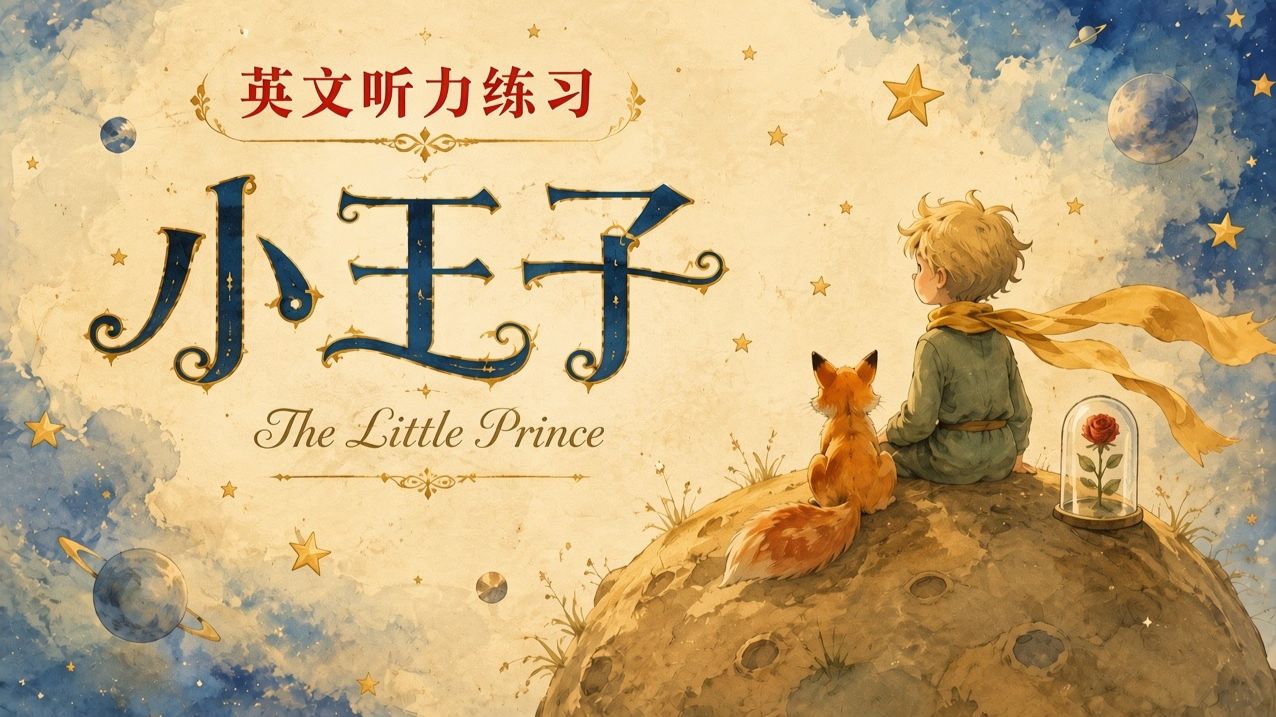
字幕摘录
| 时间 | 英文 | 中文 |
|---|---|---|
| 0:00 | The Little Prince | 小王爷 |
| 0:02 | Many years ago, there was a pilot. | 很多年前,有一个飞行员。 |
| 0:05 | He loved flying airplanes. | 他喜欢飞行飞机。 |
| 0:07 | He traveled across many countries and saw mountains, oceans, deserts, and cities from | 他穿越了许多国家,看到了山脉、海洋、沙漠和城市 |
| 0:15 | {\fn华文楷体\fs16\1cHE0E0E0}天空 | |
| 0:16 | But when he was a child, he had a dream. | 但幼时有梦. |
| 0:20 | He wanted to become an artist, and he loved drawing very much. | 他想成为一名艺术家,他非常喜欢绘画. |
| 0:25 | He often drew animals, forests, and adventure scenes. | 他经常画动物,森林和冒险场景. |
| 0:30 | He used his imagination to create unusual pictures. | 他利用自己的想象力创造了不寻常的照片. |
| 0:35 | One day, he drew a very special picture. | 有一天,他画了一幅非常特别的照片. |
展开字幕全文(504 条)
| 序号 | 英文 | 中文 |
|---|---|---|
| 1 | The Little Prince | 小王爷 |
| 2 | Many years ago, there was a pilot. | 很多年前,有一个飞行员。 |
| 3 | He loved flying airplanes. | 他喜欢飞行飞机。 |
| 4 | He traveled across many countries and saw mountains, oceans, deserts, and cities from | 他穿越了许多国家,看到了山脉、海洋、沙漠和城市 |
| 5 | {\fn华文楷体\fs16\1cHE0E0E0}天空 | |
| 6 | But when he was a child, he had a dream. | 但幼时有梦. |
| 7 | He wanted to become an artist, and he loved drawing very much. | 他想成为一名艺术家,他非常喜欢绘画. |
| 8 | He often drew animals, forests, and adventure scenes. | 他经常画动物,森林和冒险场景. |
| 9 | He used his imagination to create unusual pictures. | 他利用自己的想象力创造了不寻常的照片. |
| 10 | One day, he drew a very special picture. | 有一天,他画了一幅非常特别的照片. |
| 11 | It was a boa constrictor that had swallowed an elephant. | 是一只大象吞噬了一只大象 |
| 12 | He was very proud of his drawing. | 他对他的画很骄傲 |
| 13 | Then he showed it to the grown-ups around him. | 然后他把它展示给周围的大人们. |
| 14 | Does this drawing frighten you? | 这画吓到你了吗? |
| 15 | He asked. | 他问。 |
| 16 | But all the adults shook their heads. | 但所有成年人都摇头 |
| 17 | They looked at the picture and said, why be scared of a hat? | 他们看着照片说,为什么害怕帽子? |
| 18 | The pilot felt disappointed. | 飞行员感到失望。 |
| 19 | They could not understand what he had drawn. | 他们无法理解他画了什么。 |
| 20 | So he tried again. | 所以他又试了一次 |
| 21 | He drew a second picture. | 他画了第二张照片。 |
| 22 | This time, he showed the inside of the boa constrictor so people could see the elephant | 这一次,他展示了Boa收缩器的内侧,让人们可以看到大象 |
| 23 | clearly. | 很明显。 |
| 24 | But the grown-ups still did not understand. | 但大人还是不明白. |
| 25 | They gave him the same advice again and again. | 他们一再给他同样的建议。 |
| 26 | Stop drawing strange pictures of snakes, they said. | 他们说别画怪异的蛇照片了 |
| 27 | Spend more time on useful subjects like geography, history, arithmetic, and grammar. | 在地理,历史,算术,语法等有用的学科上花费更多的时间. |
| 28 | The little boy's dream of being an artist was broken. | 小男孩做艺术家的梦想被打破. |
| 29 | He gave up drawing when he was only six years old. | 他6岁时放弃了绘画. |
| 30 | He learned a hard truth back then. | 当时他学到了一个难听的真理. |
| 31 | Grown-ups never try to understand kids' ideas on their own. | 大人从来不会自己去理解孩子的想法. |
| 32 | Kids have to explain everything over and over again. | 孩子们必须反复解释一切 |
| 33 | And it is tiring. | 实在太累人了 |
| 34 | As years went by, the boy grew up and became a pilot. | 随着岁月的流逝,男孩长大后成为一名飞行员. |
| 35 | He learned to fly planes and traveled all over the world. | 他学会飞行飞机,并在世界各地旅行. |
| 36 | Geography turned out to be very useful for his job. | 地理对他的工作非常有用。 |
| 37 | He could tell different places apart just by looking down from the sky. | 他可以从天上俯视看 就能分辨出不同的地方 |
| 38 | He met all kinds of grown-ups during his travels. | 他在旅途中遇到各种大人. |
| 39 | Serious workers, smart scholars, and busy travelers. | 认真的工人,聪明的学者,以及繁忙的旅行者. |
| 40 | He talked with them and stayed close to them. | 他和他们交谈,并与他们保持密切联系。 |
| 41 | But his opinion of adults never changed. | 但他对成年人的看法从未改变. |
| 42 | From time to time, he took out his old first drawing. | 时不时,他拿出了自己的旧的第一张画. |
| 43 | He wanted to test if any grown-up could truly understand imagination. | 他想测试是否有成年人能真正理解想象力. |
| 44 | Every time, the answer was the same. | 每次,答案都是一样的。 |
| 45 | It's a hat. | 谓帽曰. |
| 46 | After that, he would talk about common things with them, like card games, golf, or clothes. | 在这之后,他会和他们谈论一些共同的事情,比如纸牌游戏,高尔夫球,或者衣服. |
| 47 | The grown-ups were glad to talk about these simple topics. | 大人们很高兴能谈论这些简单的话题. |
| 48 | Adults care more about daily practical things rather than imagination and fun. | 成年人更关心日常的实用事物,而不是想象力和乐趣. |
| 49 | The pilot lived alone for a long time. | 飞行员长期独居. |
| 50 | He had no one to share his real thoughts with. | 他没有一个人可以分享他的真实想法。 |
| 51 | Then a terrible accident happened six years ago. | 6年前发生了一起可怕的事故。 |
| 52 | His plane's engine broke suddenly. | 他的飞机引擎突然坏了. |
| 53 | He had to make an emergency landing right in the middle of the vast Sahara Desert. | 他不得不在撒哈拉沙漠中紧急降落 |
| 54 | There were no towns, no houses, and no people nearby. | 没有城镇,没有房屋,附近也没有人。 |
| 55 | He was thousands of miles away from any inhabited land. | 他远离任何有人居住的土地数千英里。 |
| 56 | He was all alone. | 他一个人 |
| 57 | What was worse, he only had drinking water enough for eight days. | 更糟的是,他只有8天的饮用水。 |
| 58 | If he could not fix the plane soon, he would be in great danger. | 如果他不能很快修好飞机,他就会面临极大的危险. |
| 59 | That night, he lay down on the soft sand and fell asleep. | 当晚,他躺在软沙上睡着了. |
| 60 | He felt lonelier than a man lost at sea. | 他比在海上失去的人感到孤独 |
| 61 | When dawn came the next morning, a tiny soft voice woke him up. | 第二天黎明来临时,一个微弱的柔软的声音将他唤醒. |
| 62 | Please draw me a sheep. | 请师画羊. |
| 63 | The pilot jumped up at once, just like being hit by lightning. | 飞行员一跃而上 就像被闪电击中一样 |
| 64 | He rubbed his eyes hard and looked around. | 他用力地摩擦眼睛,四处看. |
| 65 | In front of him stood a small little boy. | 在他面前站着一个小男孩 |
| 66 | He looked calm and serious. | 他看起来冷静而严肃 |
| 67 | He did not look tired, scared, or lost at all. | 他看起来并不疲惫、害怕,或输了。 |
| 68 | This was unbelievable. | 这是难以置信的。 |
| 69 | How could a little child appear in the empty desert? | 一个小孩怎么会出现在空旷的沙漠里? |
| 70 | The pilot asked in surprise. | 飞行员突然问起 |
| 71 | What are you doing here? | 你在这里做什么? |
| 72 | The little boy did not answer his question. | 小男孩没有回答他的问题。 |
| 73 | He just repeated slowly. | 他只是慢慢地重复。 |
| 74 | Please draw me a sheep. | 请师画羊. |
| 75 | The pilot took out paper and a pen. | 飞行员拿出了纸和一支笔. |
| 76 | He told the little boy that he almost forgot how to draw. | 他告诉小男孩他差点忘了画画 |
| 77 | He had not drawn anything for many years. | 他多年来没有画任何东西。 |
| 78 | But the boy did not mind. | 但那个男孩不介意 |
| 79 | He still asked for a sheep. | 还求羊. |
| 80 | The pilot did not know how to draw a sheep. | 飞行员不知道如何画羊。 |
| 81 | The only pictures he remembered were his old drawings of a boa constrictor. | 他唯一记得的照片是 他的旧画 一个Boa收缩器。 |
| 82 | So he drew one of them and showed it to the boy. | 于是他画了一张给男孩看. |
| 83 | To his surprise, the boy immediately shook his head. | 令人惊讶的是,这名男孩立即摇头。 |
| 84 | No, no, I don't want a boa constrictor swallowing an elephant, he said. | 不,不,我不想一个波亚收缩者 吞下一头大象,他说。 |
| 85 | A boa constrictor is very dangerous, and an elephant is much too big. | 波亚收缩器非常危险,大象也太大了. |
| 86 | Where I live, everything is very small. | 我住的地方,一切都很小 |
| 87 | I need a sheep. | 我需要一只绵羊。 |
| 88 | So the pilot drew a sheep. | 于是飞行员画了一只羊. |
| 89 | The little boy looked at it carefully and frowned. | 小男孩细心地看,皱眉. |
| 90 | No, this sheep looks very sick. | 不,这只羊看起来病得很重 |
| 91 | Please draw another one. | 请再画一张 |
| 92 | The pilot drew a second sheep. | 飞行员画了第二只羊. |
| 93 | The boy smiled and pointed at the drawing. | 男孩笑着指着画。 |
| 94 | You can see for yourself, he said. | 他说你可以亲眼看见 |
| 95 | This isn't a sheep. | 这不是羊。 |
| 96 | It's a ram. | 公羊'. |
| 97 | It has horns. | 它有角头。 |
| 98 | The pilot sighed and tried again. | 飞行员叹息,再次尝试. |
| 99 | This time, he drew another sheep. | 这一次,他画了另一只羊。 |
| 100 | But the little boy was still not satisfied. | 但小男孩还是不满意. |
| 101 | This sheep is too old, he said. | 他说这羊太老了 |
| 102 | I want a sheep that will live for a long time. | 我想要一只绵羊 长寿。 |
| 103 | The pilot was in a hurry to repair his plane. | 飞行员急于修理他的飞机. |
| 104 | He felt impatient. | 他觉得不耐烦 |
| 105 | So he randomly drew a simple wooden box. | 于是他随机绘制了一个简单的木箱. |
| 106 | This is a crate, he said. | 他说这是个箱子 |
| 107 | The sheep you want is sleeping inside this box. | 你想要的羊 睡在这个盒子里。 |
| 108 | To his great surprise, the little boy's face lit up with joy. | 令他大惊小怪,小男孩的面目大欢喜. |
| 109 | This was exactly what he wanted. | 这就是他想要的 |
| 110 | He looked at the drawing carefully and asked, | 他仔细看了画,问道: |
| 111 | Will this sheep need much grass? | 这只羊需要草吗? |
| 112 | Not really. | 没有 |
| 113 | It is a very small sheep, the pilot replied. | 飞行员回答说,这是一个非常小的羊。 |
| 114 | The boy bent over the picture and smiled. | 男孩弯曲在照片上,微笑。 |
| 115 | Look, it has fallen asleep. | 你看,它已经睡着了。 |
| 116 | In this special way, the pilot met the little prince at last. | 在这种特殊的方式,飞行员终于遇到了小王子. |
| 117 | Kids have rich imagination. | 孩子们有丰富的想象力。 |
| 118 | They can see lovely things that adults cannot find. | 他们可以看到成人找不到的可爱的东西. |
| 119 | After meeting each other, they talked more and more. | 相遇后,两人交谈越来越多. |
| 120 | The pilot slowly found out many strange things about the little boy. | 飞行员慢慢发现了小男孩的许多怪事. |
| 121 | The little prince asked lots of questions, | 小王子问了很多问题 |
| 122 | but he never answered the pilot's questions directly. | 但他从来没有直接回答飞行员的问题。 |
| 123 | He only talked casually about his home. | 他只是随便谈论他的家 |
| 124 | When the pilot saw the little boy looking at his airplane, | 当飞行员看到小男孩看着他的飞机时 |
| 125 | he was surprised by the boy's reaction. | 他对男孩的反应感到惊讶。 |
| 126 | Did you fall from the sky? | 你从天上掉下来了吗? |
| 127 | The boy asked. | 童子问. |
| 128 | Then he added another question. | 然后他又加了一个问题。 |
| 129 | Which planet do you come from? | 你来自哪个星球? |
| 130 | This was the first time the pilot thought the boy might not be from Earth. | 这是飞行员第一次认为孩子可能不是地球人. |
| 131 | He tried to understand where the child lived, | 他试图了解孩子住在哪里, |
| 132 | but the boy did not give a clear answer. | 但男孩没有给出一个明确的答案。 |
| 133 | Instead, he talked in a simple way about his home. | 相反,他以简单的方式谈论了自己的家. |
| 134 | He said that his place was very small. | 他说他家很小 |
| 135 | So small that if you walked in a straight line, you would not go far. | 这么小,如果你走在一条直线上, 你不会走远。 |
| 136 | From these small clues, the pilot began to understand something important. | 从这些小线索中,飞行员开始了解一些重要的事情. |
| 137 | The boy's home was not a house on Earth. | 这孩子的家不是地球上的房子 |
| 138 | It was a tiny planet. | 这是一个很小的星球。 |
| 139 | The pilot knew that in the universe there are many small stars that are difficult to see. | 飞行员知道在宇宙中有许多小恒星难以见到. |
| 140 | People call them asteroids. | 人们称之为小行星。 |
| 141 | He believed the little boy came from one of these tiny worlds, | 他相信那个小男孩来自一个小小的世界 |
| 142 | a small planet known as B612. | 一颗小行星被称为B612. |
| 143 | The pilot then explained this idea to the boy. | 飞行员随后向男孩解释了这个想法. |
| 144 | He told him that only a few astronomers had ever seen this tiny planet through a telescope. | 他告诉他,只有少数天文学家曾经通过望远镜看到过这个小行星. |
| 145 | At first, no one believed the discovery. | 起初,没有人相信这个发现. |
| 146 | But later, when the scientist presented it again in a formal way, | 但后来,当科学家再次正式提出它时, |
| 147 | people finally accepted it. | 人们终于接受了 |
| 148 | However, the pilot also knew something else. | 然而,飞行员还知道其他的事情. |
| 149 | Most grown-ups are not interested in stories like this. | 大多数成年人对这样的故事不感兴趣. |
| 150 | They care more about numbers than imagination. | 他们更关心数字 而不是想象。 |
| 151 | They would not ask what a small planet looks like or how beautiful it might be. | 他们不会问一个小行星是什么样子 或它可能有多美 |
| 152 | They only want to know its number. | 他们只想知道它的号码 |
| 153 | The little boy listened quietly. | 小男孩静静地听话 |
| 154 | He did not seem surprised, because he already knew something about grown-ups. | 他似乎并不感到惊讶,因为他已经对成年人有所了解。 |
| 155 | They often do not see what is truly important. | 他们往往看不到真正重要的是什么。 |
| 156 | After this, the pilot realized something important, too. | 之后,飞行员也意识到一些重要的事情。 |
| 157 | Even though they were still alone in the desert, he no longer felt completely lonely. | 虽然他们在沙漠中仍然孤独,但他不再感到完全孤独. |
| 158 | This strange meeting had changed everything. | 这次奇怪的会议改变了一切。 |
| 159 | The story of the little prince was only just beginning. | 小王子的故事才刚刚开始 |
| 160 | One morning, the little prince looked worried. | 一天早晨,小王子看起来很担心. |
| 161 | He asked me again about the sheep. | 他又问我羊的事 |
| 162 | Do sheep eat small bushes? | 羊吃小灌木吗? |
| 163 | Yes, they do, I answered. | 是的,他们知道,我回答。 |
| 164 | Then will they eat young baobab trees? | 那他们会吃小树吗? |
| 165 | He asked seriously. | 他问得很认真 |
| 166 | I laughed and explained. | 我笑着解释 |
| 167 | Baobabs are huge trees, as tall as big churches. | 鲍巴布斯是巨大的树木,与大教堂一样高. |
| 168 | Even a group of elephants could not eat up one full-grown baobab. | 连一群大象都吃不下一只长满的宝宝 |
| 169 | The little prince smiled, too. | 小王子也笑过. |
| 170 | But he soon grew serious again. | 但他很快又变得很严肃了. |
| 171 | 他说Baobabs一开始很小 | |
| 172 | Slowly, I understood his worry. | 慢慢地,我理解他的担心。 |
| 173 | On his tiny planet, baobab seeds were everywhere. | 在他的小星球上,波巴布的种子到处都是 |
| 174 | These big trees were dangerous. | 这些大树很危险 |
| 175 | If people did not pull out young baobabs in time, | 如果人们不及时拔出 年轻的boobabs, |
| 176 | their strong roots would spread all over the ground. | 他们的坚强根基会遍及各地 |
| 177 | Finally, too many baobabs would break the small planet into pieces. | 最后,太多的boobabs会把小行星打碎。 |
| 178 | This was part of his daily routine on his planet. | 这是他在星球上日常活动的一部分 |
| 179 | Every morning, after getting dressed, | 每天早上,穿好衣服后, |
| 180 | he had to look for young baobabs and pull them out. | 他只好寻找年轻的Baobabs 并把他们拉出来。 |
| 181 | The work was boring, but necessary. | 工作很无聊,但很必要 |
| 182 | The little prince asked me to draw a picture of baobabs. | 小王子让我画张巴布斯的照片 |
| 183 | He hoped children everywhere would learn this lesson | 他希望所有的孩子都能学到这个教训 |
| 184 | and stay away from hidden dangers. | 远离隐蔽的危险 |
| 185 | As days passed, I slowly discovered another secret about the little prince. | 几天过去了,我慢慢发现了另一个关于小王子的秘密. |
| 186 | He loved watching sunsets very much. | 他很喜欢看日落 |
| 187 | One day, he said to me, | 有一天,他对我说, |
| 188 | Let's go and watch the sunset. | 去观日落. |
| 189 | We have to wait for the sun to go down first, I replied. | 我们必须等到太阳下山,我回答说。 |
| 190 | He looked confused for a second, then laughed. | 他看起来很困惑,然后笑了一下。 |
| 191 | I always forget I am not on my planet. | 我总是忘记自己不在自己的星球上 |
| 192 | On Earth, you need to travel far to chase a sunset. | 在地球上,你需要远行 追逐夕阳。 |
| 193 | But on his small planet, he only needed to move his chair a few steps, | 但是在他的小星球上 他只需要移动几步椅子 |
| 194 | then he could enjoy a beautiful sunset any time he wanted. | 然后他随时可以享受美好的日落 |
| 195 | I watched the sunset forty-four times in one day, he said softly. | 我一天之内看了四十四次日落 他轻轻地说 |
| 196 | I felt a little sad. | 我觉得有点难过。 |
| 197 | I knew people often watch sunsets when they feel lonely and upset. | 我知道当人们感到孤独和不安时,他们经常看日落. |
| 198 | So I asked, were you very sad on that day? | 所以我问,你那天很伤心吗? |
| 199 | The little prince kept silent and did not answer me. | 小王子保持沉默,没有回答我 |
| 200 | On the fifth day in the desert, our talk turned to the flower on his planet. | 在沙漠的第五天 我们的谈话转向了他星球上的花 |
| 201 | The little prince could not stop thinking about one question. | 小王子一直想着一个问题 |
| 202 | What are thorns for? | 荆棘是什么? |
| 203 | Sheep eat flowers with thorns too, he said. | 他说,羊也吃有刺的花。 |
| 204 | Then why do flowers grow thorns? | 那为什么花会长刺? |
| 205 | At that time, I was busy fixing my broken engine. | 当时我正忙着修坏的引擎 |
| 206 | I answered carelessly. | 我粗心大意地回答过 |
| 207 | Thorns are just useless tricks of flowers. | 索索只是无用的花招 |
| 208 | My words made the little prince angry, his eyes shone brightly. | 我的话让小王子生气 他的眼睛闪耀 |
| 209 | I do not believe that. | 我不相信这一点。 |
| 210 | Flowers are weak and gentle. | 花弱而温柔. |
| 211 | They grow thorns to protect themselves. | 种荆棘以自保. |
| 212 | They believe thorns can keep danger away. | 他们相信荆棘可以让危险远离. |
| 213 | He could not understand why I thought this was not important. | 他不明白为什么我觉得这不重要 |
| 214 | For him, the war between sheep and flowers was a serious thing. | 对于他来说,羊与花之间的战争是一件严重的事情. |
| 215 | If there was only one special flower on all stars, and a sheep might eat it casually, | 如果所有的星星上都只有一朵特别的花 一只羊可能会随意吃掉它 |
| 216 | the whole sky would turn dark for him. | 整个天空都会为他变黑 |
| 217 | Every star would lose its light. | 每颗恒星都会失去光线 |
| 218 | At that moment, the little prince burst into tears. | 那一刻,小王子突然流泪. |
| 219 | I put down my tools and held him gently. | 我放下工具 轻轻抱着他 |
| 220 | I finally realized how deep his love for that flower was. | 我终于意识到他对那朵花的爱有多深 |
| 221 | Gradually, the little prince told me the whole story of his rose. | 渐渐的,小王子告诉我他的玫瑰的全部故事. |
| 222 | This flower was different from all ordinary small flowers on his planet. | 这朵花与他星球上所有的普通小花不同. |
| 223 | It grew from a strange seed. | 它从一个奇怪的种子中生长出来. |
| 224 | It spent many days dressing up carefully before blooming. | 它花了很多天精心打扮 才能开花 |
| 225 | It wanted to show its most beautiful look to the world. | 它想展现出它最美丽的世界 |
| 226 | When it opened its petals, it said proudly, | 当它打开它的花瓣时,它骄傲地说, |
| 227 | I was born together with the sun. | 与阳明同生. |
| 228 | The rose was lovely, but also very moody. | 玫瑰很漂亮,但也非常郁闷。 |
| 229 | It feared cold wind, so it asked the little prince to put a glass cover over it at night. | 它害怕冷风,于是要求小王子在晚上把玻璃盖盖在上面. |
| 230 | It talked about tigers and its sharp thorns, acting brave. | 它谈论老虎和它的尖刺,表现得勇敢. |
| 231 | But deep down, it was shy and soft. | 但内心深处却很害羞和柔软. |
| 232 | The little prince took good care of it every day. | 小王子天天照顾好. |
| 233 | He fetched water for it and talked with it. | 他为它取水,并与它交谈。 |
| 234 | But he felt confused by its strange words and proud manners. | 但是,他感到困惑的是它的奇怪的话语和骄傲的礼仪. |
| 235 | He started to doubt the flower's love. | 他开始怀疑花儿的爱 |
| 236 | After a long time, the little prince decided to leave his planet. | 过了很长时间,小王子决定离开他的星球. |
| 237 | On the morning he set off, he cleaned his two active volcanoes and one dead volcano. | 当天早上,他启程 清理了两座活火山和一座死火山 |
| 238 | He also pulled out the last young baobabs. | 他还拔出了最后一批年轻的Baobabs. |
| 239 | These daily chores felt warm and sweet to him. | 这些日常的家务对他来说是温暖和甜蜜的. |
| 240 | He said goodbye to the rose. | 他和玫瑰说再见了 |
| 241 | For a while, the flower said nothing. | 有一时花儿无语. |
| 242 | Then it coughed softly. | 后以轻声咳嗽. |
| 243 | I was silly, the rose said. | 我很傻,玫瑰说。 |
| 244 | Please forgive me. | 请原谅我。 |
| 245 | I love you. | 我爱你 |
| 246 | Try to be happy now. | 试着高兴吧 |
| 247 | The little prince was surprised. | 小王子很惊讶 |
| 248 | He thought the rose would blame him. | 他以为玫瑰会怪他 |
| 249 | Take off the glass cover, the rose continued. | 脱下玻璃盖,玫瑰继续. |
| 250 | I do not need it anymore. | 我再也不需要它了。 |
| 251 | I am a flower. | 我是一个花。 |
| 252 | I can feel the night air. | 能觉夜空. |
| 253 | I can bear a few caterpillars to make friends with butterflies. | 我可以忍受一些毛毛虫 与蝴蝶交朋友。 |
| 254 | It did not want the little prince to see it cry. | 它不想让小王子看到它哭 |
| 255 | It was a proud flower. | 那是一朵骄傲的花 |
| 256 | So it urged him to leave quickly. | 因此,它敦促他尽快离开。 |
| 257 | The little prince left with a heavy heart. | 小王子以重心离开. |
| 258 | He finally understood. | 他终于明白了 |
| 259 | He should judge the rose by its actions, not its words. | 他应该用玫瑰的行为来判断,而不是用它的话来判断。 |
| 260 | He was too young to know how to cherish love back then. | 当时他还太年轻,不知道如何珍惜爱情。 |
| 261 | The little prince traveled from planet to planet. | 小王子从一个星球到另一个星球 |
| 262 | His first stop was a planet ruled by a king. | 他的第一站是一个由国王统治的星球. |
| 263 | The king wore fancy clothes and sat on a grand throne. | 国王穿着华丽的衣服,坐在一个宏伟的宝座上. |
| 264 | When he saw the little prince, he shouted happily. | 当他看到小王子时,他高兴地大喊大叫. |
| 265 | Here comes one of my subjects! | 我的一个臣民来了! |
| 266 | To this king, everyone in the whole universe was his subject. | 对这位国王来说, 宇宙中的每一个人都是他的主体。 |
| 267 | He ordered the little prince to stand close and talk to him. | 他命令小王子站在近旁,与他交谈. |
| 268 | He even made rules. | 他甚至制定了规则。 |
| 269 | No one could yawn in front of him. | 没人能在他面前打哈欠 |
| 270 | The king said he ruled all stars, mountains, and planets. | 国王说他统治着所有恒星,山脉和行星. |
| 271 | All things must follow his orders. | 万物必须服从他的命令. |
| 272 | He tried to give the little prince a job as a judge. | 他试图给小王子一个法官的工作. |
| 273 | But there was almost no one on this small planet to judge. | 但在这个小星球上几乎没有人可以判断。 |
| 274 | The little prince wanted to leave. | 小王子想离开 |
| 275 | The king quickly shouted, I make you my ambassador. | 国王很快大喊大叫 我让你做我的大使 |
| 276 | The little prince shook his head and left. | 小王子摇头离开. |
| 277 | He thought, grownups are so strange. | 他认为,成年人是如此奇怪。 |
| 278 | The second planet belonged to a vain man. | 第二个星球属于一个虚伪的人。 |
| 279 | He lived only for praise. | 他只为赞美而活. |
| 280 | When he saw the little prince, he cried out, a new admirer comes! | 当他看到小王子,他大喊大叫,一个新的崇拜者来了! |
| 281 | He wore a special hat to greet people's cheers. | 他戴着特殊帽子迎接人们的欢呼. |
| 282 | He asked the little prince to clap his hands. | 他让小王子拍手 |
| 283 | Every time the prince clapped, the man would take off his hat politely. | 每一次王子被抽打 他都会礼貌地摘下帽子 |
| 284 | They repeated this game again and again. | 他们一再重复这个游戏. |
| 285 | Soon the little prince felt bored. | 不久,小王子感到无聊. |
| 286 | But the vain man only listened to nice words. | 但那个虚伪的人只听好话 |
| 287 | He never heard other questions. | 他从来没有听到过其他的问题。 |
| 288 | Admire me, he begged. | 他恳求我 |
| 289 | I am the most handsome, richest, and smartest man here. | 我是这里最英俊,最富有,最聪明的人. |
| 290 | The little prince shrugged and left. | 小王子灌顶而去. |
| 291 | He could not understand why a person would live just for others' praise. | 他无法理解为什么一个人只为别人的赞美而活。 |
| 292 | The third planet was the saddest one. | 第三颗行星是最可悲的一颗. |
| 293 | A drunkard lived there. | 一个酒鬼住在那里。 |
| 294 | He sat among many empty wine bottles and full wine bottles. | 他坐在许多空酒瓶和满酒瓶中. |
| 295 | He drank all day long. | 他整天都喝着酒 |
| 296 | Why do you keep drinking? | 你为什么一直喝酒? |
| 297 | The little prince asked. | 小王子问. |
| 298 | To forget my shame, the drunkard replied quietly. | 为了忘记我的耻辱,酒鬼悄悄地回答. |
| 299 | What shame? | 什么耻辱? |
| 300 | I am ashamed of drinking too much, he said. | 他说,我对喝太多感到羞耻。 |
| 301 | Then fell into silence forever. | 然后永远沉寂 |
| 302 | The little prince felt confused and sad. | 小王子感到困惑和悲伤. |
| 303 | He could not break this silly circle. | 他不能打破这个愚蠢的圈子。 |
| 304 | He left quickly and thought again. | 他迅速离开,又想了一遍。 |
| 305 | Grown-ups are really hard to understand. | 大人很难理解 |
| 306 | The fourth planet was home to a busy businessman. | 第四颗行星是一个忙碌的商人的家园. |
| 307 | He kept counting numbers all day. | 他整天数数字 |
| 308 | He had no time to talk, even when the little prince arrived. | 他没有时间说话,即使小王子到了. |
| 309 | He counted hundreds of millions of stars again and again. | 他一次又一次地数了几亿颗星星. |
| 310 | He said these stars belonged to him. | 他说这些星星属于他 |
| 311 | I own them because no one thought of this idea before, the businessman explained. | 我拥有它们,因为以前没有人想到这个想法,商人解释. |
| 312 | What do you do with these stars? | 你拿这些星星做什么? |
| 313 | Asked the little prince. | 问小王子. |
| 314 | I write down their numbers on paper and lock the paper in a drawer. | 我把他们的号码写在纸上 把纸锁在抽屉里 |
| 315 | That is enough, he answered. | 够了,他回答。 |
| 316 | The little prince did not agree. | 小王子没有同意 |
| 317 | He owned a flower and three volcanoes. | 他拥有一朵花和三座火山. |
| 318 | He took care of them every day, so they were useful to him. | 他每天照顾他们 所以他们对他有用 |
| 319 | But the businessman's stars got no care at all. | 但商人的明星们根本不在乎 |
| 320 | The businessman had no words to reply. | 商人无话可答. |
| 321 | The little prince went on his way. | 小太子随行. |
| 322 | The fifth planet was the smallest one. | 第五颗行星是最小的 |
| 323 | There was only a street lamp and a lamp lighter here. | 这里只有一座街灯和一座灯火. |
| 324 | His job was simple at first. | 他的工作一开始很简单。 |
| 325 | Put out the lamp in the morning and light it up at night. | 早晨熄灯,晚上点灯. |
| 326 | But the planet turned faster and faster as years went by. | 但随着岁月的流逝,地球变的越来越快 |
| 327 | Now it made a full turn every minute. | 现在每分钟转一圈 |
| 328 | He had to light and put out the lamp non-stop. | 他不得不点燃并熄灭 灯不停止。 |
| 329 | He had no time to rest or sleep. | 他没有时间休息或睡觉。 |
| 330 | I follow orders, he said tiredly. | 我服从命令,他说很累 |
| 331 | The little prince wanted to help him. | 小王子想帮他 |
| 332 | He told the lamp lighter to walk slowly around the small planet. | 他告诉打火机在小行星上慢慢行走. |
| 333 | Then he could stay in the sunshine and rest. | 然后他可以在阳光下休息 |
| 334 | But the lamp lighter said his biggest wish was to sleep. | 但灯火上说,他最大的愿望是睡觉. |
| 335 | He could not enjoy this way. | 他不能这样享受。 |
| 336 | The little prince liked this man most among all adults he met. | 小王子最喜欢这个男人 他遇到的成年人。 |
| 337 | At least his work brought light to the stars. | 至少他的作品给星星带来了光明. |
| 338 | But the planet was too small for two people to live. | 但地球太小,两个人无法生存。 |
| 339 | So he said goodbye and left. | 遂辞别而去. |
| 340 | The sixth planet had an old geographer. | 第六颗行星有一个老地理学家。 |
| 341 | He wrote big books about geography. | 他写了有关地理的大书. |
| 342 | He knew where seas, rivers, and mountains were. | 他知道海、河、山在哪里 |
| 343 | But he never went outside to see them. | 但他从来没有出去看他们。 |
| 344 | He only waited for explorers to come and tell him stories. | 他只等探险家来告诉他故事. |
| 345 | When the little prince talked about his planet, his volcanoes, and his rose, | 当小王子谈到他的星球、火山和玫瑰时, |
| 346 | the geographer listened carefully. | 地理学家仔细听了 |
| 347 | But he said, We do not record flowers. | 但他说 我们不录花 |
| 348 | Why not? | 为什么不呢? |
| 349 | the little prince asked in surprise. | 小王子突然问起 |
| 350 | Flowers are ephemeral. | 花为麻黄. |
| 351 | They disappear soon, the geographer explained. | 他们很快就消失了,地理学家解释。 |
| 352 | He only recorded eternal things, like mountains and lands. | 他只记录了永恒的东西,如山和土地. |
| 353 | The little prince felt worried. | 小王子很担心 |
| 354 | His rose was weak and short-lived. | 他的玫瑰是软弱的,短暂的。 |
| 355 | It only had four thorns to protect itself. | 它只有四个刺来保护自己. |
| 356 | It was alone on the small planet. | 在小行星上独自一人 |
| 357 | The geographer told him to visit Earth next. | 地理学家告诉他接下来要访问地球. |
| 358 | Earth has a good reputation, he said. | 他说地球名声不错 |
| 359 | So the little prince started his trip to Earth. | 于是小王子开始了他的地球之旅. |
| 360 | The seventh planet was Earth. | 第七颗行星是地球。 |
| 361 | It was huge and crowded. | 它很大而且拥挤。 |
| 362 | There were countless kings, geographers, businessmen, | 有无数的国王,地理学家,商人, |
| 363 | drunkards, and vain men all over the world. | 酒鬼,和虚伪的人 在世界各地。 |
| 364 | The little prince landed in the Sahara desert. | 小王子登陆撒哈拉沙漠. |
| 365 | He looked around but saw no people. | 他到处看,却没看见人 |
| 366 | He felt lonely. | 他感到孤独。 |
| 367 | Soon he met a yellow snake. | 不久遇黄蛇. |
| 368 | They talked in the quiet desert. | 他们在宁静的沙漠里交谈 |
| 369 | The snake knew he came from another star and had trouble with his flower. | 蛇知道自己来自另一颗恒星,与他的花有麻烦. |
| 370 | I can send you back to your home someday, the snake said in a mysterious voice. | 我可以把你送回你家 蛇用神秘的声音说 |
| 371 | Its words were always like riddles. | 它的话总是像谜语。 |
| 372 | The little prince did not stay long. | 小王子没待多久 |
| 373 | He walked across the desert and met a small flower with three petals. | 他走过沙漠,遇到一朵小花,花有三瓣. |
| 374 | The flower told him people had no roots. | 花告诉他人们没有根 |
| 375 | The wind would blow them away easily. | 风会轻易吹走他们 |
| 376 | The little prince climbed a high mountain. | 小王子爬上一座高山. |
| 377 | He hoped to see all people on Earth from the top, but all he saw were sharp, rocky peaks. | 他希望能从顶部看到地球上所有的人,但是他所看到的却是尖锐,岩石般的高峰. |
| 378 | He shouted, hello, loudly. | 他大声喊,你好,大声喊 |
| 379 | The same words came back again and again. | 同样的话又一遍又一遍 |
| 380 | It was just the echo. | 这只是回声。 |
| 381 | Be my friend, I am lonely, he said. | 做我的朋友,我很孤独,他说。 |
| 382 | The echo repeated his words too. | 这回音也重复了他的话。 |
| 383 | He sighed. | 他叹息。 |
| 384 | People on Earth had no imagination. | 地球上的人没有想象力。 |
| 385 | They only copied what others said. | 他们只复制别人说的话。 |
| 386 | On his planet, his rose always spoke first. | 在他的星球上 他的玫瑰总是先说话 |
| 387 | After walking for a long time, the little prince found a road. | 走了很长时间后,小王子发现了一条路. |
| 388 | All roads led to places with people. | 所有道路都通向了有人的地方. |
| 389 | He came to a big garden full of roses. | 他来到一个充满玫瑰的大花园. |
| 390 | When he saw thousands of roses that looked exactly like his flower, his heart broke. | 当他看到上千朵玫瑰 长得和他的花一模一样时 他心碎了 |
| 391 | His rose had told him it was the only one of its kind in the whole universe. | 他的玫瑰告诉他 这是整个宇宙中唯一的同类 |
| 392 | But here, there were so many identical roses. | 但在这里,有这么多相同的玫瑰。 |
| 393 | He lay down on the grass and cried. | 他躺在草地上哭着 |
| 394 | He thought he was not a great prince at all. | 他认为自己根本不是一个伟大的王子。 |
| 395 | He only had three small volcanoes and an ordinary rose. | 他只有三座小火山和一个普通的玫瑰 |
| 396 | While he was crying, a fox appeared. | 在他哭的时候,出现了一只狐狸. |
| 397 | Come and play with me, the little prince invited. | 来跟我玩吧,小王子邀请的 |
| 398 | I cannot, the fox said. | 我不能,狐狸说。 |
| 399 | I am not tamed. | 我没有被驯服。 |
| 400 | The little prince did not know what tamed meant. | 小王子不知道驯服是什么意思 |
| 401 | The fox explained, to tame means to create special ties between us. | 狐狸解释道,驯服意味着建立我们之间的特殊联系. |
| 402 | Now you are just a boy to me, and I am just a fox. | 现在你对我来说只是一个男孩, 而我只是一个狐狸。 |
| 403 | But if you tame me, we will need each other. | 但如果你驯服我,我们将需要彼此。 |
| 404 | The fox's life was boring. | 狐狸的生活很无聊. |
| 405 | It ran from hunters and chased chickens every day. | 它从猎人那里跑出来 每天都追逐着鸡 |
| 406 | But if the little prince tamed it, | 但如果小王子驯服了它 |
| 407 | the golden wheat fields would remind it of the prince's golden hair. | 金色的麦田会让人想起王子的金色头发 |
| 408 | The wind through wheat would sound beautiful. | 风吹过小麦会听起来很美 |
| 409 | Please tame me, the fox begged. | 请驯服我,狐狸乞求. |
| 410 | It needs great patience, the fox told him. | 狐狸告诉他,它需要极大的耐心。 |
| 411 | Sit quietly in the grass at first. | 初默坐草间. |
| 412 | Do not speak. | 别说话。 |
| 413 | Language brings misunderstandings. | 语言带来误解. |
| 414 | Come at the same time every day. | 每日同时来. |
| 415 | Rituals make one day different from others. | 礼仪使某天与众不同. |
| 416 | The little prince followed the advice. | 小王子听从建议. |
| 417 | Day by day he sat closer to the fox. | 他日复一日地坐在靠近狐狸的地方. |
| 418 | Finally he tamed it. | 最后他驯服了它。 |
| 419 | When the day of goodbye came, the fox was sad. | 告别日到来时,狐狸伤心. |
| 420 | It would cry. | 会哭的 |
| 421 | You gain something too, the fox said. | 狐狸说你也有收获 |
| 422 | You will remember the wheat forever because of me. | 你会永远记得小麦 因为我。 |
| 423 | Before the little prince left, the fox shared its most precious secret. | 小王子离开前,狐狸分享了自己最珍贵的秘密. |
| 424 | The most important things can only be seen with the heart. | 最重要的事情只能用心来观察. |
| 425 | The eyes cannot find what is truly essential, the fox said. | 狐狸说,眼睛找不到真正必要的东西。 |
| 426 | It is the time you spend on your rose that makes your rose so special. | 你花在玫瑰上的时间 让你的玫瑰变得如此特殊 |
| 427 | You are responsible forever for what you have tamed. | 你永远对驯服的东西负责 |
| 428 | You are responsible for your rose. | 你负责你的玫瑰。 |
| 429 | The little prince kept these words in his mind. | 小王子把这些话记在心里. |
| 430 | He understood why his rose was unique. | 他明白为什么他的玫瑰是独一无二的。 |
| 431 | He had watered it, sheltered it, and listened to it. | 曾以水灌之,掩之,听之. |
| 432 | No other roses could take its place. | 没有别的玫瑰可以取代它 |
| 433 | Later the little prince met a railway switchman. | 后来小王子遇到了一个铁路开关. |
| 434 | He sorted crowds of travelers on trains. | 他在火车上对行人进行了分类 |
| 435 | People rushed here and there on trains, but they never knew what they were looking for. | 人们匆匆赶到火车上,但他们不知道自己在找什么. |
| 436 | They were never satisfied with where they stayed. | 他们从来不满足于他们住在哪里。 |
| 437 | Only children know what they want, the little prince said. | 只有孩子知道他们想要什么,小王子说。 |
| 438 | They cherish their toys and cry if the toys are taken away. | 他们珍惜自己的玩具,如果玩具被拿走就会哭泣. |
| 439 | Then he met a salesman who sold thirst-quenching pills. | 后遇卖渴丸者. |
| 440 | One pill could save people 53 minutes every week. | 每星期可以省下53分钟 |
| 441 | If I had 53 minutes, the little prince said, | 如果我有53分钟,小王子说, |
| 442 | I would walk slowly to a clear spring and enjoy the water. | 我会慢慢地走到一个清澈的泉水 享受水 |
| 443 | People always want to save time, but they never use the time for beautiful and simple things. | 人们总是希望节省时间,但他们从来不利用时间来做美丽和简单的事情. |
| 444 | Eight days after my plane crashed, my drinking water ran out. | 我的飞机坠毁八天后 我的饮用水用光了 |
| 445 | The little prince and I walked together to look for a well in the endless desert. | 小王子和我走在一起 在无尽的沙漠中寻找井 |
| 446 | The desert looked empty, but the little prince said, | 沙漠看起来是空的 但小王子说 |
| 447 | the desert is beautiful because it hides a well somewhere. | 沙漠很美 因为它藏着一口井 |
| 448 | At dawn, we finally found a well. | 黎明时分,我们终于找到了一口井. |
| 449 | It was like a village well with a pulley, a rope, and a bucket. | 这就像一个村庄的水井,有 滑轮,绳子,和桶。 |
| 450 | The sound of the pulley was like a lovely song. | 滑轮的声音就像一首可爱的歌。 |
| 451 | We drank the cool water. | 我们喝了凉水。 |
| 452 | It was not just water. | 这不仅仅是水。 |
| 453 | It was sweet because of our long walk under the stars. | 它很甜,因为我们在星光下漫步 |
| 454 | People grow thousands of roses in one garden, but find nothing, the little prince said. | 人们在一个花园里种了上千朵玫瑰,但是小王子说没有找到任何东西. |
| 455 | What they look for is in one single rose or a little water. | 他们要找的就是一朵玫瑰或一点水 |
| 456 | Eyes are blind. | 眼目无明. |
| 457 | We must look with our hearts. | 我们必须用心去观察。 |
| 458 | I took out my drawings again. | 我又把画拿出来了 |
| 459 | The little prince laughed at my strange pictures of baobabs and foxes. | 小王子笑我奇特的照片 baobabs和狐狸。 |
| 460 | Then I remembered my promise. | 然后我记得我的承诺。 |
| 461 | I had to draw a muzzle for his sheep so the sheep would not eat his rose. | 我不得不给他的羊画个口角 这样羊就不会吃他的玫瑰了 |
| 462 | I drew the muzzle with a heavy heart. | 我用沉重的心脏画了口罩 |
| 463 | The little prince told me the next day would be the one-year anniversary of his arrival on Earth. | 小王子告诉我,第二天将是他来到地球一年的周年纪念日. |
| 464 | He planned to go back to his planet. | 他计划回到他的星球 |
| 465 | I felt worried. | 我感到担心。 |
| 466 | I thought of the fox's words, getting tamed means risking tears. | 我想到了狐狸的话,被驯服意味着冒着泪水的危险. |
| 467 | That night, I found the little prince talking to the yellow snake beside an old stone wall. | 那天晚上,我发现小王子在老石头墙边 跟黄蛇说话 |
| 468 | I ran towards him quickly. | 我朝他跑过来了 |
| 469 | The snake could kill people in a short time. | 蛇可能在短时间内杀人. |
| 470 | I was scared for the little prince, but he stayed calm. | 我害怕小王子 但他保持冷静 |
| 471 | He told me he would leave that night. | 他说那晚他会离开的 |
| 472 | His body was too heavy to take back to his planet. | 他的身体太重,无法带回他的星球. |
| 473 | He had to rely on the snake's power. | 他不得不依靠蛇的力量. |
| 474 | I am not sad, he said. | 他说我不伤心 |
| 475 | My body is just an old empty shell. | 我的身体只是一个老空壳。 |
| 476 | He worried about his rose. | 他担心自己的玫瑰 |
| 477 | It was weak and naive, with only four thorns to protect itself. | 它软弱而天真,只有四个刺来保护自己. |
| 478 | He must go back to take care of it. | 他必须回去照顾它。 |
| 479 | Before leaving, the little prince gave me a special gift. | 在离开之前,小王子给了我特别的礼物. |
| 480 | When you look up at the stars at night, you will see my star. | 当你在夜里仰望星星 你会看到我的星星 |
| 481 | I will laugh on my star, so all stars will sound like laughing little bells to you. | 我会笑我的明星, 所以所有的明星 听起来像笑 小铃声给你。 |
| 482 | Other people's stars are just cold lights, but your stars are different. | 其他人的星星只是冷灯 但你们的星星不一样 |
| 483 | They laugh for you. | 他们为你笑。 |
| 484 | He did not want me to feel too sad. | 他不希望我感到太悲伤。 |
| 485 | He said everyone would get comfort in the end. | 他说大家都会得到安慰 |
| 486 | The yellow light flashed near his ankle. | 黄光闪在脚踝附近. |
| 487 | The little prince fell down gently on the sand, without any sound. | 小王子轻轻地落在沙子上,没有任何声音. |
| 488 | I stayed there alone in the desert. | 我独自留在沙漠里 |
| 489 | I knew he had returned to his tiny planet. | 我知道他已经回到了他的小星球 |
| 490 | Six years have passed since then. | 此后六年过去了。 |
| 491 | I never forget him. | 我永远不会忘记他 |
| 492 | Every night, I listen to the stars. | 每夜听诸星. |
| 493 | They sound like countless small bells laughing. | 他们听起来像无数的小铃儿在笑 |
| 494 | Sometimes I worry, did the sheep eat the rose? | 有时候我担心羊会吃玫瑰吗? |
| 495 | Did he remember to put the muzzle on the sheep? | 他记得把口袋放在羊身上吗? |
| 496 | If the rose is safe, all stars smile. | 如果玫瑰是安全的, 所有的星星都笑。 |
| 497 | If not, all stars turn into tears. | 否则,所有的星星都变成眼泪. |
| 498 | This is a big mystery for all people who love the little prince. | 这对爱小王子的人来说都是个大谜 |
| 499 | If you ever travel to the African desert someday, | 如果你有一天要去非洲沙漠 |
| 500 | please stop for a while under the stars. | 请在星光下停一下 |
| 501 | If you meet a little boy with golden hair, who laughs a lot and does not answer your questions, | 如果你遇到一个金发小男孩, 他笑得很多,不回答你的问题, |
| 502 | you will know who he is. | 你会知道他是谁。 |
| 503 | Please send me a message right away. | 请马上给我留言 |
| 504 | Let me know my little friend has come back. | 告诉我我的小朋友回来了 |
该视频共有字幕 504 条。解锁更多字幕为会员功能,请移动到 价格