【漫画学英语】英语流利的真正秘密 · 训练耳朵而不是眼睛
共 2 集
剧集目录
| 集 | 标题 | 时长 |
|---|---|---|
| P1 | 【漫画学英语】英语流利的真正秘密 · 训练耳朵而不是眼睛 中 | 4:24 |
| P2 | 【漫画学英语】英语流利的真正秘密 · 训练耳朵而不是眼睛 无 | 4:24 |
P1 · 【漫画学英语】英语流利的真正秘密 · 训练耳朵而不是眼睛 p01 中英字幕 (P1)
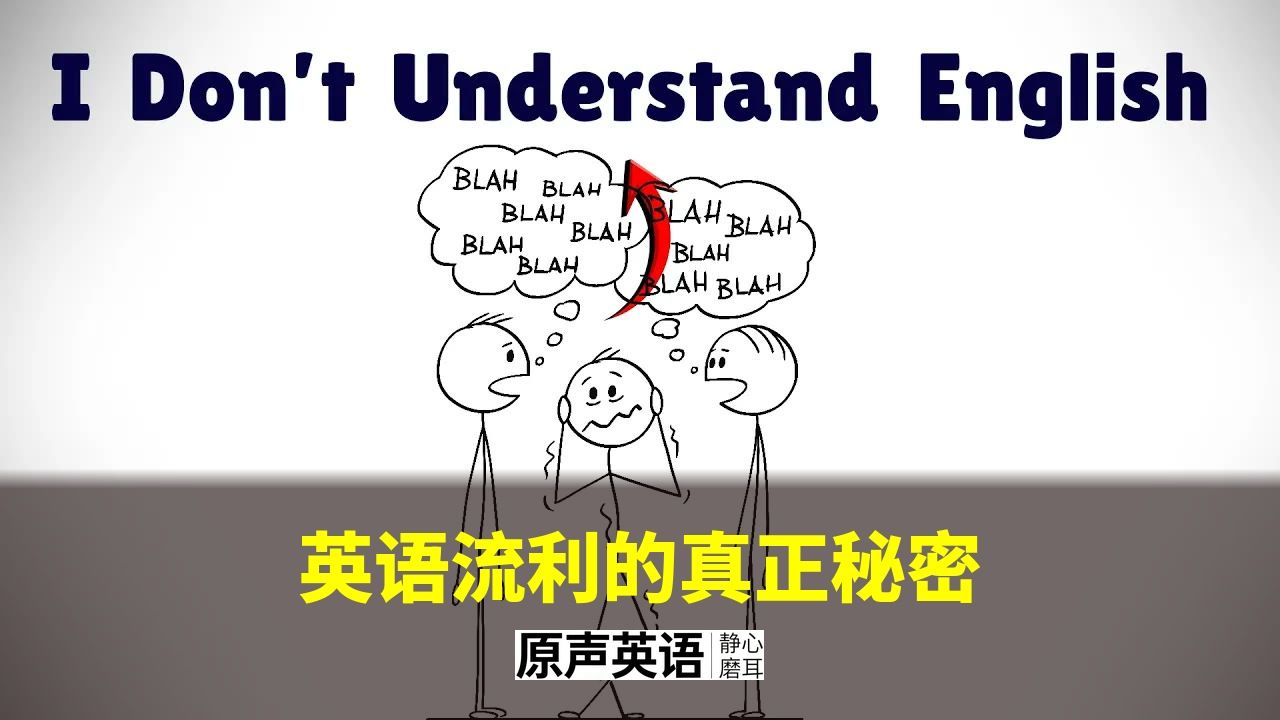
字幕摘录
| 时间 | 英文 | 中文 |
|---|---|---|
| 0:00 | English is not only a reading language, but it is mainly a sound language, | 英语不仅仅是一种阅读语言,它主要是一种声音语言, |
| 0:05 | which means it lives in the ears more than in the eyes. | 也就是说它生活在耳朵里比在眼睛里还多 |
| 0:08 | However, most learners spend most of their time training their eyes because they read subtitles, | 然而,大多数学习者花大部分时间训练眼睛,因为他们读字幕, |
| 0:14 | they read grammar explanations, and they read vocabulary lists, | 他们阅读语法解释, 他们阅读词汇列表, |
| 0:18 | while their ears are not getting enough real practice. | 而他们的耳朵却没有足够的真正的练习。 |
| 0:22 | Let me give you a clear example so you can imagine this better. | 让我给你一个明确的例子,这样你就可以更好的想象了。 |
| 0:25 | You are watching an English movie with subtitles turned on, | 你正在看一部有字幕的英国电影 |
| 0:29 | and while you are watching, you understand almost everything because you are reading the text. | 当你在看的时候, 你几乎什么都懂, 因为你正在阅读文本。 |
| 0:34 | At the bottom of the screen, you feel happy and confident, | 在屏幕底部,你感到快乐和自信, |
| 0:38 | and you think your English is improving very well. | 而且你觉得你的英语进步很好 |
展开字幕全文(74 条)
| 序号 | 英文 | 中文 |
|---|---|---|
| 1 | English is not only a reading language, but it is mainly a sound language, | 英语不仅仅是一种阅读语言,它主要是一种声音语言, |
| 2 | which means it lives in the ears more than in the eyes. | 也就是说它生活在耳朵里比在眼睛里还多 |
| 3 | However, most learners spend most of their time training their eyes because they read subtitles, | 然而,大多数学习者花大部分时间训练眼睛,因为他们读字幕, |
| 4 | they read grammar explanations, and they read vocabulary lists, | 他们阅读语法解释, 他们阅读词汇列表, |
| 5 | while their ears are not getting enough real practice. | 而他们的耳朵却没有足够的真正的练习。 |
| 6 | Let me give you a clear example so you can imagine this better. | 让我给你一个明确的例子,这样你就可以更好的想象了。 |
| 7 | You are watching an English movie with subtitles turned on, | 你正在看一部有字幕的英国电影 |
| 8 | and while you are watching, you understand almost everything because you are reading the text. | 当你在看的时候, 你几乎什么都懂, 因为你正在阅读文本。 |
| 9 | At the bottom of the screen, you feel happy and confident, | 在屏幕底部,你感到快乐和自信, |
| 10 | and you think your English is improving very well. | 而且你觉得你的英语进步很好 |
| 11 | But one day you decide to turn the subtitles off, and suddenly everything feels different, | 但有一天你决定关掉字幕 突然间一切都不一样了 |
| 12 | because the same movie now sounds very fast. | 因为同一部电影现在听起来很快 |
| 13 | The words mix together, and you cannot catch them clearly. | 这些词混在一起,你无法清楚地抓住它们。 |
| 14 | You begin to panic and think that your English level is low, | 你开始惊慌失措 觉得你的英语水平很低 |
| 15 | but the real problem is not your level. | 但真正的问题不是你的水平 |
| 16 | The real problem is that your ears were never trained properly. | 真正的问题是 你的耳朵没有受过训练 |
| 17 | Let me tell you about a learner named Alex. | 让我告诉你一个叫Alex的学习者 |
| 18 | Alex studied English for five years, | 亚历克斯学习英语五年, |
| 19 | and during that time he learned many grammar rules and many vocabulary words. | 在此期间他学到了许多语法规则和许多词汇. |
| 20 | So on paper he looked like a strong student. | 所以在纸面上他看起来像一个坚强的学生。 |
| 21 | However, when his foreign co-worker spoke English to him in a natural way, | 然而,当他的外国同事以自然的方式对他说英语时, |
| 22 | Alex could not understand well, so he only smiled and nodded his head. | 亚历克斯听不懂 所以他只笑着点头 |
| 23 | Later he said something honest. | 后来他说了实话 |
| 24 | He said that when he reads English, he understands clearly, | 他说,当他读英文时,他明白 |
| 25 | but when people speak it sounds like noise. | 但当人们说话时 听起来像是噪音 |
| 26 | Alex was not lazy, and he was not stupid. | 亚历克斯不懒,他也不笨. |
| 27 | He simply trained his eyes much more than his ears. | 他只是训练他的眼睛 远不止他的耳朵。 |
| 28 | Subtitles feel helpful and safe because they make you feel comfortable. | 字幕觉得有帮助和安全 因为他们让你觉得舒服 |
| 29 | But when subtitles are on, your brain chooses the easy way, | 但是,当字幕打开, 你的大脑选择了容易的方式, |
| 30 | which is reading instead of listening. | 是读书而不是听。 |
| 31 | While your eyes are busy reading the text, your ears become quiet and relaxed, | 当你的眼睛忙着看文字的时候 你的耳朵变得安静和放松 |
| 32 | so you think you are practicing listening, | 所以你觉得你在练习听 |
| 33 | but in reality you are mostly practicing reading. | 但实际上你主要是在练习阅读 |
| 34 | Now, let me explain what you can do in a simple and practical way. | 现在,让我解释一下,你能够以简单和实用的方式做些什么。 |
| 35 | First, start listening to short English videos or audio without subtitles, | 首先,开始听英语短片或没有字幕的音频, |
| 36 | and try not to pause too much or translate every word in your head, | 尽量不要停下来太多 或翻译你脑中的每一个字, |
| 37 | but instead allow the sound to enter your ears naturally, | 但让声音自然进入你的耳朵, |
| 38 | even if you understand only a small part at the beginning. | 即使你一开始只理解一小部分 |
| 39 | Second, listen to the same audio again, | 第二,听同样的音频, |
| 40 | but this time focus on how the speaker sounds. | 但这次的焦点是演讲者的声音。 |
| 41 | Notice the rhythm, notice the emotion, | 注意节奏 注意情绪 |
| 42 | and notice how the voice goes up and down, | 注意声音的上下 |
| 43 | instead of trying to catch every single word. | 而不是试图捕捉每一个字。 |
| 44 | Third, listen one more time, | 第三,再听一次 |
| 45 | and after that you can check the subtitles if you really need to. | 之后,如果真的需要,你可以检查字幕。 |
| 46 | But your main goal should not be understanding everything perfectly. | 但你的主要目标不应该是完全理解一切 |
| 47 | Your goal should be training your ears to recognize English sounds. | 你的目标应该是训练你的耳朵 识别英语的声音。 |
| 48 | There is something very important that many learners do not know. | 有一些非常重要的东西,许多学习者不知道。 |
| 49 | Understanding comes after listening practice, not before it. | 理解是在听习之后,而不是在听习之前。 |
| 50 | Your brain first learns sound patterns and common word connections, | 你的大脑首先学会了声音规律 和常见的词连接 |
| 51 | and later it connects those sounds to meaning. | 后来它将这些声音与意义联系起来。 |
| 52 | This is exactly how children learn their first language, | 这就是孩子们如何学习他们的第一语言, |
| 53 | because they listen for many months before they fully understand, | 他们听了好几个月,才完全了解。 |
| 54 | and slowly their brain builds strong connections. | 慢慢的,他们的大脑 建立了强大的连接。 |
| 55 | You do not need to practice for many hours every day. | 您不需要每天练习许多小时。 |
| 56 | Even 10 minutes of focused listening daily | 甚至每天有十分钟的专注听 |
| 57 | can make a big difference if you are consistent and patient. | 如果你是一贯的,耐心的,那就大有作为。 |
| 58 | You can listen to short videos, simple podcasts, or easy conversations. | 你可以听短视频,简单的播客,或者轻松的对话. |
| 59 | But the key is daily practice, and not giving up too quickly. | 但关键是日常练习,不要太快放弃. |
| 60 | After some weeks, you will start noticing a small but powerful change, | 几星期后,你会开始注意到一个小但强大的变化, |
| 61 | because English will begin to feel slower, clearer, and more natural. | 因为英语会开始感觉更慢,更清晰,更自然. |
| 62 | The sounds that were once confusing will start feeling familiar, | 曾经令人困惑的声音会让人觉得熟悉 |
| 63 | and your brain will not panic so quickly. | 你的大脑不会这么快惊慌 |
| 64 | So always remember this simple truth. | 所以永远记住这个简单的事实。 |
| 65 | If English feels fast, it does not mean you are bad at English. | 如果英语感觉很快,这并不意味着你在英语方面表现不好. |
| 66 | It only means that you trained the wrong skill for too long. | 这只意味着你训练了错误的技能太久了 |
| 67 | When you stop training only your eyes and start training your ears seriously, | 当你停止只训练眼睛 开始训练耳朵的时候 |
| 68 | your listening skill will grow, and real fluency will slowly begin. | 你的听力会增长 真正的流畅将慢慢开始 |
| 69 | Fluency does not start with perfect speaking. | 流利不是从完美的演讲开始的。 |
| 70 | Fluency starts with strong listening. | 流利始于强听. |
| 71 | If this lesson helped you understand your listening problem in a new way, | 如果这个课能帮助你 以新的方式理解你的听力问题 |
| 72 | support the channel by liking this video, | 支持频道 喜欢这视频, |
| 73 | sharing it with other learners, and subscribing for more simple English | 与其他学习者分享,并订阅更简单的英语 |
| 74 | lessons that help you improve step by step. | 帮助你一步一步进步的教训。 |
该视频共有字幕 74 条。解锁更多字幕为会员功能,请移动到 价格
P2 · 【漫画学英语】英语流利的真正秘密 · 训练耳朵而不是眼睛 p02 无字幕 (P2)
字幕摘录
| 时间 | 英文 | 中文 |
|---|---|---|
| 0:00 | English is not only a reading language, but it is mainly a sound language, | 英语不仅仅是一种阅读语言,它主要是一种声音语言, |
| 0:05 | which means it lives in the ears more than in the eyes. | 也就是说它生活在耳朵里比在眼睛里还多 |
| 0:08 | However, most learners spend most of their time training their eyes because they read subtitles, | 然而,大多数学习者花大部分时间训练眼睛,因为他们读字幕, |
| 0:14 | they read grammar explanations, and they read vocabulary lists, | 他们阅读语法解释, 他们阅读词汇列表, |
| 0:18 | while their ears are not getting enough real practice. | 而他们的耳朵却没有足够的真正的练习。 |
| 0:22 | Let me give you a clear example so you can imagine this better. | 让我给你一个明确的例子,这样你就可以更好的想象了。 |
| 0:25 | You are watching an English movie with subtitles turned on, | 你正在看一部有字幕的英国电影 |
| 0:29 | and while you are watching, you understand almost everything because you are reading the text. | 当你在看的时候, 你几乎什么都懂, 因为你正在阅读文本。 |
| 0:34 | At the bottom of the screen, you feel happy and confident, | 在屏幕底部,你感到快乐和自信, |
| 0:38 | and you think your English is improving very well. | 而且你觉得你的英语进步很好 |
展开字幕全文(74 条)
| 序号 | 英文 | 中文 |
|---|---|---|
| 1 | English is not only a reading language, but it is mainly a sound language, | 英语不仅仅是一种阅读语言,它主要是一种声音语言, |
| 2 | which means it lives in the ears more than in the eyes. | 也就是说它生活在耳朵里比在眼睛里还多 |
| 3 | However, most learners spend most of their time training their eyes because they read subtitles, | 然而,大多数学习者花大部分时间训练眼睛,因为他们读字幕, |
| 4 | they read grammar explanations, and they read vocabulary lists, | 他们阅读语法解释, 他们阅读词汇列表, |
| 5 | while their ears are not getting enough real practice. | 而他们的耳朵却没有足够的真正的练习。 |
| 6 | Let me give you a clear example so you can imagine this better. | 让我给你一个明确的例子,这样你就可以更好的想象了。 |
| 7 | You are watching an English movie with subtitles turned on, | 你正在看一部有字幕的英国电影 |
| 8 | and while you are watching, you understand almost everything because you are reading the text. | 当你在看的时候, 你几乎什么都懂, 因为你正在阅读文本。 |
| 9 | At the bottom of the screen, you feel happy and confident, | 在屏幕底部,你感到快乐和自信, |
| 10 | and you think your English is improving very well. | 而且你觉得你的英语进步很好 |
| 11 | But one day you decide to turn the subtitles off, and suddenly everything feels different, | 但有一天你决定关掉字幕 突然间一切都不一样了 |
| 12 | because the same movie now sounds very fast. | 因为同一部电影现在听起来很快 |
| 13 | The words mix together, and you cannot catch them clearly. | 这些词混在一起,你无法清楚地抓住它们。 |
| 14 | You begin to panic and think that your English level is low, | 你开始惊慌失措 觉得你的英语水平很低 |
| 15 | but the real problem is not your level. | 但真正的问题不是你的水平 |
| 16 | The real problem is that your ears were never trained properly. | 真正的问题是 你的耳朵没有受过训练 |
| 17 | Let me tell you about a learner named Alex. | 让我告诉你一个叫Alex的学习者 |
| 18 | Alex studied English for five years, and during that time, | 亚历克斯学了五年英语, 在此期间, |
| 19 | he learned many grammar rules and many vocabulary words. | 他学习了许多语法规则和许多词汇. |
| 20 | So on paper he looked like a strong student. | 所以在纸面上他看起来像一个坚强的学生。 |
| 21 | However, when his foreign co-worker spoke English to him in a natural way, | 然而,当他的外国同事以自然的方式对他说英语时, |
| 22 | Alex could not understand well, so he only smiled and nodded his head. | 亚历克斯听不懂 所以他只笑着点头 |
| 23 | Later, he said something honest. | 后来,他说了实话 |
| 24 | He said that when he reads English, he understands clearly. | 他说,当他阅读英语时,他明白得很清楚. |
| 25 | But when people speak, it sounds like noise. | 但当人们说话时,听起来像是噪音. |
| 26 | Alex was not lazy, and he was not stupid. | 亚历克斯不懒,他也不笨. |
| 27 | He simply trained his eyes much more than his ears. | 他只是训练他的眼睛 远不止他的耳朵。 |
| 28 | Subtitles feel helpful and safe because they make you feel comfortable. | 字幕觉得有帮助和安全 因为他们让你觉得舒服 |
| 29 | But when subtitles are on, your brain chooses the easy way, | 但是,当字幕打开, 你的大脑选择了容易的方式, |
| 30 | which is reading instead of listening. | 是读书而不是听。 |
| 31 | While your eyes are busy reading the text, your ears become quiet and relaxed, | 当你的眼睛忙着看文字的时候 你的耳朵变得安静和放松 |
| 32 | so you think you are practicing listening, | 所以你觉得你在练习听 |
| 33 | but in reality you are mostly practicing reading. | 但实际上你主要是在练习阅读 |
| 34 | Now, let me explain what you can do in a simple and practical way. | 现在,让我解释一下,你能够以简单和实用的方式做些什么。 |
| 35 | First, start listening to short English videos or audio without subtitles, | 首先,开始听英语短片或没有字幕的音频, |
| 36 | and try not to pause too much or translate every word in your head. | 尽量不要停下来太多 或翻译你脑中的每一个字。 |
| 37 | But instead, allow the sound to enter your ears naturally, | 但相反,让声音自然进入你的耳朵, |
| 38 | even if you understand only a small part at the beginning. | 即使你一开始只理解一小部分 |
| 39 | Second, listen to the same audio again, | 第二,听同样的音频, |
| 40 | but this time focus on how the speaker sounds. | 但这次的焦点是演讲者的声音。 |
| 41 | Notice the rhythm, notice the emotion, | 注意节奏 注意情绪 |
| 42 | and notice how the voice goes up and down, | 注意声音的上下 |
| 43 | instead of trying to catch every single word. | 而不是试图捕捉每一个字。 |
| 44 | Third, listen one more time, | 第三,再听一次 |
| 45 | and after that you can check the subtitles if you really need to. | 之后,如果真的需要,你可以检查字幕。 |
| 46 | But your main goal should not be understanding everything perfectly. | 但你的主要目标不应该是完全理解一切 |
| 47 | Your goal should be training your ears to recognize English sounds. | 你的目标应该是训练你的耳朵 识别英语的声音。 |
| 48 | There is something very important that many learners do not know. | 有一些非常重要的东西,许多学习者不知道。 |
| 49 | Understanding comes after listening practice, not before it. | 理解是在听习之后,而不是在听习之前。 |
| 50 | Your brain first learns sound patterns and common word connections, | 你的大脑首先学会了声音规律 和常见的词连接 |
| 51 | and later it connects those sounds to meaning. | 后来它将这些声音与意义联系起来。 |
| 52 | This is exactly how children learn their first language, | 这就是孩子们如何学习他们的第一语言, |
| 53 | because they listen for many months before they fully understand, | 他们听了好几个月,才完全了解。 |
| 54 | and slowly their brain builds strong connections. | 慢慢的,他们的大脑 建立了强大的连接。 |
| 55 | You do not need to practice for many hours every day. | 您不需要每天练习许多小时。 |
| 56 | Even 10 minutes of focused listening daily | 甚至每天有十分钟的专注听 |
| 57 | can make a big difference if you are consistent and patient. | 如果你是一贯的,耐心的,那就大有作为。 |
| 58 | You can listen to short videos, simple podcasts, or easy conversations. | 你可以听短视频,简单的播客,或者轻松的对话. |
| 59 | But the key is daily practice, and not giving up too quickly. | 但关键是日常练习,不要太快放弃. |
| 60 | After some weeks, you will start noticing a small but powerful change, | 几星期后,你会开始注意到一个小但强大的变化, |
| 61 | because English will begin to feel slower, clearer, and more natural. | 因为英语会开始感觉更慢,更清晰,更自然. |
| 62 | The sounds that were once confusing will start feeling familiar, | 曾经令人困惑的声音会让人觉得熟悉 |
| 63 | and your brain will not panic so quickly. | 你的大脑不会这么快惊慌 |
| 64 | So always remember this simple truth. | 所以永远记住这个简单的事实。 |
| 65 | If English feels fast, it does not mean you are bad at English. | 如果英语感觉很快,这并不意味着你在英语方面表现不好. |
| 66 | It only means that you trained the wrong skill for too long. | 这只意味着你训练了错误的技能太久了 |
| 67 | When you stop training only your eyes and start training your ears seriously, | 当你停止只训练眼睛 开始训练耳朵的时候 |
| 68 | your listening skill will grow, and real fluency will slowly begin. | 你的听力会增长 真正的流畅将慢慢开始 |
| 69 | Fluency does not start with perfect speaking. | 流利不是从完美的演讲开始的。 |
| 70 | Fluency starts with strong listening. | 流利始于强听. |
| 71 | If this lesson helped you understand your listening problem in a new way, | 如果这个课能帮助你 以新的方式理解你的听力问题 |
| 72 | support the channel by liking this video, | 支持频道 喜欢这视频, |
| 73 | sharing it with other learners, and subscribing for more simple English | 与其他学习者分享,并订阅更简单的英语 |
| 74 | lessons that help you improve step by step. | 帮助你一步一步进步的教训。 |
该视频共有字幕 74 条。解锁更多字幕为会员功能,请移动到 价格