一口气逛完最值得去的100多座日本博物馆,艺术爱好者们绝对不
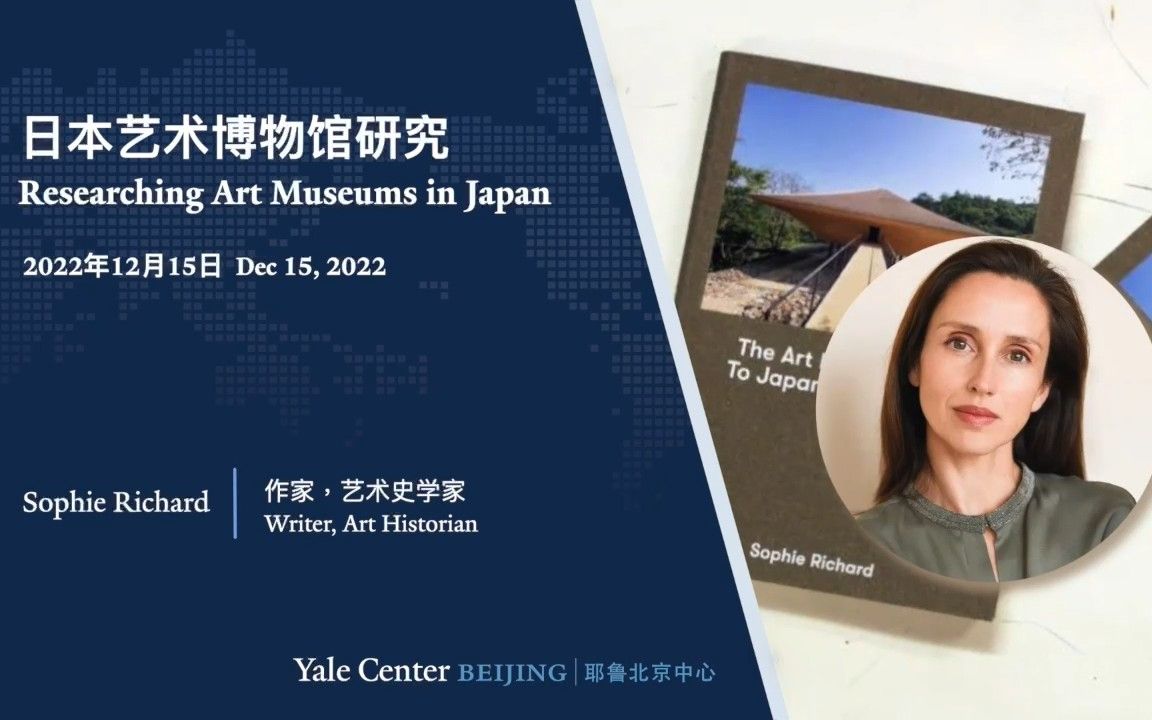
字幕摘录
| 时间 | 英文 | 中文 |
|---|---|---|
| 0:04 | Thank you everybody for joining us. | 谢谢大家加入我们 |
| 0:06 | Hello. | 哈罗 |
| 0:07 | My name is Devon Lau. | 我叫刘德文 |
| 0:08 | I'm the associate director for Yale Center Beijing, and very happy to see so many of you guys joining us today. | 我是耶鲁中心北京分会的副会长 很高兴你们今天能来 |
| 0:16 | For those of you guys that are joining us for the first time. | 为了你们这些第一次加入我们的人 |
| 0:19 | We have hosted a series of talks over the last few years of highlighting some of the books being published by Yale University Press. | 在过去几年里,我们主持了一系列会谈,着重介绍耶鲁大学出版社出版的一些书籍。 |
| 0:28 | And this one caught my eye, very quickly, when I saw that it was coming out, the art lovers guide to Japanese museums, and I immediately jumped on the opportunity to host our speaker today Sophie Richard on this amazing topic. | 这个吸引了我,非常快, 当我看到它要出来时, 艺术爱好者们向日本博物馆的指引, 我立刻跳过这个机会 来主持今天的演讲人Sophie Richard 讲这个惊人的主题。 |
| 0:43 | And I know many of us are very eager to be able to travel again internationally and so this is a good preparation for that as we get ready, hopefully, fingers crossed to be able to travel more freely. | 我知道,我们许多人都非常渴望能够再次在国际上旅行,因此,在我们准备,希望,手指交叉,能够更自由地旅行的时候,这是一个很好的准备。 |
| 0:59 | I know that Sophie herself has recently traveled to Japan, and so she's able to send us a report back. | 我知道Sophie自己最近去过日本 所以她能给我们回个报告 |
| 1:09 | Let me introduce our speaker and turn things over to her. | 让我介绍一下我们的演讲人,然后把事情交给她。 |
展开字幕全文(459 条)
| 序号 | 英文 | 中文 |
|---|---|---|
| 1 | Thank you everybody for joining us. | 谢谢大家加入我们 |
| 2 | Hello. | 哈罗 |
| 3 | My name is Devon Lau. | 我叫刘德文 |
| 4 | I'm the associate director for Yale Center Beijing, and very happy to see so many of you guys joining us today. | 我是耶鲁中心北京分会的副会长 很高兴你们今天能来 |
| 5 | For those of you guys that are joining us for the first time. | 为了你们这些第一次加入我们的人 |
| 6 | We have hosted a series of talks over the last few years of highlighting some of the books being published by Yale University Press. | 在过去几年里,我们主持了一系列会谈,着重介绍耶鲁大学出版社出版的一些书籍。 |
| 7 | And this one caught my eye, very quickly, when I saw that it was coming out, the art lovers guide to Japanese museums, and I immediately jumped on the opportunity to host our speaker today Sophie Richard on this amazing topic. | 这个吸引了我,非常快, 当我看到它要出来时, 艺术爱好者们向日本博物馆的指引, 我立刻跳过这个机会 来主持今天的演讲人Sophie Richard 讲这个惊人的主题。 |
| 8 | And I know many of us are very eager to be able to travel again internationally and so this is a good preparation for that as we get ready, hopefully, fingers crossed to be able to travel more freely. | 我知道,我们许多人都非常渴望能够再次在国际上旅行,因此,在我们准备,希望,手指交叉,能够更自由地旅行的时候,这是一个很好的准备。 |
| 9 | I know that Sophie herself has recently traveled to Japan, and so she's able to send us a report back. | 我知道Sophie自己最近去过日本 所以她能给我们回个报告 |
| 10 | Let me introduce our speaker and turn things over to her. | 让我介绍一下我们的演讲人,然后把事情交给她。 |
| 11 | I've already had a sneak peek at some of the museums that she's going to be able to talk about. | 我已经偷看过一些博物馆了 她会谈论的 |
| 12 | And I'm very excited. | 我很兴奋 |
| 13 | I'm lucky enough to have been to some of them. | 我很幸运能去见他们 |
| 14 | And I can attest to how amazing and beautiful they are. | 我可以证明他们是多么的神奇和美丽。 |
| 15 | And I'm hoping to check off, at least the rest of today's museums, the next time I go to Japan. | 我希望检查一下, 至少今天的其余博物馆, 下一次我去日本。 |
| 16 | But she had a whole book that has a lot more options. | 但她有一整本书 有很多选择 |
| 17 | So, even if you've been to some of these, there's many more to look forward to. | 所以,即使你看过一些, 还有很多值得期待的。 |
| 18 | So let me introduce our speaker and then we'll get started. | 让我介绍一下我们的演讲人 然后我们开始 |
| 19 | Sophie Richard is a writer and art historian, born in Provence and educated at the Ecole de Louvre in the Soberne in Paris. | 索菲·理查是一位作家和艺术史学家,出生于普罗旺斯,在巴黎索伯恩的卢浮宫(Ecole de Louvre)接受教育. |
| 20 | She's worked in the art world in New York, before moving to London where she is now based. | 她在纽约的艺术界工作过 在搬到现在的总部伦敦之前 |
| 21 | And she's been traveling to Japan for the past 17 years now. | 她已经到日本旅行了17年了 |
| 22 | Passionate about Japanese arts and culture, she set out to explore the country's many museums, an ambitious goal. | 她热衷于日本的艺术与文化, |
| 23 | But one I think that she's done a great job of so far. | 但我认为她到目前为止做得非常好 |
| 24 | Her first book on the subject was published in 2014, and was subsequently translated into Japanese. | 她关于这个主题的第一本书于2014年出版,后来被翻译成日语. |
| 25 | And her second book, The Art Lover's Guide to Japanese Museums, which we'll be looking at today, was published more recently and then will also be available in Japanese. | 而她的第二本书"艺术情人对日本博物馆的指南"(The Art Lover's Guide to Japan Museums),我们今天将会看,更近些时候出版,之后也会有日文版. |
| 26 | Her articles have appeared in magazines in the US, the UK, and Japan, and she's been a contributor to Japanese television programs, where her work has been the basis for two recent television series on the country's many art museums. | 她的文章曾在美国,英国,日本的杂志上出现过,她也是日本电视节目的撰稿人,她的作品成为了最近两部关于该国众多艺术博物馆的电视连续剧的基础. |
| 27 | She's been lecturing in Europe and in Japan, and I guess now, technically in the US and China. | 她在欧洲和日本讲课, 我猜现在,从技术上讲, 在美国和中国。 |
| 28 | And she is currently producing a series of video interviews under the title, Encounters with Japan. | 她目前正在制作一系列视频采访节目,标题是“与日本的相遇”。 |
| 29 | In 2015, her work was recognized by the Agency of Cultural Affairs in Japan, and she received the Commissioner's Award. | 2015年,她的作品获得日本文化局的表彰,她获得了专员奖. |
| 30 | So we're very lucky to have here join us today, and I'm personally very much excited to hear what she has to share with us. | 因此,我们很幸运今天能来到这里, 我个人非常兴奋地听到她要和我们分享的东西。 |
| 31 | And as a last note, if people could please, as much as possible, turn on your video camera so that we can all see you, that would be much appreciated. | 最后一点,如果大家能尽量打开你的摄像头 这样我们都能看到你,那将非常感激。 |
| 32 | And so with that, I'll turn it over to Sophie. | 因此,我会把它交给苏菲。 |
| 33 | Well, hello, everyone. | 好了,大家好,大家好,我们走 |
| 34 | I'm delighted to be with you today and to be able to share my experiences and my motivation for writing this book and tell you a bit about my research. | 我很高兴今天能和你们在一起 分享我写这本书的经验和动机 并告诉你我的研究 |
| 35 | I've been researching art museums for about 12 years in Japan, and published books and articles on the subject. | 曾在日本从事艺术博物馆研究约12年,并发表过相关书籍和文章. |
| 36 | I originally studied art history at the Ecole du Louvre in Paris, which is located within the museum. | 我最初在巴黎卢浮宫学院学习艺术史,该学院位于博物馆内. |
| 37 | So I feel at ease in museums, and I'm curious about their history. | 所以我觉得在博物馆里很轻松, 我很想知道他们的历史。 |
| 38 | So when I first went to Japan about 17 years ago now, I think I did what I do anywhere when I travel in the world, I set out to visit museums. | 所以,当我17年前第一次去日本时, 我觉得我做了我在世界任何地方旅行时所做的, 我开始参观博物馆。 |
| 39 | What brought me to Japan originally was a fascination for the country and its culture from a very young age, in particular, the traditional aesthetics and traditional architecture. | 当初让我来到日本的,是该国及其文化,特别是传统美学和传统建筑,从很小的时候就开始了。 |
| 40 | It's not particularly remarkable, you know, the French and the Japanese have had this sort of long-standing mutual love affair. | 这并不特别了不起,你知道,法国人和日本人 有过这种长期的相互爱恋。 |
| 41 | And I think I first encountered Japanese art in art books on Western art, because Japan was such a source of inspiration for many Western, particularly French artists. | 我认为我第一次在西方艺术的艺术书籍中遇到日本的艺术, 因为日本是许多西方,特别是法国艺术家的灵感来源。 |
| 42 | So this is how I, my family had no connection. | 所以这就是我,我的家人 没有任何联系。 |
| 43 | This is how I first saw Japanese art and aesthetic. | 这就是我第一次看到日本艺术和美学。 |
| 44 | So when I finally went to Japan after dreaming about it for so many years, I naturally planned to visit a lot of museums. | 所以当我梦见了这么多年之后,终于去了日本, 我自然计划参观许多博物馆。 |
| 45 | This was for me the best gateway into the culture and the country from past centuries to today. | 这对我来说是过去几个世纪到今天进入文化和国家的最佳通道。 |
| 46 | That was really important for me, this range chronologically. | 这对我很重要 这范围按时间顺序排列 |
| 47 | And I also thought about museums as a thread to follow in devising my itineraries, not only in places like Tokyo and Kyoto. | 不仅在东京和京都,我还认为博物馆是设计我的行程时要遵循的线条。 |
| 48 | But this quest, if you will, also allowed me to travel far and wide and to explore remote areas. | 但这次探索,如果你愿意, 也允许我远途旅行, 探索偏远地区。 |
| 49 | The museums were the ideal excuse to travel far and wide. | 这些博物馆是远足旅行的理想借口。 |
| 50 | And going to all these museums was really rewarding. | 参观这些博物馆真的很有收获。 |
| 51 | During my visits, I could see art, of course, exhibited on the walls, but I could also experience many other things. | 在我访问期间,我可以看到艺术,当然,在墙上展出,但我也可以经历许多其他事情。 |
| 52 | Outstanding examples of architecture from different periods, interior designs, there were gardens to admire, as well as fascinating but more subtle aspects. | 不同时期的建筑,室内设计, 有一些值得欣赏的花园, 以及迷人但更微妙的方面。 |
| 53 | For example, the difference in ways to display art in different countries, the behavior of visitors in the galleries, certain things like that that were quite subtle. | 例如,在不同国家展示艺术的方式的不同, 参观者在画廊中的行为, 某些类似的东西是相当微妙的。 |
| 54 | I really enjoyed as a foreign visitor. | 我真的很享受作为外国访客。 |
| 55 | So all this was very exciting. | 所以这一切非常令人兴奋。 |
| 56 | But I also quickly discovered that there was a huge amount to see, but it was not really straightforward. | 但我也很快地发现,有很多东西需要看到,但这并不十分直截了当. |
| 57 | It was not easy to find information, especially when I started all this 17 years ago. | 找到信息并不容易, 特别是在我17年前开始这一切的时候。 |
| 58 | And in particular, I really, really struggled to find accurate description of what these museums were about, what was being shown at the time of the potential visit. | 特别是,我非常非常努力地 寻找这些博物馆的准确描述, 以及潜在参观时展示的内容。 |
| 59 | The story of the museums. | 博物馆的故事. |
| 60 | So that was a hurdle. | 因此,这是一个障碍。 |
| 61 | And also, while there were many good places, fantastic places to visit, I also happened sometimes to be visiting venues that were not really interesting. | 还有,虽然有许多好地方, 令人惊奇的地方可以去参观, 但我有时也碰巧去参观一些地方, 这些地方不太有趣。 |
| 62 | They could be disappointing because they were not very well run or the collection was great. | 它们可能令人失望,因为它们运行得不好,或者收藏得很棒。 |
| 63 | In parallel to all that, when I was discussing my trips to Japan in the UK where I live, I was asked if there were many museums there or if there were any museums at all. | 与此同时,当我在英国讨论我的日本之旅时, 我被问及那里是否有许多博物馆, |
| 64 | There was really, it was an unknown thing for foreign, at least in the in the West. | 这对外国人来说是一件未知的事,至少在西方。 |
| 65 | So all this combined made me think that I should research them more systematically and write about them to introduce them to a foreign audience. | 因此,所有这些让我觉得,我应该更系统地研究它们,写出它们,将它们介绍给外国观众。 |
| 66 | In a way, I can say that I wrote the book that I wanted to have as a first time visitor to Japan. | 从某种意义上讲,我可以说,我写了一本我想作为第一次访问日本的书。 |
| 67 | I really saw museums as a portal to discover Japan, and I was struck really by the sheer number that existed, but also by the range and the variety of the museums. | 我确实把博物馆视为发现日本的门户, 我对现存的博物馆数量, 以及博物馆的分布和种类, 深感震惊。 |
| 68 | So this is really what led me to write a book. | 所以这就是我写书的原因。 |
| 69 | And in doing so, what I tried is to really offer a portrait of each of the museums that I selected to feature in the book. | 在这样做的时候,我试图提供一张 我选择在书中展示的博物馆的肖像。 |
| 70 | So to start, I would like to tell you about a significant visit that took place in this house called Kyuasakura in Tokyo. | 首先,我想向大家介绍一下在东京这个叫京仓的房子里进行的一次重要访问。 |
| 71 | It's really in the center of the capital, and I stumbled upon it by chance. | 它真的在首都中心, 我偶然地发现了它。 |
| 72 | It was located in Daikanyama in a very trendy area, and I was just walking around and I was attracted to that corner behind a modern building because there were trees and I thought maybe there is a garden there and I can take a break. | 它位于戴坎山 一个非常潮流的地区, 我只是走来走去, 我被吸引到一个现代建筑后面的角落, 因为那里有树,我想也许那里有花园,我可以休息一下。 |
| 73 | And it turns out that it was a historical home open to the public. | 事实证明,这是一个向公众开放的历史家园。 |
| 74 | The house was built in 1919, so it's not very old, but it was built according to traditional design, and it was built for the Asakura family, which was an important family in the area since the Edo period. | 该堂始建于1919年,因此不甚古老,而是按照传统设计而建,为自江户时期起成为该地区重要家族的浅仓家族而建. |
| 75 | And during that visit, I realized that all my senses were awakened and engaged. | 而在那次访问中,我意识到我所有的感官都被唤醒并参与其中. |
| 76 | I could enjoy the smell of the tatami and the different woods that were part of the decorative elements. | 我可以享受塔塔米的气味 和作为装饰元素一部分的不同树林 |
| 77 | I could feel the tatami flow under my feet because this is being a traditional house, you're asked to remove your shoes before entering. | 我能感觉到脚底下的塔塔米流 因为这是个传统的房子 你被要求在进入前脱鞋 |
| 78 | A number of museums do that in Japan. | 一些博物馆在日本也这样做。 |
| 79 | I could hear sounds from the garden. | 我能听到花园里的声音 |
| 80 | So this was a sensory experience as well as an intellectual one. | 因此,这是一个感官体验 以及智力体验。 |
| 81 | I had the house for myself that day. | 那天我为我自己准备了房子 |
| 82 | So I had a bit of an epiphany, and this is when I really decided to write a book about the museum I had seen in Japan and those I was hoping to discover. | 所以我有了一点觉悟, 这时候我决定写一本书, 介绍我在日本看到的博物馆, 以及我希望发现的博物馆。 |
| 83 | And here I can show you, so at the back of the garden, there is this lovely building called Kura. | 在这里我可以告诉你, 所以在花园的后面, 有一个可爱的建筑叫Kura。 |
| 84 | This is a storehouse where people would keep their precious belonging. | 这是一间储藏室,人们会把珍贵的财物藏在那里. |
| 85 | This is the only part of a traditional Japanese home to be built in stone. | 这是日本传统住宅中唯一用石头建造的部分. |
| 86 | And this is why their precious belonging would be protected in case of fire. | 这就是为什么他们的珍贵财产 在火灾时受到保护。 |
| 87 | So this is a special building that every well-to-do traditional house would have in Japan. | 因此,这是一座特殊的建筑, 在日本,每一个好到有传统房屋。 |
| 88 | In this case, at Kyuasa Kura, it is not open to the public, but many other museums in Japan have turned the Kuras into beautiful, lovely display galleries. | 在这种情况下,Kyuasa Kura虽然不向公众开放,但日本许多其他博物馆将Kuras变成了美丽,可爱的陈列馆. |
| 89 | So when I started writing, as I mentioned, Japanese museums were really little known at an international level. | 所以当我开始写作的时候,正如我所提到的, 日本的博物馆在国际上鲜为人知。 |
| 90 | And if they were, usually that would be through the prism of contemporary architecture, because the museum was the work of a famous architect. | 如果是这样,通常是通过 当代建筑的棱镜, 因为博物馆是一个著名的建筑师的作品。 |
| 91 | So it would be published in books or magazines, but not much was said about what was happening inside. | 因此,它会发表在书籍或杂志上,但对于里面发生的事情却没有多少说法. |
| 92 | So I decided I should do something about it. | 所以我决定应该做点什么 |
| 93 | And this became a bit of a mission, really. | 这变成了一个任务,真的。 |
| 94 | So my research is always based on on-site visits, of course, and I always organize in advance a meeting with the museum director or curator, | 所以,我的研究总是基于现场访问, 当然,我总是提前组织 与博物馆主任或馆长的会议, |
| 95 | so that I can interview them and understand more about the museum and get information you can't get by just reading their brochures or their website, if they have one in English. | 这样我就能采访他们 了解更多关于博物馆的信息 并获得信息 你无法只读他们的小册子或网站, 如果他们有英文的。 |
| 96 | The book is organized in broad geographical groupings, and today I will show you a small selection with a few venues, each different kind of museums in a variety of locations. | 该书以广泛的地域分类编排,今天我将给你们展示一个小选集,其中有几个地点,每个地点都有不同类型的博物馆. |
| 97 | It was difficult to choose, but I chose about 10 to give you a taste. | 很难选择 但我选了10个给你尝尝 |
| 98 | So still in Tokyo, but a really different type of museum is the Gallery of Hori Uji Treasures, which is part of the National Museum in Tokyo. | 所以仍然在东京,但真正不同种类的博物馆是Hori Uji财宝画廊,它是东京国家博物馆的一部分. |
| 99 | So this is a large public institution made of different buildings, and this one is really one of my favorites. | 这是一个大型的公共机构, 由不同的建筑组成, 这个真的是我的最爱之一。 |
| 100 | It's by celebrated architect Taniguchi Yoshio, and it's really one of my favorite, not only for the beauty of the architecture, the interior design, but the importance of the collection. | 它是由著名的建筑师田口吉雄(田口吉雄)创作的,这真的是我最喜欢的作品之一,不仅因为建筑的美丽,室内设计,而且收藏的重要性. |
| 101 | It's a very good example of Taniguchi's work. | 这是田口的作品的很好的例子. |
| 102 | You can see that there is an interplay of textures and transparencies, very clean lines, and he also uses the water to reflect the building in this beautiful man-made pond. | 你可以看到,纹理和变质之间有相互作用,非常干净的线条,他还利用水来反映这座美丽的人造池塘中的建筑. |
| 103 | And inside, as you go upstairs in the first floor, you have this amazing gallery with a group of about 50 early Buddhist sculptures that look at you. | 里面,当你在一楼上楼的时候, 你有一个令人惊叹的画廊, 里面有一群大约50个早期的佛教雕塑, 看着你。 |
| 104 | It's a very impressive room, and the whole of the collection of the gallery and this particular room dates from the 6th to the 8th century, at a time when Buddhism arrived in Japan. | 这是一个非常令人印象深刻的房间,整个画廊和这个特定房间的藏品都是6世纪到8世纪,此时佛教已经到达日本. |
| 105 | So it's really the first centuries of Buddhism in Japan. | 所以这真的是日本佛教最早的几个世纪. |
| 106 | It's a fascinating collection, very, very important collection. | 它是一个迷人的收藏, 非常,非常重要的收藏。 |
| 107 | Next, let's leave Tokyo for Kyoto and a different kind of museum. | 接下来,让我们离开东京去京都和另一个类型的博物馆. |
| 108 | This is an artist house. | 这是艺术家之家 |
| 109 | I have a particular fondness for this kind of museums. | 我特别喜欢这种博物馆 |
| 110 | They're time capsules, so they really allow you for an immersion into the artist's private and creative life, as well as his or her times. | 他们是时间胶囊, 所以他们真的允许你 沉浸在艺术家的私人和创造生活, 以及他或她的时代。 |
| 111 | Kawai Kanjirō was a prolific potter. | 川井康杰是个很强的陶工 |
| 112 | He was one of the founders of the mingei movement, and when he passed away in 1966, his family decided to keep the house as it was, and a few years ago they were able to open it as a museum. | 他是明治运动的奠基人之一,1966年逝世时,家人决定按原样保留该堂,几年前他们得以作为博物馆开放. |
| 113 | So the descendants run the museum, and as you might see, thanks to these images, this is a museum without any wardens. | 因此,后代管理着博物馆, 正如你们可能看到的, 多亏这些图像, 这是一个没有典狱长的博物馆。 |
| 114 | There are no labels. | 没有标签。 |
| 115 | Visitors are free to move around as they wish, and you can even sit on some of the furniture that you might see. | 游客可以随意移动,甚至可以坐在你可能看到的一些家具上. |
| 116 | This gentleman here is sitting on a furniture that belonged to Kawai Kanjirō, and that was very probably designed by him because he designed the whole house himself and partly built it. | 这位先生坐在一个属于川井康吉的家具上,这很可能是他设计的,因为他自己设计了整个房子,并且部分建造了房子. |
| 117 | So this is a very beautiful place, very atmospheric, very evocative of his work, and going through the garden, you can access his studio. | 这是一个非常美丽的地方,非常大气,非常刺激他的作品, 通过花园,你可以进入他的工作室。 |
| 118 | So where he worked here, you see the potter's table and turntable. | 所以他在这里工作的地方, 你看到锅工的桌子和转盘。 |
| 119 | And at the back of the garden, there is his kiln, which is very precious because it's one of the very few left in central Kyoto. | 而在花园的后面,还有他的窑,这是非常珍贵的,因为它是京都中部留下的极少数的窑之一. |
| 120 | The area, the museum was a potter's area. | 该地区,博物馆曾是锅工地区. |
| 121 | There were many others that had been destroyed over time, so this one is really one of the very few still extended. | 还有其他许多被摧毁, 所以这个确实是一个极少数仍然被延长。 |
| 122 | It's fascinating to see. | 观心有情. |
| 123 | It's called a noborigama. | 名无波罗蜜. |
| 124 | It's a type, it's a climbing kiln, which is the one he used, and then even after he passed away for a few years, other potters of the area could still come and use it until it was closed at the request of the Kyoto city just for safety. | 这是一种类型,是攀枝花窑,是他使用的窑,即使他去世几年后,该地区其他陶工仍然可以来使用,直到根据京都市的要求关闭,只是为了安全起见. |
| 125 | Still in Kyoto, I would like to show you the Raku Museum. | 还在京都,我想给你们看看拉古博物馆 |
| 126 | It's in central Kyoto, not far from the Imperial Palace. | 位于京都市中心,距离皇宫不远. |
| 127 | So this presents the history of and the works of the Raku family, which is a very important dynasty of potters active since the 16th century. | 故此呈现了拉库家族的历史和作品,拉库家族是16世纪以来活跃的非常重要的陶工王朝. |
| 128 | It's now the 16th generation who is heading the family. | 现在是第16代领导家族的人物. |
| 129 | The museum is run by the family and very elegantly designed and presented. | 该博物馆由家族管理,设计非常优雅,展示优雅. |
| 130 | There are other examples of private museums such as this one, founded and managed by a family of craftsmen or artists, and that really zooms in on the family history and production. | 还有一些私人博物馆的例子,比如这个博物馆,是由工匠或艺术家家庭创建和管理的,这些博物馆真正放大了家庭历史和生产。 |
| 131 | Interestingly, so this is a lovely, very big museum, really highly recommended visit. | 有趣的是,这是一个可爱的,非常大的博物馆, 非常推荐参观。 |
| 132 | Interestingly, a few years ago, the 15th head of the family, so now his son has taken over, was contacted by a museum just outside of Kyoto, this one, the Sagawa Museum. | 有趣的是,几年前,第15任一家之长,所以现在他的儿子已经接手了,被京都外边的博物馆联系了,这个就是佐川博物馆. |
| 133 | This is a museum that's run by a local delivery company, so it's a private museum run by a company. | 这是一家由当地送货公司经营的博物馆,所以是一家公司经营的私人博物馆. |
| 134 | They contacted Mr. Raku and said, we would like to do an exhibition with you. | 他们联系了Raku先生 说我们想跟你一起做个展览 |
| 135 | So what turned, what started as a simple discussion about an art exhibition turned out to become an amazing and really exciting architectural project. | 于是,关于艺术展览的简单讨论 变成了一个令人惊叹和激动的建筑工程。 |
| 136 | So Mr. Raku, as I mentioned, was a ceramicist, and he ended up designing an entirely new wing in this museum, partly underground, so please have a look at the lake you see here, which is man-made because we'll see it again. | 所以,拉库先生,正如我所提到的,是一个陶瓷家, 最后他设计了这间博物馆的全新翼, 部分是地下的, 所以请看看这里看到的湖, 这是人造的,因为我们会再次看到它。 |
| 137 | And he ended up designing an entirely new wing that includes exhibition rooms and two fantastic tea rooms for the tea ceremony. | 最后他设计了一个全新的机翼,其中包括展览室和两个神奇的茶室用于茶典礼. |
| 138 | So the one you see here is actually underground, but there is natural light filtering through from the top. | 所以,你在这里看到的其实是地下的, 但是有天然的光从顶部过滤。 |
| 139 | He used a fantastic mix of natural domestic and foreign materials, so there is Japanese washi, traditional paper, but different woods from Africa, and reclaimed wood from Australian railways, wood from America, stone from Zimbabwe, so it's a fantastic mix | 他使用了天然的国内外材料的奇异搭配,所以有日本的黄土,传统纸张,但与非洲不同的树林,还从澳大利亚铁路回收了木材,从美国回收了木材,从津巴布韦回收了石料,因此是纹理和颜色的奇异搭配. |
| 140 | And the second tea room is much larger. | 而第二茶室则大得多. |
| 141 | This is the stone from Zimbabwe I was mentioning, and it is actually built at water level. | 这是我提到的津巴布韦的石头, 它实际上是在水面上建造的。 |
| 142 | So the slide we saw earlier, that's what you see from within the tea room, and we're here at water level, and when you're kneeling on the tatami to participate in the tea gathering, you're actually at the same level as the reeds in the water, and that was | 我们早些时候看到的幻灯片,这就是你从茶室里看到的, 我们在这里的水位, 当你跪在塔塔米上参加茶会时, 你实际上和水里的芦苇一样, 这就是拉库先生在设计房间时想要我们感受的。 |
| 143 | So this is really fascinating, I find, because this man is a potter, and he designed this fantastic architectural project. | 我觉得这真的很有趣, 因为这个人是个陶工, 他设计了这个奇妙的建筑工程。 |
| 144 | He actually got a prize for it. | 他实际上为此赢得了一个奖项. |
| 145 | And what I also wanted to lead on from here is the fact that tea culture and, you know, we all say tea ceremony, it's the most quintessential of Japanese cultural phenomenon, but it's much better if we can to actually say tea culture because ceremony is n | 我从这里也想引领的是茶文化,你知道,我们都说茶仪式,这是日本文化现象中最典型的,但是如果我们能真正地说茶文化,那就更好了,因为典礼并不是日本表达的理想翻译. |
| 146 | So let's say tea culture. | 故说茶文化. |
| 147 | Tea culture lends itself particularly well to the work of museums. | 茶文化尤其有利于博物馆的工作。 |
| 148 | There is an almost natural connection between the two. | 两者之间几乎是天然的联系. |
| 149 | As a tea practitioner, you are going to collect various forms of art, and that can bring you to opening your own museums. | 作为一名茶业工作者,你将收集各种形式的艺术, 这可以让你开自己的博物馆。 |
| 150 | Tea culture encompasses many forms of art from, of course, the ceramic with a table at the center of the event, but also lacquer, bamboo art, metalwork, painting, even architecture, interior design, and garden design. | 茶文化囊括了多种艺术形式,当然包括以桌子为活动中心的陶瓷,但也包括彩绘,竹子艺术,金属制品,绘画,甚至建筑,室内设计和花园设计. |
| 151 | So there is a lot of links between tea culture and museums throughout Japan. | 因此整个日本的茶文化与博物馆之间有许多联系. |
| 152 | But museums in Japan, of course, do not only show solely Japanese art, and they are, in fact, really good connection of Chinese and Korean art, as well as Western art. | 但日本的博物馆当然不仅只展示日本的艺术,而且实际上它们与中国和韩国的艺术,以及西方的艺术有着非常良好的联系. |
| 153 | So to show you today an example of Western art, I selected the Nakamura Keith Herring Collection, which is located northwest of Tokyo in a very green, mountainous area. | 今天我给你们展示一个西方艺术的例子, 我选择了中村基思Herring收藏, 它位于东京西北部一个非常绿色的山区。 |
| 154 | And this is a smallish private museum that was opened by a businessman, Mr. Nakamura, who discovered the work of Keith Herring while he was on a business trip to New York in the late 80s, and he fell in love. | 而这是一家小型的私人博物馆,由商人中村先生开馆,他在80年代末到纽约出差时发现了基思·赫林的作品,他坠入爱河. |
| 155 | He was really attracted and intrigued by his work, and then completely fell along with it, ended up collecting over 160 works, I think, and opened his own museums dedicated to the artists, and it's the only one solely dedicated to the artists that exist i | 他被他的作品所吸引和吸引, 之后完全随它而下降, 最终收集了160多件作品, 我想, 并开放了自己的博物馆 专门供艺术家们使用, 这是世界上唯一一个 专门供艺术家们使用的博物馆。 |
| 156 | And that's something I've seen before, for example, until a few years ago, the Lalique Museum in Japan was the only museum in Japan dedicated to Lalique until it won't open in France a few years ago. | 而这正是我之前所见过的,例如直到几年前,日本的Lalique博物馆是日本唯一一座专门收藏Lalique的博物馆,直到几年前法国才开放. |
| 157 | So as you can see, the museum is quite colorful. | 因此,如你所见,博物馆相当多彩。 |
| 158 | One of its attractiveness actually is the really dynamic architecture, and there is a lot of mix between dark and really light-filled galleries, and this was envisioned by the architect and the museum founder as a way to | 它的吸引力之一 实际上是真正动态的建筑, 有很多混合 黑暗和真正的光填充的画廊, 这是建筑师和博物馆创始人 设想的方式 |
| 159 | evoke, to evoke, sorry, the bestial life and time of Keith Herring. | 唤起 唤起 基思·赫林的复活节和时光 |
| 160 | And next to the museum, design, I'm sorry, the quality of my photo is not great, but I took it on a visit myself. | 在博物馆旁边,设计,对不起,我的照片质量不高,但我亲自参观了. |
| 161 | So next to the museum, and designed by the same architect called Kita Gawara Atsushi, there is a day spa. | 因此在博物馆旁边,由同名建筑师Kita Gawara Atsushi设计,有一个日间温泉. |
| 162 | And so you're really encouraged to visit the two on the same day. | 因此,你真的很受鼓励 在当天访问两人。 |
| 163 | And while you're there in this lovely day spa, you can enjoy the local hot springs. | 当你在可爱的日间温泉里的时候 你可以享受当地的温泉 |
| 164 | And this is something I really try to convey in the book after each entry on a particular museum, I give suggestions of things to do nearby, or maybe somewhere else in Japan, but in connection with the museum that was in discussion. | 这是我在书中真正试图传达的东西, 在每一个进入特定博物馆之后, 我给出一些建议, 做在附近,或者在日本的其他地方, 但与当时正在讨论的博物馆有关。 |
| 165 | And I really envisage museum going as a holistic activity. | 我真正设想博物馆是全面的活动。 |
| 166 | Maybe you find something by chance on the way to a museum, and there is something special, a little bit different to do in the museum or next to the museum. | 也许你在去博物馆的路上偶然发现了一些东西, 有一些特殊的东西, 在博物馆里或博物馆旁边做有些不同。 |
| 167 | So there are lots of tips and recommendations I give next to each entry. | 因此,每个条目旁边有许多提示和建议。 |
| 168 | Now leaving Honshu, the main island in Japan, I would like to take you to the inland sea, and a group of museums called the Benessei Art Foundation. | 现在离开日本主岛翁须, 我想带你去内陆海域, 还有一群博物馆叫贝内塞艺术基金会。 |
| 169 | This is very famous, I'm sure many of you will have heard of it. | 这是非常出名的,我相信你们很多人会听说过的. |
| 170 | An exciting aspect of the museum world in Japan is a very strong connection with nature. | 日本博物馆世界的一个令人振奋的方面是与自然非常紧密的联系. |
| 171 | Many museums are in the countryside, and often a visit becomes a bit of an adventure and in this case, the island of Naoshima has become a bit of an art pilgrimage. | 许多博物馆都位于农村,经常一次参观会变成有点冒险,在这种情况下,直岛岛也变成了有点艺术朝圣. |
| 172 | The founder, a businessman and visionary, I think, believed in the potential of art and architecture to create places in harmony with nature, where the conditions ensure well-being. | 我认为,创始人、商人和远见卓识的人相信,艺术和建筑有可能创造与自然和谐相处的地方,那里的条件确保了福祉。 |
| 173 | Benessei in Italian, and this is how he came up with the name Benessei for his foundation. | 贝内塞以意大利语写成,他就是这样为自己的基金会想到了这个名字的. |
| 174 | So here you see Benessei House, which is the first museum to open over 25 years ago, designed by Tadao Endo, and as you can see there is art inside and outside, beautiful scenery. | 这里你可以看到贝内塞之家, 这是25年前第一个开放的博物馆, 由远藤泰涛设计, 正如你所看到的, 内外有艺术,美丽的风景。 |
| 175 | Over time, more museums have opened on the island of Naoshima, another one, it's called the Chichu Museum, also designed by Tadao Endo, with a fantastic room dedicated to Monet, with only natural light filtering through the top. | 随着时间的推移,在直岛岛上开设的更多博物馆,另一座,叫做千秋博物馆,也是由远藤田雄设计,拥有一个以莫内为主题的奇妙房间,只有天然光过滤穿过顶部. |
| 176 | And over time, the project developed to a neighboring islands and included other architects. | 而随着时间的推移,该项目发展到一个邻近岛屿,并包括其他建筑师. |
| 177 | So here, oh sorry, another example of a museum by Tadao Endo on Naoshima, this time dedicated to Li-Ufan, beautiful space, beautiful setting, and that's the view you have from the museum. | (笑声) (掌声) (掌声) (掌声) (掌声) (掌声) (掌声) (掌声) (掌声) (掌声)(掌声) (掌声) (掌声) (掌声) (掌声) (掌声) (掌声) (掌声) (掌声) (掌声) (掌声) (掌声) (掌声) (掌声) (掌声) (掌声) (掌声) (掌声) (掌声) (掌声) (掌声) (掌声) (掌声) (掌声) (掌声) (掌声) (掌声) (掌声) (掌声) (掌声) (掌声) (掌声) (掌声) (掌声) (掌声) (掌声) (掌声) (掌声) (掌声) (掌声) (掌声) ( |
| 178 | So if that doesn't make you want to go, I don't know, you hear birds, I mean, it's a fabulous place. | 所以,如果那不让你想去, 我不知道,你听到鸟, 我的意思是,这是一个美妙的地方。 |
| 179 | And so on one of these other two islands where the foundation has developed new projects is the Teishima Art Museum, and it's a really enchanting building by an architect called Nishizawa Riwe, who collaborated with the artist Rei Nato to create a large s | 在另外两个岛上, 基金会开发了新项目, 也就是台岛艺术博物馆, 它是一座非常迷人的建筑, 建筑师叫西泽瑞威, 他与艺术家雷娜托合作, 创建了一个大房间。 |
| 180 | There are no columns, it's really the way you see, you see it on this photograph, and it's in the shape of a drop of water as it lands on the ground, and it's completely open to the element. | 这里没有柱子,这是你所看到的, 你在这张照片上看到的, 它的形状是一滴水 当它降落在地面上, 它完全对元素开放。 |
| 181 | Inside, visitors are asked to remove their shoes and to remain silent and of course by removing your shoes that there's just less noise naturally so everybody is silent without thinking about it. | 里面,游客被要求脱鞋,保持缄默,当然,通过脱鞋,自然会有较少的噪音,所以大家都沉默而不思考. |
| 182 | And here you can observe nature in a very calming, organic art installation. | 在这里,你可以观察大自然 一个非常平静的有机艺术装置。 |
| 183 | It can rain inside, I don't know if you can see there is a little wire that's hanging from the ceiling so you can also see the wind, there are dragonflies flying in, it's really beautiful, people lie down, some stay for hours, it's magical. | 里面会下雨,我不知道你能不能看到天花板上挂着一条小线, 这样你也能看见风, 有蜻蜓飞进来, 它真的很漂亮,人们躺着,有些呆了几个小时,这是神奇的。 |
| 184 | And when this museum was built, so you see it's, that's the entrance to the bookstore and cafe, that's the museum itself, it's set amongst rice paddies, which were not as beautiful when the museum was being under construction, actually rice paddies had be | 当这个博物馆建成时,你可以看到,这就是书店和咖啡馆的入口, 那就是博物馆本身,它被设置在稻田之间, 当博物馆建成时,稻田并不那么漂亮, 实际上稻田已经被当地居民遗弃了。 |
| 185 | It's an area that has suffered pollution, depopulation, one of the ideas of the foundation was to help the islands be revived, and when they started constructing the building they decided that they would help regenerate the landscape. | 这是一个遭受污染,人口减少的地区,基金会的一个想法是帮助这些岛屿复活,当他们开始建造这座建筑时,他们决定帮助重建景观. |
| 186 | And one of the main things to do for that was to replant the rice paddies. | 主要的一件事是重新种植稻田。 |
| 187 | And when I interviewed one of the curators, he explained to me that as they were building the museum and working on the rice paddies, all the people involved with the museums and | 当我采访了一位馆长时, 他向我解释,当他们建造博物馆 和在稻田上工作时, 所有参与博物馆和 |
| 188 | the museum staff was helping local inhabitants to replant the rice paddies. | 博物馆工作人员帮助当地居民重新种植稻田。 |
| 189 | So really, everybody was involved in this regeneration of the landscape and participation of the local population as well as the museum staff was essential to the project. | 所以,实际上,每个人都参与了景观的再生, 当地居民和博物馆工作人员的参与对这个项目至关重要。 |
| 190 | And the curator told me in fact that as he was doing this, a lady next to him was in tears, planting the rice and said, what's happening, why are you crying? | 而馆长实际上告诉我,当他这样做的时候,旁边的一位女士流了泪,种了稻子,说:这是怎么回事,你为什么哭? |
| 191 | And she said that after feeling guilty all her life, she felt she was respecting her | 她说她一辈子都觉得内疚 她觉得很尊重她 |
| 192 | ancestors wish to have rice paddies on the island. | 祖先希望岛上有稻田 |
| 193 | Rice is a very important and symbolic part of Japanese culture. | 水稻是日本文化中非常重要和象征性的一部分. |
| 194 | And for many on the island, not having rice paddies, having abandoned them was a very sad state of affairs. | 对岛上的许多人来说,没有稻田,抛弃了稻田,是一个非常可悲的状况。 |
| 195 | So the museum helped regenerate that as well. | 因此博物馆也帮助了再生。 |
| 196 | And I thought it was a very moving story. | 我认为这是一个非常感人的故事。 |
| 197 | And in my work, I also try to share those anecdotes that I received from the museum staff when I go and interview them. | 在我的作品中,我还尝试分享 我从博物馆工作人员那里收到的那些传闻 当我去采访他们时。 |
| 198 | And I think it's really meaningful. | 我认为它真的有意义。 |
| 199 | Another special museum for completely different reasons is this one, the Takenaka Carpentry Tool Museum in Kobe in central Japan. | 由于完全不同的原因,另一个特殊的博物馆是这个,即日本中部神户的Taketaka Carpentry工具博物馆. |
| 200 | So we're back on the main island. | 所以我们回到主岛了 |
| 201 | During all my years of research, as you can imagine, I received a number of recommendations from people I know in Japan. | 在我这几年的研究中,你可以想象, 我收到了一些来自日本人的建议。 |
| 202 | So this was recommended to me, but I have to admit I was quite doubtful from the tool museum, is it going to be too specialized, too technical, too removed, too far removed from an art museum. | 所以这是向我推荐的, 但我不得不承认我对工具博物馆很怀疑, 会不会太专业,太技术,太离艺术博物馆太远。 |
| 203 | So I went, but having lots of misgivings beforehand. | 于是我去了 但事先有很多疑虑 |
| 204 | And I ended up loving my visit. | 最后我很喜欢我的拜访 |
| 205 | And of course, I included it in the book. | 当然,我把它列入书中。 |
| 206 | The building is very handsome. | 该建筑非常英俊。 |
| 207 | What you see is the only part that's on. | 你看到的只有这个部分 |
| 208 | And by the way, we're in central, you can't imagine that we're in central Kobe, but there are mountains just in the back. | 顺便说一句,我们位于中央,你无法想象我们位于神户市中心, 但后面有山。 |
| 209 | So the entrance on the ground floor and everything else is underground. | 所以底层的入口和其他东西都在地下. |
| 210 | Takenaka was originally a carpentry firm created in the Edo period. | 竹坂最初是江户时期创建的木工公司. |
| 211 | And now it's one of Japan's largest construction companies. | 现为日本最大的建筑公司之一. |
| 212 | In fact, they built many museums in my book. | 事实上,他们在我的书里建了许多博物馆。 |
| 213 | And here they built this one in their own name, and they did a remarkable job inside the displays. | 在这里,他们用他们自己的名字建造了这个, 他们做了一个出色的工作 在展示。 |
| 214 | And so this is the entrance into this fantastic ceiling. | 这就是这个神奇天花板的入口。 |
| 215 | So going underground, one of the galleries with one of its fascinating, very informative, as well as very elegant displays. | 所以去地下,一个画廊 里面有一个迷人的,非常丰富的, 以及非常优雅的展示。 |
| 216 | So the museum collects tools for carpentry as well as metalwork. | 因此博物馆收集木工和金属制品的工具. |
| 217 | And there are models. | 还有模特儿 |
| 218 | There is a full scale tea house. | 那儿有一间大茶馆 |
| 219 | There are videos that are very instructive. | 有些视频很有启发性。 |
| 220 | And visitors are introduced not only to the methods and skills of Japanese carpenters and craftsmen, but also to their spirit and aesthetic sensibilities. | 而参观者不仅被介绍给日本木匠和工匠的方法和技能,而且被介绍给他们的精神和审美感. |
| 221 | There are lots of tactile displays. | 有许多触觉显示. |
| 222 | You can smell different woods, you can touch different woods. | 能闻异林,能触异林. |
| 223 | It's really fascinating. | 这真的很有趣。 |
| 224 | So this is a museum with a very specific focus, but that offers an enlightening way to learn and look at a variety of art forms via the prism of techniques and tools. | 因此,这是个重点非常具体的博物馆, 但它提供了一个启发性的方法, 通过技术和工具的棱镜来学习和审视各种艺术形式。 |
| 225 | One last type of museum I thought I could mention today, and which is often found in a museum in Japan, sorry, are open air museums. | 今天我想可以提到的最后一个类型的博物馆, 经常在日本的一个博物馆里找到, 对不起, 是露天博物馆。 |
| 226 | So it's hard to choose which one to show you today, but in the end I decided upon this one, which is the Kanyasuda Sculpture Museum. | 所以很难选择今天要给你们看的哪一个,但最后我决定了这个,就是神谷苏达雕塑博物馆. |
| 227 | It's also called Arte Piazza Bibai. | 又名阿特皮亚扎比拜. |
| 228 | So it's in Hokkaido, the northern island of Japan. | 故位于日本北岛北海道. |
| 229 | So my research really took me from Okinawa in the south to Hokkaido in the north. | 所以我的研究真的把我从南部的冲绳带到北部的北海道。 |
| 230 | And Bibai is the name of a town. | 而毕拜是一镇名. |
| 231 | Kanyasuda is a leading artist who shares his time between Tokyo and northern Italy, where he finds the marble he likes to work with. | 坎亚苏达是一位主要艺术家,在东京和意大利北部之间分享他的时间,在那里他找到了他喜欢合作的大理石. |
| 232 | But he was born in Bibai, which is a mining town. | 但他出生在比拜,这里是一个采矿小镇. |
| 233 | He remained attached to it and he decided to open a museum here with the help of the municipality in order to help the locality overcome its economic difficulties and to offer something to the local population. | 他仍然对它感兴趣,决定在市政府的帮助下在此开设博物馆,以帮助当地克服经济困难,并向当地居民提供物品。 |
| 234 | So it's a very personal project and really beautiful. | 所以这是一个非常私人的项目,非常的美丽。 |
| 235 | So the building you see in the back is actually a primary school that was closed. | 因此,你看到的后面的建筑实际上是一所关闭的小学。 |
| 236 | As I said, the city is a mining town. | 如我所说,此城为矿城. |
| 237 | The mines have closed. | 矿井已经关闭。 |
| 238 | People have left. | 人们离开了。 |
| 239 | So the city has been suffering for decades and schools are closing. | 因此,这座城市已经遭受了几十年的苦难,学校正在关闭. |
| 240 | So on the building of a school that didn't exist anymore, he made fantastic museums with works inside and outside. | 因此,在建设一所已经不存在的学校时,他用内外的作品制造了奇妙的博物馆. |
| 241 | And this is what it looks like inside. | 这就是里面的样子。 |
| 242 | It's really beautiful. | 这真的很漂亮。 |
| 243 | That's an old classroom, you know, with some of his marble sculptures coming from Italy. | 那是个古老的教室 他的一些大理石雕塑来自意大利 |
| 244 | And you have a lot of other sculptures outside in a beautiful scenery. | 外面还有许多雕塑 在美丽的风景中 |
| 245 | Actually, most of the works are outside. | 其实,大部分作品都在外面. |
| 246 | So you spend a beautiful half day walking around. | 所以你花一个美丽的 半天走来走去。 |
| 247 | And the artworks are somewhere completely open to the elements. | 艺术品在某处 完全开放 元素。 |
| 248 | And we're in northern Japan. | 而在日本北部. |
| 249 | On Hokkaido, there is a lot of snow in the winter, but the museum stays open and they create a path so that people can walk through. | 在北海道,冬季有大量的积雪,但博物馆仍保持开放,它们创造了一条道路,使人们可以走过. |
| 250 | And the photo at the bottom, I don't know if you can read this, the sign says this area has bears and this photo I took when I was there. | 底部的照片,我不知道你能不能读到, 标志上说这个区域有熊,还有我当时拍的照片。 |
| 251 | So when you walk around the back of the land where you have these beautiful sculptures in the shape of gates, you're really in the forest and there are bears because it's Hokkaido. | 所以当你绕着土地的后面走的时候, 这些美丽的雕塑以大门的形状出现, 你真的在森林里,那里有熊,因为它是北海道。 |
| 252 | So you're being told by the museum to be a little bit careful. | 博物馆叫你小心点 |
| 253 | I didn't encounter bears, but you're told to make noise to scare them away. | 我没有遇到熊, 但你被告知制造噪音吓跑它们。 |
| 254 | So you're really in nature when you visit this type of museum. | 所以当你参观这种类型的博物馆时,你真的很自然。 |
| 255 | So to conclude today, I really wanted to show with this small presentation the variety that exists in the museum world in Japan from ancient to contemporary art, including crafts, artist houses, gardens, remarkable architecture from different periods. | 最后,今天,我真正想用这个小的介绍 展示日本博物馆世界 从古代到当代的艺术, 包括手工艺品,艺术家住宅,花园,不同时期的杰出建筑。 |
| 256 | And there are also small idiosyncratic venues created by individuals that are really passionate. | 此外,还有一些由个人创造的 具有真正热情的小型特殊场所。 |
| 257 | I really believe that there is a museum to suit each and everyone's interests and wet most cultural appetites. | 我真的相信,有一个博物馆 适合每个人的利益 和湿润的大多数文化胃口。 |
| 258 | So thank you and I hope this will entice you to visit museums in Japan. | 所以谢谢你 我希望这能吸引你参观日本的博物馆 |
| 259 | Thank you so much, Sophie. | 非常感谢你,索菲。 |
| 260 | That was wonderful. | 真不错 |
| 261 | My pleasure. | 我的荣幸 |
| 262 | I definitely already have a couple of new museums to add to my list that I'm looking forward to visit next time. | 我肯定已经有一些新的博物馆 在我的名单上,我期待着下次参观。 |
| 263 | We have some time left for questions from the audience. | 我们还有时间向观众提问。 |
| 264 | So if anybody | 所以,如果有人 |
| 265 | has any questions, please feel free to raise your hand and I can call on you and we can have a little bit of discussion time with our speaker today. | 有任何问题,请随意举手,我可以请您发言,我们今天与我们的发言者有一点讨论时间。 |
| 266 | You can also enter your questions in the chat box. | 您也可以在聊天框中输入您的问题 。 |
| 267 | But the best is if you can raise your hand and turn on your webcam and we can have a little bit of time to just reflect on what we just saw and then just ask any questions that you may have. | 但是最好的是,如果你能举起手来打开你的网络摄像头, 我们可以有一点时间来思考一下我们刚刚看到的东西, 然后问你可能存在的任何问题。 |
| 268 | Hello, good evening. | 你好,晚上好,谢谢 |
| 269 | My subject is Japanese and I like Japanese culture very much. | 我的主体是日本人,我非常喜欢日本文化. |
| 270 | So I want to translate your book into Chinese. | 所以我想把你的书翻译成中文 |
| 271 | So lots of Chinese can read your book and know lots of things about Japan museum. | 所以很多中国人可以读你的书 也了解很多日本博物馆的事 |
| 272 | So could I have your email address? | 能给我你的电子邮件地址吗? |
| 273 | Yes, well, you can find a way to contact me very easily on my website at sophiarichard.co.uk. | 是的 你可以在Sophirichard.co.uk的网站上 找到一个非常容易联系我的方法 |
| 274 | Okay, okay. | 好,好,好,我们走 |
| 275 | Thank you. | 谢谢 |
| 276 | Thank you so much. | 非常感谢 |
| 277 | And maybe more broadly, are there plans to translate your book to other languages? | 或许更广义地说,有没有计划把你的书翻译成其他语言? |
| 278 | Well, so I would be very keen on translating it into French. | 所以我很想把它翻译成法语 |
| 279 | There were discussions that and everything froze of course because of the pandemic so I'm trying to revive these. | 讨论过,当然,一切都冻结了 因为大流行,所以我试图恢复这些。 |
| 280 | And there have been discussions about translation in Chinese but then that goes to my publishers and something that started in 19 was stopped so let's see if we can revise it. | 也曾讨论过中文的翻译问题, 但后来这些都交给我的出版商, 19 年开始的东西被停止了, 让我们看看我们是否可以修改它。 |
| 281 | Yes. | 对 |
| 282 | Yeah. | 对 |
| 283 | And I have to say I was really pleased when the book, my first book was translated into Japanese because of course when I wrote it I had foreign visitors in mind but the book did very well in Japanese. | 我不得不说,当这本书被翻译成日语时,我真的很高兴, 因为当我写这本书的时候,我心里有外国游客, 但这本书在日语中表现得很好。 |
| 284 | No one had done such a research by going to museums and actually interviewing people and then making a selection. | 没有人做过这样的研究,去博物馆, 并且实际上采访人们,然后进行挑选。 |
| 285 | So normally what the Japanese had access to would be books with listings of all the museums that exist and maybe the exhibitions they would do that year, but not, you know, that many words on each museum, and what they're about. | 所以日本人通常可以接触到的 是那些有所有博物馆的列表的书籍, 以及他们当年将要进行的展览, 但并不是,你知道,每个博物馆上有许多字, 以及它们的内容。 |
| 286 | So, I was really delighted about the reception, the book got in Japan. | 所以,我真的很高兴 接待,这本书在日本。 |
| 287 | And, and I may add no small feat to have a book translated into Japanese and and be so well received by the local population so that that speaks volumes to just how unique the book is and what a wonderful job you did. | 而且,我可能不会增加一个小的功绩, 将一本书翻译成日文, 并受到当地民众的好评, 这样一来,就能够说明这本书是多么独特, 以及你做了多么出色的工作。 |
| 288 | Thank you. | 谢谢 |
| 289 | Raina. | 瑞娜,你好吗? |
| 290 | Hi, I really enjoyed your presentation. | 嗨,我真的很喜欢你的演讲。 |
| 291 | I have a question like, are there connections between Japanese are in French are for similarities between the museums and these two countries. | 我有一个问题,比如,日本人之间的 联系在法语中 是博物馆和这两个国家的相似之处。 |
| 292 | Well, there are, as I mentioned, early on in my talk, there is a strong bond of mutual appreciation between the French and the Japanese and since, particularly in the cultural world and so since the late 19th century lots of French artists were buying | 正如我所说,法国人和日本人之间 有着很强的互相欣赏的纽带 自19世纪后期以来, 特别是文化界 |
| 293 | Japanese art and using it as a, they would live with it you know you see lots of paintings of that period with women wearing kimonos that were, you know, real fashion statements and people would be living surrounded by key way Japanese prints and some | 日本的艺术,用它来做, 他们会和它一起生活, 你知道,你看到许多画 在那个时期 女人穿和服, |
| 294 | Japanese ceramics. | 日本陶瓷. |
| 295 | So there was a trend that also led to Japanese isms with Japanese art being a major influence in the arts. | 因此也出现了一种趋势,也导致日本语的语境以日本艺术为主要影响艺术. |
| 296 | So there was an influx of Japanese works of art in France that stayed in the arts, and then the Japanese themselves also really appreciate French out so a lot of museums collected French art in the 80s and 90s at a time when Japan was booming and lots of | 因此,日本的艺术品大量涌入法国, 留在法国艺术界, 然后日本人自己也非常欣赏法国的艺术。 因此,很多博物馆 收集法国的艺术 在80年代和90年代, |
| 297 | museums were open. | 博物馆开放。 |
| 298 | For example, the Col de Paris, which is French art from the turn of the previous century was particularly on vogue so there are a number of museums that have strong collections in that period. | 例如,从上世纪之交开始的法国艺术巴黎馆就特别流行,因此在那个时期有一些博物馆藏品很丰富。 |
| 299 | So there are bridges like that. | 所以有这样的桥梁。 |
| 300 | That I'm always delighted to see of course when I'm there in Japan, also a number of curators so I usually do my work in English but I can sometimes do the interviews in French, some curators are, are francophiles like in Japanophiles, and some | 我总是很高兴看到 当然,当我在日本, 也有一些馆长 所以我通常用英语做我的工作 但我有时可以做 采访法语, 一些馆长是, |
| 301 | museums I'm thinking about too, because their director is a French speaker have developed strong links with museums in France. | 我也在考虑博物馆, 因为他们的主管是讲法语的, |
| 302 | So for example in Paris, you have a museum called the Musée du quai Branly that has known Western art | 比如说在巴黎,你有一个博物馆 叫做布兰利博物馆 已经知道西方的艺术 |
| 303 | has a strong connection with the museum in Tokyo called the Intermediatech. | 和东京的博物馆有很强的关联 叫做"中间" |
| 304 | And so they have special loans, they do special programs together. | 所以他们有特别贷款, 他们一起执行特殊计划。 |
| 305 | And this is really that was started by the strong bond that existed between the director and his | 这真的是从导演和他 |
| 306 | counterpart in France. | 在法国的对应机构。 |
| 307 | So they have very interesting exhibitions running between these two museums. | 因此,这两个博物馆之间有非常有趣的展览。 |
| 308 | So yeah, they are strong bonds definitely between the two countries. | 所以,它们绝对是两国之间的牢固纽带。 |
| 309 | Great question Raina. | 问得好 瑞娜 |
| 310 | Are there any other sort of interesting connections that we wouldn't expect from particular cultures that seem particularly drawn to Japanese museums? | 是否有其他有趣的联系 我们不会期望 从特定的文化 似乎特别吸引到日本博物馆? |
| 311 | Well what happens is, I don't know if it's a straight answer to your question but something that has often surprised me at the beginning of my research was the number of Chinese works of art in museums and this was because these works were | 事情是这样的,我不知道这是否是对你的问题的直截了当的回答... ...但是在我开始研究的时候,我常常感到惊讶的是... |
| 312 | collected early on in Japan, brought by Japanese monks who went to China to study Buddhism and other things, and they would bring back works. | 早年在日本募集,由日本僧人带到中国学习佛教等,会带回作品. |
| 313 | And sometimes the equivalent might have disappeared in China, but they were kept in Japan. | 而有时等同物可能在中国消失了,但它们被保存在日本. |
| 314 | I remember eight, ten years ago there was an exhibition on Chinese art, particular paintings at the VNA in London, and the vast majority of exhibits were actually coming from Japanese museums because you had fantastic, fantastic examples in those collecti | 我记得8,10年前有一个关于中国艺术的展览, 在伦敦VNA的画作, 绝大多数的展品实际上都来自日本博物馆, 因为在那些藏品中,你们有惊人的,奇妙的例子。 |
| 315 | And they had been in Japan for a long time. | 他们已经在日本呆了很长时间。 |
| 316 | So that's an interesting sort of connection between the two countries. | 两国之间的这种联系很有趣。 |
| 317 | And in Kyushu, so the southern island, which is in fact closer to the Korean Peninsula and China than Tokyo because of its geographical location, they've opened a few years ago, an Asian art museum to really show the close links they have with the Asian c | 而在九州,所以南岛由于地理位置的缘故,实际上比东京更接近朝鲜半岛和中国,它们几年前就已经开馆了,是一个亚洲艺术博物馆,真正展示它们与亚洲大陆的密切联系. |
| 318 | And there is nothing else like that in Japan and they very much turn towards that part of Asia. | 在日本,没有比这更象的了, 他们经常转向亚洲的这一地区。 |
| 319 | So that's also a very interesting museum. | 这也是一个非常有趣的博物馆。 |
| 320 | So it's not always inward looking. | 所以它并不总是内向的。 |
| 321 | Museums are really looking out as well. | 博物馆也非常小心 |
| 322 | Fascinating. | 异闻. |
| 323 | I mean you mentioned the Monet exhibit, and that's the most beautiful display of Monet I've seen anywhere in the world. | 我是说你提到了莫奈的展览 那是我见过的莫奈最美丽的展览 |
| 324 | Absolutely. | 当然 |
| 325 | Yeah, yeah, yeah, completely better than what you can see in France. | 是啊,是啊,是啊, 完全比你可以看到的法国。 |
| 326 | Great. | 不错 |
| 327 | Another question from the audience. | 观众又问. |
| 328 | 好的 谢谢你 Sophie | |
| 329 | Thanks for your very excellent introduction from Japanese museums. | 谢谢你在日本博物馆的出色介绍 |
| 330 | Well actually I lived in Japan two years when I was in college. | 其实我大学时在日本住了两年 |
| 331 | But I also traveled around Japan, but I didn't visit so many museums, so thank you very much for your introduction. | 但我也四处游历日本,但并未参观这么多的博物馆,所以非常感谢您的介绍. |
| 332 | And in your introduction of the Japanese museums, it covers many subjects like sculpture, craft work, and which subject impressed you the most, and you think that it represents the Japanese culture. | 在你介绍日本博物馆的时候,它涵盖了许多主题,如雕塑,工艺作品,它给大家留下了最深刻的印象,你认为它代表了日本文化. |
| 333 | How to say, the most or the best, and what Japanese culture attracts you the most. | 如何说,最或最优秀,什么日本文化最吸引你. |
| 334 | Thank you. | 谢谢 |
| 335 | Which craft, did you say, do I think is the most representative? | 你说哪艘飞船是最具代表性的? |
| 336 | Subject. | 主题 |
| 337 | Of the museum. | 博物馆的 |
| 338 | I think really there is no single answer to that, and this is why I found the subject of museums so exciting, because it's completely open. | 我认为实际上没有单一的答案, 这就是为什么我发现博物馆的主题如此激动人心,因为它是完全开放的。 |
| 339 | I didn't have to zoom in on only one thing, I really tried to stay a generalist. | 我并不只需要放大一点, 我真的想继续做一个通俗主义者。 |
| 340 | And this is what I'm hoping the cover of the book conveys actually. | 我希望这本书的封面能传达出来。 |
| 341 | It was very important for me to choose a photograph that didn't say too much about period. | 对于我来说,选择一张没有说太多关于时期的照片是非常重要的. |
| 342 | I didn't want the book to say, oh, this is about traditional art, or this is about contemporary art. | 我不想这本书说, 哦,这是关于传统艺术的, 或者这是关于当代艺术的。 |
| 343 | So you have this slightly mysterious building that draws you in. | 所以,你有一个有点神秘的建筑 吸引你。 |
| 344 | So this is really what I tried to do with the book, to really offer a wide panorama. | 因此,这就是我试图用这本书做的, 真正提供一个宽广的全景。 |
| 345 | Personally, I'm very attracted to traditional aesthetics and traditional art. | 个人而言,我对传统美学和传统艺术非常吸引. |
| 346 | It's just a taste. | 尝而已. |
| 347 | But I also, I've learned to love contemporary art much more than I thought, because I've been lucky to see a lot of fantastic places and meet the artists. | 但我也学到了对当代艺术的热爱, 比我想象的要多得多, 因为我很幸运看到很多奇妙的地方, 并且遇见了艺术家。 |
| 348 | So, but my heart naturally goes to traditional art and in particular RIMPA, which is a movement that's a few centuries old now, which takes nature and poetry as its central themes. | 所以,但我的心自然会转向传统艺术,特别是RIMPA, 这是一个已有几百年历史的运动,它把自然和诗歌作为它的核心主题. |
| 349 | And that's very, very Japanese in terms of styles and techniques. | 这在风格和技巧上是非常,非常日本的. |
| 350 | So this is where my heart goes. | 因此,这就是我的心脏去。 |
| 351 | But with the book, I really tried to offer a wide range of places to go and things to see. | 但是,用这本书,我真的想提供 广泛的地方去和东西看。 |
| 352 | So I hope this answers your question. | 所以我希望这能回答你的问题。 |
| 353 | I think you're right that there's just such a wide variety and a little bit of everything for all sorts of tastes. | 我认为你是对的,只是有 如此广的种类和一点点的一切 为各种味道。 |
| 354 | So I think that's one of the more unique things and why this book is so amazing, because it does cover such a wide scope. | 所以我认为,这是最独特的事物之一, 也正是为什么这本书如此惊人,因为它确实涵盖如此广泛的范围。 |
| 355 | Along similar lines, I was wondering if you sort of have any sense of why Japan? | 同样地,我想知道 你是否对日本有什么了解? |
| 356 | Why does Japan have so many different types of museums and large and small and modern and ancient? | 日本为何拥有如此众多的不同类型的博物馆,以及大小,现代,古代的博物馆? |
| 357 | Is there something special about the culture and the history? | 文化和历史有什么特别之处吗? |
| 358 | Why do you think there's such a large concentration of amazing museums in Japan? | 为什么日本的博物馆如此集中? |
| 359 | The number is remarkable. | 这个数字是惊人的。 |
| 360 | It's a combination of factors as often. | 经常是各种因素的结合. |
| 361 | First of all, Japan was the first country in Asia to really develop the idea of the museum. | 首先,日本是亚洲第一个真正发展博物馆思想的国家. |
| 362 | The very first museum in Asia was opened in India in the 1860s, I think. | 我认为,亚洲最早的博物馆是1860年代在印度开设的。 |
| 363 | But then we move on. | 但我们继续前进。 |
| 364 | And there was one. | 有一个 |
| 365 | And then quickly, at the end of the 19th century, Japan, as it was modernizing, opening up to the rest of the world, and in doing so adopted westernization, used museums as a way to highlight and present the culture. | 然后很快的,在19世纪末,日本随着现代化的发展,向世界其他国家开放,在这样做的时候采用了西化,把博物馆作为突出和展示文化的一种方式. |
| 366 | So the first national museums opened. | 于是首批国家博物馆开馆. |
| 367 | And then as works of art were being bought by foreign collectors, a few Japanese collectors decided to open their own museums to present their collections and preventing them from leaving the country. | 后来随着艺术品被外国收藏家收购,少数日本收藏家决定自己开设博物馆展示其收藏品,并阻止其出境. |
| 368 | So you had that movement early on, early decades of the 20th century. | 20世纪初的几十年中 你有过那种运动 |
| 369 | Then there was the break of the war. | 后来战争爆发. |
| 370 | The countries rebuilt, the economy as well. | 这些国家重建了经济。 |
| 371 | And then you have the boom of the 80s. | 然后你有了80年代的繁荣。 |
| 372 | And at that time, there was a race, really, for building museums. | 那时,有一场比赛, 建造博物馆。 |
| 373 | So all the regions wanted their own public museums. | 因此,所有地区都想要自己的公共博物馆。 |
| 374 | So everyone would build their own museum. | 所以每个人都会建造自己的博物馆。 |
| 375 | There was an emulation in between regions, and often these are public buildings. | 各区域之间都仿效,这些往往是公共建筑。 |
| 376 | They're not all great because sometimes you have a building, but you don't really have a collection. | 它们并不都很棒,因为有时你有一座建筑,但实际上没有收藏. |
| 377 | So this is something to bear in mind. | 所以这是值得记住的。 |
| 378 | So that was the public side of things. | 所以这是公关方面的事情。 |
| 379 | But in the private arena, there was also a race for building museums. | 但是在私人竞技场中,也出现了建造博物馆的比赛. |
| 380 | So private collectors, but also companies, and I mentioned one earlier in the presentation. | 所以,私人收藏家, 也有公司, 我在前面的演讲中提到一个。 |
| 381 | Religious Celts opened their own museums. | 宗教凯尔特人开设了自己的博物馆. |
| 382 | So this became something to do. | 因此,这变成了一件事情。 |
| 383 | You get very good tax advantages if you open a museum, of course. | 当然,如果你开个博物馆,你就会有很好的税收优势。 |
| 384 | But beyond that, there was this desire to present the art of a region, of one's collection. | 但除此之外,人们还渴望展示一个区域的艺术, 一个收藏的艺术。 |
| 385 | And what I find interesting is that so many people decided to do it on their own. | 我发现有趣的是, 这么多人决定自己去做。 |
| 386 | In the West, particularly in America, collectors might give their collection to a museum. | 在西方,特别是在美国,收藏家可能将其收藏品交给博物馆. |
| 387 | They have close links when. | 他们有密切的联系 |
| 388 | Well, in Japan, instead of doing that, they opened their own museum. | 在日本,他们没有这样做,而是开设了自己的博物馆。 |
| 389 | So that's fine. | 所以,这是罚款。 |
| 390 | That I find quite interesting. | 我觉得很有趣 |
| 391 | This is great, because you means that the scene is very varied. | 这是伟大的,因为你的意思是 场景是多种多样的。 |
| 392 | And, you know, you never quite know what you're going to discover. | 而且,你知道,你永远不知道 你会发现什么。 |
| 393 | The issue, sort of the drawback of that is that it often depends on a person. | 问题,某种程度上的缺点是,它常常取决于一个人。 |
| 394 | So what happens when that person dies, or let's say if it's a company, what happens is the next president or the next generation, the company is not that fond of the museum or not that interested. | 所以,当那个人死了,或者说,如果这是个公司,会发生什么, 下一任主席或下一代, 公司并不那么喜欢博物馆,或者没有那么感兴趣。 |
| 395 | So some museums over the years have or will disappear because they're the project of one person or one entity. | 因此,多年来一些博物馆已经或将要消失,因为它们是一个人或一个实体的项目. |
| 396 | So that's a drawback of that. | 所以,这是一个缺点。 |
| 397 | That's very interesting and unfortunate, but makes sense. | 这是非常有趣和不幸的, 但有道理。 |
| 398 | Have you found any museums that I guess the Japanese local population has been particularly drawn to that? | 你有没有发现任何博物馆 我想日本当地人 特别喜欢它? |
| 399 | I think, for example, if somebody from the West sort of wouldn't have expected it, or are there any kind of unique museums that that sort of have been a surprising hit or anything like that? | 我想,比如说,如果某个来自西方的 人不会预料到, 或者有没有任何独特的博物馆 是那种令人惊讶的打击或类似的东西? |
| 400 | Well, so one thing that always surprises me is the fact that I, you know, especially in the countryside or outside of the big city centers, I go and I can be the only visitor or one of the only visitors. | 所以,有一件事 总是让我惊讶的是,我,你知道, 特别是在农村或大城市中心之外, 我走了,我可以是唯一的访客 或唯一的访客之一。 |
| 401 | Often, granted, when I go for work, I go during the week. | 通常,当然,当我去上班时,我会在一周内去。 |
| 402 | So I suppose museums are busy at the weekend, but a lot of museums don't receive lots of visitors, whereas the Japanese are perfectly happy to queue for hours for a big blockbuster show in the main museums, Tokyo and Kyoto. | 我想博物馆周末很忙,但很多博物馆不接待很多访客, 而日本人完全乐意排队几个小时, 在主要博物馆,东京和京都, |
| 403 | So when you have an important show, people can wait. | 所以,当你有一个重要的节目, 人们可以等待。 |
| 404 | When was it? | 什么时候的事? |
| 405 | A few years ago, there was a big exhibition in December. | 几年前,12月有大型展览. |
| 406 | I mean, there were people fainting. | 我的意思是,有人晕倒。 |
| 407 | It was so hot in July and August. | 7月和8月都这么热. |
| 408 | Then they could queue for three hours. | 然后他们可以排队三个小时。 |
| 409 | And then, reversely, some smaller museums don't get that many visitors. | 然后,反之, 一些较小的博物馆 没有得到这么多的访客。 |
| 410 | So this is also what I'm trying to say in the book that go also to see the small places. | 所以我也想在书里说 也去看小地方 |
| 411 | And so that's a slight aside, but there are also museums for everything and anything in Japan. | 略微地说,日本也有一些博物馆, 用于所有的东西。 |
| 412 | So I have not visited. | 所以我没有去拜访。 |
| 413 | Maybe I'm wrong, but for a while next to a place I used to stay at, there was a Snoopy Museum. | 或许我错了,但是我以前住的地方旁边 有个史努比博物馆 |
| 414 | So maybe because the museum is actually a concept brought from the West, the Japanese can have a certain flexibility, freedom with a term. | 所以也许因为博物馆实际上是从西方带来的概念,所以日本人可以有一定的灵活性,自由有名词. |
| 415 | So there is a museum of noodles, there is a beer museum, and there is a Snoopy Museum, which always had queues, usually young people queuing to see that museum. | 因此有一个面条博物馆,有一个啤酒博物馆,还有一个史努比博物馆,它总是排队,通常是年轻人排队看那个博物馆. |
| 416 | So the world is a little bit elastic in Japan, maybe more than it is in the West. | 所以,世界在日本有一点弹性,也许比在西方还要大。 |
| 417 | So for my work, I really concentrated on art museums, but it's fair to say that there are museums for more or less everything in Japan. | 因此,对于我的工作,我真的很专注于艺术博物馆, 但公平地说,在日本,有博物馆可以容纳多少东西。 |
| 418 | Certainly. | 当然 |
| 419 | One last chance for anybody in the audience who might have any questions. | 给观众中任何有疑问的人最后一次机会 |
| 420 | I mean, I feel like I can ask lots of questions, but I do want to give people opportunity. | 我的意思是,我觉得我可以问很多问题, 但我确实想给人们机会。 |
| 421 | Anybody in the audience? | 有人在观众吗? |
| 422 | Okay. | 摆 |
| 423 | Well, if not, thank you so much, Sophie, for a fantastic presentation. | 好吧,如果没有,非常感谢你,苏菲, 一个精彩的介绍。 |
| 424 | I can't wait to be able to travel freely again. | 我等不及再自由旅行了 |
| 425 | So jealous that you got to go. | 太嫉妒了,你必须去。 |
| 426 | It was fantastic. | 简直太棒了 |
| 427 | Yeah, it was. | 没错 |
| 428 | Yeah, I didn't get a chance to tell you much about it, really. | 是啊,我没有得到一个机会 告诉你很多关于它,真的。 |
| 429 | But yes, there was starting to be a few foreign visitors coming. | 但是,是的, 开始有一些外国访客来。 |
| 430 | So and, of course, it's very positive for the museums, they depend on visitors for the existence. | 所以,当然,对于博物馆来说,这是非常积极的, 它们依赖于游客的存在。 |
| 431 | I'm happy to say there were no closing of museums due to COVID. | 我很高兴地说,没有关闭博物馆 因为COVID。 |
| 432 | One museum, which is one of my favorite ones in Tokyo closed, but because the founder, who is now quite elderly, decided to close, it's the Hara Museum. | 一个博物馆,是我在东京最喜欢的博物馆之一,关闭了,但由于创始人现在相当年长,决定关闭,所以是原博物馆. |
| 433 | So that's very sad, but not due to COVID, but all the other museums survived, which is fantastic. | 所以这是非常可悲的, 但不是因为COVID, 但所有其他的博物馆都幸存下来了, 这真是太棒了。 |
| 434 | Now visitors are asked to book a time slot in advance. | 现在游客被要求提前预订一个时间档. |
| 435 | They want to avoid having too many visitors in one go. | 他们想避免有太多的访客。 |
| 436 | But all the museums are happy and active and willing to receive visitors. | 但所有博物馆都乐于和活跃,愿意接待访客. |
| 437 | And when I was there in particular, there was a fantastic exhibition to celebrate the 150th year anniversary of the Tokyo National Museum. | 当我在那里特别的时候,有一个很棒的展览来庆祝东京国家博物馆150周年。 |
| 438 | So there were special exhibitions for that, to celebrate that event. | 所以有特别的展览来庆祝这个活动。 |
| 439 | It was the first museum open in Japan. | 它是日本第一个开放的博物馆. |
| 440 | Great. | 不错 |
| 441 | Well, thank you for being sort of the on the ground and, and giving us sort of a first glimpse of what it will look like to be able to travel again. | 嗯,谢谢你 有点在地面上, 并给我们 排序的第一瞥 它会是什么样子 可以再次旅行。 |
| 442 | My pleasure. | 我的荣幸 |
| 443 | We're all looking forward to it. | 众皆仰望. |
| 444 | And I will ask everybody to unmute themselves so that they can all thank you in person. | 我将请大家解开自责,让他们都能亲自感谢你。 |
| 445 | And also, we haven't done this yet, but as per one of our traditions for one of these online talks, if people want to turn on your webcam so we can take a group picture. | 而且,我们还没有做到这一点, 但是根据我们的传统, 其中一个在线对话, 如果人们想打开你的网络摄像头, 所以我们可以拍一个团体照片。 |
| 446 | And, you know, this is a tradition in both in, in China and I think in Japanese culture that a lot of people like taking group pictures. | 在中国和日本文化中, 很多人都喜欢拍团体照片。 |
| 447 | So for those of you guys who want to turn on your webcams, we can take a group picture as a way to remember this lecture today. | 所以,对于想打开你的网络摄像机的人来说, 我们可以拍一张集体照片来纪念今天的演讲。 |
| 448 | And I'll also unmute everybody at the same time. | 我也会同时解除对每个人的指责 |
| 449 | Thank you all for coming and listening to this fantastic talk. | 感谢你们来听这美妙的演讲 |
| 450 | Thank you, Sophie, again, and much appreciated. | 谢谢你,索菲,再次,非常感谢。 |
| 451 | Thank you. | 谢谢 |
| 452 | My pleasure. | 我的荣幸 |
| 453 | Thank you, everyone. | 谢谢大家 |
| 454 | Thank you so much. | 非常感谢 |
| 455 | Thank you so much for your sharing. | 谢谢你的分享 |
| 456 | Thanks a lot. | 非常感谢 |
| 457 | Yeah, I'm really want to visit this music. | 是啊,我真的很想参观这音乐。 |
| 458 | Thank you very much. | 谢谢 |
| 459 | Thank you. | 谢谢 |
该视频共有字幕 461 条。解锁更多字幕为会员功能,请移动到 价格