美国普通孩子跑不赢富人家的孩子?对话耶鲁大学法学院教授、《精
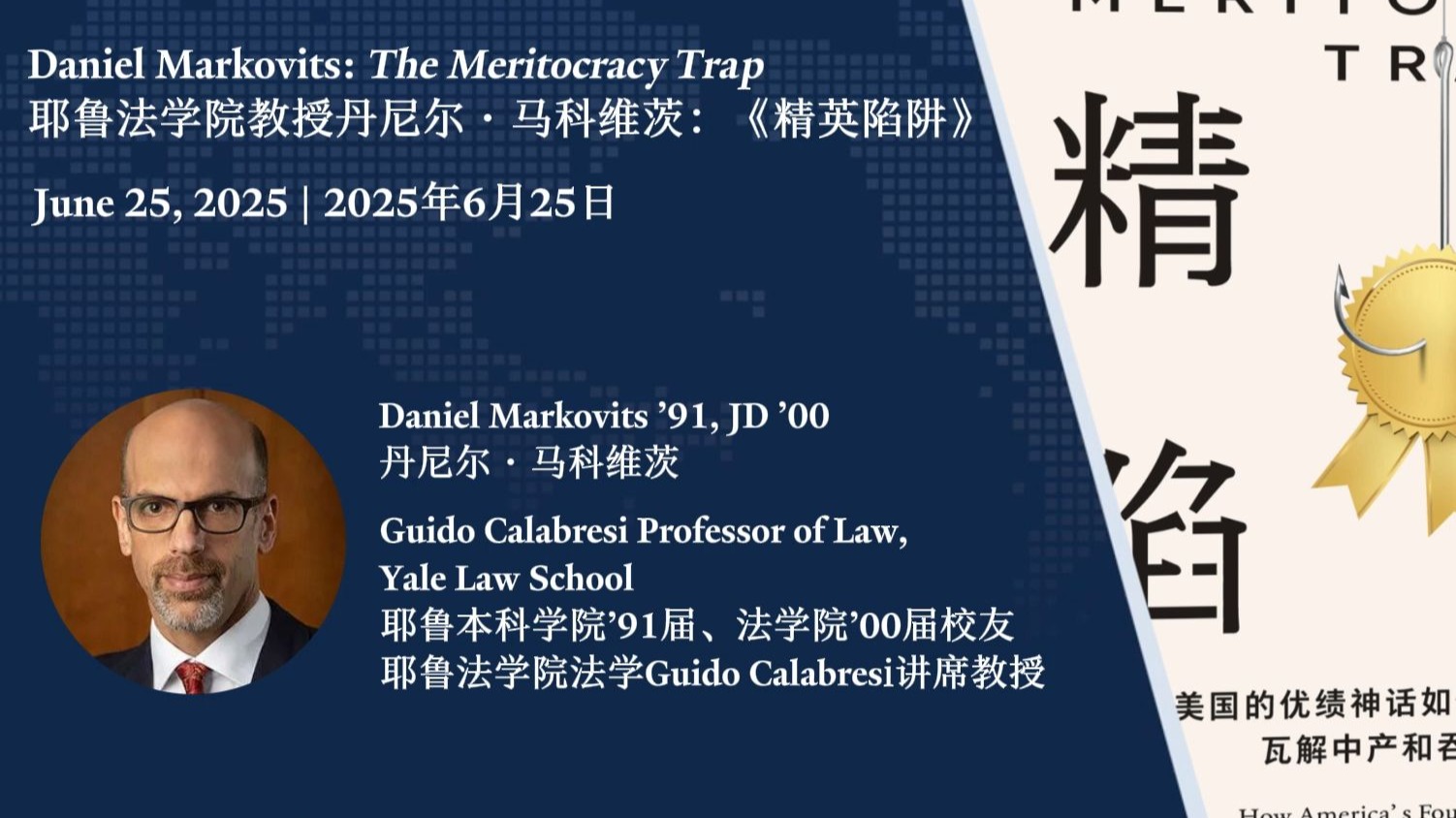
字幕摘录
| 时间 | 英文 | 中文 |
|---|---|---|
| 0:04 | Hello, everybody. | 哈罗,大家好。 |
| 0:05 | Welcome. | 欢迎 |
| 0:07 | Good morning if you're joining us from the US. | 早上好,如果你从美国加入我们。 |
| 0:10 | Good evening | 边 |
| 0:10 | if you're joining us from China. | 如果你从中国加入我们 |
| 0:12 | And there might be people joining us from all over the | 可能会有人从各地加入我们 |
| 0:15 | world. | 这个世界 |
| 0:15 | So hello to everybody. | 大家好,你们好 |
| 0:17 | Welcome. | 欢迎 |
| 0:18 | My name is Devin Lau. | 我叫刘德文 |
展开字幕全文(679 条)
| 序号 | 英文 | 中文 |
|---|---|---|
| 1 | Hello, everybody. | 哈罗,大家好。 |
| 2 | Welcome. | 欢迎 |
| 3 | Good morning if you're joining us from the US. | 早上好,如果你从美国加入我们。 |
| 4 | Good evening | 边 |
| 5 | if you're joining us from China. | 如果你从中国加入我们 |
| 6 | And there might be people joining us from all over the | 可能会有人从各地加入我们 |
| 7 | world. | 这个世界 |
| 8 | So hello to everybody. | 大家好,你们好 |
| 9 | Welcome. | 欢迎 |
| 10 | My name is Devin Lau. | 我叫刘德文 |
| 11 | I'm the associate director | 我是副局长 |
| 12 | for Yale Center Beijing. | 为耶鲁中心北京. |
| 13 | And I'm very happy to host today, Professor Daniel Markowitz | 丹尼尔·马科威茨教授,今天我很高兴主持 |
| 14 | for our talk on the meritocracy trap. | 为了我们谈论的精英圈套。 |
| 15 | I know that everybody's really excited. | 我知道大家都很兴奋 |
| 16 | And so I'm | ┮и琌 |
| 17 | glad to have so many of you joining us. | 很高兴你们这么多人加入我们 |
| 18 | First, if those of you guys that are joining us on | 首先,如果你们这些家伙加入我们 |
| 19 | zoom, if you would turn on your webcams, that would be great. | 放大,如果你打开你的摄像头,那就太好了。 |
| 20 | It'd be great to be able to | 能够 |
| 21 | see some of you and to see who we're talking with. | 看看你们中的一些人 看看我们在和谁说话 |
| 22 | And I know that a lot of you are also | 我知道你们很多人也是 |
| 23 | joining us from a live stream as well. | 也从一条活溪中加入我们 |
| 24 | So welcome to you. | 欢迎光临 |
| 25 | And a special thank you to | 特别谢谢你 |
| 26 | our co hosts, CITIC Press, who are the Chinese publishers of Professor Markowitz book, translator | 我们的共同主机CITIC Press 是马克威茨教授的中国出版商 翻译 |
| 27 | and publisher. | 还有出版商 |
| 28 | I'm very thankful for their partnership. | 我非常感谢他们的合作 |
| 29 | And for those of you guys that | 你们这些家伙 |
| 30 | are on zoom, we will be taking questions in about halfway through. | 正在放大中,我们将在大约一半的时间里提问。 |
| 31 | And so we're happy to | 所以我们很高兴 |
| 32 | take questions and we'll select five of the questions that are asked for to receive a copy | 提问,我们会选择五个问题 要求得到一份副本 |
| 33 | of the book as well. | 书的书。 |
| 34 | And so there's a lot to discuss today. | 所以今天有很多事情要讨论 |
| 35 | And so I'm going to quickly | 所以我要快点 |
| 36 | introduce our speaker and then turn things over to him. | 介绍我们的演讲人 然后把事情交给他 |
| 37 | So Professor Daniel Markowitz is | 所以丹尼尔·马科威茨教授 |
| 38 | 耶鲁法学院Guido Calabresi法学教授, | |
| 39 | the Center for the Study of Private Law. | 私法研究中心。 |
| 40 | He entered his bachelor's in mathematics from Yale | 他从耶鲁进入他的数学学士 |
| 41 | before studying in England on a British Marshall Scholarship, where he was rewarded a master's | 在英国留学之前 在英国的马歇尔奖学金 在那里他得到了硕士的奖励 |
| 42 | in econometrics and mathematical economics from the London School of Economics, as well as a B | 伦敦经济学院的经济学和数学经济学 |
| 43 | fill and D fill in philosophy from the University of Oxford, where he then after that returned to | 牛津大学的哲学博士 之后他回到了 |
| 44 | Yale to study law, and has clerked for the Honorable Guido Calabresi and then joined the | 耶鲁大学学习法律, 并为荣誉的吉多卡拉布雷西 担任书记,然后加入 |
| 45 | faculty at Yale. | 在耶鲁大学任教 |
| 46 | He publishes widely and in a wide range of disciplines, including law, | 他广泛和广泛出版 包括法律, |
| 47 | philosophy and economics. | 哲学与经济学. |
| 48 | His writings have appeared in Science, the American Economic Review, | 他的著作出现在科学,美国经济评论, |
| 49 | the Yale Law Journal, the New York Times, the Washington Post, Time Atlantic, a whole host of | 《耶鲁法律杂志》、《纽约时报》、《华盛顿邮报》、《大西洋时报》 |
| 50 | place. | 地点。 |
| 51 | And in 2021, Prospect magazine named him to its list of the world's top 50 thinkers. | 而在2021年,Prospect杂志将他命名为世界50大思想家. |
| 52 | His | 其语 |
| 53 | current book that we'll be discussing is The Meritocracy Trap, which I'll let him get into. | 我们将要讨论的书是《精英陷阱》 我让他进入其中 |
| 54 | And so without further ado, Professor Daniel Markowitz. | 丹尼尔·马科威茨教授,不用再多说了 |
| 55 | Great. | 不错 |
| 56 | Thank you, Devin. | 谢谢你,德文 |
| 57 | Thank you all for being here. | 谢谢大家来到这里。 |
| 58 | I believe it is either early in the morning | 我相信现在不是清晨 |
| 59 | for you or late at night for you. | 为你或深夜为你。 |
| 60 | So I'm especially grateful that you're here. | 所以,我特别感激你在这里。 |
| 61 | I will speak for maybe | 我或许会说 |
| 62 | 30 minutes and hope that we can have a conversation for the second half of the hour. | 30分钟,希望我们能有一个谈话 下半个小时。 |
| 63 | And one way to | 还有一条路 |
| 64 | set up what I'm going to say is just to observe that there's a remarkable divergence of | 我要说的是, 观察一下,在 |
| 65 | perspective about the elite between those who are inside it and those who are outside it. | 对精英的视角 在那些内在的人和那些外在的人之间。 |
| 66 | If you're | 如果你喜欢 |
| 67 | inside the elite right now in certainly in the wealthy West, but also increasingly in the | 现在的精英 肯定在富裕的西部, |
| 68 | increasingly wealthy East, what you see is a system that is working extremely well. | 越来越富有的东方,你所看到的是 一个运作非常良好的系统。 |
| 69 | You look around | 你四处看看 |
| 70 | you and you see a range of hardworking, talented, accomplished people from all backgrounds and all | 你和你们看到了一系列 勤奋、有才华、成就卓著的人 |
| 71 | walks of life who are striving and largely succeeding to accomplish difficult goals. | 努力并基本成功实现困难目标的各阶层人士。 |
| 72 | If you look at the elite from outside of the elite, what you see is something completely | 如果你从精英之外看精英, 你看到的东西完全 |
| 73 | different. | 不一样 |
| 74 | You see a callow and self-indulgent elite that has been incompetent in its management | 你看见一个冷酷自恋的精英 一直无法管理它 |
| 75 | of our societies. | 我们的社会。 |
| 76 | If you just look at the United States over the past 25 years, the U.S. | 如果你看看美国 在过去25年,美国。 |
| 77 | elite gave us the Gulf War. | 精英给了我们海湾战争。 |
| 78 | Then it gave us the financial crisis. | 然后它给我们带来了金融危机。 |
| 79 | Then it gave us the first | 然后它给了我们第一个 |
| 80 | election of Trump and Brexit. | 特朗普和布雷希特当选. |
| 81 | Then it gave us COVID and the mismanagement of the pandemic. | 然后,它给了我们COVID 和该大流行病的管理不善。 |
| 82 | Then | 礛 |
| 83 | it gave us the second election of Trump. | 它给了我们第二次特朗普选举。 |
| 84 | And you see point and point again an elite that is just | 你看到点和点 再次指向一个精英 |
| 85 | not performing well and that has significantly lost its legitimacy. | 表现不佳,这已大大丧失其合法性。 |
| 86 | And so when you have a | 所以当你有一个 |
| 87 | situation in which those who are inside a system of norms view it as operating extremely well, | 在一个规范体系内的人认为其运作极为良好的情况下, |
| 88 | and those who are outside of the system of norms view it as having lost all of its appeal and | 以及那些在规范体系之外的人认为它失去了全部吸引力, |
| 89 | legitimacy, one way to explain what's going on is that that system of norms is self-defeating. | 合法性,解释问题的一个方法是,规范体系是自毁的. |
| 90 | And that's going to be the theme of this talk. | 这将成为这个演讲的主题。 |
| 91 | So let's just start by introducing how meritocracy | 因此,让我们先介绍 如何精英管理 |
| 92 | works. | 工作时 |
| 93 | And the basic idea is that meritocracy allocates advantage based on individual and | 基本思想是精英政治根据个人和 |
| 94 | therefore variable accomplishments rather than on fixed group-based identities like race or gender | 因此,在种族或性别等基于群体的固定身份方面,成绩参差不齐。 |
| 95 | or class. | 或类。 |
| 96 | So you get ahead based on your own achievements, not based on some identity that | 所以你根据自己的成就 而不是根据某些身份 |
| 97 | you were born with. | 你是天生一对 |
| 98 | Our meritocracy today, which is different from other meritocracies, for example, | 我们今天的功绩 不同于其他功绩 比如说, |
| 99 | the ancient Chinese meritocracy measured accomplishment in terms of erudition and | 中国古代的功绩 |
| 100 | classical learning. | 古典主义学习. |
| 101 | Our meritocracy measures accomplishment based on human capital, | 我们的功绩衡量 基于人力资本的成就, |
| 102 | which is built in competitive schools. | 这是在竞技学校建造的。 |
| 103 | It's measured by test schools and grades. | 以测试学校和成绩来衡量. |
| 104 | And | 还有 |
| 105 | importantly, it's rewarded in competitive labor markets. | 重要的是,它在竞争性劳动力市场上得到奖励。 |
| 106 | So it's priced by wages. | 故以工资为价. |
| 107 | So the merit | 才华横溢 |
| 108 | someone has is closely connected to the wage that they can command in the labor market. | 有人与他们在劳动力市场上能够掌握的工资密切相关。 |
| 109 | The idea here is that meritocracy will render the inequality and hierarchy that every society has to | 这里的想法是,精英管理将使每个社会必须达到的不平等和等级化。 |
| 110 | have, particularly large complex societies, in order to manage itself. | 特别是复杂的社会 为了管理自己 |
| 111 | Some people have to lead, | 一些人必须领导, |
| 112 | some people have to follow. | 有些人必须跟随。 |
| 113 | But meritocracy renders that inequality acceptable in a democratic | 但是,任人唯贤使这种不平等在一个民主的 |
| 114 | society. | 社会。 |
| 115 | The thought is that meritocracy makes hierarchy democratically okay. | 考虑的是,精英管理使等级制在民主上是好的。 |
| 116 | You can see this | 你可以看到这个 |
| 117 | throughout certainly the European world. | 当然,在欧洲世界。 |
| 118 | Here are some early meritocrats who described what they | 这里有一些早期的优等生 他们描述了他们 |
| 119 | were doing, all in terms of the, Emile Boutme is the most striking of these. | 艾米尔·布特梅是其中最引人注目的 |
| 120 | The idea was that the | 这个想法是 |
| 121 | upper classes might preserve their political hegemony by invoking the rights of the most capable. | 上层阶级可能通过援引最有能力者的权利来维护其政治霸权。 |
| 122 | And Boutme thought this was necessary to manage France out of the decay of the old aristocratic | 而布特梅认为这对管理法国 摆脱旧贵族的腐朽是必要的 |
| 123 | prerogatives. | 特权。 |
| 124 | This view of meritocracy has two central virtues. | 这种任人唯贤的观点有两个中心优点. |
| 125 | The first is everybody gets a | 第一个是每个人都得到一个 |
| 126 | fair chance of getting ahead. | 有机会领先 |
| 127 | Obviously, not everybody can be from a preferred gender or | 很明显,不是每个人都可以来自一个偏好的性别或 |
| 128 | religion or race. | 宗教或种族。 |
| 129 | Not everybody can have elite parents. | 不是每个人都能有精英的父母。 |
| 130 | But no subgroup has a monopoly on talent | 但是没有分组独占人才 |
| 131 | and effort. | 和努力。 与努力。 |
| 132 | And so the thought was that if people could advance based on their own accomplishments, | 因此,人们的思考是,如果人们可以根据自己的成就而进步, |
| 133 | then everybody would have a shot at advancing. | 然后每个人都有机会前进。 |
| 134 | The idea was to open a previously closed elite | 这个想法是打开一个以前封闭的精英 |
| 135 | to deserving outsiders. | 给应得外人。 |
| 136 | And the people who opposed meritocracy understood this and opposed it for | 那些反对精英统治的人理解这一点,反对 |
| 137 | that reason. | 那个原因 |
| 138 | Yale University is a case study. | 耶鲁大学是一个案例研究. |
| 139 | When Kingman Brewster became president of Yale | 当金曼·布鲁斯特成为耶鲁大学校长时 |
| 140 | in the 60s and was the first president to make Yale anything resembling a meritocracy, | 在60年代,并且是第一位使耶鲁成为功勋统治者的总统, |
| 141 | declaring he did not intend to preside over a finishing school on Long Island Sound, | 宣布他不打算主持 长岛之声的一所完成学校, |
| 142 | 他雇了一个叫Inky Clark的人 | |
| 143 | Inslee Clark was his given name. | 因斯利·克拉克是他的名字 |
| 144 | Inky was his | 印基是他的 印基是他的吗 |
| 145 | nickname, who had the advantage of having what sounded like an old waspy name, but was actually | 绰号,谁有优势 有听起来像一个旧的 肮脏的名字,但实际上 |
| 146 | a child of recent immigrants, I think, from the Bronx. | 一个来自布朗克斯的新移民的孩子 |
| 147 | And Inky Clark remade the admissions | 英基·克拉克重新录用了 |
| 148 | process to create a statement, he said, about what leadership was going to look like in this country | 他说,关于这个国家的领导层将是什么样子, |
| 149 | and where leaders were going to come from. | 以及领导人将来自何处。 |
| 150 | And the people who were against meritocracy | 和反对精英统治的人 |
| 151 | understood shamelessly that this was going on and they objected to it. | 他们不知羞耻地知道这正在发生,他们反对。 |
| 152 | Bill Buckley preferred that | 比尔巴克利更喜欢这样 |
| 153 | the old wasp be admitted over the high achieving, hardworking Mexican American from the Southwest. | 这只老黄蜂被西南地区 高成就的勤劳的墨西哥裔美国人录取 |
| 154 | A member of the Yale Corporation said, no Jews, no public school graduates should all be Protestants, | 耶鲁公司的一位成员说 没有犹太人 没有公立学校的毕业生应该都是新教徒 |
| 155 | all old white men. | 所有白人老头 |
| 156 | They lost, of course, and the new Yale was born. | 当然,他们输了,新的耶鲁诞生了. |
| 157 | And throughout the rich | 和整个富人 |
| 158 | countries of the world, a similar path opened up positions in the elite to people who had | 世界上各国,一条类似的道路打开了精英阶层的地位,让那些曾经拥有 |
| 159 | previously been excluded, independent of their own personal accomplishments, based simply on | 以前被排斥在外,独立于他们个人的成就,仅仅基于 |
| 160 | their race or their gender or their class. | 种族、性别或阶级。 |
| 161 | One of the reasons why meritocracy initially was so | 才华横溢的原因之一 |
| 162 | successful was that the old elite, the old aristocratic elite, to be blunt, was not very | 成功的是,老的精英, 老贵族精英, 直言不讳, |
| 163 | hardworking and it wasn't very smart. | 辛勤工作,但不是很聪明。 |
| 164 | If you inherit your privilege and position, there's no | 如果你继承你的特权和职位,就没有 |
| 165 | reason to strive and there's no need to be good at anything. | 有理由去努力 不需要善于做任何事 |
| 166 | But meritocracy, this is its second | 才华横溢,这是第二次 |
| 167 | central virtue, is it claims that it produces an energetic, capable, and productive elite whose | 中心美德,是它声称它产生了一个充满活力、有能力和有生产力的精英阶层, |
| 168 | talents serve the common good, even as they do well for the meritocrats themselves. | 才华为共同利益服务,即使他们为优秀者自己做得很好。 |
| 169 | Again, | 再说一遍 |
| 170 | the old aristocracy was not like this. | 旧贵族政府不是这样的 |
| 171 | It understood itself in Torsten Veblen's language | 它用托尔斯腾·维布伦的语言来理解自己 |
| 172 | as a leisure class. | 作为休闲课。 |
| 173 | That is to say, it self-consciously constituted itself in | 也就是说,它自觉地组成了自己 |
| 174 | terms of not needing to work for a living. | 条件不需要工作为生。 |
| 175 | The meritocrats had a different view. | 功德者有异观. |
| 176 | Meritocrats | 功绩 |
| 177 | are always hungry. | 总是饿了。 |
| 178 | They're seeking to reconstitute their status in every generation through their own | 他们试图通过自己的方式 重建自己在每一代人中的地位 |
| 179 | talent, effort, and industry. | 才华、努力和工业 |
| 180 | And Yale was again a case study. | 耶鲁又是一个案例。 |
| 181 | One of the reasons why Inky Clark's | 英基・克拉克的原因之一 |
| 182 | new admissions policy succeeded is that they thought of themselves as finding the best | 新的录取政策成功 因为他们认为自己找到了最好的 |
| 183 | investments for the education that Yale would provide. | 为耶鲁大学提供的教育投资。 |
| 184 | Brewster said he was an intellectual | 布鲁斯特说他是知识分子 |
| 185 | investment banker. | 投资银行家。 |
| 186 | Clark talked about talent searching. | 克拉克谈到了寻找人才的问题. |
| 187 | And this made a transformative | 这成为了变革 |
| 188 | difference into who the elite was. | 与精英身份不同 |
| 189 | The new meritocratic elite is much, much more diverse | 新的精英人物 更加多样化 |
| 190 | than the old aristocratic elite ever was. | 比从前的贵族精英还重要 |
| 191 | Moved from Yale to Princeton in the United States, | 从耶鲁搬到美国普林斯顿 |
| 192 | didn't produce its first black graduate until 1947, didn't include women until 1973. | 直到1947年才产生第一个黑人毕业生,直到1973年才包括女性. |
| 193 | Today, | 今天,我们... |
| 194 | Princeton is half people of color and half women. | 普林斯顿是一半有色人种和一半女性. |
| 195 | The Cravath law firm had exclusively Christian men | 克拉瓦斯律师事务所只有基督徒 |
| 196 | from its founding in 1819 until 1958. | 从1819年创立到1958年. |
| 197 | Today, it's run by a woman of Pakistani origin. | 今天,它由一名巴基斯坦裔女性经营. |
| 198 | You can see | 你看见了 |
| 199 | this throughout the elite, especially in the United States, but actually throughout the elite | 在整个精英,特别是在美国, 但实际上在整个精英 |
| 200 | in many of the rich countries in the world. | 在世界上许多富国。 |
| 201 | And what this shows you is that meritocracy was | 这说明你是个精英 |
| 202 | initially an enormously egalitarian force. | 最初是一种极其平等的力量。 |
| 203 | If you look outside of the very elite in the United States | 如果你看看美国精英之外 |
| 204 | based on race, in 1960, if you were a black man in America who was earning in the top 10th of the | 1960年 如果你是美国黑人 收入最高的第十名 |
| 205 | black distribution of wages, you would be at or below the median of the white distribution. | 工资的黑色分配,你将处于或低于白色分配的中位数。 |
| 206 | And the reason was that there was no meritocracy and categorical racial exclusion prevented | 原因就是没有精英统治和绝对的种族排斥 |
| 207 | African-Americans from getting any of the high paying jobs. | 非裔美国人得不到高薪工作 |
| 208 | Today, the black man in the 90th | 今天90号的黑人 |
| 209 | percentile of the black distribution would be at the 75th percentile of the white distribution, | 黑色分布的百分位将位于白色分布的75%, |
| 210 | which shows that there's still significant race-based discrimination, but it's very | 它表明,仍然存在着严重的种族歧视,但它非常严重。 |
| 211 | different from what the situation was like in 1960. | 与1960年的情况不同。 |
| 212 | And again, this is important actually, | 再说一遍 这很重要 |
| 213 | this is a sideline, but for current disputes about diversity in education and diversity in hiring | 这是一面之词,但对于目前关于教育多样性和招聘多样性的争论 |
| 214 | and affirmative action, the number one reason why in the US at least, the elite is much more | 以及平权行动,是美国最伟大的原因。 |
| 215 | diverse than it used to be, is meritocracy. | 与过去不同,是精英管理。 |
| 216 | It's that previously there were a series of categorical | 之前有一系列绝对的 |
| 217 | exclusions of African-Americans, of women, of Jews, of Catholics, of Muslims, of Asians, | 排斥非裔美国人、妇女、犹太人、天主教徒、穆斯林、亚洲人, |
| 218 | who could not get in no matter how accomplished they were. | 他们不能进入,无论他们是如何成就。 |
| 219 | And when we shifted to a meritocracy, | 而当我们转向精英管理时, |
| 220 | those groups started getting admitted. | 这些团体开始被录取。 |
| 221 | They started getting admitted to schools, to universities, | 他们开始进入学校 大学 |
| 222 | and started getting hired and jobs. | 并开始得到雇佣和工作。 |
| 223 | And it may be that today affirmative action on the margins | 这可能是今天 平权行动在边缘 |
| 224 | pursues diversity through unmeritocratic means, but the central mechanism of the diversification | 追求多样性的方式是非军事手段,但多样化的核心机制 |
| 225 | of the elite has been meritocracy. | 精英是精英的精英 |
| 226 | The meritocratic elite is also much more capable and much more | 才华横溢的精英也更有能力 |
| 227 | industrious. | 勤奋的。 |
| 228 | This is a striking fact just about Yale again. | 这是关于耶鲁的惊人事实 |
| 229 | The median SAT score of a Yale student | 耶鲁大学学生的中位数SAT分数 |
| 230 | today would put them in roughly the top five percent of the class of 1961. | 今天,他们大概是1961年班级的前5%。 |
| 231 | So the average | 所以,平均数 |
| 232 | student today would have been a superstar in 1960. | 今天的学生本来是1960年的超级明星 |
| 233 | Again, because the old aristocrats weren't very | 再说一遍,因为老贵族不太喜欢 |
| 234 | smart working, they weren't very smart. | 聪明的工作,他们不是很聪明。 |
| 235 | And in fact, it used to be the case at Yale in the 1960s | 事实上,在20世纪60年代,耶鲁大学就发生过这种情况 |
| 236 | when they accepted a few public school kids. | 当他们接受了几个公立学校的孩子。 |
| 237 | If you wanted to know who the most capable students | 如果你想知道谁是最有能力的学生 |
| 238 | at Yale were, it was not the kids who attended Exeter or Andover or the St. Paul school. | 在耶鲁,不是孩子们 在埃克塞特,安多佛或圣保罗学校。 |
| 239 | It was | 这是 |
| 240 | the kids who attended Stuyvesant and Bronx Science, the small number of meritocratic outsiders who were | 参加斯图维桑特和布朗克斯科学的孩子们 为数不多的优秀外行者 |
| 241 | admitted. | 承认 |
| 242 | Whereas today, all the kids are meritocrats in some sense. | 而今天,所有的孩子 从某种意义上来说都是优秀的。 |
| 243 | Moreover, as grownups | 此外,作为成年人 |
| 244 | today, the meritocratic elite owes its income to its labor. | 今天,精英阶层将收入归功于劳动。 |
| 245 | As recently as 1960 in the United States, | 最近,1960年在美国, |
| 246 | the highest one percent of earners by household got only about a third of their income by selling | 按家庭分列的收入最高的1%靠销售获得的收入只有三分之一左右。 |
| 247 | their labor. | 他们的劳动。 |
| 248 | Today, they get close to three quarters of their income by selling their labor. | 今天,他们通过出售劳动力获得近四分之三的收入。 |
| 249 | So the old aristocratic elite, the leisure class, has been replaced by a superordinate | 因此,旧贵族精英,休闲阶层, 已被一个超级贵族所取代 |
| 250 | working class. | 工人阶级。 |
| 251 | That's where the elite gets its money from the United States today. | 这就是精英今天从美国得到钱的地方. |
| 252 | Again, | 再说一遍 |
| 253 | meritocracy opened up the elite and it also created an elite that does well, as it were, | 精英管理开放了精英阶层 也创造了优秀的精英阶层 |
| 254 | by doing good. | 通过做好事。 |
| 255 | Today in the United States, the richest one percent of households work nearly | 今天,在美国,最富有的1%的家庭几乎工作 |
| 256 | seven hours more per week than they did in 1950. | 每周比1950年多七小时 |
| 257 | And today in the United States, a prime-age | 今天在美国,一个黄金时代 |
| 258 | working man in the top fifth of the wage distribution is more than twice as likely as | 在工资分配中居前五位的有工作的男人比男子高一倍多。 |
| 259 | someone in the bottom fifth to work over 50 hours a week. | 下五层的人每周工作50小时以上 |
| 260 | That's a complete transformation | 彻底的转变 |
| 261 | of social structures. | 社会结构。 |
| 262 | For almost all of human history, if you wanted to know how poor someone | 对于几乎所有人类历史, 如果你想知道 如何可怜的人 |
| 263 | was, you simply asked how long they worked. | 你只是问他们工作了多久 |
| 264 | And the longer they worked, the poorer they were. | 他们工作的时间越长,就越穷。 |
| 265 | Today, the longer you work, the richer you are. | 今天,你工作的时间越长,就越富有。 |
| 266 | And again, this is a system in which what | 再说一遍,这是一个系统,在这个系统中, |
| 267 | meritocracy did is it achieved initially these two central virtues. | 才华横溢的确是这两大优点。 |
| 268 | One, it created or promoted | 第一,它创造或促进 |
| 269 | equality of opportunity. | 机会平等。 |
| 270 | It gave everybody a chance at getting ahead. | 这让每个人都有机会领先 |
| 271 | And two, it created a | 第二,它创造了 |
| 272 | hardworking elite that, as it served its own interests, also promoted the common good. | 勤奋的精英,他们也为自身利益服务,促进共同利益。 |
| 273 | And those were the two powerful arguments in favor of meritocracy. | 这些是支持精英管理的两个有力论据。 |
| 274 | So how does meritocracy unravel? | 那么精英管理是如何瓦解的? |
| 275 | How does it defeat itself today? | 今天它如何打败自己? |
| 276 | Well, first, it undoes each of these two virtues. | 首先,这可以消除这两个优点 |
| 277 | It defeats the virtues that once recommended it. | 它打败了曾经推荐的美德. |
| 278 | Today, meritocracy blocks rather than promoting equality of opportunity. | 今天,任人唯贤,而不是促进机会平等。 |
| 279 | And today, the meritocratic elite's ambition no longer serves the common good. | 而今天,英才精英的雄心壮志不再为共同利益服务. |
| 280 | Let me explain both of these. | 让我来解释这两件事。 |
| 281 | First, how does meritocracy today block equality of opportunity? | 第一,今天的精英管理如何阻碍机会平等? |
| 282 | Well, the old aristocratic elite, being not very hardworking and being not very smart, | 嗯,老贵族精英们, 不非常勤奋和不聪明, |
| 283 | lacked both the inclination and the capacity to educate its children. | 缺乏教育儿童的意愿和能力。 |
| 284 | But the meritocrats who won the first round of the competition are different. | 但是在第一轮比赛中获胜的成绩却有所不同. |
| 285 | They have an almost | 他们几乎有 |
| 286 | unmatched skill at training their children and an effectively unlimited appetite for buying | 培养其子女的无与伦比的技巧,以及实际上无限的购买欲望 |
| 287 | education. | 教育。 |
| 288 | Inequality in education consumption has been the fastest growing sector of inequality | 教育消费不平等是增长最快的不平等部门 |
| 289 | of consumption in the rich nations of the world over the past 50 years. | 过去50年来世界富国的消费。 |
| 290 | In the U.S., for example, | 例如在美国, |
| 291 | today, a typical public school might spend $12,000 to $15,000 on educating one of its students. | 今天,一个典型的公立学校可能花费12 000美元到15 000美元来教育其一名学生。 |
| 292 | A poor state might spend $8,000 to $10,000. | 贫穷国家可能花费8 000美元到1万美元。 |
| 293 | But a really elite private school spends $75,000 a year | 但真正的精英私立学校每年花费七万五千元 |
| 294 | educating each of the kids who goes there, and roughly 80% of those kids come from the top 5% | 教育每个去那儿的孩子, 大约80%的孩子来自前5% |
| 295 | of the income distribution. | 收入分配。 |
| 296 | So notice something striking here. | 所以,注意的东西 击中这里。 |
| 297 | The gap between what's spent on a | 花在一个 |
| 298 | typical really, really rich kid and what's spent on a typical middle-class kid is about 15 times | 典型的非常,非常富有的孩子 花在一个典型的中产阶级孩子身上 大约15倍 |
| 299 | bigger than the gap between what's spent on a middle-class kid and what's spent on a poor kid. | 比在中产阶级孩子身上花费的钱和在贫困孩子身上花费的钱之间的差额还要大. |
| 300 | And that produces enormous differences in childhood achievement. | 这在童年的成就上产生了巨大的差异。 |
| 301 | The gap between middle school | 中学之间的差距 |
| 302 | achievement at the 90th percentile and the median income, which is the blue line, has been rising | 90%的成绩和中间收入,也就是蓝线,一直在上升 |
| 303 | steadily over the past 50 years, even as the gap between the median child and a child in the 10th | 在过去50年中,即使10岁儿童与10岁儿童之间的中位数差距也稳定不变。 |
| 304 | percentile, so below the poverty line, has been shrinking. | 百分率,所以在贫困线以下,一直在不断缩小。 |
| 305 | And the gaps are very, very large. | 差距很大,非常大。 |
| 306 | The rich-poor achievement gap for U.S. American children, which is shown by the red line, | 以红线显示的美国儿童 贫富差距 |
| 307 | is now greater than the white-black gap was in 1954. | 现在比1954年的白黑差距还要大 |
| 308 | Now, 1954 is the year Brown | 现在,1954年是布朗 |
| 309 | against Board of Education was decided. | 反对教育局的决定。 |
| 310 | So economic inequality today, because the elite | 今天经济不平等,因为精英 |
| 311 | spends so much on training its children, is producing bigger differences in middle and high | 花这么多钱来培养孩子 正在产生更大的中高差异 |
| 312 | school academic achievement than apartheid did at the middle of the last century. | 与上个世纪中叶种族隔离制度相比,学校取得了学术成就。 |
| 313 | Once again, | 再说一次 |
| 314 | the biggest gaps are between the rich and the middle class, not between the middle class and | 最大的差距是在富人和中产阶级之间,而不是在中产阶级和中产阶级之间。 |
| 315 | the poor. | 穷人。 |
| 316 | On the SAT, a typical student, the average student whose parents make more than | 在SAT上,一个典型的学生, 普通学生,其父母 赚超过 |
| 317 | $200,000 a year, roughly, again, the top 5 percent, maybe the top 8 percent of the income | 每年20万, 大约,再次, 前5%, 也许前8%的收入 |
| 318 | distribution, and a middle-class student, a median student, is about 250 points, | 一个中产阶级学生,一个中位数的学生, 大约250分, |
| 319 | whereas the gap between the average SAT score of a median student, a middle-class student, | 而中学生、中产阶级学生的平均SAT分差, |
| 320 | and a student at or below the poverty line is only 125 points. | 在贫困线或贫困线以下的学生只有125分。 |
| 321 | So the rich-middle-class gap is | 所以富人阶级的鸿沟是 |
| 322 | twice as big as the middle-class-poor gap. | 两倍于中产阶级-穷人的差距。 |
| 323 | This produces an extremely skewed elite. | 这产生了极其扭曲的精英阶层。 |
| 324 | This is the odds of going to college in America today based on your parents' income rank. | 这是今天在美国上大学的几率 根据你父母的收入排名。 |
| 325 | And the only sort of more strikingly unequal opportunity in this is the quality of the | 唯一更显著的不平等机会是... |
| 326 | college you go to based on your parents' income rank. | 根据父母的收入等级,您可以上大学。 |
| 327 | And again, if you look at the most elite | 再说一遍,如果你看看最精英 |
| 328 | colleges, the 150 or so most competitive colleges in America, kids whose parents are in the top | 美国150个最有竞争力的学院 父母在顶级的孩子 |
| 329 | quarter of the income distribution are overrepresented in those student bodies compared to kids in the | 收入分配的四分之一在这些学生机构中的比例高于儿童。 |
| 330 | bottom quarter by a factor of 14 to 1. | 下季度乘以14比1的系数. |
| 331 | In a way that's not surprising, elite institutions have | 以不奇怪的方式,精英机构 |
| 332 | never admitted the poor. | 从来没有承认 穷人。 |
| 333 | But today in America, kids from the top quarter are also overrepresented | 但今天在美国,顶端的孩子 也比例过高 |
| 334 | compared to kids from each of the two middle quarters by a factor of 6 to 1. | 与两个中区每个区的孩子相比,6比1比1. |
| 335 | So the elite | 所以精英们 |
| 336 | is squeezing out not just the poor but also the middle class. | 不仅挤出穷人,而且挤出中产阶级。 |
| 337 | And at the most elite colleges, | 在最精英的学院里 |
| 338 | the skew to wealth is even greater. | 财富比财富还要大 |
| 339 | There have been recent years in which in the Ivy Plus colleges, | 最近几年,在常春藤加工厂, |
| 340 | there have been more kids from the top 1% than the bottom half. | 前1%的孩子比下半部分还多 |
| 341 | And at Yale, Harvard, Princeton, | 在耶鲁,哈佛,普林斯顿, |
| 342 | and Stanford, there have been more kids from the top 1% than the bottom 60%. | 和斯坦福,有 更多的孩子从前1% 比下60%。 |
| 343 | And let me add two | 让我再加两个 |
| 344 | important points here. | 这一点很重要。 |
| 345 | The largest reason for this is meritocratic. | 最大的原因是功勋主义。 |
| 346 | I took a recent year of the SAT | 我考了一年的SAT考试 |
| 347 | and I asked how many kids were there in America, high school seniors, one of whose parents had a | 我问美国有多少孩子 高中高年级学生 其中一位父母 |
| 348 | graduate or professional degree, whose SAT score was at the Ivy League median, and the answer was | 毕业或专业学位,其SAT分数在常春藤联盟中位数,答案是 |
| 349 | well over 5,000. | 5000多块 |
| 350 | And then I asked how many kids were there, neither of whose parents had graduated | 然后我问那里有多少孩子, 他们的父母都没有毕业 |
| 351 | high school, whose SAT score was at the Ivy League median. | 高中,他的SAT分数是常春藤联盟中位数 |
| 352 | And the answer was, well the | 答案是,好吧,我们 |
| 353 | statistics became unreliable because the tail is so thin, but if you ground out the number, | 统计数据变得不可靠 因为尾巴太薄了 但如果你把数字打掉 |
| 354 | the answer was 32. | 答案是32个。 |
| 355 | So if there are 32 kids in America, neither of whose parents have a high | 所以,如果有32个孩子在美国, 他们的父母都有一个高 |
| 356 | school degree, whose SAT score is at the Ivy League median, and the Ivy League does meritocratic | 学校学位,他们的SAT分数是常春藤联盟的中位数,常春藤联盟的成绩是优秀的 |
| 357 | admissions, it's not going to have a lot of kids in it whose parents didn't graduate high school. | 录取,不会有很多孩子在里面,他们的父母没有高中毕业. |
| 358 | Now here's a way to think about this. | 现在有一个方法来考虑这个问题。 |
| 359 | The way in which the old aristocrats passed on their | 旧贵族的传承方式 |
| 360 | privilege to their children is simply by dying. | 对孩子的特权就是死亡。 |
| 361 | Lord so-and-so would die, and Lord so-and-so's | 主将死,主将死. |
| 362 | eldest son would become Lord so-and-so and inherit the estate. | 长子会成为领主 继承遗产 |
| 363 | The way in which meritocrats pass on | 功绩的传承方式 |
| 364 | their privilege to their children is not by dying, but by investing in education while the parents | 他们对孩子的特权不是通过死亡,而是通过投资教育,而父母 |
| 365 | are still alive. | 还活着。 |
| 366 | So let's conduct the following thought experiment. | 所以,让我们进行以下的思想实验。 |
| 367 | Let's try to construct the | 让我们试着构建 |
| 368 | of the meritocratic inheritance by asking, let's take the difference between what's devoted to | 通过询问,我们来区分 致力于 |
| 369 | educating a typical child from a one percenter household in the United States today, and what's | 教育一个典型的孩子 从1%的家庭 今天在美国,什么是 |
| 370 | devoted to educating a typical middle-class child, not a poor child, but a middle-class child, | 致力于教育一个典型的中产阶级儿童,不是贫困儿童,而是中产阶级儿童, |
| 371 | and let's invest that money each year in the S&P 500 to be given to the rich child as a bequest | 我们每年把这笔钱投资给富家子弟 |
| 372 | when the parents die. | 当父母死时. |
| 373 | That meritocratic inheritance would amount to between 10 and 15 million dollars | 这种优异的遗产价值在1000万到1500万美元之间 |
| 374 | per child. | 每个孩子。 |
| 375 | These investments pay off. | 这些投资有所回报。 |
| 376 | The returns to education, and particularly elite education, | 教育的恢复,特别是精英教育, |
| 377 | are incredibly high. | 实在是太高了 |
| 378 | The U.S. wage structure is segmented by education. | 美国的工资结构被教育分割开来. |
| 379 | Only about 1 in 75 high | 大约75分之一高 |
| 380 | school dropouts, only about 1 in 40 workers with no education beyond high school, and only about 1 | 辍学率,每40名未受过高中以上教育的工人中只有1人,只有1人 |
| 381 | in 6 workers with a B.A. | 6个工人有学士学位 |
| 382 | only will accumulate lifetime earnings equal to the median professional | 只积累相当于中位数的终身收入 |
| 383 | school graduates, not an elite professional school graduate, but the median professional | 学校毕业生 不是精英专业学校毕业生 而是中位数专业毕业生 |
| 384 | graduate. | 毕业 |
| 385 | Elite professional school graduates have much, much, much higher earnings. | 高级职业学校毕业生的收入要高得多。 |
| 386 | The median | 中间值 |
| 387 | Yale Law School graduates' income 25 years out, I know this because I had a student with journalism | 耶鲁法学院的毕业生收入超过25年 我知道是因为我有个新闻学的学生 |
| 388 | background study figure out the income of every Yale Law School graduate of the class of 2000. | 背景研究查明了2000年耶鲁法学院每届毕业生的收入。 |
| 389 | The median income is over a million dollars a year. | 年收入中位数超过100万美元. |
| 390 | American elites are dominated by 12 universities, | 美国精英以12所大学为主 |
| 391 | and so what's happened is we've created a new kind of aristocracy. | 我们创造了一种新的贵族政治 |
| 392 | It's just not based on | 它只是不是基于 |
| 393 | birth and land and breeding. | 出生和土地和繁殖。 |
| 394 | Instead, it's based on human capital and training, and the college | 相反,它是基于人力资本和培训, 学院 |
| 395 | rankings have become our DeBretts, Pirinage, and Baronetage, and in that sense, meritocracy | 排名成为了我们的德布雷特斯,皮里纳奇和巴罗内塔奇 从这个意义上来说,是精英统治 |
| 396 | is self-defeating with respect to the first of its virtues because the competition which was embraced | 其第一美德是自我败坏的 因为它被接受的竞争 |
| 397 | to promote equality of opportunity has today become the single greatest obstacle to equality | 促进机会平等已成为实现平等的最大障碍。 |
| 398 | of opportunity. | 机会 |
| 399 | Now let's talk about the second virtue. | 今当说第二功德. |
| 400 | Remember meritocracy's second virtue | 记住英才的第二美德 |
| 401 | is that it creates an elite that serves the public interest even as it serves its own private | 它造就了一个为公众利益服务的精英,即使它为私人服务 |
| 402 | interest. | 利息 |
| 403 | Well, there's been a second shift over the past 50 years, which is there's been a massive | 在过去的50年里发生了第二次转变 这是一次巨大的转变 |
| 404 | shift of work and income away from middle-class workers and in favor of super skilled, super | 转移工作和收入,远离中产阶级工人,而偏重于超技能、超能力 |
| 405 | ordinate workers. | 过度的工人。 |
| 406 | Here you can just see average weekly hours worked by income rank in the United | 在这里,你可以看到平均每周工作时间 按收入级别在联合 |
| 407 | States since 1940, and as you can see, the purple line, which is the top 1%, shows, as I mentioned | 从1940年开始,你可以看到, 紫线,即前1%,显示,正如我所提到的 |
| 408 | earlier, that the richest 1% of Americans today work about 7 hours a week more than they did in | 今天最富有的1%的美国人 每周比他们多工作7小时 |
| 409 | 1940. | 1940 (英语). |
| 410 | The red line shows that the bottom 60% of the distribution works about 9 hours fewer than | 红线显示底层60%的分发工作比 |
| 411 | it did in 1940. | 是在1940年发生的 |
| 412 | So this is a shift of work hours away from the bottom 60% and in favor of the top | 因此,这是一个工作时间的轮班 从最底层的60% 和赞成顶级 |
| 413 | 1% of about 16 hours per week, which is two work days a week. | 每周约16小时的1%,即每周两个工作日。 |
| 414 | So there's been a massive shift of | 因此,有一个巨大的转变, |
| 415 | opportunity to work away from the middle class and towards the elite, and the reason for this is not | 有机会远离中产阶级 走向精英 原因不是 |
| 416 | that the middle class and poor in the United States don't want to work. | 美国的中产阶级和穷人不想工作。 |
| 417 | It's that the economy | 这是经济 |
| 418 | doesn't give them any jobs. | 没有给他们任何工作。 |
| 419 | Routine jobs, which are here the ones in the middle of this figure, | 正常的工作,在这里 那些在这个数字中间, |
| 420 | you can probably see the cursor moving around. | 您可以看到光标在移动 。 |
| 421 | Those are mid skilled middle class jobs, | 这些是中产阶级的中产阶级工作 |
| 422 | and over the past 30 or 40 years, roughly a third of those jobs have disappeared. | 在过去的30或40年中,这些工作约有三分之一已经消失。 |
| 423 | Even as elite jobs have exploded. | 甚至当精英岗位爆炸时 |
| 424 | So the economy is no longer giving middle class Americans enough | 所以经济已经不够美国中产阶级了 |
| 425 | to do, and that's one of the reasons why middle class Americans aren't working as long hours as | 这就是为什么美国中产阶级 工作的时间没有长到 |
| 426 | they used to. | 他们曾经是。 |
| 427 | Even as the economy is incredibly dependent on elite Americans, which is one of the | 尽管经济非常依赖精英美国人, |
| 428 | reasons why they're working much longer. | 他们为什么还要工作很久 |
| 429 | It's also the case that wages are tracking this. | 同样的情况是,工资正在跟踪这一点。 |
| 430 | Here's just a nice little chart that shows you the ratios of incomes between the more elite | 这里只是一张漂亮的小图表, 它显示你的收入比率 在更精英之间 |
| 431 | worker and the less elite worker who work side by side in the same office. | 工人和在同一办公室并肩工作的精英工人。 |
| 432 | And as you can see, | 如你所见, |
| 433 | what's happened over the past 60 years is that there's been an explosion in the inequality of | 过去60年发生的事情是, 发生了一个爆炸 不平等, |
| 434 | those wages. | 那些工资。 |
| 435 | The claim about the CEO to the production worker is familiar that in 1960, | 关于首席执行官对生产工人的说法是众所周知的,1960年, |
| 436 | CEOs earned only about 20 times what an average production worker earned. | 首席执行官的收入仅为平均生产工人收入的20倍左右. |
| 437 | Whereas today they earn | 而今天,他们挣 |
| 438 | about 300 times as much. | 大约300倍。 |
| 439 | But it's not just CEOs. | 但不只是首席执行官 |
| 440 | It's elite finance workers, it's elite lawyers, | 是精英金融工作者 是精英律师 |
| 441 | it's doctors compared to nurses. | 医生和护士比起来 |
| 442 | In every sector of the economy, the elite workers are now earning | 在每一个经济部门,精英工人现在都在赚钱 |
| 443 | a much, much larger multiple of the wage of the non-elite worker than they did just 60 years ago. | 与60年前相比,非精英工人工资的倍数要大得多。 |
| 444 | Why has this happened? | 为什么会这样? |
| 445 | The answer is skill bias, technological innovation. | 答案是技能偏差,技术创新. |
| 446 | The technologies that we | 我们的技术 |
| 447 | use to make goods and deliver services have changed. | 用于制造商品和提供服务的情况发生了变化。 |
| 448 | And they've changed in such a way that | 他们已经改变的方式 |
| 449 | new technologies are complements for elite skills. | 新技术是精英技能的补充。 |
| 450 | They make elite skills more desirable, | 他们让精英技能更受欢迎 |
| 451 | more valuable, more necessary. | 更有价值,更有必要。 |
| 452 | And they're substitutes for middle-class skills. | 并且它们是中产阶级技能的替代品. |
| 453 | They | 他们 |
| 454 | make middle-class skills irrelevant and therefore less highly paid. | 使中产阶级技能变得无关紧要,因此报酬较低。 |
| 455 | Why do the technologies favor | 为什么这些技术有利于 |
| 456 | skilled workers? | 技术工人? |
| 457 | Well, there are lots of reasons, but the central reason has to do with the | 嗯,有很多原因, 但中心原因与 |
| 458 | distribution of the education structure in the country and in the world. | 全国和世界教育结构分布。 |
| 459 | New technologies | 新技术 |
| 460 | didn't always favor skilled workers. | 不总是喜欢熟练工人。 |
| 461 | In the first industrial revolution, for example, new technologies | 例如,在第一次工业革命中,新技术 |
| 462 | were biased against skilled workers. | 对技术工人有偏见。 |
| 463 | What the factory system did is it allowed unskilled factory | 工厂系统所做的就是允许非熟练工厂 |
| 464 | workers to replace highly trained artisans. | 工人来代替训练有素的工匠 |
| 465 | That's why, for example, in England, the Luddites, | 这就是为什么,例如在英国, 路德派, |
| 466 | who were the initial anti-innovation political movement, were skilled weavers who objected to | 他们是最初的反革新政治运动, 是熟练的织工,他们反对 |
| 467 | what they called scribbling machines, which were industrial-type looms that allowed unskilled | 他们称之为打字机, 它们是工业型的隐形装置, 允许非技术 |
| 468 | people to weave just as well and actually engaged in a campaign of sabotage to try to stop the use | 人们编织的一样好,实际上 参与一场破坏运动 试图停止使用 |
| 469 | of the looms. | 以笼罩者发誓, |
| 470 | So the first industrial revolution was biased against skill. | 因此第一次工业革命对技能有偏见. |
| 471 | Why was it biased against | 为什么它偏向于 |
| 472 | skill and why is the technology today biased in favor of skill? | 为什么今天的技术偏重于技能? |
| 473 | Well, look, inventors choose | 你看,发明家选择 |
| 474 | their inventions to mix with the other resources that are available in society. | 他们的发明与社会上现有的其它资源混合。 |
| 475 | And so when you | 所以当你 |
| 476 | have a large labor supply, inventors will choose what to invent based on the nature of the labor | 拥有大量的劳动力供应,发明者会根据劳动力的性质选择发明什么 |
| 477 | supply that can use their inventions. | 能够利用他们的发明的供应。 |
| 478 | This has always been true. | 这一直是事实。 |
| 479 | In early agriculture, just to | 在早期农业,只是 |
| 480 | give you an idea, societies that lived in the desert invented drip irrigation, whereas societies | 给大家一个想法, 那些生活在沙漠中的社会 发明了滴灌, 而社会 |
| 481 | that lived in flood panes invented paddy field farming. | 那些生活在洪水中的人发明了稻田耕作 |
| 482 | So the technology of agriculture that | 所以农业技术 |
| 483 | was invented depended on the nature of the natural resources that were available. | 其发明取决于现有自然资源的性质。 |
| 484 | Well, today we live | 今天我们活着 |
| 485 | in a world in which the greatest resource is not natural, it's human capital, it's human resources, | 在一个世界上,最大的资源不是自然的, 它是人力资本,它是人力资源, |
| 486 | and that's going to make it inevitable that the technologies that are invented depend on the nature | 发明的技术必然取决于自然 |
| 487 | of the human resources that are available. | 人力资源。 |
| 488 | The reason why the first industrial revolution | 第一次工业革命的原因 |
| 489 | favored unskilled workers is that the inventors of the early 19th century confronted a new mass | 受到青睐的非熟练工人 是19世纪早期的发明者们 面对了一个新的群体 |
| 490 | of unskilled labor. | 不熟练的劳动力。 |
| 491 | These were people moving to the cities in England and eventually people fleeing | 这些人迁移到英国的城市 最终逃离 |
| 492 | the Irish potato famine. | 爱尔兰土豆饥荒 |
| 493 | And there was this mass of unskilled workers and so people invented new | 有很多非熟练工人 所以人们发明了新的 |
| 494 | technologies of production that might exploit it. | 可能加以利用的生产技术。 |
| 495 | Today we have a new mass of superskilled workers, | 今天我们有大批超技术工人 |
| 496 | precisely because of the meritocratic transformation in education. | 正是因为教育的优异转变。 |
| 497 | Remember I said the old elite wasn't | 记得我说过老上流社会不是 |
| 498 | very hard working, it wasn't very smart. | 工作很辛苦,很不聪明 |
| 499 | Well, the new elite is very smart and very hard working, | 新精英们很聪明,很努力工作 |
| 500 | which means it's an incredibly valuable labor force. | 这意味着它是一个非常宝贵的劳动力。 |
| 501 | And new technologies were invented to exploit | 发明了新技术 |
| 502 | that labor force. | 那劳动力。 |
| 503 | And that's the reason why elite wages have exploded. | 这就是精英工资爆炸的原因。 |
| 504 | Now you can show this in | 现在你可以展示这个 |
| 505 | sector after sector in really close detail. | 以非常详细的方式逐个部门进行。 |
| 506 | Perhaps the easiest way to show it is to look | 也许最容易显示的方法就是看 |
| 507 | at finance. | 在金融方面。 |
| 508 | You know, today finance workers are among the most educated and highest paid workers | 你知道,今天,金融工作者是 教育程度最高,工资最高的工人 |
| 509 | in the economy. | 在经济。 |
| 510 | That actually wasn't true before about 1975. | 1975年以前不是这样的 |
| 511 | In the 60s, the English magazine The | 在60年代,英国杂志The |
| 512 | Economist wrote an article asking whether banking was the world's most respectable dying industry. | 经济学家写了一篇文章,询问银行业是否是世界上最受人尊敬的垂死行业. |
| 513 | Finance workers in the 50s and 60s were not better educated than the rest of the workforce. | 50年代和60年代的金融工人没有受到比其他劳动力更好的教育。 |
| 514 | They were not more highly paid than the rest of the workforce. | 他们的工资并不比其他劳动力高。 |
| 515 | And when the finance sector grew, | 当金融部门发展起来时, |
| 516 | it grew simply by adding more mid skilled middle class workers. | 它只是通过增加更多的中产阶级熟练工人来增长。 |
| 517 | So what happened? | 发生什么事了? |
| 518 | Well, | 那个 |
| 519 | in the 60s, the US invested enormously in training engineers and physicists | 在60年代,美国在培养工程师和物理学家方面投入巨资 |
| 520 | because it was in the space race against the Soviet Union and more broadly in the Cold War. | 因为它是在对苏联的太空竞赛中 更广泛地说是在冷战中 |
| 521 | And US policy decided we needed engineers and physicists to promote our national security in | 美国的政策决定我们需要工程师和物理学家来促进我们的国家安全 |
| 522 | the face of those threats. | 面对这些威胁 |
| 523 | Then by the late 60s and early 70s, the US had won the space race | 到了60年代末70年代初 美国赢得了太空竞赛 |
| 524 | and detente ended or slowed the arms race. | 和缓和结束或减缓了军备竞赛。 |
| 525 | And suddenly there were many, many more engineers | 突然间,还有许多工程师 |
| 526 | and physicists than could be used in the industries for which they had been trained, | 和物理学家,他们无法用于他们所培训的行业, |
| 527 | namely space and armaments. | 即空间和军备。 |
| 528 | And so the question is, what was going to happen with these people? | 所以问题是,这些人会发生什么? |
| 529 | For a while, it looked like the chemical industry was going to absorb them, but the chemical industry | 有一阵子 化学工业似乎要吸收它们 但化学工业 |
| 530 | turned out not to need them. | 结果却不需要他们 |
| 531 | And so what happened instead is that financial innovators and legal | 结果是 金融创新者和法律界 |
| 532 | innovators took basic economic ideas that had been around for at least 20 years and to some degree | 创新者们接受了至少20年的基本经济思想,在某种程度上 |
| 533 | for 200 years and retooled them to be practically implementable so that highly trained technical | 二百年来,并调整了这些工具,使之实际上可以执行,以便训练有素的技术人员 |
| 534 | physicists and engineers could work in finance, deploying these financial technologies to produce | 物理学家和工程师可以从事金融工作,将这些金融技术用于生产 |
| 535 | enormous returns using relatively fewer workers. | 利用相对较少的工人获得巨大的回报。 |
| 536 | Wall Street old guard called the initial high | 华尔街老后卫称初高 |
| 537 | tech finance workers in the 80s rocket scientists. | 80年代火箭科学家的技术资助工作者. |
| 538 | And the reason they call them that is that they | 他们之所以叫他们 |
| 539 | were rocket scientists. | 是火箭科学家 |
| 540 | They were rocket scientists who had been trained to send people to the moon | 他们是火箭科学家,他们受过训练 送人到月球 |
| 541 | and were no longer necessary. | 并且已经没有必要了。 |
| 542 | And they now design derivatives and traded various kinds of asset | 他们现在设计了衍生工具 并交易了各种资产 |
| 543 | securities and created modern portfolio design and modern portfolio theory. | 证券,并创立了现代证券组合设计和现代证券组合理论. |
| 544 | And as you can see in this figure, look at the blue line and the red line. | 而从这个图中可以看到,看看蓝线和红线. |
| 545 | Starting in about 1980, | 1980年左右开始. |
| 546 | finance's share of GDP keeps going up and up. | 金融在GDP中的份额不断上升。 |
| 547 | But whereas until about 1980, finance's share | 但是直到1980年左右, 金融份额 |
| 548 | of employment had risen together with GDP, starting in 1980, finance's share of employment just flat | 从1980年开始,金融业在就业中所占份额随国内生产总值的上升而上升。 |
| 549 | and even diminishes. | 乃至减少。 |
| 550 | So what happened is, whereas from 1950 to 1980, finance grew by adding more | 1950年至1980年,金融业通过增加 |
| 551 | workers, starting in 1980, finance grew without adding more workers. | 工人,从1980年开始,金融增长,没有增加工人。 |
| 552 | Why did it do that? | 为什么? |
| 553 | Well, | 那个 |
| 554 | now look at the purple and green lines. | 现在看看紫绿线 |
| 555 | The relative education of finance workers started | 开始对金融工作者进行相对教育 |
| 556 | exploding at exactly that time. | 在那个时候爆炸 |
| 557 | And when the workers were fewer and more skilled, | 当工人数量减少,技能提高的时候, |
| 558 | they also got paid more. | 他们也得到了更多的报酬。 |
| 559 | And so the green line shows that finance wages started exploding. | 所以绿线显示, 金融工资开始爆炸。 |
| 560 | So this is a microcosm of what happened across the economy. | 这是整个经济的缩影。 |
| 561 | Skill-biased technical change | 技术变革 |
| 562 | induced by the existence of a super elite labor force transformed the technology of production | 由超精英劳动力的存在引起的生产技术的转变 |
| 563 | to favor precisely the elite skills that these workers had, disfavor everybody else, | 完全赞成精英技能 这些工人, 厌恶其他人, |
| 564 | and produce enormous inequality. | 并产生巨大的不平等。 |
| 565 | So this is another way in which meritocracy became | 因此,这是另一种方式 才华横溢 |
| 566 | self-defeating. | 自谓失道. |
| 567 | Because whereas the old, the first generation of meritocratic elites were just more | 因为虽然古老,第一代优秀精英 |
| 568 | capable than everyone else, and they ran a more productive society, the new meritocratic elite | 他们管理着一个生产力更高的社会 新的精英精英 |
| 569 | transformed society in its own image to benefit itself rather than to benefit society as a whole. | 改变社会形象是为了让自己受益,而不是让整个社会受益。 |
| 570 | And finance is again a good example. | 金融也是一个很好的例子。 |
| 571 | If you look at the best economist estimates of new finance | 如果你看看经济学家对新金融的最佳估计 |
| 572 | versus old finance, finance sector workers are much more highly paid than they used to be. | 相对于老旧的金融业,金融部门工人的工资比以前高得多。 |
| 573 | They are much better educated than they used to be. | 他们的教育程度比以前高得多。 |
| 574 | But the transactions cost of financial | 但财务交易成本 |
| 575 | intermediation have not gone down, and the share of fundamental risk borne by the individual has | 中介活动没有减少,个人承担的基本风险份额也减少了。 |
| 576 | not gone down. | 没有下降。 |
| 577 | In other words, finance does not provide a better service to society as a whole. | 换言之,金融不能为整个社会提供更好的服务。 |
| 578 | Instead, finance benefits finance workers. | 相反,金融福利是金融工作者。 |
| 579 | And that's a way in which the meritocratic elite | 这也是精英精英们的一种方式 |
| 580 | today has its own fortunes divorced from the broader. | 今天,它自己的财富与更广泛的财富脱节。 |
| 581 | Now notice, the elite says that they | 现在注意,精英说他们 |
| 582 | deserve their income because they're so productive. | 因为他们有这么高的生产力 才有资格得到收入 |
| 583 | But the productivity of their raw capacities | 但是他们的原始能力的生产力 |
| 584 | depends precisely on the inequality that it's supposed to justify. | 完全取决于它应该证明的不平等。 |
| 585 | And so the idea that the | 所以这个想法是: |
| 586 | elite deserves its income today is just a circle. | 精英阶层今天应该有收入 只是一圈而已 |
| 587 | There's another way to think about this that goes | 还有另一种办法想这个 |
| 588 | really to the way in which meritocracy is now self-defeating along its second virtue. | 真正的方式 精英管理 现在自我败坏 沿着它的第二美德。 |
| 589 | So the | 所以说 |
| 590 | old idea was that meritocracy squares elite advantage with the common good. | 古老的想法是 精英广场的优势 与共同利益。 |
| 591 | Because the idea | 因为这个想法 |
| 592 | is when you measure how much one person contributes to society, you ask what's the | 当你衡量一个人对社会的贡献时 你就会问 |
| 593 | difference between the total social product when that person works and when that person doesn't | 社会总产值的差别,当他工作时,当他不工作时, |
| 594 | work. | 工作时 |
| 595 | But you imagine that in the world in which that person doesn't work, everybody else keeps | 但是,你想象,在那个人不工作的世界里, 其他人都保持 |
| 596 | doing exactly the same thing that they were doing in the world in which they did work. | 在他们工作的世界里做和他们一样的事 |
| 597 | And in that | 在那个 |
| 598 | world, even today's meritocrats are incredibly productive. | 世界,即使是今天的功绩 也是令人难以置信的生产力。 |
| 599 | But of course, what's happened, | 但是,当然,发生了什么事, |
| 600 | I just described, is that today's meritocrats have created a world in which their skills are | 我刚刚描述的是,今天的功绩 创造了一个世界 他们的技能是 |
| 601 | essential. | 至关重要。 |
| 602 | So they have, in addition to increasing their own productivity, suppressed everyone else's | 因此,除了提高自己的生产力之外,他们还压制了其他人的生产力。 |
| 603 | ability to do without them. | 没有他们的能力。 |
| 604 | So let's ask a different way of thinking about how productive someone is. | 所以,让我们来问一个不同的思考方式 关于一个人是怎样的生产性。 |
| 605 | Let's look at the difference between the total output with or without the elite's labor. | 让我们看看无论有没有精英劳动力的总产出的区别. |
| 606 | But now let's allow the rest of society to reorganize what they do in the absence of the | 但是现在让我们让社会其他人 重新组织他们的工作吧 |
| 607 | elite. | 上流社会 |
| 608 | And in that world, you might have somebody who is extremely essential to social well-being, | 在那个世界上,你可能会有一个人 对于社会福祉至关重要, |
| 609 | given the way society is organized now, but who prevents society from being reorganized | 鉴于现在社会的组织方式,但谁阻止社会重组 |
| 610 | in a way that would be better in their absence. | 在他们不在的情况下会更好 |
| 611 | And so the elite could, in fact, have a negative | 这样精英阶层 就能有负的 |
| 612 | and that's exactly what's happening now. | 而这正是现在发生的情况。 |
| 613 | The gains that elite workers produce directly are | 精英工人直接产生的收益是: |
| 614 | much smaller than the indirect losses that they impose by preventing the rest of society from | 远远小于他们造成的间接损失 阻止社会其他人 |
| 615 | working. | 工作时 |
| 616 | And so the meritocratic elite has bent the arc of innovation to favor itself. | 因此,精英精英们 将创新的弧形 倾斜自己。 |
| 617 | And in that sense, meritocracy is self-defeating because merit is itself a sham. | 从这个意义上讲,功绩管理是自我败坏的,因为功绩本身就是一个骗局. |
| 618 | Merit is an artificial construct built to launder otherwise offensive inequalities. | 功绩是一种人为的构思,旨在对否则会加剧的不平等进行清洗。 |
| 619 | The only reason why today's elite is so valuable is that it has reshaped work in its own image to | 今天的精英之所以如此宝贵,唯一的原因是它以自己的形象重塑了作品,以达到 |
| 620 | make itself valuable, rather than because it adds something to any society in which it would work. | 使自己变得有价值,而不是因为它为任何它能发挥作用的社会增添了东西。 |
| 621 | So let me just end with two minutes just a way of framing this. | 所以,让我以两分钟来结束, 仅用一个方法来构思。 |
| 622 | So here's a puzzle | 这里有个谜题 |
| 623 | that development economists have observed. | 发展经济学家观察到了这一点。 |
| 624 | Why is it the case that societies that are rich in | 为什么那些富足于 |
| 625 | natural resources and oil and gold or in diamonds are often very poor and unstable? | 自然资源、石油和黄金或钻石往往非常贫乏和不稳定? |
| 626 | The Democratic | 民主党 |
| 627 | Republic of Congo is an example, GDP per capita about $550. | 刚果共和国就是一个例子,人均国内生产总值约为550美元。 |
| 628 | Whereas societies that have fewer or | 社会数量较少或 |
| 629 | even no natural resources are rich and stable. | 甚至没有任何自然资源是丰富和稳定的。 |
| 630 | Singapore, GDP per capita $60,000. | 新加坡,人均GDP6万元. |
| 631 | Now I picked | 现在我选了 |
| 632 | these two countries for two reasons. | 这两个国家有两个原因。 |
| 633 | First of all, in 1960 or so, when both of them became | 首先,在1960年左右, 当他们两人成为 |
| 634 | independent, they had roughly the same GDP per capita. | 独立地说,它们的人均国内生产总值大致相同。 |
| 635 | Singapore, interestingly, is the only | 有趣的是,新加坡是唯一一个 |
| 636 | country in the world today that acquired its independence involuntarily. | 当今世界上非自愿地获得独立的国家。 |
| 637 | It was expelled from | 它被逐出 |
| 638 | Malaysia. | 马来西亚。 |
| 639 | Singapore didn't want to become independent, but Malaysia didn't want it, | 新加坡不想独立 但马来西亚不想独立 |
| 640 | partly because it was worthless in 1960. | 部分原因是1960年它毫无价值。 |
| 641 | But it has built itself up into an economic and cultural | 但是,它已经发展成为一个经济和文化 |
| 642 | powerhouse. | 电力厂 |
| 643 | So why did that happen? | 那为什么会这样? |
| 644 | Another reason I picked Congo and Singapore is that both | 我选刚果和新加坡的另一个原因是 |
| 645 | of those were colonized societies. | 这些人是殖民社会。 |
| 646 | So it's not simply that colonialism explains the difference. | 因此,并非简单地说殖民主义解释了区别. |
| 647 | Well, one explanation is what economists call the resource curse. | 一种解释就是经济学家所说的资源诅咒。 |
| 648 | Resource rich countries | 资源丰富的国家 |
| 649 | focus on extractive industries, drilling and mining. | 重点是采掘业、钻井和采矿。 |
| 650 | Extraction concentrates wealth and land | 开采财富和土地 |
| 651 | owners. | 拥有者。 |
| 652 | It requires a large class of oppressed workers, and it discourages investment in | 它需要大批被压迫工人,它阻碍投资 |
| 653 | education and the development of the middle class because the educated middle class threatens the | 教育和中产阶级的发展,因为受过教育的中产阶级威胁 |
| 654 | landowners. | 地主们 |
| 655 | A consequence of that is that there's an undermined democracy, there's corruption, | 其结果是,民主遭到破坏,腐败遭到破坏, |
| 656 | and slow growth and political instability follow. | 增长缓慢,政治不稳定。 |
| 657 | Now, meritocracy, if the account I've just given | 现在,精英管理,如果我刚刚给出的账户 |
| 658 | is correct, has invented a new version of the resource curse, in which the cursed resource | 正确 发明了新版本的资源诅咒 其中被诅咒的资源 |
| 659 | isn't oil or gold or diamonds, but it's human capital, the skill and training of free workers. | 并不是石油、黄金或钻石,而是人力资本、自由工人的技能和训练。 |
| 660 | The labor market in meritocracies increasingly concentrates work income and status in a narrow | 精英劳动力市场日益将工作收入和地位集中在狭义的方面。 |
| 661 | class of super educated, superordinate workers. | 超级有教养的超级工人 |
| 662 | They dominate an underemployed and stagnating | 他们支配着就业不足和停滞 |
| 663 | middle class, and they use its enormous income to buy schooling for their children that nobody | 中产阶级 他们利用巨额收入 买孩子的学校,没有人 |
| 664 | else can afford and monopolize elite universities and top jobs in the next generation. | 其他人可以负担和垄断精英大学和下一代的顶尖职位。 |
| 665 | So notice, | 所以请注意, |
| 666 | this is exactly the same mechanism that I described a moment ago with extractive industries. | 这正是我刚才描述的 与采掘业相同的机制。 |
| 667 | Social stratification, undemocratic politics, and corruption and low growth follow. | 社会分层、不民主的政治、腐败和低增长随之而来。 |
| 668 | It's just the | 这只是 |
| 669 | cursed resource isn't gold or oil. | 诅咒的资源不是黄金或石油。 |
| 670 | It's human training and skill. | 这是人类的训练和技能。 |
| 671 | So meritocracy is self-defeating | 才华横溢 |
| 672 | because it casts a human resource curse. | 因为它造成了人力资源的诅咒。 |
| 673 | Let me end with one reflection on the United States. | 最后,我要谈谈美国。 |
| 674 | In all of human experience across all space and time, only one and a half societies have managed | 在人类所有时间和空间的经验中,只有一个半个社会管理 |
| 675 | to unwind high-end inequality, a concentration of economic privilege, as extreme as exists in the | 消除高端的不平等, 集中经济特权, 和存在于 |
| 676 | United States today without violence, without losing a foreign war or succumbing to a domestic | 美国今天没有暴力,没有输掉外国战争或屈服于国内 |
| 677 | revolution. | 革命。 革命。 |
| 678 | The glimmer of hope is that that society was the United States in 1929. | 希望的一线希望是,这个社会是1929年的美国. |
| 679 | Thanks very much. | 非常感谢 |
该视频共有字幕 679 条。解锁更多字幕为会员功能,请移动到 价格