古董瓷器投资前的必修课:读懂青釉瓷“千峰翠色”的前世今生
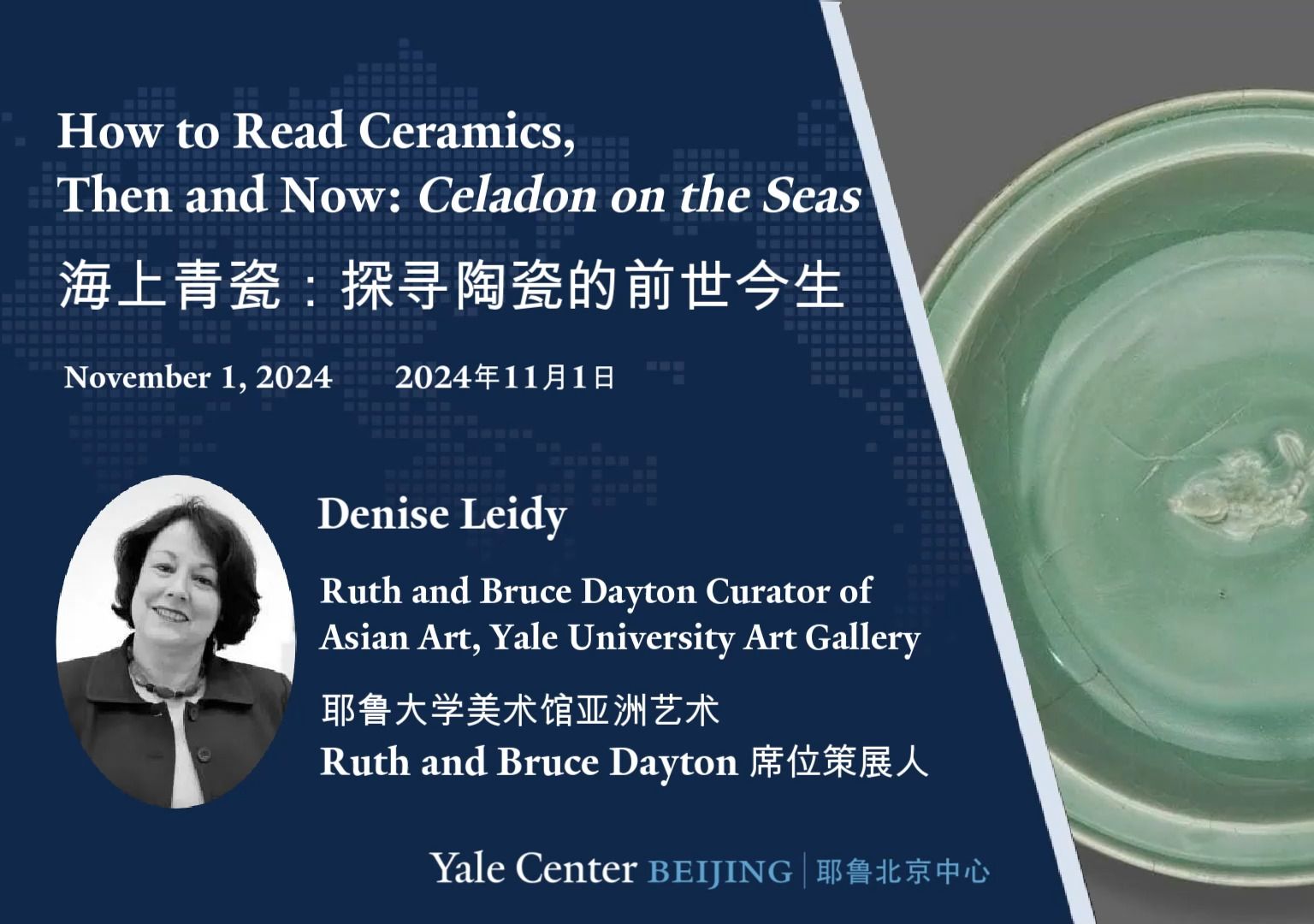
字幕摘录
| 时间 | 英文 | 中文 |
|---|---|---|
| 0:04 | So, welcome. | 所以,欢迎。 |
| 0:05 | My name is Devin Lau. | 我叫刘德文 |
| 0:06 | I am the Associate Director for Yale Center Beijing | 我是北京耶鲁中心副主任 |
| 0:10 | based here in New Haven, as is our speaker today. | 总部在纽黑文 今天的演讲者也是 |
| 0:14 | But we're very happy to welcome all | 但我们很高兴欢迎大家 |
| 0:16 | of you joining us, primarily, I'm guessing, from China, but from wherever you are in the | 你们加入我们,我猜主要是来自中国 但无论你们身在何处 |
| 0:20 | world. | 这个世界 |
| 0:21 | Good to see you. | 很高兴见到你。 |
| 0:23 | And today's topic, as I was just discussing with our speaker | 今天的话题,我正和我们的演讲人讨论 |
| 0:30 | today, is on celadon and ceramics from China, and this beautiful book that just came out | 今天是中国的庆典和陶瓷 刚刚出版的这本美丽的书 |
展开字幕全文(708 条)
| 序号 | 英文 | 中文 |
|---|---|---|
| 1 | So, welcome. | 所以,欢迎。 |
| 2 | My name is Devin Lau. | 我叫刘德文 |
| 3 | I am the Associate Director for Yale Center Beijing | 我是北京耶鲁中心副主任 |
| 4 | based here in New Haven, as is our speaker today. | 总部在纽黑文 今天的演讲者也是 |
| 5 | But we're very happy to welcome all | 但我们很高兴欢迎大家 |
| 6 | of you joining us, primarily, I'm guessing, from China, but from wherever you are in the | 你们加入我们,我猜主要是来自中国 但无论你们身在何处 |
| 7 | world. | 这个世界 |
| 8 | Good to see you. | 很高兴见到你。 |
| 9 | And today's topic, as I was just discussing with our speaker | 今天的话题,我正和我们的演讲人讨论 |
| 10 | today, is on celadon and ceramics from China, and this beautiful book that just came out | 今天是中国的庆典和陶瓷 刚刚出版的这本美丽的书 |
| 11 | from Yale University Press. | 来自耶鲁大学出版社. |
| 12 | And so we'll be talking about the book and, of course, many | 所以,我们将谈论这本书 当然,很多 |
| 13 | of the ceramics that can be found at the Yale University Art Gallery. | 在耶鲁大学美术馆可以找到的陶瓷。 |
| 14 | And we hope to welcome | 我们希望欢迎 |
| 15 | many of you to the Art Gallery at some point to see for yourself. | 你们中许多人到美术馆 某个时候自己去看 |
| 16 | Let me introduce our | 让我介绍一下我们 |
| 17 | speaker and then we can jump right in. | 扬声器然后我们就可以跳进去了 |
| 18 | Denise Lady是露丝和Bruce Dayton的守护者 | |
| 19 | of Asian Art at the Yale University Art Gallery. | 耶鲁大学美术馆的亚洲艺术 |
| 20 | She currently serves at the Art Gallery, but | 她现在在美术馆工作,但是... |
| 21 | 在此之前,她曾担任过布鲁克·罗素·阿斯特尔(英语:Brooke Russell Astor)的"中国艺术的爱默蒂塔(英语:Chinese Art Emerita)"的监制. | |
| 22 | Metropolitan Museum of Art, as well as in curatorial positions at the Asia Society | 大都会艺术博物馆,以及亚洲学会的馆长职位 |
| 23 | of New York and the Museum of Fine Arts in Boston. | 纽约博物馆和波士顿美术馆 |
| 24 | She is endlessly fascinated by the | 她无穷无尽的迷恋 |
| 25 | development and movement of technologies, ideas, and images within and between Asian | 亚洲内部和之间技术、思想和形象的发展和移动 |
| 26 | cultures, a focus of her study of ceramics today, as well as between these centers and | 她今天对陶瓷的研究 以及这些中心与 |
| 27 | those in Africa, Europe, and the Americas. | 非洲、欧洲和美洲国家。 |
| 28 | In addition to curating exhibitions, she's | 除了主持展览,她... |
| 29 | published and lectured widely, exploring topics, especially in Buddhist art, as well as Chinese | 出版并广泛发表演讲,探讨专题,特别是佛教艺术和中文 |
| 30 | and other Asian ceramics and East Asian lacquer. | 和其他亚洲陶瓷和东亚漆器。 |
| 31 | She's published many books and curated many | 她出版过很多书,很多书都是整理的 |
| 32 | exhibitions. | 展览。 |
| 33 | So if you ever get a chance to hear her talk, she's a fantastic speaker and full of | 所以如果你有机会听到她说话 她是一个很棒的演说家 充满了 |
| 34 | fascinating stories. | 令人着迷的故事。 |
| 35 | And so I consider it a great privilege to be able to have her here today | 所以我觉得今天能有她在这里 是一种极大的荣幸 |
| 36 | joining us. | 加入我们 |
| 37 | 且望 the谈. | |
| 38 | Thank you. | 谢谢 |
| 39 | Should I just start? | 我应该开始吗? |
| 40 | Yes, go for it. | 是的,来吧。 |
| 41 | And so the talk will be in the probably around the 30-40 minute range, and then | 所以谈话大概在30 -40分钟范围内 然后 |
| 42 | we'll have a Q&A. | 我们会有一个QQA。 |
| 43 | Absolutely. | 当然 |
| 44 | Let's see if we can finally manage to get this thing to work. | 让我们看看我们能不能把这东西弄好 |
| 45 | All right. | 好吧,我们走。 |
| 46 | Is it working for everybody? | 它对大家都有用吗? |
| 47 | Looks good. | 看起来不错 |
| 48 | Okay. | 摆 |
| 49 | So again, thank you all for taking the time. | 所以,再次感谢大家 花时间。 |
| 50 | And I guess in the evening for some of you, | 我想在晚上对你们中的一些人来说, |
| 51 | very early in the morning for all of us. | 清晨,为我们所有人。 |
| 52 | So this is a publication and a talk that's actually | 这是一本出版物和一篇演讲,其实是 |
| 53 | rooted in Yale's collection, and surprisingly is tied to the Yale mission in China. | 植根于耶鲁的收藏,令人惊讶的是,它与耶鲁在中国的使命联系在一起. |
| 54 | Because | 因为 |
| 55 | when I first came to Yale and my mandate was to review the collection and to double the space in | 当我第一次来到耶鲁大学时 我的任务是审查收藏品 并将收藏品增加一倍 |
| 56 | the Yale University Art Gallery, I was doing what anybody in my position would do, which is really | 耶鲁大学美术馆,我正在做任何人 在我的位置会做的,这是真的 |
| 57 | start looking around at what was in the collection. | 开始四处观察收藏中的内容. |
| 58 | There were a lot of ceramics that I was not | 有很多陶瓷,我不是 |
| 59 | familiar with. | 熟识. |
| 60 | So I did the safe curatorial thing. | 所以我做了安全典狱的事情。 |
| 61 | I put the objects that I understood best on | 我把那些我最懂的东西放在上面 |
| 62 | And then during COVID, I went back to these ceramics and started to try to figure out what they are. | 在COVID期间,我回到了这些陶瓷, 并开始尝试找出它们是什么。 |
| 63 | Most of the funky ceramics were actually collected in Yunnan in the 20s and the 30s by a man named | 烟花瓷器大多是20年代和30年代 在云南采集的 |
| 64 | John Hadley Cox, who was based in southwest China because of the Yale mission to China. | 约翰·哈德利·考克斯(英語:John Hadley Cox),曾因耶鲁派赴华传教而驻华西南. |
| 65 | And it | 还有 |
| 66 | had things in its collection that are not in other Western museums. | 藏有其他西方博物馆没有的东西 |
| 67 | So I spent a lot of time trying to | 所以我花了很多时间试图 |
| 68 | figure out what these things were. | 想想这些是什么 |
| 69 | And just to give you a little background, we're in the ninth to | 只是想给你一点背景,我们是在第九到 |
| 70 | the 14th century. | 14世纪。 |
| 71 | And you have to imagine China as a place totally dotted with kilns, both in the | 你必须把中国想象成一个满是窑炉的地方 |
| 72 | north and in the south, with large complexes and small individual places, making an astonishing | 北面和南面,有大型建筑群和小地方,令人惊讶 |
| 73 | range of ceramics. | 陶瓷的范围。 |
| 74 | And you also have to think about the fact that China has massive rivers and | 还要考虑中国有大量河流 |
| 75 | waterways that link it to the East China Sea and the South China Sea. | 连接东海和南海的水道. |
| 76 | So there's this flow of water | 所以有一条水流 |
| 77 | across China that allows for ceramics both to be made, but also to move to ports and be traded. | 中国各地允许陶瓷既可以制造,也可以转移到港口和交易。 |
| 78 | And interestingly enough, from the perspective of ceramic history, | 有趣的是 从陶瓷历史的角度来看 |
| 79 | we are going to be in South China, not North China for this story, | 我们要去南中国,不是北中国 这个故事, |
| 80 | but from the perspective of ceramic history. | 但从陶瓷史的角度来看 |
| 81 | From the perspective of Chinese history, | 从中国历史的角度来看, |
| 82 | that makes more sense. | 这更有意义。 |
| 83 | We all think, I think of the great Yangtze River as the divider between | 我们都认为,我把大长江当作分水岭 |
| 84 | north and south. | 南北东西. |
| 85 | From the perspective of ceramic history and from the perspective of geology, | 从陶瓷历史和地质学的角度 |
| 86 | it's actually a mountain range just south of the Huai River, which is known as the Qingling | 其实是淮河以南的山脉 被称为清岭 |
| 87 | Mountain Range and also the Nanshan Mountain Range. | 山脉范围与南山山脉范围. |
| 88 | And north of that, the clays that people | 北边是人们的粘土 |
| 89 | have to work with are true mineral clays. | 得用真正的矿土来工作 |
| 90 | South of that, the clays that people have to work with | 南边的粘土 人们必须用 |
| 91 | are more apt to be volcanic or igneous rock. | 更适合成为火山岩或岩浆岩 |
| 92 | And interestingly enough, that has had a startling | 有趣的是,这已经有一个惊人的 |
| 93 | impact on both the ceramic history of South China and the development of ceramic technology | 对华南陶瓷史和陶瓷技术发展的影响 |
| 94 | in China, because this kind of rock needs to be fired at a higher temperature than many other | 在中国,因为这种岩石 需要发射温度比其他的要高 |
| 95 | kinds of clay. | 一种粘土, |
| 96 | And as a result of this, South China invented a series of glazing. | 而华南也因此发明了一系列的玻璃. |
| 97 | So what happened | 发生了什么事? |
| 98 | initially, we think, is that there was a pot in a kiln and it was being fired with wood, | 我们最初认为 窑里有个锅 被木头烧了 |
| 99 | probably, possibly coal, and ash would settle on the ceramic and it was being fired and it would | 也许,可能煤, 和灰会安顿在陶瓷上, 它被发射,它会 |
| 100 | make a pattern. | 做一个图案。 |
| 101 | And by the sort of late Bronze Age, early Han dynasty, they started making those | 而到了青铜时代晚期,汉朝早期,他们开始制作这些. |
| 102 | glazes very deliberately. | 格莱兹非常刻意。 |
| 103 | So the glaze that I'm showing you on your left is a deliberate glaze, | 所以,我展示你的左边的光泽 是故意的光泽, |
| 104 | which was made to cover the top of the pot. | 这是用来遮住锅顶的 |
| 105 | And you can see that it's a little inconsistent. | 亦可见其略不一. |
| 106 | It didn't cover the entire glaze. | 它没有覆盖整个玻璃。 |
| 107 | It pools in places. | 它会游泳的地方。 |
| 108 | It drips in places. | 处处滴滴. |
| 109 | And it's a precious | 这是珍贵的 |
| 110 | and rare enough technology that they're not doing it for the entire pot. | 和稀有的技术 他们不这样做 整个锅。 |
| 111 | By the time you get | 当你得到的时候 |
| 112 | right before the Han, the time dynasty, so from the fourth to the sixth century, | 在汉人之前,时代的王朝 所以从四世纪到六世纪 |
| 113 | this technology has developed further. | 这种技术得到了进一步发展。 |
| 114 | And you can see it in the small jar on your right. | 你可以在右边的小罐子里看到 |
| 115 | The glaze covers more of the body. | 光泽覆盖更多的身体. |
| 116 | It's more even in its coloring, but it's still a little modeled. | 其配色较为均匀,但仍略具模型. |
| 117 | In the time dynasty, particularly in Shenzhen province, and towards the end of the time, | 在当时的王朝,特别是在深圳省,以及临近时代末期, |
| 118 | they managed to push this technology a little bit further. | 他们设法把这项技术推得更远一些。 |
| 119 | And several things happened at once. | 几件事同时发生。 |
| 120 | Ceramics became part of a broader culture. | 陶瓷成为更广泛的文化的一部分. |
| 121 | People started writing poetry to them. | 人们开始为他们写诗. |
| 122 | People started | 人们开始 |
| 123 | assessing them in literature. | 在文献中对其进行评估。 |
| 124 | 所以,你得到的开始的cidertium。 | |
| 125 | And people started | 人们开始 |
| 126 | really judging them aesthetically. | 真正从美学角度判断他们。 |
| 127 | Were they good? | 他们好吗? |
| 128 | Were they beautiful? | 他们漂亮吗? |
| 129 | Did they represent a high | 他们是否代表高 |
| 130 | technical moment? | 技术时刻? |
| 131 | Some of that, but not all of it has to do with the rise of tea drinking | 有一些,但不是所有的 都与茶饮的兴起有关 |
| 132 | and formalized tea drinking. | 和正式的茶饮。 |
| 133 | And so we're thinking of the classic of tea in this context. | 因此我们想到了这种背景下茶的经典. |
| 134 | Some of it has to do with the fact that they just got better at making ceramics. | 其中一些与他们刚刚更擅长制作陶瓷有关. |
| 135 | So the two pieces | 所以这两块 |
| 136 | that I'm showing you on the screen now, are you aware? | 我现在在屏幕上展示你,你知道吗? |
| 137 | They're made from Zhejiang province. | 其产自浙江省. |
| 138 | And they're one of the wares that was the subject of poetic writing and aesthetic writing and | 他们是诗歌写作 美学写作和 |
| 139 | scholarship as early as the late time dynasty. | 奖学金早在晚期的王朝. |
| 140 | People talk about the beauty of the color, | 人们谈论着色彩的美丽, |
| 141 | which is green, and also the strength of the shaping. | 是绿色的,也是塑造的力量。 |
| 142 | So the glory of the shapes. | 故形之荣也. |
| 143 | So I'm showing you two pieces here that were excavated in 1987 under the base of a pagoda | 我给你看1987年在宝塔下发掘的两块 |
| 144 | at Famansi in North China. | 在华北的法曼西 |
| 145 | And these pieces literally solved one of the great mysteries | 这些片段解决了其中的一个大谜 |
| 146 | in Chinese art history. | 中国艺术史上. |
| 147 | Because in the 18th, 19th, and 20th century, people had discovered | 因为在18、19和20世纪 人们发现了 |
| 148 | early sources in China where they were talking about something called secret color ware, | 在中国早期的消息来源 在那里他们谈论的东西 秘密的颜色战利品, |
| 149 | which gives you a sense of how people were responding to ceramics, by the way. | 顺便说一句,它让你感觉到 人们对陶瓷的反应 |
| 150 | And there was tons and tons of scholarly arguments as whether or not the Yue wares from Zhejiang | 有好几吨的学术论证认为 岳家军是否来自浙江 |
| 151 | were these famous secret colored wares, or if there was something else that people haven't | 是这些著名的 秘密的有色商品, 或者如果有别的东西,人们没有 |
| 152 | found and identified yet. | 找到并鉴定身份了 |
| 153 | When they excavated beneath the pagoda in 1987, they found | 1987年在宝塔下发掘时发现 |
| 154 | 14 examples of these green glazed wares that had been imported to the north from the south, | 14个从南方进口到北方的绿色玻璃制品的例子, |
| 155 | and they also found an 1873 stele that explicitly identified them as secret color or Yue wares. | 而且他们还发现了一个1873年的石刻,明确认定它们为秘密颜色或岳战. |
| 156 | So to give you a sense of the impact on these ceramics in Asia at the time, | 所以,为了让大家了解 这些陶瓷对当时亚洲的影响, |
| 157 | as late as the 14th century in Japan, people were still alluding to the creation of this ceramic | 早在日本的14世纪,人们仍然 喜欢创造这种陶瓷 |
| 158 | technology in China in the 8th, 9th, and 10th century. | 8,9,10世纪中国的科技. |
| 159 | And if you look at the two pieces on | 如果你看到两块 |
| 160 | the screen, you can see that they're very, very carefully potted, that the glaze covers the entire | 屏幕,你可以看到,他们 非常,非常小心的锅, |
| 161 | or almost the entire body, and that it's a delicate shade of green and it isn't running | 几乎整个身体, 它是一个微妙的绿色的荫影, 它没有运行 |
| 162 | or modeled anymore. | 或做模特 |
| 163 | It's just a beautiful, beautiful ceramic. | 它只是一个美丽,美丽的陶瓷. |
| 164 | And we know from a tiny | 我们从一个小小的 |
| 165 | fragment in the Yale University Art Gallery, I'm going to go back a minute, that they made | 在耶鲁大学美术馆的片段, 我要回到一分钟,他们做的 |
| 166 | these in different levels of quality. | 它们的质量不同。 |
| 167 | So the pieces that were found at Famanse often have | 所以在法曼斯发现的碎片 往往有 |
| 168 | these marks on the bottom, which are spurs or called spurs, and that tells us that they were | 这些印记在底部, 是刺或叫做刺, 这告诉我们,他们是 |
| 169 | stacking the ceramics in one another in order to fire them, which is efficient and makes it | 将陶瓷互相堆放,以便烧掉,这很有效率,而且很有效 |
| 170 | possible to make more ceramics. | 可能制造更多的陶瓷。 |
| 171 | This fragment at the Yale University Art Gallery, which I | 耶鲁大学美术馆的碎片,我 |
| 172 | suspect was once a cup and probably based on a silver shape, was not fired using spurs. | 疑犯曾经是杯子 可能是银色形状的 不是用刺刺射的 |
| 173 | So this | 所以这个 |
| 174 | is the inside of the cup with this wonderful dragon, and this is the outside where you can see | 这是杯子的内侧 与这美妙的龙, 这是外部,你可以看到 |
| 175 | these two small, I'm assuming they're ducks, chasing each other in a very tiny pattern. | 这两个小的,我猜他们是鸭子, 追逐对方的方式非常小。 |
| 176 | There were no spurs here, which means that this piece, even though it's damaged and broken, | 这里没有刺刺,这意味着这块, 尽管它损坏和破损, |
| 177 | was probably placed in a sager, an individual clay container, and fired, and would have been seen, | 很可能被放进一个锯木工, 一个单独的粘土容器, 并被发射, |
| 178 | particularly if it was complete, which I admit it isn't, as a more expensive or elegant item, | 特别是如果它是完整的, 我承认它不是, 作为一个更昂贵或优雅的项目, |
| 179 | because it took more work to make it. | 因为它需要更多的工作来做它。 |
| 180 | And again, if you look at it, the glaze is, it's beautifully | 再说一遍,如果你看它, 光泽是,它的美丽 |
| 181 | shaped, beautifully decorated, and the glaze is completely controlled, and pretty much covers | 形状,装饰优美, 和光泽完全控制, 几乎很多覆盖 |
| 182 | the entire vessel. | 整个船 |
| 183 | That was sort of the development of technology in South China | 这算是华南科技的发展 |
| 184 | that allowed ceramics to become global trade items. | 这使得陶瓷成为全球贸易物品。 |
| 185 | For reasons that we don't understand, | 出于我们不明白的原因 |
| 186 | the source of green glazed wares, which was zhejiang, moved from the sort of north of the | 原为浙江的绿宝石的源头 是从北边移来的 |
| 187 | province to the south of the province, somewhere around the 10th century, and they started making | 10世纪左右 他们开始制造 |
| 188 | what are called Lungquan wares. | 所谓龙泉之物 |
| 189 | It's absolutely impossible, I think, for us today to understand | 我想我们今天完全无法理解 |
| 190 | the extent of the industry at Lungquan. | 龙泉的工业范围 |
| 191 | By the Southern Song, there were probably 500 kiln | 到了南宋,大概有五百个窑 |
| 192 | complexes, so that could have been as many as 1,500 kilns, employing a ton of people in this very | 可能多达1500个窑炉 雇用了一吨人 |
| 193 | elaborate infrastructure that included supervisors, potters, designers, lace specialists, | 完善的基础设施,包括主管、陶工、设计师、蕾丝专家、 |
| 194 | people who sourced wood, people who ran kilns, people who found the clay, people who find the clay, | 找到粘土的人 找到粘土的人 |
| 195 | people who are responsible for trading things, and Lungquan wares, which I'm showing you three | 负责交易的人 还有龙泉的货 我给你们看三个 |
| 196 | examples of right now, were really the first Chinese ceramics to explode on the scene. | 现在的例子, 真的是中国最早的陶瓷 在现场爆炸。 |
| 197 | So both | 所以两个 |
| 198 | Yue wares and Lungquan wares have been found as far west as Fustat, which is just sort of south of | 远在富士塔特的西边 发现了易货和龙泉货 |
| 199 | present-day Cairo, and as far east as Japan. | 现在的开罗,最东边是日本。 |
| 200 | So you're essentially looking at a trading network | 所以,你基本上看 一个交易网络 |
| 201 | from the east coast of Africa to the Japanese islands, and because this, by the early 9th | 从非洲东海岸到日本群岛 因为到9号 |
| 202 | century, had become a maritime trading empire, so linking to all the rivers in China and to all the | 与中国所有河流和所有河流相连 |
| 203 | seas, and moving around Southeast Asia and into the Indian Ocean, thousands and hundreds of | 数以千计的 |
| 204 | thousands of Chinese ceramics were moving across the world. | 数千件中国陶瓷作品横跨世界. |
| 205 | And while it's very, very hard for us | 虽然这对我们来说很困难 |
| 206 | to understand this today, no one had seen anything like this before. | 没有人见过这样的事情 |
| 207 | So I'm showing you three examples | 所以我给你们三个例子 |
| 208 | of fish dishes, one with sort of a blue-green glaze, one with a gray-green glaze, and another with | 鱼盘 一种是蓝绿色的 一种是灰绿色的 |
| 209 | more of an olive glaze. | 更像橄榄花 |
| 210 | And in this hierarchy, the ones that are decorated with the blue-green | 在这个等级中, 与蓝绿色装饰 |
| 211 | glaze were seen as the most elaborate, and the one that we have at the Yale Art Gallery, which was a | 格莱兹被视为最精心的, 和我们在耶鲁艺术馆拥有的,这是一个 |
| 212 | gift from an alumnus, although is on view, but if you can't see it, you can see that it's very | 校友的礼物,虽然在望,但是如果你看不见,你可以看到它非常 |
| 213 | unusually got a fish on the bottom as well as the top, so it's really, really fun. | 鱼的底部和顶部都不同寻常 所以真的很有趣 |
| 214 | These, as I'm sure | 这些,我确定 |
| 215 | many of you know, are goldfish. | 你们很多人都知道,是金鱼 |
| 216 | They're auspicious, and they are a common theme in ceramics. | 它们是吉祥的,也是陶瓷中常见的主题. |
| 217 | I'm showing you now two jars, which are kind of fun. | 我现在给你们看两罐 挺有趣的 |
| 218 | They were both about this high. | 他们都这么高。 |
| 219 | They were | 他们是 |
| 220 | probably used initially to move fish brine or star anise or some kind of oil or perfume, and most | 最初可能用来移动鱼肉碱或恒星麻醉剂 或某种油或香水 |
| 221 | likely covered with a cloth cover, because the maritime trade that was uniting the Afro-Asian | 很可能被布盖覆盖,因为使亚非一体化的海上贸易 |
| 222 | world at this point of time was carrying a lot of things besides ceramic. | 现在的世界除了陶瓷外 还有很多东西 |
| 223 | It's just that because | 只是因为 |
| 224 | the clay was so high-fired and well-glazed, that's what survives in shipwrecks. | 粘土是这么高的火和 良好的玻璃, 这就是生存在沉船。 |
| 225 | So we know that these | 所以我们知道这些 |
| 226 | two small jars probably made it two different complexes in Lungchuan. | 两个小罐子可能使它在龙川有两个不同的复合体. |
| 227 | If you look at the bottoms | 如果你看着底部 |
| 228 | where you can see that one has fired kind of a buffy color and the other has fired a bit more red. | 在那里,你可以看到,一个已经射出 一种粗糙的颜色, 而另一个已经射出 有点红。 |
| 229 | These were sourced in the Philippines, again given to you by an alumni, and we know these little | 这些是在菲律宾传来的, 再次由校友送给你, 我们知道这些小 |
| 230 | jars kind of tell a really fun story about how these high-fired, high-glazed ceramics were | 罐子的故事很有趣 这些高烧的高玻璃陶瓷 |
| 231 | perceived in other parts of the world in like the 12th to the 13th century. | 像12世纪到13世纪一样 在世界上其他地方被人们看到 |
| 232 | Jars like this, | 像这样的贾斯 |
| 233 | when they were taken to the Philippines, they used up whatever was in them because they were | 当他们被带到菲律宾时, 他们把里面的东西都用光了,因为他们是 |
| 234 | transport jars. | 运输罐. |
| 235 | Sometimes they then sold them to pharmacies that used them for medicine. | 有时,他们随后把它们卖给了药店,这些药店用它们做药. |
| 236 | Sometimes they buried them for a couple of years. | 有时他们埋葬他们几年。 |
| 237 | They took them out of the ground, | 他们把他们从地上挖出来, |
| 238 | they ground them up, they added other ingredients to them, and they used these clay jars as medicine | 他们把泥土堆起来,加进其他的原料, 他们用这些粘土罐作为药 |
| 239 | itself. | 它本身。 |
| 240 | And that, I think, shows us very, very clearly how this new technology that was evolving | 我认为,这告诉我们,非常,非常清楚地 如何发展这种新技术 |
| 241 | in China was blowing people's minds throughout the Afro-Asian world. | 在中国,整个亚非世界都在轰动人们的思想。 |
| 242 | So this is a good example, | 这是一个很好的例子, |
| 243 | I think, of how new technology was being perceived, you know, a long long time ago, | 我认为,在很久以前 人们是如何看待新技术的, |
| 244 | thousands of years ago, and how things that we take for granted today were really extraordinary | 几千年前 我们今天所认为的事情 是多么的不寻常 |
| 245 | and miraculous in the 12th and 13th century. | 和奇迹 在12和13世纪。 |
| 246 | The Lungchuan wares are the source of the | 龙川军阀是源头 |
| 247 | which is the term that I'm using generically for the green glazed and related ceramics | 绿色玻璃和相关的陶瓷 |
| 248 | in the volume that we just published. | 我们刚出版的那本书 |
| 249 | And that's an interesting story. | 这是一个有趣的故事。 |
| 250 | There are two explanations | 有两个解释 |
| 251 | for this Western word. | 对于这个西方词。 |
| 252 | One comes from French, actually. | 一个来自法语,其实。 |
| 253 | And so in the 18th and 19th century, | 因此在18和19世纪 |
| 254 | the French were fascinated by the high-fired porcelains that were coming into Europe finally | 法国人对最终进入欧洲的高火瓷很着迷 |
| 255 | from China, many of which had beautiful single-color glazes. | 产自中国,其中很多拥有美丽的单色光泽. |
| 256 | So they gave them | 所以他们给了他们 |
| 257 | all these romantic names like moonlight or oxblood, and they named the green glazed one | 所有这些浪漫的名字,如月光或牛血, 他们命名绿色光泽的 |
| 258 | celadon after the character in the 18th century French play whose name was Celadon, | 在18世纪法国剧中的角色Celadon之后 |
| 259 | and who was kind of a gesture or a clown, and he wore an outfit that was this kind of gray-green, | 和他是一种手势或小丑, 他穿的衣服是这种灰绿色的, |
| 260 | so they nicknamed these celadons. | 所以他们取了些西拉顿的绰号 |
| 261 | Prior to that, in the Islamic world, they were avidly collected | 在此之前,在伊斯兰世界,他们被积极收集 |
| 262 | by a man named al-Saladin, who was a ruler. | 被一个叫al -Saladin的人所杀 他是一个统治者 |
| 263 | I can't remember if it was Egypt or Syria right now. | 我不记得是埃及还是叙利亚了 |
| 264 | Sorry, I think it was Syria. | 对不起,我想是叙利亚干的 |
| 265 | And he collected them and gave them to other rulers in West Asia | 他把他们收集起来,交给西亚的其他统治者。 |
| 266 | as diplomatic gifts. | 作为外交礼物。 |
| 267 | So we think the Western word celadon comes from one of those two sources. | 因此我们认为西方单词celadon来自这两个来源之一. |
| 268 | But again, you're seeing people around the world reacting to a technology that has its roots in | 但是,你再次看到 世界各地的人们 反应 在一个技术 它的根源 |
| 269 | late-time China. | 中国晚期. |
| 270 | So as the Tang Empire dissolved, and China was split into the Northern Song and | 于是唐帝国解体,中国分裂为北宋和 |
| 271 | the Southern Song, and ultimately into the Southern Song, or the Song course moved south, | 南宋时期,最终进入南宋,或宋道南迁, |
| 272 | the ceramic industry in South China, which is the topic of this book, expanded and expanded | 作为本书主题的华南陶瓷工业,扩大和扩展了 |
| 273 | and expanded, both for domestic reasons and for trade reasons. | 并由于国内原因和贸易原因扩大。 |
| 274 | And what came into the South and | 南方发生的事情 |
| 275 | into the ceramic industry with the move of the Southern support to the South was a taste in | 随着南方国家向南方国家的支持 进入了陶瓷业 是一种味道 |
| 276 | a different range of things. | 一系列不同的东西 |
| 277 | So I'm showing you this really wonderful | 所以,我给你看 这真的很棒 |
| 278 | Lungtran ware celadon vase. | 龙舌兰华丽桂花瓶. |
| 279 | And it is actually based on a Liangzhu neolithic jade, which would | 它实际上是基于 梁朱新石器玉,它会 |
| 280 | have been discovered as a type in the Northern Song because of the archaeology, particularly | 由于考古学,特别是 |
| 281 | in Weizhungsburg, and then was repurposed in bronze in the Northern and Southern Song, | 在魏宗斯堡,然后在北宋和南宋的青铜器中重新使用, |
| 282 | and became a ceramic type in the Southern Song and the Yuan dynasty. | 并成为南宋和元朝的陶瓷类型. |
| 283 | It's actually kind of fun. | 这其实是一种乐趣。 |
| 284 | You also see things like this sort of bronze age period gui, which would have been a storage | 你也会看到这种青铜时代的Gui 本来是储存的 |
| 285 | vessel, that got turned into an incense burner in the Lungtran wares. | 在龙特兰军械厂被烧香 |
| 286 | And you can see that they're | 你可以看到他们 |
| 287 | not only taking the shape of the earlier gui, but they're also playing with the idea of these | 不仅像之前的gui一样 而且还在玩这个 |
| 288 | vaguely Zoro-morphic handles. | 模糊的左罗形状的手柄。 |
| 289 | So you have kind of these little dragon figures here, | 所以,你有一些 这些小龙的人物在这里, |
| 290 | and a more pronounced dragon figure here. | 还有更明显的龙形人物 |
| 291 | And the other thing that was coming in as part of this | 另一件事是作为这个的一部分而来的 |
| 292 | trade that you were finding all over China at this time was imported glass. | 你当时在中国各地发现的贸易是进口玻璃。 |
| 293 | So this is the | 所以这是 |
| 294 | Cerebon shipwreck. | 切里本沉船难. |
| 295 | It's one of the more elegant shipwrecks. | 是较为优雅的沉船. |
| 296 | It was, I guess, foundered in the | 应该是在 |
| 297 | 11th century in Indonesia. | 11世纪在印度尼西亚. |
| 298 | And they've done an analysis of where the ceramics were on the ship. | 他们分析了陶瓷在船上的位置 |
| 299 | And so the green glaze bowls and plates, the celadons that we're talking about, | 因此,绿色的玻璃碗和盘子, 我们谈论的芹菜, |
| 300 | would have been in the bottom of the ship. | 本来是在船底。 |
| 301 | Because ironically, while some of these things | 因为讽刺的是,虽然有些东西 |
| 302 | are quite rare now, there were thousands of them that were traveling by sea, and they provided | 现在非常少见,有数千人在海上旅行, 他们提供 |
| 303 | ballast so ceramics could move. | 压载使得陶瓷可以移动. |
| 304 | And then glassware, which is this dark blue, would have been much | 然后这个暗蓝色的玻璃器皿 就会变得非常 |
| 305 | rarer and on the top of the ship. | 更稀有和在船顶。 |
| 306 | But despite the fact that was a small part of the cargo, | 但尽管货物只有一小部分 |
| 307 | it was being traded to China. | 它被交易到中国。 |
| 308 | Like the small jars that we were looking at a minute ago, | 就像我们刚才看到的小罐子一样 |
| 309 | these glass bottles or flagons or whatever you want to call them were filled with exotic oils. | 这些玻璃瓶或旗子 或任何你想叫它们的东西 都充满了异国情调的油 |
| 310 | They were filled with perfume. | 他们充满了香水。 |
| 311 | These ships also had incense, like frankincense from Malaysia | 这些船还有香,就像马来西亚的法兰辛斯 |
| 312 | or Somalia. | 或索马里。 |
| 313 | I mean, they had tons of things in them. | 我的意思是,他们有 吨的东西在他们。 |
| 314 | They probably had textiles. | 他们可能有纺织品。 |
| 315 | But what | 但怎样 |
| 316 | survives in these shipwrecks largely is the clay. | 在这些沉船中生存下来的主要是粘土。 |
| 317 | So what I want you to look at is this very, very | 所以,我要你看看这个非常,非常 |
| 318 | typical Iraqi, Iranian, Syrian glass form, which then lands up traded to China. | 典型的伊拉克,伊朗,叙利亚的玻璃形式,然后降落到中国。 |
| 319 | So the one on your | 所以,你的那个 |
| 320 | right was found in the tomb of the Chen princess in the north, and she died in 1018. | 在北边的陈公主墓中发现了她 她于1018年去世 |
| 321 | And then gets | 然后会得到 |
| 322 | transferred and made into a ceramic shape. | 转成陶瓷形状 |
| 323 | So you find ceramics in this shape in North China. | 所以在华北发现这种形状的陶瓷. |
| 324 | You actually find them in Korea at this time. | 你此时在韩国发现它们 |
| 325 | And by the time you're in the early 14th century in | 到了14世纪初 |
| 326 | the south at Lunchen, what they have done is they have taken this shape, turned it into a clay shape, | 在南边的午餐中,他们的行为是造化了这个形状,变成黏土的形状, |
| 327 | and added those dragon or dragonfish handles that we saw on the incense burners originally, | 加上我们原来在烧香机上看到的龙或龙鱼柄, |
| 328 | which ultimately come from the Great Bronze Age of China. | 最终来自中国大青铜时代 |
| 329 | And this really wonderful example, | 这个很好的例子, |
| 330 | which is actually in the National Museum in Korea, was found on the Sinan shipwreck, | 它实际上是在韩国国家博物馆, 在锡南沉船发现, |
| 331 | which is an early 14th century shipwreck off the coast of Korea that was filled with Chinese | 这是14世纪早期发生在韩国海岸的沉船 里面充满了中国人 |
| 332 | ceramics that were intended to go to Japan, but it crashed outside of Korea. | 原本打算去日本的陶瓷,却在韩国境外坠毁. |
| 333 | And this particular ship | 而这艘特殊的船只 |
| 334 | was actually supported by two Japanese temples that were trading Chinese ceramics in order to | 实际上是由两座日本寺庙支持的,两座日本寺庙正在交易中国陶瓷,以便 |
| 335 | have money for reconstruction of their roofs. | 有钱重建他们的屋顶。 |
| 336 | So this is a very complicated Pan-Asian story. | 这是一个非常复杂的泛亚故事。 |
| 337 | The other ceramics that are sort of truly mainstream and well-known in scholarship around | 其他的陶瓷 那种真正的主流 和著名的奖学金周围 |
| 338 | the world are the Qingbei wares, which were made in Jiangxi. | 世界是清北军阀,是江西制造的. |
| 339 | Most Chinese ceramic wares | 大多数中国陶瓷器 |
| 340 | have names that are geographic. | 拥有地理名称。 |
| 341 | So Lunchen is an area, Yue is an old name for that particular | 所以,午餐是一个地区, 岳是一个古老的名字 特定的 |
| 342 | part of China. | 中国的一部分。 |
| 343 | Qingbei wares are named for their color. | 清北军器以颜色命名. |
| 344 | They basically, as I'm sure you all know, | 他们基本上,我相信你们都知道, |
| 345 | are blue, green, white wares. | 是蓝色,绿色,白色的战利品 |
| 346 | And they are the beginning of the great blue and white porcelain | 他们是大青白瓷的开始 |
| 347 | industry that will sweep through China after the 14th century. | 14世纪后将横扫中国的工业 |
| 348 | So after the green glazewares have | 在绿色玻璃器皿之后 |
| 349 | had their day. | 他们的一天。 |
| 350 | I'm showing you two pieces in the gallery. | 我在画廊里给你看两块 |
| 351 | And on your left, I was particularly | 在你左边,我特别 |
| 352 | fascinated with for two reasons. | 迷有二义. |
| 353 | One, I couldn't find another example of it anywhere, | 第一,我找不到另一个例子 |
| 354 | which is unusual because usually ceramics are made in multiples. | 这很不寻常 因为陶瓷通常都是用倍数制成的 |
| 355 | And two, it took me a very long time | 第二,我花了很长时间 |
| 356 | to figure out what it was. | 找出这是什么。 |
| 357 | My theory at the moment, and it is a theory, is that this is a flower pot | 我当时的理论,是一种理论,就是这个花盆 |
| 358 | or a pot for growing a bulb. | 或种植灯泡的锅。 |
| 359 | And that's because it's not a functional thing. | 这是因为它不是一个功能性的东西。 |
| 360 | It's fairly small. | 它相当小。 |
| 361 | I think the source was this kind of glass beaker that was made in Roman and West Asian glass that | 我认为来源是这种玻璃烧杯 是用罗马和西亚玻璃做的 |
| 362 | was also being found in China in some numbers because of the lobing. | 在中国也发现一些数字,因为浮出水面。 |
| 363 | But while you can imagine | 但当你可以想象 |
| 364 | drinking from the glass beaker, you can't really imagine drinking from something like this with | 喝杯子里的酒 你无法想象 喝这种酒 |
| 365 | this wonderful foliate rim. | 这个美妙的圆柱。 |
| 366 | So after showing it to about 20 people and thinking about it for about | 所以在给20个人看之后 想想看 |
| 367 | two years, I've decided that it's a bulb or a flower pot. | 两年,我决定这是一个灯泡或花盆。 |
| 368 | But if anybody disagrees, let me know. | 但如果有人不同意,告诉我 |
| 369 | I could be wrong. | 我可能错了 |
| 370 | So the Qinghaiwares went from being sort of this kind of very delicate white | 所以青海的器皿就从 那种非常精致的白色上 |
| 371 | color to being more of this blue-green color, which matches the most famous blue-green color | 颜色更适合这种蓝绿色的颜色, 符合最著名的蓝绿色的颜色 |
| 372 | that you find in Lungchuanwares and was the color of sort of the preferred color at the time. | 在龙川器皿中找到的 是当时喜欢的颜色 |
| 373 | Again, | 再说一遍 |
| 374 | they made incense burners, which is what this little wonderful duck thing is, | 他们制造了烧香炉, 这就是这个小可爱的鸭子是什么, |
| 375 | and cups for drinking. | 和饮用的杯子。 |
| 376 | I think it's important to understand the reason both Lungchuan and | 我想了解龙川和 |
| 377 | Qingbai kilns were making so many incense burners was because so much imported aromatics, | 清水窑烧这么多香炉 是因为进口的芳香 |
| 378 | both woods and resins, were being brought into China at this point in time. | 林木和树脂, 都被带进中国的时间。 |
| 379 | So | 这么说 |
| 380 | there were over a thousand caddies, a hundred thousand caddies brought in in 1131 by one trader | 1131年,一个商人带来了10万个 |
| 381 | from the Arab world talking about frankincense. | 来自阿拉伯世界 谈论坦率。 |
| 382 | And I'm talking about frankincense because having | 我说的是 坦率的,因为有 |
| 383 | grown up in the West, I'm well familiar with the story of the three kings and the gifts of frankincense, | 在西方长大, 我非常熟悉三王的故事 和法兰辛斯的礼物, |
| 384 | incense, and myrrh. | 香,和弥勒. |
| 385 | Frankincense来自索马里。 | |
| 386 | So there were over a hundred thousand caddies | 因此,有超过10万卡迪 |
| 387 | brought to the Chinese court in 1131 and over 300,000 caddies brought to the Chinese court | 1131年被中国法院起诉 30多万卡迪 被中国法院起诉 |
| 388 | in 1136. | 在1136年时。 |
| 389 | And that's only one kind of aromatic that was being used in China at the court, | 而这只是一种芳香 在中国在宫廷使用, |
| 390 | in homes, during rituals, and to perfume clothing. | 在家中,在仪式上, 和香水服装。 |
| 391 | So one of the things you find in the ceramic | 所以你在陶瓷中发现了一件事 |
| 392 | industry at this time, particularly for domestic use or use in sort of a broader East Asian world, | 工业,特别是供国内使用或用于更广泛的东亚世界, |
| 393 | is an enormous number of incense burners. | 是一个大量的烧香炉。 |
| 394 | And this duck shape is just really wonderful because | 这个鸭子形状真的很棒 因为 |
| 395 | there's a bowl supporting a lotus, supporting a bud, in which a little duck shape comes out. | 有一个碗支撑着莲花,支撑着一个花蕾,其中出现了一个小鸭形. |
| 396 | And you can imagine the smoke wafting from the mouth of the duck and from these two bowls here. | 你可以想象从鸭子的嘴里 和从这两个碗里抽来的烟。 |
| 397 | This is truly, truly kind of fun. | 这是真正,真正的乐趣。 |
| 398 | I'd love to own this. | 我想拥有这个 |
| 399 | It doesn't belong to Yale, | 不属于耶鲁 |
| 400 | it belongs to the Art Institute of Chicago. | 它属于芝加哥艺术学院. |
| 401 | The other thing that's interesting about the | 还有一件有趣的事情 |
| 402 | industry in the South, as it was booming, is that they made a certain amount of Buddhist art, | 南方的工业,随着它的繁荣, 他们制造了一定的佛教艺术, |
| 403 | particularly in the late Southern Song and in the Yuan dynasty under the Mongols. | 特别是在南宋末期和元朝蒙古人统治时期. |
| 404 | And both of these lovely Bodhisattvas are wearing a type of jewelry that derives from Tibetan or | 这些可爱的Bodhisattva 都戴着藏文或藏文的首饰 |
| 405 | Indo-Himalayan traditions, particularly this kind of girdle that you're seeing on both of them, | 印裔喜马拉雅人的传统, 特别是你看到的这种带子, |
| 406 | this sweeping jewelry, and the elaborate crowns and the earrings, really beautiful things. | 细细的皇冠和耳环 很漂亮的东西 |
| 407 | And | 还有 |
| 408 | both the Qingbei and the Lunzhen kilns made these, but they were more at Qingbei. | 清北窑和伦禅窑都做了这些,但更在清北. |
| 409 | Probably the most well-known example of a Qingbei wear in Europe is the small base that I'm showing | 在欧洲,青北穿戴最有名的例子 可能是我展示的小基地 |
| 410 | you on your left. | 在你左边。 |
| 411 | And this is a really fascinating story. | 这是一个非常迷人的故事。 |
| 412 | So if you're wondering why we're not | 如果你想知道为什么我们不是 |
| 413 | talking about Europe yet, it's because the maritime trade that's uniting the African and | 说到欧洲 是因为海上贸易 将非洲和 |
| 414 | the East Asian worlds, or the West Coast of Africa and Japan, was not reaching Europe yet. | 东亚世界,或者非洲和日本的西海岸,还没有到达欧洲。 |
| 415 | That's only going to happen a couple of centuries later when a Portuguese explorer called Basco | 只有几个世纪后 一个葡萄牙探险家叫巴斯科 |
| 416 | de Gama manages to round the Cape of Good Hope. | 德加马成功绕过好望角. |
| 417 | So he figures out how to sail around the African | 所以他想出如何绕着非洲航行 |
| 418 | continent, and then European ships can move into this sort of Persian Gulf, Indian Ocean, | 然后欧洲的舰船可以进入波斯湾 印度洋 |
| 419 | South China Sea trade, and then they kind of horn in, frankly, but they start becoming | 南海贸易,然后他们有点角 坦率地说,但是他们开始变得 |
| 420 | part of this global trade in Chinese ceramics. | 这一全球中国陶瓷贸易的一部分. |
| 421 | This vase probably traveled over land, and we | 这个花瓶可能经过陆地,我们 |
| 422 | know a great deal about its history. | 了解它的历史 |
| 423 | It's called the Gagnier's Fontill vase. | 该属共有4种,俗称"加格尼尔花瓶". |
| 424 | For those of you that | 为了你们 |
| 425 | read earlier scholarship, it used to just be called the Fontill vase, but then the French | 读之前的奖学金,它曾经只是叫做丰蒂尔花瓶, 但后来的法国人 |
| 426 | realized that it had been at French hands as well, so they made everybody change the name, hence | 所以他们让每个人都改了名字 所以... |
| 427 | Gagnier's Fontill vase. | 加格尼尔的丰蒂尔花瓶. |
| 428 | It's actually in the National Museum of Ireland in Dublin, and we know | 它实际上在都柏林爱尔兰国家博物馆 我们知道 |
| 429 | that sometime around 1338, this lovely Qingbei vase was given by a delegate from the Yuan Mongol | 1338年左右,这个可爱的清北花瓶 是元蒙古人的代表送给的 |
| 430 | court to Pope Benedict II. | 教宗本笃二世的宫廷 |
| 431 | Pope Benedict II gave it to a ruler in Hungary, and because | 教宗本笃二世将其赐予匈牙利的一位统治者,因为 |
| 432 | nobody knew exactly what this was, and it seemed so rare and exotic, nobody saw it as functional. | 没有人知道这是什么, 而且看起来如此罕见和异国情调, 没有人把它视为功能。 |
| 433 | They saw it as something you displayed and showed off. | 他们把它看作是你展示和展示的东西。 |
| 434 | So the Hungarian king, I'm going to spare you | 所以匈牙利国王,我要饶你一命 |
| 435 | gold and silver, and this is what it looked like when he had it mounted for display, and we know | 金银两,这是他装起来展示时的样子 我们知道 |
| 436 | who he is because this is his coat of arms. | 他是谁,因为这是他的外套。 |
| 437 | He eventually gave it to Louis the Great. | 他最终把它给了路易大帝. |
| 438 | It then | 这样 |
| 439 | got moved around diplomatically in Europe. | 在欧洲的外交活动 |
| 440 | It landed up in the hands of the son of the French | 它落在法国人的儿子手里 |
| 441 | sun king, you know, Versailles. | 太阳王,你知道,凡尔赛。 |
| 442 | I am the son, I am the state, I'm the god. | 我是儿子 我是国家 我是神 |
| 443 | He gave it, his son | 他给了他儿子 |
| 444 | gave it to a gentleman named Gagnier. | 给一个叫加尼耶的绅士 |
| 445 | Mr. Gagnier allowed his valet to sketch the place with its | Gagnier先生允许他的侍从用它的画画描绘这个地方。 |
| 446 | mounts. | 上马 |
| 447 | It then disappeared from view for a while, showed up at Fontill Abbey in England, was sold | 后来从景色中消失了一段时间,出现在英国的Fontill Abbey,被卖掉 |
| 448 | in auction in the late 19th century, and then landed up in the National Museum of Ireland. | 在19世纪后期的拍卖中,然后降落在爱尔兰国家博物馆. |
| 449 | So we, because it had these paintings of this mounts, unlike most ceramics, which are very | 所以我们,因为它有这些画 这些山, 不像大多数陶瓷, |
| 450 | hard to trace in history, this one has a great story, and this is the first, or one of the very | 历史上很难追踪,这个故事很精彩, 这是第一个,或者是其中一个 |
| 451 | few examples of Chinese green glazed porcelain wares that were starting to trickle into Europe | 鲜有中国绿色玻璃瓷器 开始流入欧洲的例子 |
| 452 | in the late mid-14th century. | 在14世纪中后期 |
| 453 | There were a few more pieces that came in, again, largely overland, | 又有几块碎片从陆路传来 |
| 454 | largely as diplomatic gifts from Islamic ports in the 15th and 16th centuries, and then once global | 主要作为15世纪和16世纪伊斯兰港口的外交礼物, |
| 455 | trade began, it wasn't, you know, one piece of Chinese clay here and one piece of Chinese clay | 贸易开始,它不是,你知道, 一块中国粘土在这里,一块中国粘土 |
| 456 | there. | 这里 |
| 457 | It was hundreds of thousands that started coming into Europe. | 数十万人开始进入欧洲。 |
| 458 | So this is the sort of | 所以,这是那种 |
| 459 | funky stuff that's in the Yale University Art Gallery. | 耶鲁大学美术馆里的东西 |
| 460 | So we're moving to the southwest, | 所以我们要搬到西南 |
| 461 | we're looking at Yunnan, and I did want to remind you that Yunnan has always been part of global | 我们看着云南,我想提醒你 云南一直是全球的一部分 |
| 462 | trade, and they're famous for their Changsha wares, which were an important aspect of trade in | 他们以长沙的军需品而闻名 长沙的军需品是 |
| 463 | Chinese clay in the 9th century, but as these green glazed wares from the east coast of China | 9世纪的中国粘土,但作为这些来自中国东海岸的绿色玻璃瓦 |
| 464 | became, or the southeast seaboard, if you prefer, became more prominent, | 或者东南海面,如果你喜欢的话, 变得更加突出, |
| 465 | Changsha wares disappear in Yunnan, and they start having smaller kiln sentences that are | 长沙兵器在云南消失 他们开始有较小的窑刑 |
| 466 | making things that are supposed to look like Qingbei ware or are supposed to look like | 做东西应该是 看起来像清北军阀 或者应该看起来像 |
| 467 | Lungcheng ware. | 龙城华. |
| 468 | Much smaller production, many fewer pieces, but you can see that this has the sort of | 产量要小得多,作品要少得多,但你可以看到,这有 |
| 469 | like green-white glaze and this has a more olive-y glaze. | 像绿色的白色的光泽 和这个有更橄榄的光泽。 |
| 470 | You find the same thing in the Guangzhou | 在广州你也一样 |
| 471 | region. | 区域。 |
| 472 | Again, there's mixed kiln production, so unlike these centers in Zhejiang and Jiangxi | 同样,还有混合窑产,所以不像这些中心在浙江和江西 |
| 473 | where they're really making one kind of thing over and over again, these smaller kiln complexes | 在那里,他们真的 做一种事情 一次又一次, 这些较小的窑体 |
| 474 | in Guangzhou are really trying to stay with the market. | 广州真的想留在市场 |
| 475 | One of the things that happens is that | 发生的事情之一是 |
| 476 | they make a lot of jars that are not necessarily the highest end, but they're intended for transport, | 他们制造了很多罐子 不一定是最高端 但是为了运输 |
| 477 | so you would take a small jar like this and you would put smaller clay items in it. | 所以,你会拿一个小罐子 这样,你会把小 粘土物品在里面。 |
| 478 | You could | 你会 |
| 479 | silver items in it. | 里面有银器 |
| 480 | You could put something like star anise or a kind of oil or mercury | 你可以放些像星星的麻醉剂 或一种油或汞 |
| 481 | or something that was also being traded so the jar is more functional, and this is a fun piece | 或正在交易的东西 所以罐子的功能更好, 这是一个有趣的作品 |
| 482 | because it's in the Yale collection, and I finally identified it by looking at the storage jars in | 因为它在耶鲁的收藏, 我终于通过查看 存储罐在 |
| 483 | this Beilatung shipwreck, which is an early 19th century shipwreck in Indonesia, and thinking, | 这个Beilatung沉船 是印度尼西亚19世纪早期的沉船 并且想着 |
| 484 | although there's some controversy, that probably this ship sailed from Guangzhou and that they were | 虽然有一些争议, 这艘船可能是从广州开来的 而且他们是 |
| 485 | sourcing the jars for the storage of food or what foodstuffs or whatever you wanted in that area. | 找罐子来储存食物 或者什么食物 或者你想要的 |
| 486 | There's also a kiln in Guangzhou that's playing with kind of the idea of whitewares, which is | 广州也有一座窑窑,玩弄一种白器的想法,即: |
| 487 | called the Cixun kiln, so you can see a phoenix-edged ewer and a kind of cup and a saucer. | 叫做西松窑,可以看见凤尾树叶,还有杯子和调料。 |
| 488 | If you look very carefully in the inside of the cup, you can see these kind of very sickle cell-like, | 如果你在杯子内部仔细观察, 你可以看到这种非常镰状的细胞, |
| 489 | very simple lines, and that's very, very typical of ceramics from South China, particularly Guangzhou | 非常简单的线条, 这是非常非常非常典型的 陶瓷从南中国,特别是广州。 |
| 490 | and Fujian. | 和福建话. |
| 491 | If you get sort of away from the southwest of Guangzhou and you move to the | 如果你能远离广州西南部,搬到 |
| 492 | northeast of this province, you can see that the kilns there are far more aware of what was happening | 在这个省的东北部,你可以看到 那里的窑炉 更清楚发生了什么 |
| 493 | sort of further east. | 更东边 |
| 494 | So this is from the Meishan kilns, and they are famous because they tried to | 这是梅山窑的,他们很出名,因为他们想 |
| 495 | copy the ewerwares in Zhejiang that were causing such a furor, the secret colorwares, the how did | 抄袭浙江的电动器械 造成这种风毛菊花 秘密的彩色器皿 如何 |
| 496 | they do this, and you can see that if you look very carefully at this very, very pretty elegant dish, | 他们这样做,你可以看到,如果你非常仔细地看 这个非常,非常优雅的菜, |
| 497 | you can see a couple of things. | 你可以看到一些东西。 |
| 498 | One, the green isn't quite as gray as what you were finding in | 第一,绿色没有你发现的那么灰色 |
| 499 | other kilns, and two, the glaze is not as well controlled, so it's a little bit more modeled. | 其他的窑,和二, 玻璃没有很好控制, 所以它有点 更多的模型。 |
| 500 | So they don't have quite the, either they don't have the right clay or they don't have the right | 所以他们没有相当的, 要么他们没有正确的粘土 要么他们没有权利 |
| 501 | recipe for glaze or they don't have the glaze and the firing as well balanced, but they're making | 配方是玻璃 或者它们没有 玻璃和火的平衡, 但是它们正在做 |
| 502 | things that are selling widely throughout Asia but really don't look like the originals, and they | 整个亚洲的销售范围很广 但看起来不像原作 |
| 503 | also starting to make in that area a great many qingbai typewares. | 也开始在那个领域制造大量的青拜型器皿. |
| 504 | So this is the inside of a bowl | 这就是碗的内在 |
| 505 | and this is the outside of a bowl. | 这是碗的外面。 |
| 506 | Again, you can see those sketchy lines that are typical. | 再说一遍,你可以看到那些典型的粗略线条。 |
| 507 | I think this is probably either the leaves of a banana or a plantae plant. | 我想这可能是香蕉的叶子 或植物。 |
| 508 | A couple of things to | 几样东西 |
| 509 | notice, again, the glaze is not quite as well controlled, so that's why when I looked at | 注意,再次, 玻璃没有 相当好控制, 所以这就是为什么当我看着 |
| 510 | something like this in the storage when I first got to Yale, I was like, well I don't know what | 我第一次到耶鲁时 在储藏室里 像这样的东西 |
| 511 | that is, that doesn't look quite right, and so it's, you know, it doesn't hold during the firing, | 也就是说,这看起来不太对劲, 所以,你知道,在射击时,它不能维持, |
| 512 | and actually this clay is a lot more brittle and not as well refined as some of the other things, | 其实这粘土比其他的更脆 也比不上精细 |
| 513 | but there's very clearly at China, in China at this point in time, an awareness of what's being made | 但中国,中国,此时此刻, 已经意识到正在做的一切 |
| 514 | throughout the South and the willingness to sort of be in dialogues with kilns elsewhere, | 并愿意与其他地方的窑厂进行对话, |
| 515 | so one of the things you find over and over again are these fish dishes. | 所以,你一再发现的一件事 就是这些鱼盘。 |
| 516 | I showed you the | 我给你看了 |
| 517 | Lungquan example, Lungquan examples, so this is a fish dish from the Guangzhou region, a couple of | 龙泉的例子,龙泉的例子,所以这是一种来自广州地区的鱼菜,几个 |
| 518 | things, same kind of goldfish, they're a little bit further apart, and there's much more decoration | 类似金鱼的东西,它们相距更远,还有更多的装饰 |
| 519 | in the interior of the dish than you would find in one that was made in the kilns further east. | 在菜肴的内部 比你能找到的 在一个在窑炉 更东边。 |
| 520 | Fujian's fascinating. | 福建引人入胜. |
| 521 | Initially Guangzhou is the primary port, by the 12th to the 14th century, | 最初广州是主要港口,到12世纪到14世纪, |
| 522 | Fujian has taken over as the primary port. | 福建已接任第一港. |
| 523 | That is the reason why there's still a lot of monuments | 这就是为什么现在还有许多遗迹 |
| 524 | to Hinduism and Islam in that province, because there were so many foreign traders coming in, | 因为有这么多的外国商人进入, |
| 525 | settling there and being part of these sort of, I guess I can't say global yet, | 在那里定居, 并成为这种的一部分, 我想我不能说全球现在, |
| 526 | international networks of traders, and as was true in Guangzhou and in Hunan, the Fujian kilns | 国际商贸网,如广州和湖南,福建窑业 |
| 527 | really began to try to play with some of the ideas that had developed in Yuan and Lungquan, | 真正开始尝试 玩一些想法 在袁和龙泉, |
| 528 | so you get these green glazed wares that are very, very similar to the Lungquan wares, | 所以,你得到这些绿色的 玻璃质的战利品 与龙泉战利品非常,非常相似, |
| 529 | in general the Fujian wares, when they are decorated, as you can see, they're a little | 一般的福建军阀,当它们被装饰时,你可以看到,它们有点 |
| 530 | bit more elaborately decorated, some that are very, very, very sketchy in their decoration, | 有些装饰非常,非常,非常细腻, |
| 531 | both in the interior and the exterior. | 无论是在内外。 |
| 532 | As was true in Guangzhou and Yunnan, we are not in a | 和广州和云南一样,我们不是 |
| 533 | situation where a kiln complex or kiln complexes are making only one type of ware, they're making | 窑场或窑场 制造一种矿物质 他们正在制造 |
| 534 | multiple types of ware, possibly to respond to the market, so in Fujian they also made | 可能是为了应付市场 所以在福建他们也做了 |
| 535 | Qingbei type wares. | 清北型兵器. |
| 536 | Again, the glazes aren't quite as well controlled and they're usually a | 冰河也控制得不够好 通常都是 |
| 537 | little bit more elaborately decorated. | 更精心的装饰。 |
| 538 | The reason the rim is not decorated on this piece is because | 这幅画上没有饰品的原因是 |
| 539 | there was such an extensive demand for ceramics in China at this point in China and throughout | 目前中国乃至全国对陶瓷的需求如此之大 |
| 540 | the Afro-Asian world, as I'm calling it, that they found a way of firing them more quickly if | 正如我所说的,他们找到了一种方法 更快地解雇他们 |
| 541 | they fired them on the rim, so they fired them upside down, so they fired them that way and then | 他们朝四周开枪,然后向下开枪,然后朝下开枪。 |
| 542 | they would add a bronze or a silver or a gold rim to the vessel to hide the fact that it wasn't | 他们会在船上添加青铜器、银器或金边,以掩盖事实 |
| 543 | completely glazed, and you see that in a lot of southern-sewing NUN ceramics. | 在很多南锡的NUN陶瓷中都可以看到这一点。 |
| 544 | Fujian also started | 福建也开始了 |
| 545 | making, possibly in response to Qingbei wares, these kind of white wares that are called dewa | 可能是为了对付清北军阀 制造这种叫做德瓦的白军阀 |
| 546 | wares, so they're a little on the green side, they're very very distinctive, you have a little | 因此,它们有点绿色, 它们非常特别,你有一点点 |
| 547 | box here and a jar. | 这里有一个罐子。 |
| 548 | These in the 18th century become one of the most famous Chinese ceramics | 这些在18世纪成为中国最著名的陶瓷之一 |
| 549 | and because everybody gave Chinese ceramics French names at that time, for reasons I still don't | 也因为当时每个人都给中国陶瓷取了法文名字,所以我还是没有 |
| 550 | understand, they're called blanc de chine, but the the funky little jar with the really bad | 懂了,他们叫Blanc de Chine, 但是这个小罐子 和真正的坏 |
| 551 | picture that I'm showing you is there because that is known in western scholarship as the Marco Polo | 我给你们看的图片 是因为西部奖学金中 被称为马可波罗 |
| 552 | jar, so it's an example of a dewa wares from Fujian province. | 罐子,所以是福建省的一个德瓦器皿的例子. |
| 553 | It is in the treasury of San Marco | 在圣马可的国库里 |
| 554 | and Venice and the story is that Marco Polo brought it back with his travels. | 威尼斯的故事是 马可·波罗带着旅行带回来的 |
| 555 | It was again | 又来了 |
| 556 | this extremely exotic element that no one had ever seen in Europe, but from the standpoint of Chinese | 这个极端异国情调的元素 在欧洲没人见过 但从中国人的观点来看 |
| 557 | history, it's a nice little trade jar. | 历史,这是一个不错的小贸易罐。 |
| 558 | The interesting story is that the western word | 有趣的故事是西部语 |
| 559 | for white glazed high-fired clays, which is porcelain, is supposed to have come from Marco Polo | 白玻璃高烧粘土是瓷器 应该是来自马可波罗 |
| 560 | because when he saw these little clay jars in Fujian, he didn't know what they were because | 因为当他在福建看到这些小粘土罐时 他不知道它们是什么 |
| 561 | again we take this for granted, but no one had seen this stuff before, so he thought it looked | 我们再次认为这是理所当然的, 但没有人见过 这东西之前,所以他认为它看起来 |
| 562 | like the inside of a cowrie shell, which is called a porcelana in Italian, and so he dubbed this clay | 就像牛皮壳的内在 在意大利语中叫做波西拉纳 所以他把粘土戏称为 |
| 563 | porcelain, and we still use that word today, and there were also kilns in the south of Fujian | 瓷器,我们今天仍然使用这个词,福建南部也有窑窑. |
| 564 | making things for trade largely to the sort of mainland and island Southeast Asia. | 做成贸易大都到 大陆和岛屿东南亚。 |
| 565 | One of the | 一个 |
| 566 | things they made a great deal of are these vessels called kendi, which were intended specifically for | 他们做的很多东西是这些叫做Kendi的船 专为... |
| 567 | the Southeast Asian market, and they're actually drinking vessels as well as porridge vessels, | 东南亚市场, 他们实际上饮用 船只和粥船, |
| 568 | so even though this is extremely awkward to all of us, you would hold the vessel by the neck, | 虽然这对我们都非常尴尬 但你还是会把船抱在脖子上 |
| 569 | put it up against your head, and then dribble the water into your mouth, and these are again just | 把它放在你的头上, 然后把水滴进你的嘴里, 这些又是公正的 |
| 570 | other examples of these often overlooked but really fun little storage jars that were being | 其他的例子 这些经常忽略 但真正有趣的 存储小罐 正在 |
| 571 | made all throughout China for trade at this point in time. | 此时此刻,中国各地都为贸易而设. |
| 572 | So ceramics or Chinese ceramics are | 所以陶瓷或中国陶瓷 |
| 573 | being made in millions, they're traveling on ships in thousands or hundreds of thousands, | 成百上千万 他们乘船上千或几十万 |
| 574 | they're sort of trickling throughout the world, and they spur responses in other industries, | 它们在世界范围内流淌 它们刺激其他行业的反应 |
| 575 | so Vietnam, which you know has a very very complicated history with China and was under | 所以,越南,你知道 它有一个非常复杂的历史 与中国,当时 |
| 576 | Chinese control in the Han and the Thai dynasties, in the sort of 10th of the 14th century when it | 中国在汉族和泰国王朝的控制,在14世纪的10年代 |
| 577 | was an independent entity, it really had an explosion of the ceramic industry, so they | 是一个独立实体, 它真的发生了 陶瓷工业的爆炸, 所以他们 |
| 578 | started making things that responded to their own shapes. | 开始制造符合自己形状的东西. |
| 579 | This is a Bronze Age vessel in Vietnam, | 这是越南青铜时代的船 |
| 580 | and this is a jar in the Yale collection that is a jar made in the shape as that Bronze Age vessel. | 这是耶鲁收藏品中的罐子 是一个铜器时代的罐子 |
| 581 | One of the things that you're going to see starting in Vietnam is a different way of decorating the | 从越南开始,你会看到 一种不同的装饰方式 |
| 582 | surface of a ceramic, so this is inlaid with a slip, I gotta hurry up. | 陶瓷的表面,所以这个 夹着一个滑板, 我得快点。 |
| 583 | These are more Vietnamese | 这些是越南的 |
| 584 | {\fn黑体\fs22\bord1\shad0\3aHBE\4aH00\fscx67\fscy66\2cHFFFFFF\3cH808080}再玩两盘鱼的主意 {\fn黑体\fs22\bord1\shad0\3aHBE\4aH00\fscx67\fscy66\2cHFFFFFF\3cH808080}你就会发现 | |
| 585 | Canton or in Fujian and that they're decorating the dish more. | 广州或福建,他们更装饰菜肴. |
| 586 | Thailand also has a green glazed | 泰国也有绿色的玻璃 |
| 587 | ceramic industry. | 陶瓷工业. |
| 588 | One of the most famous in the world is the Korean in the 12th to the 14th | 世界上最有名的就是12号到14号的朝鲜人 |
| 589 | century, although these were never trade goods, so they were always domestic goods. | 因此,它们始终是国内商品。 |
| 590 | The Chinese | 中国人 |
| 591 | were collecting Korean ceramics, so there are about 16 examples that have been excavated | 收集了韩国的陶瓷, 所以有大约16个例子被挖掘出来 |
| 592 | from high-ranking Chinese tombs, and there's a lot of Chinese scholarship about Korean | 从中国高官墓, 有很多中国奖学金 关于韩语 |
| 593 | celadons, usually referring to them as having the radiance of jade and the clarity of water | cel,通常指有玉光和清水 |
| 594 | first under the heavens. | 先在诸天下. |
| 595 | Interestingly enough, in terms of the kind of clays used in Korea at this | 有趣的是,从韩国使用的粘土种类来看 |
| 596 | time and the color of the glazes, they are the ones that are the closest to the airwares that | 时间和光泽的颜色 它们最接近空气器件 |
| 597 | are the starting point for our story. | 是我们故事的起点 |
| 598 | And then we get to Japan, which as I mentioned was very, | 然后我们到了日本, 正如我所提到的非常, |
| 599 | very involved in trading with China and also in selling Chinese ceramics. | 十分参与与中国的贸易,也参与中国陶瓷的销售. |
| 600 | And over the time, | 随着时间的推移, |
| 601 | all of the ceramics that are found everywhere else in the world are found in Japan. | 世界上其他任何地方都能找到的陶瓷都存在于日本. |
| 602 | They're | 他们是 |
| 603 | better preserved in Japan. | 在日本保存得更好 |
| 604 | So just for the fun of it, I'm showing you this detail from a 14th-century | 所以为了好玩,我给你们看14世纪的细节 |
| 605 | painting that's a hand scroll. | 画是手卷轴。 |
| 606 | That's the biography of this very bored-looking monk, | 这就是这个无聊的和尚的传记 |
| 607 | and you can see that this is actually a poetry contest. | 你可以看到,这其实是一个诗歌比赛。 |
| 608 | This is a famous Japanese poet. | 这是日本著名诗人. |
| 609 | He's got a Chinese, probably Luncheon ware as his incense burner here, so the kinds of things we | 他有一个中国人, 可能是午餐饼作为他的香炉, |
| 610 | were seeing before. | 之前看到过 |
| 611 | And you can see that the kitchen is filled with red and black lacquer | 你可以看到厨房里满是红色和黑色的漆 |
| 612 | and more green glaze ceramics. | 和更多的绿色玻璃陶瓷。 |
| 613 | And there was, as was true in Vietnam and Thailand and elsewhere, | 正如越南、泰国和其他地方一样, |
| 614 | an awareness of the Chinese ceramic industry and a desire to respond to it within the Japanese | 对中国陶瓷业的认识 以及日本人对此的响应 |
| 615 | ceramic industry. | 陶瓷工业. |
| 616 | But since we've got a little bit of time, I'm going to tell you a little bit | 但是既然我们有一点时间 我会告诉你一点 |
| 617 | about what happened to Chinese ceramics in Japan. | 关于中国陶瓷在日本的遭遇. |
| 618 | Because Japan is honestly Asia's addict, | 因为日本是亚洲的瘾君子 |
| 619 | attic, a TTIC, not addict. | 阁楼,TTIC,不是瘾君子。 |
| 620 | There are more things preserved there than there are in other countries, | 那里保存的东西比其他国家还多 |
| 621 | and we know more about how they were repurposed. | 我们更了解他们是如何重新设计的 |
| 622 | So the slide on your right is actually a burial | 所以右边的幻灯片其实是葬品 |
| 623 | that was placed in a mound with Chinese Buddhist texts written on it to preserve them | 放在一个山丘上,上面写着中国佛教的文字来保存 |
| 624 | during bad times for various reasons. | 由于各种原因,在恶劣时期。 |
| 625 | So the jar is a classic Chinese storage jar that then became | 所以罐子是中国古典的储存罐,后来变成了 |
| 626 | this sacred item. | 这圣物。 |
| 627 | The little box that I'm showing you here is again from China, probably started | 我给你们看的小盒子 又从中国传来,可能已经开始了 |
| 628 | as life as a cosmetic box. | 就像一个化妆品盒一样 |
| 629 | By the time it gets to Japan, it's a reliquary. | 到了日本后,又改为复辟. |
| 630 | So it was found with | 所以它被发现与 |
| 631 | little beads in it, symbolizing the relics of the Buddha. | 其中小珠,象征菩萨遗迹. |
| 632 | The mirror is also from China, the knife | 镜子也来自中国 刀子 |
| 633 | and the sutra container are Japanese. | 和苏特拉容器是日本的。 |
| 634 | So here's what happened. | 事情是这样的 |
| 635 | All these Chinese ceramics are | 所有这些中国陶瓷 |
| 636 | coming in through basically one port. | 从一个港口进来的 |
| 637 | They're trickling through the port. | 他们正在通过港口。 |
| 638 | They're being found | 他们被发现了 |
| 639 | in monasteries, and they become part of elite culture in Japan. | 他们成为日本精英文化的一部分。 |
| 640 | At the same time, the Japanese | 同时,日本人 |
| 641 | are becoming more and more fascinated with the formalized drinking of tea, which is what we call | 越来越对正式喝茶着迷了 这就是我们所说的 |
| 642 | the tea ceremony, which was also practiced in China. | 茶礼,在中国也曾举行过. |
| 643 | And some of these really humble Chinese ceramics | 还有一些非常谦卑的中国陶瓷 |
| 644 | become extremely important cultural properties. | 成为极其重要的文化财产。 |
| 645 | So this is a Chinese storage jar. | 这是一个中国的储存罐。 |
| 646 | 储 jar罐. | |
| 647 | It's a transport jar. | 这是一个运输罐。 |
| 648 | It's not a high-end trade item. | 这不是一个高端交易项目。 |
| 649 | It was used to move something else. | 它被用来移动别的东西。 |
| 650 | We're still trying to figure out if it was made in Guangzhou or Fujian, | 我们还在查广州还是福建 |
| 651 | but it lands up in Japan. | 但它降落在日本。 |
| 652 | By the 16th century, it's in the hands of a gentleman who's very | 到16世纪,它掌握在一位绅士手中 |
| 653 | involved with the Japanese tea ceremony. | 参与日本茶会 |
| 654 | And over time, it acquires three boxes, | 随着时间的推移,它得到了三个盒子, |
| 655 | it acquires a host of writing about it, and it requires clothes. | 它获得大量关于它的著作,它需要衣服。 |
| 656 | So this jar, which is now in | 所以这个罐子,它现在 |
| 657 | DC, is known as chigusa, which is myriad flowers, myriad grasses. | DC,被称作chigusa,是繁多的花朵,杂草. |
| 658 | We can document it back to the 16th | 我们可以把它记录到16号 |
| 659 | century, and it's got two sets of Chinese silk boards. | 世纪,它有两套中国丝绸板. |
| 660 | And this is typical of what happened to | 这是典型的发生 |
| 661 | these ceramics made in Fujian but elsewhere in China that landed up in Japan and got preserved | 这些福建制造的陶瓷 中国其他地方的陶瓷 在日本落地 保存完好 |
| 662 | and documented because of the tea ceremony. | 和记载 因为茶仪式。 |
| 663 | So one of the things we know that was happening | 所以,我们知道的事情之一 正在发生 |
| 664 | is that when ceramics moved over the seas, sometimes they were assembled in crates. | 陶瓷在海上移动的时候 有时它们被装在箱子里 |
| 665 | So these are the objects that were in one crate in the Xin'an shipwreck. | 这些就是在新安沉船的一个箱子里的物体。 |
| 666 | And you can see that | 你可以看到 |
| 667 | there's a very similar storage jar. | 有一个非常相似的存储罐。 |
| 668 | There's a mortar and pestle. | 有迫击炮和瘟疫 |
| 669 | There's incense burners, | 有烧香器 |
| 670 | and there's these tea bowls. | 还有这些茶碗。 |
| 671 | These are tea measures, which are these sort of brown glazed | 这些是茶量,是棕色的 |
| 672 | or black glazed things from Fujian, which are called jianware. | 或者福建的黑色玻璃制品 叫做珍宝 |
| 673 | And actually, the chemistry or | 实际上,化学或 |
| 674 | the technology that you need to make a green glaze, which has to do with manipulating copper, | 做一个绿色的玻璃, 与操纵铜, |
| 675 | is the same technology that you need to make a tea bowl. | 和做个茶碗一样 |
| 676 | And in China, in these kilns, in Fujian, | 而在中国,在这些窑,在福建, |
| 677 | which you know is famous for its tea, they started making these brown glazed bowls and making | 他们开始制作这些棕色的玻璃碗 |
| 678 | the glaze, making certain things pop out of the glaze as they were heated, | 光泽,使某些东西从光泽中涌出, |
| 679 | which they referred to as, in this case, hair's fur. | 他们称之为,在这种情况下,头发的毛皮。 |
| 680 | So several of these tea bowls landed up in | 所以,这些茶碗中的几个 降落在 |
| 681 | Japan. | 日本国. |
| 682 | And there are types of Fujianware that you don't find anywhere else in the world. | 并且有几种福建兵器,你在世界其他地方找不到. |
| 683 | So the one on your left is called an iridescent spotted, and the one on your right | 你左边的那个叫迷幻斑点,右边那个叫 |
| 684 | is called an oil spotted. | 叫做石油发现。 |
| 685 | Both are in Japanese collections. | 两者都收录在日本文库中. |
| 686 | Both have very long lineages, | 两者都有很长的血统 |
| 687 | so we know all about them. | 所以我们知道他们的一切。 |
| 688 | And the one on your right also has its three different Chinese lacquers | 你右边的还有三块不同的中国纹章 |
| 689 | that would be used in different contexts in the tea ceremony. | 将在茶会的不同场合使用。 |
| 690 | And what's fascinating about these | 这有什么迷人的 |
| 691 | two tea bowls is that in Japan, they are listed as national treasures. | 两杯茶碗在日本被列为国宝. |
| 692 | So the Japanese have this | 所以日本人有这个 |
| 693 | hierarchy that they started in the 1950s, where they took certain things in their culture that | 他们从20世纪50年代开始的等级, 他们把某些东西 在他们的文化中, |
| 694 | were either extraordinarily beautiful or historically important, or both, and they | 要么非常漂亮 要么具有历史意义 要么两者兼而有之 |
| 695 | designated them as national treasures. | 把它们指定为国家宝藏。 |
| 696 | There are 17 ceramics in Japan that are designated | 日本有17件陶瓷被指定 |
| 697 | as national treasures. | 作为国宝. |
| 698 | Five of them are Fujian tea bowls. | 其中福建茶碗五种. |
| 699 | Three of them are Lungchuanwares, | 有三个是龙川兵器 |
| 700 | and one is a ceramic from Korea. | 一个是韩国的陶瓷 |
| 701 | And I see this as kind of a brilliant paradigm for everything | 我认为这是万物的辉煌典范 |
| 702 | that happened as the Chinese ceramic industry evolved in the South and became part of a global | 随着中国陶瓷工业在南方的发展 并成为全球的一部分 |
| 703 | dialogue and remains so today. | 对话,今天依然如此。 |
| 704 | So thank you for your attention. | 谢谢你的注意 |
| 705 | Thank you very much. | 谢谢 |
| 706 | And happy to answer any questions. | 并乐于回答任何问题. |
| 707 | Thank you so much. | 非常感谢 |
| 708 | That was fantastic. | 这太棒了。 |
该视频共有字幕 708 条。解锁更多字幕为会员功能,请移动到 价格